
What It Really Means When A Fox Keeps Returning To Your North Carolina Yard After Dark
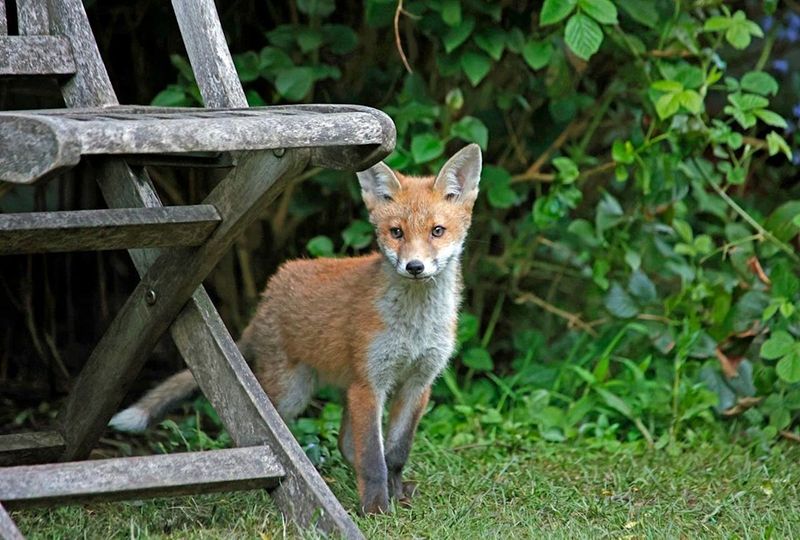
Spotting a fox slipping through your yard after dark once might feel like a lucky wildlife moment, but seeing the same shadowy visitor night after night raises a fair question: why here, and why again? North Carolina yards can quietly offer more than they seem, from hunting grounds for small prey to sheltered travel corridors that connect one green space to another.
Understanding what might be pulling a fox back repeatedly helps you respond with the right level of concern, protect your pets, and make smart choices about your own outdoor space.
A recurring nighttime fox offers a clue, not a diagnosis
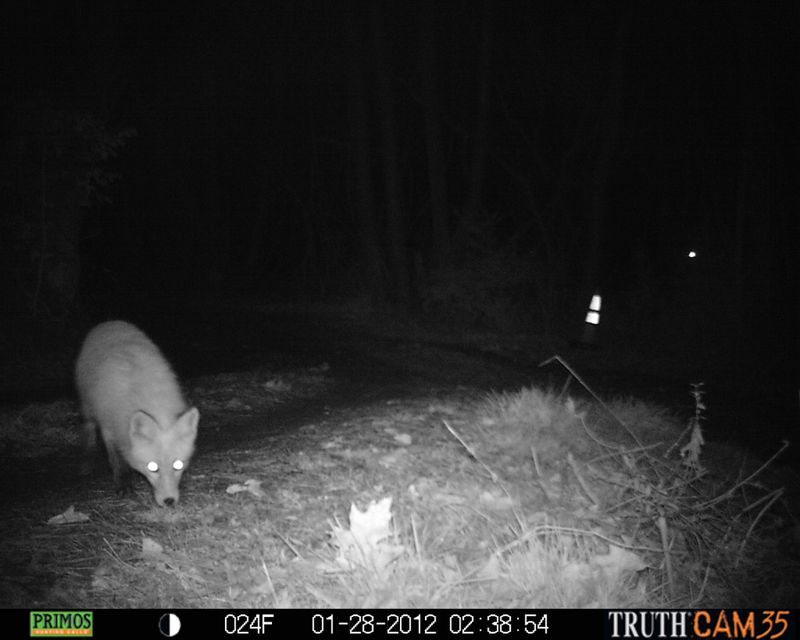
Catching a fox on camera three nights in a row can feel like a mystery begging to be solved, and the instinct to reach for a single explanation is understandable. Before settling on one, though, it helps to know what that sighting actually tells you and what it leaves open.
Foxes are primarily nocturnal animals, and a wary individual moving through a yard after dark is behaving completely normally, not signaling that something is wrong.
North Carolina is home to two fox species. The gray fox is the state’s only native species and tends to favor wooded or brushy habitat, while the NC Wildlife red fox profile notes that red foxes also occur statewide and more often use open country, field edges, and brushy margins.
Both species are capable of moving through residential neighborhoods, especially where yards connect to tree lines, creek corridors, or overgrown fence rows.
Repeated sightings are a clue worth following, but they cannot prove the fox lives in your yard, has chosen a den on your property, or is even the same individual each night. What camera footage or repeated observations can reasonably suggest is that the yard sits along a route the animal finds worth traveling, possibly because it offers prey, fruit, cover, or a sheltered path between two larger areas.
A 2020 residential-yard study in Raleigh found that urban wildlife made strong use of human-associated resources and that yards with higher prey abundance tended to attract predators. That research supports the idea that a productive yard can draw repeated wildlife visits, but it does not identify which specific feature in any one yard is responsible.
The right starting point is not a verdict but a question: what reliable resource or sheltered route might this property be offering?
Prey and food may draw the fox more than any single plant
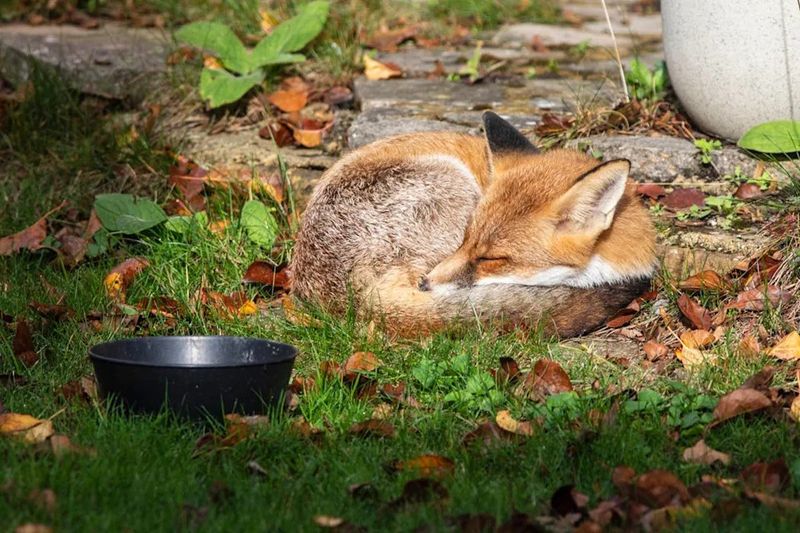
A fox returning to the same yard night after night is almost certainly responding to something reliable, and food is the most straightforward explanation to examine. The NC Wildlife red fox page lists the species’ common diet as mice, meadow voles, rabbits, insects, birds, eggs, fruit, berries, carrion, garbage, and pet food.
Gray foxes cover similar ground; U.S. Forest Service gray fox ecology data describes them as omnivorous opportunists for whom small mammals are important prey, while fruit and invertebrates can make up a meaningful share of seasonal intake.
Small mammals are especially significant for red foxes. U.S.
Forest Service red fox ecology records confirm that mice and meadow voles form the bulk of the diet in many settings, with rabbits also featuring prominently. A yard with dense ground cover, overgrown garden edges, or active vole tunnels in the lawn offers real hunting opportunities, and a fox that finds prey there will often return.
NC State Extension’s guidance on voles in turf notes that foxes are among the predators that can help keep vole populations in check, though that should not be read as a promise of elimination or dependable pest control.
Human-provided food is a separate category and worth treating differently. The Raleigh residential-yard research found especially high use of anthropogenic resources, meaning supplemental feeding, feeder spillage, compost, garbage, and fallen fruit were among the yard features most associated with wildlife activity.
A fox drawn back by a reliable pile of birdseed or an uncovered compost bin is responding to a concentrated reward, not foraging through a natural food web.
No single plant causes a fox to return. The evidence points to resource-rich yards, active prey populations, and human-provided food as the relevant factors, and those vary from one property to the next.
A yard in the Piedmont with heavy vole activity will attract a fox for different reasons than a Coastal Plain yard where a garbage bin is left unsecured. The honest answer is that diet and food availability matter most, and the specific mix depends on what your yard is actually offering.
Native plants can support wildlife without acting as fox bait
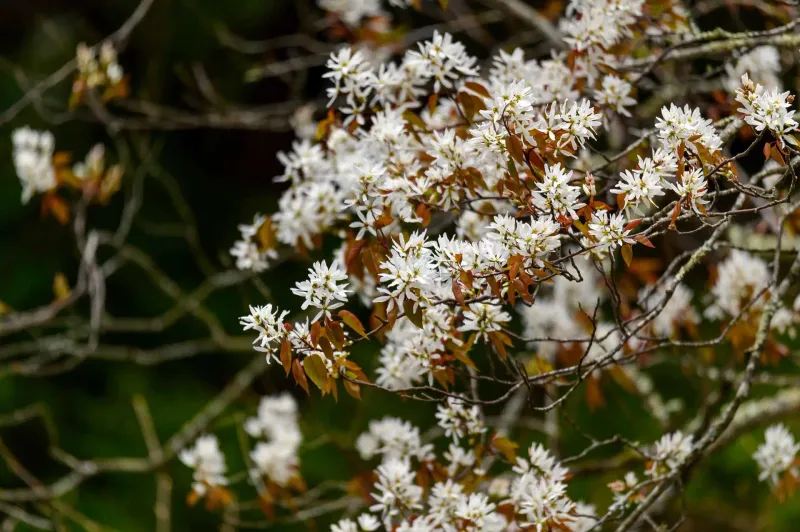
Many North Carolina homeowners who garden with native plants eventually notice more wildlife moving through, and that is largely a good thing. Native plantings support insects, birds, and small mammals by providing food, structure, and shelter across the growing season.
NC State Extension’s guide to landscaping for wildlife with native plants documents species well-suited to the state, including serviceberry, blueberry, blackberry, elderberry, dogwood, black cherry, persimmon, American holly, native grape, and Virginia creeper.
These plants contribute to a functioning food web rather than acting as fox-specific attractants. Serviceberry and elderberry produce fruit that birds and small mammals eat; insects drawn to native flowering plants feed birds; and a yard with more birds and small mammals may occasionally draw in a predator like a fox.
That ecological chain is worth understanding, because it means a wildlife-friendly yard can increase activity without the homeowner having deliberately invited any one species.
The distinction that matters most is between dispersed habitat and concentrated food stations. A dogwood tree dropping fruit across a wide area is different from a pile of pet food left on the back porch.
NC State Extension’s urban habitat guidance for birds and the Raleigh yard study both point to human-provided, concentrated resources as the category most associated with elevated wildlife use. Native plants that disperse food naturally across a yard are a different kind of resource.
NC Wildlife’s guidance on feeding wildlife responsibly makes the stewardship goal clear: support native biodiversity while keeping wild animals wary of people and avoiding concentrated food rewards. Planting natives to attract foxes specifically is not a sound goal for a residential yard.
The better aim is a yard that supports a broad community of native species while avoiding the food concentrations that turn a passing fox into a habituated one.
Inspect the yard for evidence before choosing a response
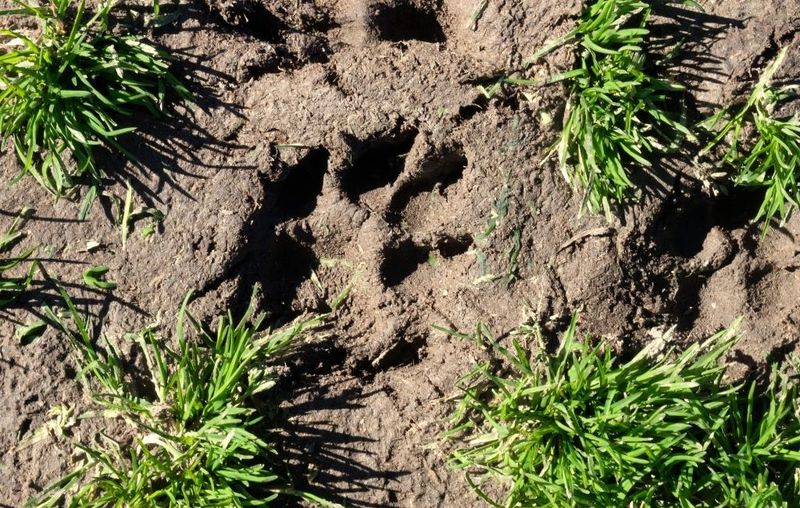
Before deciding whether to act and how, walk the yard and look for physical evidence. A sighting alone cannot tell you what is drawing the fox back, but the yard itself often can.
Tracks in soft soil near a garden bed, fence line, or drainage area are a useful starting point; fox prints are oval-shaped with four toes and claw marks, and they tend to follow a straight, purposeful line rather than the wandering pattern of a dog.
Scat left in a prominent spot, such as a path intersection or a raised area, can suggest a fox is marking territory or passing through regularly. Rodent runways, which are narrow, grass-parted channels running through turf or ground cover, point to active vole or mouse populations that could be drawing a predator.
Rabbit browsing on low garden plants is another clue. The U.S.
Forest Service red fox ecology review confirms that mice and voles are central prey, so any yard with visible rodent activity is worth noting.
Check for human-provided food sources as carefully as you check for wild ones. Birdseed accumulation beneath feeders, open garbage cans, pet food bowls left outside overnight, or fallen fruit collecting under a tree are all concentrated attractants that the Raleigh residential-yard research identified as strongly associated with wildlife visits.
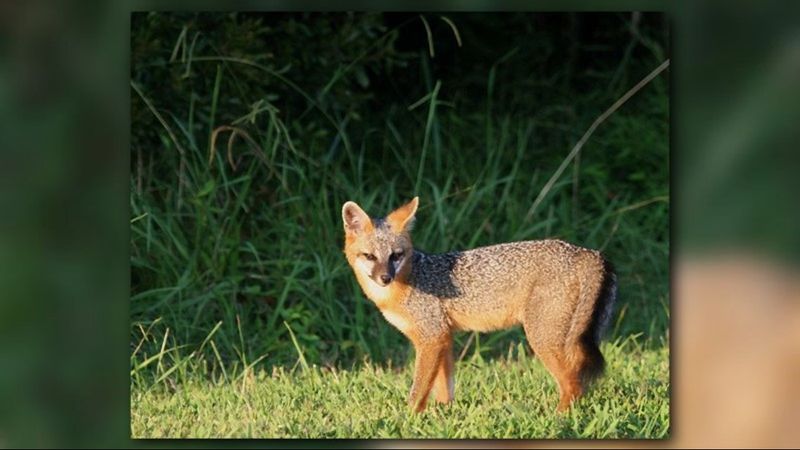
Species identification can help narrow the picture. The NC Wildlife gray fox profile notes that gray foxes are more associated with wooded or brushy habitat and can climb trees, while red foxes more often use open country and field edges.
However, color alone is an unreliable guide because gray foxes can carry reddish markings and red foxes occur in color variants. Local conditions and habitat type are more useful than color when trying to identify which species you are seeing.
Piedmont, Coastal Plain, and mountain yards each offer different vegetation, prey communities, and land-use contexts, so base your conclusions on what you actually observe rather than assuming a statewide pattern applies to your specific property.
Remove concentrated attractants without making the yard sterile
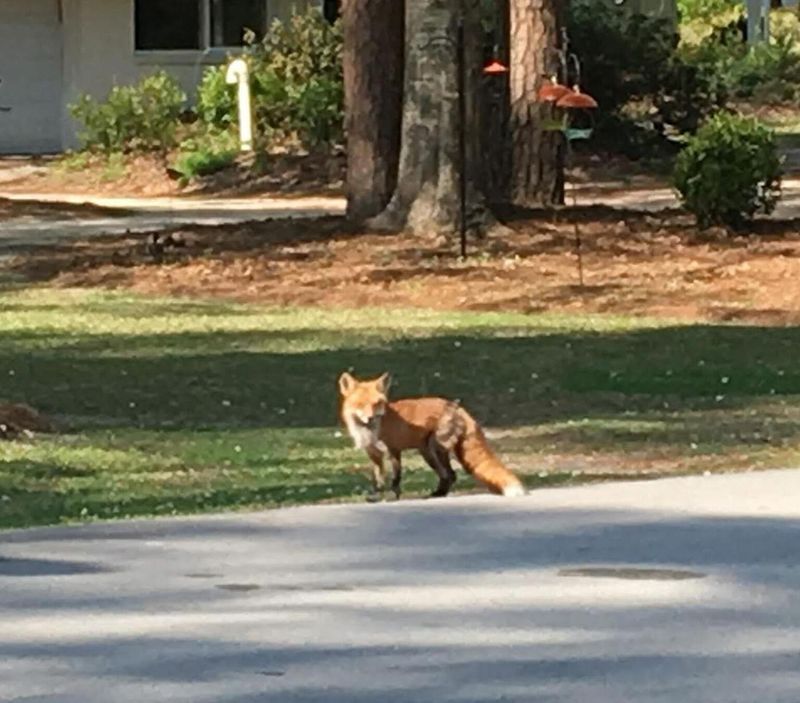
Once you have identified what might be drawing the fox back, the most effective response is usually to remove the dependable rewards rather than overhaul the entire yard. NC Wildlife’s guidance on preventing wildlife conflicts recommends a clear set of practical steps: feed pets indoors and remove any leftover food promptly, secure garbage cans and livestock feed in containers that cannot be opened by wildlife, keep bird-feeder areas clean of accumulated seed, and collect fallen fruit from the ground rather than letting it pile up beneath trees.
Backyard chickens deserve specific attention. Predator-proof housing with hardware cloth rather than standard chicken wire, secure latching mechanisms, and a covered run significantly reduce the risk of a fox making a meal of your flock.
A fox that successfully enters a chicken enclosure once will almost certainly return, so prevention before any incident is far easier than correction after one.
Pet safety is a practical concern that runs alongside attractant removal. Keep dogs leashed or under direct supervision when outdoors after dark, and consider bringing cats indoors or housing them in a secure enclosure.
Pet food left outside overnight is one of the most reliable fox attractants, and eliminating it removes both the food reward and the habituation risk.
Never intentionally feed the fox. NC Wildlife’s responsible feeding guidance is direct on this point: deliberate feeding concentrates wildlife, increases the chance of disease transmission between animals, and can make foxes progressively bolder around people.
A bold fox is harder to manage and more likely to end up being removed by wildlife authorities. The goal here is not to strip the yard of every wild food source but to eliminate the concentrated, human-provided rewards that give a fox a reliable, easy reason to return night after night.
Dispersed native habitat can remain; uncovered garbage and pet food left out should not.
Handle dens and close encounters with proportionate caution
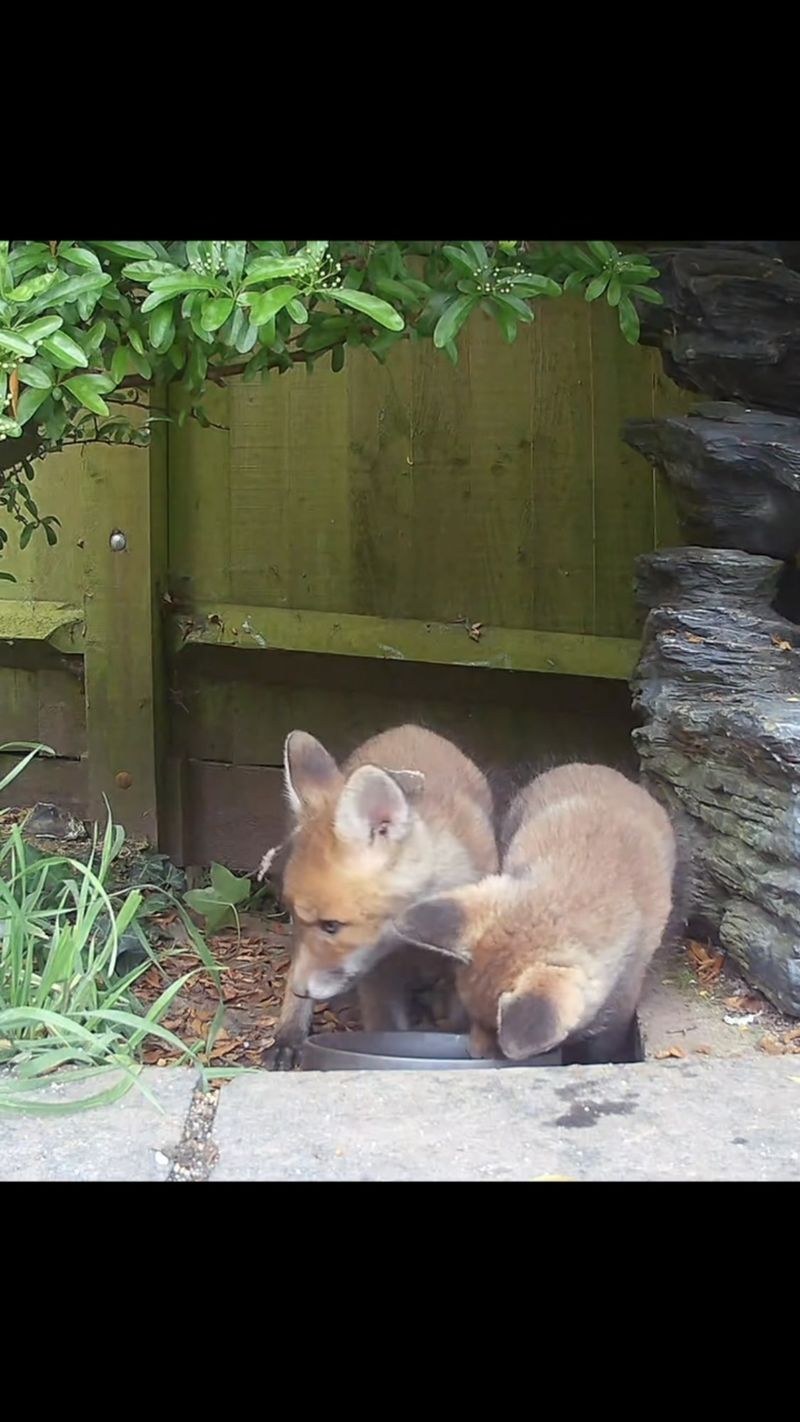
A fox passing through a yard on a regular route is a different situation from a fox that has decided to raise a family beneath your deck. Foxes do den under porches, decks, sheds, and similar structures, particularly during the spring kit-rearing season.
If you suspect an active den, look for worn soil near an opening, scattered prey remains, or the sounds of young animals. Humane World for Animals’ fox guidance recommends confirming that all young have left before sealing any opening.
Blocking a den with kits still inside can trap and kill the young, and it may push an adult fox to dig a new entrance nearby.
For a fox that is simply moving through and remains wary of people, observation from indoors is generally the appropriate response. NC Wildlife’s conflict prevention guidance notes that if hazing becomes necessary, a hose used from a safe distance can encourage a fox to move along, but the animal should always have a clear, unobstructed escape route.
Hazing should be calm and consistent rather than aggressive.
Daytime activity alone does not indicate rabies or illness. NC Wildlife’s 2026 spring encounter guidance explains that foxes, especially adults feeding kits, can be active during daylight hours in spring and summer without anything being wrong.
Signs that warrant genuine concern include staggering, circling, paralysis, disorientation, self-mutilation, or unprovoked aggression toward people or objects. A fox displaying those behaviors should be reported to your local animal control agency, not approached.
Relocation is not a legal option in North Carolina. NC Wildlife states clearly that relocating foxes and other rabies-vector species is illegal in the state.
Readers should work with exclusion and attractant reduction rather than attempting to trap or move the animal. If a den or conflict situation feels beyond what you can manage on your own, contact your county’s animal control or a licensed wildlife control operator for guidance.
Respond correctly if a person or pet suffers a bite or scratch

Most fox encounters in a North Carolina yard end without any contact, but if a bite or scratch does occur, the steps that follow matter and should happen without delay. The first action for any bite or scratch, whether on a person or a pet, is to wash the wound thoroughly with soap and running water for at least 15 minutes.
That step is not optional or approximate; it is the immediate physical response recommended by public health authorities.
For a person who has been bitten or scratched, contact a doctor, your local health department, or another appropriate public-health authority right away. NC DHHS rabies control guidance outlines what happens after a potential exposure and why prompt contact with medical or public-health professionals is necessary.
Do not wait to see whether symptoms develop before seeking guidance.
For a pet that has been bitten or scratched, contact a veterinarian promptly and notify animal control or your local health department as required. North Carolina’s rabies testing criteria classify foxes among high-risk wildlife species when a possible exposure has occurred, which means the exposure is taken seriously in the state’s public-health framework.
The NC rabies risk assessment steps make clear that concern centers on a bite, scratch, or saliva entering broken skin or a mucous membrane, not merely seeing a fox in the yard.
Do not attempt to capture or corner the fox after an exposure. Trying to catch the animal puts you at risk of additional bites and is not a role for a homeowner.
Report the incident to animal control and let trained professionals handle the animal if testing is deemed necessary. Keeping your distance after an incident is as important as the immediate wound care that precedes it.
Treat the return as an observation to manage, not a verdict on the yard
A fox that keeps appearing after dark may be using the yard as part of a regular foraging or travel route, responding to prey, fruit, human-provided food, or a sheltered corridor. That is a plausible and commonly consistent explanation, but the sighting itself cannot identify one cause by itself.
Repeated appearances by a wary, nocturnal animal are a starting point for observation, not a conclusion about what the yard has become.
The practical sequence runs in a clear order. Check for physical clues first, including tracks, scat, rodent activity, fallen fruit, and feeder spillage.
Remove concentrated attractants: secure garbage, feed pets indoors, clean beneath feeders, and protect chickens with hardware-cloth enclosures. Keep pets supervised and never intentionally feed the fox.
If a suspected den is present, leave it undisturbed until you can confirm it is empty. Let native plants continue to support insects, birds, and small mammals as part of a functioning food web, since NC State Extension’s native plant guidance frames that kind of habitat as a stewardship goal, not a fox-feeding strategy.
The line worth holding is the one between coexistence with a wary wild fox and habituation created by feeding or unsafe exclusion. NC Wildlife’s conflict prevention guidance and its responsible feeding guidance both point toward the same outcome: a fox that remains wild, cautious, and self-sufficient is far better for the animal and the yard than one conditioned to expect a handout.
A yard that offers dispersed habitat without concentrated rewards is doing its job well.