
If Hummingbirds Keep Passing Over Your Yard, Here Are 15 Fiery Orange Blooms They Can’t Resist
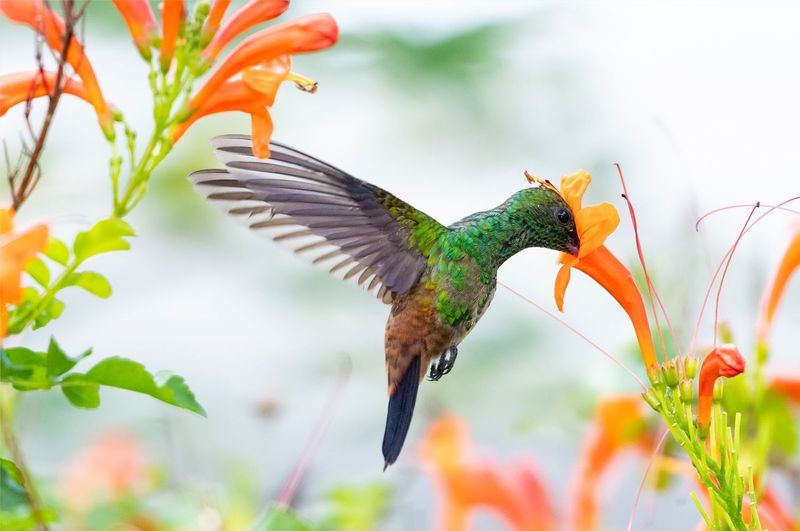
Watching hummingbirds zip right past your garden without stopping can feel a little discouraging. The trick is often color and flower shape, because these tiny birds love bright orange, tube-shaped blooms packed with nectar.
Below you’ll find 15 fiery orange flowers that act like a welcome sign for hummingbirds. Add even a couple of these and you may spot far more visitors buzzing around this season.
1. Cuphea ‘Vermillionaire’ (Firecracker Plant)
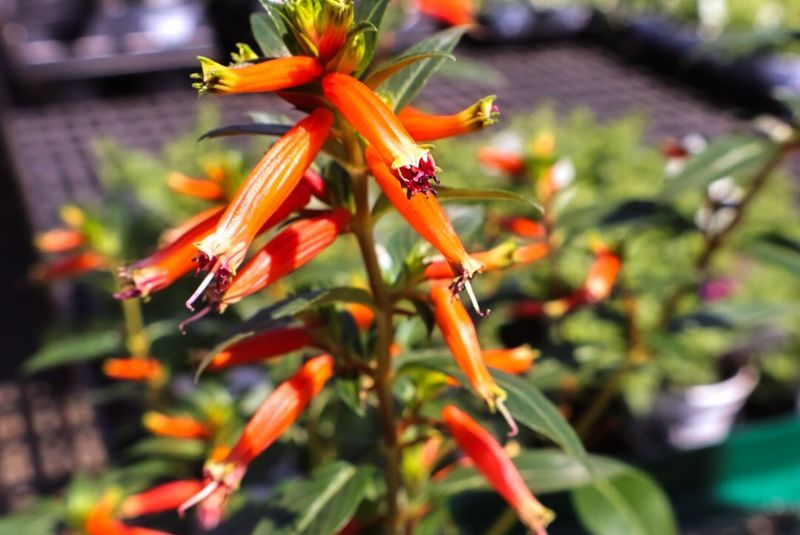
Picture tiny lit cigars glowing along the stems, and you have Cuphea ‘Vermillionaire.’ Those skinny, tubular orange blooms are perfectly shaped for a hummingbird’s slender beak, and they keep coming from spring right up until the first frost.
Give this one full sun, around 6 to 8 hours a day, though a little midday shade helps in scorching regions. It loves moist, well-draining soil but is surprisingly heat and drought tolerant once settled in.
If you notice yellow leaves or leaf drop, ease up on the water and let the top inch of soil dry out first. A balanced fertilizer can green things back up if a nutrient shortage is the real culprit.
2. Orange Jewelweed (Impatiens capensis)
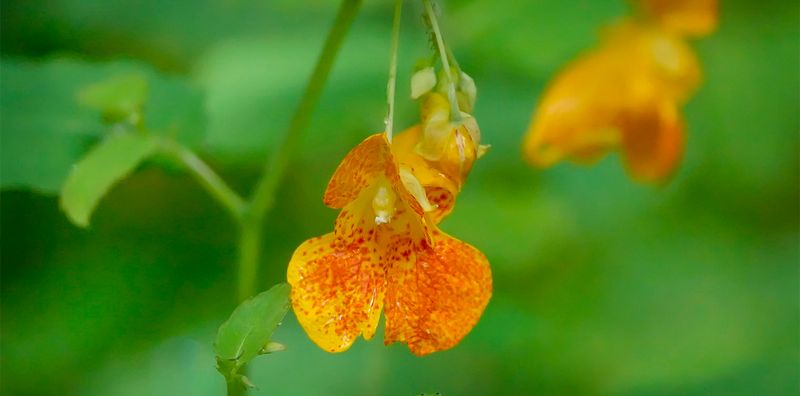
Native across North America, Orange Jewelweed brings dainty, trumpet-shaped flowers in warm orange to orange-yellow tones, usually freckled with reddish-brown spots. Hummingbirds have adored it for generations, and it blooms from late spring into early fall.
Here’s the twist: while so many hummingbird plants beg for sun, jewelweed prefers partial to full shade and soil that stays consistently moist or even soggy. Dry conditions are its worst enemy, so this is the plant for that damp, shady corner you never knew what to do with.
It self-seeds happily and can spread, which makes it a low-effort choice for filling in wet edges.
3. Orange Bee Balm (Monarda)
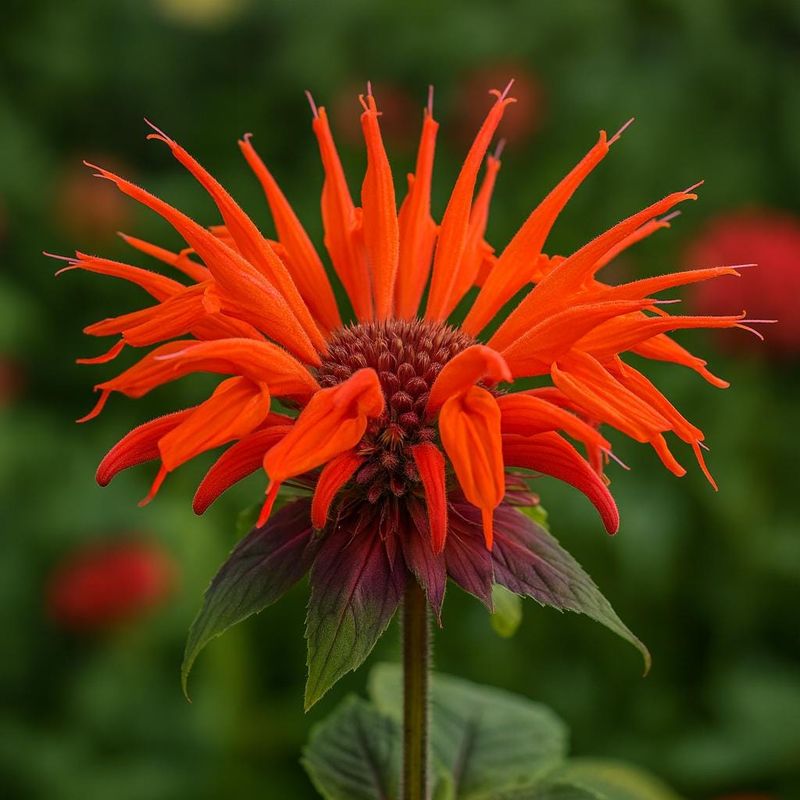
Shaggy and wild-looking, orange Bee Balm bursts open like little fireworks, and its tubular petals practically hand hummingbirds an invitation. The bold color does a lot of the flagging-down work in a busy border.
Plant it in full sun, but in hotter zones offer a bit of afternoon shade so the leaves don’t scorch. Monarda wants consistently moist, well-draining soil to stay happy through the season.
Powdery mildew is the classic Bee Balm headache, and it usually shows up when plants are crowded, too shaded, or stressed by drought. Space them out and keep them watered, and you’ll dodge most of that white, dusty coating.
4. Trumpet Vine (Campsis radicans)
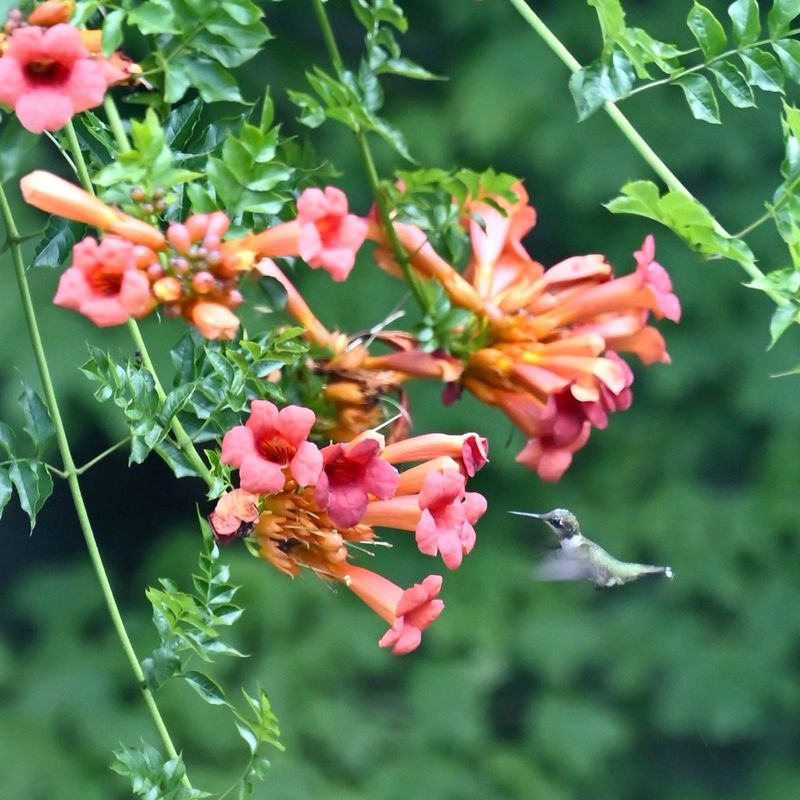
Few plants shout “hummingbird buffet” quite like Trumpet Vine. This vigorous climber pumps out clusters of fiery orange, trumpet-shaped flowers from June through September, and the birds line up for it.
It thrives in full sun and shrugs off different soil types, handling sandy, loamy, and clay ground as long as it drains. Once established it’s quite drought-tolerant, though a moderate drink during dry stretches keeps blooms coming.
A word of caution: this vine grows fast and enthusiastically, so regular pruning keeps it in bounds and actually encourages more flowers. It’s hardy in USDA zones 4 through 9, so most of the country can grow it.
5. Zinnia ‘Orange King’
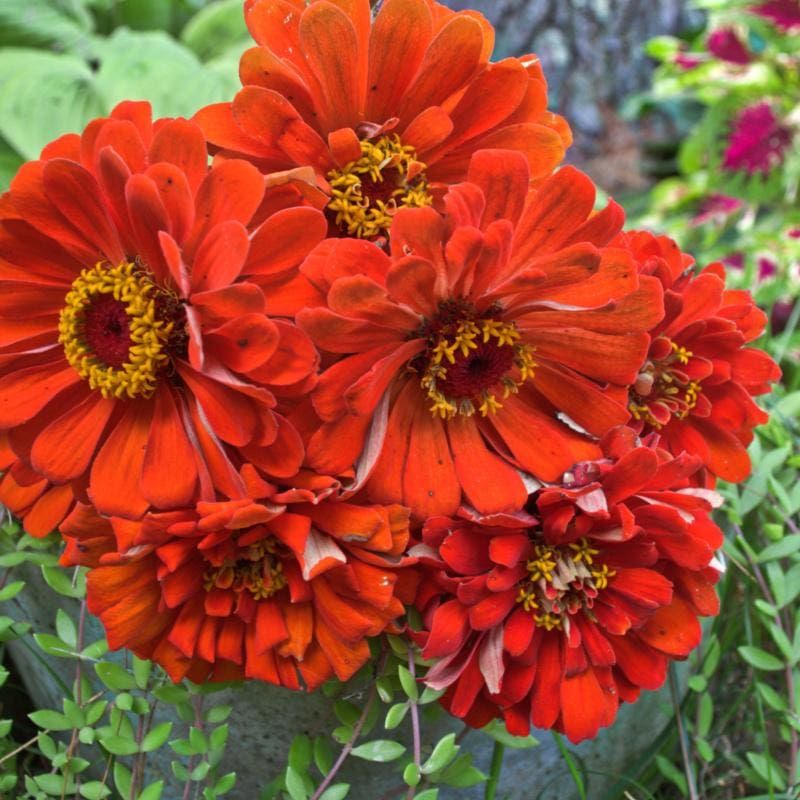
Want instant, cheerful color that hummingbirds actually notice? Reach for large-flowered orange zinnias like ‘Orange King,’ which put on a bold show from summer straight through the first frost.
These annuals are famously beginner-friendly, asking only for full sun and well-draining soil. During dry spells, water steadily and let the top two inches of soil dry between drinks so the roots don’t stay soggy.
Give each plant a little elbow room, because good air circulation is your best defense against powdery mildew and bacterial leaf spot. Space them well and they’ll reward you with wave after wave of blooms.
6. Lantana (Orange Varieties)
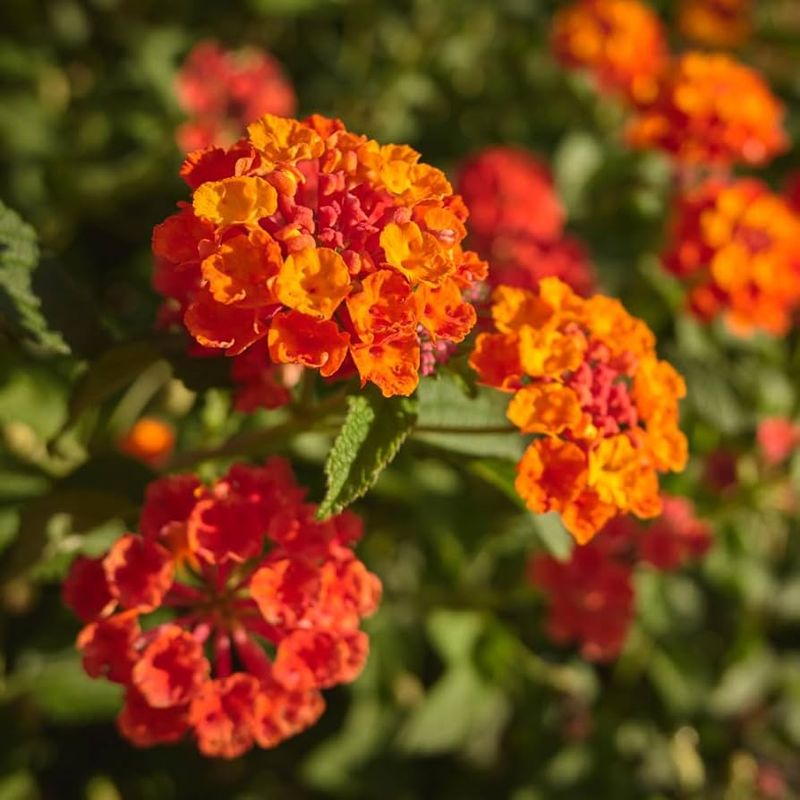
If your yard has a hot, baked spot where other flowers sulk, orange Lantana will treat it like a vacation. This tough, drought-tolerant plant throws out clusters of tiny, brilliant blooms, often mixing orange with pink and yellow in the same cluster.
Those vivid colors work like a lighthouse for passing hummingbirds, and the flowers keep coming all season long in sunny spots. Lantana genuinely loves heat, so the harsher the summer, the happier it seems.
Plant it where it gets full sun and let it soak up the warmth. It’s one of the easiest ways to add nonstop color that also feeds your winged visitors.
7. Hot Poker (Kniphofia / Red Hot Poker)
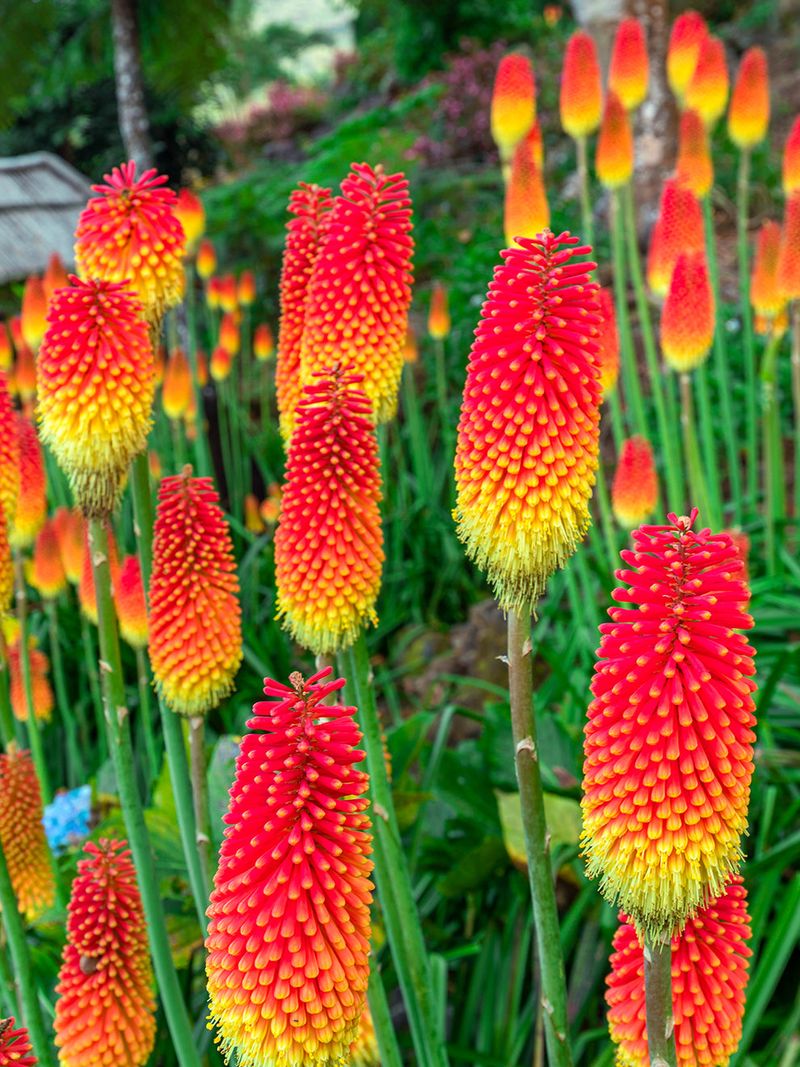
Nicknamed Torch Lily for good reason, Kniphofia sends up dramatic flower spikes that look like they’ve been dipped in flame, blazing in fiery reds and oranges. The tubular florets are loaded with nectar and shaped exactly the way hummingbirds like.
Those torch-like blooms show up from early summer to mid-fall, so they offer a long, dependable stretch of food. That extended window is a big part of what makes this plant special in a hummingbird garden.
Give it full sun for the best flowering. It’s generally hardy in USDA zones 6 through 9, making it a solid pick across much of the country.
8. Columbine (Aquilegia canadensis)
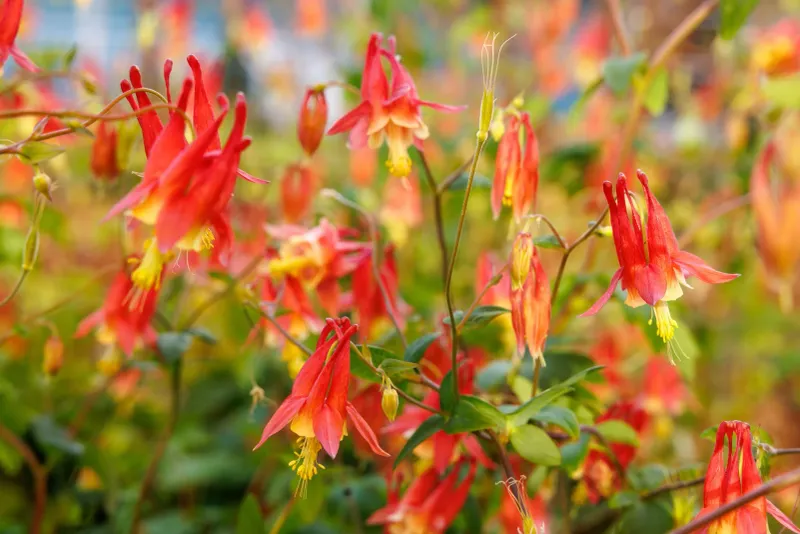
Early in the year, when many blooms are still waking up, Eastern Columbine steps in with reddish-orange flowers that hummingbirds rely on during spring. That timing makes it a valuable bridge before summer’s big show begins.
The flowers dangle in a curious, spurred shape, and those spurs hold nectar right where a hovering hummingbird can reach it. It’s a design that seems tailor-made for a long beak and tongue.
This native is wonderfully adaptable, growing even in shallow, rocky ground where fussier plants would give up. Tuck it into a spot most flowers reject and it’ll surprise you.
9. Firebush (Hamelia patens)
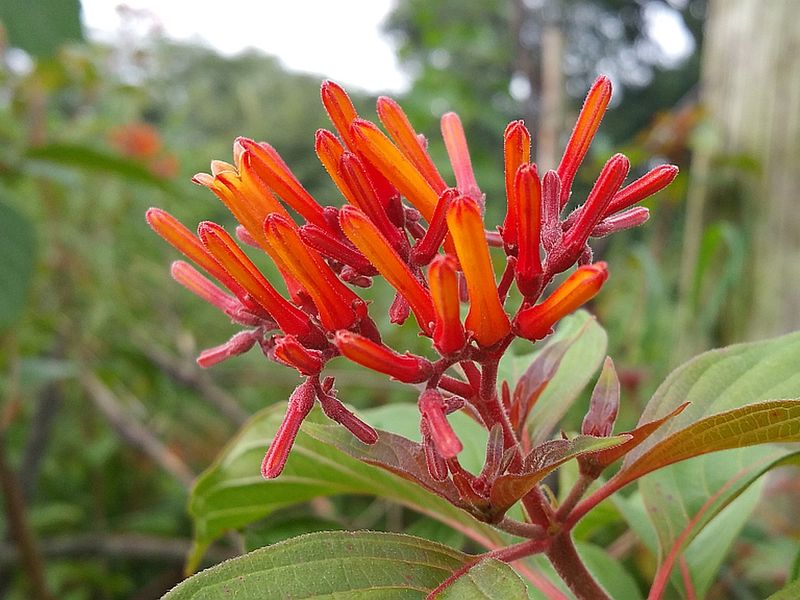
True to its name, Firebush glows with orange-red tubular flowers that hummingbirds return to again and again. In warm climates it can bloom through much of the year, giving birds a reliable stop long after other plants have quit.
This semi-woody shrub laughs off heat and drought and isn’t picky about soil, though it flowers most generously in sunny spots. The more light it gets, the more blooms you’ll see.
It’s hardy in USDA zones 9 through 11, but gardeners in cooler regions can still enjoy it by growing it as an annual for the season.
10. Cape Fuchsia (Phygelius)
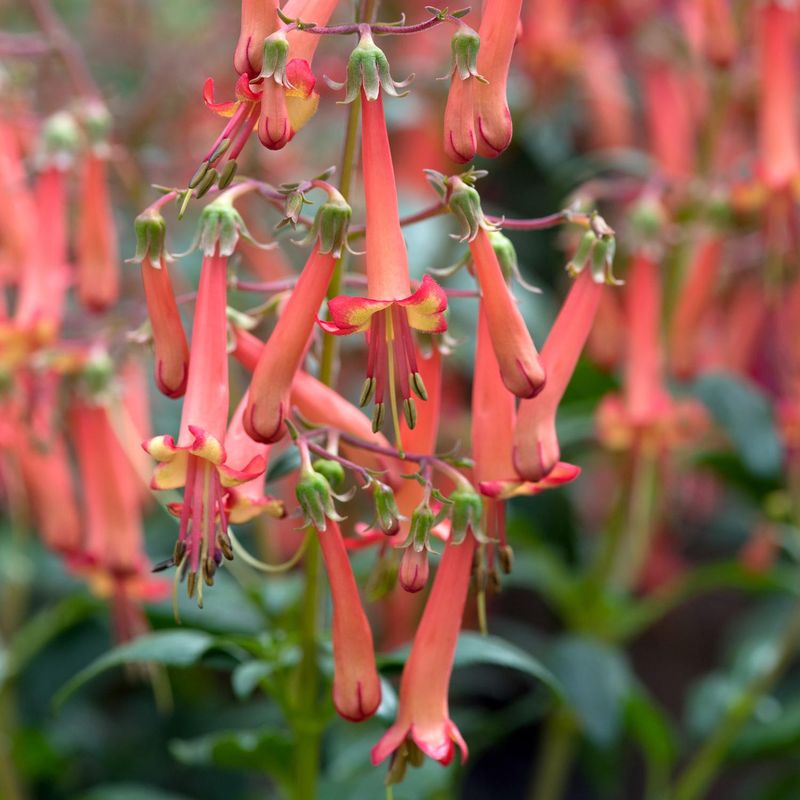
Dangling like strings of tiny orange firecrackers, Cape Fuchsia varieties such as ‘Colorburst Orange’ bring a playful, showy texture to the garden. The clustered, tubular flowers are exactly the kind of nectar stations hummingbirds hover around.
Blooms arrive from midsummer through fall, filling that stretch when you most want steady color and steady visitors. It’s a generous producer once it settles in.
Unlike many sun-worshippers on this list, Cape Fuchsia leans toward partial shade to partial sun. It’s hardy in USDA zones 6 through 10, so it fits comfortably into a lot of yards.
11. Agastache (Hummingbird Mint)
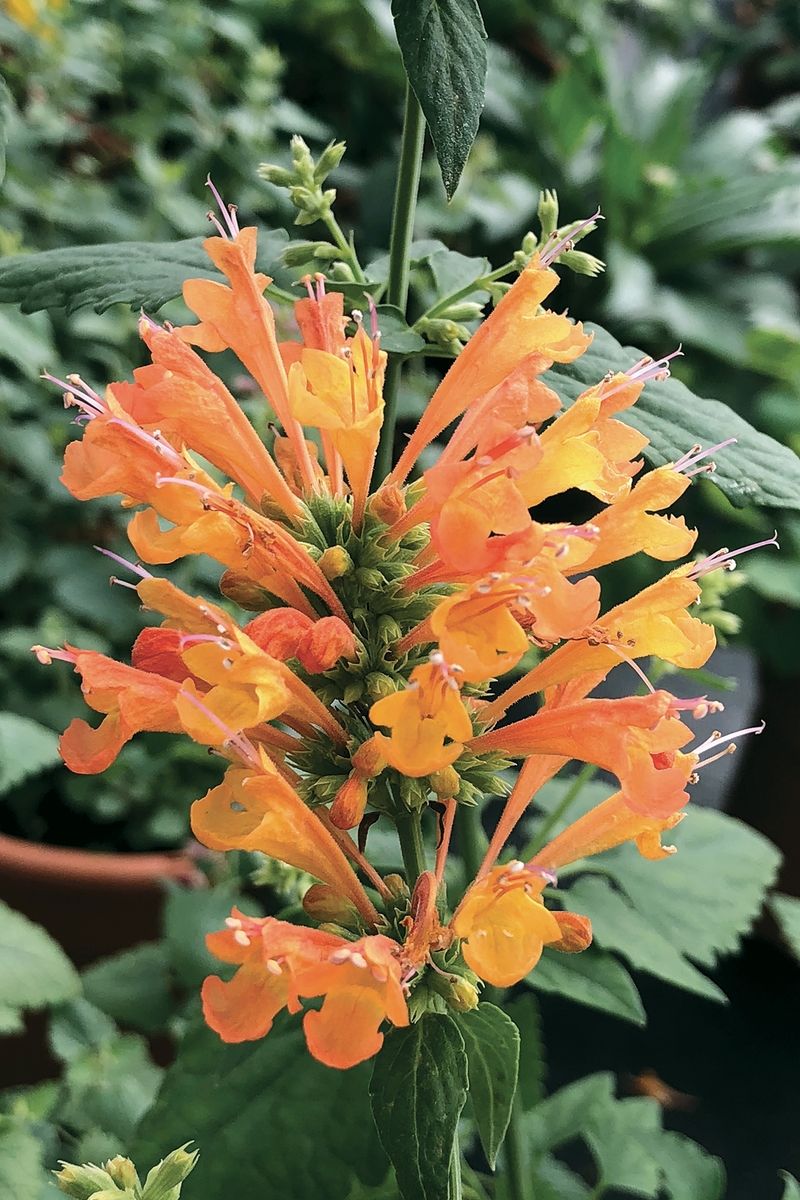
The common name says it all: Agastache is literally called Hummingbird Mint, and it earns the title. Spikes of vibrant orange, tubular blooms rise above fragrant foliage that smells wonderful when you brush past it.
Beyond the flowers, this is an easy-care perennial that handles drought without complaint, which makes it a stress-free addition to a busy garden. Less fuss for you, more nectar for the birds.
Expect flowers from summer through fall, giving hummingbirds a long, continuous supply. That endurance is what keeps them circling back day after day.
12. Honeysuckle (Lonicera)
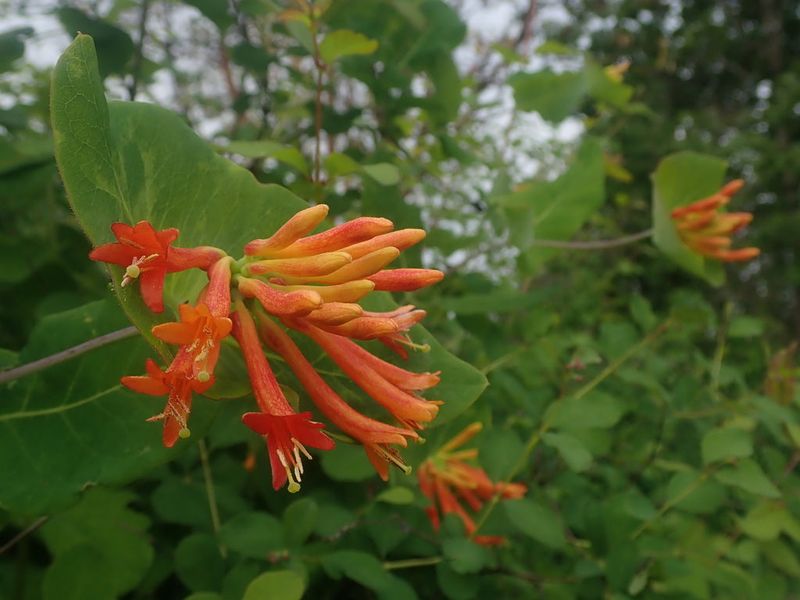
Honeysuckle has a long-standing reputation as a hummingbird magnet, thanks to its tubular flowers brimming with nectar. Varieties like Lonicera ciliosa put out bright yellow-orange clusters that birds zero in on.
Coral Honeysuckle (Lonicera sempervirens) is a native vine with trumpet-shaped flowers often flushed orange-red, and it draws in butterflies alongside the hummingbirds. Choosing a native option is a nice bonus for local pollinators.
These vines are made for trellises and fences, where they can climb, sprawl, and bloom for a long stretch. Give them something to grab onto and they’ll turn a plain fence into a living feeder.
13. Canna Lily (Orange Varieties)
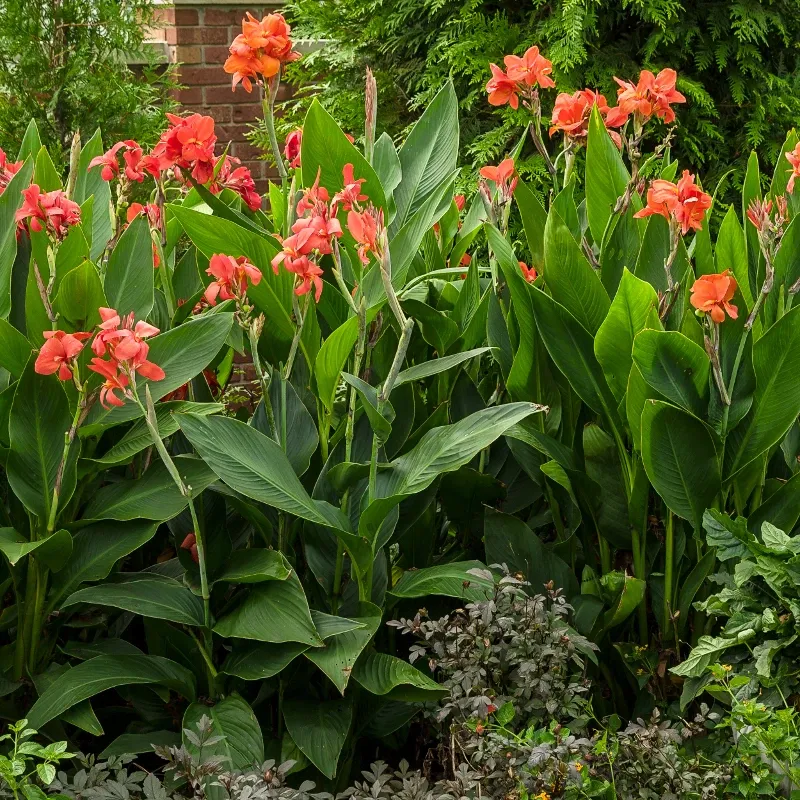
Go big or go home, and Canna Lily is happy to go big. Orange varieties like Toucan Scarlet unfurl large, showy blooms all summer, adding a tropical, can’t-miss-it presence to the yard.
Those deep, nectar-filled throats give hummingbirds a satisfying drink, while the sturdy stems double as convenient perches. A little rest stop right beside the food source is a rare treat for these tiny birds.
Canna lilies grow as perennials in USDA zones 8 and warmer. In cooler regions, many gardeners lift and store the rhizomes over winter to enjoy them again next year.
14. Red Yucca (Hesperaloe parviflora)
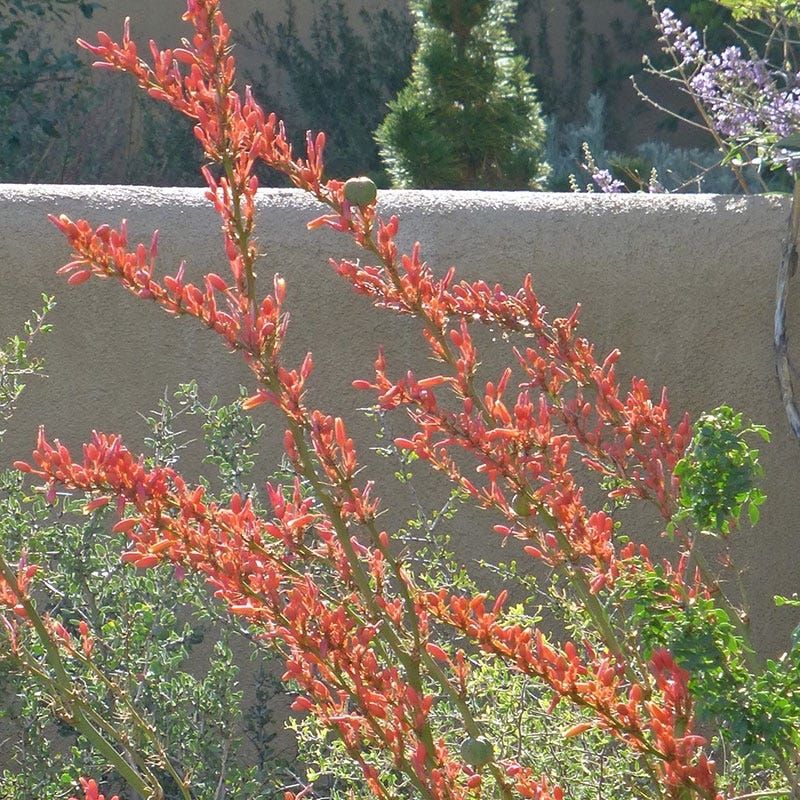
Don’t let the name fool you: Red Yucca often blooms in striking orange-red, sending up tall flower spikes that hummingbirds can spot from a distance. It’s a bit of a rebel, defying its own label.
This low-water succulent is a dream for dry gardens, blooming repeatedly through the season with almost no coddling. It thrives in full sun and even tolerates poor, well-draining soil where lusher plants would struggle.
Hardy in USDA zones 5 through 10, it fits a huge range of climates. If your yard bakes and you’d rather not fuss over watering, this is your hummingbird plant.
15. Chuparosa (Justicia californica)
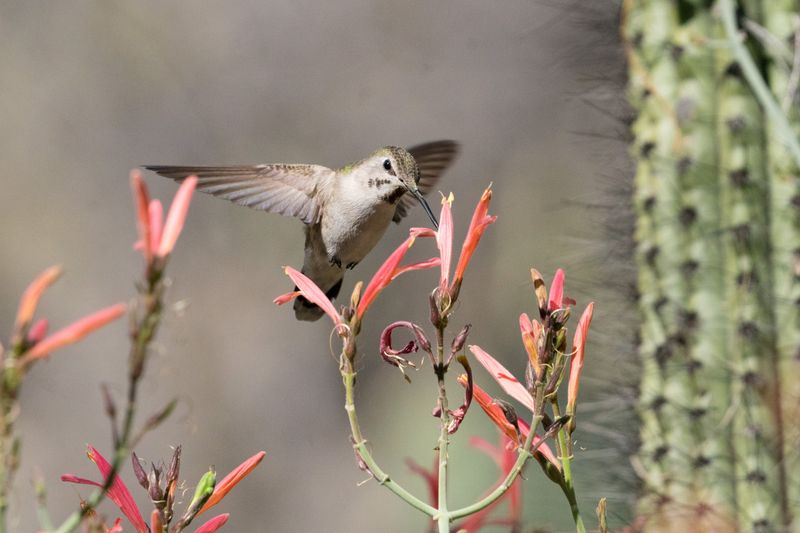
Out in the Southwest, Chuparosa is a desert survivor that hummingbirds seek out on purpose, especially during spring migration. Its abundant orange-red tubular flowers are a lifeline in tough, dry country.
This rugged perennial shrub wants full sun and well-draining, rocky or sandy soil, the kind of ground that discourages most flowers. Give it those harsh conditions and it flourishes.
It’s exceptionally drought-tolerant, so it fits perfectly into low-water and native desert gardens. Fun bit of trivia: the name Chuparosa roughly translates to “rose sucker,” a nod to how eagerly hummingbirds visit it.