
If Your Tomatoes Are Feeding Sluggishly, Here Are 17 Single-Ingredient Boosters That Push A Bigger Harvest
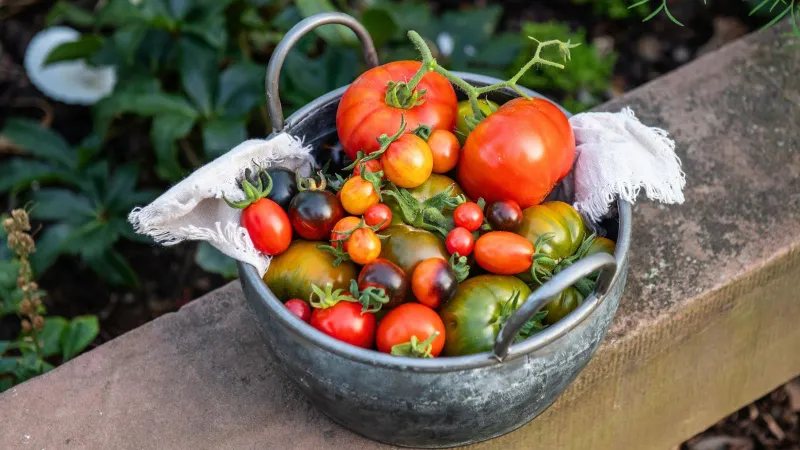
When your tomato plants look tired and the fruit just is not showing up like it should, it usually means they are hungry for something specific. The good news is that many simple, single-ingredient fixes are already sitting in your kitchen, garden, or garage.
Each one targets a different need, from calcium for firm fruit to potassium for more blooms. Below are 17 easy boosters you can try today to wake up sluggish tomatoes and grow a heavier harvest.
1. Epsom Salt (Magnesium Sulfate)
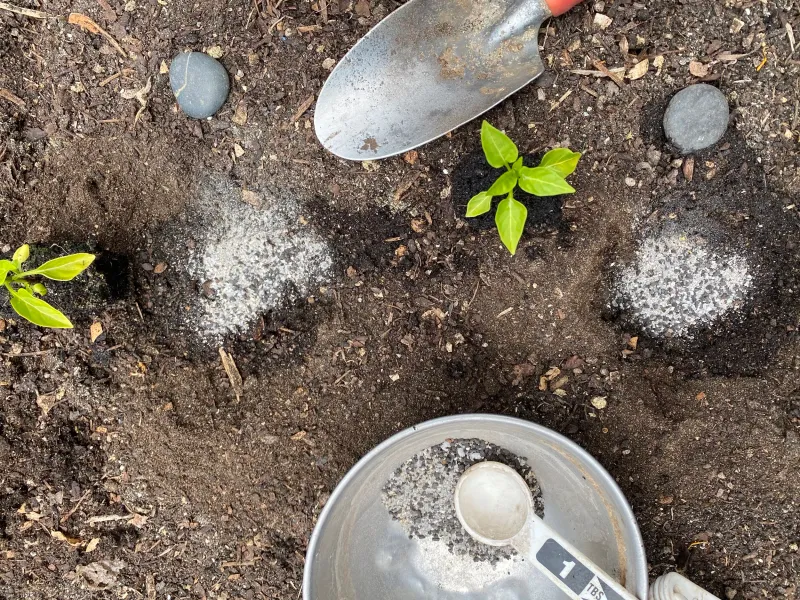
Yellowing leaves with stubbornly green veins are your tomato plant waving a little flag for magnesium. Epsom salt hands over exactly that, along with sulfur, two nutrients that fuel chlorophyll and help the plant grab nitrogen and phosphorus from the soil.
Once those systems are humming again, plants often push out more blossoms, and more blossoms mean more fruit. It is a cheap fix for a very common slump.
Mix one tablespoon into a gallon of water and pour it around the base, or spray it on the leaves. Repeat every two to four weeks after flowering starts.
2. Coffee Grounds
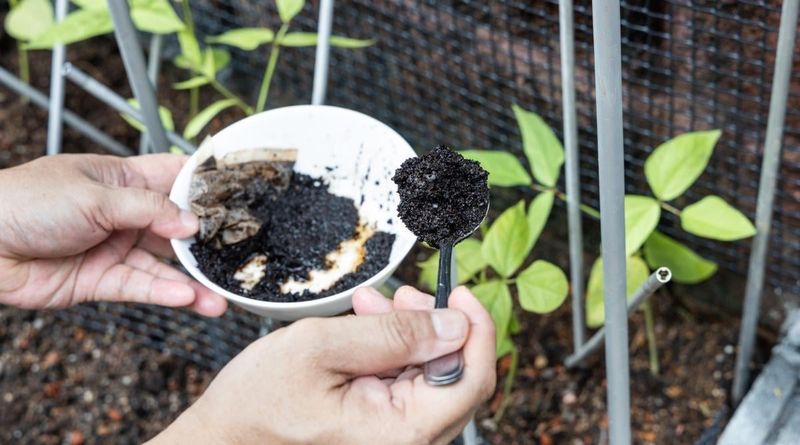
That leftover pile in your coffee filter is quietly loaded with nitrogen, potassium, phosphorus, and trace minerals your tomatoes can use. Beyond feeding, the grounds improve soil texture, help the ground hold water, and add a touch of the mild acidity tomatoes enjoy.
As a bonus, slugs and snails tend to steer clear of the gritty stuff, giving your plants a little extra protection.
Scatter a thin layer, no more than half an inch, around each plant and keep it a few inches from the stem. Composting the grounds first smooths out the release, or steep two cups in five gallons of water overnight for a gentle foliar spray.
3. Crushed Eggshells
Ever noticed a sunken brown patch on the bottom of a tomato? That is blossom end rot, and it usually traces back to a calcium shortage.
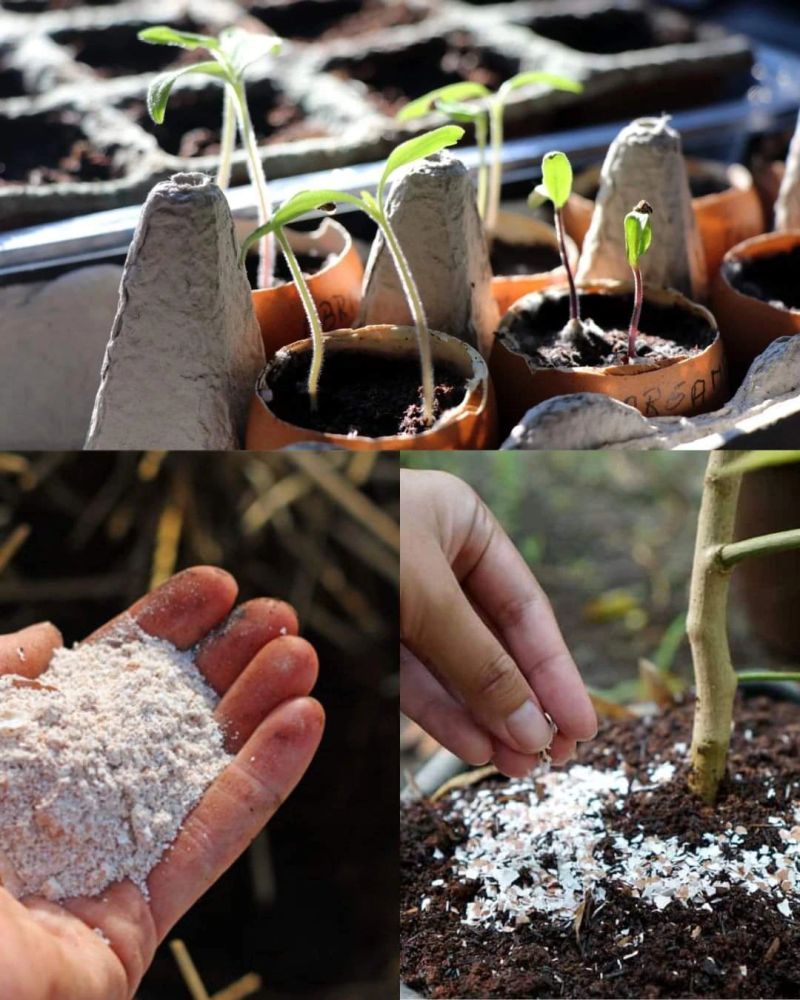
Crushed eggshells deliver a slow, steady supply of calcium that helps build the sturdy cell walls firm fruit depends on.
They also toss in tiny amounts of nitrogen, potassium, and phosphorus while you are at it.
Grind the shells into a fine powder so they break down faster, then sprinkle them around the base or work them into the planting hole from the start.
4. Banana Peels
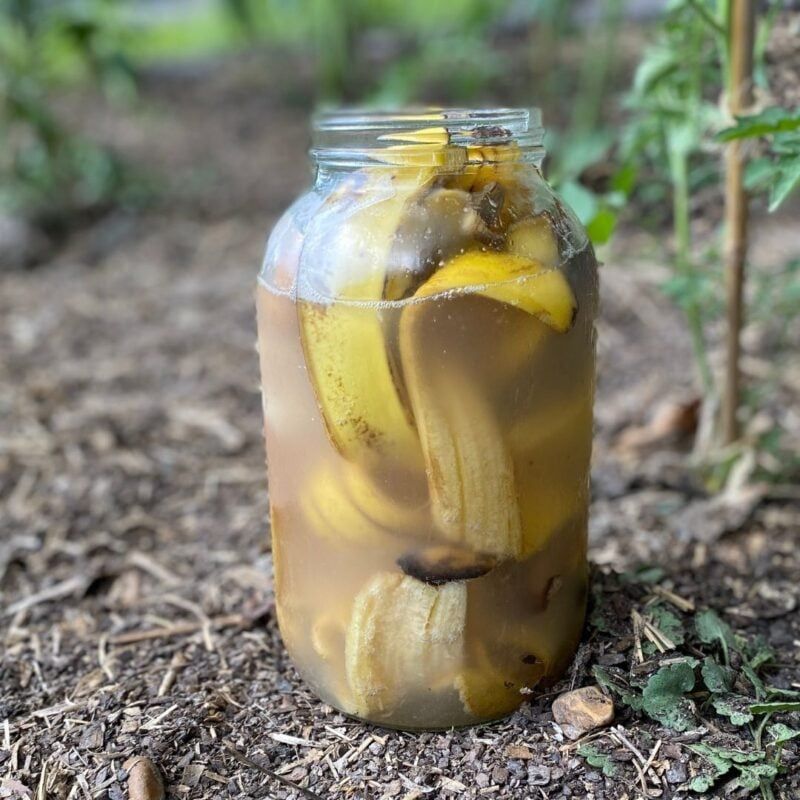
Do not toss that peel after breakfast, because it is one of the best natural sources of potassium around. Potassium is the nutrient behind strong flowering, better fruiting, and sturdier stems, since it moves water and food through the plant.
Peels also carry calcium to fend off blossom end rot, plus a little phosphorus and magnesium for good measure.
Chop them into small pieces and bury them near the roots, or soak cut peels in water for two to ten days to brew a nutrient-rich banana peel tea you can pour around each plant.
5. Wood Ash
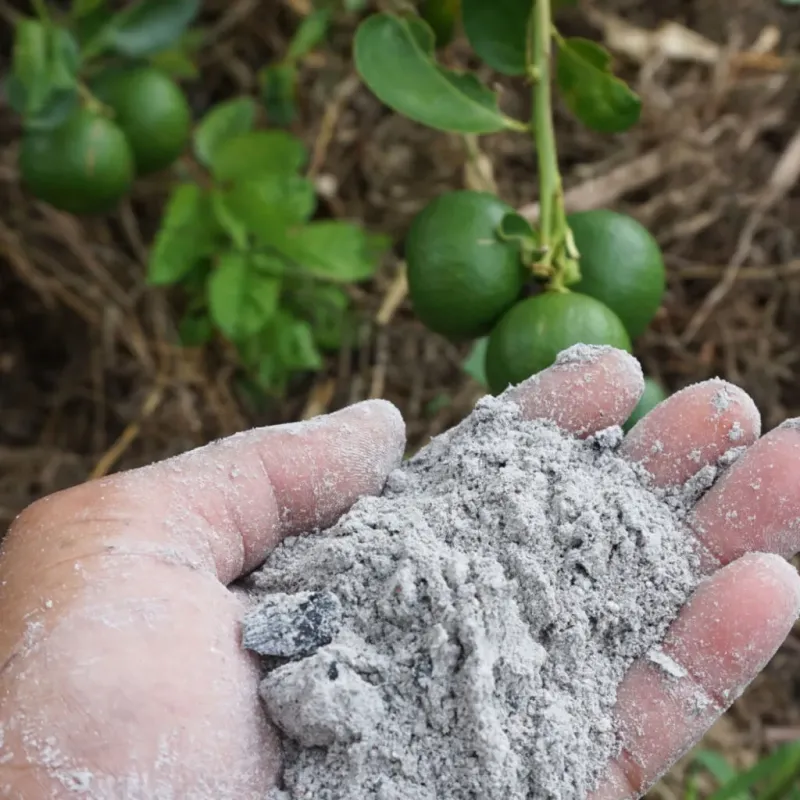
Cleaning out the fireplace can double as a garden chore. Ash from untreated wood is a surprising storehouse of calcium, potassium, magnesium, and phosphorus, all things a struggling tomato craves.
The calcium supports strong cell structure and guards against blossom end rot, while potassium helps with water uptake, photosynthesis, and more blooms. Ash can also nudge overly acidic soil toward a friendlier pH.
Work one to two cups into the planting hole for transplants, or scatter about half a cup around established plants and water it in. Go easy though, because too much can push soil too alkaline.
6. Worm Castings (Vermicompost)
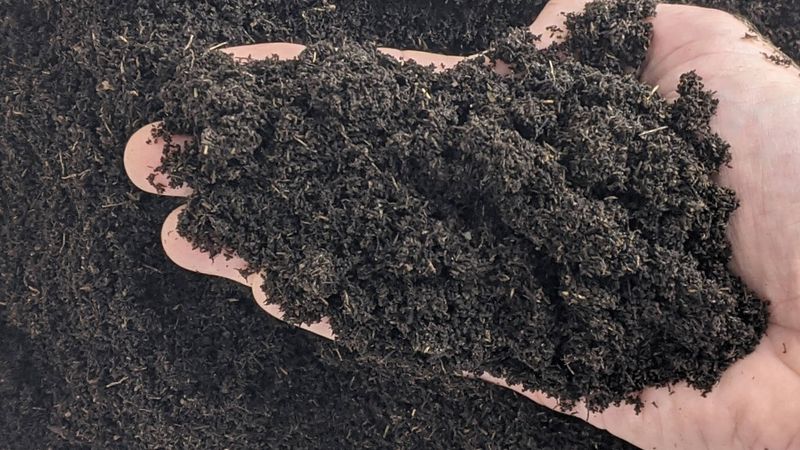
Think of worm castings as a full multivitamin for your soil. These earthworm leftovers are crawling with helpful microbes and humic acids, plus a slow-release menu of nitrogen, phosphorus, potassium, calcium, and magnesium.
They also do wonders for the dirt itself, improving aeration, drainage, and water retention while strengthening roots and the plant’s natural defenses.
Blend two cups into your compost, mix a handful or two into the planting hole, or top-dress established plants with half a cup every couple of months. You can even brew the castings into a tea for a liquid feed or foliar spray.
7. Fish Emulsion
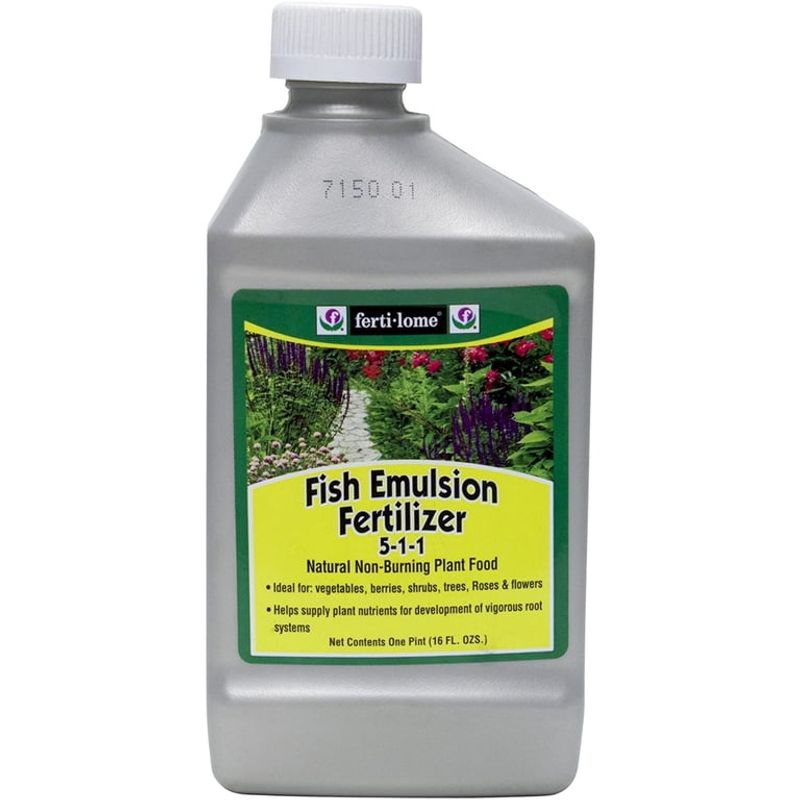
When a plant needs a quick meal, fish emulsion delivers fast. This liquid organic fertilizer, made from fish byproducts, usually carries a balanced N-P-K blend around 5-1-1, feeding leafy growth, root development, and fruit formation all at once.
It sneaks in trace elements like sulfur, calcium, and magnesium too, along with beneficial microbes that keep the soil lively.
Dilute the concentrate according to the label, often about a tablespoon per gallon, and apply it as a soil drench or foliar spray every two to three weeks. Ease off the frequency once flowers appear.
8. Seaweed Extract
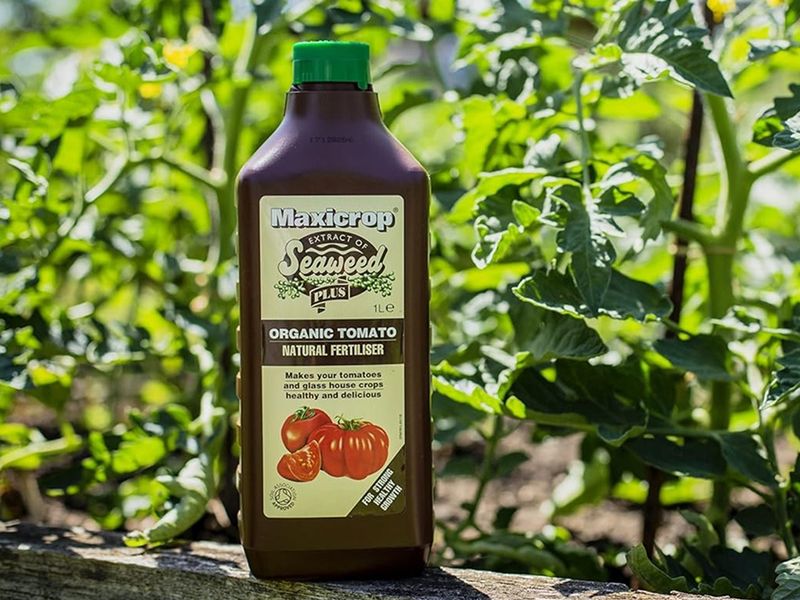
Coastal gardeners have leaned on seaweed for generations, and for good reason. It is stuffed with trace minerals, vitamins, amino acids, and natural growth hormones like auxins and cytokinins that tell plants to grow.
Regular use tends to build stronger roots, better yields, and tougher plants that shrug off heat swings, drought, and the odd pest problem more easily.
Seaweed usually comes as a liquid concentrate, so dilute it as directed and apply it as a soil drench or foliar spray. Steady applications through the season keep growth moving.
9. Compost
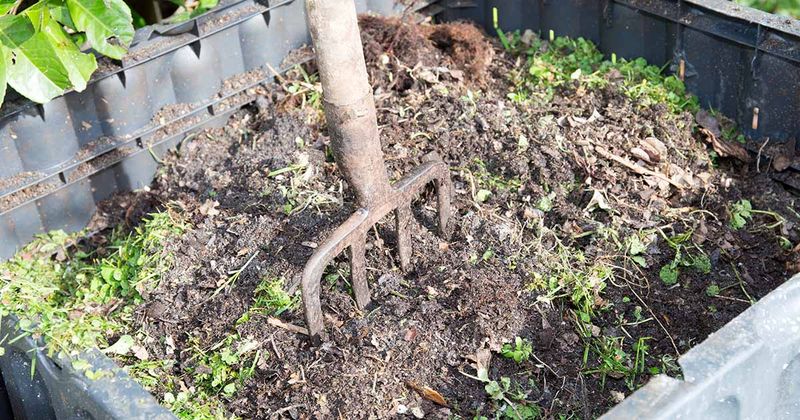
If there is one foundation every tomato bed deserves, it is good compost. Rather than hitting one nutrient, it offers a slow, balanced buffet of nutrients while feeding the microbial life that keeps soil healthy.
Mixed in before planting or laid down as a top dressing, compost improves structure and fertility, which shows up as sturdier plants and heavier harvests.
Work it into the soil before setting out transplants, or spread a fresh layer around plants already in the ground.
10. Compost Tea
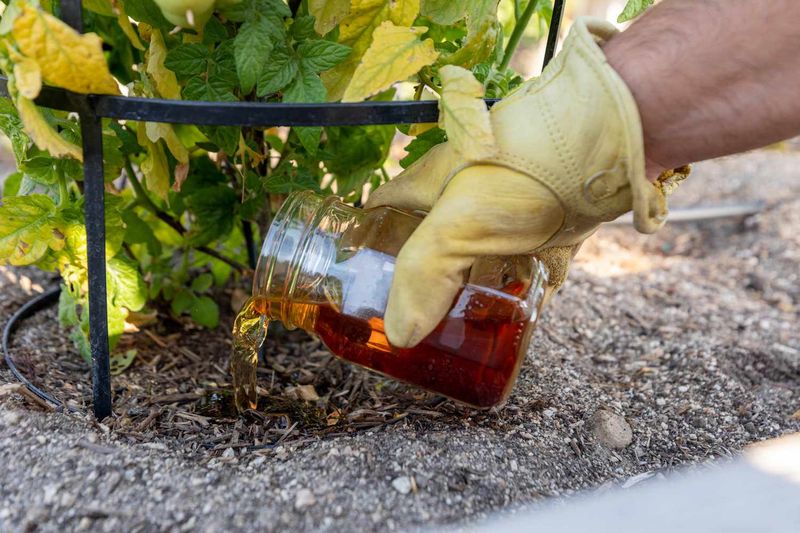
Compost tea is basically compost in a drinkable form for your plants. Steep finished compost in water and you pull out soluble nutrients plus a wave of beneficial microbes that go straight to work.
The result is a gentle boost that perks up growth and helps plants stand up to stress, which makes it ideal for young or sluggish tomatoes.
Dilute it and apply as a soil drench or foliar spray, focusing on plants that seem stuck in low gear.
11. Fish Tank Water

Water-change day for your aquarium can turn into feeding day for your tomatoes. Freshwater fish tank water is packed with nitrates and other nutrients that build up from fish waste, making it a mild, ready-made liquid fertilizer.
It is free, it is gentle, and it saves you from pouring good nutrients down the drain.
Just use water straight from a freshwater tank with no salt or chemical additives, and water your plants as usual.
12. Molasses

Here is a booster that feeds the soil more than the plant directly. Unsulfured blackstrap molasses is loaded with sugars and micronutrients that act like a snack bar for beneficial soil microbes.
As those microbes multiply and get busy, they help unlock nutrients already in the soil, indirectly giving your tomatoes a healthier, more available food supply.
Dilute one to two tablespoons per gallon of water and apply it as a soil drench to keep that underground crew active.
13. Grass Clippings
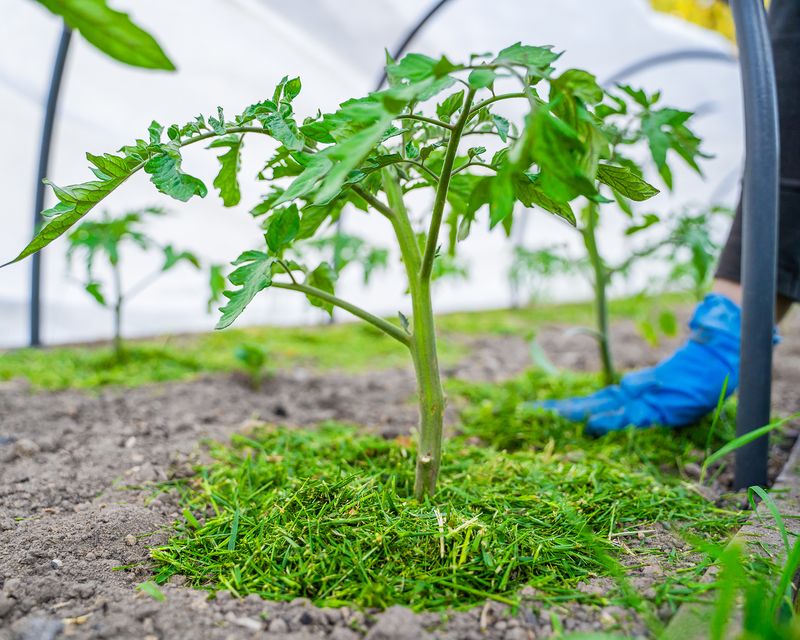
The pile left behind after mowing is a nitrogen source hiding in plain sight. Fresh grass clippings pull double duty as mulch and as a slow feed, releasing nitrogen and organic matter as they break down.
That steady trickle helps fill out foliage while the mulch layer holds moisture and keeps weeds down.
Spread a layer of fresh, untreated clippings around each plant, keeping them a few inches back from the stem so nothing gets too soggy.
14. Nettle Tea
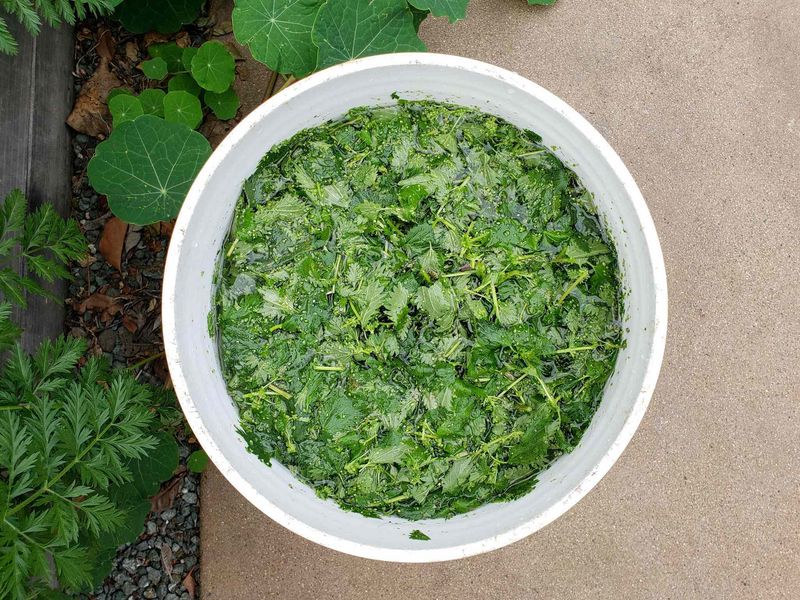
Those stinging weeds you keep yanking out are actually a nutrient goldmine. Nettles hold a range of minerals that translate into a natural liquid feed once you steep them, supporting all-around plant health.
It is a resourceful way to turn a garden nuisance into free fertilizer.
Chop fresh nettle growth, soak it in water for three to four weeks, then dilute the finished brew about one part tea to ten parts water and apply it while watering.
15. Baking Soda (Sodium Bicarbonate)
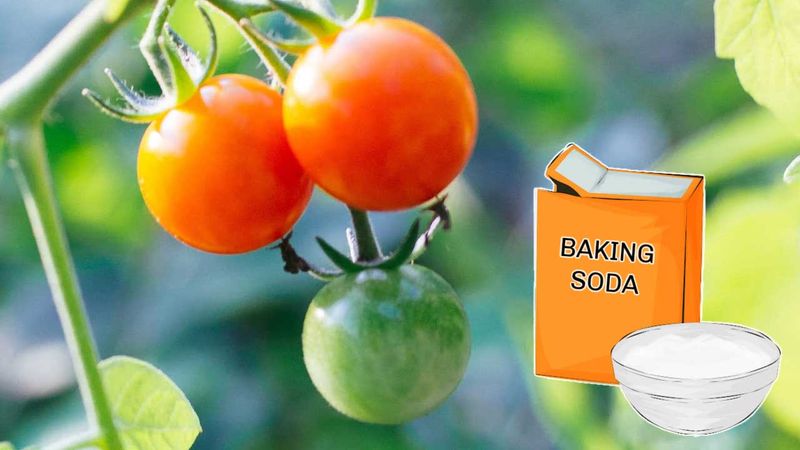
Not every booster works by feeding, and baking soda proves it. Its real value is protecting leaves from fungal troubles like powdery mildew and early blight, diseases that can quietly stall a plant’s growth.
By creating a slightly alkaline film on the leaf surface, it makes conditions less friendly for fungus, and it can even nudge overly acidic soil toward a better pH.
Mix one tablespoon into a gallon of water with a few drops of mild dish soap, then spray the leaves every 7 to 14 days. Use it sparingly so sodium does not build up.
16. Garden Lime (Calcium Carbonate)
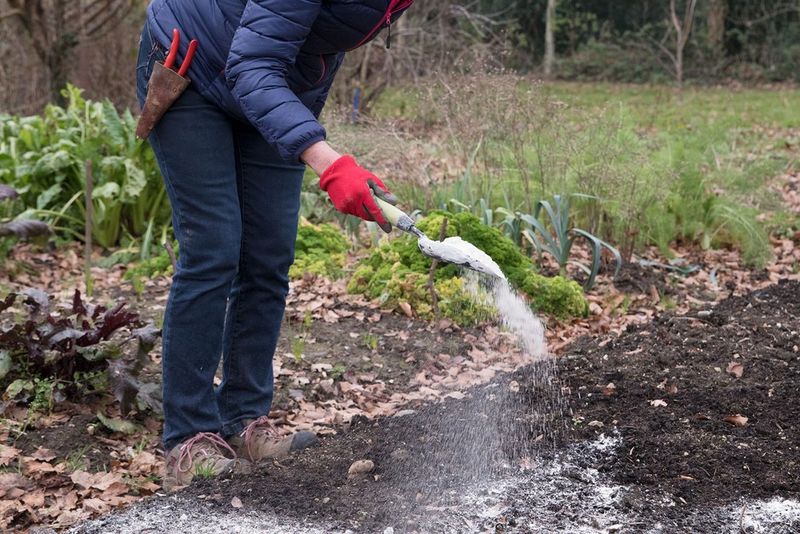
Sometimes sluggish tomatoes are not starving so much as fighting sour soil. Garden lime raises pH when the ground is too acidic, steering it into the 6.0 to 6.8 range tomatoes prefer.
Along the way it supplies calcium and magnesium, tackling deficiencies that can otherwise stunt growth and hurt fruiting.
Run a soil test first so you know your starting pH and mineral levels, then follow the product’s rates to make careful, measured adjustments.
17. Bone Meal
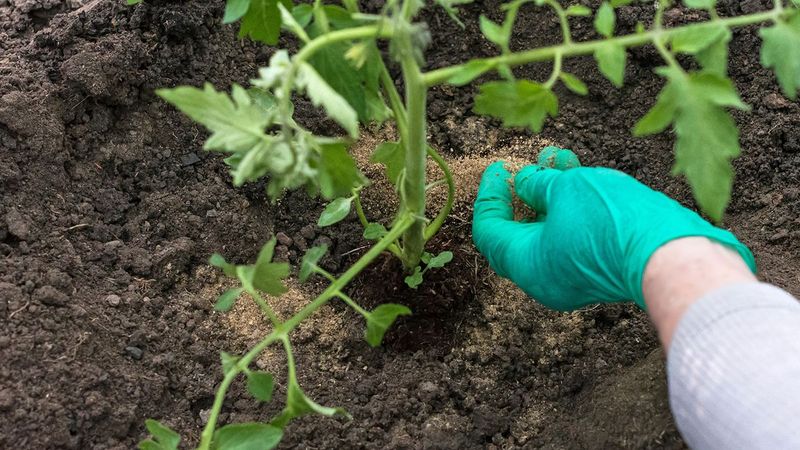
For plants that are all leaves and no fruit, phosphorus is often the missing piece, and bone meal is a classic slow-release source of it. Phosphorus drives strong roots, plentiful flowers, and the fruit production you are after.
When it runs short, growth stalls and harvests disappoint, so this one is a smart pick for tomatoes stuck in neutral.
Mix bone meal into the soil at planting time, or lightly scratch it into the ground around established plants, following the package rates so you do not overdo it.