
If Your Tomatoes Sit Green On The Vine All Through Summer, Here Are 8 Reasons Something’s Stealing Their Ripening
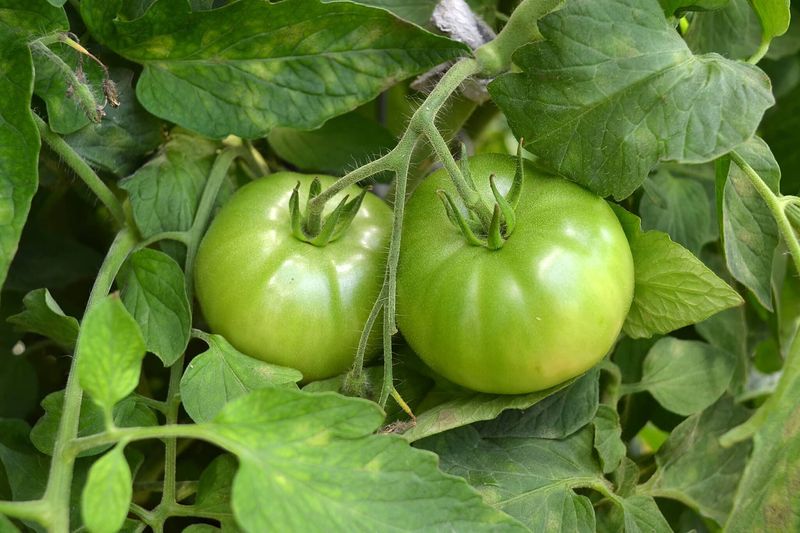
You planted your tomatoes, watered them faithfully, and watched the little fruits swell all summer. But they just sit there, stubbornly green, refusing to turn that juicy red you dreamed about.
The good news is that green tomatoes hanging on too long usually point to a handful of fixable causes. Let’s walk through the eight most common reasons your harvest is stalling and how to nudge those tomatoes toward ripeness.
1. Too Much Heat
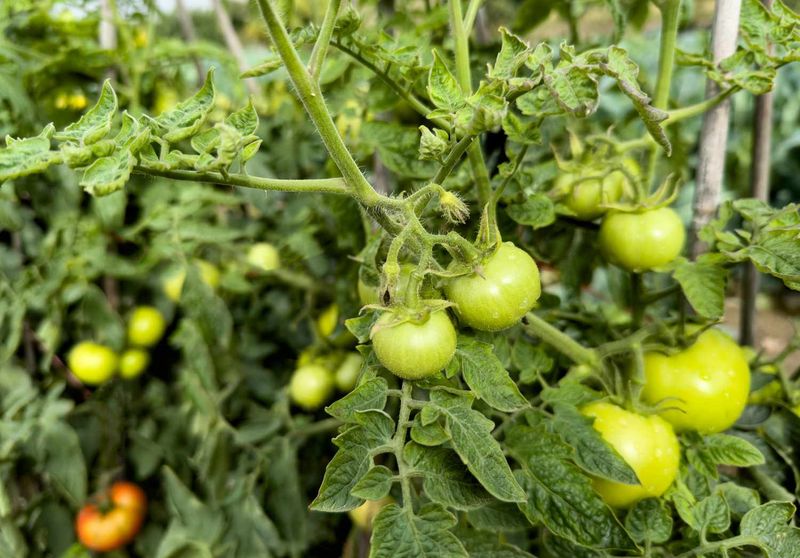
Here’s a twist that surprises a lot of gardeners: your tomatoes can actually be too hot to turn red. When daytime temperatures push past 85 degrees Fahrenheit, or nights refuse to drop below 75, the plant slams the brakes on ripening.
The reason lies in two pigments called lycopene and carotene, the compounds that paint tomatoes red and orange. Extreme heat stops the plant from making them, so your fruit just holds at green even when it looks ready.
To help your plants cope, drape shade cloth over them during heat waves to block the harshest afternoon rays. Pile mulch around the base to keep roots cool, and keep your watering steady so the plant isn’t fighting thirst and heat at the same time.
Once the temperature dips back into a friendlier range, ripening usually kicks back into gear.
2. Too Cold
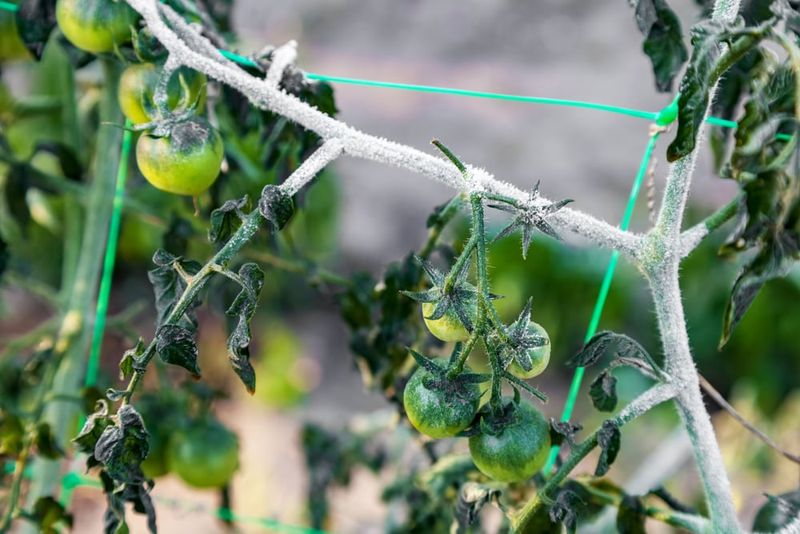
On the flip side, a chilly snap can leave your tomatoes just as stuck. Ripening slows way down once temperatures fall below 60 degrees Fahrenheit and can grind to a halt below 50.
Late-season gardeners often run into this when cool nights sneak in before the fruit has finished coloring. The plant simply doesn’t have the warmth it needs to complete the process.
If cold nights keep visiting your garden, row covers can trap a little extra warmth around the plants and buy them some time. Often, though, the smartest move is patience.
Ripening usually picks right back up once the thermometer climbs to a comfortable level again, so don’t give up on those green globes too soon.
3. Inconsistent Watering
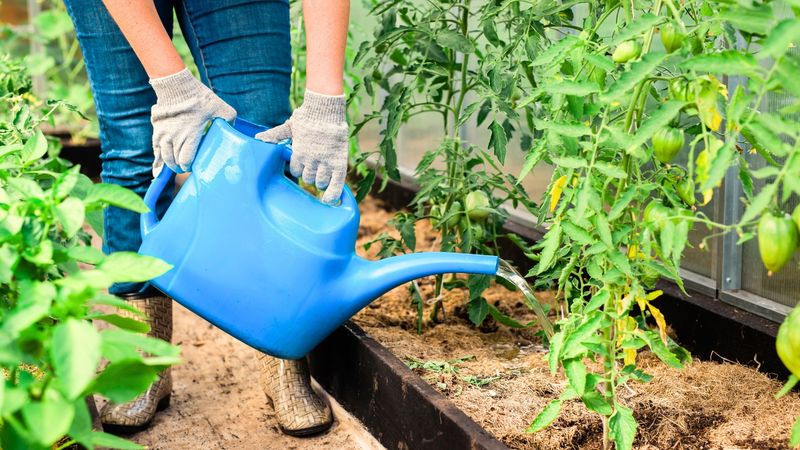
Tomatoes are creatures of habit, and nothing rattles them like a watering schedule that swings from drought to flood. When the soil dries out and then gets soaked, the plant gets stressed, and stress means fewer resources for turning fruit red.
That same rollercoaster can trigger blossom end rot from calcium hiccups, split the skins with cracking, and stall ripening across the board. The fruit ends up spending its energy just trying to survive the swings.
The fix is refreshingly simple: water deeply and on a regular rhythm so the soil stays evenly moist rather than bone dry one day and drenched the next. A generous layer of mulch works like a sponge, holding moisture and smoothing out soil temperature.
Give your plants that steady drink, and they can finally focus on ripening.
4. Nutrient Imbalance With Nitrogen And Potassium
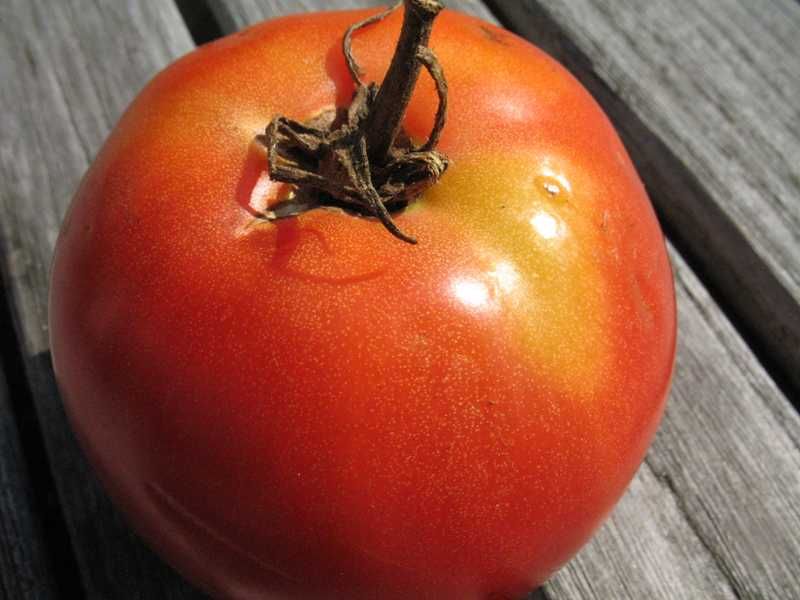
Ever notice a tomato plant that looks like a jungle but barely produces red fruit? That gorgeous, leafy growth is often a red flag that the plant is swimming in too much nitrogen.
Nitrogen fuels foliage, so an overload tells the plant to keep growing leaves instead of finishing its tomatoes. Meanwhile, a shortage of potassium can leave you with yellow shoulders or blotchy, uneven coloring that never quite settles into a full red.
Once your plants start setting fruit, switch to a balanced fertilizer that goes easy on nitrogen and delivers plenty of potassium, something in the range of a 5-10-5 or 10-10-10 blend. A quick soil test can pinpoint exactly what’s missing so you’re not guessing.
Feed the plant what the fruit actually needs, and ripening tends to follow.
5. Not Enough Sunlight
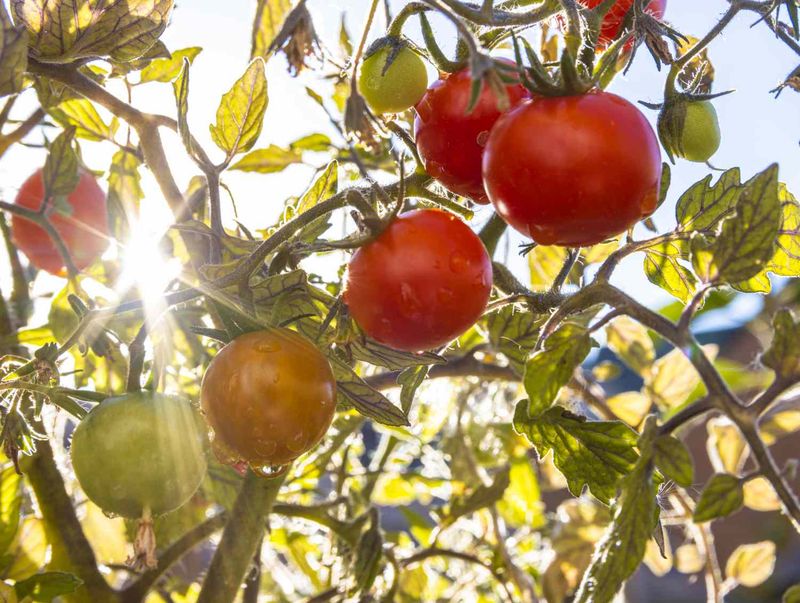
A common myth is that tomatoes need direct sun to turn red, but the real trigger is a gas called ethylene, not sunbeams hitting the fruit. Still, sunlight matters more than you might think.
Your plants need six to eight hours of direct sun each day to build the energy for healthy growth and strong fruit development. When they’re tucked into a shady corner or buried under a thick canopy, they run low on the fuel that powers ripening.
Make sure your tomatoes are planted where they can soak up full sun. A little strategic pruning can open the canopy so light and air move through more freely.
Just don’t get carried away, because those leaves still play an important role in feeding and protecting the plant.
6. Over-Pruning That Leads To Sunscald
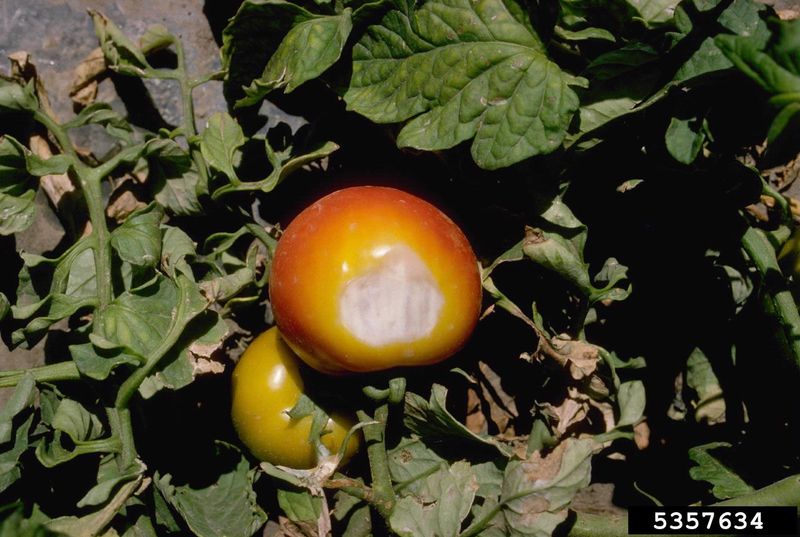
Pruning feels productive, and it can be, but there’s such a thing as too much of a good habit. Strip away too many leaves and you leave your developing fruit standing naked under the blazing sun.
The result is sunscald, where exposed tomatoes develop pale white or yellow leathery patches. Those scorched spots simply won’t ripen, and the fruit is often ruined in that area.
Keep enough foliage around to act as a natural umbrella for your ripening tomatoes. Healthy leaves aren’t just clutter; they power photosynthesis and shield the fruit from harsh rays.
When you prune, aim for gentle thinning that improves airflow while still leaving the plant plenty of leafy cover.
7. Immature Fruit Or Unsuitable Variety
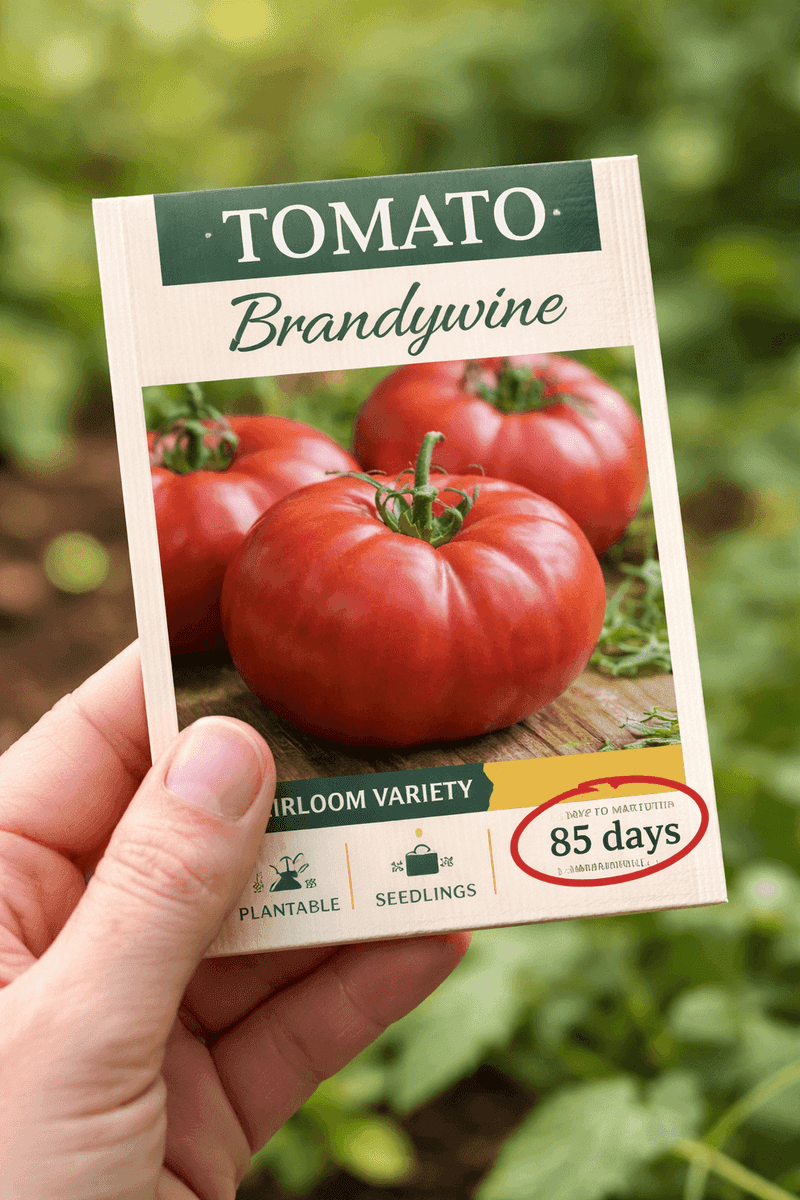
Sometimes green tomatoes aren’t a problem at all; they’re just not finished growing yet. A tomato has to reach its full mature size before the ripening clock even starts ticking.
Certain varieties, especially the big beefsteak types, take longer to mature than others. If you planted late or your growing season is short, those larger fruits might simply run out of warm days before they can blush.
Check the seed packet for your variety’s days to maturity and plant with your local climate in mind. As late summer arrives, try plucking the smallest, youngest fruits so the plant can pour its remaining energy into the tomatoes that are closest to ripe.
It’s a small trade that can rescue a bigger harvest.
8. Pests Or Diseases
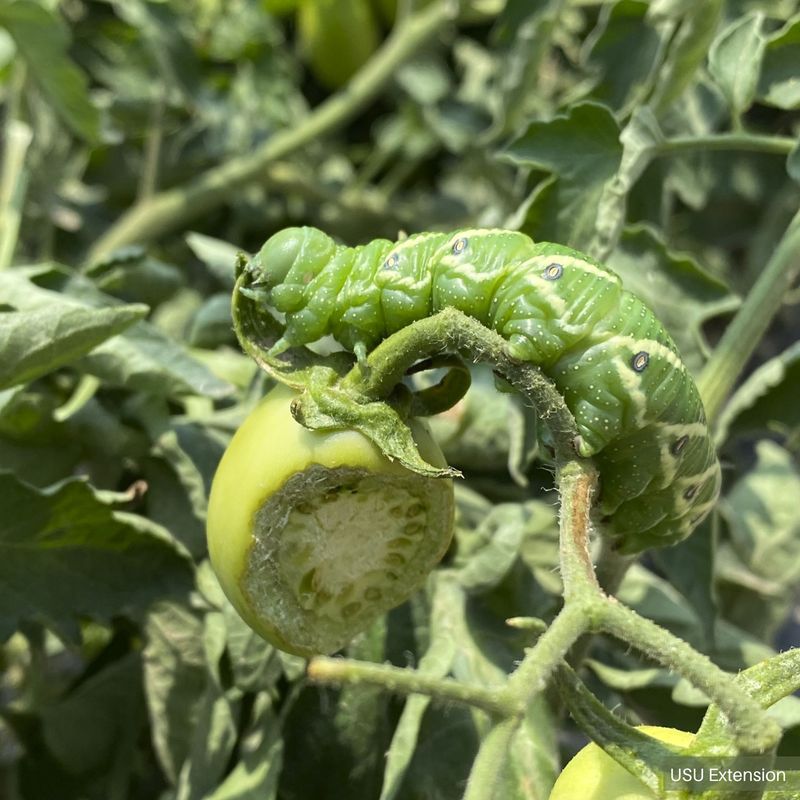
A struggling plant is a distracted plant. When pests or disease move in, your tomato pours its energy into survival instead of turning fruit red.
Hornworms munching leaves, fruitworms boring into tomatoes, aphids sucking sap, and fungal infections spreading across foliage all drain the plant’s reserves. With so much going toward defense, ripening quietly falls to the bottom of the priority list.
Walk your garden often and look closely for chewed leaves, tiny insects, or discolored spots so you can catch trouble early. Treat problems promptly with suitable organic controls, and lean on good habits like proper spacing, tidy garden hygiene, and strong air circulation.
A healthy, unbothered plant has the energy to spare for ripening every last tomato.