
These Are The Invasive Plants More North Carolina Counties Are Quietly Adding To Their Banned Lists
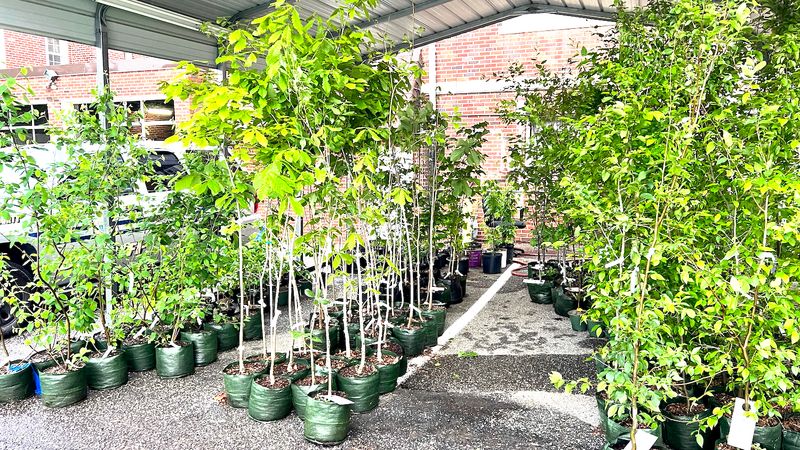
Across North Carolina, towns and counties are quietly updating their rules about which plants people can put in the ground. Some of these plants seem pretty at first, but they crowd out the native trees, shrubs, and flowers that our box turtles, songbirds, and pollinators depend on.
If you love your yard and the wildlife that visits it, knowing which plants are landing on these lists helps you stay ahead of the trouble. Here are the invasive plants showing up on more local banned and discouraged lists, plus the NC native swaps you can plant instead.
1. Bradford (Callery) Pear
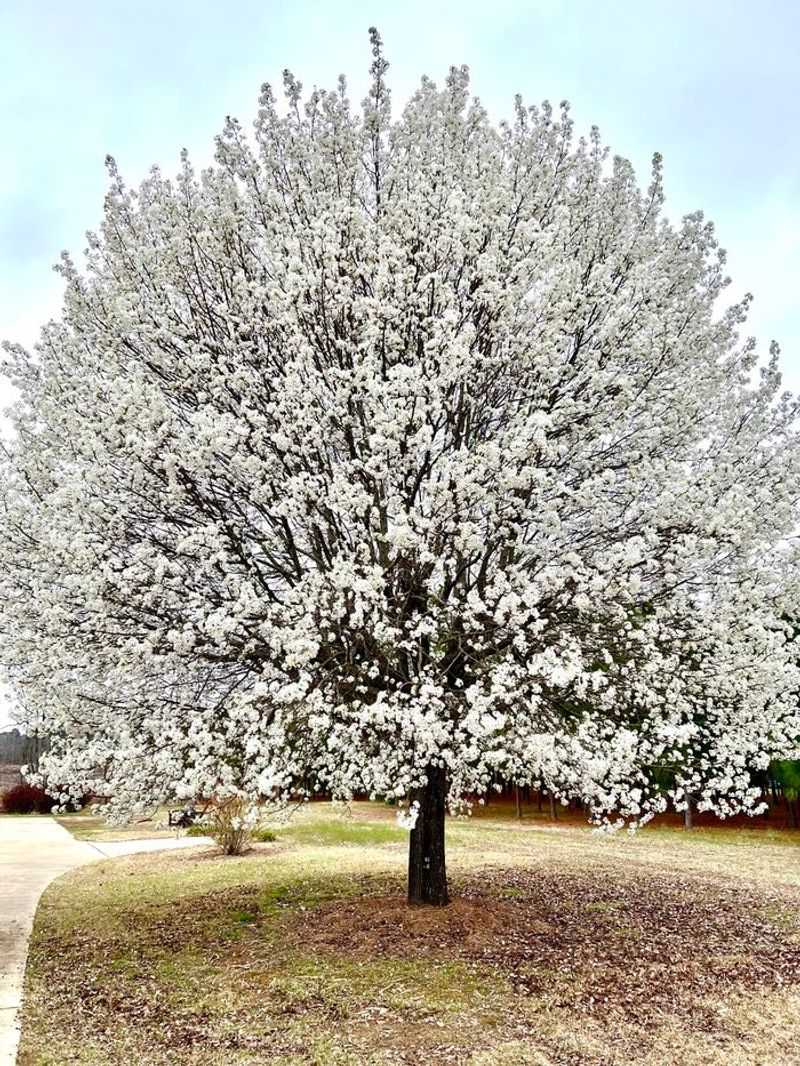
Every spring, entire NC roadsides turn white with Bradford pear blooms, and to a lot of folks that once looked like a good thing. The reality is far less charming, since these trees escape yards, form thorny thickets, and shove out native seedlings that wildlife actually needs.
Cary already names Bradford and other Callery pears on its prohibited planting list, and the pushback keeps spreading to other communities. The trees also crack apart in storms, so they cause headaches beyond the ecological damage.
Here is the good news for your yard: NC State Extension runs “Bradford Pear Bounty” events where you can swap a removed pear for a free native tree. Eastern Redbud is the crowd favorite replacement, giving you those purple-pink spring flowers that feed early pollinators without the invasive baggage.
2. Nandina (Heavenly Bamboo)
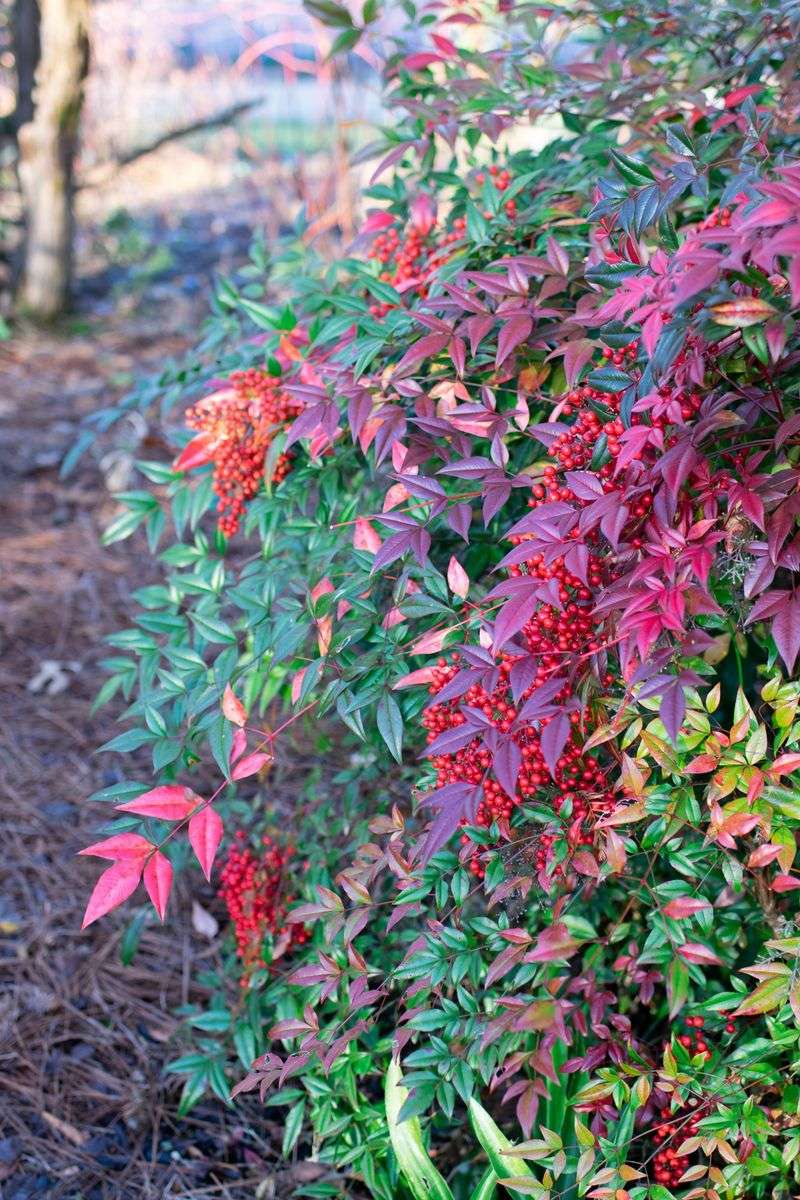
Those cheerful red berries on nandina look festive around the holidays, but for one of NC’s prettiest birds they can be deadly. Cedar Waxwings that gorge on nandina berries have died from cyanide poisoning, which is a heartbreaking outcome for a plant sold as a tidy foundation shrub.
Cary lists nandina among its banned landscaping plants, and native plant groups statewide keep urging people to yank it out. It spreads by seed and root, popping up in woods where it never belongs.
If you want that structured, evergreen look near your porch, try Florida-hobblebush or strawberrybush instead. Both give you fine texture and berries that feed birds safely rather than poisoning them.
3. Chinese and Japanese Privet
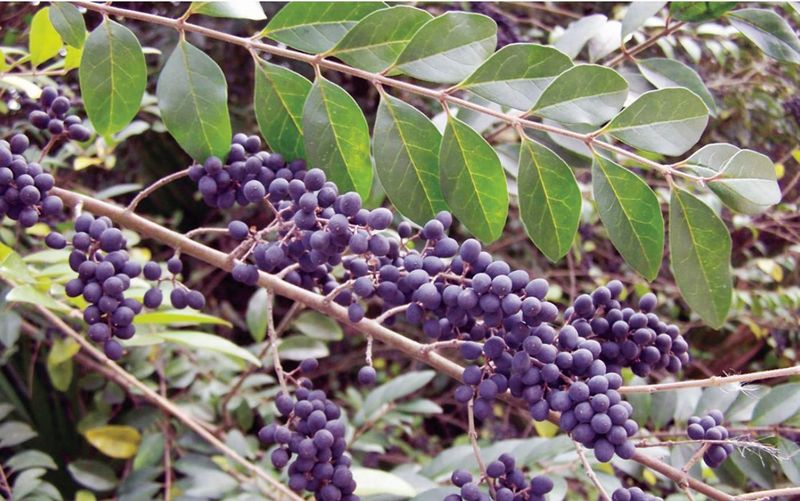
Privet is the plant many people inherited without ever choosing it, since old hedges seed themselves into every fencerow and creek bank across the Piedmont. Left alone, it forms shady green walls that block sunlight from reaching the wildflowers underneath.
Because privet thrives in shady, moist spots, it takes over stream buffers where native plants once held the soil and fed insects. That loss ripples straight up to the birds and box turtles hunting for those insects.
Swap it for a real NC native hedge like yaupon holly, inkberry, or wax myrtle. You still get the year-round privacy screen, but now the berries and cover actually support the creatures sharing your yard.
4. English Ivy
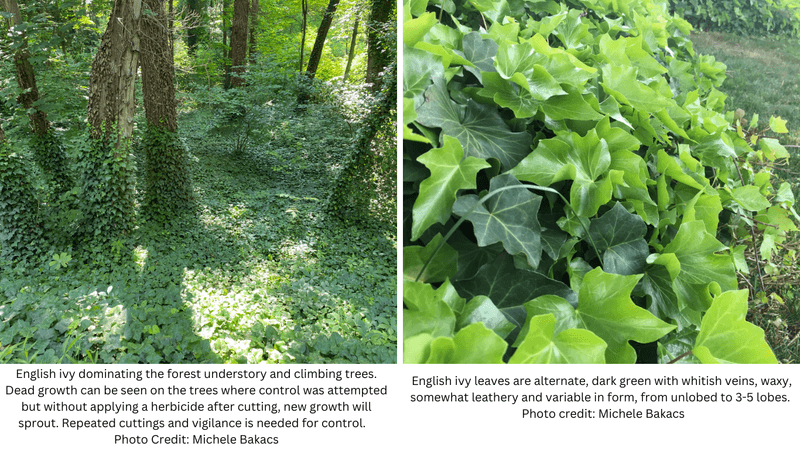
Draped over a wall, English ivy looks like something out of a storybook cottage, and that romance is exactly how it sneaks into so many yards. Give it a few seasons and it becomes a smothering blanket, climbing trees until their limbs snap under the weight.
Cary flags English ivy on its prohibited list, and for good reason. On the ground it creates an “ivy desert” where nothing native can sprout, and up in the canopy it can strangle beloved old shade trees.
For a groundcover that behaves, reach for green and gold, foamflower, woodland phlox, or native ferns. These shade-lovers knit together nicely and keep your soil covered without eating your trees alive.
5. Japanese Honeysuckle
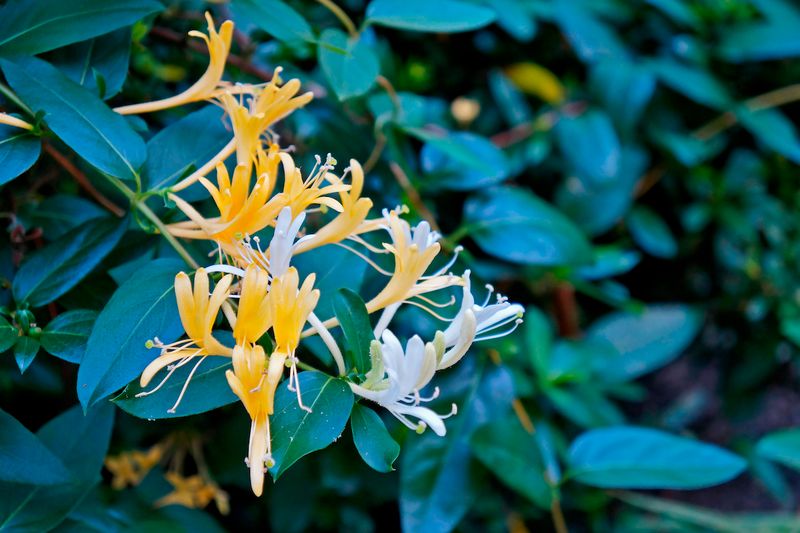
Plenty of NC kids grew up pinching honeysuckle blossoms for that one sweet drop of nectar, so this vine carries real nostalgia. That sweetness hides a bully, though, because Japanese honeysuckle twists around native saplings and squeezes them until they can’t grow.
Cleveland County even regulates runaway vines like this when they creep past property lines or become a safety issue. Once it gets going, it blankets whole hillsides in a tangled mat.
You do not have to give up honeysuckle memories entirely. Native trumpet honeysuckle offers red tubular flowers that hummingbirds adore, and it climbs politely without swallowing your fence and everything near it.
6. Chinese and Japanese Wisteria
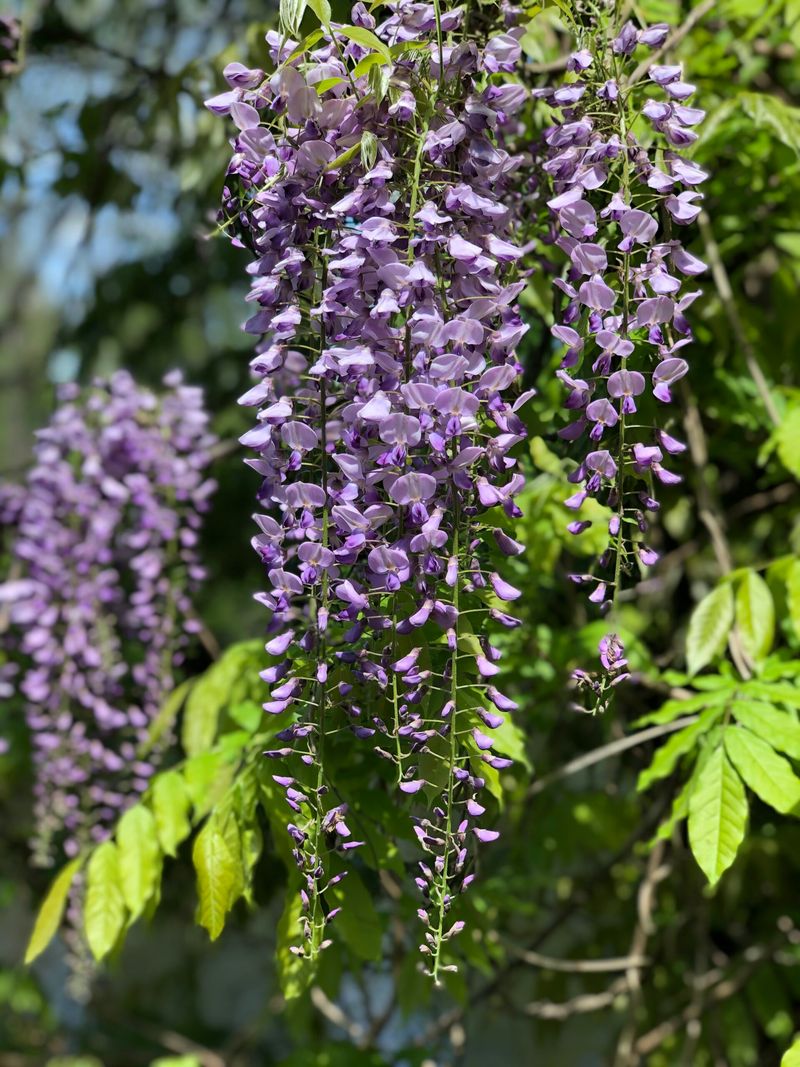
Few sights beat a curtain of purple wisteria blooms in April, and that jaw-dropping display is precisely why this vine keeps getting planted where it shouldn’t. The Asian species grow massive woody trunks that can crush arbors and girdle mature trees.
Left unchecked, Chinese and Japanese wisteria escape into woodlands and pull down whole tree canopies with their sheer weight. Removal often means years of cutting and re-cutting persistent regrowth.
Reach for American wisteria instead, a native cousin with the same dreamy purple clusters but a far gentler growth habit. It gives you the Southern-porch look while sparing your trees and your neighbors’ patience.
7. Burning Bush
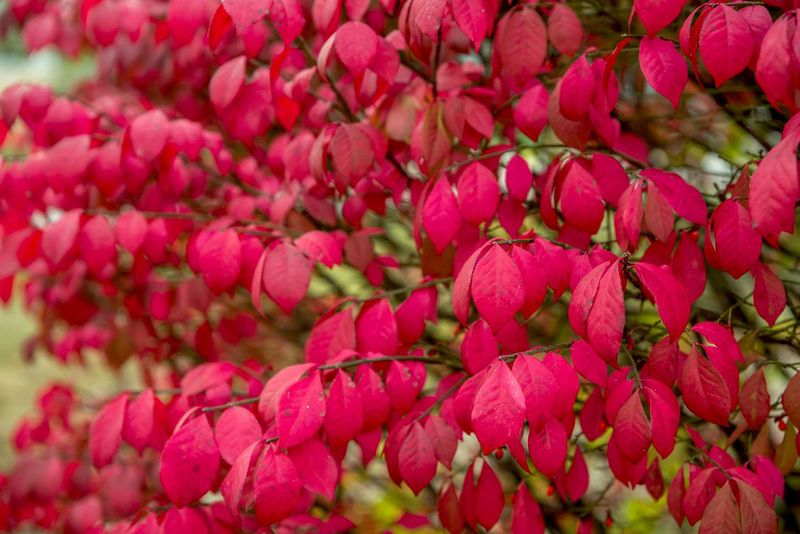
Come October, burning bush lives up to its name with foliage so red it stops traffic, and that fall drama sold it into countless yards. What the garden tag rarely mentions is how eagerly birds spread its seeds into nearby forests.
Cary includes burning bush on its banned list because those escaped seedlings form dense shrub layers that shade out native wildflowers. A plant prized for one flashy month causes damage that lasts for years.
For fiery fall color that belongs here, plant Virginia sweetspire. It brings crimson autumn leaves plus fragrant summer flower spikes, giving your yard two seasons of show instead of one problem.
8. Kudzu
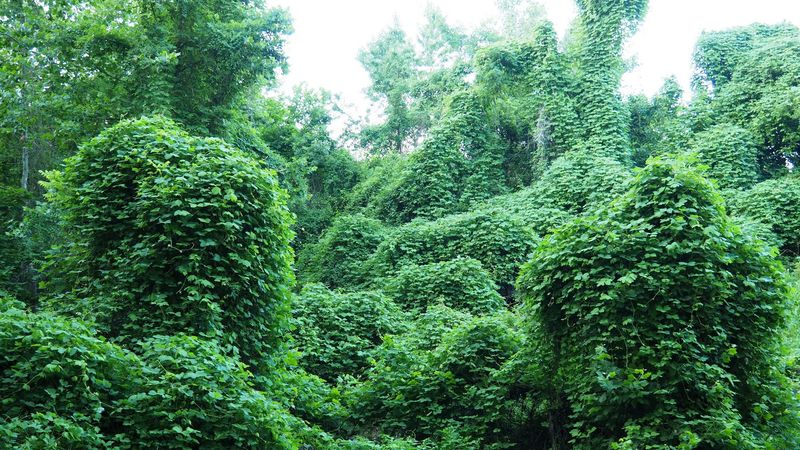
They call it “the vine that ate the South,” and anyone who has driven a NC back road has seen kudzu swallow entire barns and tree lines whole. It grows up to a foot a day in summer, which is not an exaggeration but a genuine warning.
Kudzu sits on North Carolina’s official noxious-weeds list managed by the NCDA and CS, and Cleveland County specifically targets vines like it that spill across property lines. Once established, it takes serious, repeated effort to knock back.
There is no cute swap for kudzu because the goal is simply eradication. Focus your energy on smothering or cutting it early, then reclaim that ground with native trumpet honeysuckle, crossvine, or a healthy patch of native shrubs.
9. Beach Vitex
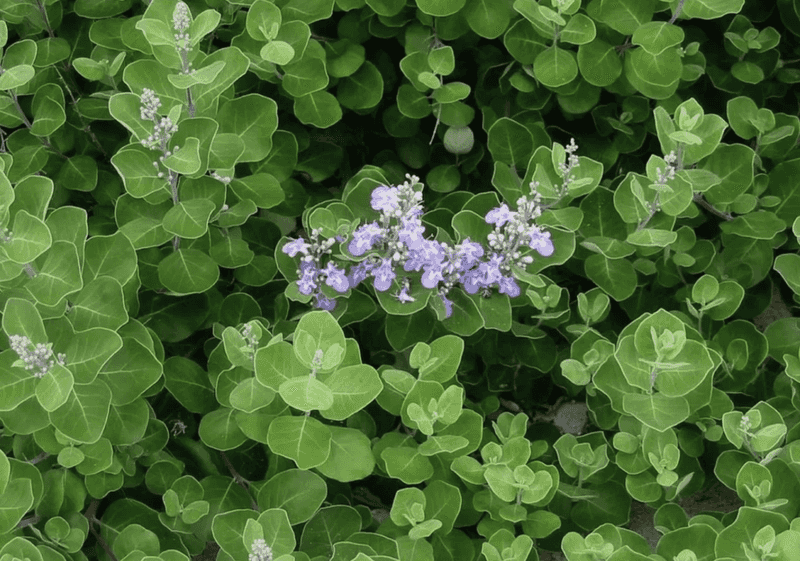
Coastal gardeners once welcomed beach vitex because it seemed like a tough dune plant that could handle salt and sand. That toughness turned into a nightmare as it carpeted dunes and blocked sea turtles from reaching their nesting spots.
Wrightsville Beach flat-out prohibits planting beach vitex within town limits, and it holds a spot on the state noxious-weeds list too. On the Coastal Plain, it worsens erosion by pushing out the deep-rooted native grasses that actually anchor dunes.
Coastal homeowners can protect their stretch of shoreline with native sea oats and other dune grasses. These natives hold sand in place and keep the beach ecosystem working the way it should.
10. Mimosa (Silktree)
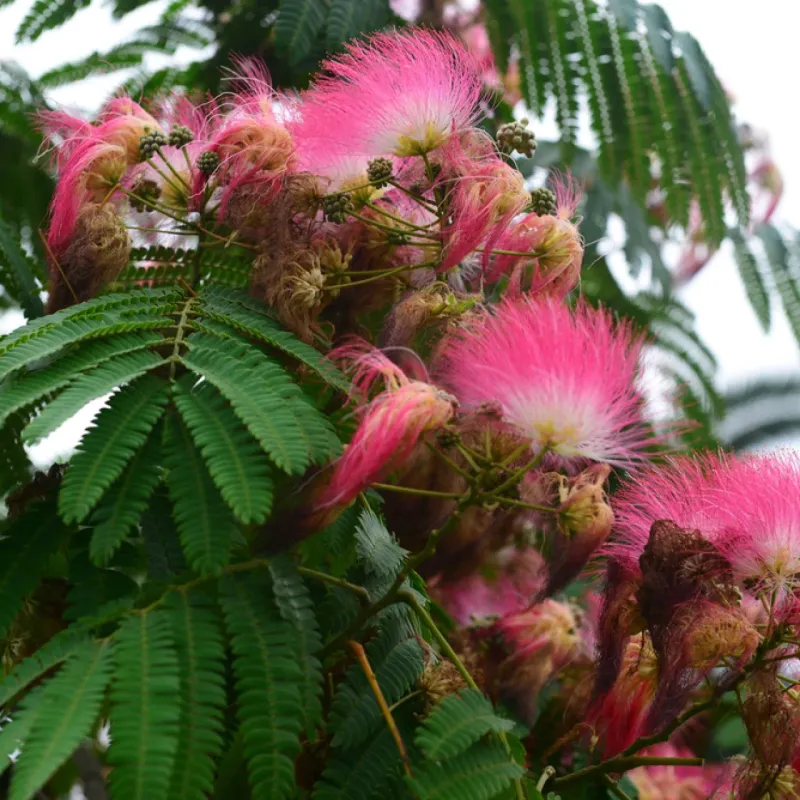
Those pink, feathery mimosa blooms have a fairy-tale quality that charmed generations of Southern gardeners. Behind the pretty flowers lurks a fast reseeder that sprouts in ditches, fencerows, and any bit of neglected ground.
Mimosa pods scatter seeds everywhere, and the trees pop back from cut stumps with frustrating ease. The result is a weedy tree that offers little to native insects while crowding out plants that do.
Trade your mimosa for a native magnolia and you keep the ornamental beauty while gaining real wildlife value. Its blooms and seeds support pollinators and birds that mimosa simply leaves out in the cold.
11. Periwinkle (Vinca major)
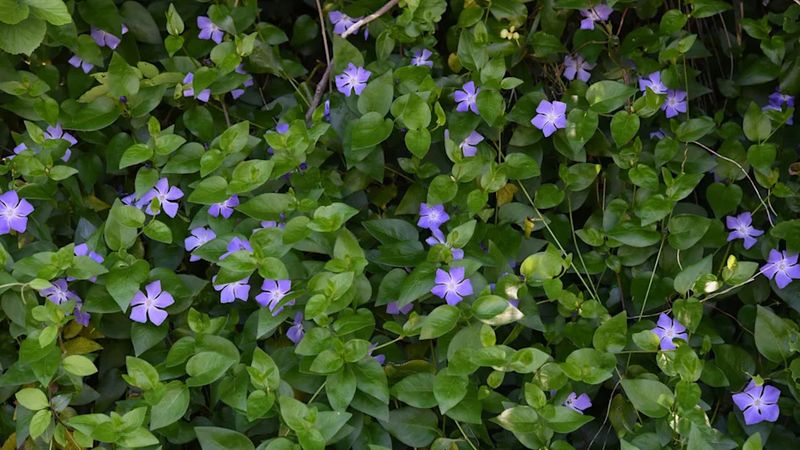
Struggling with a shady bare patch? Periwinkle has long been the go-to “just plant this and forget it” fix, which is exactly the problem.
It never stops spreading, rooting at every node until it forms a solid mat that chokes out everything else.
Cary names periwinkle on its prohibited planting list because it creeps out of beds and into woodlands. Under that pretty carpet, native spring wildflowers and the insects tied to them quietly disappear.
For a well-behaved shady groundcover, mix in common blue violet, Christmas fern, crested dwarf iris, or spotted wintergreen. You cover the bare ground, keep the blooms, and give native pollinators a real reason to visit.
12. Autumn Olive
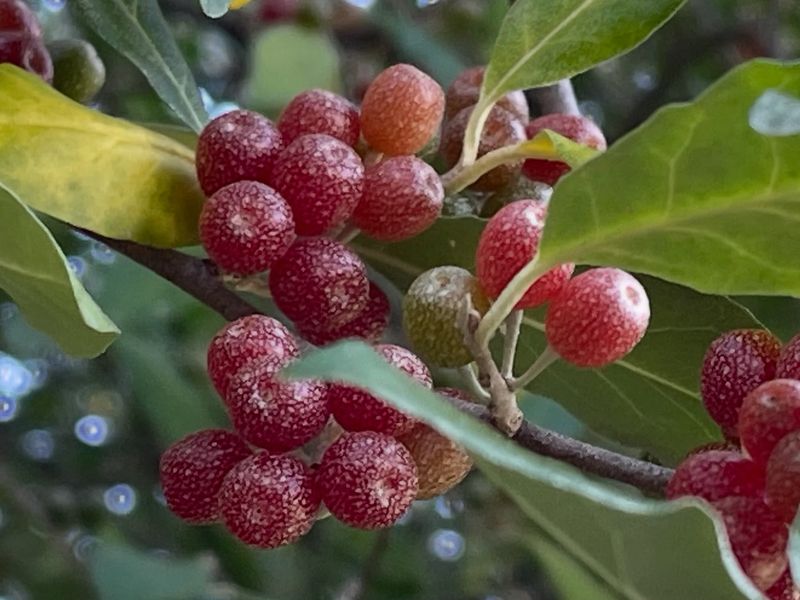
Marketed decades ago as a wildlife shrub, autumn olive did its job a little too well by producing berries that birds devour and scatter for miles. Now it seeds itself into old fields and forest edges all over the state.
What makes autumn olive especially sneaky is its ability to enrich soil with nitrogen, which sounds helpful but actually favors other weeds over native plants adapted to lean ground. It shrugs off cutting and resprouts vigorously.
If you want a berry-producing shrub that truly helps NC wildlife, plant native beautyberry, American holly, or Virginia sweetspire. These feed birds and pollinators without turning your fence line into an invasive seed factory.