
The Fast-Growing North Carolina Shade Trees You Plant Near The Patio Without Wrecking The Foundation
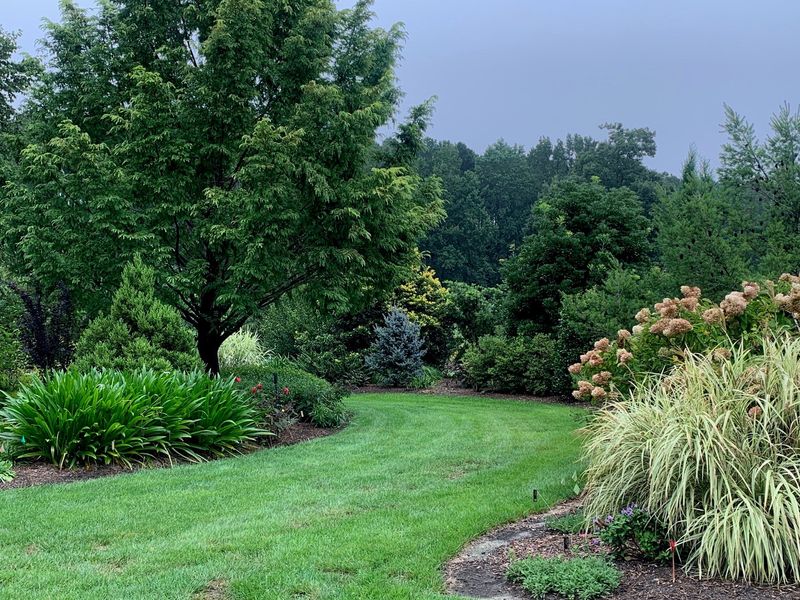
Everyone wants a shady spot to sit outside during a hot North Carolina summer, but planting the wrong tree too close to your house can crack your patio or damage your foundation. The good news is that plenty of native trees grow quickly, throw good shade, and keep their roots well-behaved.
As a bonus, these natives feed the bees, birds, and butterflies that make your yard feel alive. Here are seven trees that give you cool shade without the costly repair bills down the road.
1. Eastern Redbud (Cercis canadensis)

Few trees announce spring in the Piedmont quite like the Eastern Redbud. Before its leaves even show up, the bare branches burst with pink-lavender blossoms that hungry, newly emerged bees flock to.
Its root system stays polite and non-aggressive, which is exactly why it earns a spot right next to a patio or foundation. You get color in April and heart-shaped leaves that cast a soft, dappled shade all summer.
Did you know redbud flowers are edible and slightly tart? Some folks toss them into salads for a pop of color.
Just leave plenty behind for the pollinators that count on them.
2. American Hornbeam (Carpinus caroliniana)
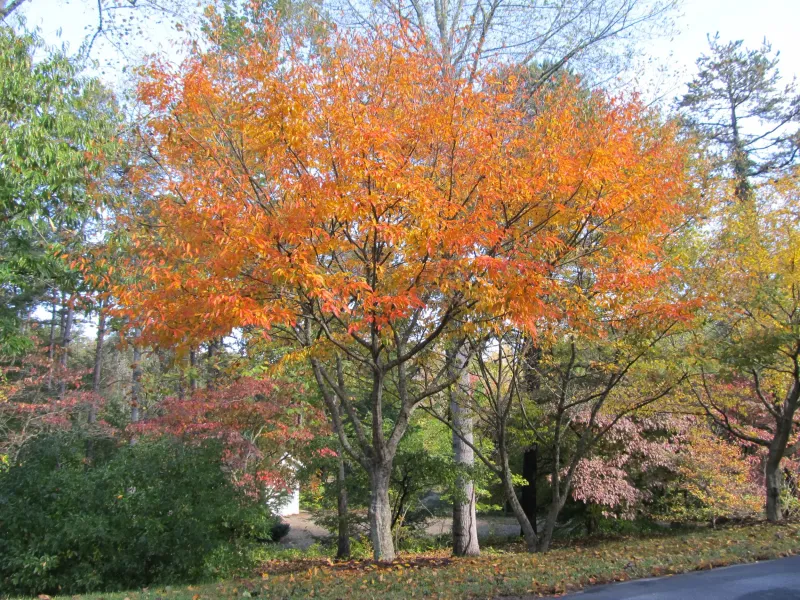
Run your hand along the trunk of an American Hornbeam and you will understand its nickname, musclewood. The bark ripples like flexed muscle, giving it a sculpted, almost artistic look near a seating area.
Because it grows as an understory tree, its roots run deep and compact instead of spreading wide, so hard surfaces stay safe. In autumn the leaves turn a warm golden-orange that glows in low light.
Birds appreciate the seeds, and native butterfly caterpillars use the foliage as a nursery. That makes musclewood a quiet workhorse for anyone building a wildlife-friendly corner of their yard.
3. Serviceberry (Amelanchier arborea)
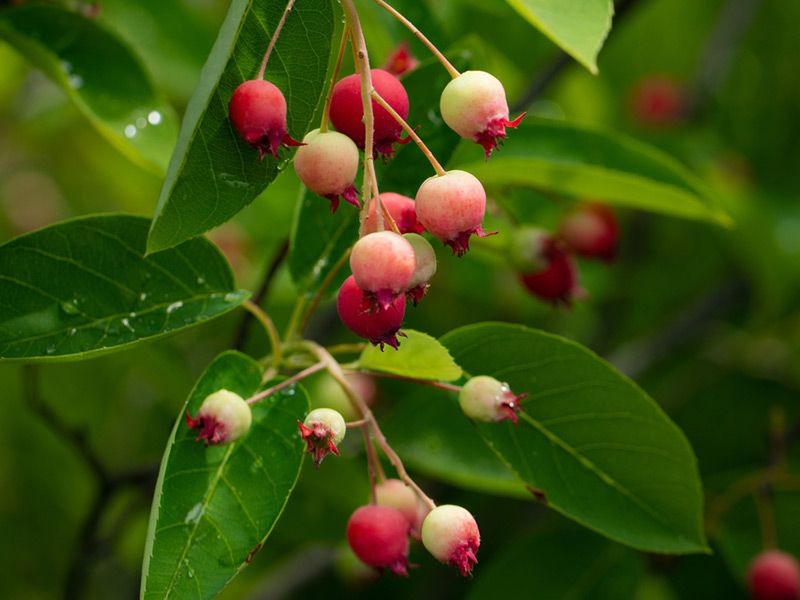
If you want one tree that performs in every season, the Serviceberry is hard to beat. White flowers open in early spring, red-purple berries ripen by summer, and the leaves flame orange and red before they drop.
Those berries are a bird magnet, drawing robins and cedar waxwings right to your patio for the show. Humans can eat them too, and they taste a bit like blueberry mixed with almond.
Best of all, the roots behave themselves near foundations and walkways. You get four seasons of interest and a steady stream of feathered visitors without the worry of cracked concrete.
4. Fringe Tree (Chionanthus virginicus)
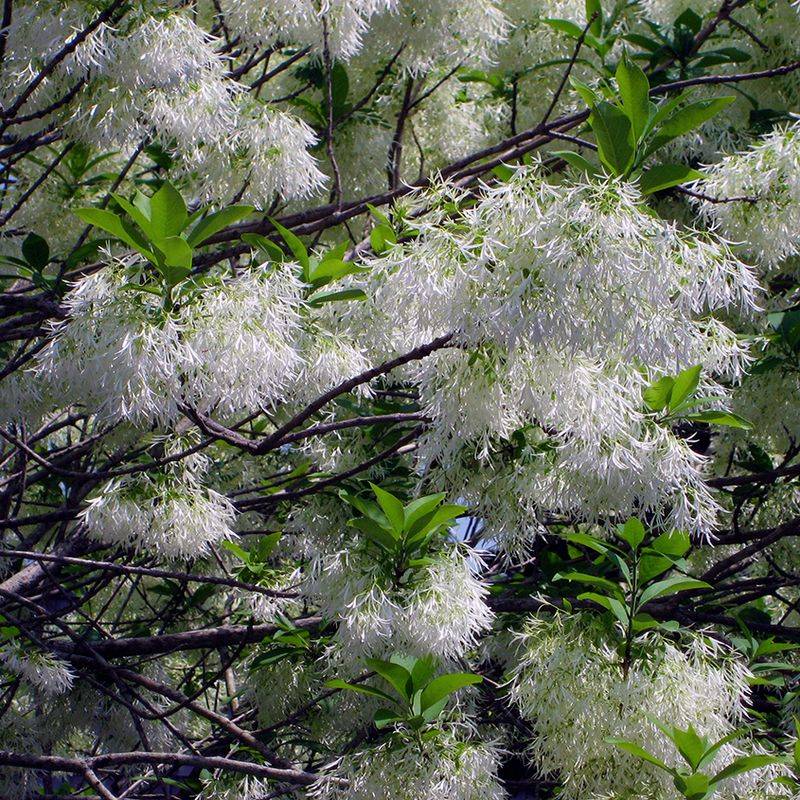
Walk past a Fringe Tree in bloom and the fragrance stops you before the flowers do. Wispy white petals hang in soft clouds that look almost like lace draped over the branches.
Gardeners often overlook this small native, which is a shame because it asks for almost nothing once it settles in. Female trees follow the flowers with blue-black fruit that birds happily clean off.
Its compact, non-aggressive roots make it a safe pick tucked close to a patio edge. Low maintenance, sweet-smelling, and bird-approved, it quietly earns its keep.
5. Sweetbay Magnolia (Magnolia virginiana)
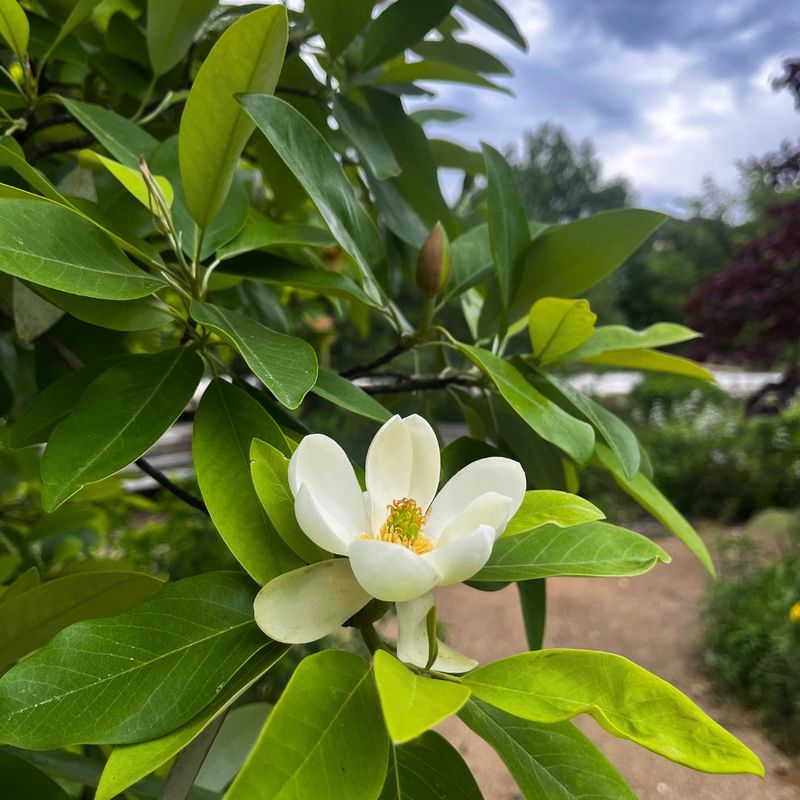
Native to the swamps and coastal plains of eastern North Carolina, the Sweetbay Magnolia is the easygoing cousin of the big Southern Magnolia. It stays smaller and keeps its leaves through the winter in milder parts of the state.
Summer brings creamy white flowers with a soft lemon scent that drifts across the yard on warm evenings. Native bees and butterflies work the blooms, and birds go after the bright red seeds later on.
Its roots stay non-invasive, so planting near the foundation is no gamble. For coastal and southern Piedmont gardeners, it delivers evergreen structure and gentle fragrance in one tidy package.
6. Red Buckeye (Aesculus pavia)
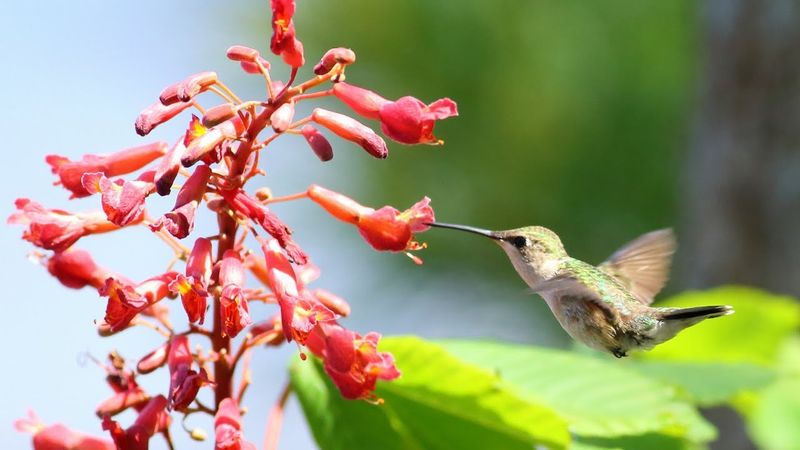
Time the Red Buckeye’s bloom just right and you will catch hummingbirds arriving hungry from their spring migration. The tree unfurls spikes of glowing red tubular flowers exactly when those tiny travelers need fuel most.
It stays modest in size, and its compact root system means you can tuck it near a patio or walkway without second-guessing. The bold red flowers stand out against fresh green leaves in a way few small trees can match.
Think of it as a hummingbird feeder you never have to refill. Plant one where you can watch from your chair and enjoy the daily air show.
7. Carolina Silverbell (Halesia carolina)
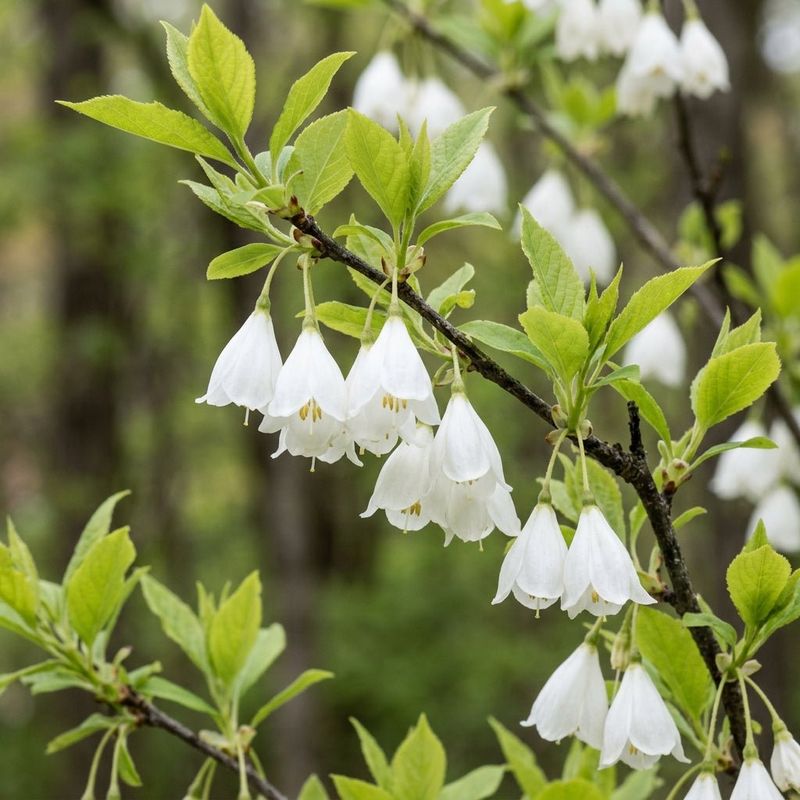
There is something old-fashioned and charming about the Carolina Silverbell when its branches fill with tiny white bells in late spring. The flowers dangle in rows like little lanterns strung along the limbs.
Native to the mountains and upper Piedmont, it keeps a well-mannered canopy and roots that stay out of trouble near hard surfaces. That combination makes it a smart choice for a foundation-side planting.
The tree fits comfortably into a woodland-style corner without overwhelming the space. Give it a spot with some afternoon relief and it will reward you with that delicate spring display year after year.