
If Your Peonies Grow Lush Leaves But Refuse To Flower, Here Are 13 Silent Culprits (And The Fix For Each)
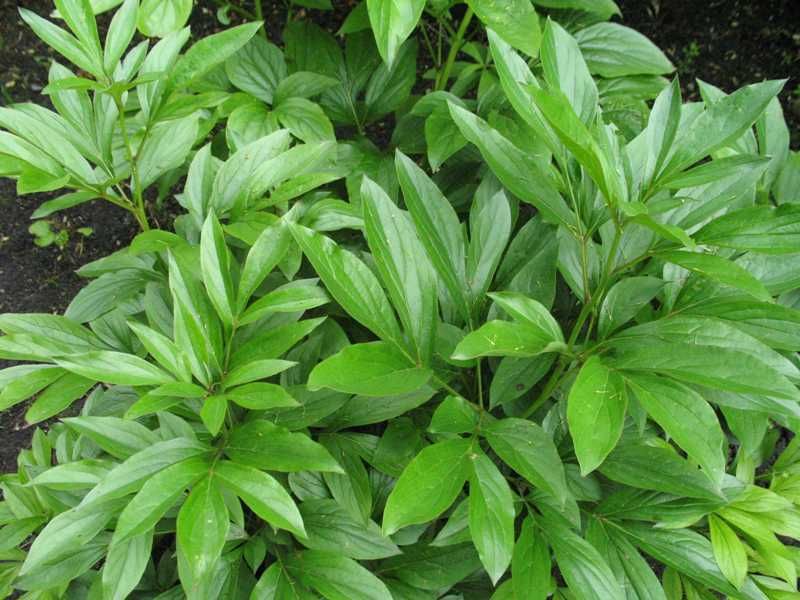
You watch your peony push out big, healthy green leaves every spring, but the buds you were hoping for just never show up. It’s one of the most frustrating things a gardener can face, because the plant looks perfectly alive yet gives you nothing to enjoy.
The good news is that a leafy peony with no flowers is almost always trying to tell you something specific. Once you spot the real reason, the fix is usually simple, and your blooms can come roaring back.
1. Planting Depth Too Deep
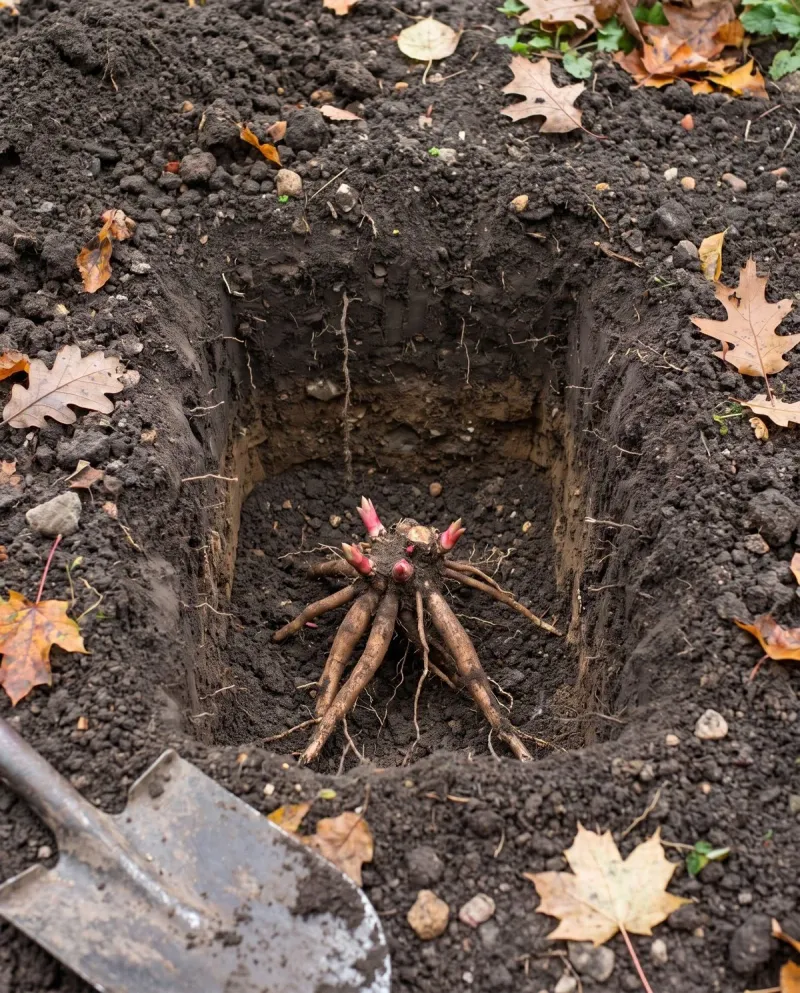
Here’s a mistake that trips up even seasoned gardeners: burying the peony too far down. Those little pink or red bumps on the crown are called “eyes,” and they need to sit only 1 to 2 inches beneath the soil to flower well.
Plant them any deeper and the peony puts all its effort into growing roots and foliage instead of buds. You get a lush, healthy plant that stubbornly stays flowerless year after year.
The fix: In early autumn, gently lift the plant and replant it so the eyes are no more than 2 inches deep. If mulch or soil has piled up over time, simply scrape the excess away from the crown.
2. Insufficient Sunlight
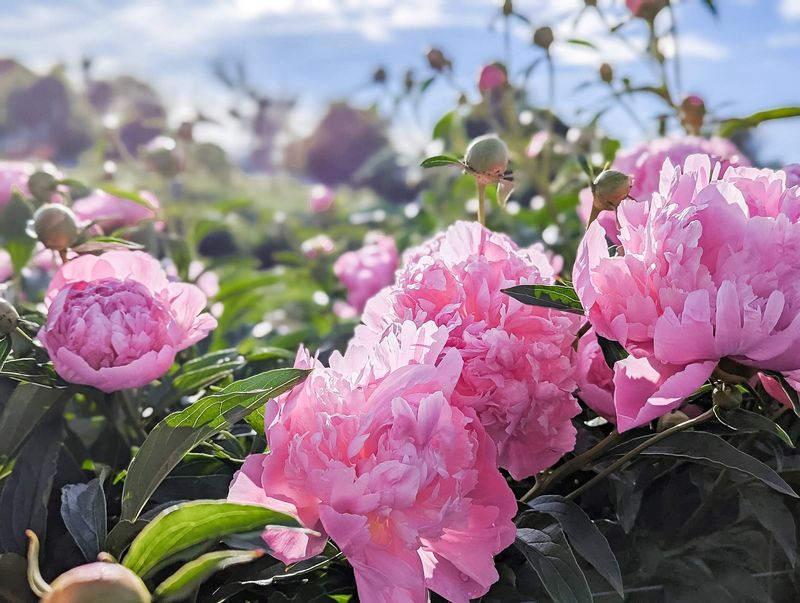
Peonies are true sun-worshippers, and skimping on light is a common reason they sulk. To flower generously, they want a solid 6 to 8 hours of direct sunlight each day.
When nearby trees or shrubs grow taller over the seasons, they quietly steal that light. The peony responds by making plenty of leaves but few, if any, blooms.
The fix: Trim back overhanging branches to open up the canopy and let more sun through. If the spot is hopelessly shady, dig the peony up in fall and move it somewhere brighter where it can soak up full sun.
3. Immature Plants
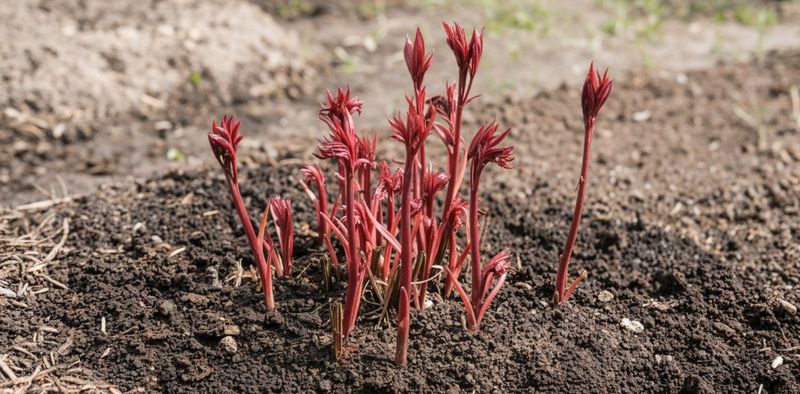
Sometimes the plant isn’t broken at all, it’s just young. Bare-root peonies and freshly planted divisions usually need 1 to 3 years to build a strong enough root system before they commit to blooming.
During that stretch, seeing healthy leaves is actually a great sign. The peony is quietly stockpiling energy underground for the flower show to come.
The fix: Patience genuinely pays off here. Keep giving it full sun, good drainage, and a calm undisturbed spot, and resist the urge to overfeed or fuss with it while it settles in.
4. Recent Transplant Shock
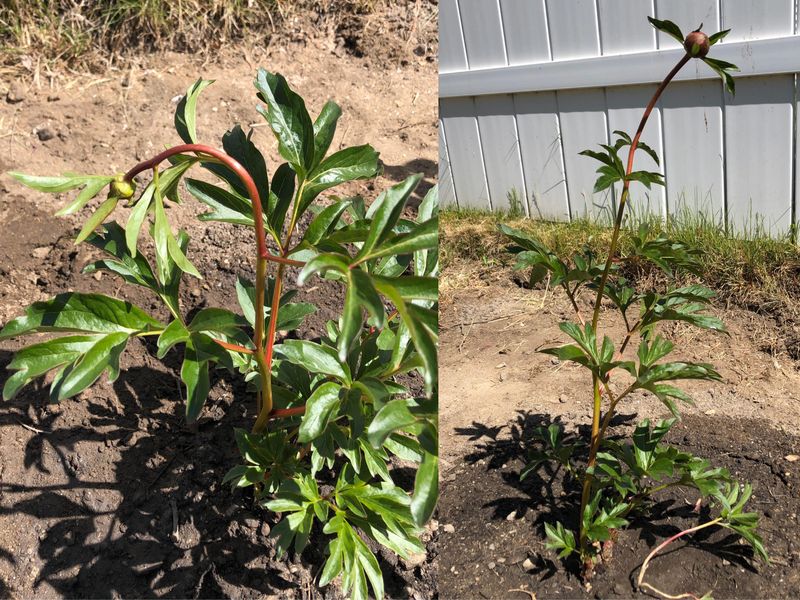
Moved your peony recently? Don’t be surprised if it pouts.
These plants hate being disturbed, and a transplant can throw them into shock that delays flowering for a season or two.
Instead of blooming, the peony pours its energy into rebuilding the roots it lost during the move. Foliage returns first, flowers follow later.
The fix: Give it time and steady care while it re-establishes. If you must move a peony, do it in early autumn when it’s going dormant, which is far gentler than a spring or summer relocation.
5. Overfertilization (Especially High Nitrogen)
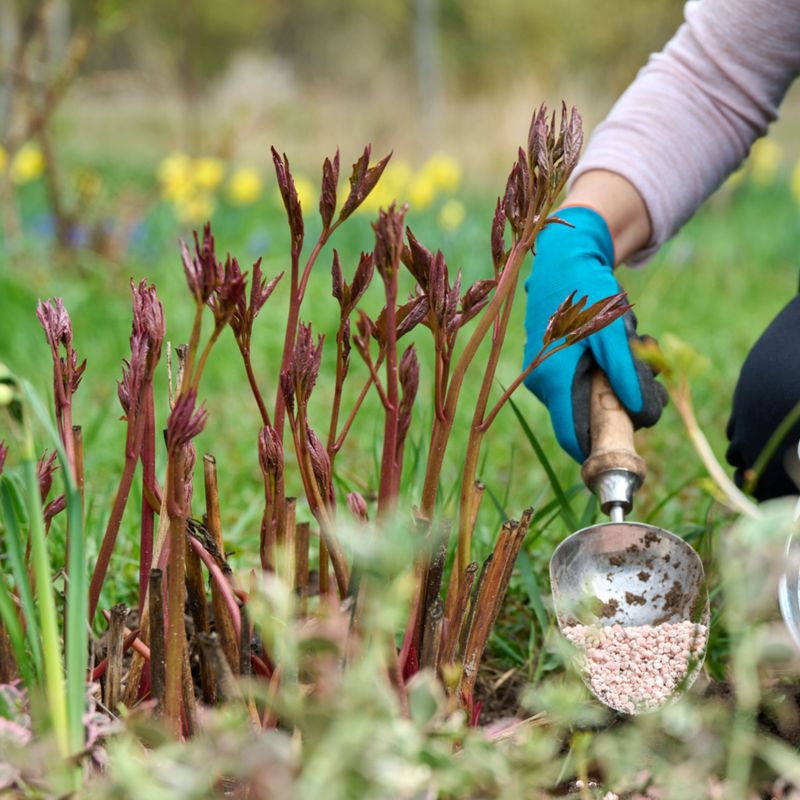
Feeding your peony too much love can backfire in a big way. Nitrogen-heavy fertilizer tells a plant to grow leaves, leaves, and more leaves, often at the total expense of flowers.
A sneaky version of this happens when lawn fertilizer drifts or leaches into a nearby peony bed. Your grass gets green while your peony forgets how to bloom.
The fix: Switch to a balanced 10-10-10 feed or something higher in phosphorus like 5-10-5, applied in early spring as shoots emerge. Keep high-nitrogen lawn products well away from the peony, and mix in some compost for a gentler boost.
6. Bud Damage from Weather (Late Frosts or Extreme Conditions)
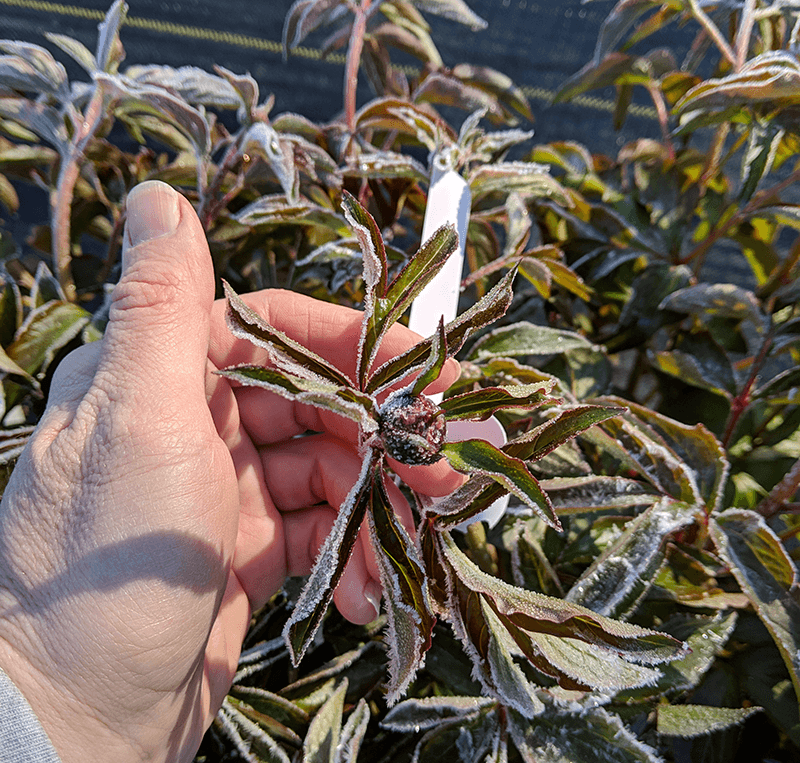
Picture this: your peony finally sets buds, then a surprise cold snap rolls in overnight. Delicate peony buds can be killed by late spring frosts, turning brown or black and shriveling before they ever open.
Oddly, the opposite extreme causes trouble too. A too-warm winter can scramble the plant’s natural dormancy and mess with bud set.
The fix: When frost is forecast, drape a blanket or frost cloth over the plant at night and remove it in the morning. In mild-winter regions, choosing a sheltered spot with a natural windbreak can help hold a steadier, cooler microclimate.
7. Poor Soil or Drainage

Soggy roots spell trouble for peonies, which simply refuse to tolerate “wet feet.” Constantly waterlogged soil stresses the plant, invites root rot, and shuts down bloom production.
Heavy clay is often the villain, holding water like a sponge and choking out the air roots need. A stressed root system rarely spares energy for flowers.
The fix: Work plenty of compost, coarse sand, or fine gravel into heavy soil to loosen it and improve drainage. If your ground stays wet, plant peonies in a raised bed and skip any low spots where puddles collect.
8. Fungal Diseases (Botrytis Blight)
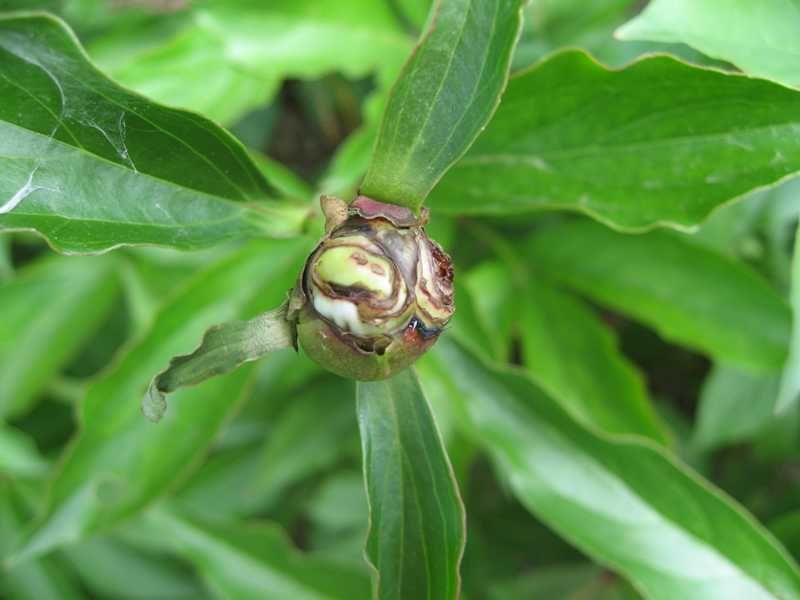
Ever seen peony buds turn brown, go mushy, and rot without ever opening? Botrytis blight, also known as gray mold, is often the silent saboteur behind that heartbreak.
The fungus loves cool, damp, crowded conditions and overwinters in old plant debris, ready to strike again each spring. Buds are its favorite target.
The fix: Clean up and destroy infected stems, leaves, and fallen debris in fall so spores can’t linger. Space plants for good airflow, water at the base rather than overhead, and reach for a fungicide only if the infection is severe.
9. Pests
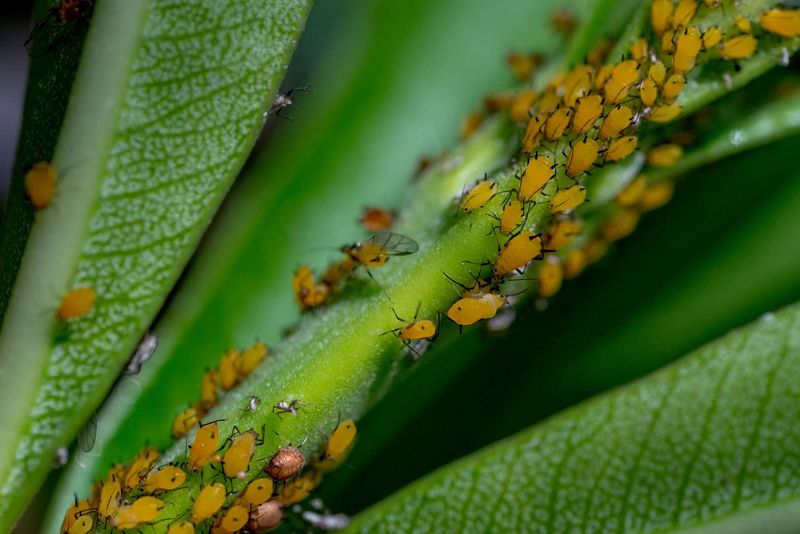
Tiny troublemakers can undo all your hard work before a single petal unfurls. Aphids, thrips, and root nematodes weaken peonies or chew at forming buds, keeping them from opening fully.
Because these pests are small and often hide, the damage can look mysterious. You see leaves but wonder where the flowers went.
The fix: Check your plants regularly, flipping leaves and inspecting buds up close. Knock out aphids and thrips with insecticidal soap or neem oil per the label, and keep foliage dry to slow the spread of nematodes.
10. Incorrect Pruning or Premature Removal of Foliage
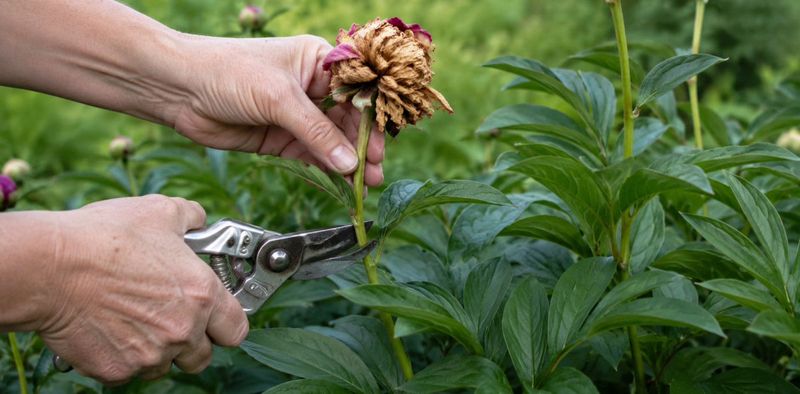
Tidy gardeners, beware: cutting peony foliage too soon can quietly rob you of next year’s blooms. Those leaves are little solar panels, gathering energy that gets stored in the roots for future flowers.
Snip them off while they’re still green and you drain the plant’s savings account. The result is a leafy comeback with no payoff on top.
The fix: Leave the foliage alone until it naturally yellows or browns after the first hard frost. Only then cut the stems back to about 2 inches above the soil, and your peony will thank you next spring.
11. Drought or Inconsistent Watering
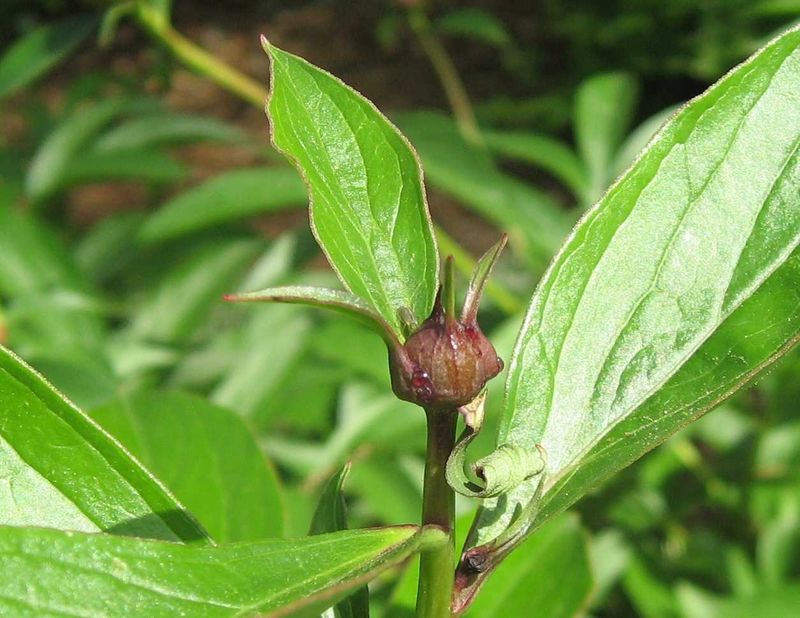
When water comes and goes unpredictably, peonies can respond with something gardeners call “bud blast,” where buds form but then wither instead of opening. Spring, when buds are developing, is an especially sensitive window.
A thirsty, stressed plant simply can’t finish the job of flowering. It hangs onto its leaves but sacrifices the blooms.
The fix: Keep moisture steady through spring and any dry stretches, watering deeply so roots grow strong. Established peonies do best with heavy, infrequent soakings, as long as the soil still drains freely and never stays swampy.
12. Lack of Winter Chill Hours
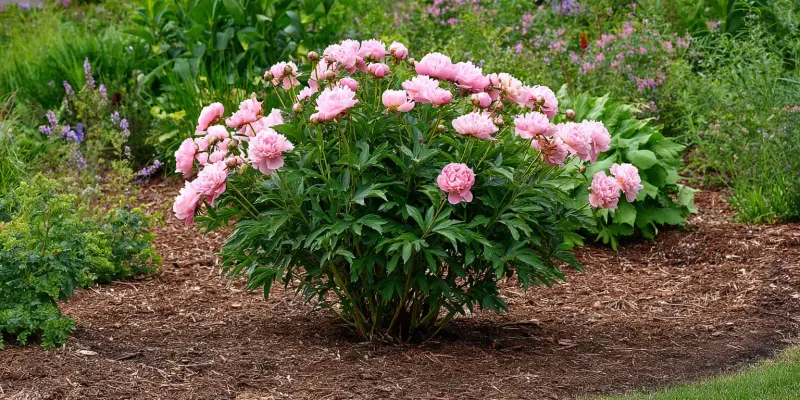
Believe it or not, peonies need a good cold nap to bloom. Herbaceous types require a stretch of chilly winter temperatures, called chill hours, to properly set their flower buds for spring.
In very mild climates, winters just don’t get cold enough to trigger that process. The plant stays green and leafy but never gets the seasonal signal to flower.
The fix: If you garden where winters are warm, pick peony varieties bred to bloom on fewer chill hours. Planting the eyes at the shallow end of the recommended depth can also nudge warmer-region peonies toward flowering.
13. Root Competition from Nearby Plants

Your peony might be losing a quiet tug-of-war underground. Big trees and established shrubs send out sprawling root systems that grab water and nutrients before your peony ever gets a share.
Starved of resources, the peony loses vigor and drops flowering from its to-do list. It survives, but it doesn’t thrive enough to bloom.
The fix: Give peonies breathing room by planting them well away from hungry trees and large shrubs. If the competition is already fierce, relocate the peony to a fairer patch of ground in the fall.
Get even one or two of these fixes right and a stubborn, leafy peony can transform into the fragrant showstopper you’ve been waiting for.