
If Deer And Rabbits Keep Nibbling Your Beds Bare, Here Are 19 Perennials They Won’t Touch (And 5 That Invite Them In)
Waking up to find your flower beds chewed down to stubs is one of the most frustrating things a gardener can face. Deer and rabbits love an easy meal, and they will happily treat your garden like a salad bar if you let them.
The good news is that some perennials taste, smell, or feel so unpleasant to these animals that they usually walk right past them. Here are 19 plants that tend to stay safe, plus 5 favorites you may want to protect or skip.
1. Allium (Ornamental Onion)
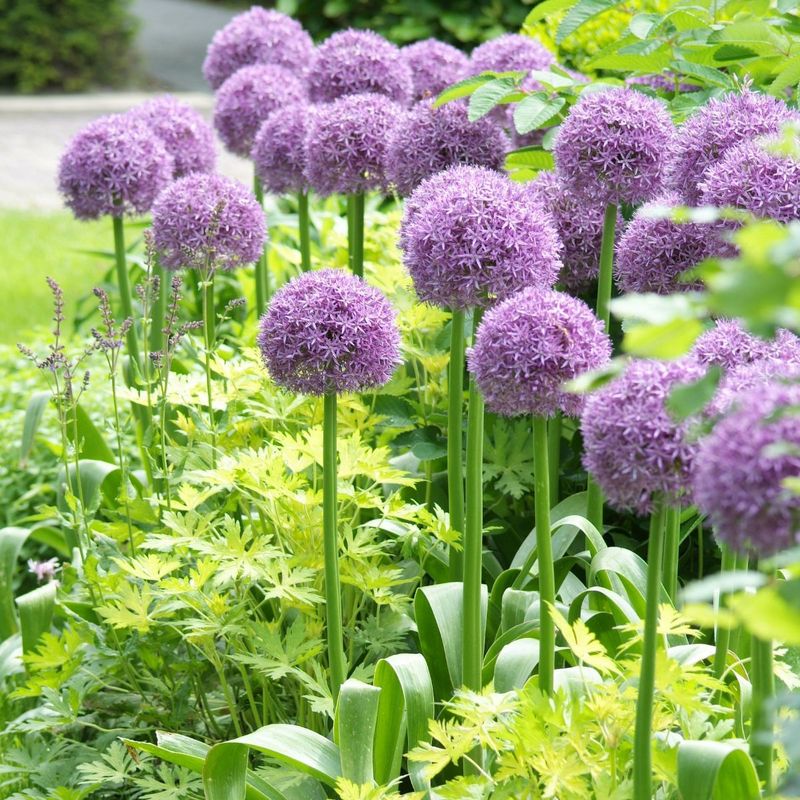
Picture a garden dotted with purple globes floating on tall stems, and you have allium. Because these plants belong to the onion family, they carry a sharp scent and taste that deer and rabbits find downright offensive.
Animals rely heavily on smell when deciding what to nibble, and the oniony punch of allium sends them looking elsewhere. Even better, that same fragrance can help mask nearby plants that critters might otherwise enjoy.
Alliums bloom in late spring and early summer, giving you bold structure and color without the worry. Plant a cluster near more vulnerable flowers, and you get both beauty and a natural line of defense.
2. Anemone
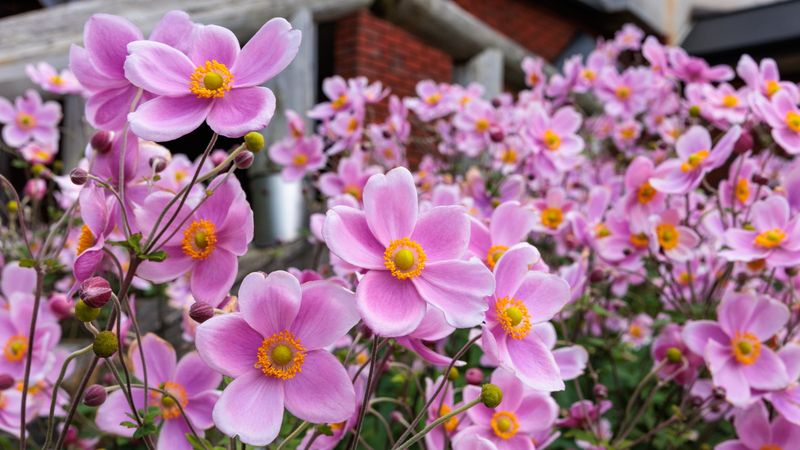
Tough as they are pretty, anemones bring delicate petals that dance on slender stems all through fall. Despite their fragile look, both rabbits and deer tend to leave them completely alone.
The foliage does not appeal to browsing animals, so these plants often stand untouched while neighbors get chewed. That reliability makes them a quiet hero in shady or partly sunny spots.
Fall-blooming varieties are especially handy since they add color when much of the garden is winding down. You get late-season charm with almost none of the heartbreak of finding them nibbled.
3. Astilbe
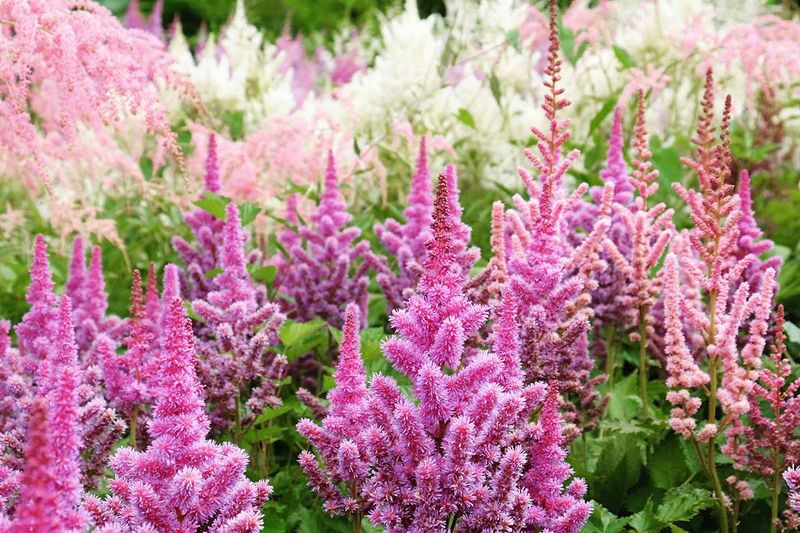
Feathery plumes rising above fern-like leaves give astilbe a soft, almost cloudlike look in shady corners. But behind that gentle appearance is a plant deer want nothing to do with.
The combination of a bitter taste, an odd texture, and a scent they dislike makes astilbe distasteful to browsing deer. Rabbits usually skip it too, which is a bonus for shade gardeners running low on safe choices.
If you have a damp, dim spot where hostas keep getting eaten, astilbe is a smart swap. It thrives in the same conditions but stays standing when the animals come through.
4. Bee Balm (Monarda)
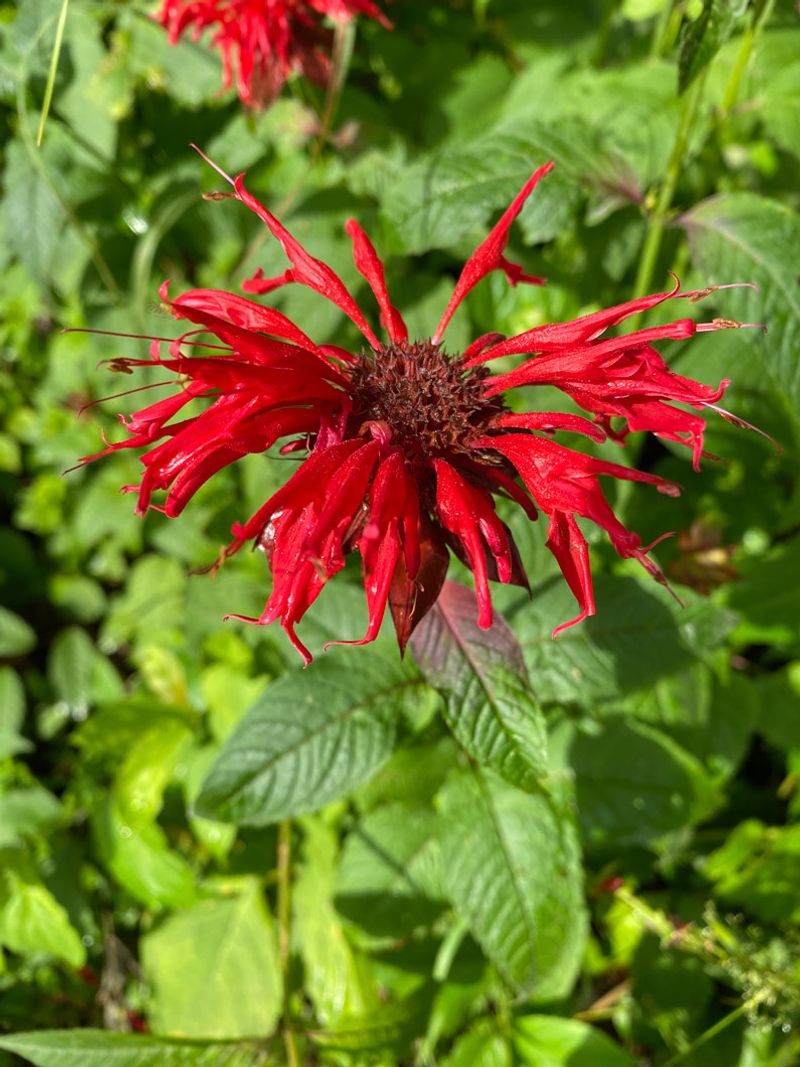
Shaggy, firework-like blooms make bee balm a magnet for hummingbirds and butterflies, yet deer keep their distance. The secret is in the family tree, since this perennial is a close relative of mint.
That minty, pungent smell and taste is exactly what deer dislike, so they tend to browse right past it. Rabbits generally agree and leave it be as well.
You end up with a plant that fills your garden with pollinator activity while quietly protecting itself. Plant it in a sunny bed and enjoy the buzz without the browsing damage.
5. Bergenia
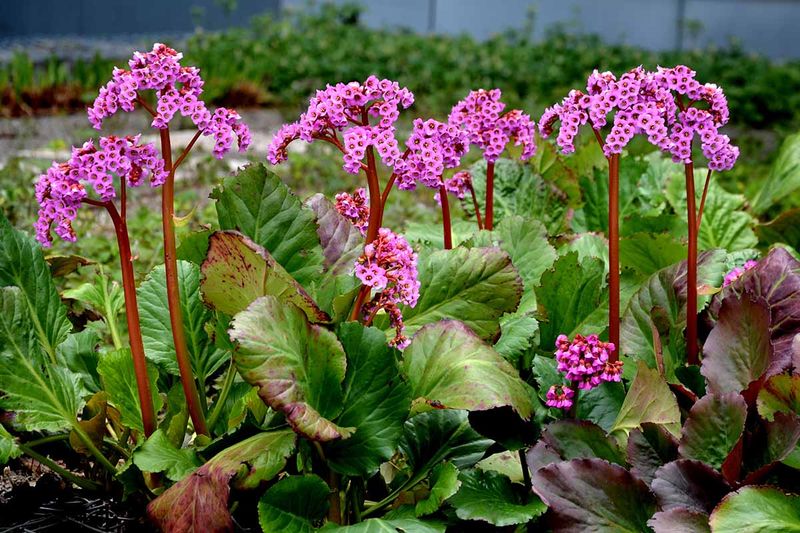
Big, glossy, leathery leaves set bergenia apart, and those same leaves are its armor against hungry animals. Deer rarely bother with it, earning it a spot on the rarely-damaged list.
The thick, waxy foliage simply is not appealing to nibble, and it stays attractive nearly year-round. In many climates the leaves even take on rich reddish tones as the weather cools.
Pink flower clusters pop up in spring, adding a cheerful touch above the sturdy leaves. For a low-maintenance edging plant that shrugs off deer, bergenia is hard to beat.
6. Bleeding Heart (Dicentra)
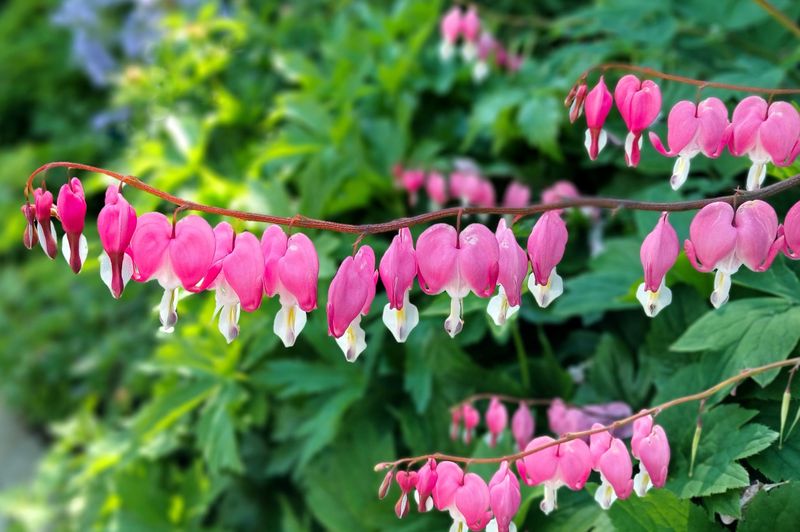
Few flowers charm quite like bleeding heart, with its arching stems strung with little pink hearts. Beyond the romance, it happens to be one of the shade lovers deer rarely damage.
The plant’s foliage does not tempt browsing animals, so it can flourish in woodland beds without much protection. That makes it a treasure for gardeners with dappled, shady spaces.
Bloom time hits in mid to late spring, delivering a burst of whimsy before summer heat arrives. Pair it with ferns and hostas, and let it be the safe standout of the group.
7. Catmint (Nepeta)
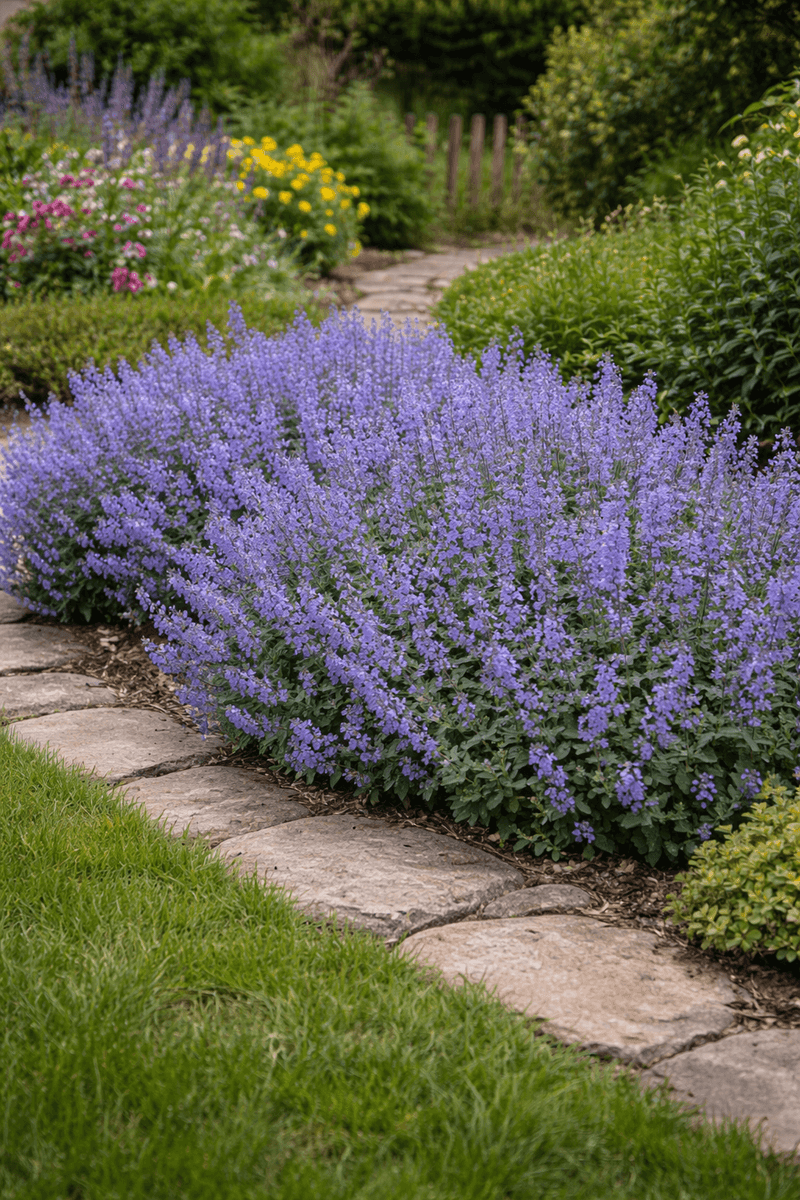
Clouds of lavender-blue blooms tumbling over soft gray foliage make catmint a favorite for relaxed cottage borders. Deer and rabbits, though, tend to steer well clear of it.
The fuzzy leaves carry a strong fragrance that browsing animals find off-putting, so they leave the plant untouched. That aromatic quality does double duty by drawing bees while repelling nibblers.
Catmint is also famously easy to grow, blooming for weeks with little fuss and shrugging off heat and drought. If you want long color and reliable animal resistance, it earns its keep.
8. Columbine (Aquilegia)
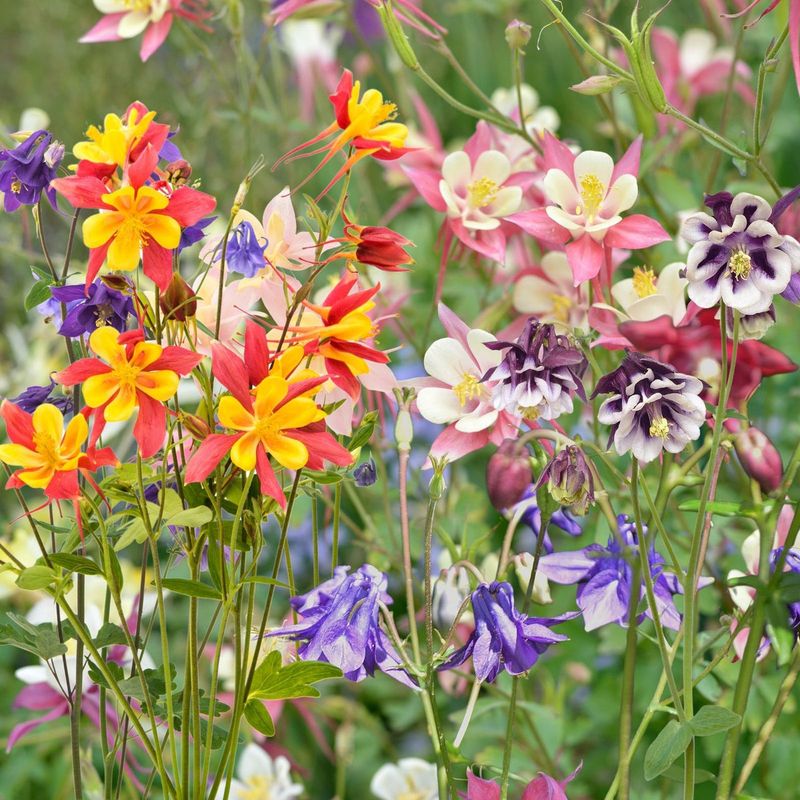
Intricate, spurred blossoms give columbine an almost otherworldly look, like tiny lanterns hovering over lacy leaves. Gardeners love it, and thankfully deer seldom cause it harm.
Browsing animals just do not find columbine appealing, so it can bloom freely in beds where other plants get chewed. It also self-sows gently, popping up in new spots year after year.
Spring is its moment, when the nodding flowers attract hummingbirds and early pollinators. For a woodland-edge plant with charm and staying power, columbine delivers.
9. Daffodil (Narcissus)
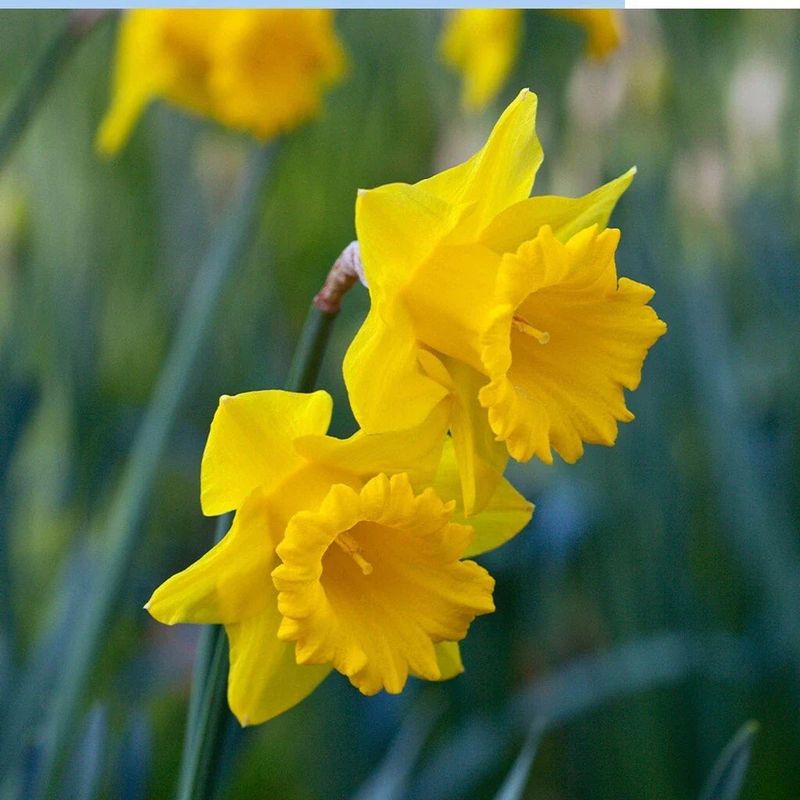
When daffodils trumpet the arrival of spring, you can trust they will still be standing weeks later. That is because these cheerful bulbs are actually poisonous to deer, rabbits, and other mammals.
An alkaloid called lycorine runs through the plant, making it a genuinely unsafe snack for browsing animals. As a result, they instinctively avoid it, giving you one of the most dependable choices around.
Try planting daffodils as a protective border around tulips or other treats that critters love. The animals may skip the whole area rather than risk the daffodils in their path.
10. Dianthus (Garden Pinks)
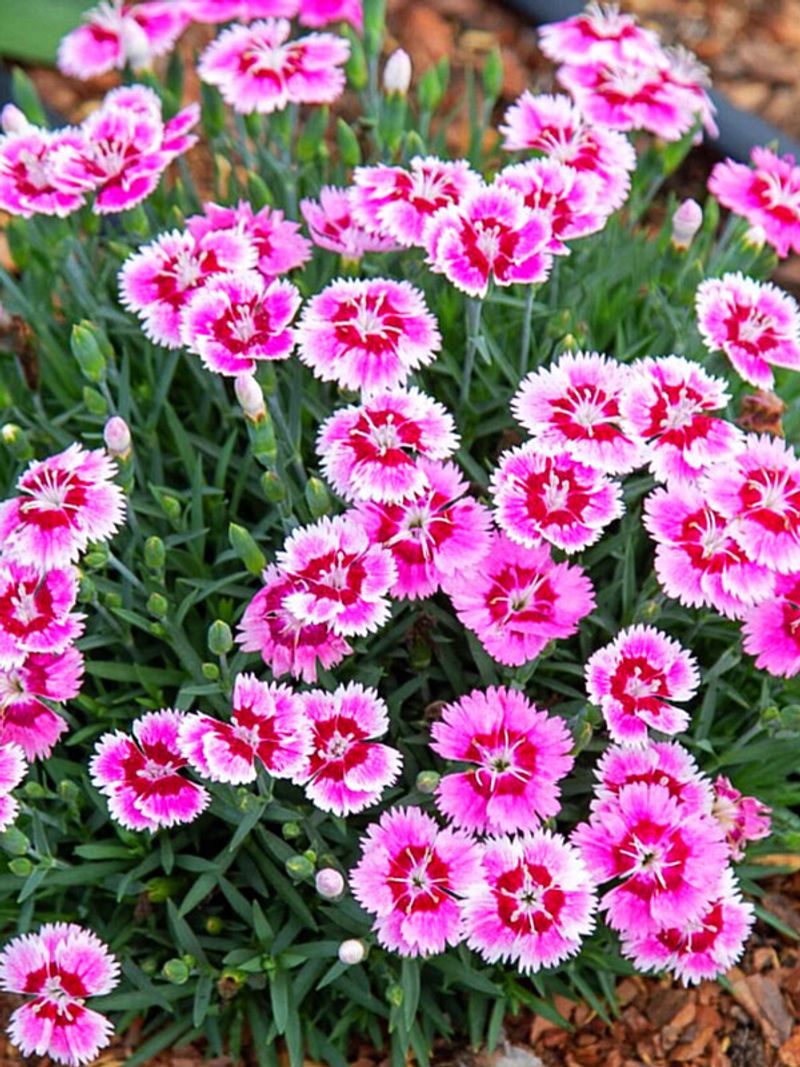
Spicy, clove-scented blooms with fringed edges make dianthus a nostalgic favorite in cottage gardens. Those fragrant varieties happen to be more resistant to deer browsing.
The strong scent that gardeners adore is the same feature that convinces deer to move along. Rabbits tend to be less interested too, especially with the more aromatic types.
Dianthus forms tidy mats of blue-green foliage topped with long-lasting flowers through late spring and summer. Tuck it along a path or the front of a border for color that keeps its distance from nibblers.
11. Foxglove (Digitalis)
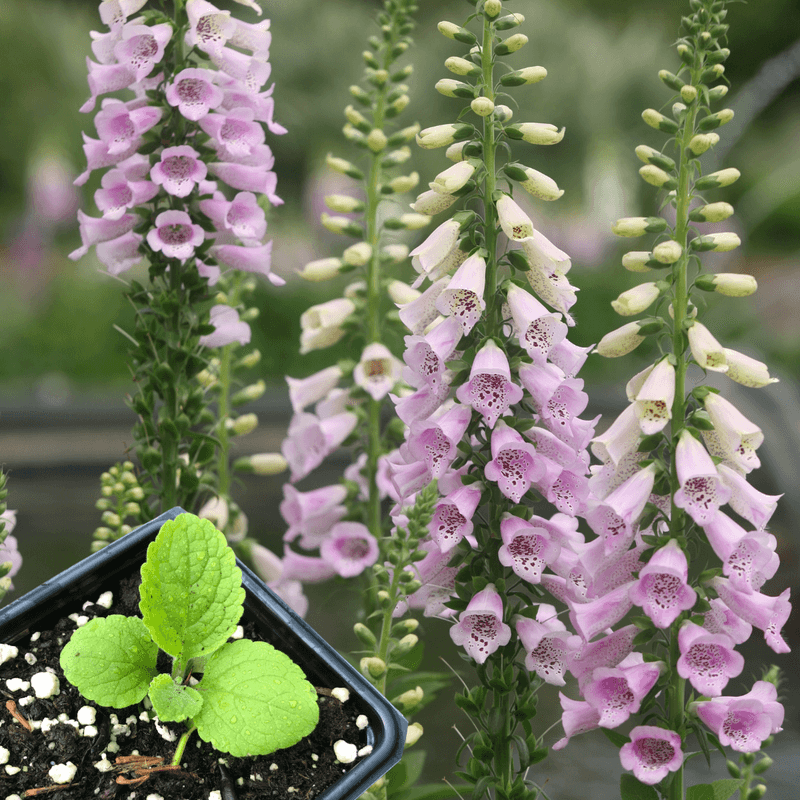
Towering spires studded with speckled bells give foxglove serious vertical drama in a garden bed. Deer tend to leave these tall beauties alone, letting them reach their full height.
The plant contains compounds that make it unappealing and unsafe for browsing animals to eat. That built-in defense is why foxglove can stand undisturbed where shorter plants get grazed.
A quick word of caution: foxglove is toxic to people and pets too, so plant it thoughtfully if you have curious kids around. Given its height and old-fashioned charm, though, it is a striking addition to any protected corner.
12. Hellebore (Lenten Rose)
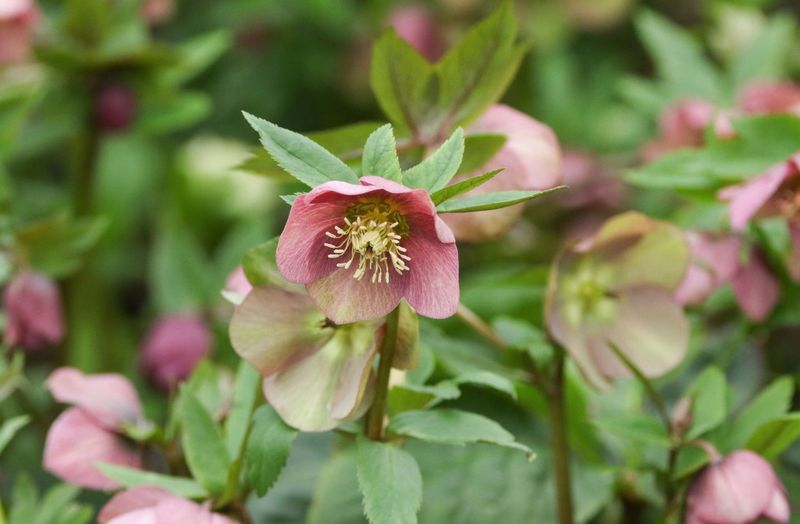
Blooming when almost nothing else dares, hellebores bring nodding flowers to the garden in late winter and early spring. Deer typically avoid them, drawn away by the tough, leathery leaves.
Those dark evergreen mounds are simply not pleasant to browse, so the plant stays intact through the seasons. Rabbits usually pass on them as well.
Beyond their resistance, hellebores offer welcome color during the drabbest months of the year. Plant them in a shady bed and enjoy blooms while the rest of the garden sleeps.
13. Hens and Chicks (Sempervivum tectorum)
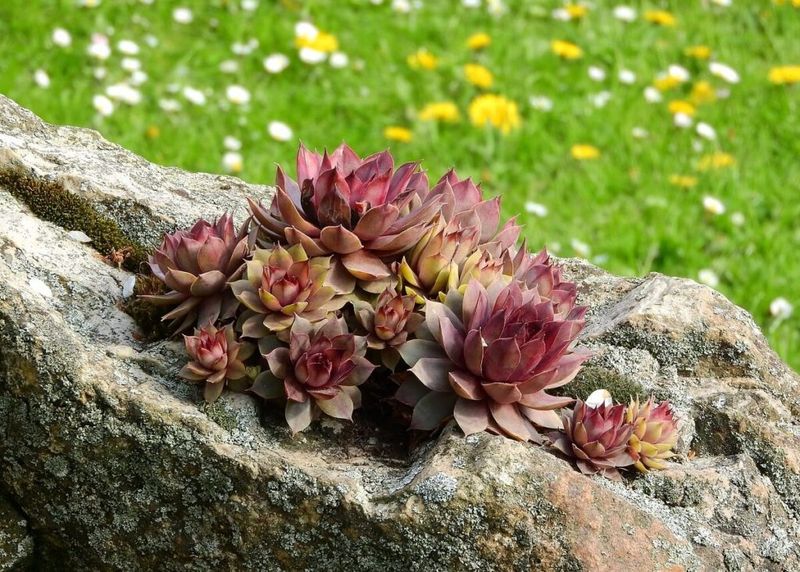
Clustered rosettes that multiply into little colonies give hens and chicks their quirky, endearing name. Their tough, spiky exterior is exactly what keeps deer from taking a bite.
Succulents like these feel unpleasant to eat, and their firm edges offer no reward for a browsing animal. So they sit safely in rock gardens and containers, doing their thing.
These plants also thrive on neglect, storing water and shrugging off drought with ease. For a hardy, low-effort choice that critters ignore, they are a fun and reliable pick.
14. Lavender (Lavandula)
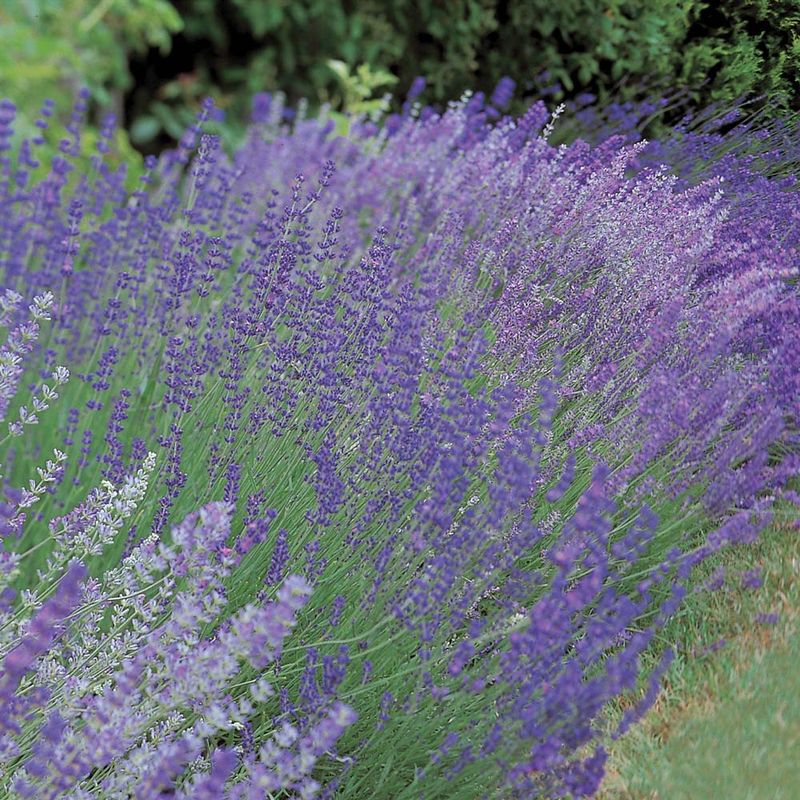
The moment you brush past lavender, its calming scent fills the air, and that fragrance is your garden’s best friend. Both deer and rabbits find the strong aroma to be a genuine deterrent.
What smells soothing to us reads as overwhelming to browsing animals, so they keep their distance. Planting lavender near vulnerable flowers can even help shield them by scent alone.
Beyond protection, lavender brings silvery foliage, pollinators, and drought tolerance to sunny beds. It is one of those rare plants that is useful, beautiful, and animal-resistant all at once.
15. Lily-of-the-Valley (Convallaria)
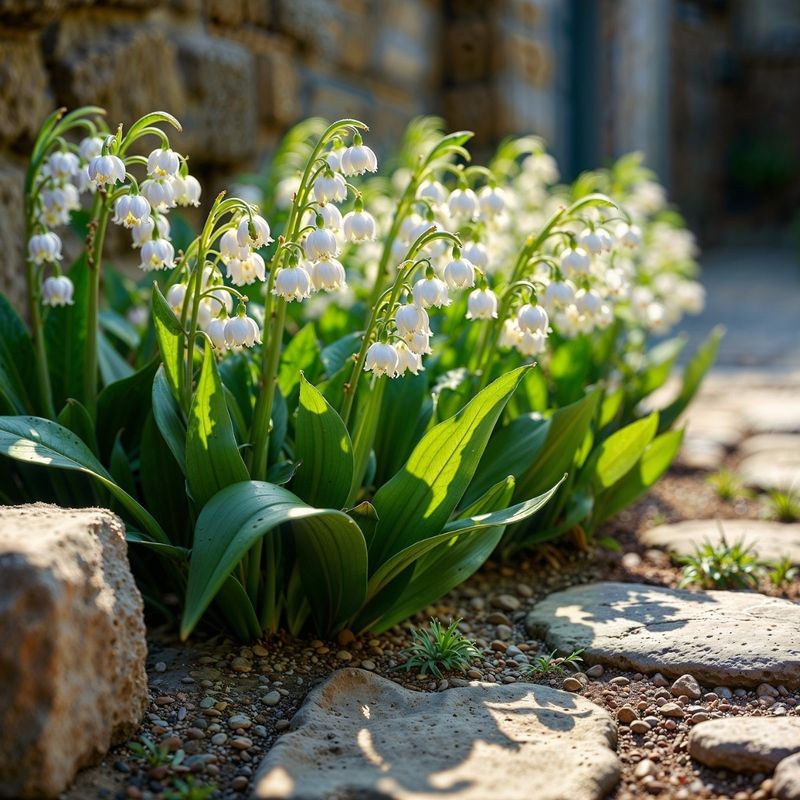
Sweetly scented little bells hanging above broad leaves make lily-of-the-valley a beloved groundcover for shade. As an herbaceous plant deer rarely damage, it spreads happily without becoming a snack.
Its foliage and flowers do not tempt browsing animals, so it can carpet a shady bed undisturbed. That spreading habit fills in bare spots and crowds out weeds over time.
Keep in mind the plant is toxic if eaten, which is part of why animals avoid it, so site it carefully. Where you need a fragrant, fuss-free groundcover in the shade, it is tough to top.
16. Monkshood (Aconitum)
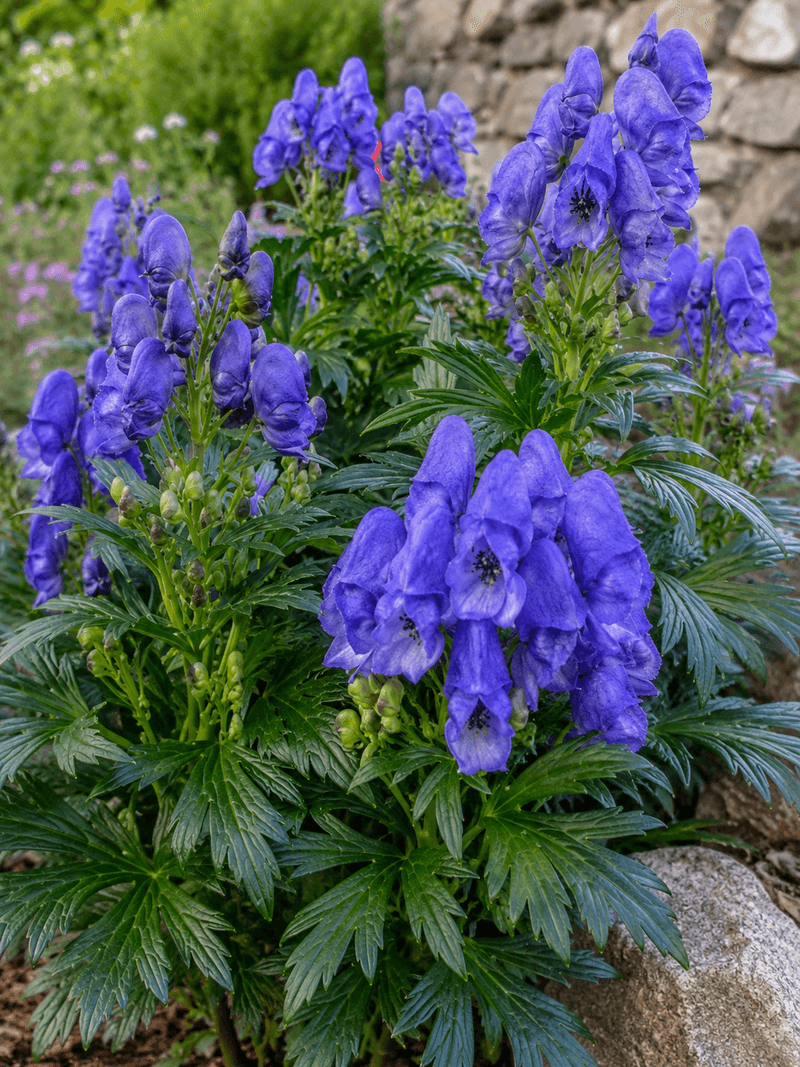
Deep blue hooded flowers give monkshood a mysterious, almost gothic beauty in the late-season garden. Also called wolfsbane, this plant is poisonous, and animals instinctively steer clear.
Because deer and rabbits know better than to eat it, monkshood stands untouched while it blooms tall spikes of color. That makes it a striking, dependable choice for shady borders.
Do treat it with respect, since it is highly toxic to humans and pets, so wear gloves and keep it away from little hands. Handled thoughtfully, it rewards you with dramatic color when many perennials have faded.
17. Salvia
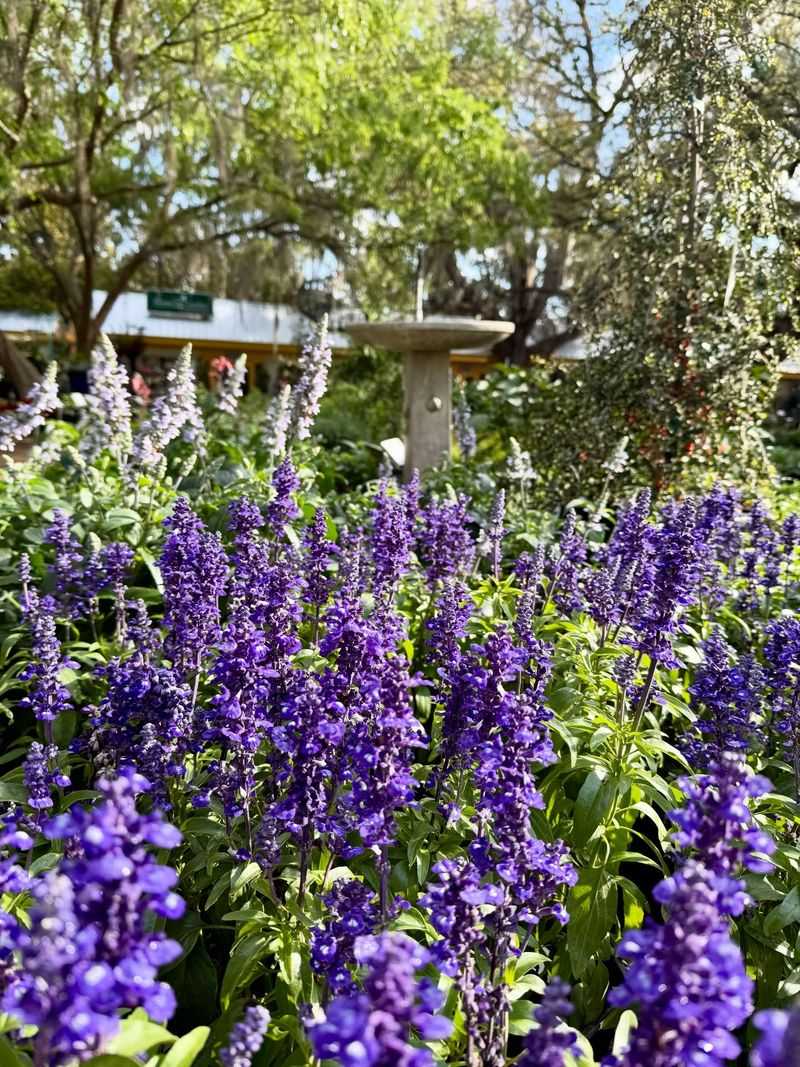
Vertical spikes of blue, purple, and red make salvia a workhorse for sunny borders and pollinator gardens. While bees and hummingbirds flock to it, deer turn up their noses.
The fragrant foliage is simply not to their liking, so they browse right past those colorful spikes. Rabbits tend to leave it be as well, adding to its garden value.
Salvia also blooms for a long stretch and handles heat and dry spells like a champ. For color that lasts and animals that ignore it, this one earns a permanent spot.
18. Shasta Daisy (Leucanthemum)
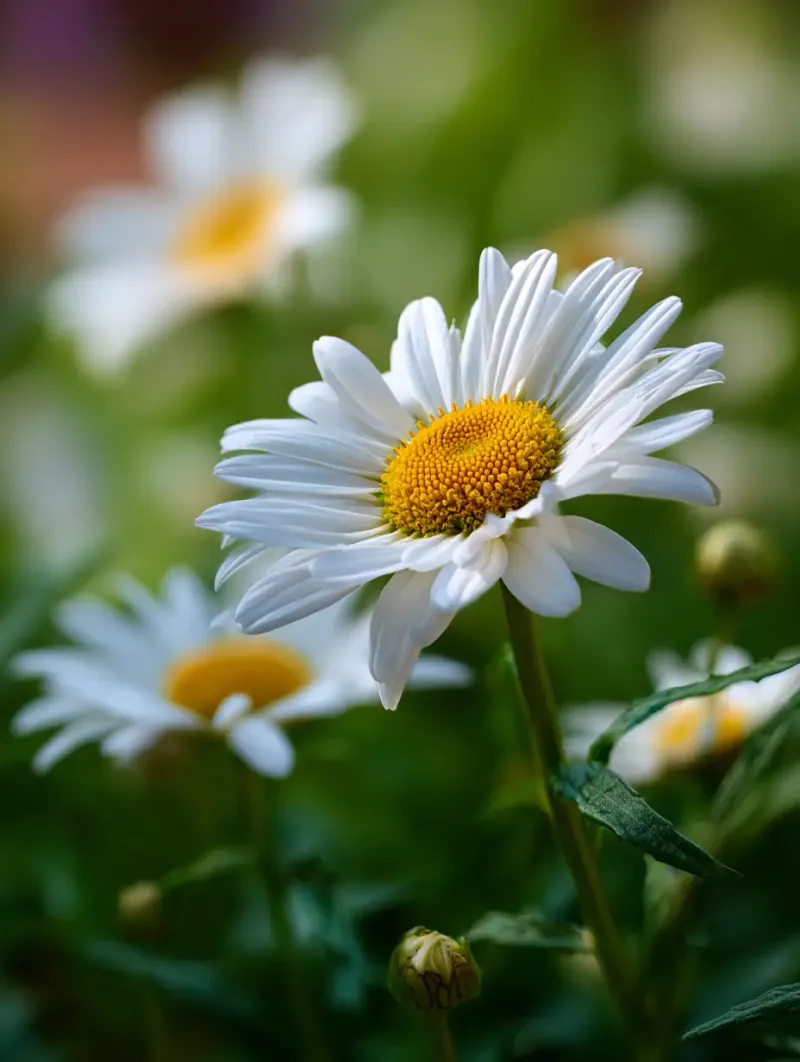
Nothing says cheerful summer quite like the crisp white petals and sunny centers of Shasta daisies. Happily, these classic blooms are considered resistant to both deer and rabbits.
Animals tend to pass them by, letting the flowers stand tall and bright through the warm months. That makes them a carefree choice for anyone wanting reliable color.
Shasta daisies are also excellent for cutting, so you can bring armfuls indoors without stripping a nibbled bed. Plant them in full sun and enjoy weeks of clean, happy blooms.
19. Yarrow (Achillea)
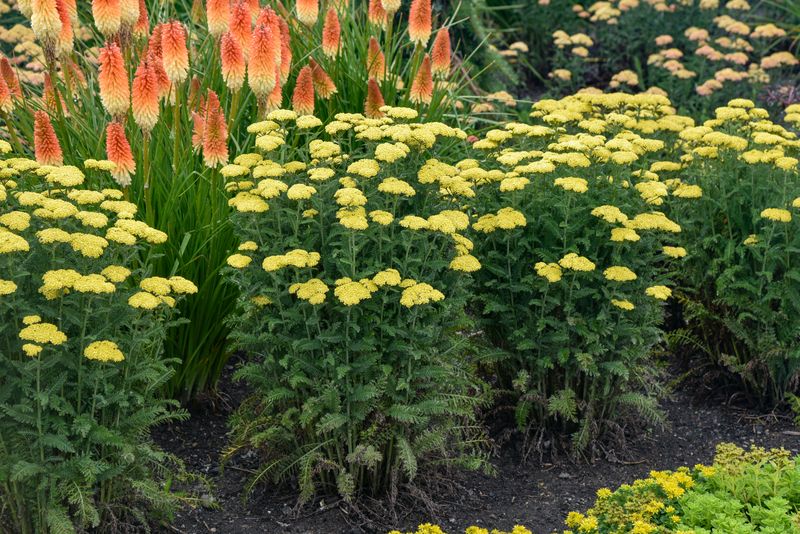
Flat-topped flower clusters in yellow, pink, and white give yarrow a breezy, meadow-like feel. Its aromatic, ferny leaves are surprisingly effective at keeping browsing pests away.
The scent and texture of that foliage do not appeal to deer or rabbits, so the plant stays intact. As a bonus, that same aroma can help deter other garden nuisances too.
Yarrow thrives in poor soil, tolerates drought, and blooms for a long stretch with almost no care. For a tough, animal-resistant plant that also feeds pollinators, it is a standout.
20. Hostas
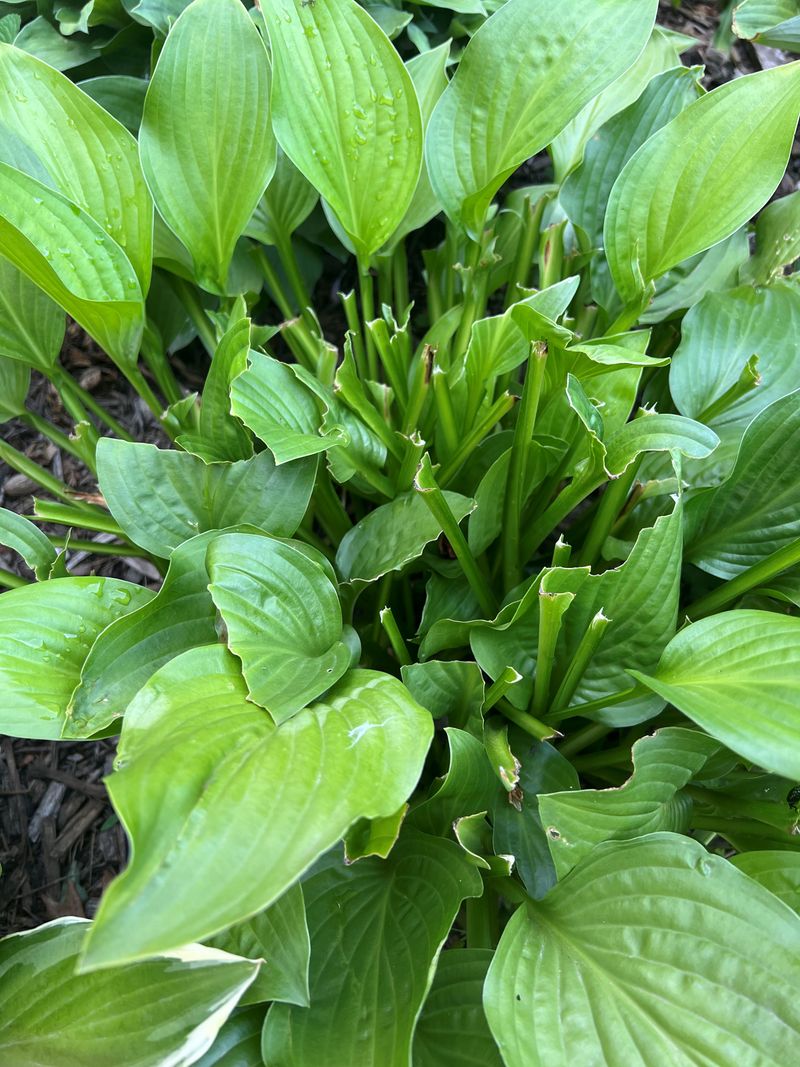
Ask any deer where to find dinner, and hostas would top the list. With big, lush, moisture-rich leaves, they are practically a buffet for both deer and rabbits.
Gardeners adore hostas for filling shady spots, but that same tender foliage is exactly what animals crave. One overnight visit can leave a thriving clump chewed down to bare stems.
If you love hostas, plan to protect them with fencing, repellents, or pairing them with fragrant deterrent plants nearby. Otherwise, you may be replanting the same clump season after frustrating season.
21. Daylilies
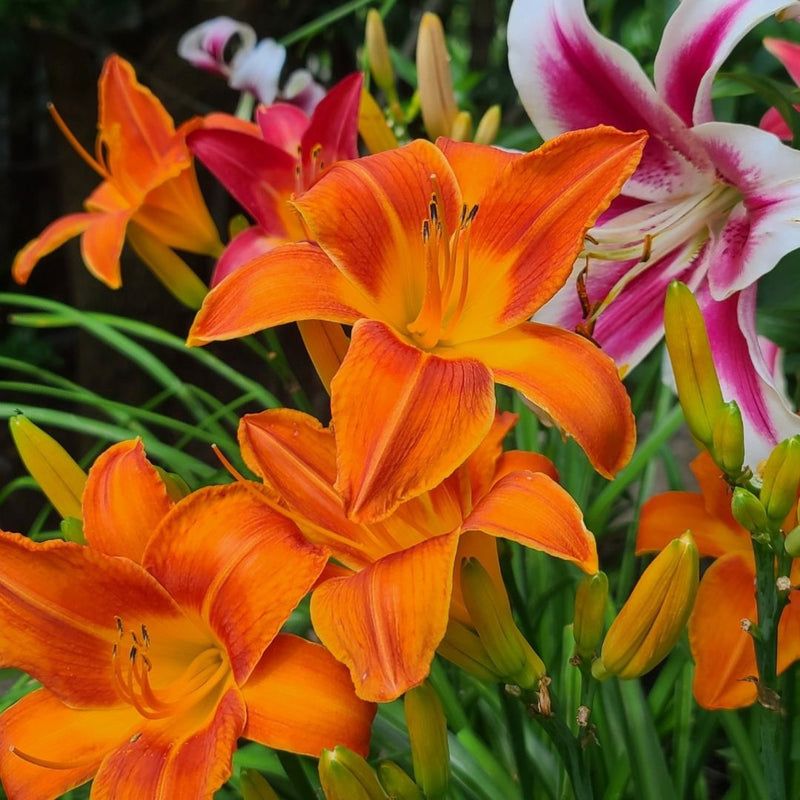
Cheerful and easy to grow, daylilies seem like the perfect low-maintenance perennial until the deer show up. Unfortunately, deer frequently devour both the leaves and the tender flower buds.
Rabbits find them appealing too, often nipping the new growth before it ever has a chance to bloom. That combination can leave a promising plant looking sad and bare.
Protecting daylilies usually means fencing or regular repellent sprays, especially as buds form. If deer pressure is heavy in your yard, consider treating this crowd-pleaser as a plant that needs backup.
22. Tulips
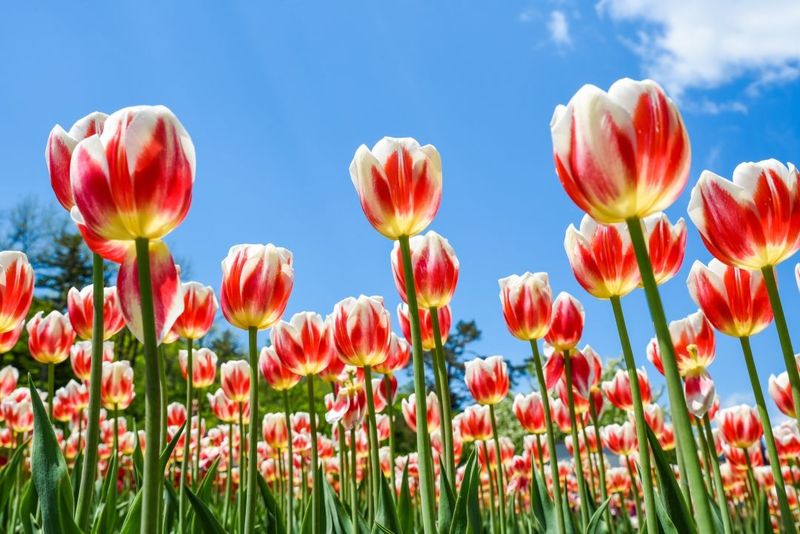
Few sights lift the spirit like a row of tulips opening in spring, which is exactly why it stings when they vanish overnight. These popular bulbs are easy targets for deer, who happily snap off the buds.
Rabbits join the feast as well, munching tender shoots and blooms before you get to enjoy them. It can feel like planting a snack tray for the neighborhood wildlife.
Surrounding tulips with daffodils or other resistant plants may help hide and shield them. If you want tulips despite the risk, plan on protection or expect a few disappearing acts.
23. Roses
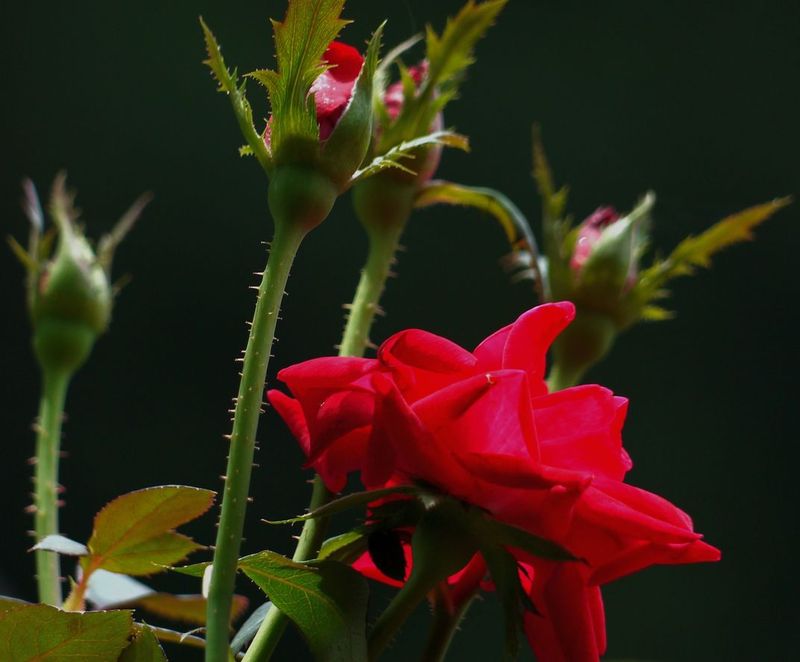
You might assume thorns would keep animals away, but deer treat roses like a favorite treat anyway. They will browse both the leaves and the buds, thorns and all.
The tender new growth is especially tempting, and a hungry deer will push right past the prickles. Rabbits often go after the lower shoots too, adding to the damage.
Keeping roses safe usually calls for fencing or repellents, particularly during their most vulnerable growth spurts. If your yard sees regular deer traffic, plan to guard these classic beauties closely.
24. Hydrangeas
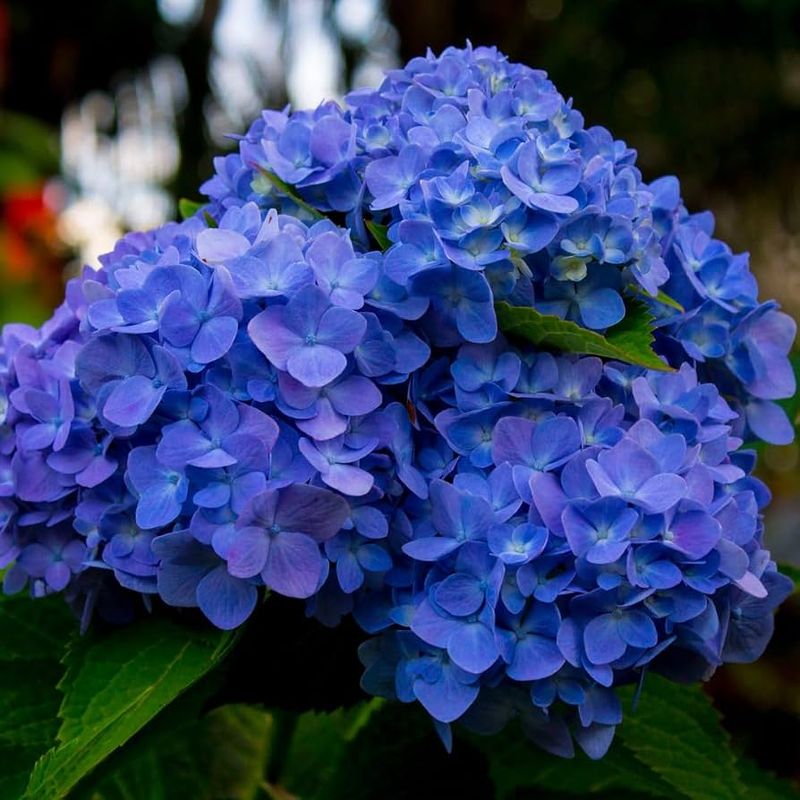
Beloved for their big, billowy blooms, hydrangeas unfortunately land on the deer’s favorites list too. These popular shrubs are among the plants deer will happily browse when given the chance.
Both the tender leaves and the flower buds can be nibbled, which is heartbreaking when you have waited all season for those blooms. Rabbits may go after low, young growth as well.
If hydrangeas are your pride and joy, surround them with fragrant deterrent plants or use fencing and repellents during peak growth. A little protection can mean the difference between full blooms and a bare, disappointing shrub.