
6 Purple North Carolina Natives That Hold Their Color Through Late Summer Heat When Everything Else Fades
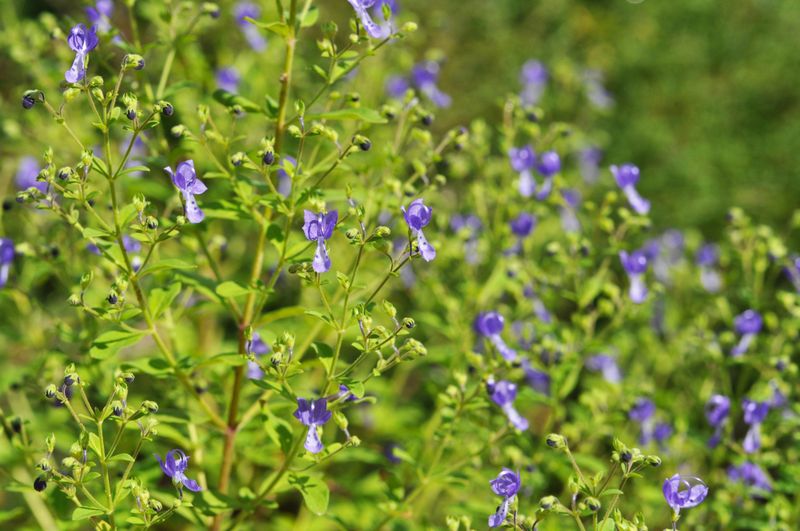
When August heat settles over your yard, a lot of plants start looking tired and washed out. But some North Carolina natives keep their bold purple color going strong right through the worst of it.
Even better, these plants feed the wildlife you love, from goldfinches and butterflies to native bees. Here are six tough, colorful natives that earn their spot in any Piedmont, Coastal Plain, or mountain backyard.
1. Purple Coneflower (Echinacea purpurea)
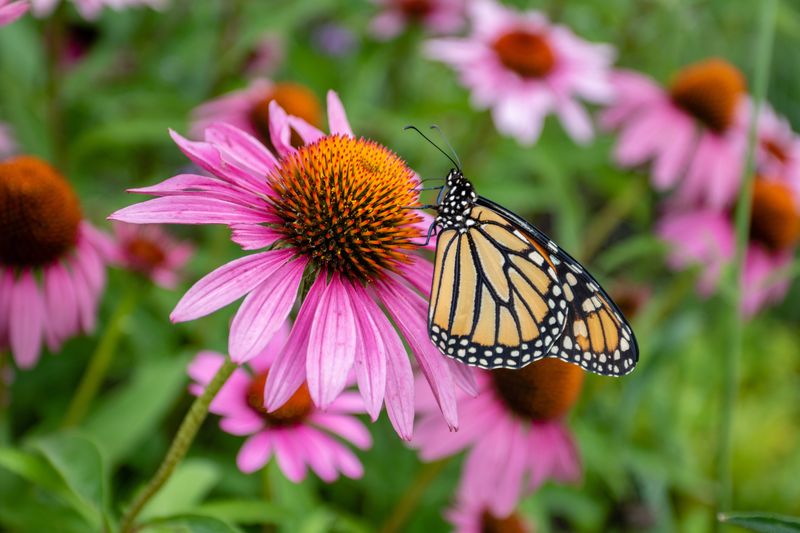
Few native flowers work as hard as the Purple Coneflower. Those pink-purple petals sweep back from a raised orange center, giving you bold color from June clear through September while the summer sun beats down.
It shrugs off heat and dry spells once its roots settle in, thriving in full sun and well-drained soil. Piedmont and mountain gardeners have the easiest time with it, though Coastal Plain yards can grow it well too as long as drainage is good.
Here is where it really pays off as a steward plant. Butterflies, bees, and hummingbirds swarm the blooms all summer, and native bees may even nest inside the hollow stems.
Leave the spent seed heads standing into fall and winter, and goldfinches will perch on them to pluck out the seeds. Skip the deadheading and you turn one plant into a year-round wildlife station.
2. Blazing Star (Liatris spicata)
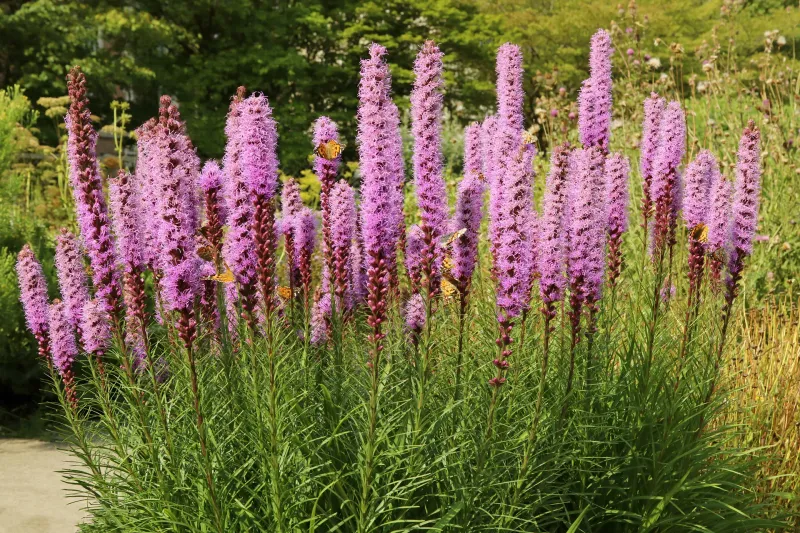
Picture a firework frozen mid-burst and you have got the shape of Blazing Star. Its tall, feathery purple spikes shoot straight up, adding height and drama that most summer perennials just cannot match.
A prairie plant at heart, it loves sunny spots and well-drained soil, and it barely flinches at heat or a short drought. That makes it a reliable pick across many North Carolina landscapes where the July sun tends to flatten weaker plants.
The blooms open from the top down, which is a fun quirk to watch, and they act like a landing strip for butterflies, bees, and hummingbirds all summer. Come fall, the seed spikes ripen and become a favorite snack for goldfinches and other songbirds.
Plant a cluster of these near a window and you will have front-row seats to the show.
3. New York Ironweed (Vernonia noveboracensis)
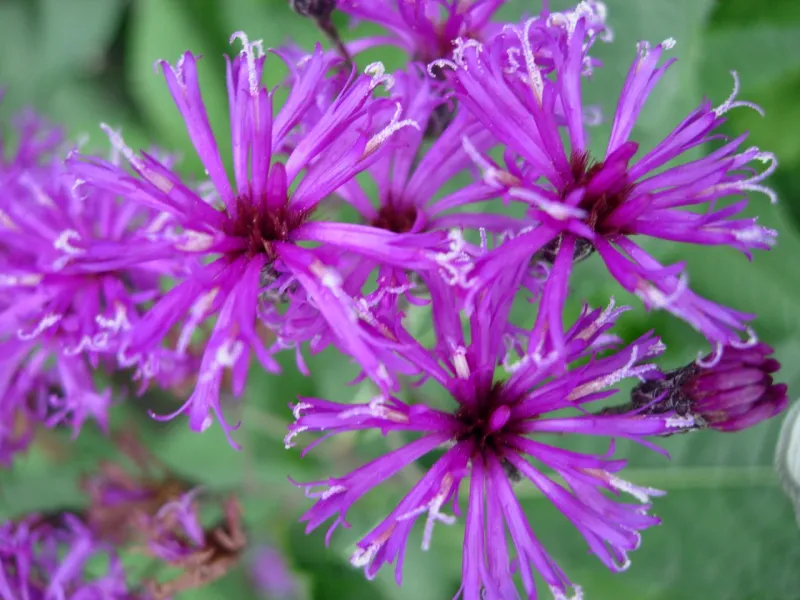
Do not let the northern name fool you, because New York Ironweed grows wild all across North Carolina. It earns its tough reputation by pushing out clusters of the deepest, richest purple you will see all season, blooming from mid-summer straight into mid-fall.
Got heavy clay soil that defeats other plants? This one actually likes it.
It settles into sunny spots or a bit of partial shade and asks for very little, though it does prefer soil that stays a touch moist rather than bone dry.
Standing tall at the back of a border, it becomes a magnet for pollinators when many neighboring plants have already called it quits. If you have a low, damp corner of the yard you have struggled to fill, this native turns that problem spot into a purple pollinator hotspot with almost no fuss.
4. Wild Bergamot (Monarda fistulosa)
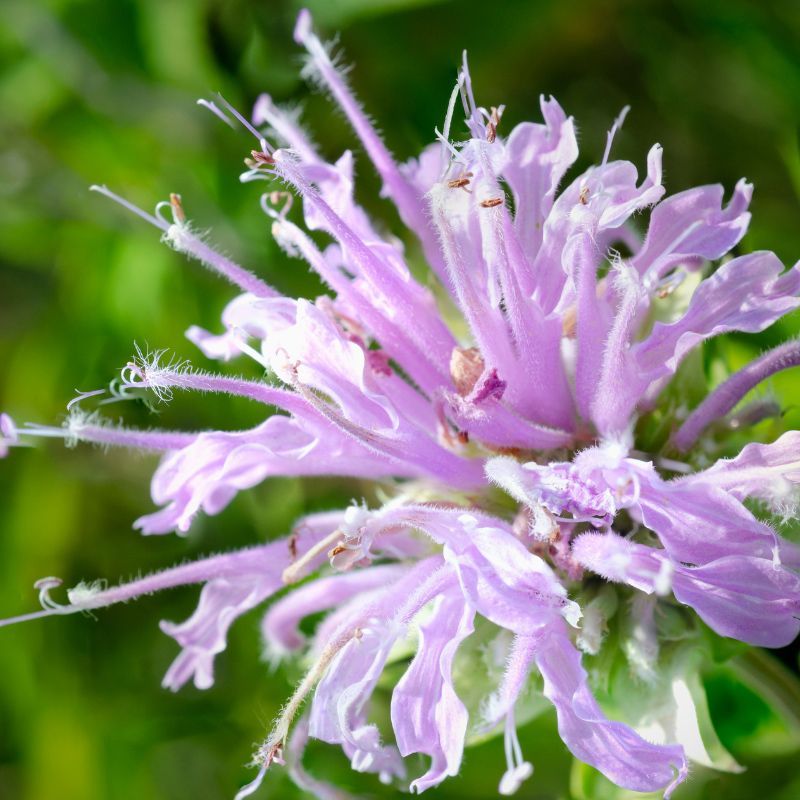
Crush a leaf of Wild Bergamot and you will catch a spicy, minty scent that hints at its role in old herbal teas. Above that fragrant foliage sit ragged, globe-shaped purple blooms that open in July and hang around through August.
Dry, well-drained soil suits it just fine, and it takes summer heat without a single complaint. That easygoing streak makes it a natural fit for the sunnier, drier corners of a Piedmont or mountain yard.
The flowers pull in a wild cast of visitors, from busy bumblebees to hawk moths and the fascinating hummingbird clearwing moth, which hovers like a tiny hummingbird. Watching those clearwings work the blooms at dusk is the kind of backyard moment that makes native planting feel worth every bit of effort.
Give it room to spread, and it will reward you with years of color and buzzing life.
5. Carolina Wild Petunia (Ruellia caroliniensis)
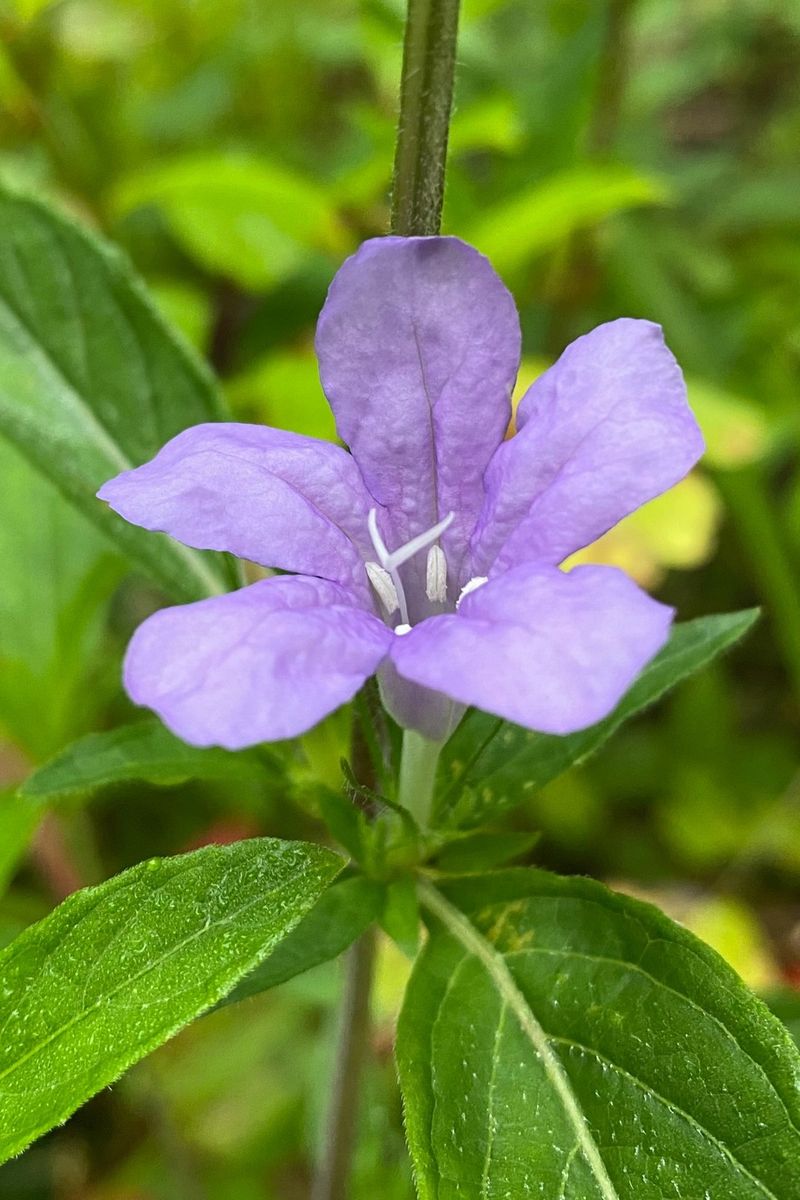
Soft lavender blooms that just keep coming, that is the quiet charm of the Carolina Wild Petunia. From June through September it opens fresh flowers almost daily, giving you steady color instead of one short burst.
Toughness is its secret weapon. This low, sprawling perennial powers through summer drought and actually prefers dry, sandy soils, which makes it a standout choice for Coastal Plain gardens where sandy ground sends other plants into a sulk.
Because it hugs the ground and spreads gently, it works beautifully as a low filler along a path or at the front of a bed. Hummingbirds and long-tongued bees drop in regularly for a sip of nectar.
If your soil feels more like the beach than a garden, this native proves you do not need to fight your dirt to get lasting purple and happy pollinators.
6. Blue Mistflower (Conoclinium coelestinum)
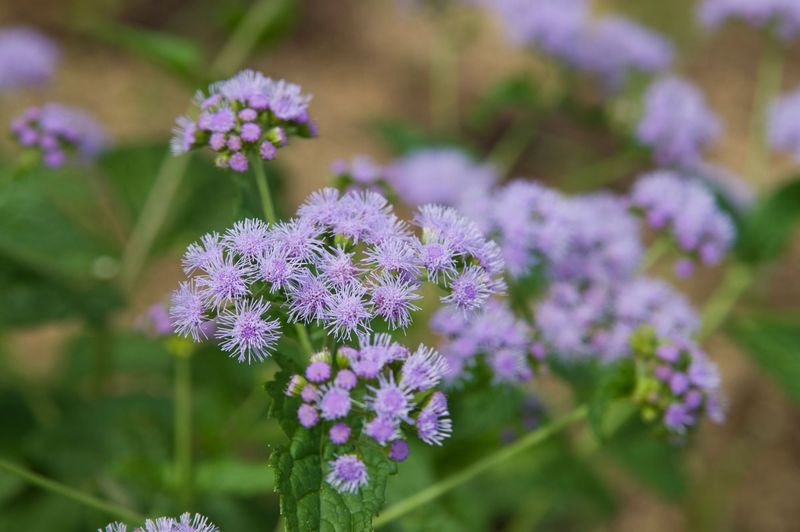
Just when the rest of the garden is winding down, Blue Mistflower steps up. Its feathery, purple-blue flowers gather in soft flat-topped clusters that open in late summer and keep glowing well into late fall.
Native to central and eastern North America, it likes medium soil moisture but happily adapts to loamy, sandy, or clay ground, so most North Carolina yards can grow it. It does tend to wander and fill in space, which makes it great for a naturalized area but worth watching in a tidy bed.
The real gift is its timing. When earlier bloomers have gone to seed, this plant offers late-flying bees and butterflies a rich source of nectar and pollen right when they need fuel for winter.
Adding it to your yard extends the buffet for pollinators by weeks, closing out the season on a cool purple note that keeps your backyard buzzing long after the summer heat finally breaks.