
These DIY Bird Baths North Carolina Gardeners Build In A Weekend Draw More Birds Than Store-Bought Ones
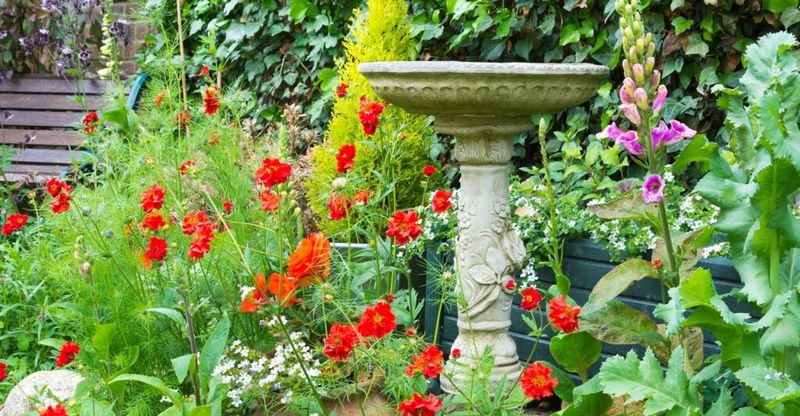
A bird bath can turn a quiet North Carolina yard into a busy stop for goldfinches, bluebirds, and cardinals. The trick is that homemade baths often work better than fancy store-bought ones because you can build them shallow and rough, just the way birds like.
Best of all, most of these projects take only a weekend and use things you may already have in the garage. Here are eight simple builds that keep your local birds safe, healthy, and coming back all season.
1. Terracotta Saucer On A Stacked Pot Pedestal
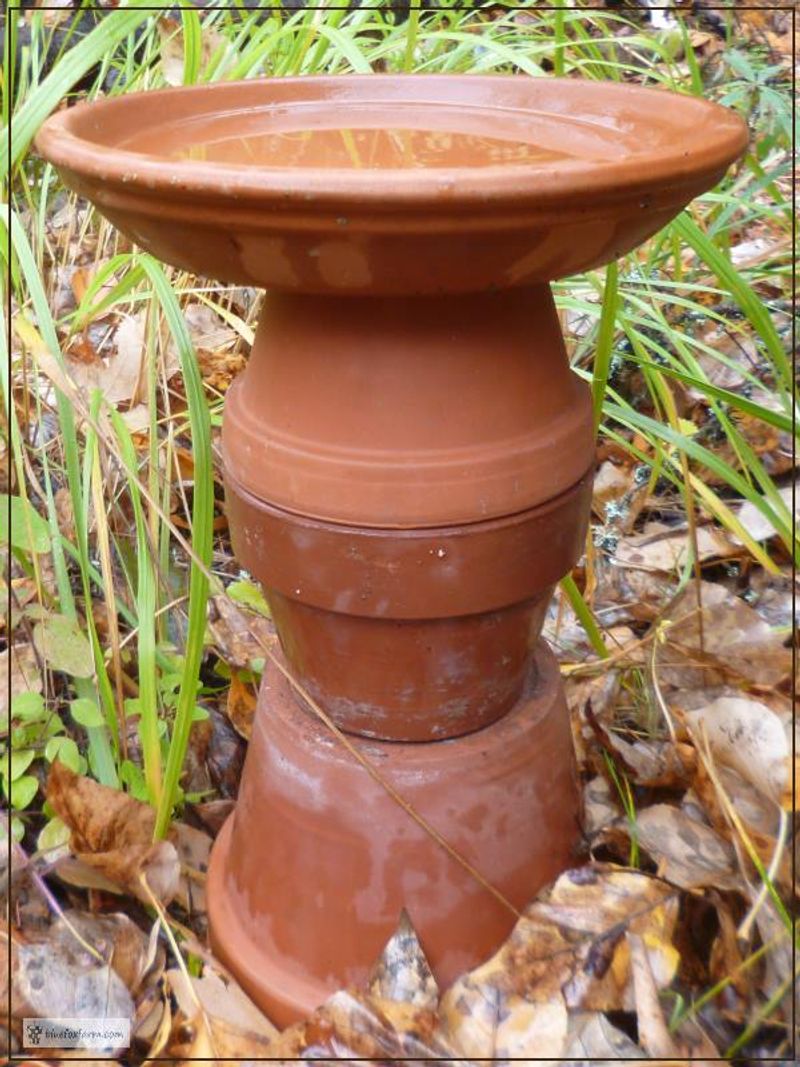
Grab a wide terracotta saucer and a few clay pots, and you have the easiest bird bath on this list. Flip the pots upside down, stack them for height, and set the saucer on top for an instant pedestal that costs almost nothing.
Terracotta wins because its surface is naturally rough, giving little feet something to grip. A slick, glazed dish can leave birds slipping around and nervous, but this one feels like a natural rock edge.
Keep the water between one and two inches deep so chickadees and warblers can wade without trouble. If your saucer runs deeper in the middle, toss in a few flat stones to build a shallow shelf.
Set it in the dappled shade of a dogwood or redbud, roughly ten to fifteen feet from cover. That gives birds a quick escape route from cats while still letting them scan for trouble before they land.
2. Ground-Level Stone Basin
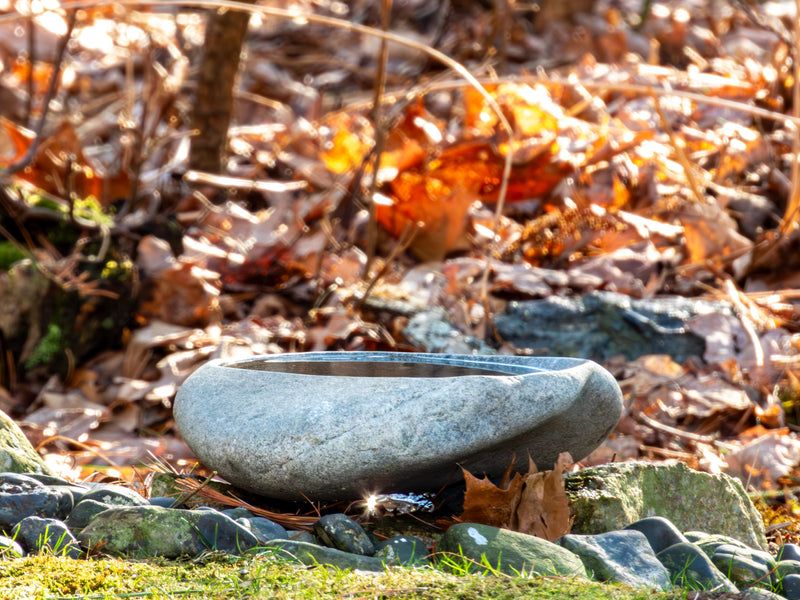
Not every bird wants to fly up to a pedestal. Ground feeders like towhees, robins, and mourning doves actually prefer water right where they forage, and a ground-level stone basin speaks their language.
Look for a naturally dished flat rock, or sink a shallow pan and rim it with river stones so it blends into the soil. The pebbly bottom gives grip and creates the varied depths, from half an inch to about three inches, that different-sized birds love.
Because it sits low, predator safety matters even more here. Clear a couple of feet of open space around it so cats cannot creep up, and keep dense brush at a distance rather than right on the edge.
A ground basin also invites more than birds. On summer evenings you may spot toads and beneficial insects visiting, all part of a healthy backyard ecosystem.
3. Old Cake Pan And Tree Stump Bath
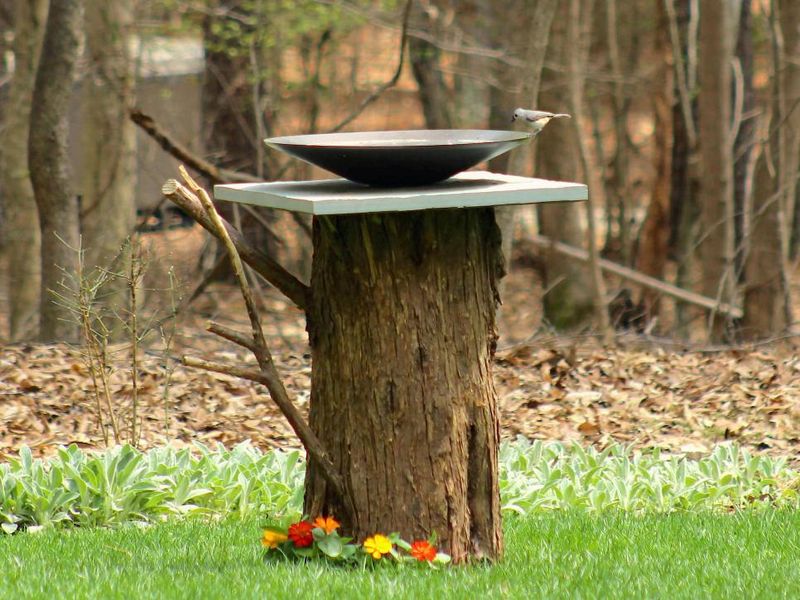
Before you toss that dented cake pan, know that it might be the most charming bird bath you never bought. A shallow pan set on a flat cut stump turns yard scraps into a rustic watering spot with real personality.
The stump gives you a rock-solid, level base, which matters a lot. Birds hate a wobbly bath, and a heavy stump will not tip when a jay lands hard on the edge.
One thing to watch in the Carolina sun: metal heats up fast in direct light. Tuck this build into partial shade so the water stays cool and does not scald tiny feet on a July afternoon.
If the pan is smooth, scatter a thin layer of coarse sand or small pebbles across the bottom for traction. Rinse and refill every day or two, and your goldfinches will treat it like the neighborhood pool.
4. Hanging Trashcan Lid Bath
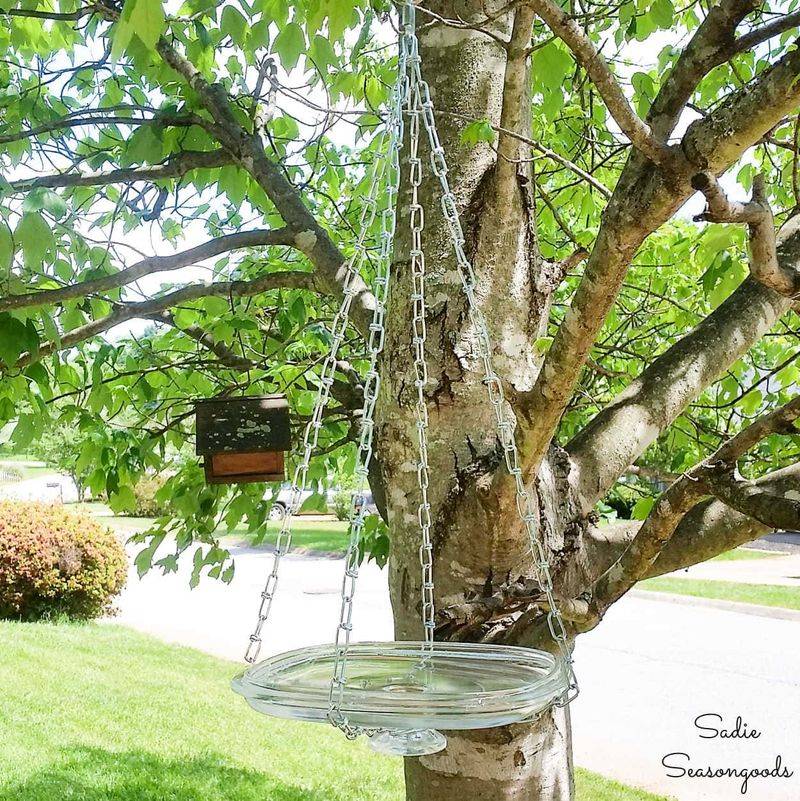
Here is a build that makes people do a double take: a trashcan lid, hung from a branch with three chains, becomes a swinging bird bath that keeps ground predators completely out of reach.
The gentle wobble as birds land actually mimics moving water, and moving water is a magnet for songbirds. That subtle sparkle and ripple pulls in visitors that walk right past a still, store-bought basin.
Choose a lid without peeling paint or mystery coatings, since anything that flakes into the water can harm the birds you are trying to help. A clean galvanized or plastic lid works perfectly.
Hang it in the shade near, but not tangled in, a small tree so birds have a launching perch close by. Keep it under three feet from a window or well past thirty feet to prevent dangerous collisions.
5. Dripper And Copper Pipe Bath
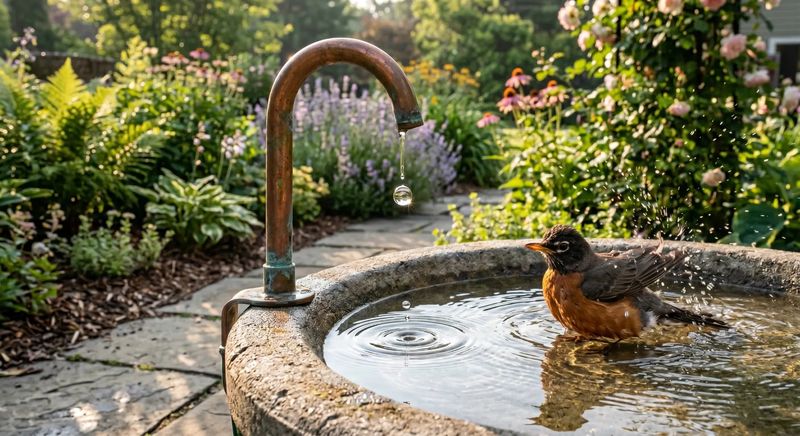
Sound is the secret weapon most gardeners overlook. Add a slow drip above any basin and you turn a plain dish into a bird beacon, because the trickle carries across the yard and pulls in species that ignore silent water.
You can rig a dripper from a recycled jug with a pinhole in the bottom, hung just above the bath so it releases one drop at a time. Warblers in particular find the ripple irresistible during spring and fall migration through North Carolina.
Drop in a small piece of copper pipe, about an inch long, or a few pre-1982 copper pennies. The copper can help slow algae growth, which means less scrubbing and cleaner water between changes.
Do not let the dripper make you lazy about upkeep. Fresh water still needs to flow through often so mosquito larvae never get a foothold in the still parts of the basin.
6. Recycled Ceramic Dish Native Garden Bath
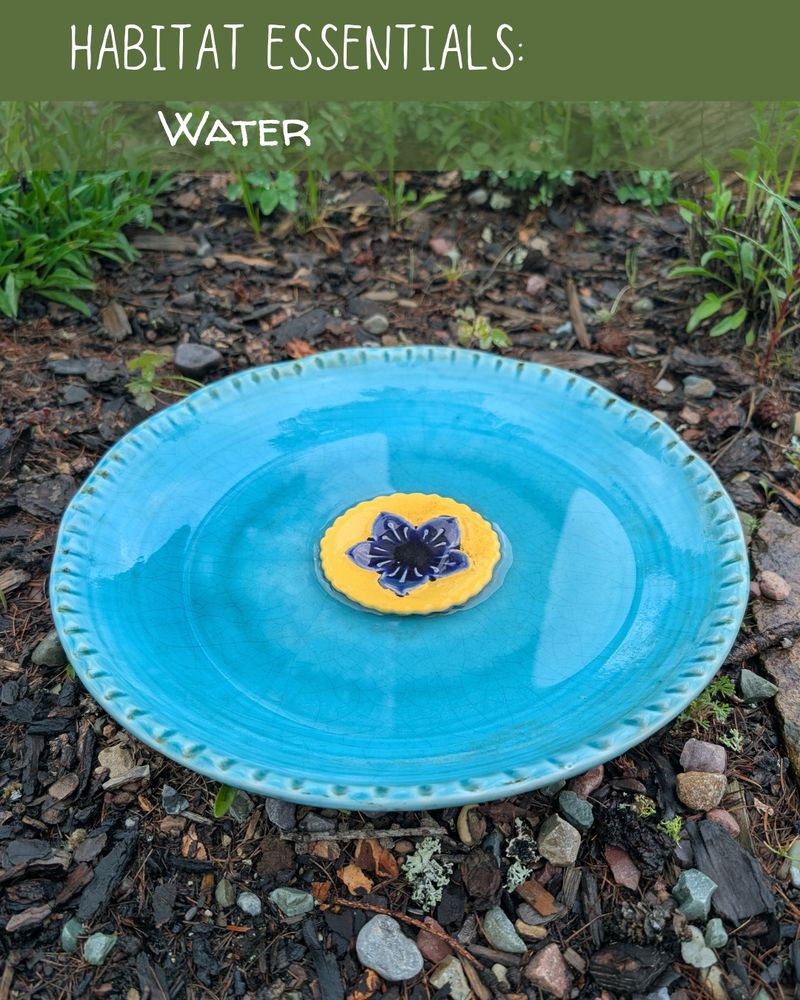
Picture a shallow ceramic dish tucked among purple coneflowers and black-eyed Susans, with a cardinal splashing while a bee works the blooms nearby. That is the payoff when you pair a bird bath with a native NC plant border.
Native plantings do double duty. They offer seeds and insects birds want to eat, plus natural cover just far enough away for a safe getaway, so the water becomes one stop in a whole habitat.
If you are still fighting invasive Japanese barberry or nandina in that bed, this is your nudge to swap them out. Replace them with beautyberry or inkberry holly, which feed birds and will not spread into wild areas.
Pick a ceramic dish with no cracks or unknown glazes, and keep it shallow with a pebble in the center for perching. A little rough-bottomed dish surrounded by natives will out-draw any glossy garden-center fountain.
7. Concrete Block And Planter Saucer Bath
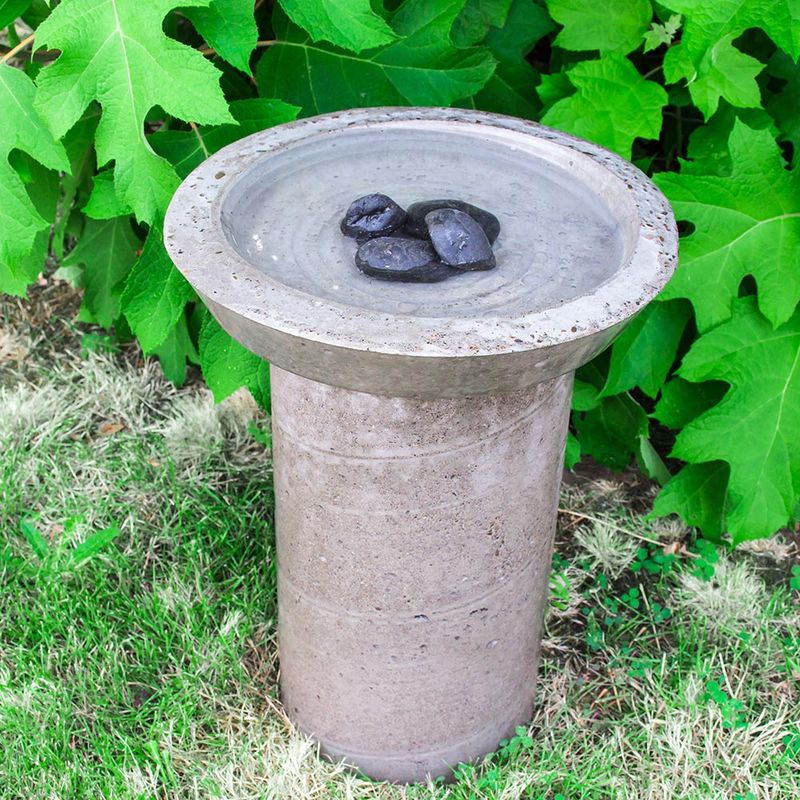
For gardeners who want something that will not budge in a summer thunderstorm, a concrete block base is hard to beat. Stack a block or two, set a large planter saucer on top, and you have a bath heavy enough to shrug off wind and rowdy birds.
Stability is the whole point. A rock-steady bath reassures skittish visitors like wrens and bluebirds, who bolt at the first sign of a tip or shake.
Concrete’s slightly gritty surface also gives good footing, though a scatter of small stones never hurts. Aim for that shallow one-to-two-inch depth and slope the pebbles so the smallest birds can ease in.
Place it in a low-traffic corner away from doorways, play areas, and pet paths. Keep it at least five to ten feet from any feeder so seed hulls and droppings do not foul the water and spread disease.
8. Winter-Ready Heated Rock Bath
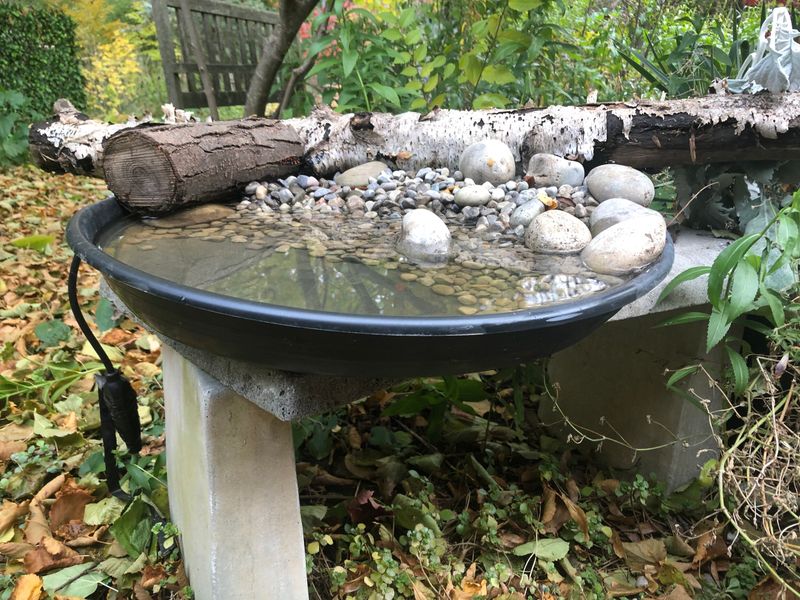
When December frost locks up every puddle, open water becomes the rarest thing in the yard, and the bird bath that provides it becomes the busiest. A winter-ready setup can be a lifesaver for overwintering chickadees, finches, and juncos.
Set a dark flat rock in the basin to soak up what little sun the season offers, which helps keep a patch of water open longer on cold mornings. In the colder mountain counties, a small bird-bath heater or a de-icer keeps things from freezing solid.
Skip additives like glycerin or antifreeze, which can coat feathers and harm the very birds you want to help. Plain, clean water is all they need.
Winter is also your season to plan next spring’s plantings and tackle dormant invasives around the yard. A steady water source through the cold months quietly signals to birds that your backyard is a safe place to return to year after year.