
Here’s Why North Carolina Gardeners Keep Spritzing Vinegar Along Their Fence Lines And Beds
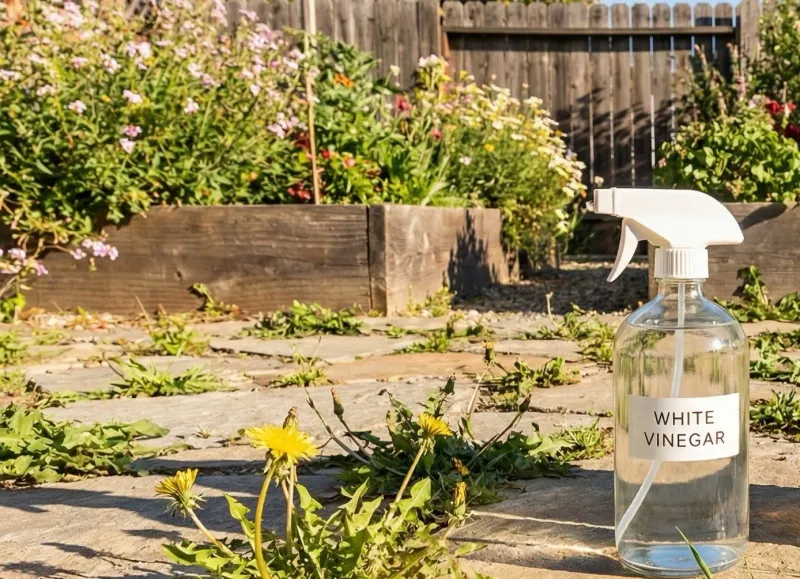
Scroll through any North Carolina gardening group online and you may spot photos of someone walking a fence line with a spray bottle full of vinegar. The habit looks purposeful, but the reason behind it is murkier than most posts let on.
Vinegar does have a real, if limited, use in the yard – and it also comes with some firmly unsupported claims that are worth sorting out before you reach for the bottle.
The title gets ahead of the evidence
Calling vinegar spraying a North Carolina-wide trend is a stretch the research simply does not support. No study or survey reviewed for this article documents how many homeowners in the Piedmont, Coastal Plain, or mountains actually spray vinegar along their fence lines, how often they do it, or what motivates them when they do.
The practice may be real for some gardeners, but its scale and purpose remain unverified.
That does not mean the habit is without any logic. National Pesticide Information Center guidance on vinegar identifies acetic acid as a nonselective contact herbicide, meaning it can injure or kill plant tissue it touches directly.
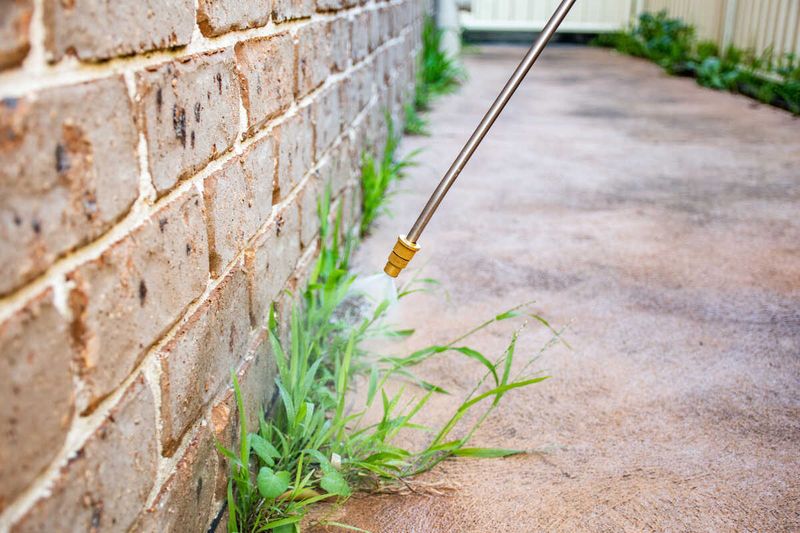
That action makes it plausible as a weed-control tool in hard-to-mow places like fence edges, gravel paths, and cracks in pavement. Weed control is the best-supported use of vinegar in a yard setting, but that is not the same thing as confirming it is why any particular gardener you have seen is spraying.
There is even one North Carolina-specific study worth knowing about. A 2025 Piedmont field study on Japanese stiltgrass tested household vinegar against an invasive grass under defined experimental conditions.
The results were mixed, and the study itself was narrow. Meanwhile, NC State Extension’s guidance on alternatives to glyphosate treats acetic-acid products as nonselective options that require careful targeting and often more applications than conventional herbicides.
The practical question worth asking is not whether a trend exists, but what acetic acid can actually do when it reaches a weed.
How acetic acid affects weeds
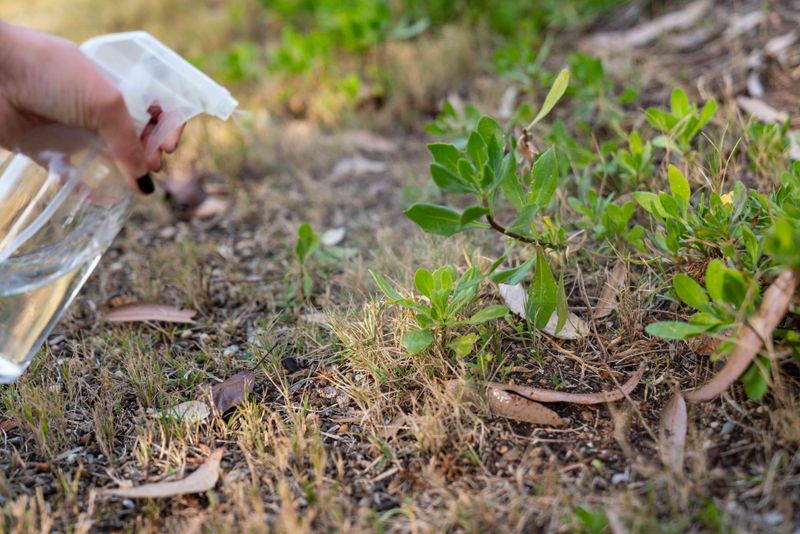
Grocery-store vinegar is typically 4 to 6 percent acetic acid – a concentration that sounds mild but is strong enough to damage plant cells on contact. When the solution coats a leaf, the acid disrupts the waxy outer layer and causes the tissue to dry out and die.
NPIC’s vinegar fact sheet explains that this is primarily a surface effect: the acid does not travel through the plant’s vascular system the way some synthetic herbicides do, so it generally does not reach or kill established roots.
That limitation matters a great deal in practice. A small, actively growing annual weed with a shallow root system and full leaf coverage from the spray is the scenario where acetic acid has the most plausible chance of working.
Mature weeds, grasses, sedges, and perennials with deep or spreading root systems are a different story. University of Georgia Cooperative Extension research on alternatives to synthetic herbicides notes that contact treatments like acetic acid often require multiple applications and still may not prevent regrowth from established root systems.
NC State Extension reinforces this point, describing acetic-acid products as requiring more applications and more careful targeting than conventional options. The same contact action that browns a weed will also brown a flower petal, vegetable seedling, turf grass blade, or native plant if the spray drifts or lands on it.
UConn Extension’s homemade pesticide guidance is direct: vinegar is nonselective, and nearby desirable plants are at real risk if application is careless. Knowing the weed’s age, root depth, and proximity to plants you want to keep is essential before reaching for the spray bottle.
What the Piedmont study actually found
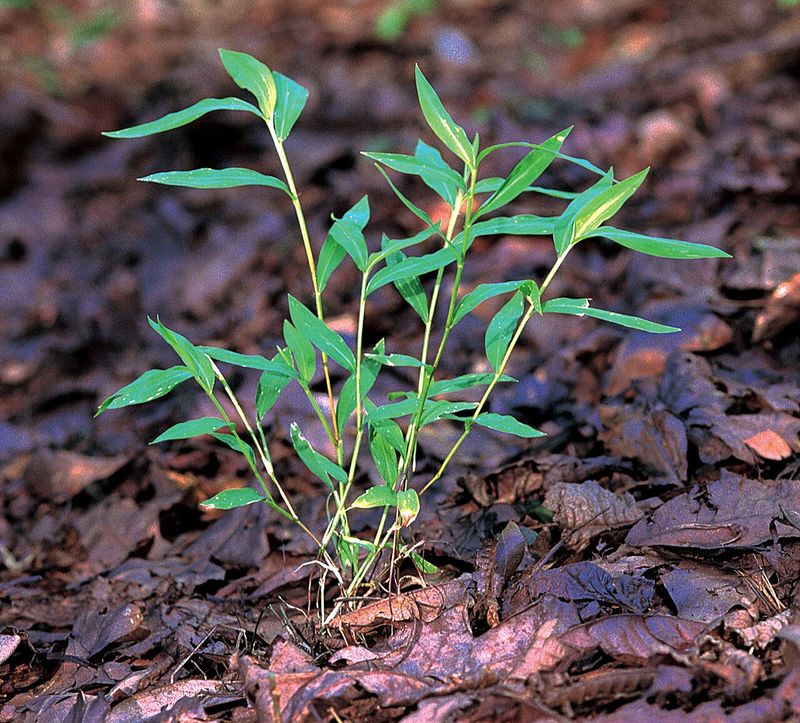
One piece of genuinely North Carolina-specific evidence exists, and understanding what it does and does not say is worth the effort. A 2025 study published in Restoration Ecology tested household vinegar against Japanese stiltgrass, an invasive annual grass that spreads aggressively through Piedmont woodlands, roadsides, and disturbed areas.
Under the study’s defined conditions, vinegar removed roughly 55 percent of the stiltgrass. Glyphosate, by comparison, removed nearly 100 percent.
The study also found that vinegar preserved more overall plant diversity than glyphosate did in those plots. That finding reflects the contact-only nature of acetic acid: it burned what it touched but did not suppress the surrounding plant community as broadly as the systemic herbicide did.
For someone managing a small invasive patch near other vegetation they want to protect, that tradeoff could be relevant. But the study was conducted under specific experimental conditions in one region, on one invasive species, at one concentration of vinegar.
Generalizing those results to every weed in every North Carolina yard would be a mistake. The study says nothing about creeping Charlie in a flower bed, nutsedge along a vegetable garden edge, or any of the other weeds homeowners commonly battle across the state’s three distinct growing regions.
It does not tell you how the results would change with horticultural vinegar at higher concentrations, or with a different application method. What it does offer is a narrow but honest piece of evidence: household vinegar can be a possible, imperfect tool for one specific invasive grass under defined conditions, and it is not a substitute for a complete weed-management plan.
Vinegar does not create a wildlife barrier
A fair number of posts and videos suggest that spraying vinegar along a fence line will keep snakes, ticks, deer, or rabbits from crossing into the yard. The reviewed evidence does not back that up for any of those animals.
NPIC’s vinegar fact sheet does not list wildlife deterrence as a supported use, and no peer-reviewed or extension-level source reviewed for this article confirms that a vinegar perimeter reliably excludes any of these species.
For snakes, the situation is particularly clear. NC State Extension’s guidance on keeping copperheads out of the yard states that commercial snake repellents have not produced consistently positive results and that creating a fully snake-proof yard is probably not a realistic goal.
The more defensible approach is reducing what attracts snakes in the first place: clearing brush piles, managing rodent populations that draw snakes in search of prey, and leaving snakes alone when it is safe to do so. Vinegar sprayed along a fence line does none of those things.
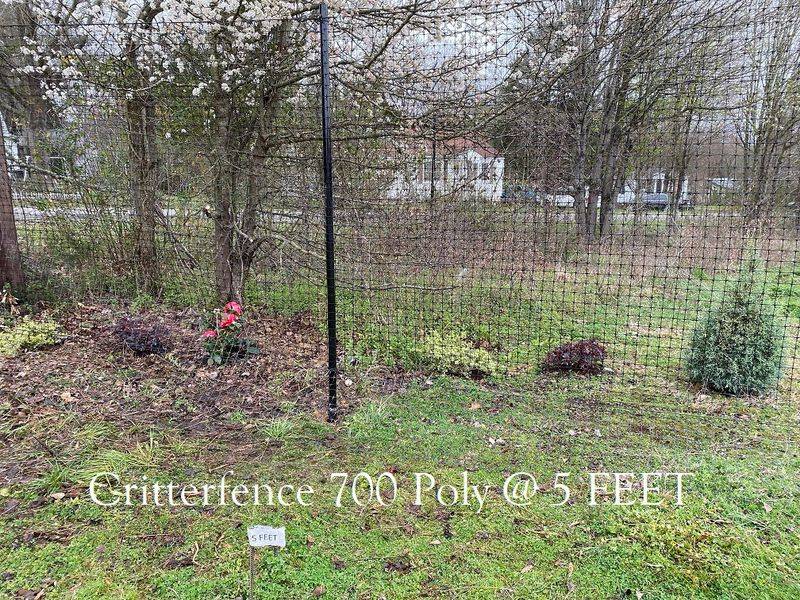
Rabbits are a different challenge, but the answer is similarly physical rather than chemical. Iowa State Extension’s guidance on protecting gardens from rabbits recommends mesh fencing with openings no larger than one inch, standing approximately two feet high, with the bottom edge secured or buried to prevent digging underneath.
That kind of barrier actually blocks access. Iowa State’s vertebrate pest guidance notes that scent-based repellents are inconsistent and tend to require frequent reapplication, especially after rain.
For ticks, a vinegar perimeter offers no reliable protection either; effective tick management relies on personal checks, appropriate repellents, habitat modification like keeping grass short and leaf litter managed, and veterinary-recommended prevention for pets.
Where an acetic-acid treatment may fit
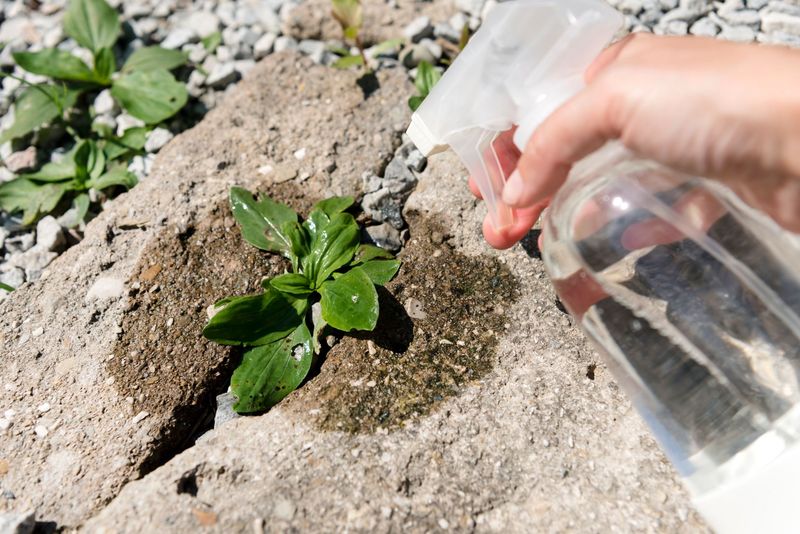
Choosing the right site matters more than choosing the right concentration. A driveway crack, a gravel path edge, or a clearly isolated fence margin where no desirable plants grow nearby represents the most defensible place to try an acetic-acid product.
NC State Extension’s alternatives to glyphosate guidance describes acetic-acid products as nonselective contact herbicides suited to non-crop areas, with the caveat that they often require more applications and more careful targeting than conventional options.
Before applying anything, assess the specific situation. What weed are you targeting, and how established is it?
Are there desirable plants within spray drift distance? Could runoff carry the product toward a bed, lawn, or rain garden?
Will you need repeat treatments, and if so, will repeated applications create bare soil that invites new weed pressure? These are practical questions that change the calculus for any individual yard.
The type of product you choose also carries real legal and safety implications. Grocery-store vinegar, cleaning vinegar, horticultural vinegar, and registered acetic-acid herbicide products are not interchangeable.
NPIC’s vinegar guidance explains that only products with a pesticide registration or qualifying exemption are legally sold for weed control. The EPA’s minimum-risk pesticide framework covers some acetic-acid products under specific conditions, but that status depends on formulation, concentration, and labeling.
The Northwest Center for Alternatives to Pesticides’ vinegar herbicide guidance notes that a product allowed in an ornamental landscape may not be permitted around edible crops. Use a legally marketed, properly labeled product approved for the intended site, and verify its registration or exemption status and any applicable North Carolina requirements before you spray.
Natural does not mean harmless
The word “natural” does a lot of misleading work in conversations about vinegar as a garden product. Acetic acid is a chemical, and its hazard level scales with concentration in ways that matter for anyone handling it.
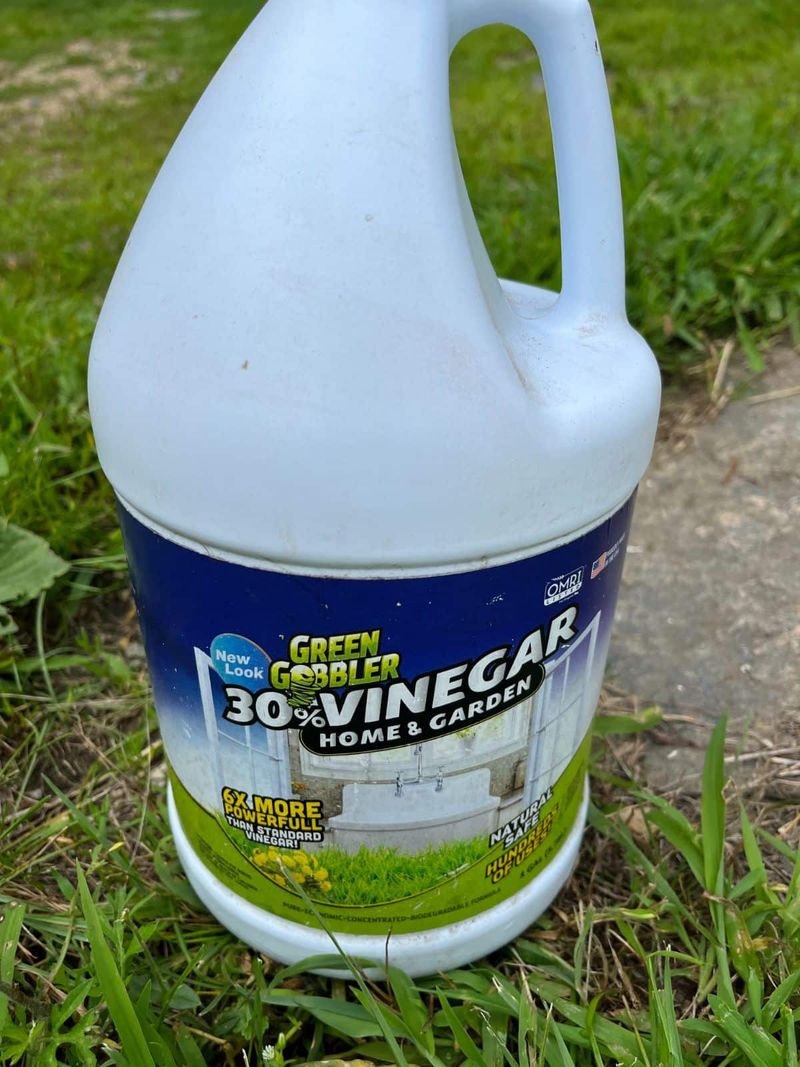
NPIC’s vinegar fact sheet makes the distinction plain: household vinegar at 4 to 6 percent acetic acid behaves very differently from horticultural vinegar, which commonly contains around 20 percent or more. At higher concentrations, acetic acid can cause severe eye injury, chemical burns to skin, and respiratory irritation from inhaled mist.
Label requirements exist for exactly this reason. Protective clothing, chemical-resistant gloves, and eye protection are standard requirements on acetic-acid herbicide labels, and those requirements are not optional suggestions.
NC State Extension’s pesticide safety guidance is consistent on this point: the label is the law, and following it includes using the required personal protective equipment, avoiding breathing spray mist, and keeping children and pets out of the treated area during application and for whatever reentry period the label specifies.
Improvised mixtures deserve a specific warning. NPIC’s pesticide home remedies guidance and UConn Extension’s homemade pesticide analysis both flag vinegar, salt, and dish-soap mixtures as problematic.
Salt can accumulate in soil and harm nearby plants over time. Dish soap or detergent may add its own phytotoxic effects.
Homemade mixtures have no standardized directions, no PPE instructions, and no first-aid guidance – meaning the person mixing and applying them is working without a safety net. NPIC’s guidance on pets and pesticide use also reminds pet owners that animals can be exposed through skin contact with treated surfaces and through grooming behavior after walking through a treated area.
Planted beds need targeted weed management

Flower beds and vegetable gardens present a different challenge than a bare fence margin or a driveway crack. Desirable plants are growing right next to the weeds, which means any nonselective treatment – including acetic acid – risks injuring roots, seedlings, or foliage through direct contact or spray drift.
That risk alone makes acetic acid a poor fit as a primary weed-management tool inside planted beds, regardless of concentration.
The more defensible starting point is physical removal combined with mulch. NC State Extension’s pre-planting guidance recommends addressing existing weeds before they set seed and before new plants go in, which reduces the weed pressure you have to manage all season.
Once beds are planted, mulch is one of the most practical tools available for reducing weed germination and establishment. NC State’s organic gardening handbook recommends roughly 3 to 4 inches of organic mulch for perennial landscape beds to suppress weeds and retain moisture.
Vegetable and annual beds call for a lighter touch. NC State’s home vegetable gardening guide suggests approximately 1 to 2 inches for many vegetable or annual plantings, depending on the crop and spacing.
These are general starting points, not universal rules; depth and placement should be adjusted based on what you are growing and how densely it is planted. NC State’s alternatives to glyphosate resource reinforces that even alternative herbicides require careful targeting in mixed plantings, which is another reason hand removal and mulch are the more reliable first-line strategies for reducing weed pressure while avoiding direct injury to the plants you actually want to keep.
The useful takeaway is narrower
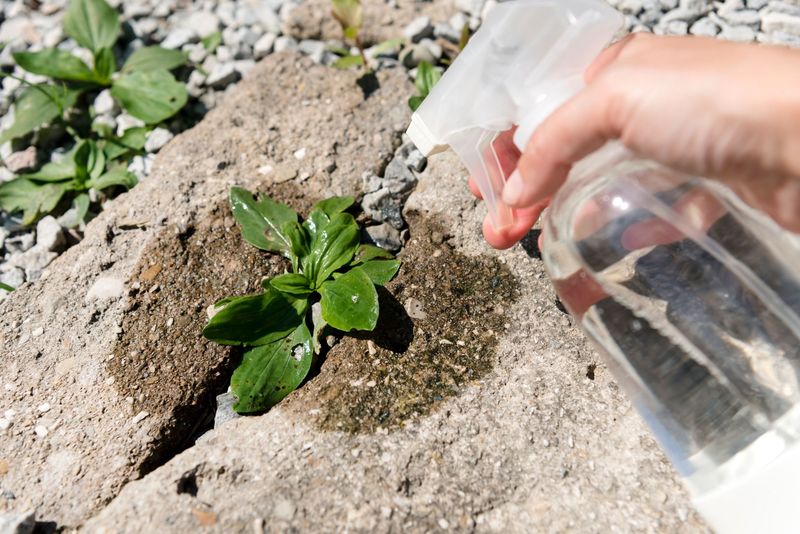
Acetic acid can offer imperfect contact weed control for small, actively growing weeds in carefully isolated, non-crop edges. That is a genuinely useful but genuinely narrow tool.
NPIC’s vinegar guidance and NC State Extension’s herbicide alternatives resource both point in the same direction: this is a contact treatment with real limitations, not a root-killing cure, not a wildlife repellent, and not a harmless homemade spray.
A practical sequence helps keep that scope clear. Identify the target weed and where it is growing.
For planted beds, prefer hand removal and appropriate mulch to avoid harming nearby desirable plants. For wildlife concerns – snakes, rabbits, deer, or ticks – use physical barriers, habitat modification, or appropriately labeled products rather than a scent-based perimeter that NC State Extension’s snake guidance and other extension sources do not support.
If an isolated non-crop edge genuinely calls for an acetic-acid product, read the label before you spray and follow it completely.
The vinegar bottle is not magic, and the fence line is not a force field. But for the right weed in the right place, with the right product and the right precautions, it earns its spot in the tool kit.