
The Most Underrated North Carolina Native That Thrives In The Hot Curbside Strip Where Everything Else Fries By Afternoon
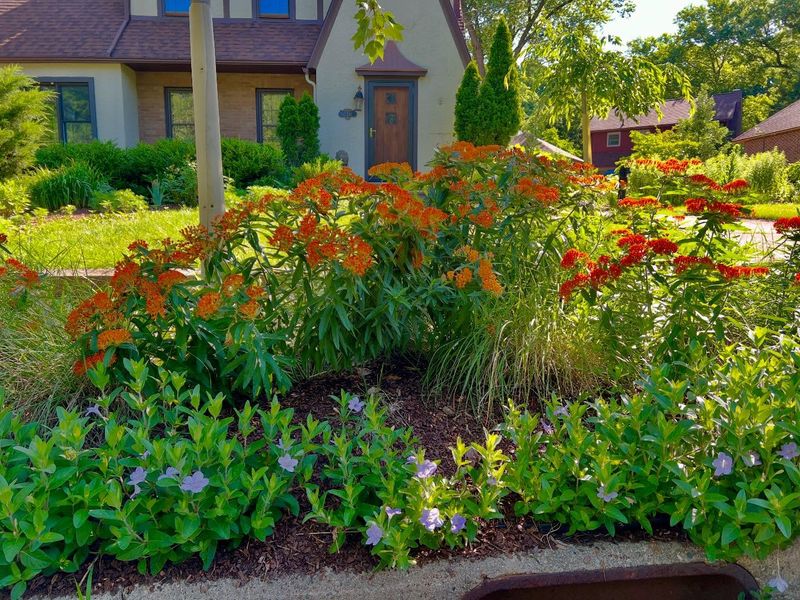
That narrow strip of ground between your sidewalk and the street is one of the hardest spots in any North Carolina yard to keep planted. Pavement bakes it from two sides, car doors brush it, and most perennials give up by midsummer.
Butterfly weed, Asclepias tuberosa, is a North Carolina native built for exactly those conditions on the right site, and most homeowners have never considered it. Understanding what makes it work, and where it will not, can turn a frustrating dead zone into a flowering habitat patch that holds its own through August heat.
The Strip Between Road and Walk Is a Different Garden
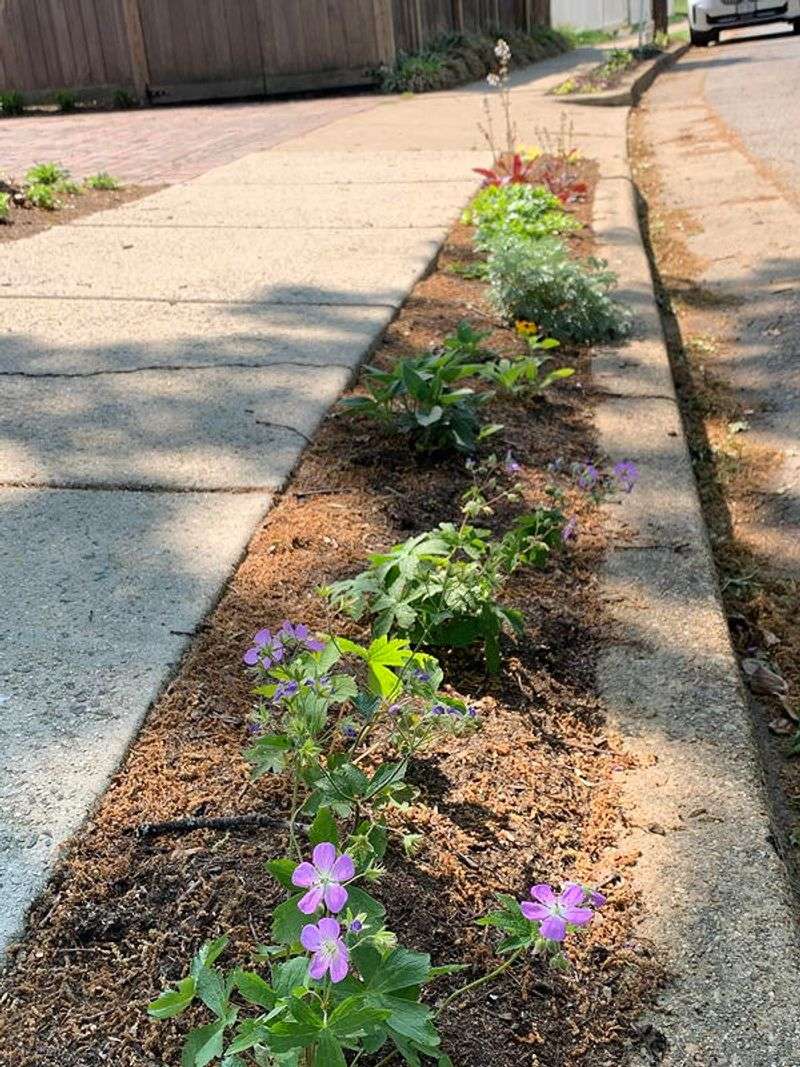
Most homeowners treat the strip between the sidewalk and the street like a shrunken flower bed, but the conditions there are genuinely different from anything else in the yard. Pavement on both sides radiates stored heat back onto the soil long after the sun moves.
Reflected light adds intensity that a standard garden bed never sees, and the soil underneath is often compacted fill left over from road or sidewalk construction rather than the topsoil a typical perennial expects.
According to NC State Extension’s native plants handbook, paved urban sites create extra heat and commonly have compacted, disturbed soils, which means no plant can be assumed to thrive there without a site-specific check. Compaction alone can block root penetration, reduce water infiltration, and cut off the oxygen exchange that roots need.
Add limited soil volume, possible buried utilities, and runoff patterns altered by curb drainage, and the planting challenge becomes clear.
Before buying anything, walk the strip and look at it honestly. Pour a cup of water on the soil and watch: if it puddles for more than a few minutes, drainage is poor and a dry-soil plant will struggle.
Probe the ground with a screwdriver to check compaction depth. Measure the usable width and note whether pedestrians regularly cut across the strip.
Call 811 to locate buried utilities before any digging. The Federal Highway Administration’s roadside revegetation guidance notes that compaction and poor drainage can compound other stresses, including salt injury from road applications.
A strip that stays soggy, offers almost no workable root space, or sits in partial shade needs a different approach, or possibly site remediation, before any planting decision makes sense.
Butterfly Weed Fits a Suitable Punishment Spot
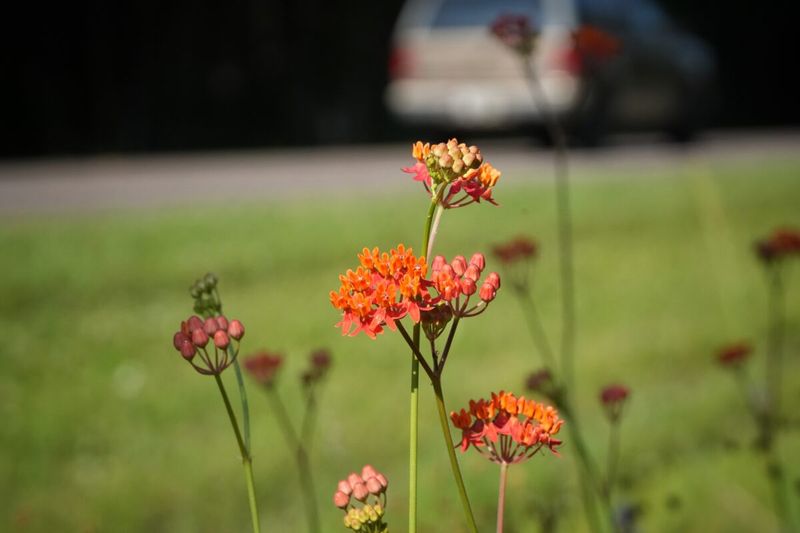
Butterfly weed, Asclepias tuberosa, earns its place at the top of the candidate list for suitable North Carolina curbside strips because of a specific combination of traits that match the site rather than despite it. NC State Extension’s plant toolbox documents it as tolerant of full sun, dry to medium well-drained soil, poor dry soils, drought, and moderate salt exposure.
Those are not incidental traits: they are exactly the pressures a curbside strip delivers every summer afternoon.
The plant is native across North Carolina, including the Coastal Plain, Piedmont, and Mountains, and the North Carolina botanical survey records Asclepias tuberosa occurring essentially statewide, with one variety concentrated more heavily in the Sandhills region. Its natural habitats include roadsides, fields, and open glades, which resemble a hot, exposed planting strip far more closely than a rich irrigated garden bed.
That roadside association is meaningful: the plant has adapted to the same kind of open, baked exposure that homeowners are working with.
On a practical scale, butterfly weed forms upright clumps generally about one to three feet tall, with bright orange flower clusters that appear in summer. NC State lists its planting space range at roughly twelve inches to three feet, which makes it far more workable in a narrow strip than a large shrub or small tree.
A woody plant with a wide canopy or aggressive root spread would conflict with pedestrian clearance, sight lines, and the limited soil volume most strips provide. An herbaceous perennial at this scale sidesteps most of those conflicts while still providing seasonal color and structure.
The recommendation applies to suitable sites, not every curb strip in the state. Success still depends on drainage, available soil volume, compaction level, salt exposure from road applications, and careful establishment.
Butterfly weed is a strong, evidence-backed candidate where conditions align; it is not a guaranteed fix for every difficult strip a homeowner encounters.
Check the Soil Before You Trust Its Toughness
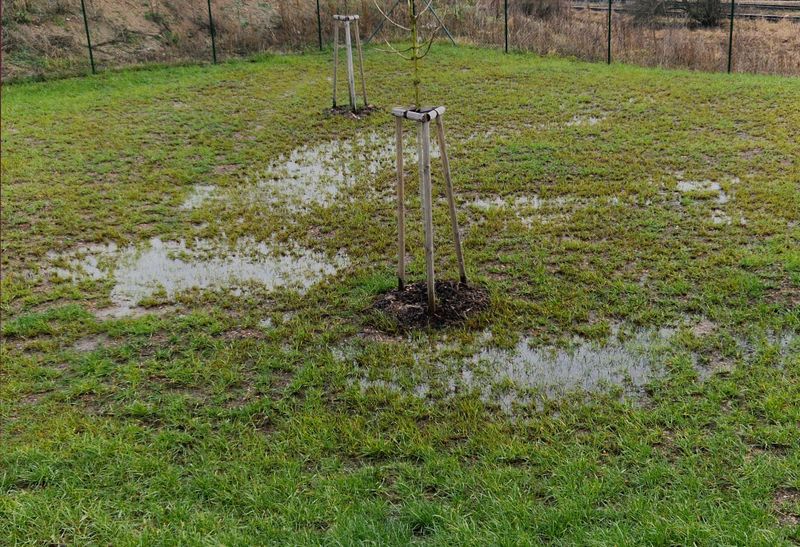
Butterfly weed’s tolerance for dry, poor soil is a genuine strength, but that strength has a boundary. The plant prefers well-drained conditions and does not handle persistently wet soil well.
NC State Extension flags crown rot as a risk in wet, poorly drained soil, which means a strip that collects roof runoff, receives concentrated drainage from a downspout, or stays soggy after rain is a poor match regardless of how sunny and exposed it is.
The practical distinction is between dry soil and wet soil, not between easy and hard. A strip with sandy or rocky soil that dries quickly after rain is where butterfly weed performs best.
A strip that looks dry on the surface but holds water in a compacted layer a few inches down is a different situation entirely. Before planting, pour water on the site and time how long it sits.
If standing water is still present after several minutes, drainage is inadequate for this plant.
Compaction is the other site factor that can override favorable traits. The NC State Extension native plants handbook identifies compaction, reflected heat, altered drainage, and limited planting space as major constraints in urban settings.
A deep taproot needs room to penetrate, and compacted subsoil can stop it before the plant establishes. If a screwdriver meets hard resistance at three or four inches, loosening the planting area before installation is worth the effort.
Road salt is a moderate concern rather than a disqualifying one on most residential streets. The Federal Highway Administration notes that poor drainage can worsen salt stress by concentrating salts in the root zone rather than allowing them to flush through.
A well-drained strip on a lightly treated residential street is a manageable situation; a strip at a heavily salted intersection with poor drainage is a harder call. Match the plant to the actual site conditions, not the best-case version of them.
Plant the Taproot Once and Establish It Carefully
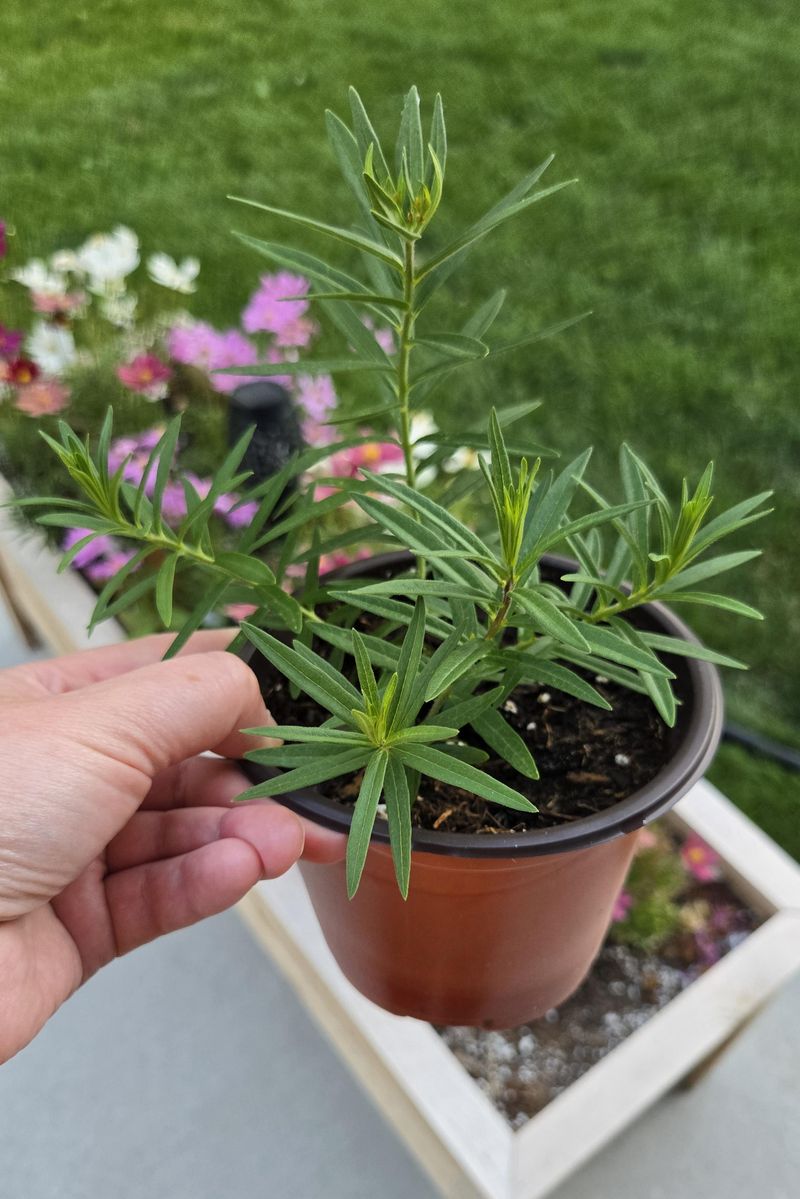
Butterfly weed develops a deep, fleshy taproot that anchors it against drought and heat once established, but that same taproot makes the plant intolerant of disturbance. Moving a mature specimen almost always kills it.
The practical consequence is straightforward: choose the right spot, install the plant once, and plan to leave it there. Container-grown nursery plants give the best start because their root system arrives intact.
Set the plant at the same depth it grew in the container, disturb the root ball as little as possible during installation, and backfill with the native soil rather than imported amendments that can create drainage discontinuities at the planting hole boundary.
Drought tolerance is an established-plant trait, not a day-one guarantee. Iowa State Extension recommends closer monitoring and spot-watering recently planted perennials, especially during dry periods, and butterfly weed is no exception.
After installation, water the root zone deeply enough to wet the surrounding soil, then let the site’s drainage and the weather determine when the next watering is needed. The goal is consistent moisture at the root zone during the first growing season, not daily irrigation.
Deep, infrequent watering encourages the taproot to extend downward toward stable moisture rather than staying shallow where it is vulnerable to heat and drought.
A nursery plant in a quart or one-gallon container will typically begin flowering within one to two seasons of careful establishment. NC State Extension notes that plants grown from seed may take two to three years to establish and flower, which makes direct seeding a slower path to a visible result in a strip where appearance matters to neighbors.
Seed-grown plants are a reasonable choice if the homeowner is patient and the site allows for a slower establishment timeline, but a small nursery plant will deliver color and structure faster.
One more timing note: butterfly weed is notoriously slow to emerge in spring. It is one of the last perennials to push new growth after winter dormancy.
Mark the planting location clearly so it does not get accidentally dug up during spring cleanup, and resist the urge to cut it back before new growth appears at the base.
Its Flowers Add Habitat, Not a Wildlife Guarantee
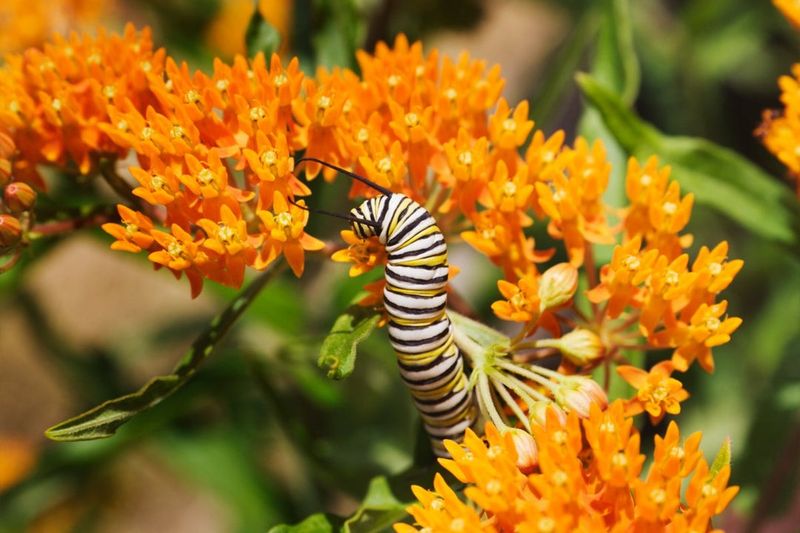
Planted in a suitable curbside strip, butterfly weed contributes something beyond color. NC State Extension identifies it as a larval food plant for monarch butterflies and the milkweed tussock moth, meaning caterpillars of those species can feed on its foliage.
The U.S. Fish and Wildlife Service describes butterfly weed as supporting pollinators ranging from monarchs to hummingbirds, and the dense flower clusters are genuinely attractive to a range of native bees and other insects during the summer bloom period.
That habitat value is real, but it comes with realistic expectations. A host plant does not guarantee that the species it supports will appear in any given season.
Monarch presence varies with regional population levels, migration timing, plant maturity, and available habitat across a much larger landscape than one yard. North Carolina butterfly records reflect that monarch sightings depend on broader migration conditions that no single planting controls.
Adult monarchs also need nectar sources beyond milkweed. The Xerces Society’s monarch nectar plant list for the Southeast includes a range of flowering natives that support adult monarchs during migration and breeding, and butterfly weed alone does not supply everything the species needs.
Pairing it with other North Carolina native nectar plants in the broader yard makes the habitat contribution more complete, though that is a longer-term landscaping project rather than a curbside requirement.
What one well-placed butterfly weed plant does offer is a reliable local contribution: a larval host that is genuinely native to North Carolina, a nectar source that supports multiple pollinator groups during summer, and a flowering perennial scaled to fit where larger plants cannot. That is a meaningful addition to a residential yard’s ecology without overstating what a single planting can accomplish at a population level.
Avoid the Curbside Mistakes That Undo the Match
Once butterfly weed establishes in a suitable strip, the most common mistake is disturbing it. Moving or dividing a mature plant almost always damages or destroys the taproot, and the plant rarely recovers.
Leave an established specimen in place, cut back dead stems in late winter or early spring only after new growth begins to show at the base, and avoid cultivating the soil around it in ways that could sever the taproot. NC State Extension confirms that butterfly weed does not transplant well and is best left undisturbed once established.
Seed pod management is a choice rather than a chore. Mature plants produce elongated pods that split and release seeds on the wind.
If self-seeding into the surrounding lawn or adjacent areas is a concern, remove the pods before they open. If naturalization within the strip is acceptable or desirable, leave some pods and allow them to disperse.
Neither option harms the parent plant.
Salt tolerance from road applications is moderate, not unlimited. Federal Highway Administration guidance notes that compaction and poor drainage can concentrate salt stress in the root zone, so a strip near a heavily treated intersection with impeded drainage is a harder site than NC State’s moderate-salt-tolerance rating implies.
Wet conditions that prevent salt from flushing through the soil can push stress beyond what the plant manages well.
Two safety points deserve direct mention. Butterfly weed sap can irritate skin on contact, so wear gloves when cutting stems or handling the plant.
The ASPCA lists milkweed as toxic to dogs, cats, and horses if ingested, which matters for curbside plantings where pets pass regularly on leash. The plant is not pet-safe simply because it is native.
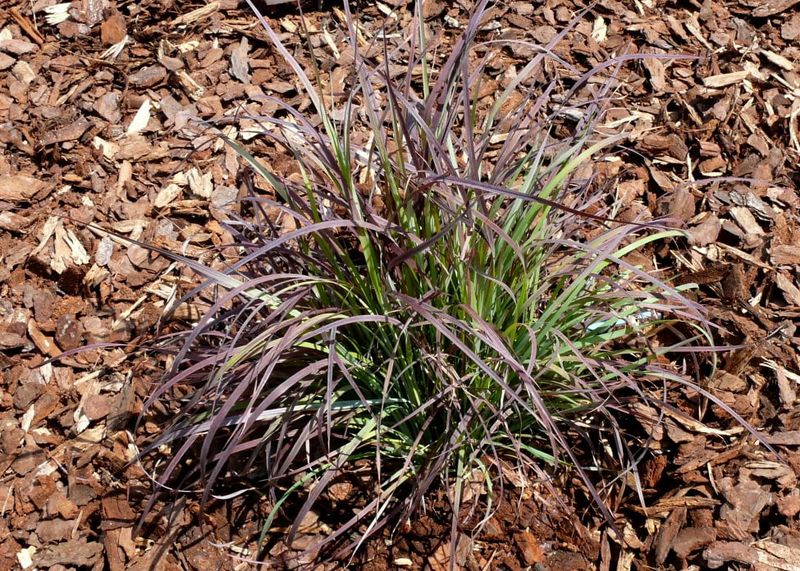
Homeowners who want a native grass-like structure rather than conspicuous orange flowers have a credible alternative in little bluestem. NC State Extension lists little bluestem as tolerant of high heat, salt, drought, infertility, clay, and pollution, making it a strong contender when visual texture rather than summer bloom is the priority.
Butterfly weed remains the featured recommendation for most suitable strips, but little bluestem is worth considering when the design goal is different.
Permission Comes Before the Shovel
The strip between the sidewalk and the street often looks like it belongs to the homeowner, but legal ownership and planting rights in that zone are frequently more complicated. Many residential curbside strips fall within a public right-of-way, and planting there without authorization can result in the removal of everything installed, at the homeowner’s expense.
For strips adjacent to state-maintained roads in North Carolina, NCDOT guidance states that vegetation generally cannot be planted, cut, trimmed, pruned, or removed within a state-road right-of-way without written permission from the Department of Transportation. That is a firm pre-planting step, not a formality to handle afterward.
Contact the relevant NCDOT district office to determine whether the strip qualifies and what the application process involves.
Municipal and county streets operate under separate rules that vary by jurisdiction. Some municipalities actively encourage native plantings in the right-of-way with permit programs; others prohibit them entirely or impose specific height, clearance, and plant-type requirements.
NC State Extension advises verifying local requirements before any right-of-way planting. Contact your city or county public works or engineering department to ask who owns the strip, what permission is required, and whether sight-line, utility-clearance, or pedestrian-access standards apply in your location.
Utility lines, both overhead and buried, add another layer of jurisdiction. Call 811 before digging regardless of ownership status, and ask the relevant agency whether overhead clearance rules affect plant height in the strip.
Treat sight-line, utility, and pedestrian-clearance requirements as jurisdiction-dependent unless a local authority has confirmed the specifics for your address. Checking first protects the planting and avoids a conflict with the agency responsible for the road.
A Tough Native Still Needs the Right Strip
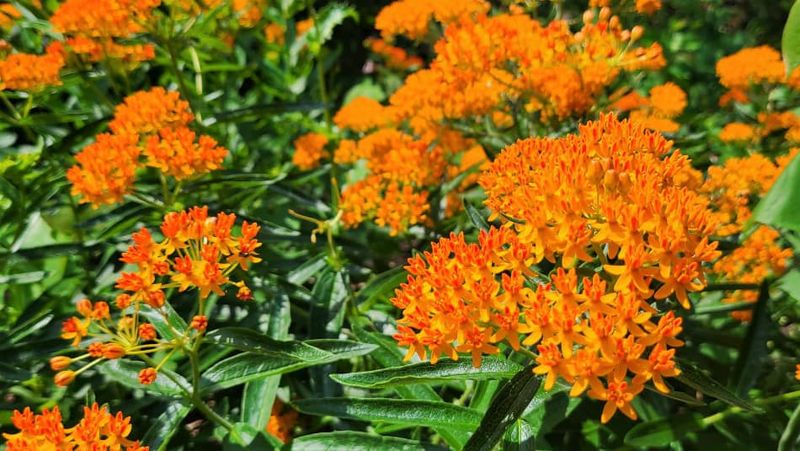
Butterfly weed earns its recommendation through a combination of traits that few North Carolina natives bring together in one plant: full-sun tolerance, comfort in dry and poor soils, drought resilience after establishment, moderate salt tolerance, a natural association with open roadside habitats, and a scale that fits a narrow strip without creating sight-line or clearance problems. NC State Extension and its native plants handbook both support those traits with documented site performance across the Coastal Plain, Piedmont, and Mountains.
Choose it when the strip receives at least six hours of direct sun, drains well after rain, offers workable soil volume, and has passed local ownership, right-of-way, and safety checks. Skip it when the site stays wet, sits in too much shade, or presents compaction and salt conditions beyond what the plant handles.
Those are honest boundaries, not reasons to abandon the idea.
Iowa State Extension’s establishment watering guidance applies here as well: inspect the strip first, prepare the soil as needed, plant carefully without disturbing the taproot, and water the root zone consistently through the first growing season. A plant that survives its first North Carolina summer in a curbside strip has already demonstrated something worth keeping.