
The North Carolina Native Bloomers That Actually Love The Soggy Clay Spot Where Everything Else Rots This Fall
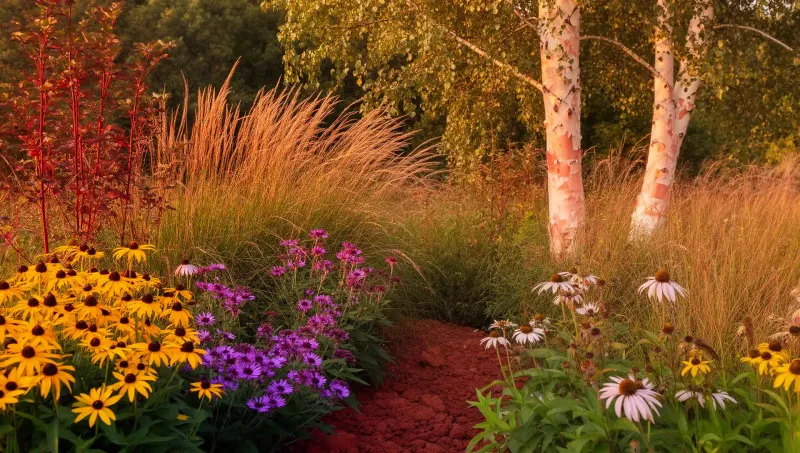
Every yard has that one wet, sticky corner where good plants go to die. In North Carolina, our heavy clay holds water like a sponge, and after a rainy fall it turns into a soggy mess that rots most roots.
The good news is that certain native plants actually crave those conditions, and planting them this fall gives them time to settle in before summer. Better yet, these natives feed the pollinators, songbirds, and butterflies that make your yard feel alive.
1. New York Ironweed (Vernonia noveboracensis)
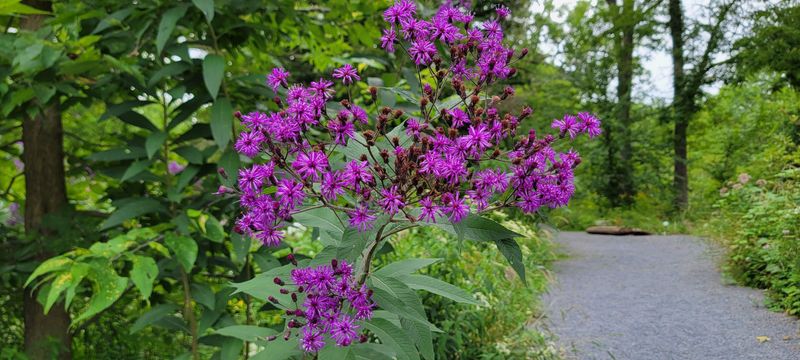
Picture a wall of electric purple flowers standing seven feet tall in the exact spot where your grass drowns. New York Ironweed does not just tolerate soggy clay, it practically shows off in it.
Those late-summer and early-fall blooms are magnets for native bees, swallowtails, and monarchs stocking up before migration. The deep color pops against everything green around it, giving that neglected wet corner a real focal point.
Deer tend to leave it alone, which is a rare gift in most NC neighborhoods. Give it consistent moisture and it will reward you with tough, upright stems that shrug off the heavy soil that kills fussier perennials.
Cut it back after the first frost and it returns bigger each spring.
2. Swamp Milkweed (Asclepias incarnata)
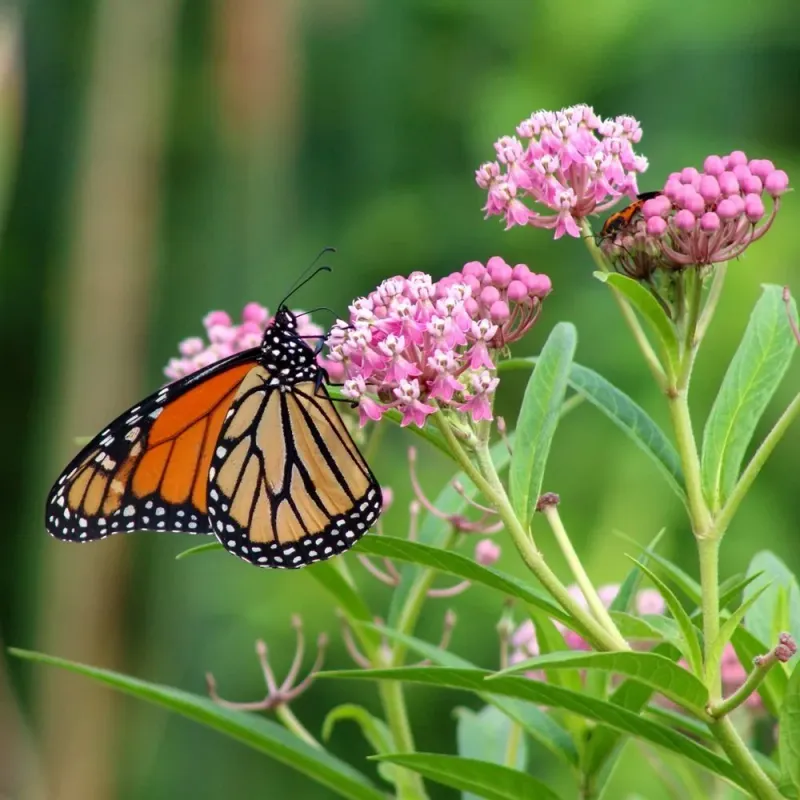
If you want monarchs, this is the plant that earns its keep. Despite the swampy name, Swamp Milkweed produces soft pink flower clusters that smell faintly like vanilla on a warm day.
It happily sinks its roots into wet, heavy clay where regular milkweed would sulk. Monarch caterpillars depend on milkweed as their only host plant, so tucking this into your soggy spot turns a dead zone into a nursery.
Fun fact: the sap is mildly toxic, which is exactly why monarch caterpillars eat it. They store those compounds and become distasteful to birds.
Plant it in fall, keep the soil damp, and watch it become one of the busiest addresses in your yard by summer.
3. Joe Pye Weed (Eutrochium spp.)

Do not let the word weed fool you. Joe Pye Weed is a stately giant that turns a soggy ditch into something that looks intentional and gorgeous.
Its dusty mauve flower heads sit atop tall stems and buzz with pollinators from late summer into fall. This is a rain garden classic precisely because it laughs at both clay and standing water.
The whole plant has an old-timey charm, named after a folk healer who supposedly used it for fevers. In a wet corner where nothing else stands up straight, Joe Pye gives you height, movement, and a soft haze of color that goldfinches and butterflies cannot resist.
4. White Turtlehead (Chelone glabra)
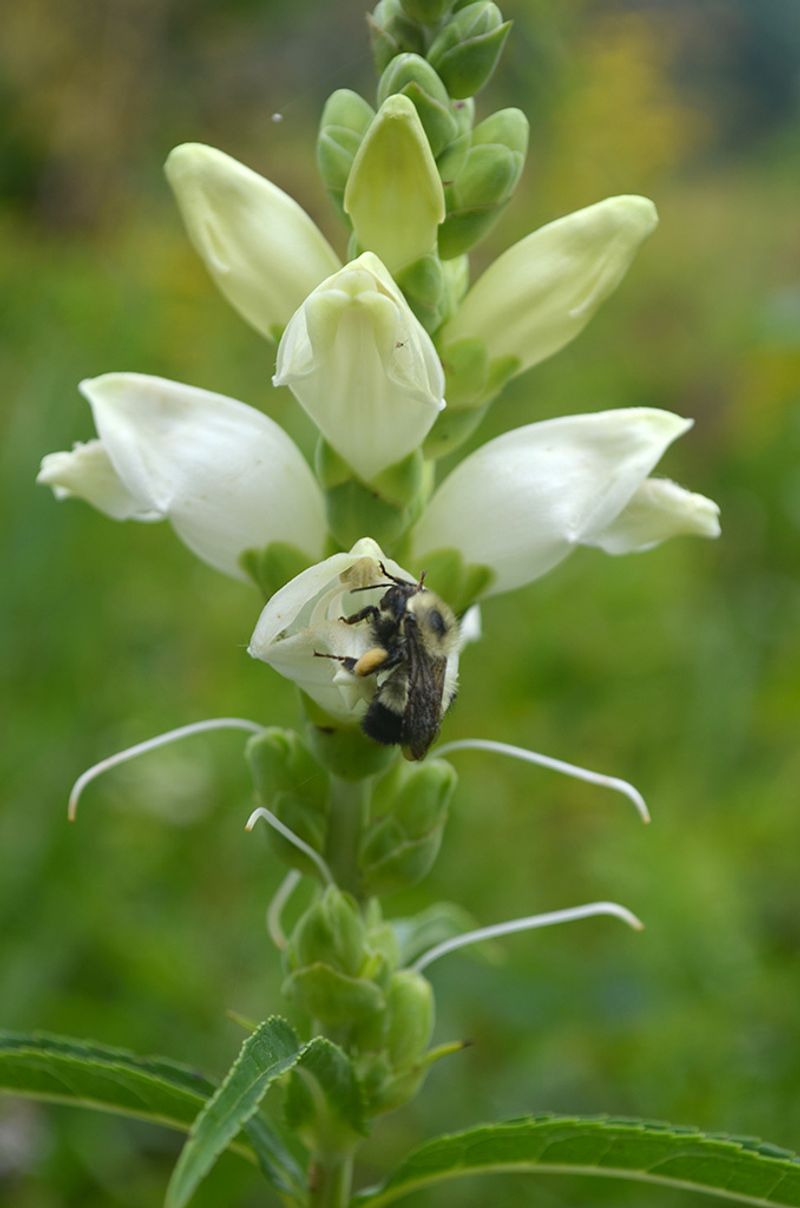
Lean in close and you will see why kids love this one. Each white bloom really does look like a tiny turtle poking its head out, mouth slightly open.
White Turtlehead is a quiet performer for the shady, wet edges where sun-loving flowers give up. It listed among North Carolina’s common wetland plants for good reason, thriving in the damp clay along stream edges and low spots.
Here is the payoff: it serves as a host plant for the Baltimore checkerspot butterfly, a species many gardeners rarely get to host. Bumblebees also wedge themselves right into those turtle-mouth blooms.
For a wet shade pocket, few natives are as charming or as useful.
5. Coastal Sweet-pepperbush (Clethra alnifolia)
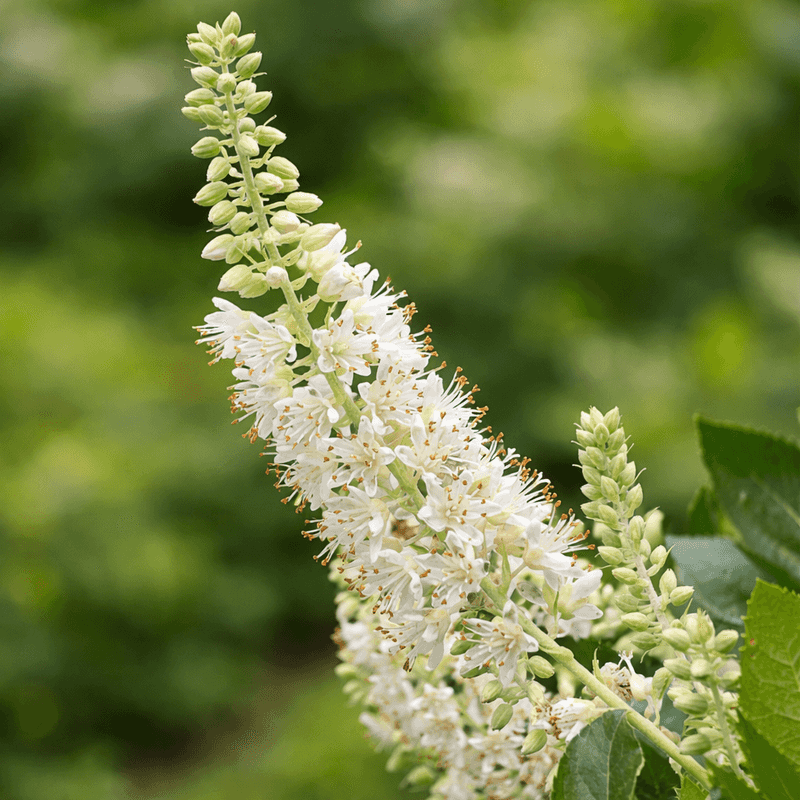
Close your eyes near this shrub in midsummer and the sweet, spicy fragrance will stop you in your tracks. Coastal Sweet-pepperbush is one of the best native shrubs for the wet, part-shade spots that stump most homeowners.
Bottlebrush spikes of white flowers draw in bees, butterflies, and hummingbirds, and the scent carries across the yard. When cooler weather arrives, the foliage shifts to a clean, cheerful golden yellow.
It fills a gap that a lot of wet-loving plants cannot, offering structure and shrub-height presence where you need something more than a perennial. Once it settles into that soggy clay, it colonizes gently and needs almost no fuss from you.
6. New England Aster (Symphyotrichum novae-angliae)
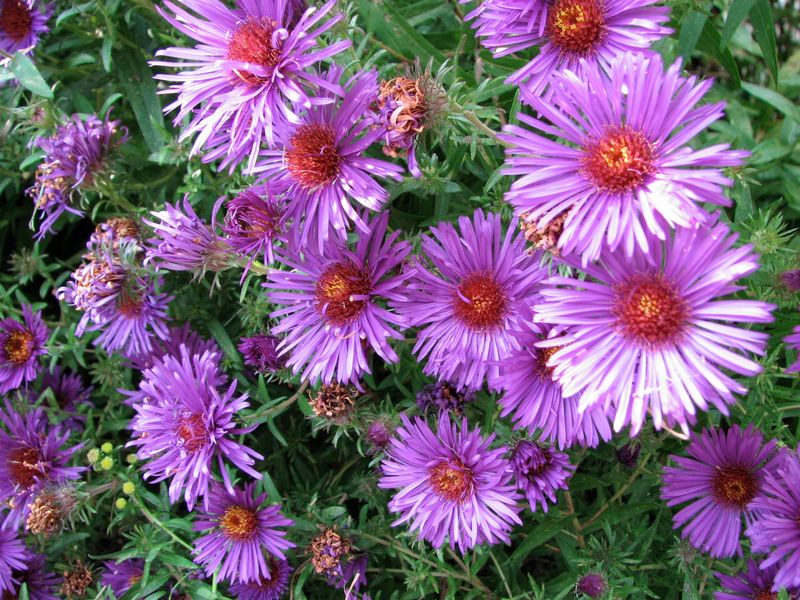
When most flowers have called it quits for the year, asters are just getting warmed up. New England Aster explodes with purple, daisy-like blooms right when pollinators desperately need one last meal before winter.
North Carolina hosts roughly three dozen native aster species, and this one handles heavy clay and moisture without complaint. That late timing matters, because migrating monarchs and native bees rely on these blooms to fuel up in fall.
Pair it with goldenrod and you get a purple-and-gold show that hums with life. It is proof that a soggy problem corner can become the most exciting spot in the yard exactly when everything else looks tired and brown.
7. Inkberry Holly (Ilex glabra)
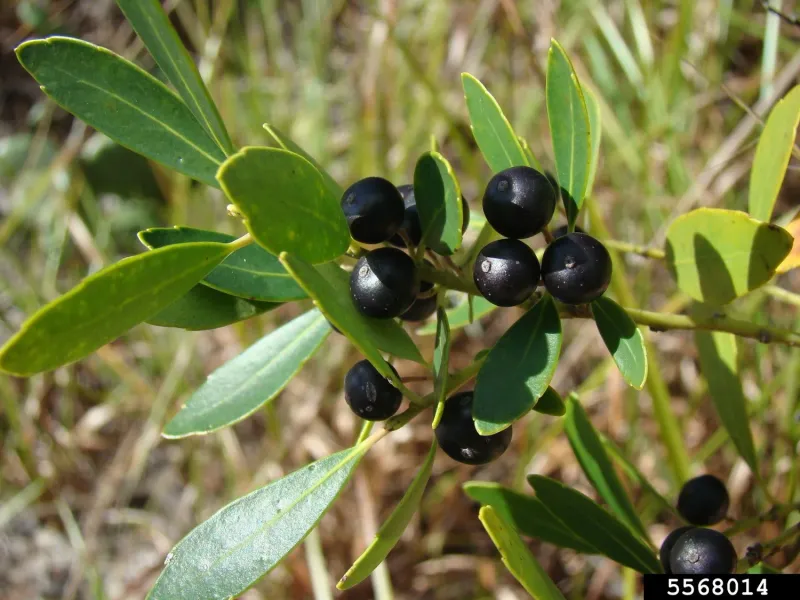
Want something green in that wet spot even in the dead of January? Inkberry is a native evergreen holly that keeps its glossy leaves all year and holds up in soggy clay like a champ.
Small black berries linger through winter, offering fuel for songbirds when other food is scarce. It is remarkably flexible too, handling both wet soil and the occasional dry spell once its roots take hold.
Think of it as the reliable backbone of your wet garden, a native swap for those overused, non-native foundation shrubs that offer birds nothing. Trimmed or left natural, it anchors the space while quietly feeding the wildlife you actually want around.
8. Bald Cypress (Taxodium distichum)
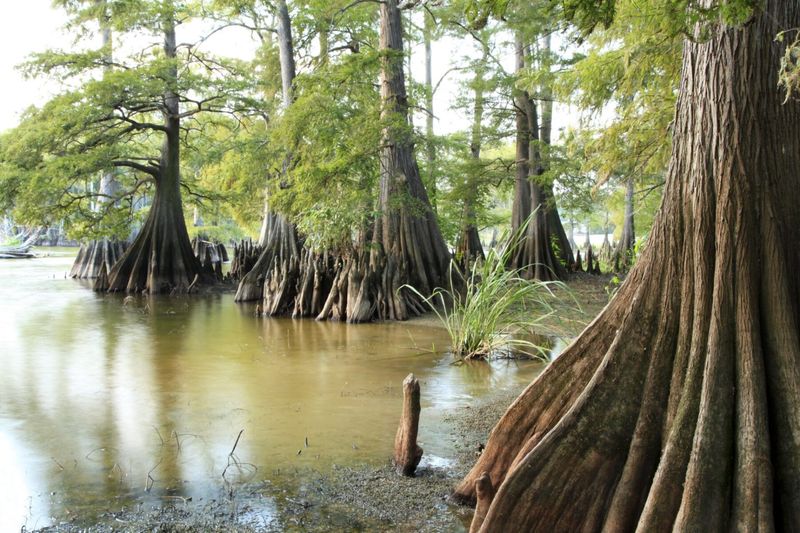
For the wettest, most hopeless corner of all, the one that stays waterlogged for weeks, there is a tree that treats it like paradise. Bald Cypress is a coastal plain native that literally grows in standing water and sprouts strange, knobby knees around its base.
Its soft, feathery needles turn a warm coppery orange each fall before dropping, a rare treat from a cone-bearing tree. Birds, insects, and countless critters find shelter and food in its branches and around its roots.
Plant one where your yard turns into a seasonal pond and it will slowly drink up that excess water while giving you decades of beauty. Give it room, because this gentle giant is playing the long game with your soggy spot.