
The One Thing North Carolina Lantana Needs Before Fall Or It Turns Woody And Quits Blooming
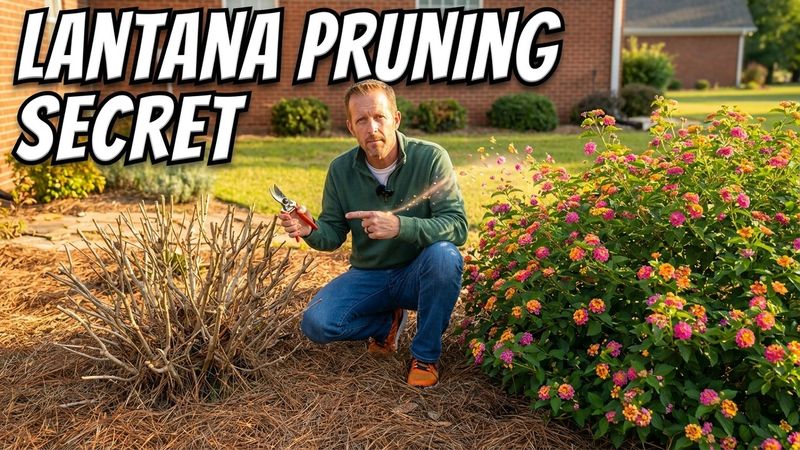
Lantana is one of the toughest bloomers in a North Carolina yard, but a lot of gardeners panic when the stems start looking rough and woody by late summer. The idea that skipping one cut before fall will ruin the plant is a popular piece of advice that does not hold up.
Woody stems are a normal part of how lantana grows, and bloom failure is usually tied to several factors at once, not a single missed deadline. Getting the pruning right means knowing which cut to make, when to make it, and whether your specific plant is even the type that comes back each year.
Lantana can grow woody without losing its flowers
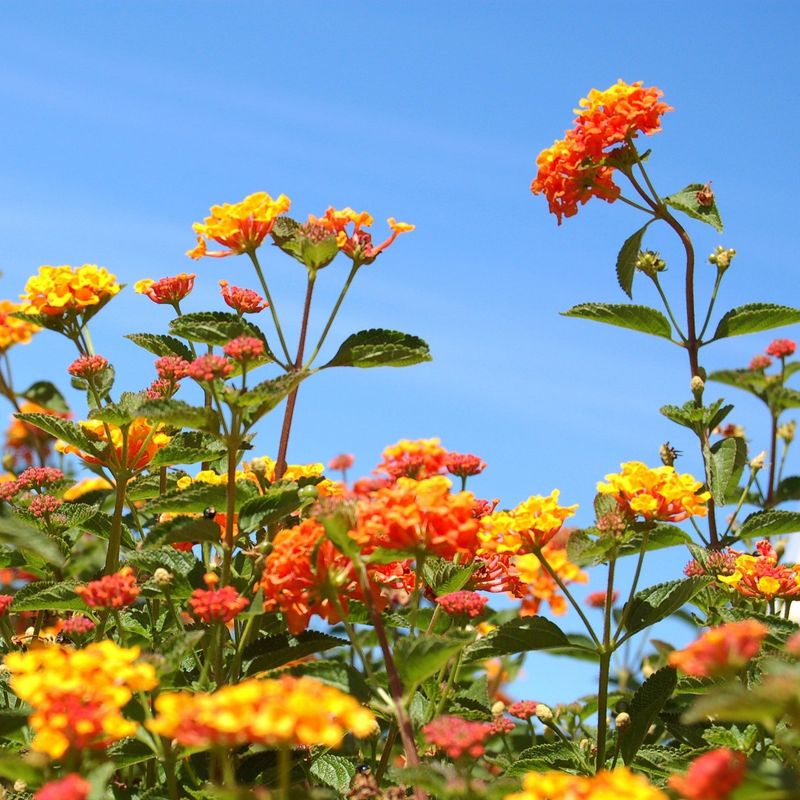
Woody stems on a lantana plant are not automatically a death sentence for its flowers. Lantana is classified as a woody shrub or subshrub, which means developing older, tougher stems is part of its natural growth pattern, not a sign that something has gone wrong.
NC State’s plant profile for Lantana camara describes it as a woody subshrub, and plants can continue producing blooms even as those stems harden over time.
The idea that skipping one cut before fall will cause the plant to turn woody and stop blooming is not supported by the evidence. Multiple factors shape whether a lantana flowers well, including sunlight exposure, moisture levels, cultivar selection, cold injury from a previous winter, and overall plant health.
Pruning plays a role in managing old growth and encouraging fresh shoots, but it is one tool among several, not a single lever that controls everything.
A recent study on lantana pruning found mixed results from severe early-season cuts. That research showed pruned plants initially grew more slowly, later became more vigorous, but did not reliably end up shorter, more compact, or more floriferous than unpruned plants.
Pruning serves real purposes, but the outcome is not as predictable as a simple before-and-after promise suggests.
Rather than treating woodiness as an emergency, think of it as a signal that a plant may benefit from managed renewal at the right time of year. The rest of this article explains which pruning operations to use, when to use them, and how to match the approach to your specific plant and location.
For an overwintering perennial, schedule renewal pruning for late winter
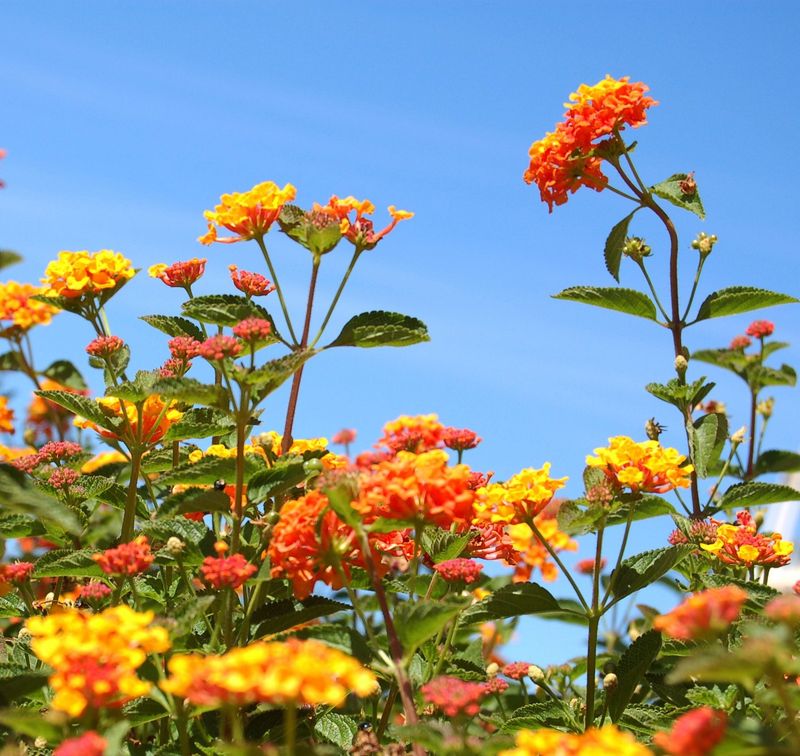
Gardeners who want their lantana to come back strong each year often wonder when to make the big cut. For an established perennial lantana that you expect to overwinter, the right time is not September or October.
Clemson Extension recommends cutting perennial lantana to approximately 6 to 12 inches above the ground in March, after the worst of winter has passed and before strong new growth begins. That guidance comes from Clemson, not North Carolina State Extension, and it is a conservative regional recommendation rather than a universal statewide rule.
The reasoning behind late-winter timing is practical. Hard pruning removes a lot of protective stem material, and if that cut happens in early fall, the plant enters its most vulnerable period with less insulation against cold.
Clemson specifically warns that hard fall pruning can reduce cold hardiness. Alamance County Extension places lantana on a fall no-prune list and cautions that cutting too early can expose stems to cold damage before the plant has had a chance to harden off naturally.
There is also the risk that a fall cut stimulates a flush of new, tender growth. That soft growth is far more vulnerable to an early freeze than older, hardened stems would be.
Burke County Extension’s pruning guidance notes that pruning can encourage new growth that may not be ready for cold weather, which is a real concern across the Piedmont and mountain regions of North Carolina.
This timing advice applies specifically to an established perennial lantana that the gardener expects to return next season. If the plant is an annual variety, a frost-tender trailing type, or one that has already been killed by cold, the situation calls for different handling, which later sections address.
Use light summer trimming to manage size and repeat bloom
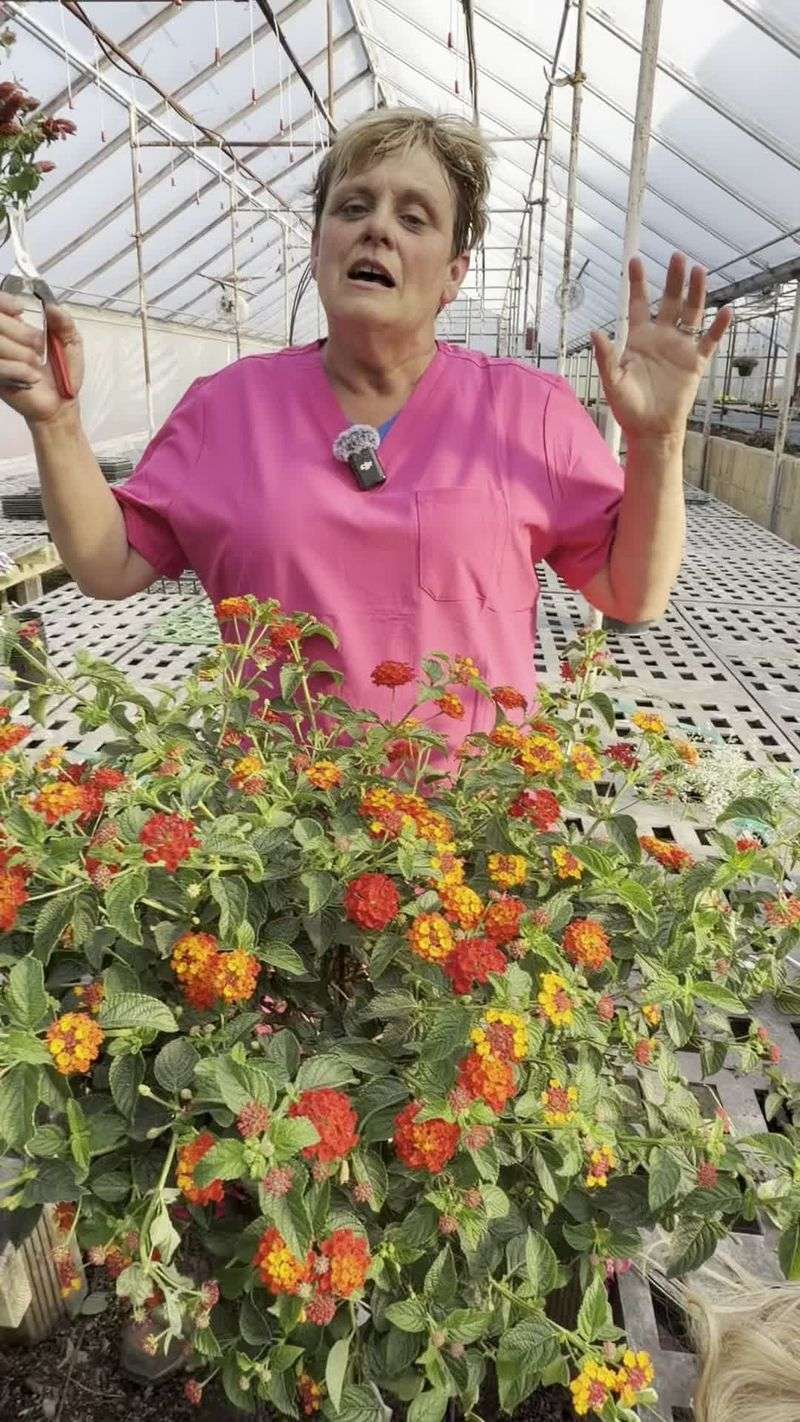
Between the growing season’s first flush and the end of summer, lantana benefits from periodic light attention rather than a dramatic renovation. Tip-pruning or light shearing during active growth removes spent flowers and soft stem ends, which can encourage the plant to push out another round of blooms.
This is a fundamentally different operation from cutting an established perennial down to 6 to 12 inches, and the two should not be confused.
Clemson Extension notes that removing tip growth periodically helps manage size and supports repeat flowering. For a plant that has genuinely outgrown its space during the season, Clemson allows reducing it by up to one-third.
That one-third guideline is a reasonable ceiling for in-season trimming and is not an invitation to cut the plant to its base while it is still actively growing in summer heat.
Deadheading, which means removing spent blossoms before they develop into berries, is a related but separate practice. NC State Extension advises removing spent lantana blossoms before berries form to encourage additional flowering.
Deadheading is a bloom-maintenance habit, not a remedy for woody stems. A plant with thick, old stems will still have thick, old stems after deadheading; the practice simply keeps energy directed toward flowers rather than seed production.
The practical takeaway for a North Carolina summer is to keep a pair of clean hand pruners nearby and use them lightly and often rather than waiting for one large intervention. Snipping faded flower clusters and soft tip growth every few weeks is lower-risk and more consistent than a single hard cut timed to a calendar deadline.
Save the major renovation for late winter, when the plant is dormant and the cold has finished its work.
Make a deliberate renewal cut only when the plant and season fit
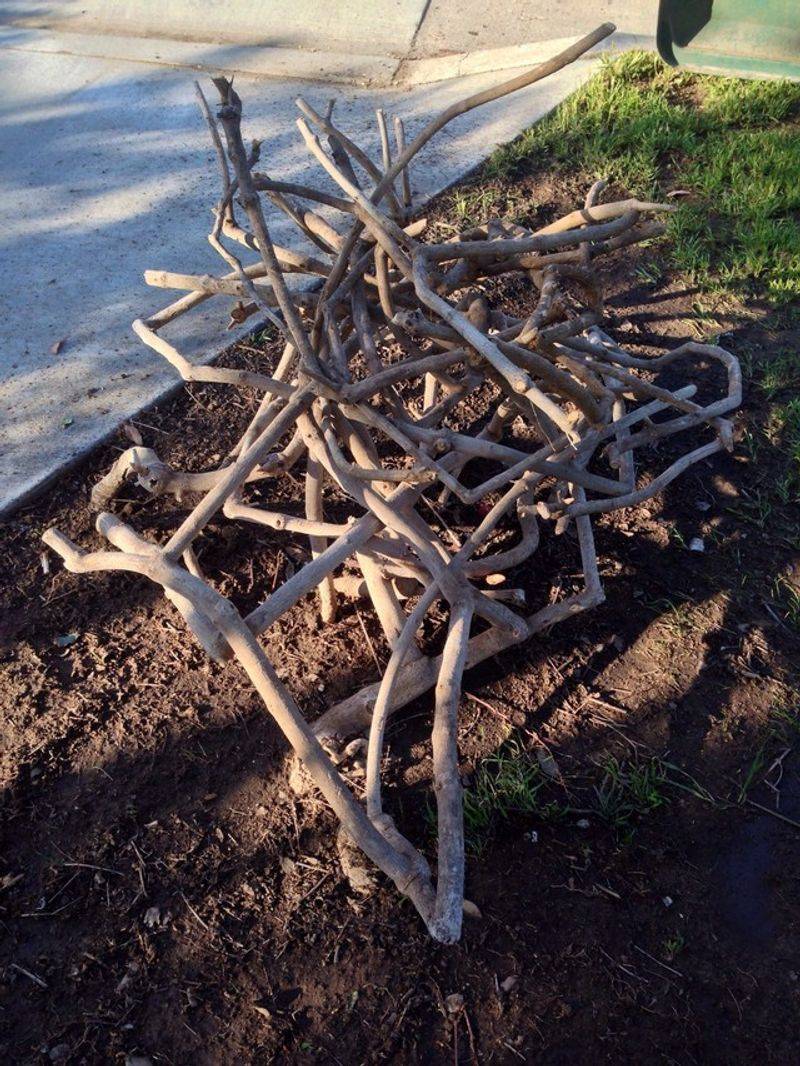
When an established perennial lantana has genuinely become too woody, overgrown, or unproductive over several seasons, a hard renewal cut can help reset it. The operation involves cutting the plant back to roughly 6 to 12 inches above the soil line, removing the bulk of the old framework and allowing the plant to push fresh growth from the base.
The timing, as discussed earlier, belongs in late winter or early spring after the coldest weather has passed.
Before picking up the loppers, understand what this cut can and cannot promise. A peer-reviewed pruning study on lantana found that severe pruning stimulated more shoots but produced mixed results overall.
Plants that were cut hard initially grew more slowly, then became vigorous, but did not consistently end up shorter, more compact, or more floriferous than unpruned plants. Severe pruning is a management tool, not a guaranteed transformation.
Clemson Extension’s lantana guidance supports the 6-to-12-inch renewal cut for an established perennial and identifies March as the appropriate window in its regional recommendations. Use clean, sharp bypass pruners or loppers and disinfect the blades before and after cutting to avoid spreading disease between plants.
Protective gear is not optional. Craven County Extension notes that lantana stems have stiff hairs that can irritate skin, and NC State Extension echoes that warning.
Wear gloves and long sleeves any time you are cutting or handling lantana, whether you are doing light summer trimming or a full-scale renewal cut. The sap and plant material can cause skin reactions even with brief contact, so this precaution applies every single time, not just during major pruning sessions.
Identify the lantana before deciding whether it should overwinter
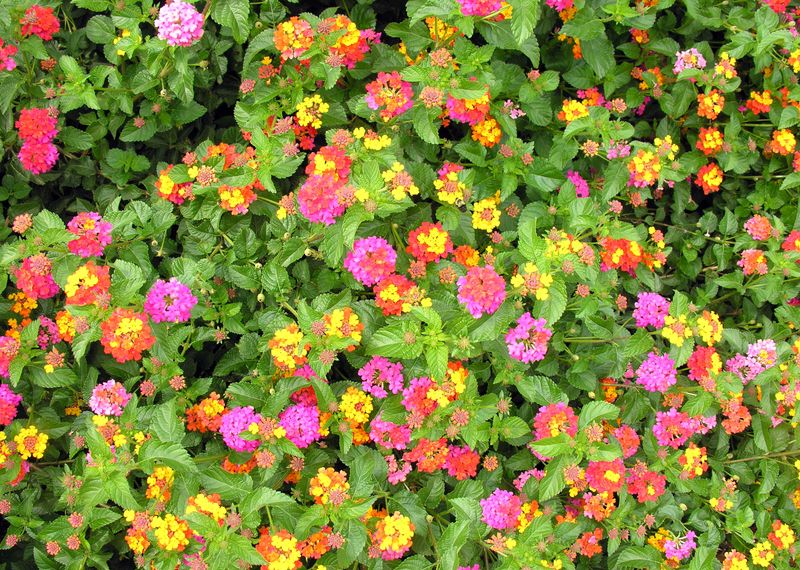
Not every plant labeled lantana at the garden center will behave the same way come February. Upright common lantana (Lantana camara), cold-hardy named cultivars, and trailing lantana (Lantana montevidensis) are distinct plants with different cold tolerances, and applying the same pruning plan to all three is a mistake that can cost you a plant or a season of blooms.
‘Miss Huff’ is one of the most reliably cold-hardy lantana cultivars available to North Carolina gardeners, rated for Zone 7b and known for surviving winters across much of the Piedmont. ‘Ham and Eggs’ is another cultivar that tends to handle cold better than common types. These are the plants for which late-winter renewal pruning is most applicable, because they are genuinely expected to return each spring.
Common lantana without a named cultivar is more variable. In the warmer Coastal Plain, it may behave as a perennial; in the Piedmont and mountains, it often acts as an annual or marginal perennial depending on how harsh the winter turns out to be.
NC State’s profile for Lantana camara describes it as annual or perennial depending on cultivar and conditions, which means you need to know what you have before committing to a overwintering strategy.
Trailing lantana is a separate species entirely. NC State describes trailing lantana as frost-tender, with different growth characteristics and landscape uses from upright types.
Treating it like a hardy perennial cultivar and expecting it to return after a Zone 7 winter is likely to end in disappointment. If you are unsure which type you have, check the plant tag, ask your local cooperative extension office, or compare your plant’s growth habit and flower color to published descriptions before deciding on a pruning and overwintering plan.
Check light, water, and fertilizer before blaming old stems
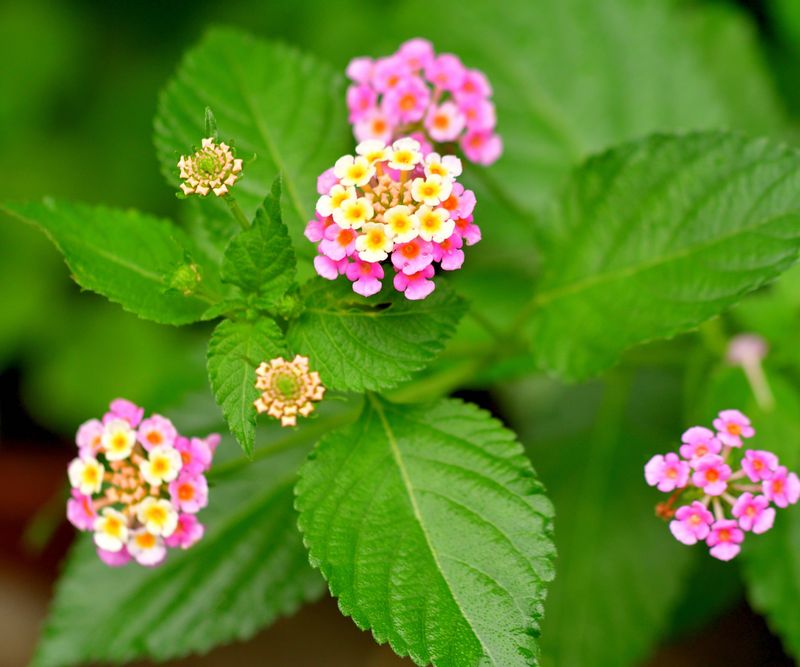
When a lantana is not blooming the way it should, the instinct is often to reach for pruning shears. Before making any cut, spend a few minutes checking the plant’s growing conditions, because light, water, and fertilizer problems can cause poor flowering independently of how woody the stems have become.
Lantana is a full-sun plant, and that requirement is firm. NC State’s plant profile confirms that lantana performs best with full sun exposure.
A plant sitting in part shade or under the shadow of a growing tree will produce fewer flowers regardless of how well it has been pruned. If the light situation in your yard has changed since the plant was installed, that shift may explain declining performance better than stem age does.
Water matters too, but excess fertilizer can quietly work against you. Clemson Extension states that prolonged dryness reduces lantana’s performance, bloom, and growth rate, while excessive fertilizer can reduce flowering and increase susceptibility to disease.
Lantana is not a heavy feeder, and pushing it with nitrogen-rich fertilizer tends to produce lush green growth at the expense of flowers. If you have been fertilizing generously, dialing back may do more for bloom production than any pruning intervention.
Deadheading is worth mentioning here as its own separate tool. NC State Extension recommends removing spent lantana blossoms before they set berries, which can redirect the plant’s energy toward producing more flowers.
That practice supports bloom maintenance during the season but does not address woody stems or undo the effects of poor light or over-fertilization. Diagnose the actual problem before deciding which tool to use.
Treat frost-killed growth differently from healthy fall growth
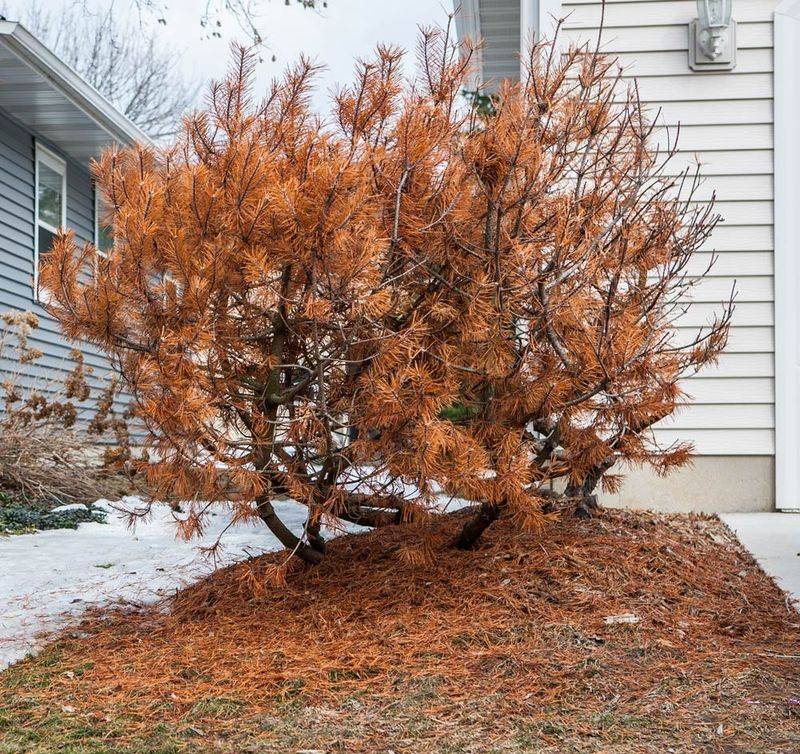
Fall pruning advice for lantana is not uniform across North Carolina extension resources, and that inconsistency can leave gardeners unsure what to do when temperatures start dropping. The key distinction is the condition of the plant: healthy green lantana in early fall is a completely different situation from brown, frost-killed top growth after a hard freeze has already done its damage.
Hard-pruning a healthy, actively growing lantana in September or October carries real risk for a plant you expect to overwinter. Clemson Extension warns that hard fall pruning can reduce cold hardiness, and that warning applies directly to perennial lantana in the North Carolina Piedmont and mountain regions.
Alamance County Extension guidance supports leaving perennial lantana alone in fall to protect overwintering stems.
Once a killing frost has browned the top growth, the calculus changes. University of Arkansas Extension notes that frost-killed material can be removed after the plant has been killed back, which is a different operation from deliberately cutting healthy growth in early fall.
Sampson County Extension mentions that finished perennials may be cut back after blooming, but the conservative approach for a plant you want to return is to leave hardened stems in place through winter and wait for late winter or early spring to make the renewal cut.
Annual lantana varieties and frost-tender trailing types require a separate judgment call. Trailing lantana, being frost-tender, is unlikely to survive a North Carolina winter outdoors regardless of pruning choices, so fall cleanup is a practical option rather than a risk.
Know your plant type before deciding whether to cut, wait, or simply compost.
Match the pruning job to the plant and protect people and wildlife
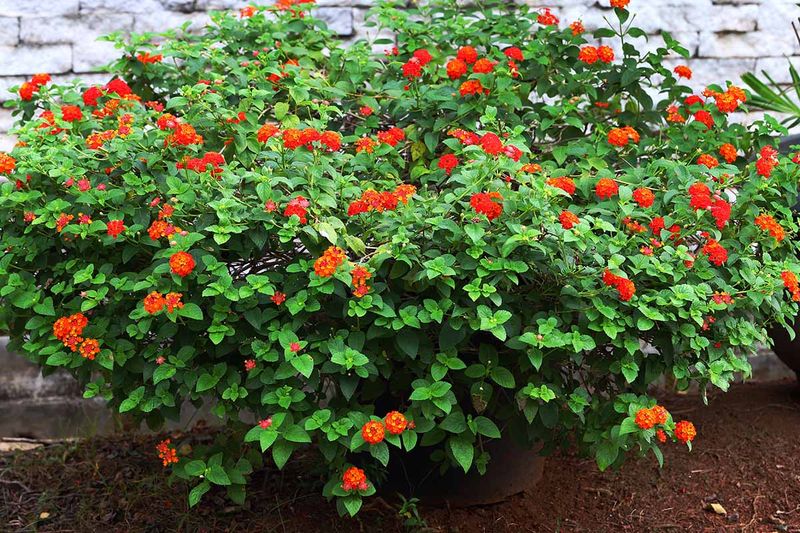
Putting the whole picture together, the pruning plan for lantana depends on what type of plant you have, what time of year it is, and what you are trying to accomplish. Lightly tip-prune or shear during active growth when the plant has outgrown its space or needs encouragement to rebloom.
Reserve the major 6-to-12-inch renewal cut for an established perennial in late winter or early spring, after the worst cold has passed. Handle annual, trailing, and frost-killed plants separately, since the overwintering logic does not apply to them.
Before diagnosing any bloom problem as a pruning issue, check sunlight, moisture, and fertilizer first. Clemson Extension’s lantana guidance and NC State’s plant profile both point to growing conditions as key drivers of flowering, and those factors can explain weak performance even in a well-pruned plant.
On the stewardship side, lantana attracts bees, butterflies, and hummingbirds, but it is not a native North Carolina plant. Some forms can become weedy or invasive in warmer regions, and Craven County Extension recommends considering sterile cultivars to reduce seed-spread concerns as North Carolina’s climate warms.
Sterile cultivars do not remove the toxicity risk: the ASPCA lists lantana as toxic to dogs, cats, and horses, and the berries and foliage are also harmful to children and livestock. Wear gloves and long sleeves every time you handle the plant.
A lantana that is well-matched to its site, correctly pruned at the right season, and chosen with cultivar in mind will reward you with months of color, but it asks for a little informed respect in return.