
The One Thing North Carolina Collards Need After A Heavy September Rain Or The Leaves Turn Bitter And Tough
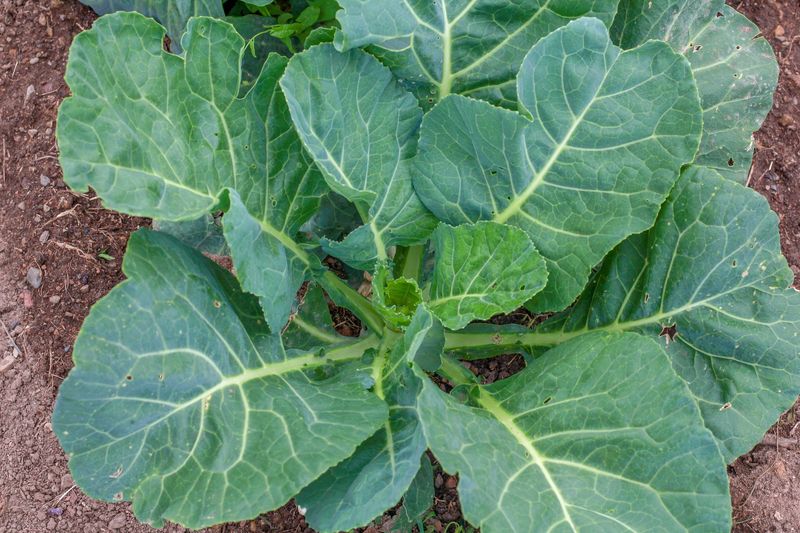
After a hard September rain, a lot of North Carolina gardeners head out to their collard beds worried the storm has ruined the crop. The concern is understandable, but the idea that heavy rain itself makes collard leaves bitter or tough is not really supported by the evidence.
What actually matters most is what you do in the hours and days after the water clears. Getting the sequence right protects your plants and keeps the harvest worth eating.
Heavy rain is not the usual cause of bitter, tough collards
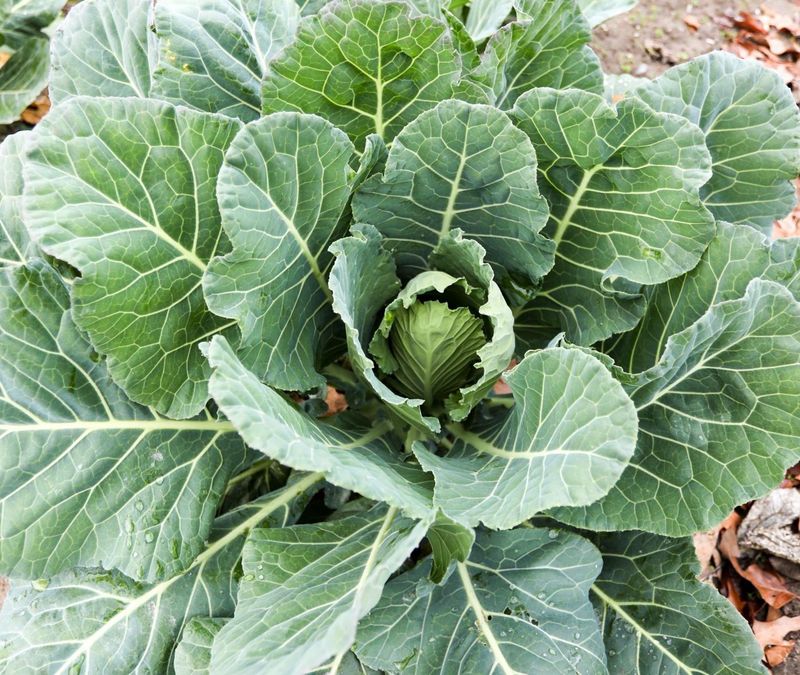
Collards have a reputation for toughening up when something goes wrong in the garden, and a heavy September storm is an easy thing to blame. But NC State Extension’s collard guidance points to overmaturity, heat stress, and bolting as the main reasons leaves become bitter or tough, not rainfall by itself.
A storm can set off a chain of problems, but the rain is rarely the direct culprit.
Collards are cool-season crops that perform best in the moderate temperatures of fall and early spring across North Carolina. When September still carries summer heat, young plants can struggle whether or not it rains.
NC State’s vegetable gardening handbook specifically notes that heavy, dark-green, oversized leaves are more likely to be tough and bitter, and that condition comes from letting leaves stay on the plant too long, not from a wet week.
A heavy storm can change moisture levels, push nutrients through the soil, saturate the root zone, or create conditions that invite disease. Each of those is a real concern worth addressing.
None of them, though, means that one emergency treatment after the rain will keep your collards sweet and tender for the rest of the season.
NC State’s plant toolbox for collards reinforces that flavor actually improves in cold conditions and after frost, so September’s bigger threat is often lingering heat rather than the storm itself. The practical sequence after heavy rain is straightforward: inspect the bed and drainage first, protect roots by keeping off saturated soil, and harvest at the right stage.
That routine does more for leaf quality than any single post-storm application.
Inspect drainage before you work the bed
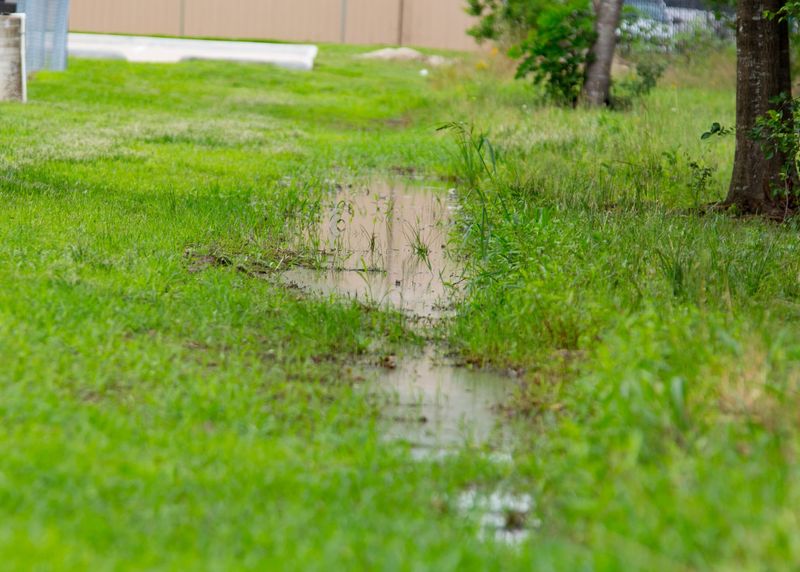
Right after a hard rain, the most useful thing you can do is walk around the outside of the bed and look, not grab a trowel or a bag of fertilizer. Check whether standing water is still sitting in the bed or running off in a direction that could carry soil or nutrients away.
Look for areas where the ground has washed or compacted, and note which spots drain first and which stay wet longest.
Vegetable production guidance on flooding and waterlogged soils is clear on one point: waterlogged soil loses oxygen quickly, and roots deprived of oxygen can suffer damage within hours to days depending on temperature and how long the saturation lasts. That damage does not show up immediately, so the plants may look fine while the root system is already under stress.
Walking on or working saturated soil makes the situation worse. Foot traffic on wet beds compacts the soil structure, reduces the pore space that allows water to drain and air to return, and can take weeks or months to correct.
NC State’s floodwater guidance reinforces that keeping equipment and foot traffic off saturated beds is a basic protective step, not an optional precaution.
The restriction on soil work does not mean you have to stay away from the plants entirely. NC State’s vegetable handbook supports harvesting tender outer leaves from mature plants as part of normal management.
You can reach carefully from the edge of the bed or step on a board to distribute your weight, inspect the foliage for contamination or damage, and selectively pick suitable leaves without ever working the soil itself. Just wait until the foliage is reasonably dry before you handle the leaves.
Leached nitrogen and waterlogged roots need different responses
Heavy rain can affect your collard bed in two distinct ways, and treating them as the same problem leads to the wrong fix. The first scenario involves nitrate moving downward through the soil profile or leaving in runoff.
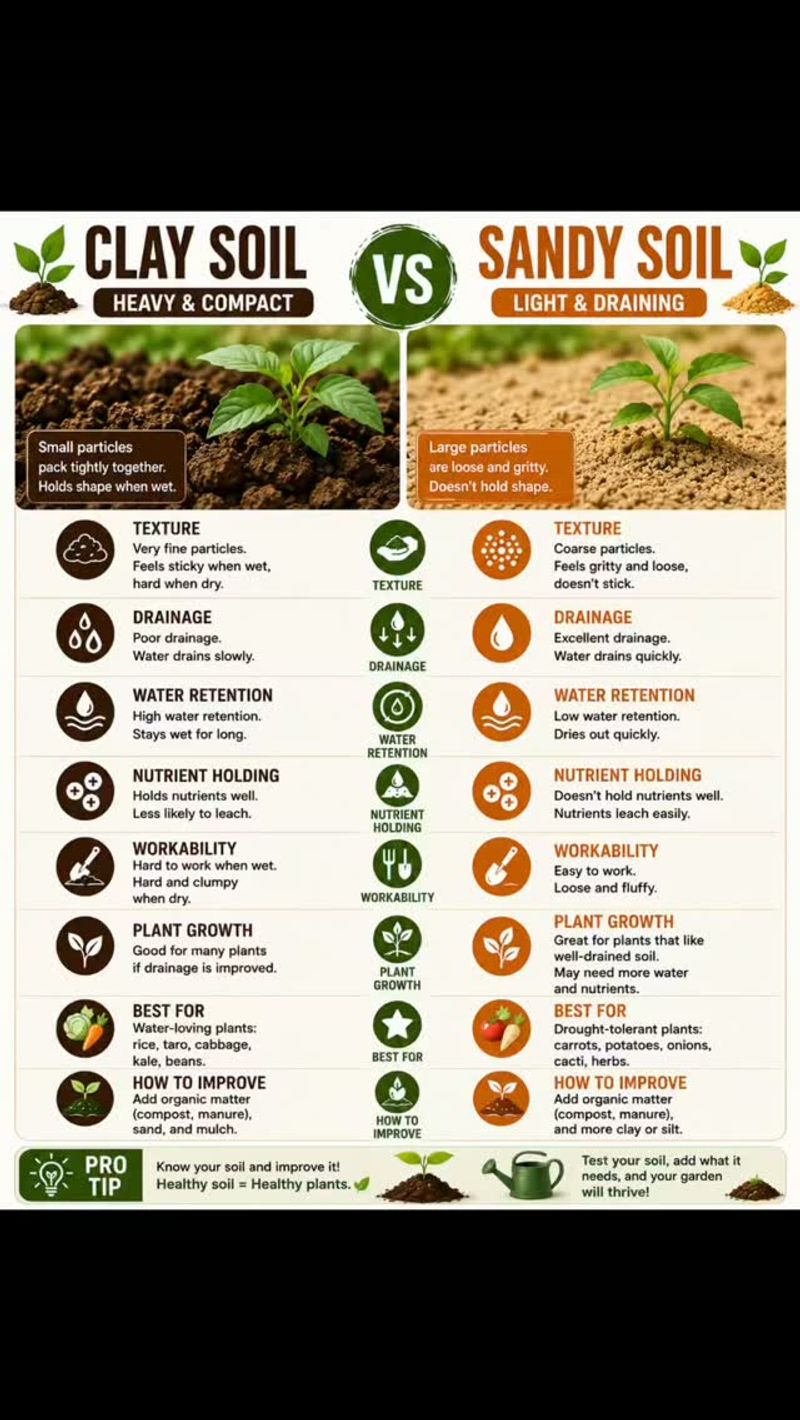
This is more likely in sandy, well-drained soils common to parts of North Carolina’s Coastal Plain, especially when a recent fertilizer application left nitrate sitting near the surface before the storm hit.
Penn State Extension’s analysis of nitrogen losses from extreme summer rainfall explains that leaching risk depends on the form of nitrogen applied, how much was present, how quickly the rain moved through the soil, and whether runoff carried surface-applied material away. Sandy soils with low organic matter and a recent surface application are at higher risk.
Clay soils with slow infiltration may lose less nitrogen to leaching but face a different problem entirely.
The second scenario is oxygen loss in saturated or compacted soil. When water fills all the pore space and stays there, roots cannot take up nutrients or water effectively regardless of what is in the soil.
Virginia Cooperative Extension’s guidance on nitrogen and sulfur leaching notes that denitrification, where bacteria convert nitrate to gas under anaerobic conditions, can also remove nitrogen from saturated soils. That is a separate process from simple leaching, and it means adding more fertilizer to a still-wet bed does not solve the underlying problem.
NC State’s water quality guide for gardeners makes the practical point that fertilizer decisions should account for soil type, drainage, rainfall, and prior applications rather than a blanket rule. No single rainfall threshold reliably tells a backyard North Carolina grower whether their collards lost meaningful nitrogen.
The correct first step is to let the bed drain, assess plant condition, and then decide whether the normal fertility schedule still applies.
Resume the fertility plan instead of adding emergency nitrogen
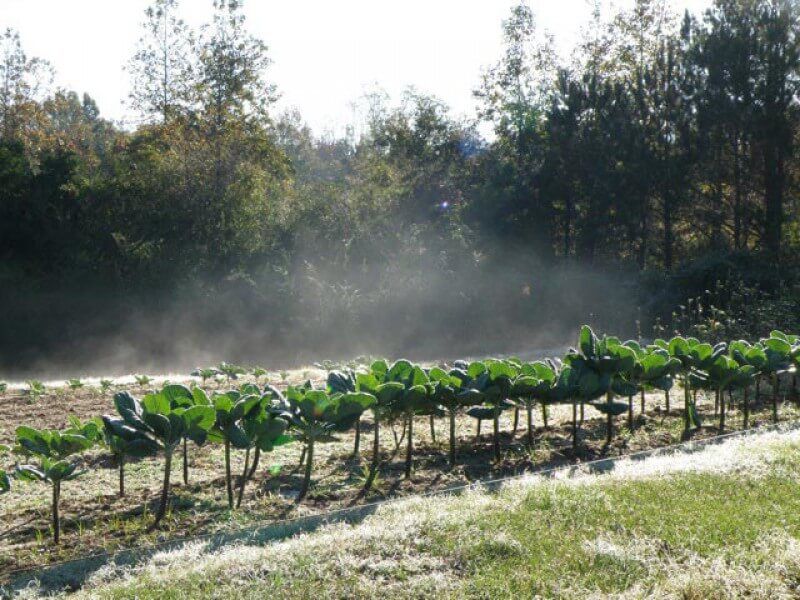
Collards are genuinely nitrogen-hungry plants. Vigorous leaf growth, good color, and tender texture all depend on consistent fertility throughout the season.
That need is real, but it does not translate into an automatic fertilizer application every time it rains hard.
NC State’s collard greens publication recommends fertilizing based on a soil test and then sidedressing three to five weeks after emergence or two to three weeks after transplanting. NC State Pamlico County Extension’s fall collard guide adds a second sidedress two to three weeks after the first.
Those are scheduled applications tied to plant development, not weather events.
Clemson Cooperative Extension’s collard factsheet gives a practical home-garden example: sidedress with calcium nitrate three to four weeks after planting and repeat three to four weeks later, placing the fertilizer several inches away from the plants to reduce the chance of root injury. That placement recommendation matters especially after a storm, when roots may already be stressed and more vulnerable to direct contact with concentrated nutrients.
After the bed drains and becomes workable, review where you are in that schedule. If a sidedress application was due or overdue before the storm, and the soil is now dry enough to work, it may be appropriate to apply it.
If you applied fertilizer within the week before the rain, consider whether the timing and soil type suggest meaningful loss before deciding to reapply. Visible yellowing of lower leaves, slow new growth, or pale color can be clues, but those symptoms take time to appear and can also reflect root stress from saturation rather than a simple nutrient shortage.
Never apply quick-release fertilizer to soil that is still wet or to foliage that has not dried. NC State’s fertilizer guidance warns that nitrogen applied to wet foliage can burn leaves, and that heavy rain following a surface application increases nitrogen loss.
NC State’s water quality guide adds that fertilizer applied before or during rain can move into stormwater runoff, causing environmental harm without benefiting the crop.
Harvest young leaves promptly to help preserve tenderness
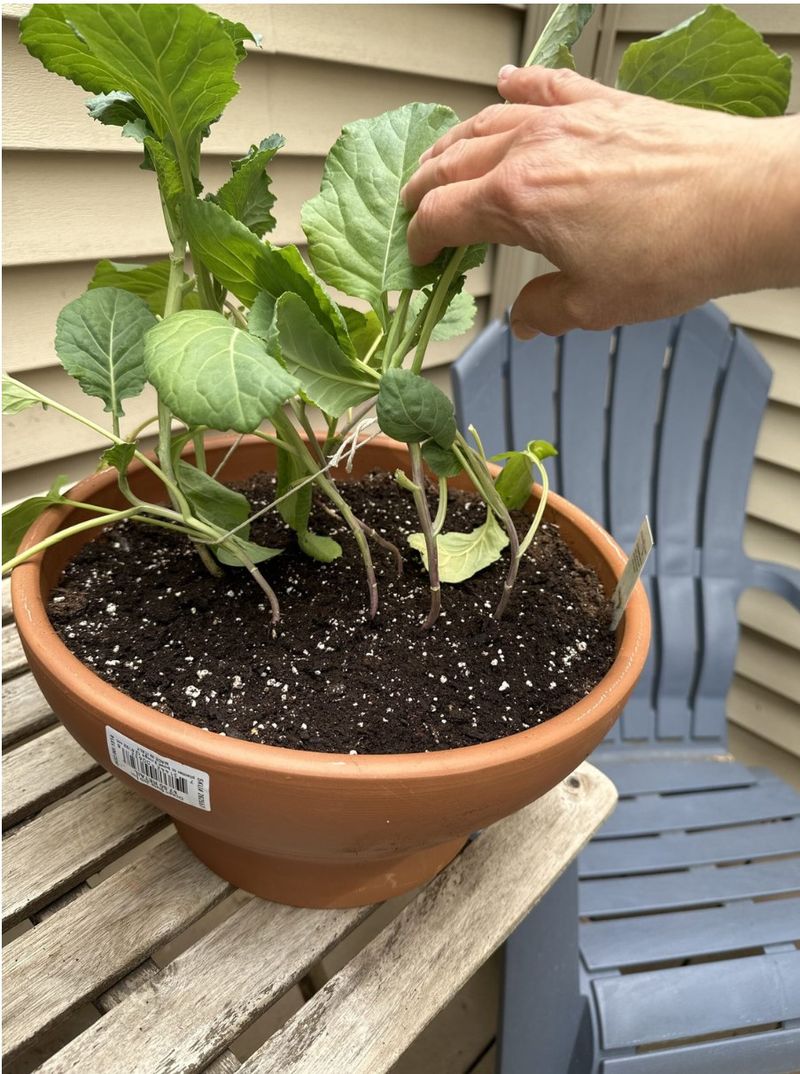
Once you can approach the bed without compacting wet soil, the most direct thing you can do for eating quality is harvest. Younger, smaller outer or lower leaves are consistently more tender and milder in flavor than older, larger ones.
Letting suitable leaves stay on the plant past their peak is one of the most reliable ways to end up with tough, bitter greens, regardless of what the weather did last week.
NC State’s collard greens publication confirms that tender leaves can be harvested from full-grown plants, and Virginia Cooperative Extension’s leafy green vegetable guide notes that new leaves remain suitable for harvest until they become tough or develop a strong flavor. The key is not to wait for the whole plant to reach some ideal state, but to pick the leaves that are ready now and leave the growing point intact so the plant keeps producing.
NC State’s vegetable gardening handbook is specific: heavy, dark-green, oversized leaves are more likely to be tough and bitter. After a storm, those older leaves are already past their best window.
Focus the harvest on the younger growth further up the stem and leave the oversized ones if you plan to cook them low and slow, or remove them if they are damaged.
NC State’s plant toolbox recommends picking before leaves reach full size as a general practice for maintaining quality. Harvest timing is one of the more dependable safeguards available to a backyard grower, but it works alongside other factors.
Cultivar choice, September heat, inconsistent moisture, and whether the plant is beginning to bolt all affect tenderness too, and no amount of careful harvesting fully compensates for a plant under serious stress.
Watch for heat, bolting, and disease after the storm
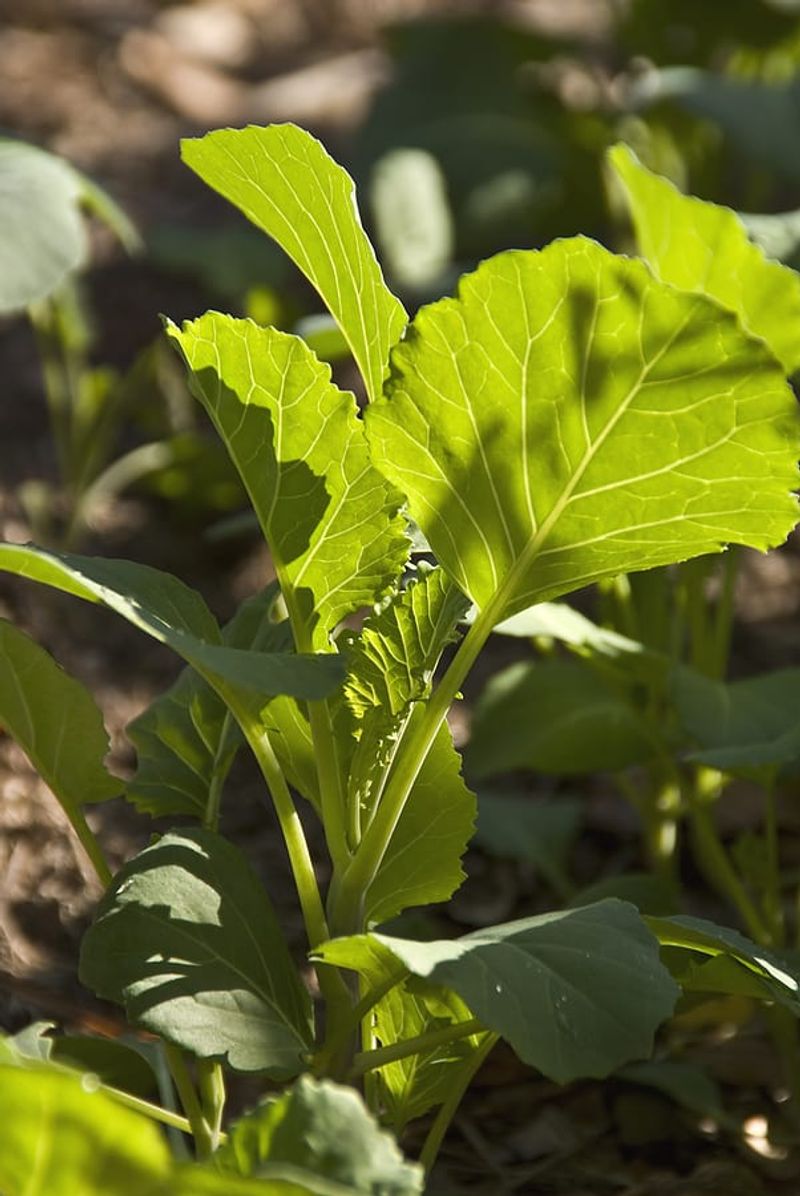
September in North Carolina can stay warm well past what collards prefer, and a heavy rain does not change that. After the storm passes, monitor daytime temperatures and watch how the plants respond.
Continued heat after a wet period can stress plants in ways that affect leaf quality more directly than the rain itself did.
Bolting is one of the clearest quality threats to watch for. When a collard plant shifts energy toward producing a flower stalk, leaf texture and flavor both change.
NC State’s collard plant toolbox recommends choosing slow-bolting varieties, harvesting before leaves reach full size, and picking before flowers develop. Those practices reduce the risk, but they need to be applied consistently before a problem develops, not after.
If a flower stalk has already appeared, removing it may give you a few more harvests from the plant. Extension guidance on bolted collards is clear that cutting the stalk does not restore the original tenderness of leaves that have already become overmature or tough.
Younger leaves from the same plant or a fresh planting are a more dependable path to quality greens at that point.
Disease is a separate post-storm concern. NC State’s collard greens resource lists several fungal and bacterial diseases that can affect the crop, and persistently damp foliage after rain creates conditions where those problems spread more easily.
NC Extension Gardener’s information on Cercospora leaf spot notes this fungal disease as a concern for leafy greens in North Carolina, particularly when leaves stay wet. The 2026 Southeastern U.S.
Vegetable Crop Handbook confirms that disease management in collards requires attention to foliage moisture and air circulation. Keep the bed as well-aerated as practical, remove badly damaged leaves, and avoid handling or harvesting plants while the foliage is still wet when you can help it.
Floodwater changes the issue from tenderness to food safety
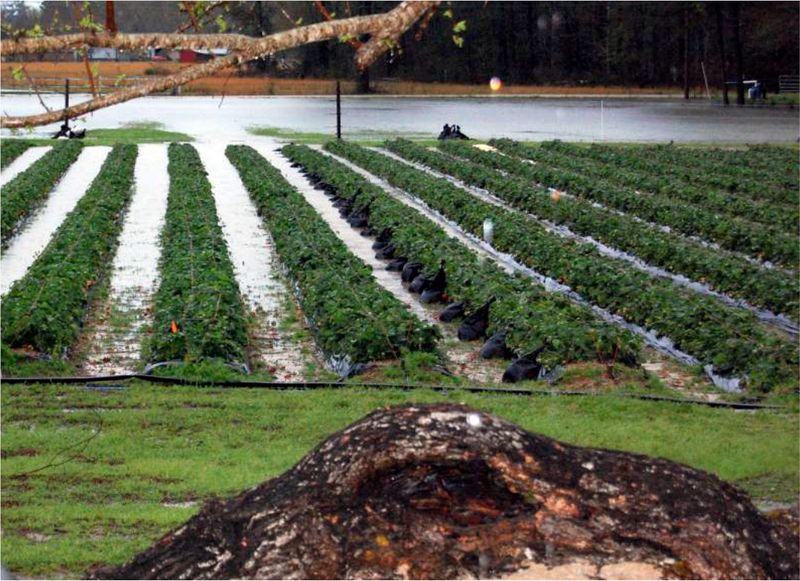
There is an important line between ordinary heavy rain falling directly on a clean garden and floodwater or stormwater that has picked up contamination along the way. Rain that falls straight from the sky onto your collard bed is not the same thing as water that has traveled across a road, through a ditch, past a livestock area, or through a neighborhood drainage system before reaching your yard.
If stormwater or floodwater contacted your collard plants, especially the edible leaves, the concern shifts from tenderness to safety. NC State’s guide on managing floodwater impacts on vegetable gardens addresses this directly: produce that has been contacted by floodwater or stormwater that may have carried sewage, livestock waste, or contaminated runoff should not be eaten.
The guidance does not make an exception for thorough washing.
CDC guidance on keeping food safe after emergencies is consistent on this point. Discard food that has contacted floodwater or stormwater.
CDC food-safety information on E. coli and leafy greens reinforces that pathogens can penetrate leaf surfaces and are not reliably removed by rinsing. Do not use bleach, disinfectant, or any improvised produce treatment on flood-exposed collards in hopes of making them safe to eat.
For collards that only experienced clean rainfall, normal post-harvest washing with clean, safe water is the appropriate step before eating. Keep the two situations clearly separate in your mind: clean rain requires normal care, while floodwater contact requires discarding the affected produce.
Use a modest post-storm routine
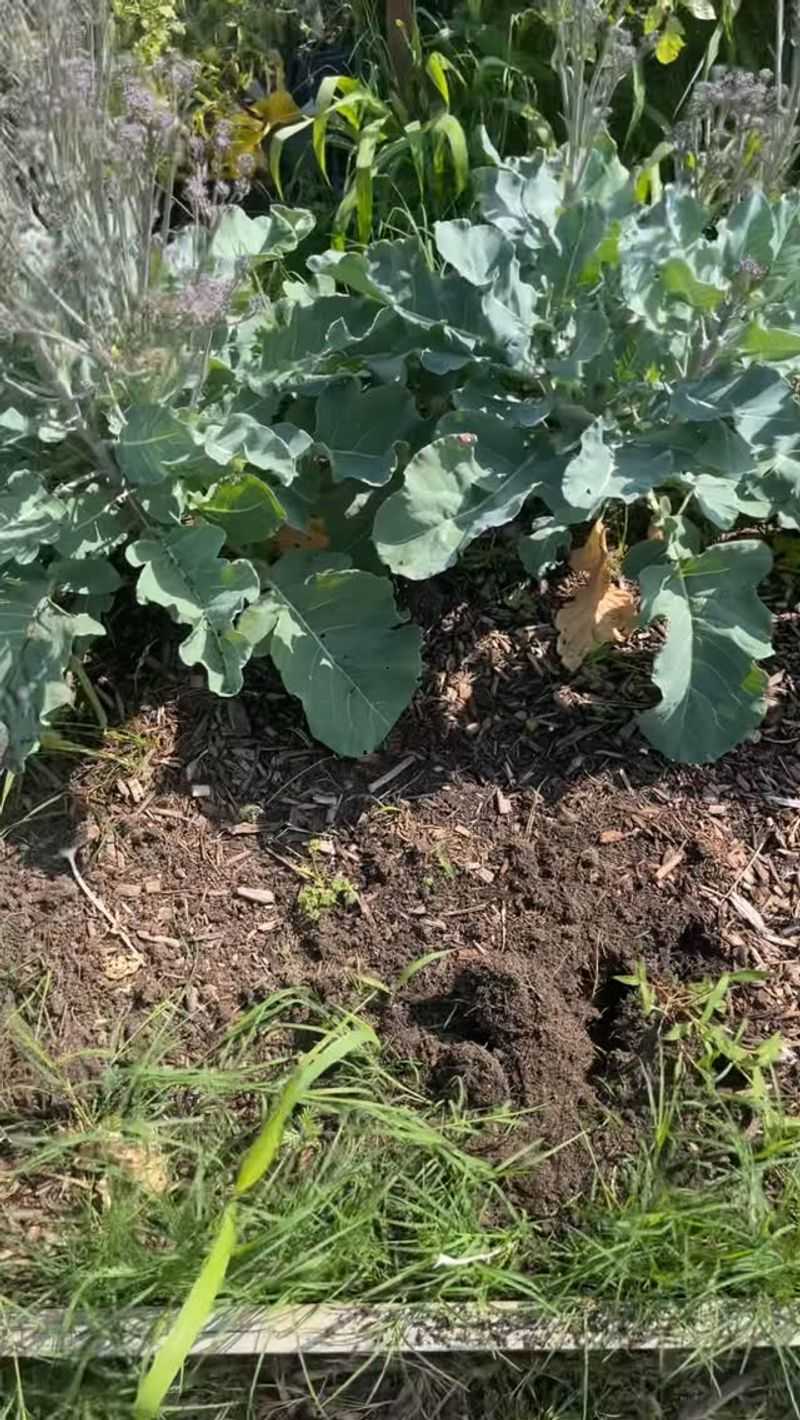
Pulling together everything above into a workable order makes the post-storm decision simple. Start at the edge of the bed and look: check for standing water, runoff paths, and signs of contamination from stormwater.
Keep foot traffic and tools off the bed until the soil is no longer saturated and the surface holds your weight without sinking.
Separately from the soil work, you can inspect foliage and selectively harvest suitable young outer leaves once they are reasonably dry. Virginia Cooperative Extension’s leafy green guidance and NC State’s collard greens publication both support harvesting tender leaves from mature plants as part of regular management.
Harvest from the edge or use a board to avoid compacting wet soil, and focus on younger leaves while leaving the growing point intact.
Once the bed is workable, return to the normal fertility schedule. NC State’s water quality guide and NC State’s vegetable handbook both support basing fertilizer decisions on soil-test results, scheduled timing, and observed plant growth rather than automatic replacement after rain.
If a sidedress was already due and conditions support it, apply it carefully. If not, wait for a clear signal before adding anything.
This routine does not guarantee sweet collards all season, because weather, cultivar, and plant maturity all play a role. What it does is remove the avoidable mistakes that compound storm stress into a genuinely poor harvest.
The best collard seasons are built on consistent care, not emergency fixes.