
If One Flowering Tree Could Transform Your Yard, Here Are 12 Bloomers That Earn Their Spot Long After Spring
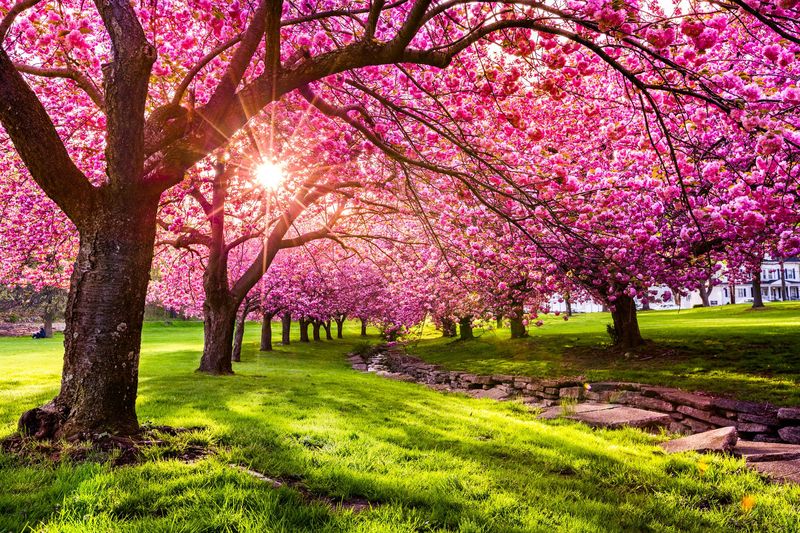
Most flowering trees put on one big spring show and then fade into plain green for the rest of the year. The good news is that some trees keep the color coming through summer and even into fall, giving your yard something to brag about long after the tulips are gone.
Below are 12 bloomers that pull their weight all season, along with the simple fixes that keep them flowering. If you have ever worried you were doing something wrong, these easy tips will set your mind at ease.
1. Desert Willow (Chilopsis linearis)
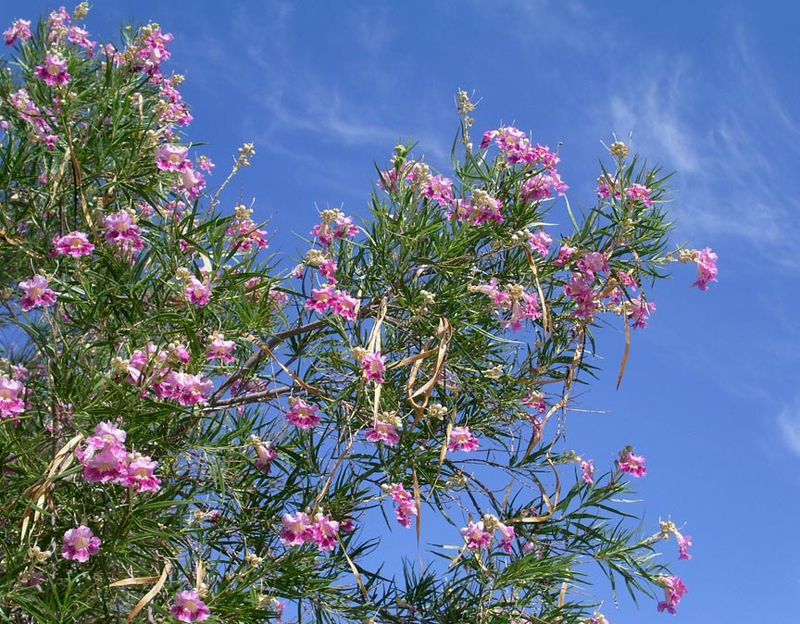
Picture a tree that shrugs off blistering heat and still tosses out fragrant, trumpet-shaped flowers from May all the way to September. That is the Desert Willow, a Southwest native in shades of pink, purple, burgundy, and white that hummingbirds and butterflies can’t resist.
Full sun is non-negotiable, so give it at least six hours a day and plant it in well-drained, even nutrient-poor, sandy or rocky soil. Its biggest enemy is soggy feet, which lead to root rot, so water deeply during the first year and then back way off.
Once established, it wants a deep soak only every three to four weeks in extreme heat.
If your Desert Willow refuses to bloom, the culprit is often too much fertilizer, which pushes soft leafy growth at the expense of flowers. Prune lower branches and suckers in late winter while it is dormant, since it blooms on new wood.
2. Kousa Dogwood (Cornus kousa)
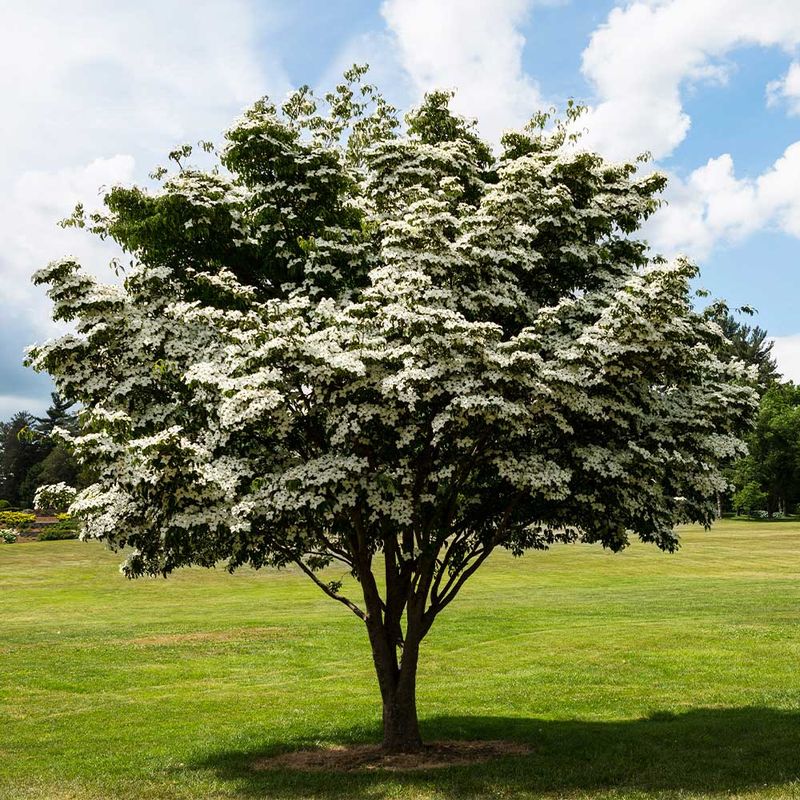
Just when the native dogwoods have called it quits, the Kousa steps in and keeps the party going from late spring into early summer. Its star-like white bracts can hang on well into July, and later it rewards you with raspberry-like red fruit and crimson-purple fall leaves.
Bright light matters here. Plant it in full sun or very bright conditions, because too much shade gives you a leafy tree with hardly any flowers.
It likes moist, fertile, well-drained, acidic soil.
Not blooming? A common slip-up is feeding it a high-nitrogen lawn fertilizer.
Switch to a higher-potassium bloom or tomato-type feed as it begins to flower. Keep watering steady during budding, since drought-then-flood swings can cause buds to drop right off.
Deadheading spent flowers can nudge out even more.
3. Southern Magnolia (Magnolia grandiflora)
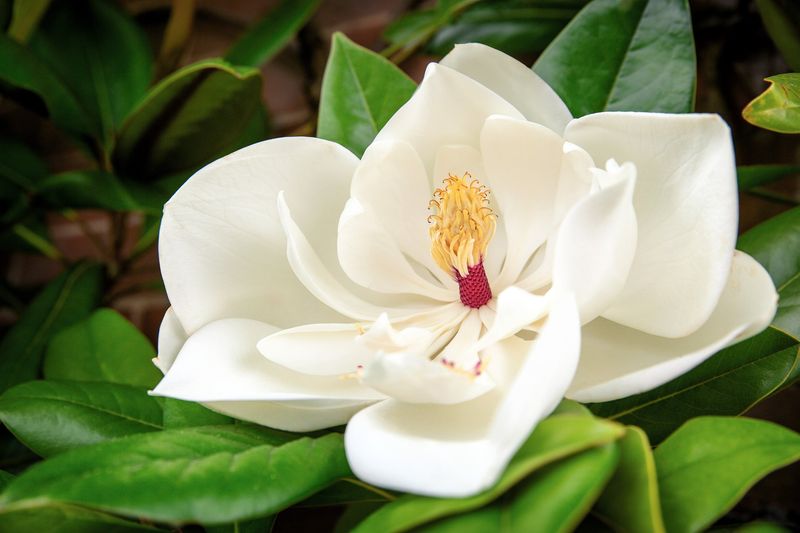
Few trees say Southern charm quite like the Magnolia grandiflora, with dinner-plate-sized creamy-white flowers that perfume the whole yard. It blooms from late spring into early summer and keeps repeating the performance through the season, sometimes into early fall, all while wearing glossy evergreen leaves.
Give it full sun to partial shade, knowing that more sun usually means more blossoms. It thrives in moist, rich, well-drained, slightly acidic soil, and young trees appreciate a deep weekly soak while they settle in.
If yours seems stingy with flowers, patience may be the answer, since young magnolias can take several years before they bloom reliably. Make sure it gets enough sun, too.
Prune lightly after flowering to tidy deadwood, but skip heavy cuts that ruin its graceful shape.
4. Crape Myrtle (Lagerstroemia)
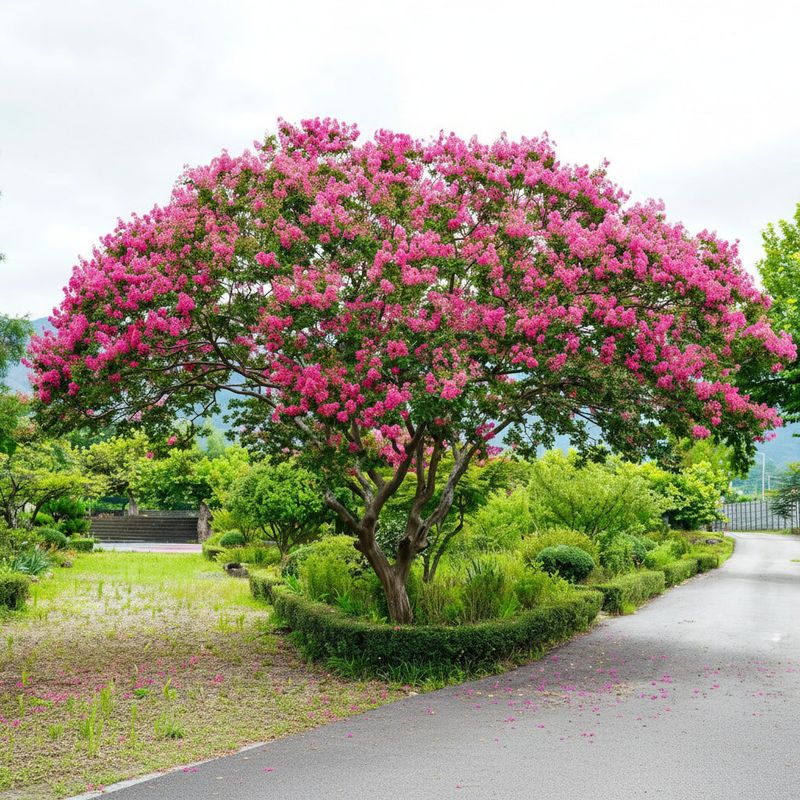
If you want reliable summer color that lasts for months, the Crape Myrtle is hard to beat. From May clear through September it churns out ruffled clusters of pink, red, white, or lavender, then hands you peeling bark and colorful leaves for the off-season.
Sun is the magic ingredient. Six or more hours of direct light daily keeps the flowers coming, while a shady spot gives you few blooms or none at all.
Water it consistently through summer, because a drought-stressed tree simply won’t put on its show.
Whatever you do, resist the urge to commit crape murder, that harsh topping so many people inflict on these trees. It is unnecessary and only delays flowering.
Prune lightly in late winter before new growth begins, and snip spent blooms in summer to coax a second round.
5. Vitex / Chaste Tree (Vitex agnus-castus)
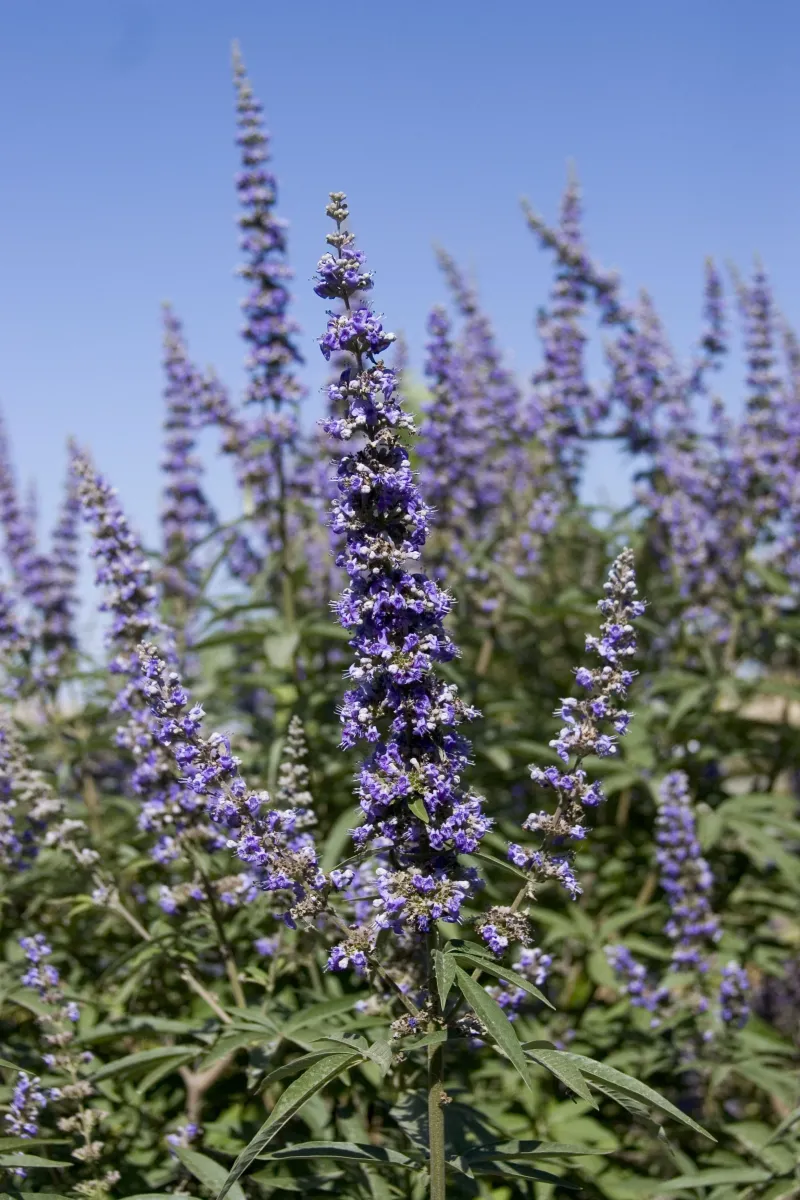
Butterflies practically line up for the Chaste Tree, drawn to its spires of lavender-blue, purple, pink, or white blooms. Flowering runs from late spring through summer, and with a little help it often throws a second flush in late summer or early fall right up to frost.
Plant it where the sun blazes, because partial shade leads to fewer flowers and a leggy, awkward habit. It wants loose, well-drained soil kept slightly on the dry side, and it laughs off drought once its roots are set.
Watch out for wet feet, which invite root rot, so drainage is your friend. Snip off spent flower spikes to encourage that welcome rebloom, and prune in late winter before new growth appears to shape the tree and clear out dead wood.
6. Japanese Tree Lilac (Syringa reticulata)
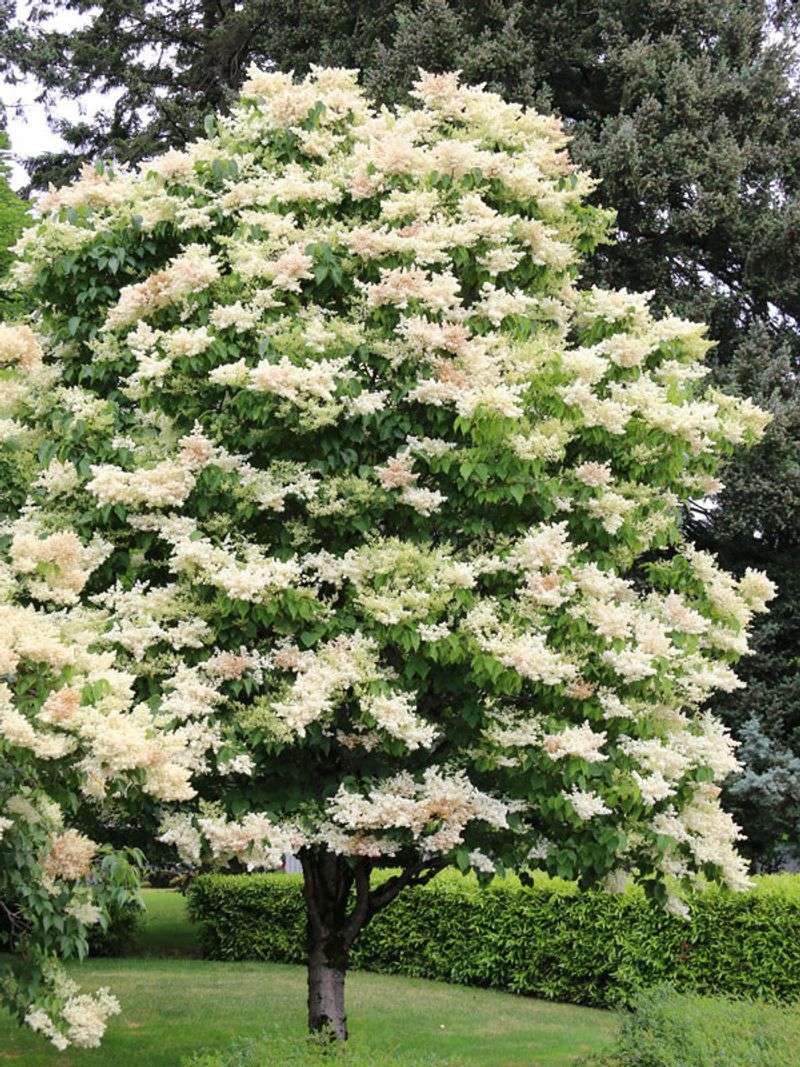
Lilac lovers who mourn the quick spring finish will adore this one, because the Japanese Tree Lilac waits until June to unfurl huge, creamy-white, fragrant panicles. It even tosses in handsome reddish-brown bark for winter appeal.
Give it full sun, ideally six to eight hours a day, since light shade cuts flowering way down. Happily, it tolerates almost any soil, shrugs off road salt, and handles tough urban conditions like a champ.
Timing your pruning is everything here. Cut immediately after flowering in mid to late summer, because the tree sets next year’s buds soon afterward, and a late trim removes them.
Skip high-nitrogen fertilizers that stall blooming, and water it well through its first year before easing back to dry-spell watering.
7. Sourwood (Oxydendrum arboreum)
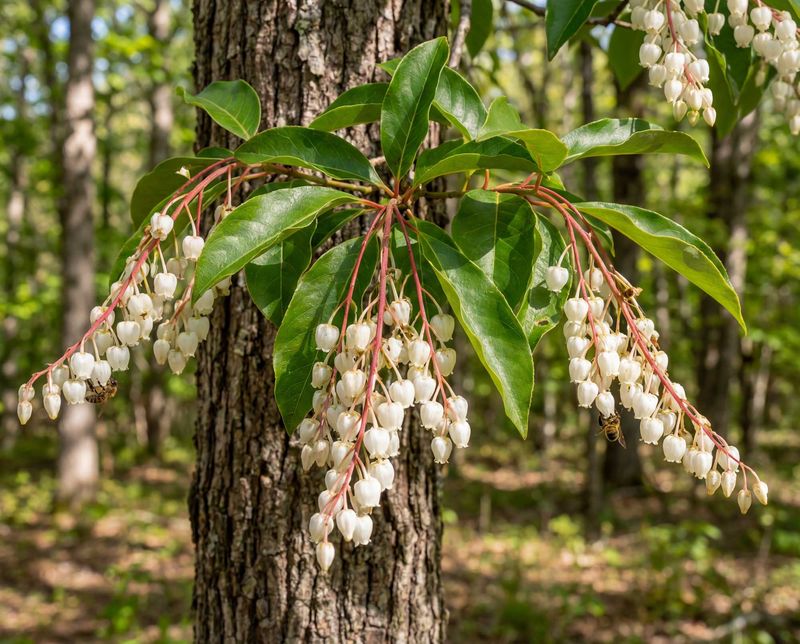
Bees make some of their finest honey from this native beauty, and midsummer is when the Sourwood shines. Delicate, fragrant white flowers dangle in drooping clusters from July into August, followed by fiery red fall leaves and seed pods that linger into winter.
It craves full sun and acidic, moist, organically rich, well-drained soil. Part shade is tolerated, but you will trade away flowers and that dazzling fall color for it.
Here is the catch: Sourwood really dislikes drought and city pollution. Water it generously all through the growing season, especially while young, and don’t neglect it during dry spells even after it matures.
If it looks unhappy, check your soil pH and moisture first, since those two factors decide whether this tree thrives or sulks.
8. Smoke Tree (Cotinus spp.)
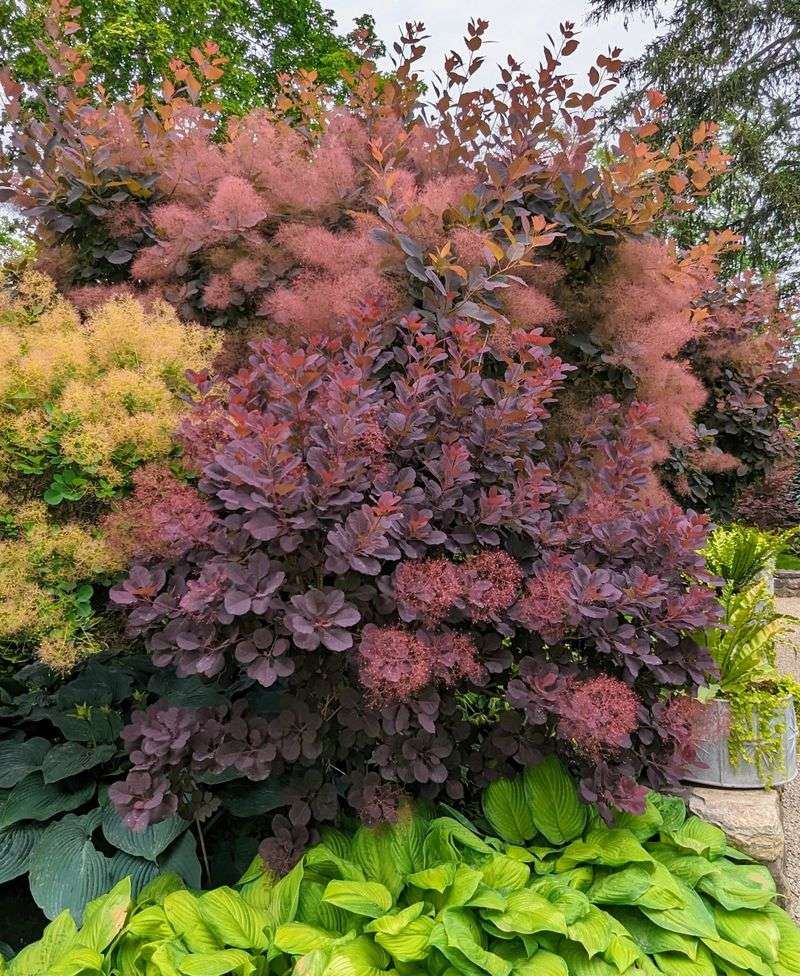
The name is no exaggeration. Come late spring, the Smoke Tree erupts in wispy, hazy flower clusters that look exactly like puffs of smoke drifting over the branches, and the effect can linger through summer into early fall.
Many varieties add drama with purple, gold, or green foliage that turns brilliant red or orange in autumn, so it earns its keep in every season. Full sun brings out the best color and the most flowers, and it needs well-drained soil since it hates standing water.
If the smoke show fizzles, look at your pruning habits. It blooms on last year’s growth, so hold off on major cuts until after summer flowering.
Light shaping to remove dead or crowded branches is fine in late winter or early spring.
9. Hardy Hibiscus (Hibiscus moscheutos, Tree Form)
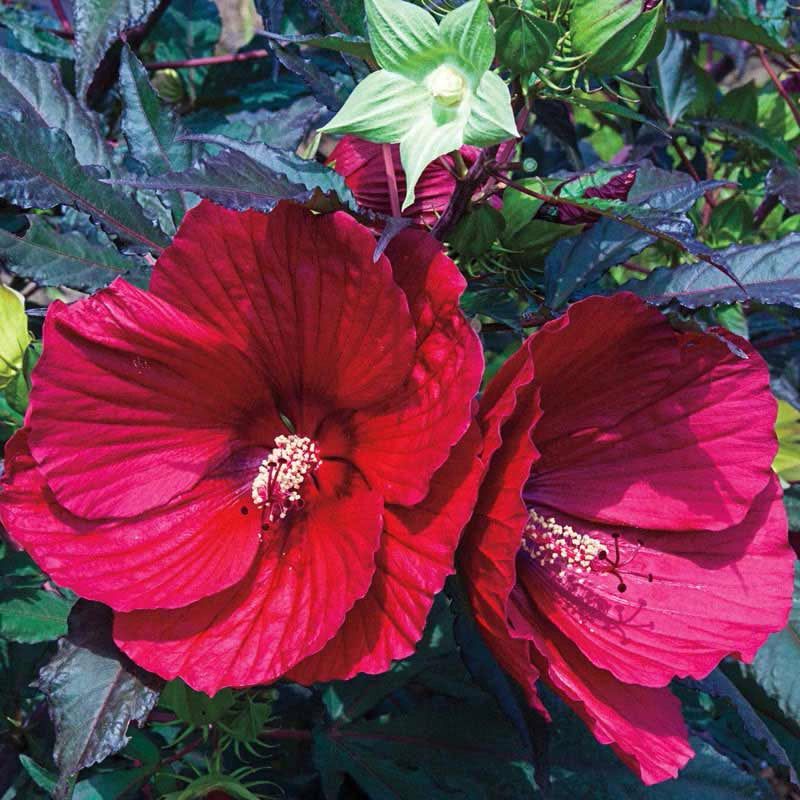
Want flowers the size of dinner plates? Trained into a tree form, the Hardy Hibiscus delivers giant, hollyhock-like blooms in pink, red, purple, blue, or white from midsummer until the first frost.
Each flower lasts only a day or two, but fresh buds keep opening in a nonstop parade.
Full sun, at least six hours daily, fuels all those blossoms. Unusually, it welcomes consistently moist and even boggy soil, so this is one plant that won’t mind a damp corner of the yard.
Spring drought, though, can slow its growth.
Don’t panic if it seems dead in spring, because it is famously one of the last perennials to wake up. Trim all stems to about six inches once new growth appears, and feed it a bloom-boosting fertilizer through the season.
10. Golden Rain Tree (Koelreuteria paniculata)
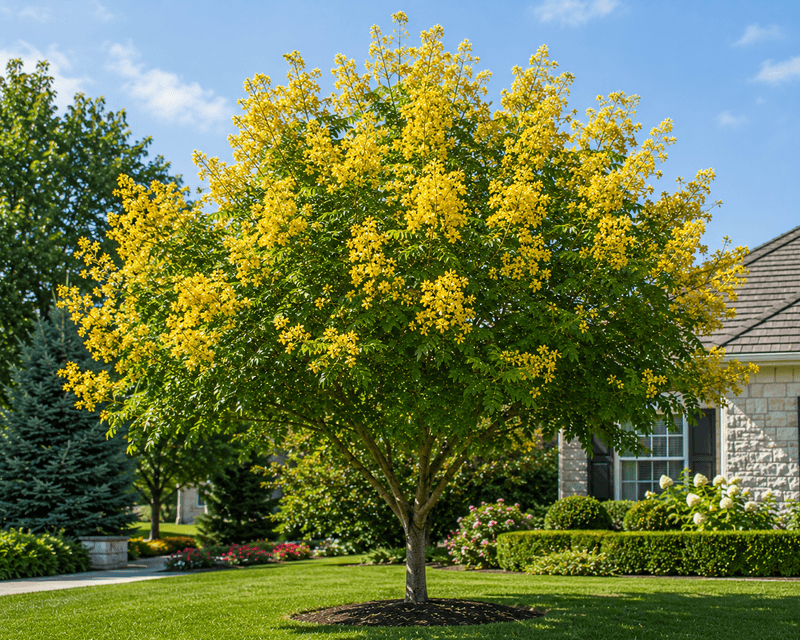
Yellow flowers in the dead of summer are a rare treat, and that is exactly the Golden Rain Tree’s specialty. Airy plumes of bright yellow appear in late spring to early summer and can last for months, making it one of the few trees blooming boldly in midsummer.
After the flowers fade, papery lantern-shaped seed pods take over, carrying interest into fall and winter. Tough as nails, this tree handles heat, wind, pollution, and drought, though it appreciates a deep weekly watering while actively growing.
Feed it once a year in early spring with a balanced fertilizer, and keep pruning to a minimum, mostly clearing dead wood in winter. If blooms seem sparse, the usual reason is not enough sunlight, so make sure it is soaking up plenty of rays.
11. Seven-Son Flower (Heptacodium miconioides)
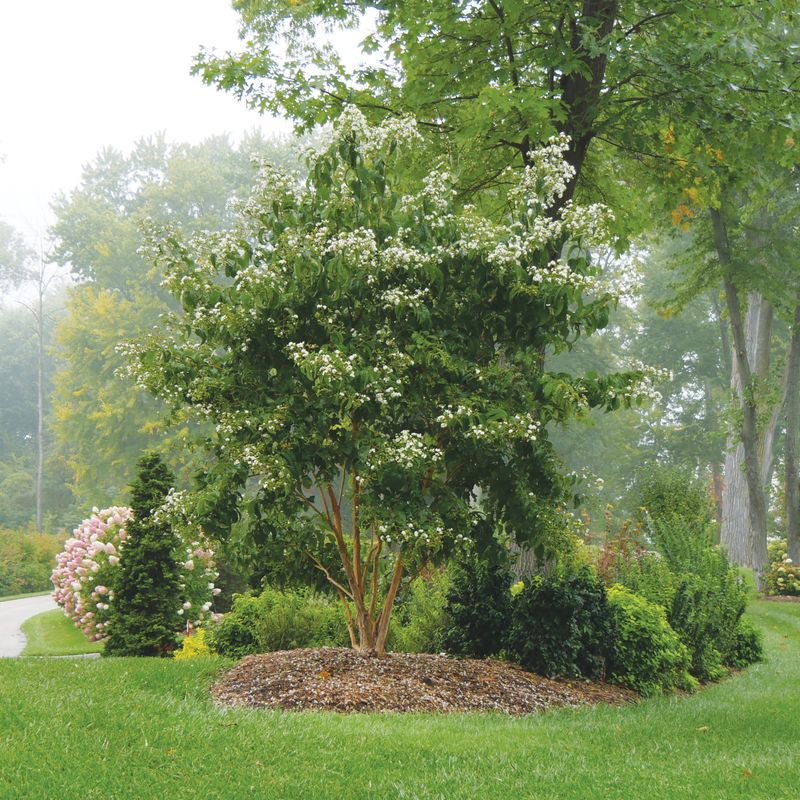
For gardeners who want the season to end on a high note, the Seven-Son Flower saves its best for last. Fragrant white blossoms open in late August and carry through September, and after the petals drop, the flower bases flush deep rosy-red for a stunning second act of color.
Peeling bark keeps things interesting once winter arrives. It grows happily in full sun or bright partial shade with just four hours of light, and it copes with clay, humidity, and even a bit of salt.
Water new trees deeply once a week for the first two years, after which they only need help during severe drought. Prune lightly in late winter to remove crossing or damaged branches, since it forms buds soon after leaves emerge.
Best of all, it rarely suffers serious pests or disease, making it a truly low-worry pick.
12. Chitalpa (x Chitalpa tashkentensis)
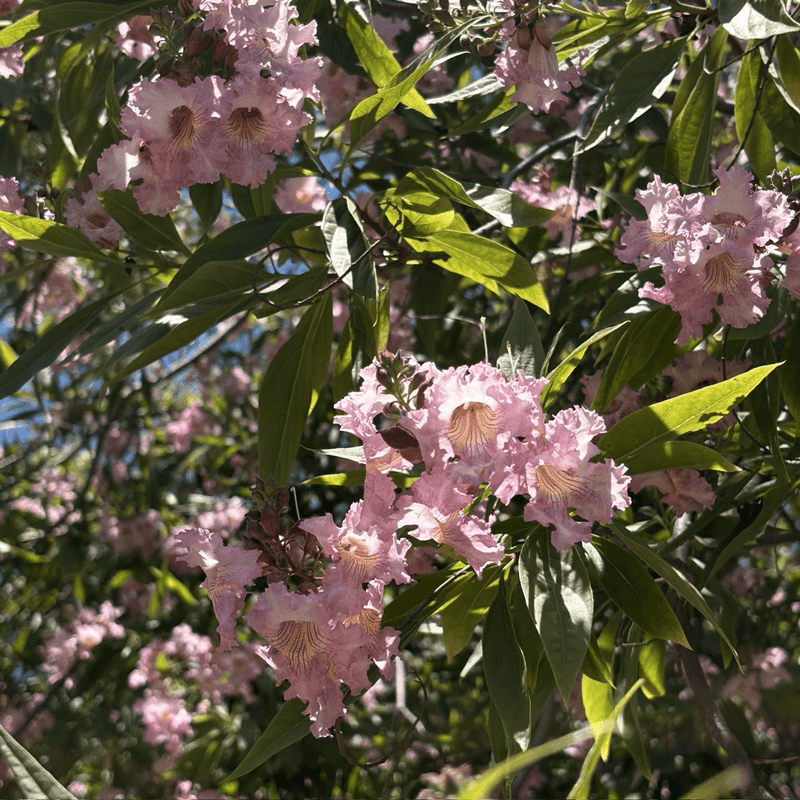
Cross a Desert Willow with a catalpa and you get the Chitalpa, a hybrid that bloomers love for its marathon flowering. Conical clusters of pink to white trumpet flowers arrive by midsummer and keep going until early fall, drawing in hummingbirds and bees.
Because it is sterile, you never deal with messy seed pods.
It flowers best in full sun and shrugs off drought thanks to its Desert Willow parentage, though even, steady moisture gives you the fullest bloom display.
One thing to keep an eye on is disease, since Chitalpa can catch powdery mildew in humid springs, along with verticillium wilt and leaf spots. Give it good air circulation and avoid a hot western exposure where reflected heat can scald the trunk.
Light pruning after each bloom flush can encourage repeat flowering.