
If You Toss Every Avocado Pit And Pineapple Top, Here Are 7 Grocery Scraps That Root In A Glass Of Water
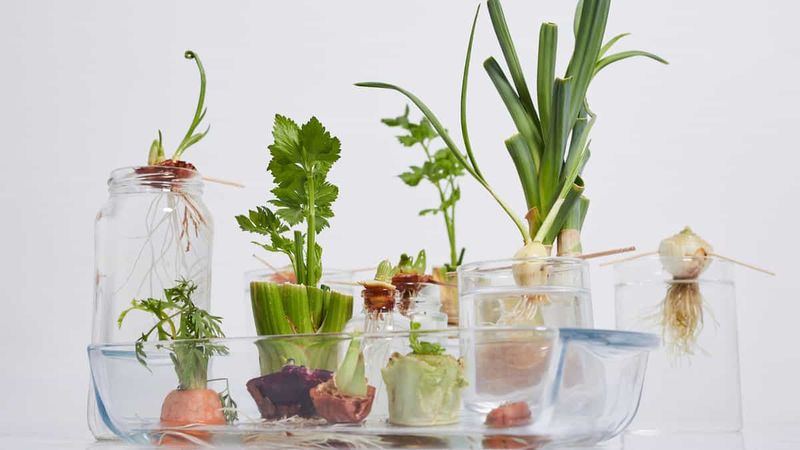
Before you drop that pineapple crown or avocado pit into the trash, take a second look. A lot of the scraps left over from cooking will happily sprout roots in nothing more than a glass of water on your windowsill.
It costs you nothing, teaches kids a fun lesson, and can even give you fresh green onions or celery in a pinch. Here are seven kitchen leftovers worth saving and how to get each one growing.
1. Green Onions (Scallions)
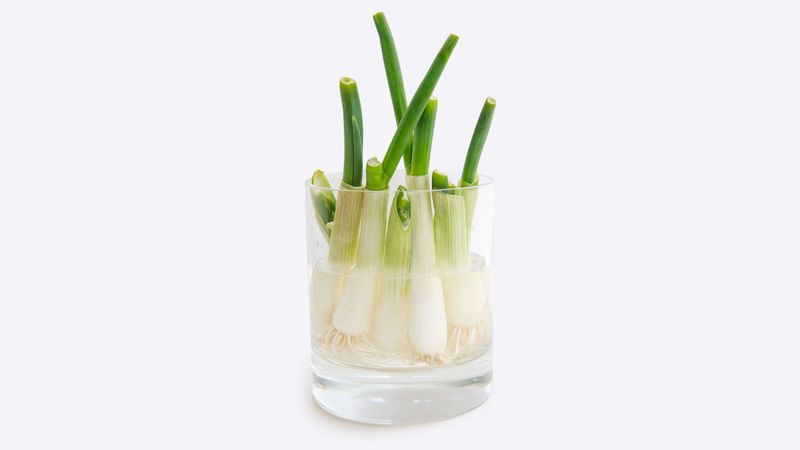
Of every scrap on this list, green onions are the one that rewards you fastest. Chop off the white bulbous ends with the little roots still attached, drop them into a small glass with about an inch of water, and make sure the roots stay submerged.
Set the glass in a bright window and swap the water every day or two so it stays clear. Within a few days you will see fresh green shoots pushing up, almost like magic on your counter.
Snip the greens whenever a recipe calls for them and the plant keeps sending up more. It is the closest thing to a never-ending supply of scallions you can get without ever buying seeds.
2. Romaine Lettuce
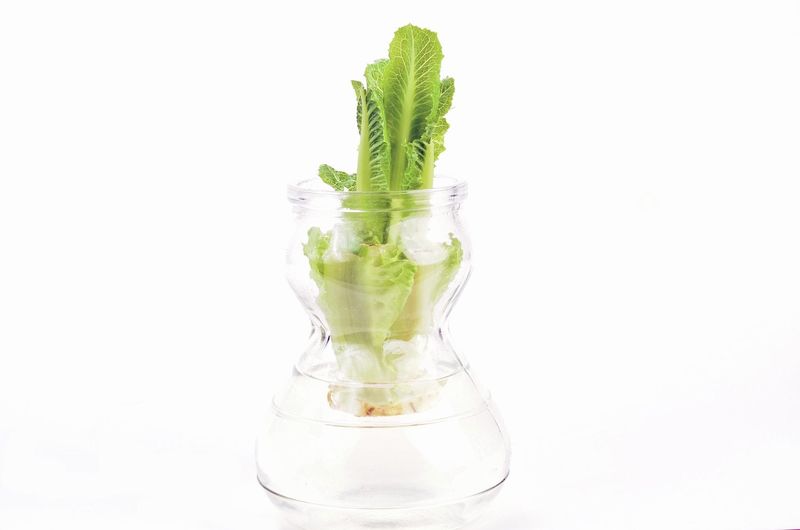
Ever notice that thick pale stump you cut off the bottom of a romaine heart? Instead of composting it, set it to work.
Leave about an inch of the base intact and stand it in a shallow dish with roughly half an inch of water.
A sunny windowsill is all it asks for, plus a water change every day or two to keep things fresh. Tiny new leaves will unfurl from the very center within a few days.
Be realistic about the payoff here. You will not grow a whole new head, but you will get enough tender leaves for a sandwich garnish or a small side salad, all from a scrap headed for the bin.
3. Celery
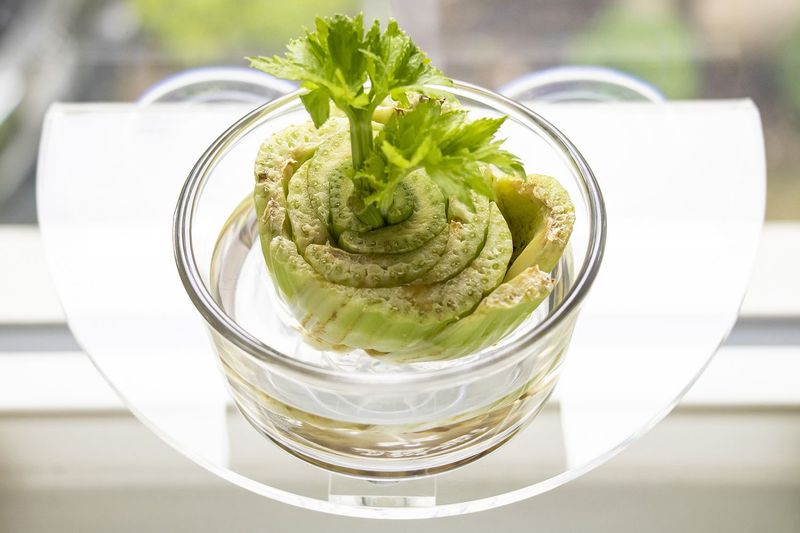
Celery has a sneaky trick up its stalk. That knobby base you usually toss holds a little cluster of growth right in the middle, just waiting for a drink.
Cut one to two inches from the bottom of the bunch and rest that base in a shallow dish with about half an inch of water. Park it somewhere sunny and refresh the water every couple of days.
Watch the center and you will spot pale new shoots climbing upward. Do not panic when the outer stalks dry out and turn brown, that is completely normal as the plant pours its energy into the fresh growth at its heart.
4. Avocado Pit
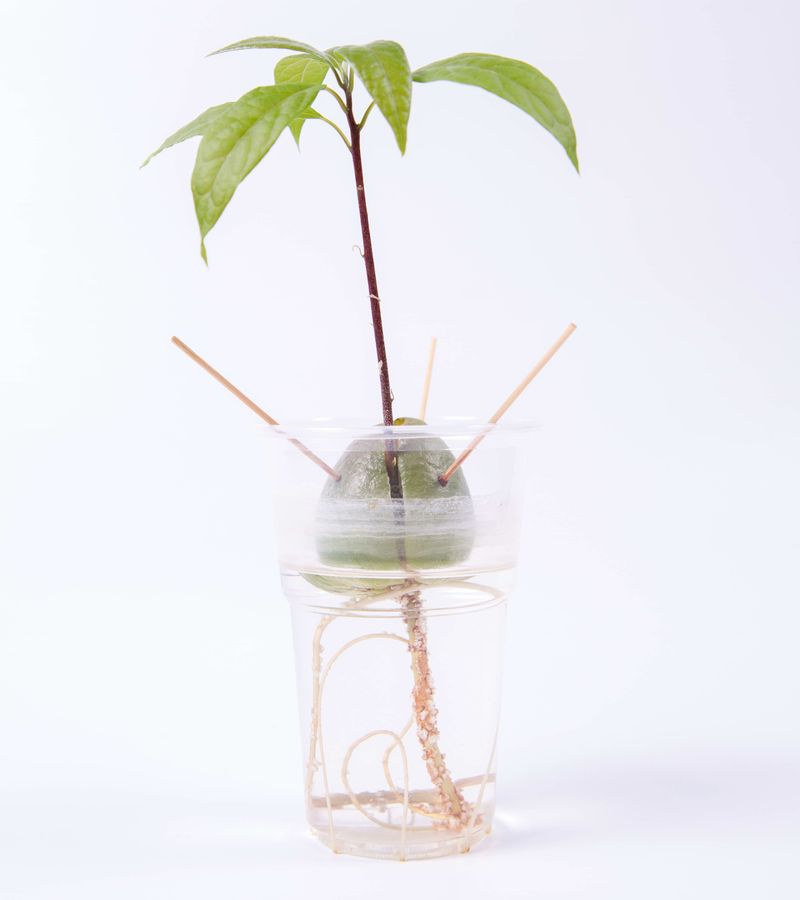
The avocado pit is the patience project of the bunch, and honestly, half the fun is the waiting. Rinse the pit clean, then poke three or four toothpicks around its middle so you can balance it on the rim of a glass.
Lower the flat end into about an inch of water with the pointed end aimed at the ceiling. Keep it in a sunny spot and freshen the water every few days to keep mold from crashing the party.
Somewhere between two and eight weeks, the pit cracks open and a root reaches down, followed by a stem shooting up top. It may never hand you homegrown guacamole, but it makes a striking little houseplant and a great science lesson for curious kids.
5. Pineapple Top
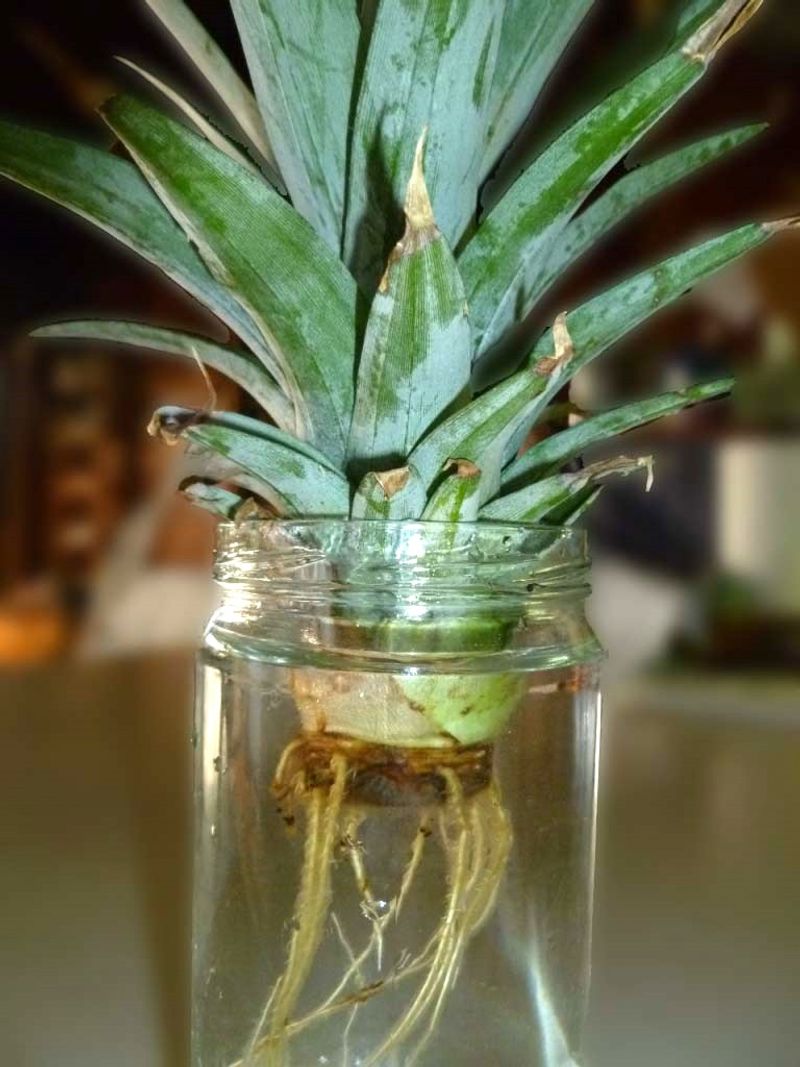
Twisting the spiky crown off a pineapple feels wasteful, until you realize it is basically a free plant. Grip the leaves, give a firm twist, and the whole top pops off with a bit of stem attached.
Peel away several of the lowest leaves to bare about an inch of stem, and trim off any clinging fruit. Let the top dry out for a few days up to a week first, since that little rest helps it fight off rot later.
Once it is dry, suspend the crown so the stripped stem dips into the water while the leaves stay high and dry. Keep it in a sunny window, change the water regularly, and roots should peek out within a few days to a week.
6. Ginger
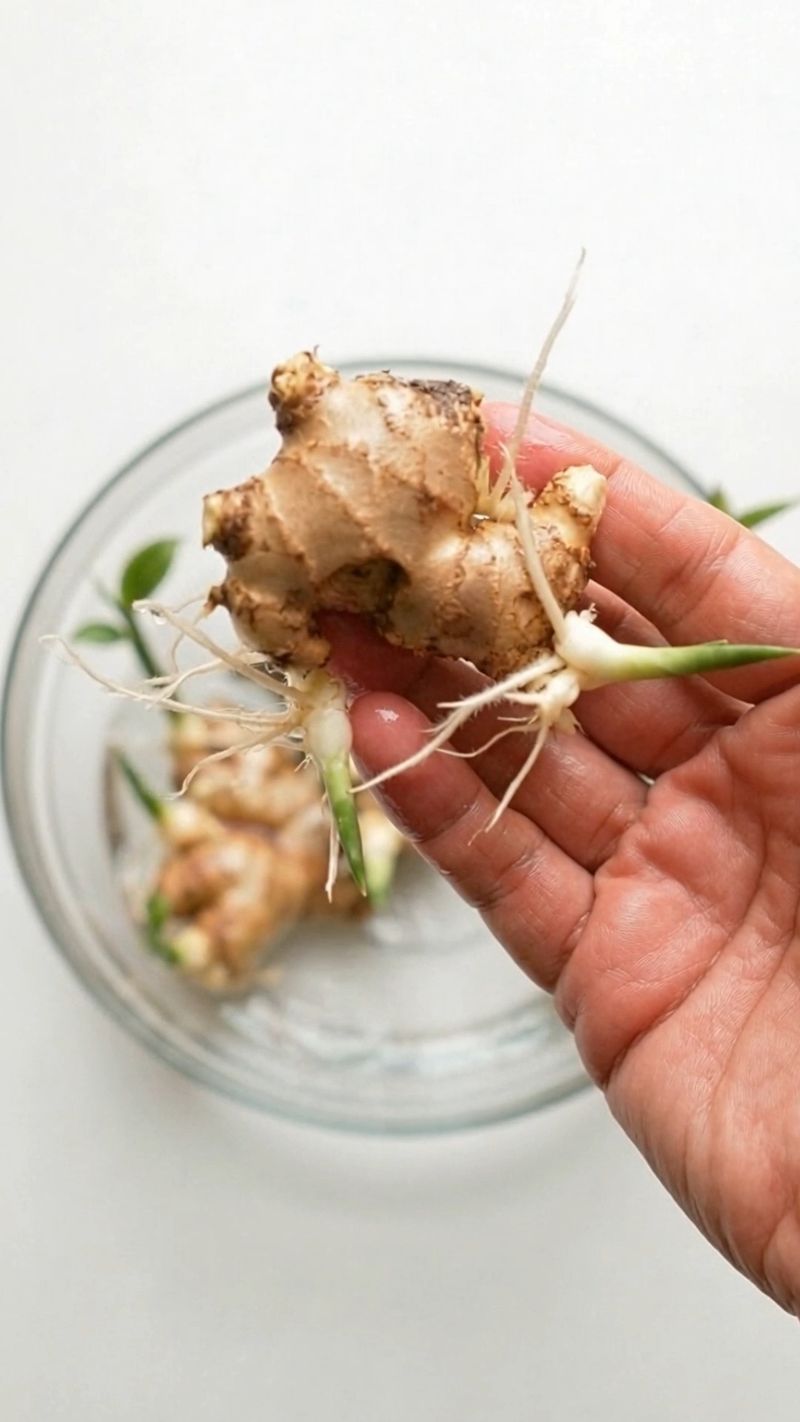
Ginger might be the most surprising scrap here, because that gnarled knob in your pantry is actually a living rhizome ready to grow. Pick a plump piece studded with little bumps called eyes, which are the growth buds.
Slice off small sections, making sure each one keeps a bud, then let the cuts air out for about half a day so the raw surfaces heal and resist rot. Lay the pieces in a shallow tray with just enough water to touch the bottoms, buds pointing up.
Give it a spot with indirect light and change the water every two or three days at first, then stretch to every five to seven days once roots appear. Before long you will have your own ginger patch started from a single leftover chunk.
7. Sweet Potato
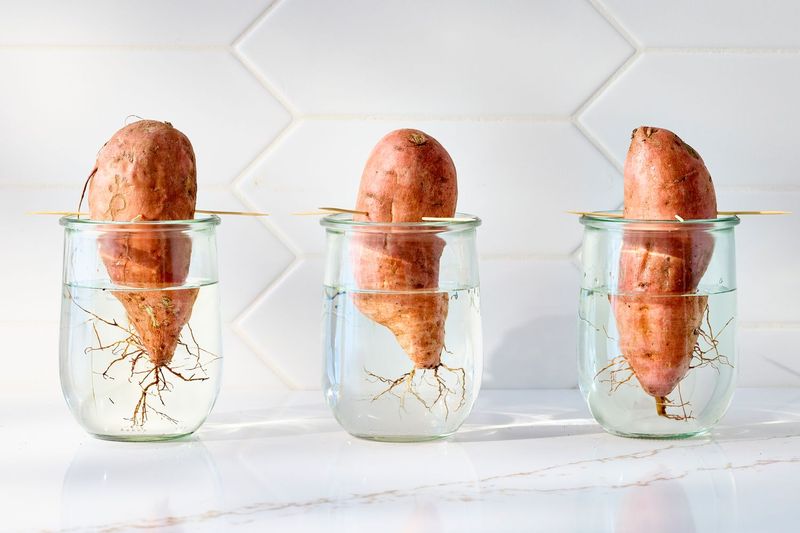
One forgotten sweet potato can turn into a whole tray of plants, which is why gardeners love this trick. Push three or four toothpicks around its middle and balance it over a glass or jar so it hangs nicely.
Dunk the pointy end in the water, since that is where roots form, and leave the rounder end up top where the leafy shoots, called slips, will appear. Set the jar somewhere warm and bright and change the water every three days.
Roots show up in just a few days, with green slips following in a week or two. Once those slips reach four to six inches, twist them off, root them in their own glass of water, and you will have a small army of sweet potato starts ready for the garden.