
If The Same Handful Of Birds Vanish From Your Skies, Here Are 12 Species Being Carried Back From The Brink
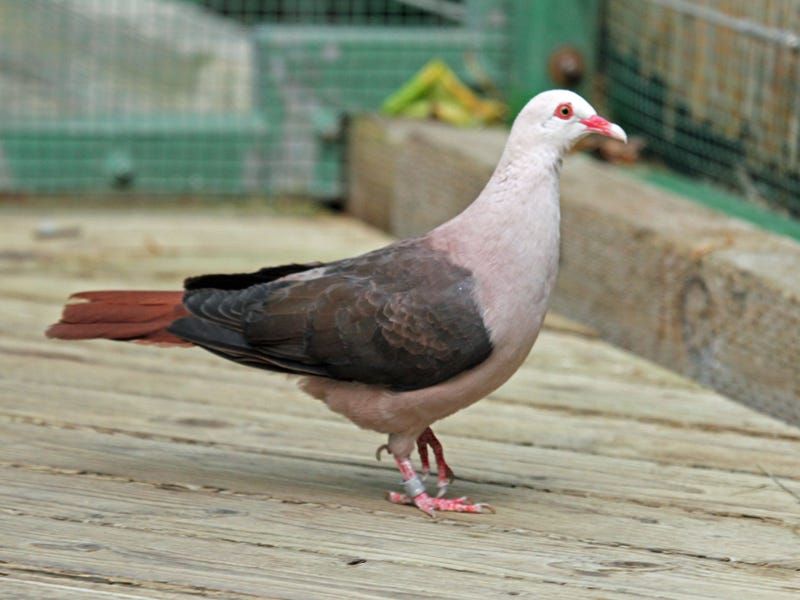
Have you ever looked up and worried some of your favorite birds might disappear for good? A lot of species came terrifyingly close to vanishing, but people fought hard to save them.
From the bald eagle to a tiny parrot in New Zealand, these 12 birds prove that a comeback is possible. Their stories are proof that when we pay attention, we can pull a species back from the edge.
1. Bald Eagle
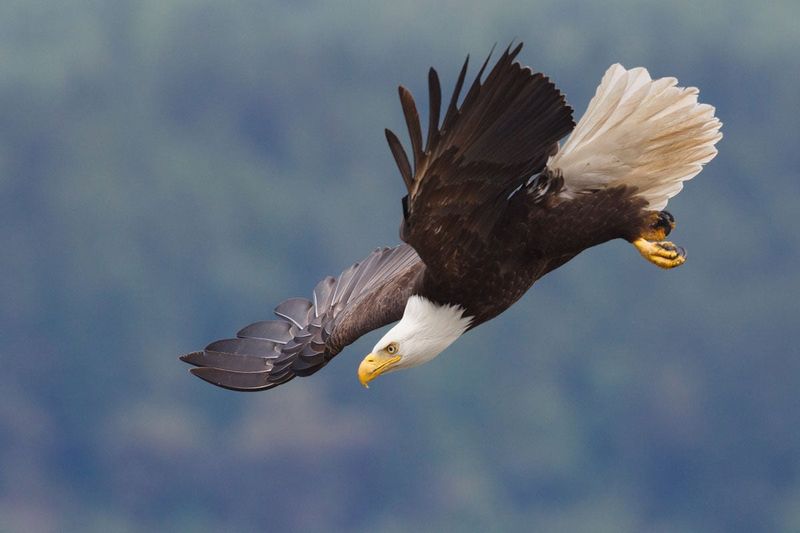
Picture the national bird of the United States nearly wiped out by the very chemicals meant to help farmers. That was the harsh reality for the bald eagle in the mid-1900s.
Hunting, habitat loss, and the pesticide DDT thinned their eggshells so badly that chicks rarely survived. Numbers crashed to alarming lows across the country.
After DDT was banned and laws like the Bald Eagle Protection Act kicked in, the species roared back. By 2024 it was reclassified as “Least Concern,” making it the poster child for what conservation can achieve.
2. California Condor
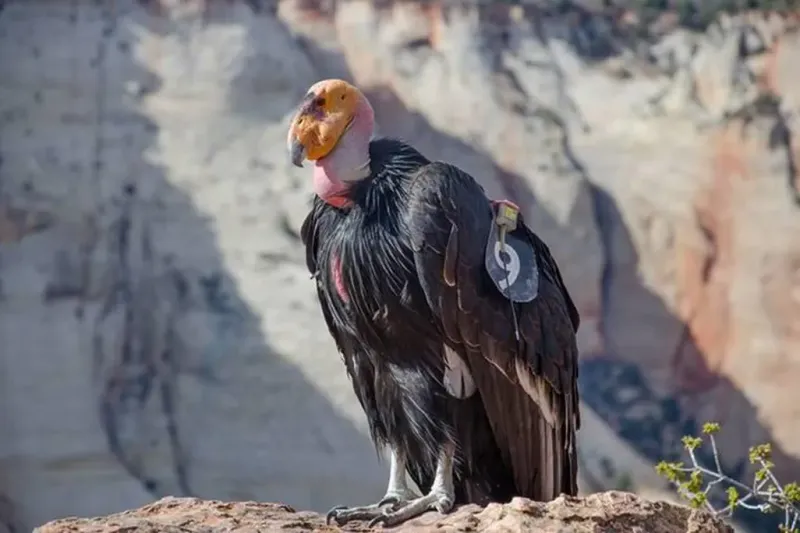
Down to just 22 birds. That is where the California condor stood in the early 1980s, teetering on total extinction.
Scientists made a bold and controversial call: capture every remaining wild condor and breed them in captivity. It was a last-ditch gamble that many doubted.
The bet paid off. Careful breeding and release programs pushed the population past 500 birds, and North America’s largest flying land bird once again rides thermals over western canyons.
3. Whooping Crane
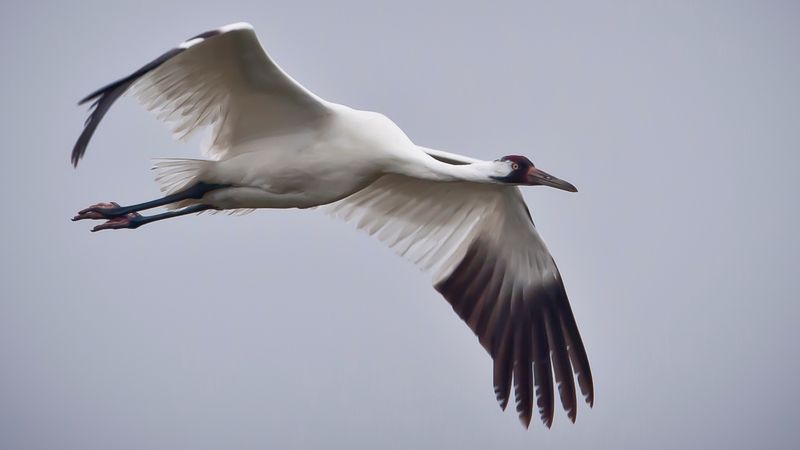
Standing nearly five feet tall, the whooping crane is one of the most striking birds in North America. It also came within a whisker of being gone forever.
Once tens of thousands strong, the population collapsed to a mere 21 wild individuals by 1941 thanks to hunting and drained wetlands.
Reintroduction programs, some involving ultralight aircraft teaching young cranes migration routes, helped rebuild the flocks. Today around 599 whooping cranes live across three wild populations, a fragile but real triumph.
4. Brown Pelican
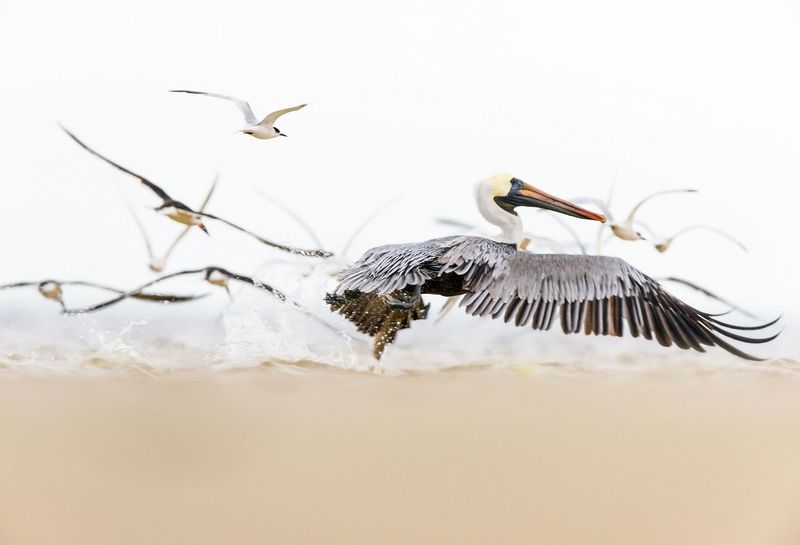
Coastal skies almost lost their goofiest, most lovable diver. The brown pelican, famous for its clumsy-looking plunge into the sea, nearly disappeared from U.S. shores.
By the late 1950s, illegal hunting and DDT-thinned eggshells sent populations into freefall. Whole colonies were failing to raise young.
Once DDT was banned, and after thousands of chicks were carefully transplanted to rebuild colonies, the pelican bounced back. It was officially removed from the endangered species list in 2009.
5. Peregrine Falcon
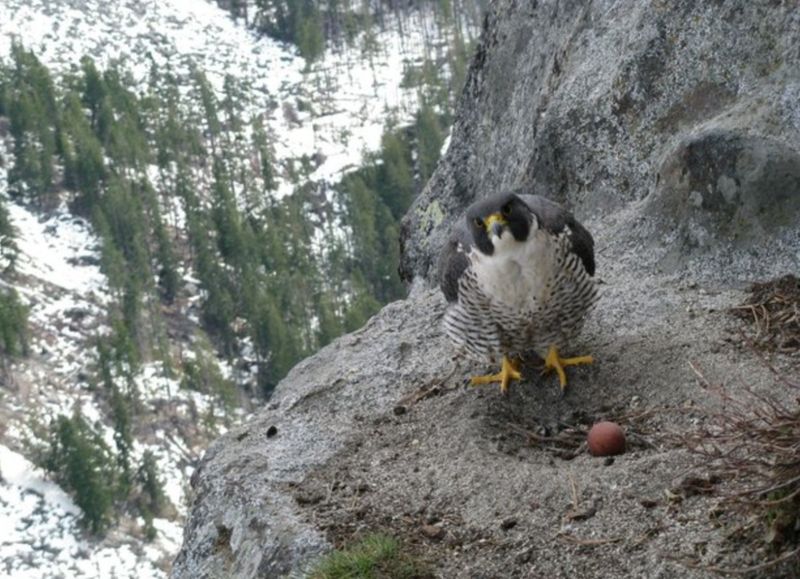
Clocking dives over 200 miles per hour, the peregrine falcon is the fastest animal on the planet. Even that speed could not outrun the damage of pesticides.
DDT poisoning caused widespread eggshell failure, and the falcon vanished from much of the eastern United States entirely.
With DDT banned, protection under the Migratory Bird Treaty Act, and dedicated breeding programs, peregrines returned. They even took up residence on city skyscrapers, and by 2025 the IUCN listed them as “Least Concern.”
6. Trumpeter Swan
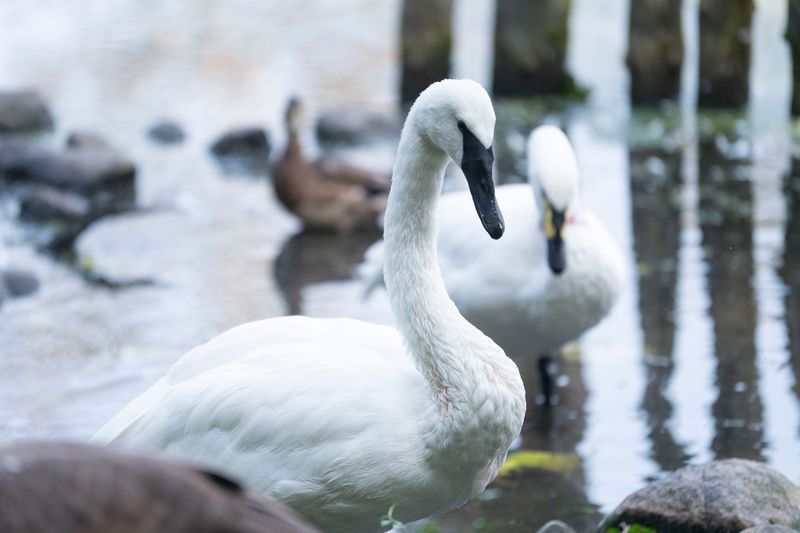
Its call sounds like a brass horn echoing over the marsh, but by 1933 that trumpet had almost fallen silent. Fewer than 70 wild trumpeter swans remained.
The demand for their soft feathers and relentless hunting had nearly finished off North America’s largest native waterfowl.
Then a hidden population turned up in Alaska, and reintroduction efforts spread from there. The species now numbers more than 35,000 birds, filling wetlands with its unmistakable sound once more.
7. Kākāpō
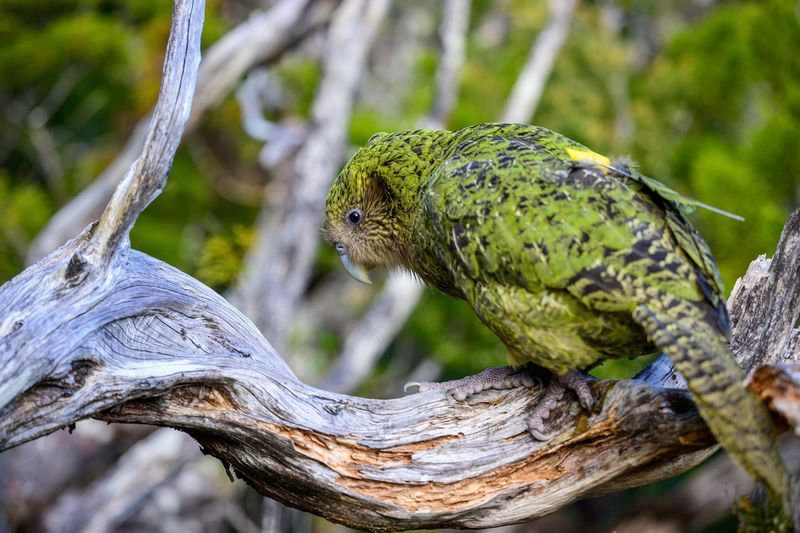
Meet the world’s heaviest parrot, a chunky, flightless, nocturnal bird that smells faintly of honey. The kākāpō of New Zealand is as strange as it is endangered.
Introduced predators like cats and stoats nearly erased it, dropping the population to just 51 birds in 1995. Every single one had a name and a file.
Through intense round-the-clock effort, moving birds to predator-free islands, monitoring nests, and supplementing diets, the count climbed to 325 by 2026. Few recoveries are watched as closely as this one.
8. Seychelles Warbler
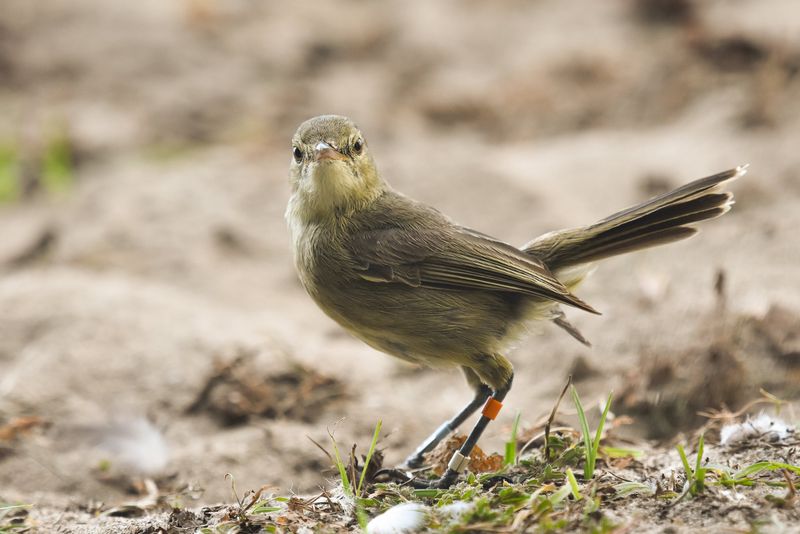
An entire species once clung to life on a single tropical island. Fewer than 30 Seychelles warblers were alive in 1968, all crowded onto tiny Cousin Island.
Turning that island into a protected nature reserve gave the little songbird room to breathe and breed.
The population swelled to over 3,000 by 2014, and birds were relocated to other islands as insurance. Its status improved to “Near Threatened,” a huge leap for a bird that nearly slipped away unnoticed.
9. Black Robin
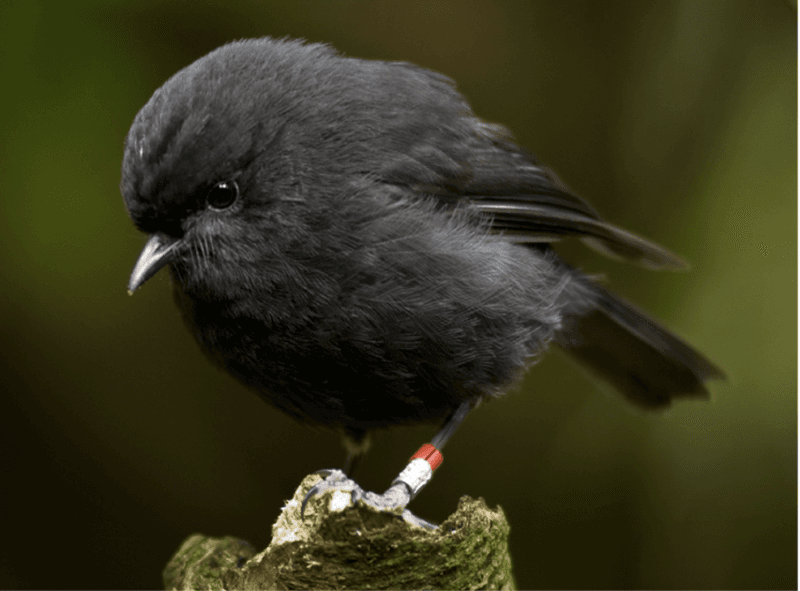
Imagine an entire species resting on the shoulders of one female bird. That is exactly what happened with New Zealand’s black robin.
By the early 1980s only five black robins remained, and just one female, later named Old Blue, was capable of breeding.
Conservationists used clever tricks like moving her eggs to foster parents so she would lay more. Every black robin alive today descends from Old Blue, one of the most astonishing rescues in bird history.
10. Kirtland’s Warbler
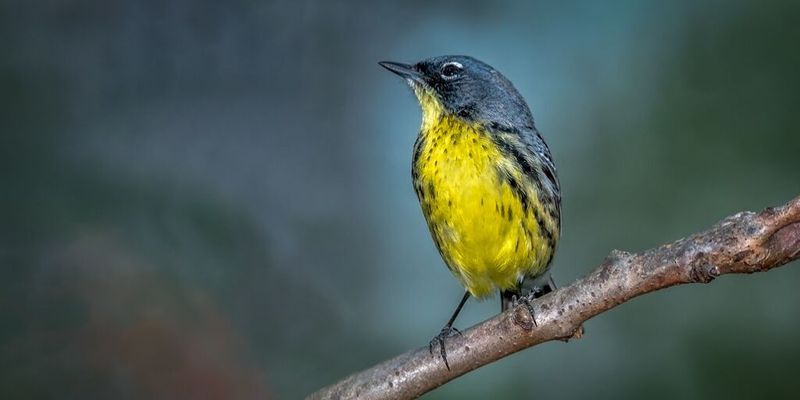
Some birds are picky, and Kirtland’s warbler is famously particular. It nests only in young jack pine forests, which made saving it a real puzzle.
Habitat loss and nest parasitism from cowbirds pushed this songbird to the edge for decades.
It took a 50-year effort of managing forests and controlling cowbirds, but the payoff was worth it. In a milestone moment, the warbler was removed from the U.S. endangered species list, proving patience pays.
11. Hawaiian Goose (Nēnē)
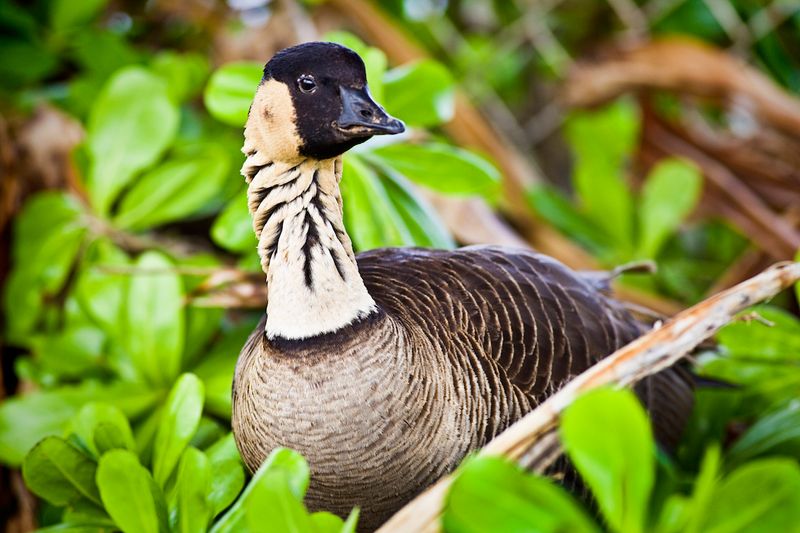
Hawaii’s official state bird once dwindled to a heartbreaking 30 individuals in the 1950s. The nēnē, a goose that evolved on volcanic slopes, was fading fast.
Predators brought by humans, along with habitat loss, nearly ended its story.
Breeding programs and habitat restoration turned things around, lifting the population to more than 3,000 birds. Now the nēnē once again grazes across the islands, a symbol of local pride and stubborn survival.
12. Sandhill Crane
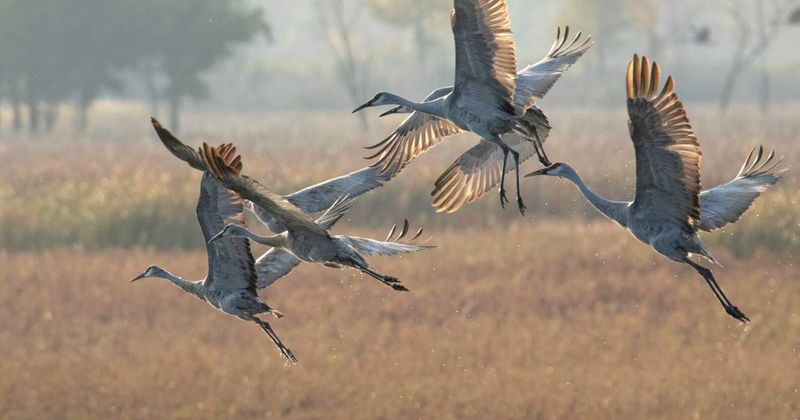
Their bugling calls once nearly faded from the eastern United States entirely. Sandhill cranes were pushed out as wetlands were drained for farmland and hunting took its toll.
Slowly, protected wetlands and hunting regulations gave these gray giants a fighting chance.
Today sandhill cranes gather by the hundreds of thousands during migration, one of the great wildlife spectacles in North America. Their thriving numbers show how protecting habitat can bring a species roaring back.