
If You Toss Leftover Pasta The Next Day, Here’s The Quiet Change Cooling Works On The Starch Inside
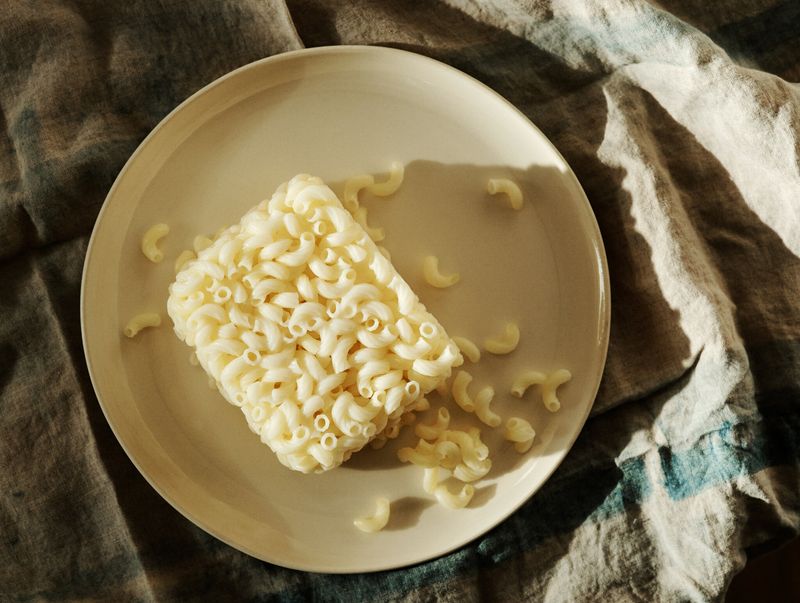
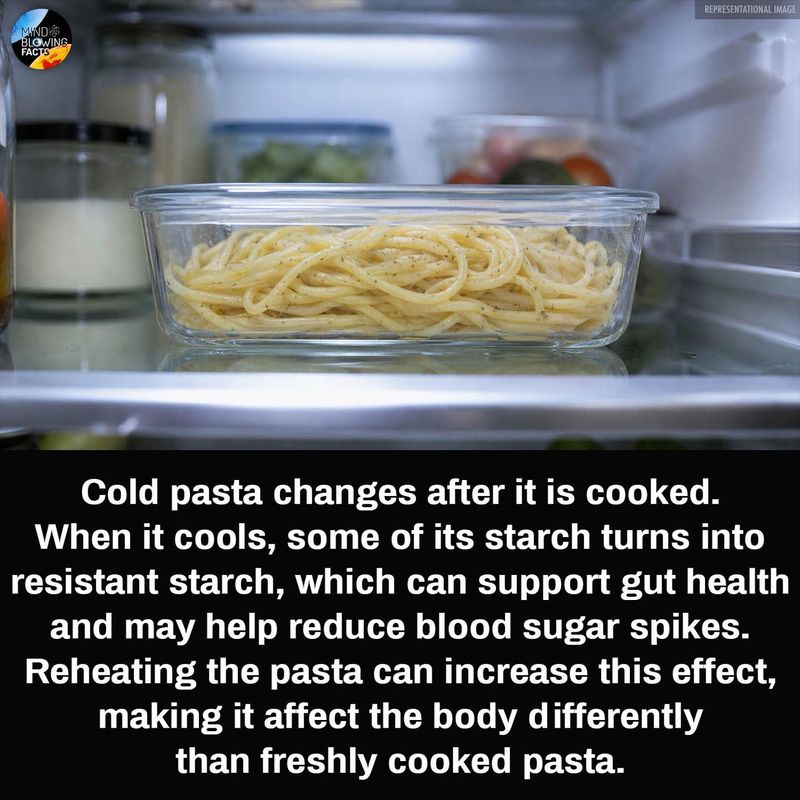
Most people toss leftover pasta without a second thought, but something real happens to it overnight in the fridge. When cooked pasta cools down, part of its starch physically reorganizes at a molecular level, and that change can affect how your body digests it.
Small studies suggest this shift may produce a gentler blood sugar response under certain conditions, though it is not a guaranteed effect for everyone. Understanding what actually happens, and what it does not do, can help you make smarter decisions about your leftovers.
Cooling can reorganize part of cooked pasta’s starch
Putting leftover pasta in the fridge does not guarantee a dramatic transformation, and not every overnight portion will behave the same way. What cooling can do, under the right conditions, is trigger a process called starch retrogradation, and that process is worth understanding if you care about how your body handles carbohydrates.
When pasta is cooked, its starch granules absorb water and swell in a process called gelatinization. The tightly packed starch molecules open up and become disordered.
Once heat is removed and the pasta begins to cool, some of those disordered starch chains, specifically amylose and amylopectin molecules, start to slowly reassociate and settle back into more ordered, crystalline-like structures. Research on starch retrogradation shows this physical reorganization can reduce how easily digestive enzymes break the starch apart, meaning some of it may pass through the small intestine without being fully absorbed.
The key word here is “some.” Retrogradation does not flip all of the pasta’s starch into a new form. Only a portion of the starch chains reorganize, and the extent depends on factors like pasta variety, cooking time, water content, and how quickly and consistently the food cools.
A pasta that sat in a warm kitchen for an hour before going into the fridge will not behave the same as one portioned into a shallow container and chilled promptly.
Calling this change a “rewiring” of the food is a useful metaphor, but it is not literally accurate. No permanent chemical transformation takes place.
The starch molecules reorganize physically, and that reorganization can be partially reversed by reheating. Resistant starch research confirms that retrogradation is a real and measurable food-chemistry event, but its magnitude and dietary effect vary considerably depending on conditions that are hard to control precisely at home.
Some of that reorganized starch can reach the colon
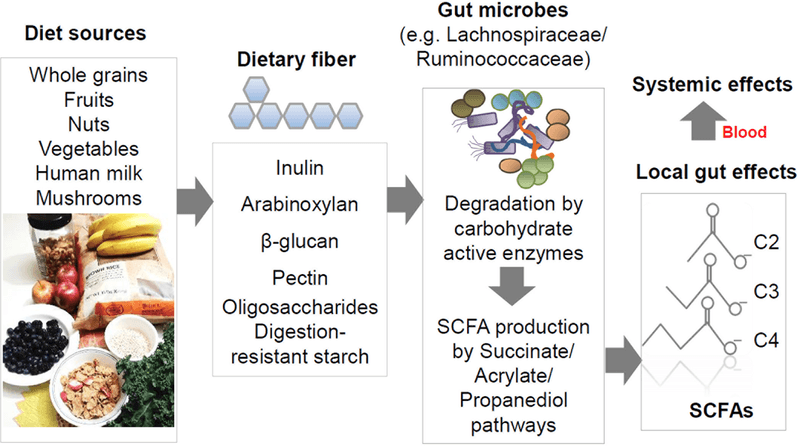
Starch that your small intestine cannot fully break down does not just disappear. It travels further along the digestive tract and arrives in the colon, where a very different kind of processing takes place.
Starch that escapes digestion in the small intestine is called resistant starch. There are several types, and the kind most relevant to refrigerated pasta is type 3 resistant starch, which forms when cooked starch-containing foods cool and some of the gelatinized molecules reassociate into more ordered structures.
Established research on resistant starch classification explains that type 3 is sometimes called retrograded resistant starch precisely because retrogradation is the mechanism that creates it. Once this starch reaches the colon, gut microbes can ferment it as a food source.
That fermentation produces short-chain fatty acids such as butyrate, acetate, and propionate, compounds that have been studied for their roles in gut lining maintenance and metabolic signaling.
The phrase “feeds your gut” is directionally accurate in the sense that resistant starch can serve as fuel for colonic bacteria. But the response is not uniform across people.
Foundational physiology reviews note that fermentation outcomes depend on resistant-starch type, dose, and the existing composition of an individual’s microbiome. Someone with a microbiome that is already rich in fiber-fermenting bacteria may process the starch differently than someone whose gut bacteria are less diverse.
There is also a question of quantity. Only part of the pasta’s starch may become type 3 resistant starch after a typical overnight chill, so the amount reaching the colon from one serving of leftovers is likely modest.
Reviews on dietary fiber and the gut microbiome consistently find that microbial responses to resistant starch vary with dose, food form, and the person’s baseline gut community, meaning a measurable health benefit from one plate of cold pasta is plausible but not guaranteed.
What the science does support is that the pathway exists: retrogradation creates some resistant starch, resistant starch can escape small-intestine digestion, and colonic bacteria can ferment it. Whether that translates into a noticeable effect for you personally depends on biology that a refrigerator cannot control.
The pasta trials found a possible short-term glucose difference
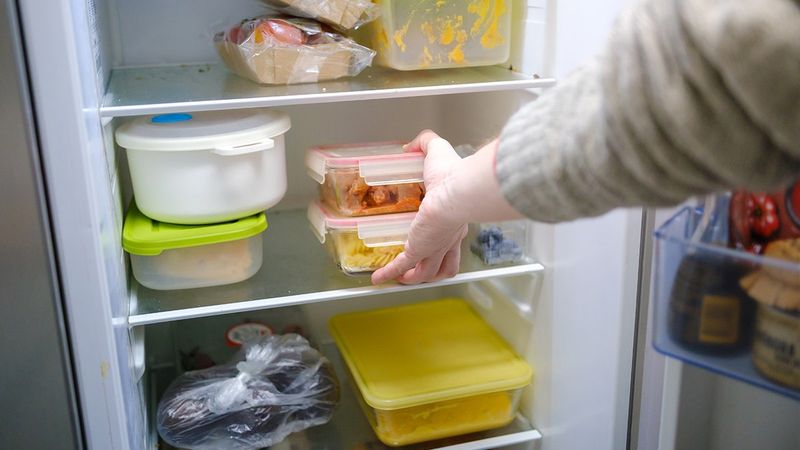
Human studies on cooled pasta are small and specific, but they point in a consistent direction: refrigerating cooked pasta, particularly before reheating it, may produce a lower or slower blood sugar rise after eating compared to pasta served fresh and hot.
One of the clearest early examples comes from a randomized crossover pilot in 10 healthy adults that compared three conditions: freshly cooked pasta served hot, pasta chilled overnight and eaten cold, and pasta chilled overnight then reheated before eating. The chilled-and-reheated version produced the lowest glucose incremental area under the curve, meaning the overall blood sugar rise after that meal was smaller than after the fresh-hot version.
The cold-only pasta also showed a lower response than fresh, but the reheated version performed best in this small group. The researchers measured short-term post-meal glucose responses, not long-term health outcomes, and the sample size was too small to draw firm conclusions on its own.
A 2024 study added an interesting wrinkle by focusing on chickpea pasta rather than conventional wheat pasta. That trial in 12 healthy adults found that chickpea pasta cooled for 24 hours at 4 degrees Celsius and then reheated had measurably more resistant starch and a lower glycemic index than the same pasta served fresh.
These findings are specific to chickpea pasta, a product already higher in protein and fiber than standard wheat pasta, so they should not automatically be applied to every pasta on the grocery shelf.
A 2026 trial extended the question to a more medically relevant group. A randomized crossover study involving 32 adults with type 1 diabetes found that cooled-and-reheated pasta produced lower peak glucose and lower incremental glucose exposure compared to freshly cooked pasta under controlled conditions.
Participants used their insulin pump bolus calculators as usual; the study was not designed to tell anyone to change their insulin doses. An earlier crossover study also observed differences in glucose response with varied pasta preparation, further building the picture that cooling conditions matter.
Across all of these trials, the controlled cooling period was approximately 24 hours at around 4 degrees Celsius, which is a specific study condition, not a guarantee that any home portion left in the fridge overnight will behave the same way.
A gentler glucose curve does not make pasta low-carb
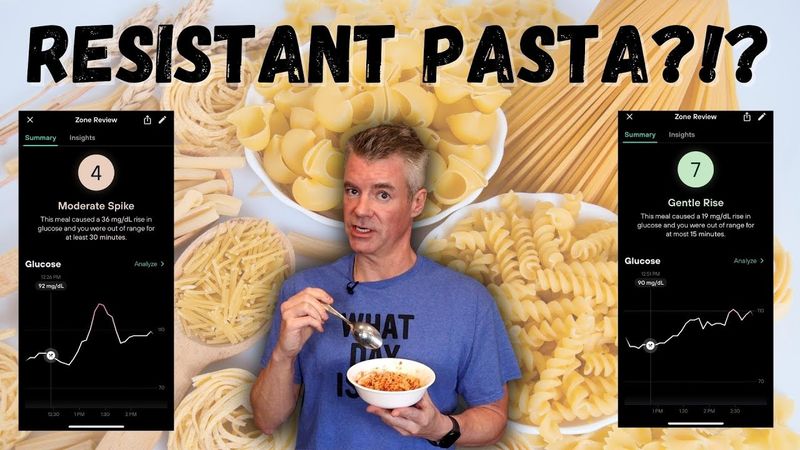
One of the easiest misreads of the pasta-cooling research is the idea that if your blood sugar rises more slowly after eating cold leftovers, the pasta must have fewer carbs or calories. That is not what the evidence shows.
Cooling can shift the fraction of starch that gets digested quickly in the small intestine, but it does not remove the pasta’s total carbohydrate content. A 100-gram portion of cooked pasta still contains roughly the same amount of carbohydrate whether it was eaten fresh or after a night in the fridge.
The foundational science on resistant starch makes this distinction clearly: resistant starch changes where and how starch is processed in the body, not how much carbohydrate the food contains. The energy question is slightly more nuanced: because some starch may bypass small-intestine digestion entirely and instead be fermented in the colon, a modest portion of that energy may become available differently or not at all.
But this is a subtle shift, not a meaningful calorie reduction, and starch retrogradation research does not support calling cooled pasta a low-calorie food.
Separating pasta-specific findings from the broader resistant-starch literature also matters here. A meta-analysis of 19 randomized trials on resistant starch supplementation found moderate improvements in some glycemic-control measures across a range of interventions.
But those interventions varied widely in resistant-starch type, dose, duration, and food form, including concentrated resistant-starch supplements that deliver far more than a typical serving of leftover pasta. Applying those pooled results to one plate of refrigerated spaghetti overstates what the evidence can support.
The U.S. Food and Drug Administration’s position reinforces this caution.
The FDA’s qualified health claim decision on resistant starch was specifically about high-amylose maize resistant starch, not ordinary leftover pasta, and even that claim was characterized as limited. The agency did not establish a useful intake level for the general population.
Cooled pasta may produce a gentler glucose curve under studied conditions, and that is genuinely interesting. But a gentler curve is not the same as preventing diabetes, supporting weight loss, or producing a durable change in your gut microbiome from a single meal.
Use study-like cooling conditions without treating them as a threshold
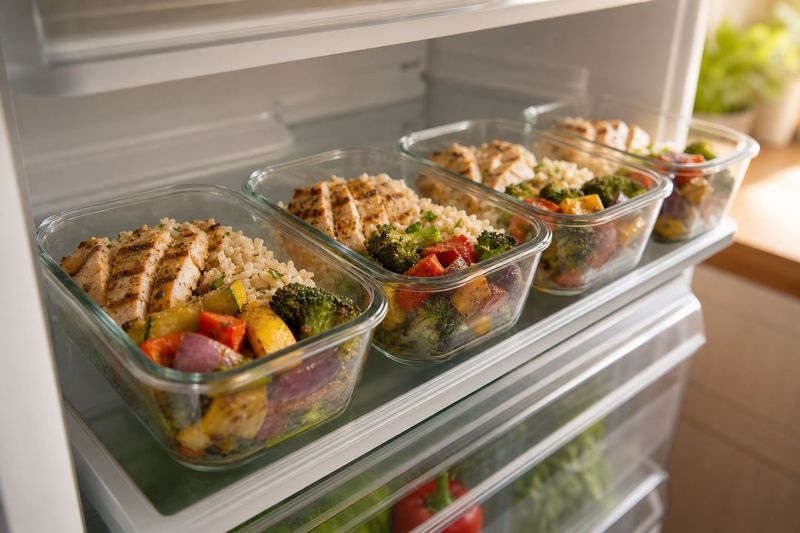
Knowing that researchers used approximately 24 hours at 4 degrees Celsius does not mean you need a thermometer and a stopwatch to handle your leftovers well. What it does mean is that a few practical habits can bring your kitchen closer to the conditions where the studied changes actually occurred.
The most useful steps are straightforward. Cook the pasta, portion it into shallow containers so it cools more evenly and quickly, and get it into the refrigerator promptly.
USDA guidance on leftover handling recommends refrigerating cooked food at 40 degrees Fahrenheit or below within two hours of cooking, and that window drops to one hour when the surrounding temperature is above 90 degrees Fahrenheit. Following this guideline serves both food safety and the retrogradation process, since starch reassociation happens most effectively at refrigerator temperatures rather than at room temperature.
The 24-hour cooling period that appeared in several trials is a study condition, not a biological threshold with a guarantee attached. Pasta cooled for 18 hours may have undergone substantial retrogradation; pasta cooled for 26 hours will not automatically deliver a larger effect.
The reassociation of starch chains is not linear or perfectly predictable at home, and variables like pasta shape, sauce, and refrigerator temperature all influence the outcome.
Reheating is a separate consideration. The 10-person crossover pilot and the type 1 diabetes trial both tested cooled-and-reheated pasta, and the chickpea pasta study did the same.
Reheating appears to preserve at least some retrograded starch under certain conditions, but cold leftovers eaten straight from the container and reheated leftovers are not interchangeable versions of the same studied effect. If you prefer your pasta warm, reheating it is consistent with the tested conditions; if you enjoy cold pasta salad, that is also a reasonable option, though the specific glucose outcomes may differ from what the reheated trials measured.
Food safety outranks the pursuit of extra resistant starch
A social media claim that occasionally circulates suggests leaving pasta out at room temperature overnight so more resistant starch can form. That recommendation is unsafe and should be ignored.
Cooked starchy foods left at room temperature are a well-documented food safety concern. Bacteria and spore-forming organisms associated with cooked grains and pasta can multiply rapidly in the temperature range between 40 and 140 degrees Fahrenheit, and some produce heat-stable toxins that survive reheating.
FoodSafety.gov guidance on bacteria and foodborne illness confirms that prompt refrigeration is the correct approach, and that hot food can go directly into the refrigerator without waiting for it to cool on the counter first. There is no need to let pasta sit out to begin retrogradation; the process continues in the refrigerator once the food is cold.
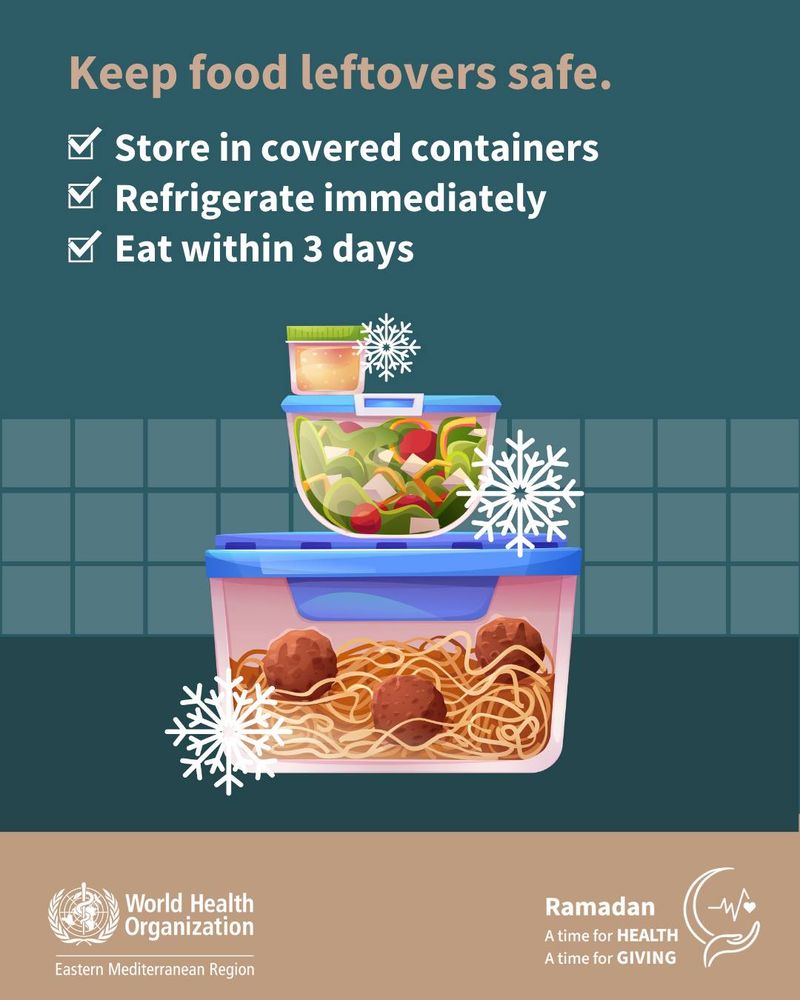
USDA leftover safety guidelines recommend refrigerating cooked food within two hours, or within one hour when ambient temperatures exceed 90 degrees Fahrenheit. Shallow containers speed up chilling by allowing cold air to reach more of the food’s surface area.
Refrigerated cooked pasta should generally be used within three to four days. After that window, quality and safety both decline regardless of how well it was stored initially.
When you are ready to eat the leftovers, reheat them thoroughly to an internal temperature of 165 degrees Fahrenheit. FDA food safety guidance supports this reheating temperature as a standard for cooked leftovers.
The idea that longer storage equals more resistant starch and therefore more health benefit is not supported by any controlled study, and extended storage at refrigerator temperatures introduces quality and safety concerns that outweigh any speculative gain. The practical rule is simple: refrigerate promptly, use within the recommended window, and reheat thoroughly.
Your pasta and your glucose response may differ
Even if you follow the same cooling steps used in published studies, your glucose response after eating leftover pasta may look nothing like the average result reported in those trials. That is not a flaw in the research; it reflects genuine biological variation.
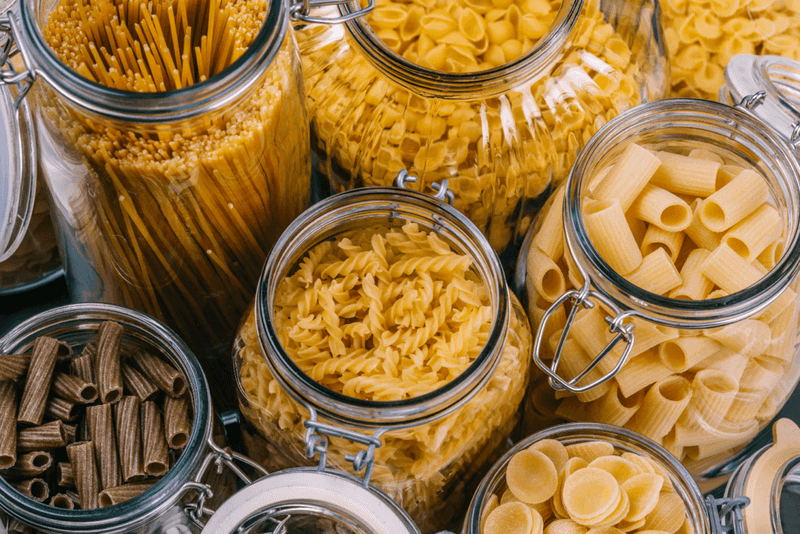
Pasta variety matters from the start. Chickpea pasta, which was the focus of the 2024 glycemic index study, already contains more protein and fiber than conventional wheat pasta, so its baseline digestibility is different.
Cooking degree also plays a role: pasta cooked al dente retains more intact starch granules than pasta cooked soft, which affects how much gelatinization occurs and therefore how much retrogradation is possible during cooling. Water content, sauce composition, added fat or protein, and portion size can all shift how quickly starch is digested and how high glucose rises afterward.
Individual physiology adds another layer. Gut microbiome composition, insulin sensitivity, gastric emptying rate, and even recent meal history can all influence how a person responds to the same food.
Research on dietary fiber and microbiome variability consistently shows that two people eating identical meals can experience meaningfully different fermentation and metabolic outcomes.
Some people find that increasing resistant starch in their diet causes temporary gas or bloating, particularly at the higher doses used in supplementation studies. Tolerability reviews on resistant starch document these gastrointestinal effects primarily in the context of concentrated interventions, not ordinary servings of leftovers, so one plate of refrigerated pasta is unlikely to cause significant symptoms for most people.
If you notice discomfort after increasing fiber or resistant starch generally, starting with smaller portions is a reasonable approach.
For anyone using insulin or glucose-lowering medication, the most important caution is this: do not independently adjust medication doses based on what you have read about cooled pasta. The 2026 type 1 diabetes trial was a controlled study in which participants used their existing pump bolus calculators under supervised conditions.
It was designed to observe glucose responses, not to recommend dosing changes. Any adjustments to diabetes medication should come from a healthcare provider who knows your full medical picture.
Refrigerated pasta offers a modest change, not a health loophole
After a night in the refrigerator, your leftover pasta is still pasta. It still contains substantial carbohydrate, it can still raise blood sugar, and it is not a low-carb food by any reasonable definition.
What controlled cooling can do, under the right conditions, is convert a portion of its gelatinized starch into type 3 resistant starch through retrogradation, a real physical change documented in food-chemistry research on starch retrogradation.
Small trials, including the crossover pilot comparing fresh, chilled, and chilled-and-reheated pasta, suggest that cooled pasta may produce a gentler short-term glucose response in certain people under specific conditions. That is genuinely useful information, and it gives you a reason to handle leftovers thoughtfully rather than carelessly.
It does not give you a reason to skip medical guidance, ignore portion size, or treat pasta as a blood sugar neutral food.
The practical takeaway is uncomplicated: refrigerate your pasta safely and promptly, use it within a few days, and think of it as ordinary pasta with a potentially different digestion profile rather than a transformed health food. The fridge changes part of the starch; it does not change what the food fundamentally is.