
If Six Ginkgos Survived The Hiroshima Blast, Here’s The Ancient Repair Trick Written Into Every Tree’s Roots
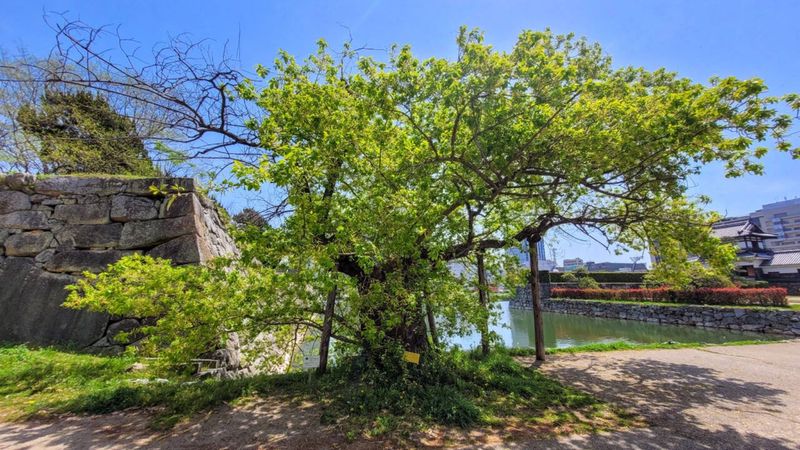
When an atomic bomb destroyed Hiroshima in August 1945, almost nothing survived near the center of the blast. Yet within a year, at least some ginkgo trees near the hypocenter had already pushed out fresh green shoots from their scorched frames.
That quiet comeback has fascinated botanists and gardeners ever since, and the biology behind it turns out to be more interesting, and more nuanced, than any simple headline can capture.
Documented Hiroshima ginkgos regrew after severe damage
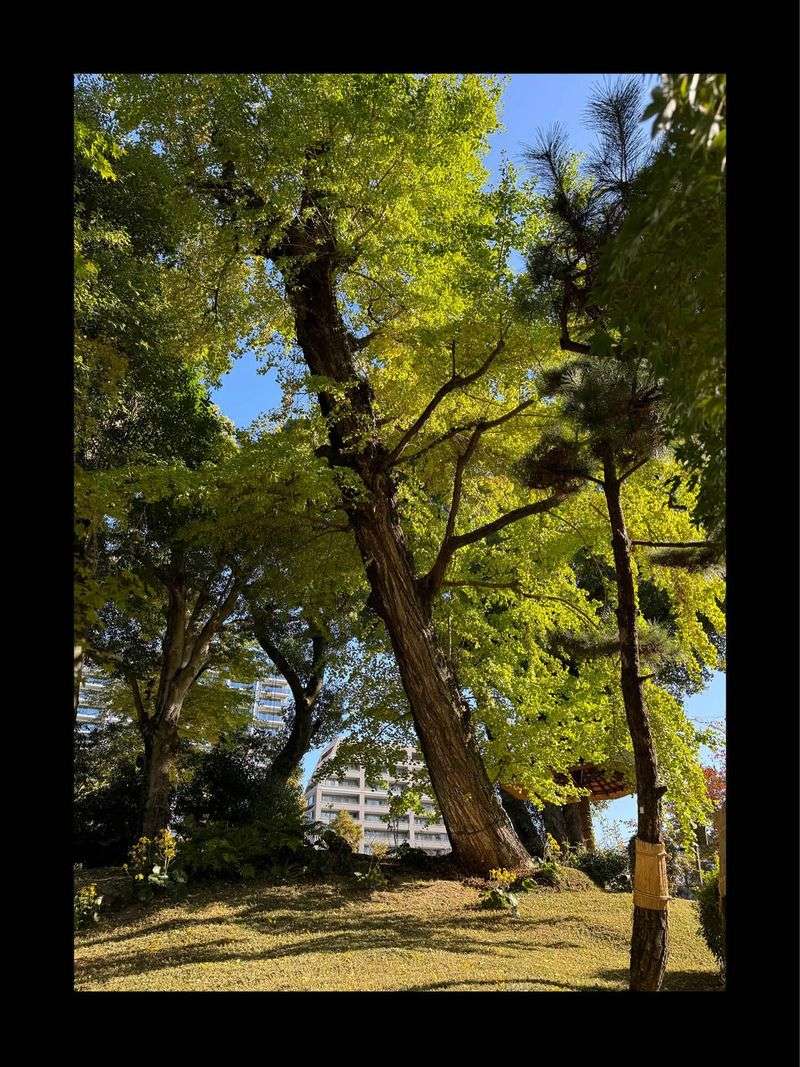
Few chapters in botanical history are as striking as what happened to the ginkgo trees near Hiroshima’s hypocenter after the bombing on August 6, 1945. A peer-reviewed review published in the Journal of Ecology, the International Biological Flora entry for Ginkgo biloba, reports that six ginkgo trees still stand within roughly 2 kilometers of the hypocenter, at documented distances ranging from about 1,130 to 2,160 meters.
These six are among the most closely studied, but they do not represent every ginkgo or every survivor tree that Hiroshima has officially recognized across the city.
Historical accounts collected by the Oxford Botanic Garden and Arboretum describe the damage in vivid terms: burned foliage, stripped branches, scorched bark, and severe wounds across many of the trees closest to the blast. Despite that, living tissue survived inside the trunks, and fresh shoots reportedly appeared within the following year.
Each tree’s experience was shaped by its own combination of distance from the hypocenter, the shielding offered by surrounding structures, and the specific intensity of blast pressure, heat, and fire at its location.
The registered ginkgo at Shukkeien Garden offers one of the clearest individual records. Hiroshima City places it at approximately 1,370 meters from the hypocenter, estimates its age at more than 200 years at the time of the bombing, and notes a visible scar on the side of the trunk facing the blast.
That scar is still there today, a permanent record of the heat and pressure the tree absorbed. Hiroshima officially registers atomic-bombed survivor trees from multiple species, and the ginkgos represent only one part of that broader registry of resilience.
The blast involved more than radiation
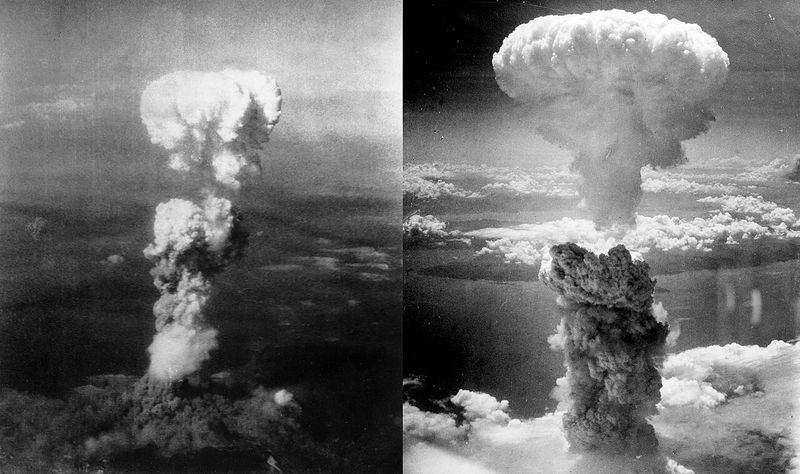
Popular retellings of the Hiroshima ginkgo story often frame it as a radiation survival story, but the physical reality was far more complicated. A 2026 review published in a leading plant science journal, “The phoenix flora: Plant survival, succession, and putative adaptation in the post-atomic landscapes of Hiroshima and Nagasaki,” argues that survivor-tree recovery is more plausibly explained by pre-existing resilience and regrowth from protected tissues than by a demonstrated, multigenerational adaptation to radiation.
What each tree actually faced was a layered assault. Blast pressure could strip branches and crack bark.
Intense heat scorched foliage and seared exposed wood. Fire swept through the city in the hours that followed.
Mechanical damage from falling structures added to the injury. Radiation was one element among several, not the defining test that each tree either passed or failed on its own.
Distance and shielding mattered enormously. A tree positioned behind a concrete building absorbed a different combination of forces than one standing in an open lot at the same nominal distance.
The historical record does not establish that the season or the pre-bomb condition of any particular tree was a decisive factor in its individual survival; what the evidence does support is that trees close enough to survive at all did so because some protected living tissue remained intact after the event, not because they developed a new ability to withstand atomic forces.
Ginkgo keeps dormant growth close to the trunk
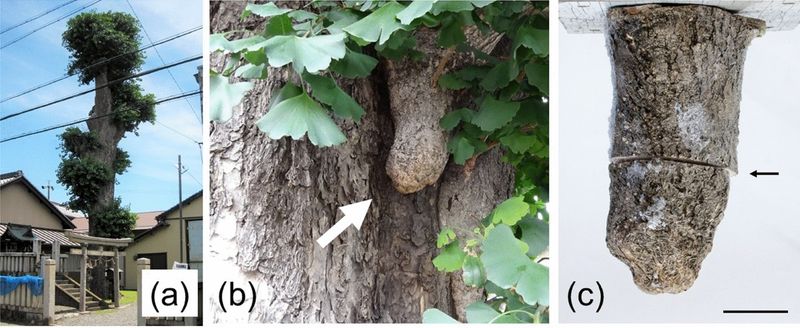
Among the biological features that make ginkgo unusual, one stands out as particularly relevant to the Hiroshima story. Del Tredici’s study on the natural regeneration of Ginkgo biloba describes structures called basal chichi, downward-growing formations that develop from cotyledonary buds embedded in the lower trunk.
When traumatic damage occurs, a basal chichi can extend toward the ground, and from that structure the tree can produce both aerial shoots reaching upward and adventitious roots reaching into the soil below.
This is not a vague or speculative capacity. The study documents ginkgo’s ability to rebuild above- and below-ground growth from a single protected structure near the trunk base, a strategy that would be highly relevant to any tree that lost most of its canopy and surface root system in a catastrophic event.
Dormant meristematic tissues embedded in the stem tissue add a second layer of potential recovery, giving the tree multiple starting points for new growth even when obvious external structures have been destroyed.
What the reviewed sources do not establish is a direct, confirmed link between basal chichi activity and the recovery of each individual Hiroshima survivor. The mechanism is documented in ginkgo as a species; whether it was the specific driver of renewal in each of the six recorded trees near the hypocenter is a question that the available historical and scientific record leaves open.
Treating a plausible and well-supported explanation as a proven cause for each case would stretch the evidence further than it currently reaches.
Regrowth is not the same as wound healing
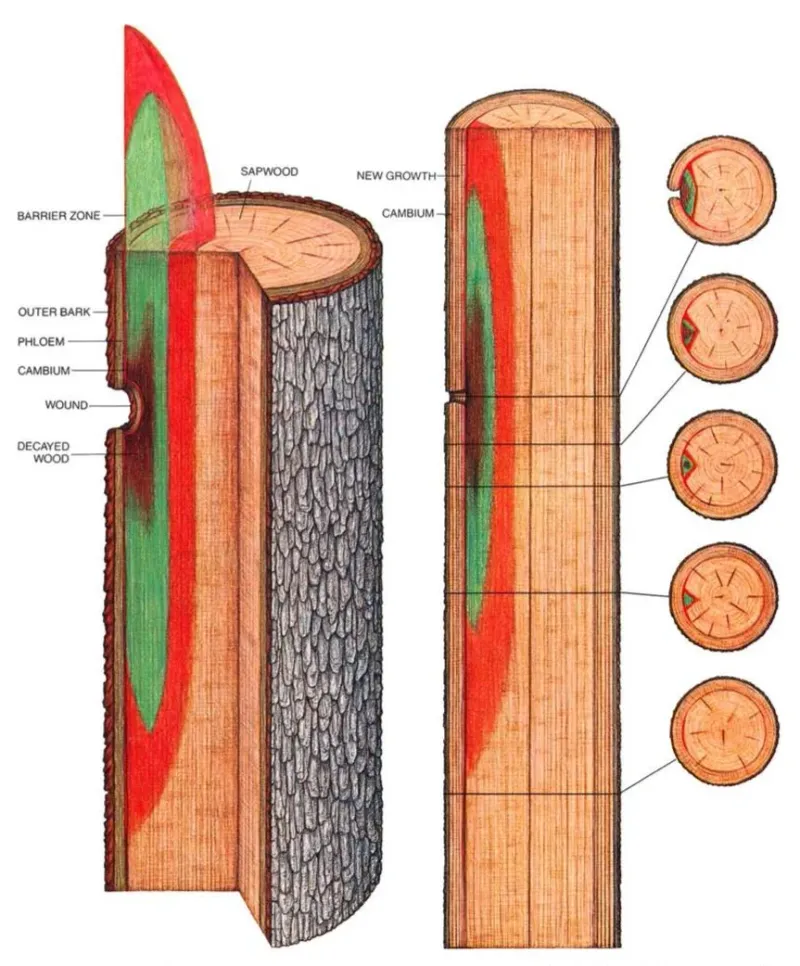
Watching new leaves unfurl on a damaged tree feels like watching something heal, but the biology underneath tells a more complicated story. Trees do not restore injured wood the way an animal’s body repairs a cut.
Instead, they wall off the damaged zone and grow new tissue around it, a process the U.S. Forest Service describes as compartmentalization of decay in trees, commonly called CODIT.
The tree builds chemical and physical barriers that contain damaged or infected wood, then adds layers of woundwood at the edges of the wound over time.
CODIT is a genuinely useful description of how trees manage injury, but it is not the secret behind the Hiroshima ginkgos’ recovery, and it is not evidence that damaged wood returns to its original strength or function. Decay can continue inside large wounds even as woundwood accumulates on the outside.
A tree that compartmentalizes well is protecting itself from further spread of damage, not undoing the damage that already occurred.
Regrowth from dormant buds or basal chichi structures, as described in Del Tredici’s research, is a separate process running alongside compartmentalization. A ginkgo can simultaneously be walling off a scorched wound and sending up fresh shoots from a surviving bud a few centimeters away.
Both things can be true at once, but they serve different functions. Fresh green leaves signal that photosynthesis has resumed; they do not signal that the wood inside a wound is structurally sound or that internal decay has stopped.
Keeping these two processes distinct matters whenever a tree’s safety after major damage is being evaluated.
Why ginkgo can remain resilient for centuries
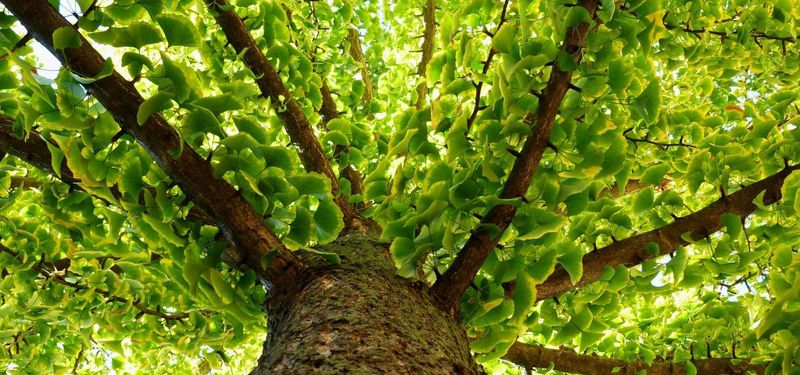
Ginkgo’s performance near Hiroshima fits into a much longer pattern of species-level endurance. The Journal of Ecology review notes that ginkgo commonly produces sprouts in natural populations and is capable of vegetative reproduction, giving individual trees multiple pathways to persist through disturbance.
The same review reports that ginkgo showed comparatively favorable leaf water status under severe water stress compared to Japanese cherry in one study, though that finding describes a relative advantage in one test, not a guarantee against drought stress under all conditions.
The deeper picture comes from a PNAS study by Wang et al. on vascular cambial cells in old Ginkgo biloba trees. Examining trees ranging from 15 to 667 years old, the researchers found that the oldest trees retained active cambial growth and showed high expression of disease-resistance genes along with protective secondary-metabolite pathways.
Rather than declining with age the way many organisms do, these ancient ginkgos appeared to maintain the biological infrastructure for continued growth and chemical defense across centuries.
Those findings support a picture of ginkgo as genuinely long-lived and broadly stress-tolerant, not because it evolved a special response to atomic events, but because its underlying biology sustains function over time spans that most tree species never reach. That distinction matters for how gardeners interpret the Hiroshima story.
The trees that regrew were not displaying a one-time miracle; they were drawing on capacities that ginkgo carries through ordinary decades and extraordinary ones alike. Radiation immunity, disease immunity, and structural indestructibility are not part of that picture; durable cellular machinery and layered regenerative options are.
The backyard lesson is protection, not punishment
The Hiroshima ginkgos survived because some protected living tissue endured an extraordinary event, not because the trees had been deliberately stressed beforehand. Translating that story into backyard care means focusing on reducing avoidable stress rather than testing a tree’s limits.
The most practical place to start is water, and the guidance from University of Minnesota Extension on watering established trees and shrubs is specific: water the full width of the root zone deeply when the top 6 to 9 inches of soil are dry. Shallow, frequent watering encourages roots to stay near the surface, where they are more vulnerable to drought, compaction, and mower injury.
Overwatering is just as damaging in the other direction. Saturated soil drives out oxygen, and roots that cannot breathe begin to deteriorate even as the soil surface looks moist.
The goal is deep, infrequent watering that reaches the wider root zone and then allows the soil to partially dry before the next cycle.
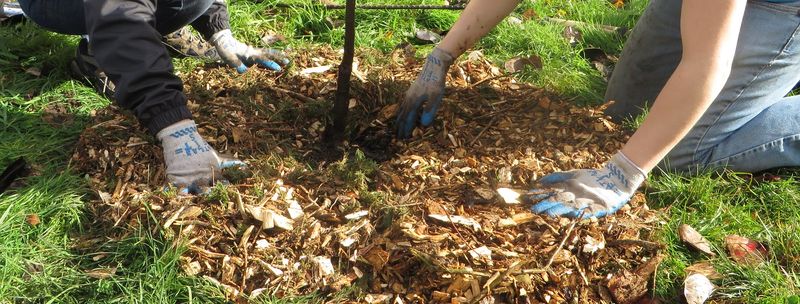
Mulch is the other straightforward protection. A layer of about 3 inches applied in a ring beginning 12 to 18 inches out from the trunk conserves soil moisture, moderates temperature swings, and creates a buffer zone that keeps lawn mowers and string trimmers away from the base of the tree.
Piling mulch directly against the bark traps moisture against the trunk and can encourage rot and pest entry, so the gap between mulch and trunk is not optional. These two practices, deep targeted watering and correctly placed mulch, protect the root environment where a tree’s long-term health is actually built.
Never injure a tree to force new growth
Reading about ginkgo’s dormant buds and regenerative structures might tempt a gardener to think that wounding a tree could unlock those capacities. That line of thinking leads to real harm.
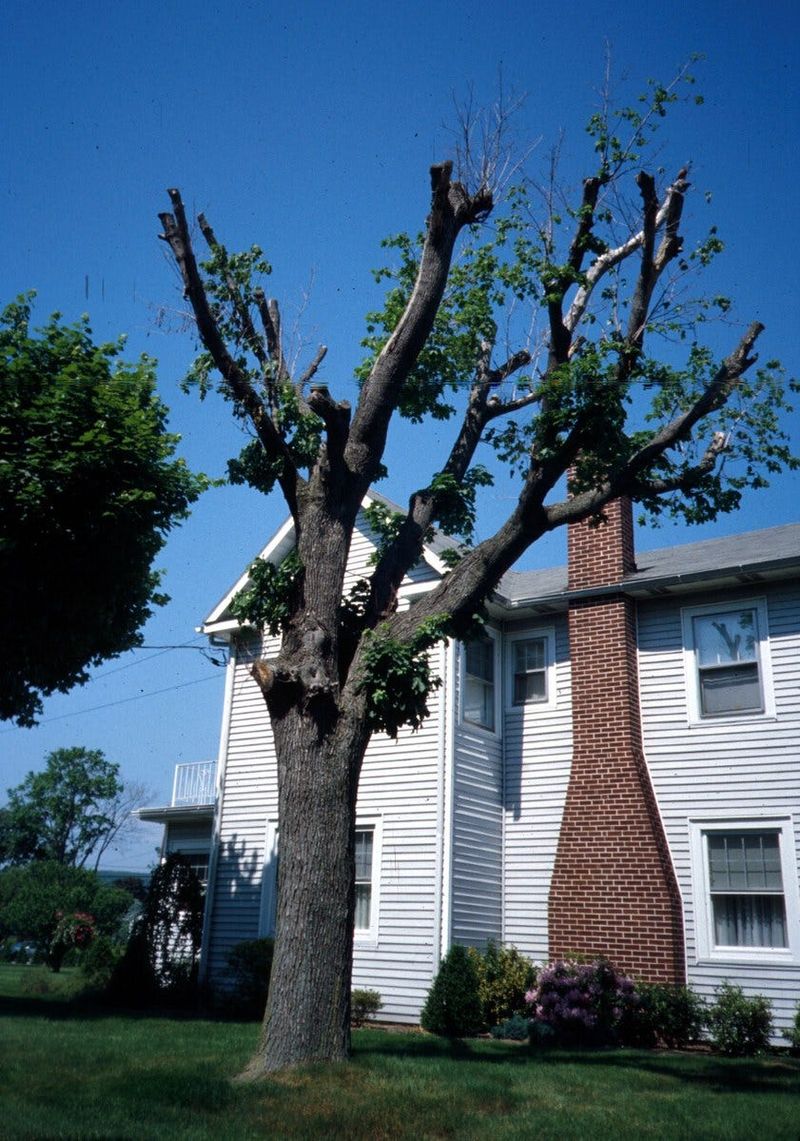
Cutting roots, wounding the trunk, topping the canopy, burying branches, or using severe heading cuts to provoke basal sprouts are all practices that damage a tree’s structural integrity and open pathways for decay, without any reliable payoff in useful new growth.
Penn State Extension’s guidance on pruning landscape trees and making proper pruning cuts emphasizes retaining the branch collar and using removal or reduction cuts rather than indiscriminate heading cuts. Heading cuts, which remove a branch partway along its length without a proper attachment point, leave stubs that are harder for the tree to compartmentalize and often produce clusters of weakly attached water sprouts.
Those sprouts look vigorous but are structurally inferior to the branches they replace.
Root injury carries its own set of consequences. Cutting or compacting major roots reduces the tree’s ability to take up water and can shift its balance, increasing the risk of failure in wind or heavy rain.
Roots do not regenerate in a simple or predictable way after major cuts, and the stability loss can be permanent even if the canopy looks fine for several years afterward.
New shoots after any kind of damage are not a green light. According to Penn State Extension’s advice on helping trees recover after storms, a tree with large wounds, cracks, root damage, hanging limbs, or a pronounced lean needs assessment by a qualified arborist before anyone concludes it is safe.
Fresh leaves show that the tree is alive; they do not show what is happening inside the wood.
Resilience means the capacity to begin again
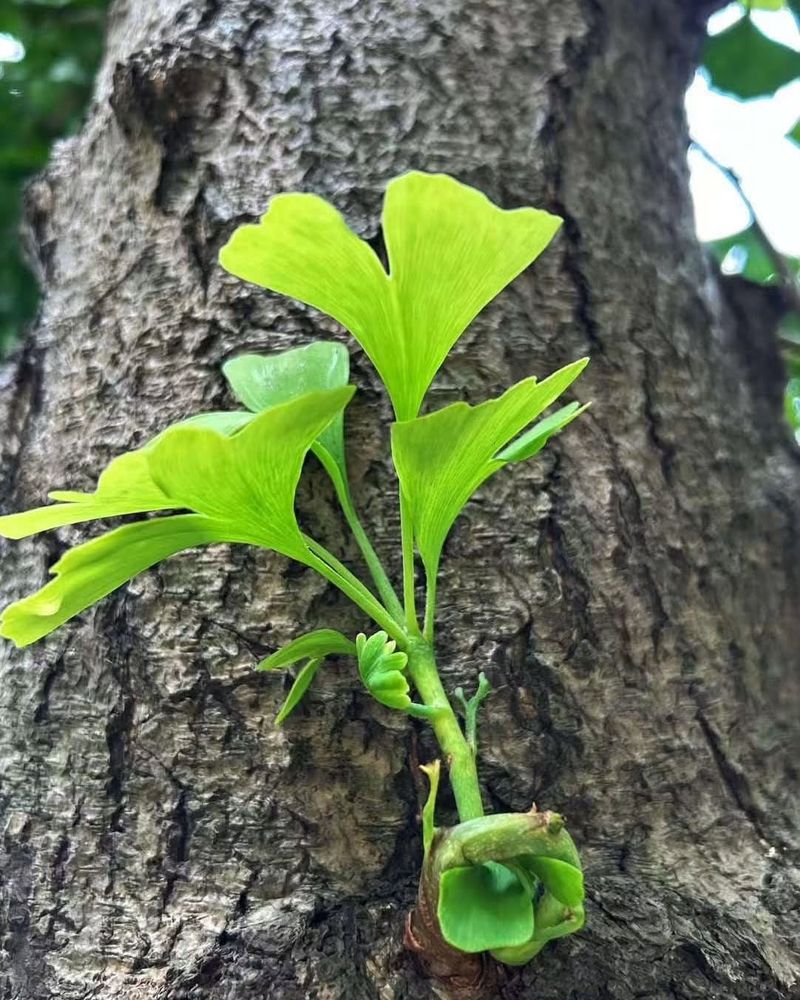
The Hiroshima ginkgos endured because living tissues inside their trunks survived the event, because ginkgo as a species carries documented regenerative options including dormant buds and basal chichi structures, and because trees can compartmentalize damage and sustain function even when large portions of their structure are compromised. The peer-reviewed Ginkgo biloba biological flora review supports this account while leaving the survivor-specific mechanisms unresolved at the level of each individual tree.
Ginkgo has species-specific regenerative capacities that Del Tredici’s research on basal chichi documents in detail, and trees broadly can compartmentalize wounds and grow around damage rather than surrendering to it. But recovery is conditional, shaped by the severity of injury, the location of surviving tissues, and circumstances that differ from tree to tree.
The more honest lesson from those six documented ginkgos near the hypocenter is not that every tree hides an indestructible mechanism in its roots. It is that a well-cared-for tree enters any stress event with more intact tissue to draw on, which means responsible care before a crisis matters far more than any intervention after one.