
Hawks Keep Circling One Corner Of Your North Carolina Yard And Here’s The Signal They’re Reading
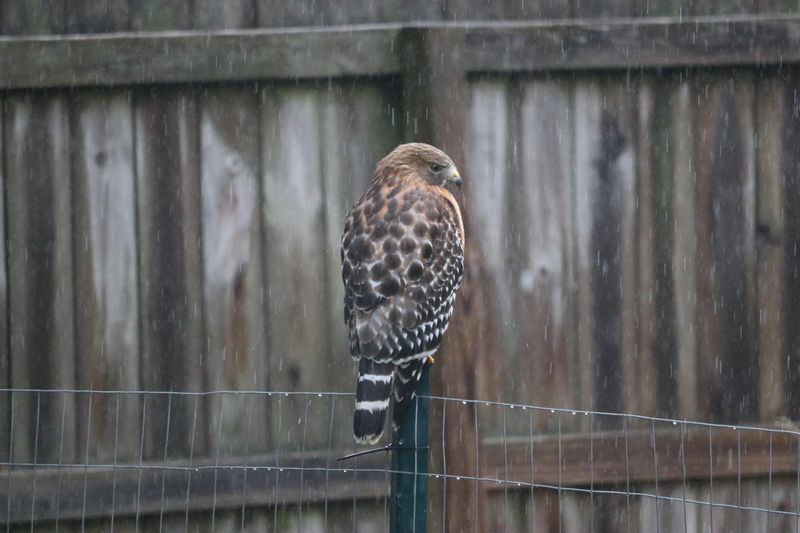
Most North Carolina homeowners who spot a hawk returning again and again to the same corner of their yard assume the bird has found something specific there. That instinct is understandable, but the full picture is more complicated and more interesting.
A hawk may be responding to prey, a useful perch, dense cover, or simply a pocket of rising warm air, and sorting out which one requires more than watching the bird circle. Understanding what is actually drawing that hawk can help you protect the birds you love while giving a protected native raptor the space it deserves.
The hawk may be reading an opportunity, not sending a definite signal
Watching a hawk return to the same corner of your yard day after day feels like a message. The temptation is to read it as a definite one, maybe a hidden rodent nest or a flock of songbirds the bird has already scouted.
Before settling on that explanation, though, it helps to know what circling behavior can and cannot tell you.
High, wide circles are not a reliable sign that a hawk has pinpointed prey directly below. Audubon’s reporting on raptor flight behavior explains that raptors commonly use columns of rising warm air, called thermals, to climb with very little effort.
A hawk riding a thermal over your backyard corner may simply be gaining altitude efficiently before moving on. That same circling pattern can also reflect travel, seasonal migration, territorial display, or a bird monitoring a nest area nearby.
A yard corner can still become a genuinely useful spot for a hawk, even if circling alone cannot tell you why. The corner may offer a tall tree or fence post with a clear sightline, dense shrubs that push small mammals or birds into the open, or a combination of cover and open ground that makes approaching prey a little easier.
Those are real advantages a hawk would notice.
The practical takeaway is that a single visit, or even a few visits, is not enough to draw a firm conclusion. Repeated returns become more informative only when you pair them with other observations: a favorite perch used again and again, songbirds scattering suddenly, visible rodent activity near spilled seed or compost, or low direct passes through vegetation.
One corner attracting a hawk is a starting point for careful watching, not a diagnosis of what is happening underneath it. Keeping that uncertainty in mind protects you from overreacting and helps you focus on the clues that actually carry weight.
Identify the hawk before interpreting the corner
Species identification is the step most backyard observers skip, and skipping it leads to misreading the whole situation. Not every hawk visiting a North Carolina yard is hunting the same thing, and the differences matter a great deal when you are trying to figure out what that corner is offering.
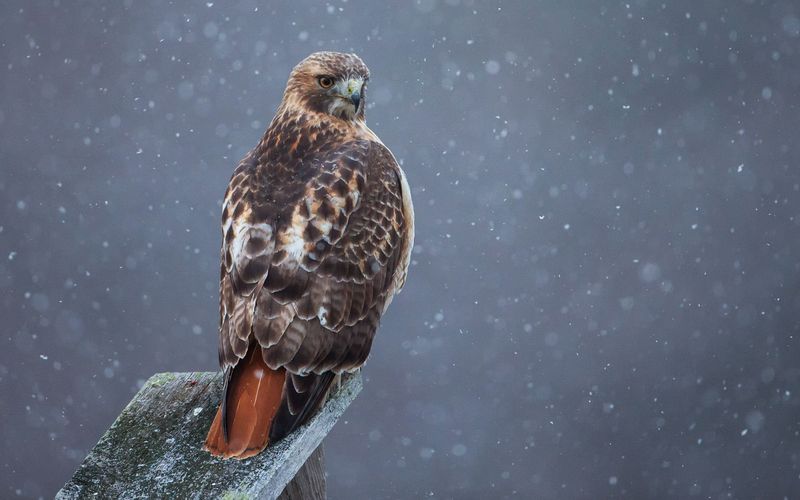
The Red-tailed Hawk is the large, broad-winged buteo that most people picture when they think of a hawk. Cornell Lab’s Red-tailed Hawk guide describes a bird that commonly hunts from elevated perches, scanning open ground for mammals such as voles, mice, squirrels, and rabbits.
Red-tails are big birds, roughly the size of a crow times two, with wide rounded wings and, in adults, a distinctive rusty-red tail visible from below when they soar. If this is the hawk visiting your corner, the most plausible prey is a small mammal, not a songbird at your feeder.
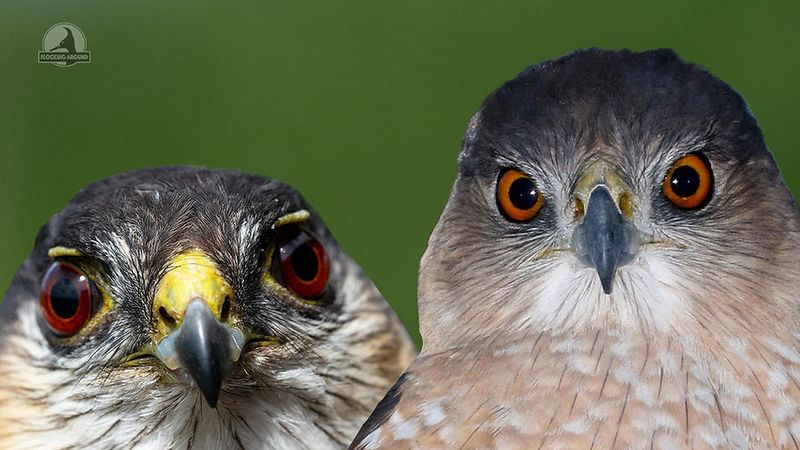
Cooper’s Hawks and Sharp-shinned Hawks are a different story. Both belong to a group called accipiters, which are built for speed and agility through wooded cover rather than for soaring over open fields.
Cornell’s Cooper’s Hawk life history notes that this species is strongly associated with wooded neighborhoods and suburban yards, where it pursues birds rather than mammals. Sharp-shinned Hawks are similar but noticeably smaller, roughly the size of a blue jay, and share the same bird-hunting habits.
Both species turn up regularly in residential areas of North Carolina, particularly during fall migration and winter.
Project FeederWatch research on Cooper’s and Sharp-shinned Hawks found that these accipiters are frequent visitors to yards with bird feeders, where songbird concentrations give them a possible hunting advantage. Telling a Cooper’s from a Sharp-shinned is genuinely tricky, but separating either accipiter from a Red-tail is straightforward once you look at size and wing shape.
Getting that identification right before you interpret the corner means you are working with the right behavioral profile from the start.
The corner’s clues can support—or weaken—the hunting theory
Once you know which hawk you are watching, the next step is reading the corner itself. No single observation will confirm what the bird is hunting or prove it has found prey in that exact spot, but several clues together can either support or weaken the idea that active hunting is happening there.
Start with structure. A repeatedly used branch, fence post, or dead tree with a clear view of the yard is a meaningful sign, because hawks often return to the same perch to watch and wait.
Cornell’s Cooper’s Hawk life history notes that accipiters often use dense cover and woodland edges when approaching prey, rather than hovering in the open. A corner with thick shrubs, a brush pile, or a hedge bordering open lawn offers exactly that kind of structural advantage.
Ground-level activity adds another layer. Spilled seed beneath a feeder, a compost bin, or dense vegetation near an outbuilding can attract rodents, and rodent movement near those spots would be consistent with a Red-tail’s interest.
A sudden burst of feeder birds or a concentration of ground-feeding sparrows, juncos, or doves near the corner would fit the profile of an accipiter’s opportunity instead.
Pay attention to how other birds react. Cornell’s explanation of mobbing behavior describes how small birds often chase and scold a hawk to drive it away from nests, young, or a territory they are defending.
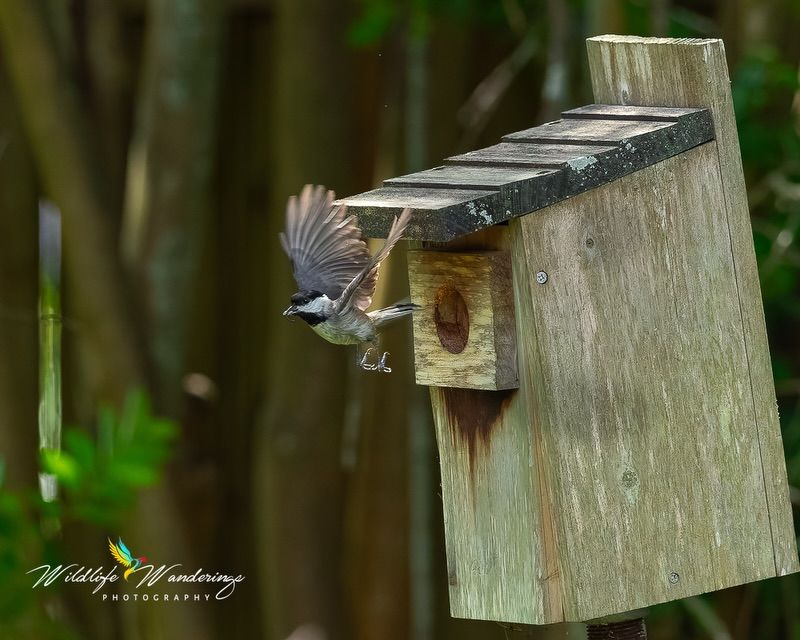
Sudden scattering or loud alarm calls from chickadees, blue jays, or mockingbirds can signal that a hawk is nearby and actively unwelcome.
Feathers on the ground near the corner are worth noting, and U.S. Fish and Wildlife Service backyard wildlife guidance acknowledges feathers as a possible sign of predator activity.
A full-bellied hawk perched calmly nearby after the feathers appear adds to the picture. Even so, feathers can come from other predators, and a well-fed hawk does not confirm what it ate or where.
Treat each of these clues as one piece of a larger pattern rather than proof on its own.
High circles do not mean the same thing as low hunting passes
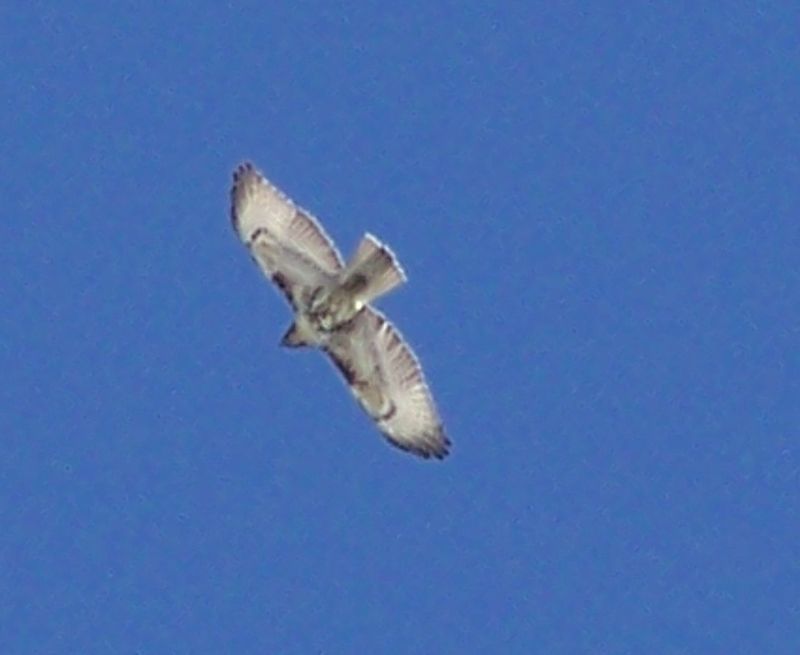
Flight height and style carry more diagnostic weight than most backyard observers realize. Treating all hawk movement the same way leads to misreading what the bird is actually doing over that corner of your yard.
Broad, high circles are most commonly linked to thermal use. Audubon’s coverage of raptor flight explains that raptors exploit columns of rising warm air to climb efficiently, conserving energy they would otherwise spend flapping.
A hawk riding a thermal over your yard corner may be gaining altitude before traveling to a completely different location. The same circling pattern can also reflect migration, territorial advertisement, or a bird keeping an eye on a nest area without actively hunting.
None of those behaviors point to a mouse or vole hidden in your garden bed.
Low, direct passes tell a different story. An accipiter flying fast and low through shrubs or along a hedge line is behaving in a way that fits bird hunting much more closely.
Cornell’s Cooper’s Hawk life history describes a bird that uses cover and speed to surprise prey, sometimes flying through dense vegetation rather than around it. A Cooper’s or Sharp-shinned Hawk making repeated low passes through the same shrub corner is worth watching more carefully than one circling high overhead.
A hawk that returns repeatedly to the same perch without making hunting passes may be monitoring a nearby nest, resting between foraging trips, or simply using a favorite vantage point that has nothing to do with prey in your yard. U.S.
Fish and Wildlife Service raptor guidance recommends observing from a distance, especially during nesting season, when hawks can become more territorial and may approach humans who come too close to a nest site. Noting the hawk’s altitude, speed, and direction each time you see it gives you a much clearer picture than any single sighting can provide.
A feeder can create a possible hunting opportunity
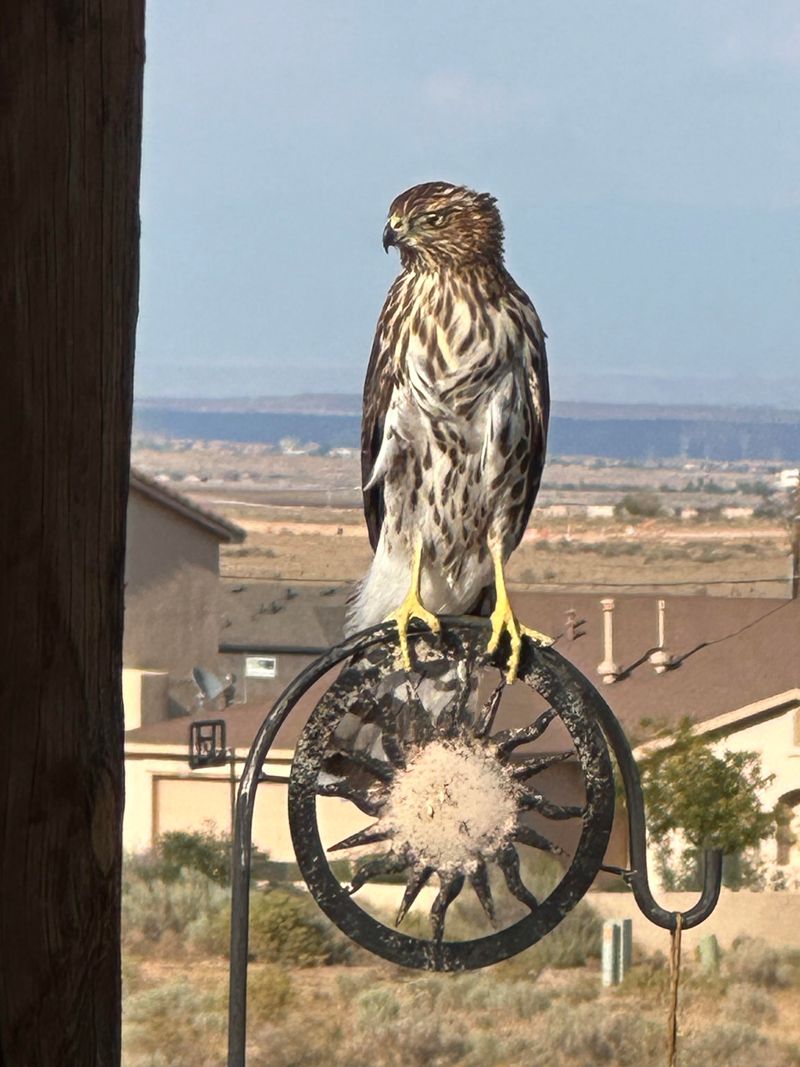
Many North Carolina homeowners who notice a hawk near their yard corner also have a bird feeder nearby. That proximity is worth examining, though the connection between feeders and hawks is more nuanced than it first appears.
Feeders concentrate songbirds in one predictable location, and that concentration can make prey more accessible to a hunting accipiter. Project FeederWatch data on Cooper’s and Sharp-shinned Hawks in backyards found that these species frequently take feeder-associated birds, with ground-feeding species including dark-eyed juncos, house finches, American goldfinches, song sparrows, mourning doves, and European starlings among documented prey.
A corner where your feeder birds gather to eat spilled seed on the ground is exactly the kind of spot an accipiter would find useful.
That said, a feeder does not guarantee a hawk will visit, and it does not create a fixed hunting route the hawk follows on a schedule. Cornell Lab’s reporting on increased hawk sightings in residential yards notes that hawk populations of several species have grown in recent decades, partly because suburban habitats offer a reliable mix of cover and prey.
Your feeder may simply be one of several opportunities a hawk is checking across a larger territory.
Songbirds that scatter when a hawk appears are not gone permanently. They typically hide in dense shrubs, go quiet, and return once the hawk has moved on.
Comparing the timing of hawk visits with peak feeder activity, noting whether ground-feeding birds are present when the hawk arrives, and checking whether spilled seed has been accumulating near the corner can all help you understand whether the feeder is a factor. If the hawk appears consistently right when feeder traffic is heaviest, that pattern is more suggestive than a hawk that circles high overhead at random times of day with no apparent connection to the birds below.
Protect feeder birds without trying to control the hawk
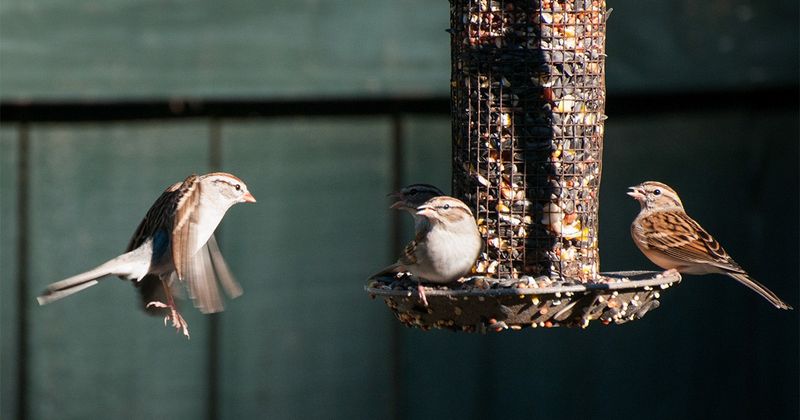
Knowing a hawk is hunting near your feeders does not mean you have to choose between the hawk and the birds you enjoy watching. There are practical, lawful steps you can take that reduce the risk to feeder birds without putting the hawk in danger.
When a hawk is repeatedly hunting at a feeding station, the most straightforward response is to take the feeders down temporarily. U.S.
Fish and Wildlife Service raptor guidance recommends removing feeders or food sources for roughly one to two weeks when a hawk is actively and repeatedly taking birds there. Without a concentrated group of prey, the hawk will likely shift its attention elsewhere.
When you put the feeders back up, the songbirds will return too. This is a situational response to a specific pattern of repeated predation, not something every homeowner needs to do at the first sight of any hawk.
Feeder hygiene matters independently of hawk activity. U.S.
Fish and Wildlife Service bird-feeding guidance advises cleaning seed feeders approximately every two weeks, or more often during wet weather, heavy use, or disease outbreaks, and cleaning the ground below feeders as well. Accumulated spilled seed can attract rodents, which in turn may draw additional predators to the area.
Keeping the feeding station tidy reduces that secondary effect without eliminating the feeder entirely.
What you must not do is attempt to control the hawk directly. Native hawks are protected under the federal Migratory Bird Treaty Act, and U.S.
Fish and Wildlife Service guidance on raptor control makes clear that capturing, injuring, poisoning, trapping, or killing a hawk is illegal without a federal permit. Destroying a nest is equally prohibited.
Physically harassing the bird, even by clapping or shouting to drive it away repeatedly, crosses a line that can cause real harm and may still violate federal protections.
If a hawk begins diving toward you, calling persistently, or making repeated close approaches, it may be defending a nearby nest rather than hunting. Observe from a comfortable distance, give the area around the suspected nest a wide berth for a few weeks, and contact the North Carolina Wildlife Resources Commission or a licensed wildlife rehabilitator if the behavior seems unusually aggressive or if you find an injured bird.
Watching carefully from afar is almost always the right first move.
Use the whole pattern—and stop where the evidence stops
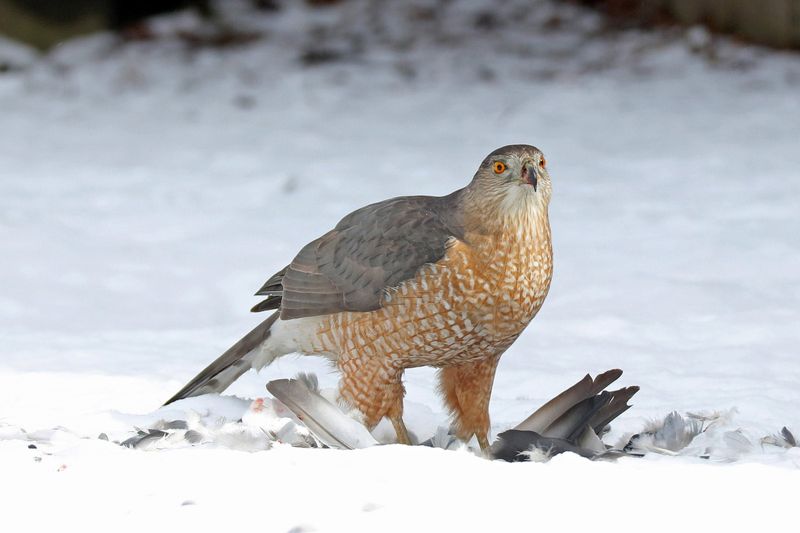
Putting the full picture together is the most honest thing you can do with a repeated hawk sighting. No single observation, whether it is circling overhead, a pile of feathers, a favorite perch, or a feeder full of juncos, can tell you definitively what the bird is responding to.
What a consistent pattern of observations can do is point you toward the most plausible explanation.
Start with species identification, because a Red-tail watching from a tall perch over open ground is a different situation from a Cooper’s Hawk threading through your corner shrubs at low speed. Add flight style: high thermal circling is far less informative about local prey than a fast, low pass through cover.
Then look at the corner itself, checking for structural advantages like a clear sightline or dense escape cover, feeder or rodent activity nearby, and how other birds are reacting. Audubon’s raptor flight reporting and Cornell’s Red-tailed Hawk guide both support the idea that behavior only becomes readable when you layer multiple observations rather than relying on one dramatic moment.
The strongest defensible conclusion you can reach is that the hawk may be responding to a local opportunity involving prey, cover, a perch, or favorable air currents. That is not a rodent infestation diagnosis, a pest-control guarantee, or a report card on your yard’s ecological health.
Your next step is simple: watch from a distance, adjust feeders or habitat only when the observed pattern gives you a real reason to, and let the hawk do what Project FeederWatch data confirms these birds have always done in residential neighborhoods. A hawk returning to your corner is worth watching carefully, and careful watching almost always turns out to be more rewarding than a quick answer.