
North Carolina Homeowners Can Legally Refuse To Rip Out These HOA-Flagged Native Plants
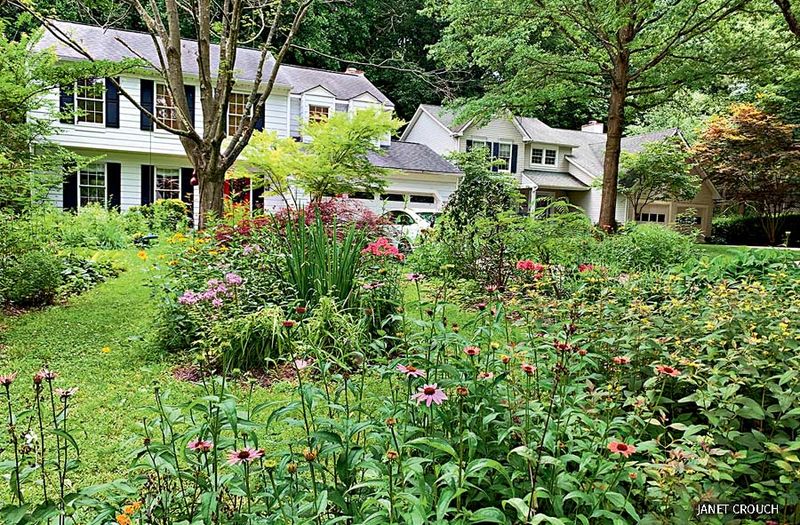
If your HOA has ever left a note on your door about your “messy” flower bed, you are not alone. Many North Carolina homeowners want to grow native plants that feed box turtles, goldfinches, and pollinators, but worry an HOA will make them tear everything out.
The truth is a little complicated, and knowing your options can help you keep a wildlife-friendly yard while staying on good terms with your neighborhood. Here are the native plants HOAs often flag, why they matter, and how you can make a strong case to keep them.
1. Know What NC Law Actually Says About HOAs and Native Plants
Let’s clear up a big myth right away. North Carolina does not currently have a state law that automatically protects native plants, pollinator gardens, or xeriscaping from HOA rules, unlike a handful of other states.
Your neighborhood covenants are usually enforceable under the North Carolina Planned Community Act (Chapter 47F). That means an HOA generally can ask you to remove plants that break clearly written, consistently enforced landscaping rules.
So where does “legally refuse” come in? Your real leverage lives in the details: how the covenants are worded, whether the rules are enforced evenly, and how well you present a designed, maintained plan.
A vague rule about “neat appearance” is much weaker than you might think, and a tidy native bed with clean edges often meets that standard.
Before you pull anything, request a written copy of the exact covenant being cited. Knowing the specific language is your first and best tool.
2. Milkweed (Asclepias spp.)
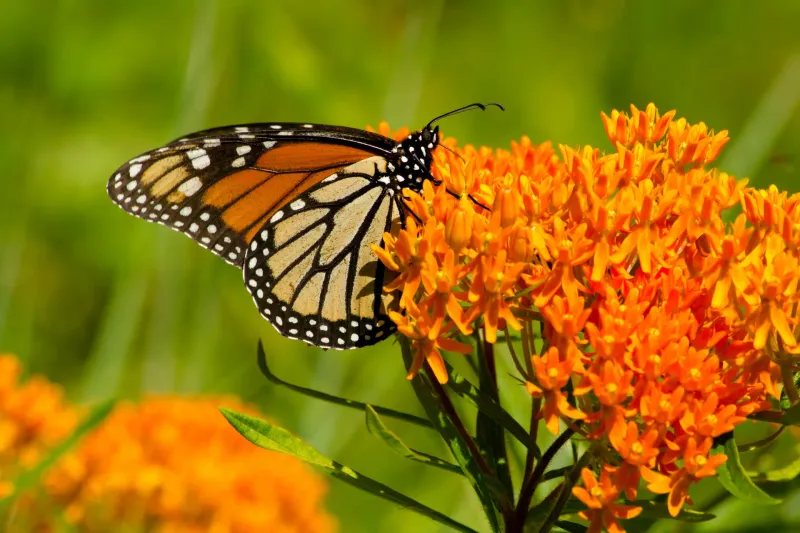
Few plants pull their weight like milkweed. It is the one and only host plant Monarch caterpillars can eat, so no milkweed means no Monarchs passing through your NC yard.
HOAs sometimes flag it because its late-summer look can turn a little wild, with pods splitting open and seeds drifting on the breeze. To some eyes that reads as untidy rather than intentional.
Here is your counterargument: milkweed like butterfly weed (Asclepias tuberosa) stays compact and blooms a tidy orange, perfect for a defined bed. Group three to five together with a mulched edge and it looks deliberate, not accidental.
When you write to the architectural committee, name the Monarch. Explaining that this plant supports a beloved, declining butterfly turns a “weed” argument into a conservation story neighbors can rally behind.
3. Purple Coneflower (Echinacea spp.)
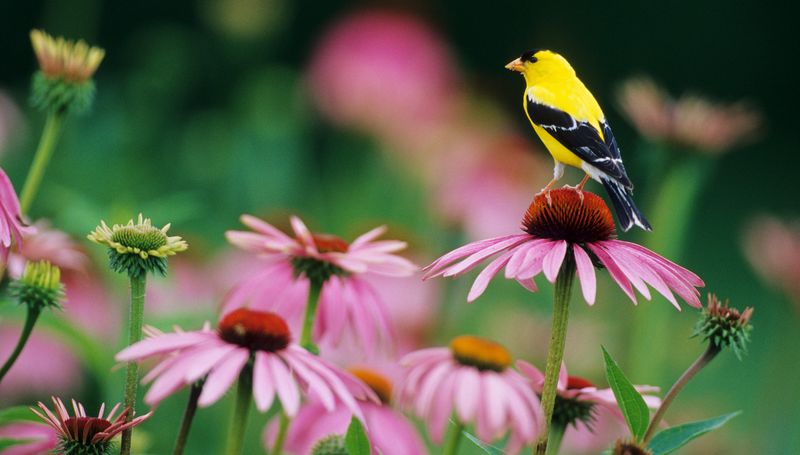
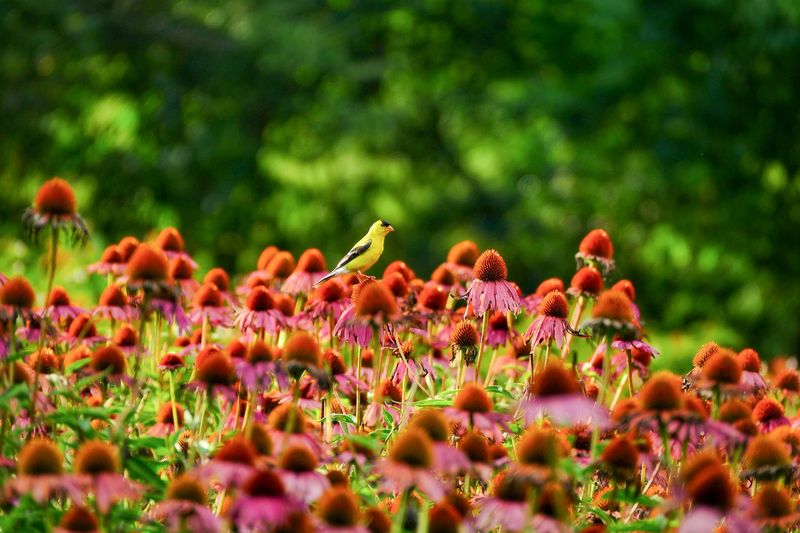
With their daisy-like purple petals and honey-scented centers, coneflowers look right at home in even the fussiest formal border. Bees love the blooms all summer, and goldfinches cling to the seed heads come fall.
The friction usually starts in autumn. Those spent, spiky seed heads that birds adore can look “dead” to someone expecting deadheaded flowers, and that is when the HOA note appears.
You can meet in the middle. Leave standing seed heads through fall and early winter for the goldfinches, then cut them back before spring so the bed reads as maintained.
A small, weatherproof garden sign that reads something like “Songbird seed source” quietly explains your choice to walkers and board members alike. It signals intention, which is exactly what covenants about appearance are really asking for.
4. Black-Eyed Susan (Rudbeckia hirta)
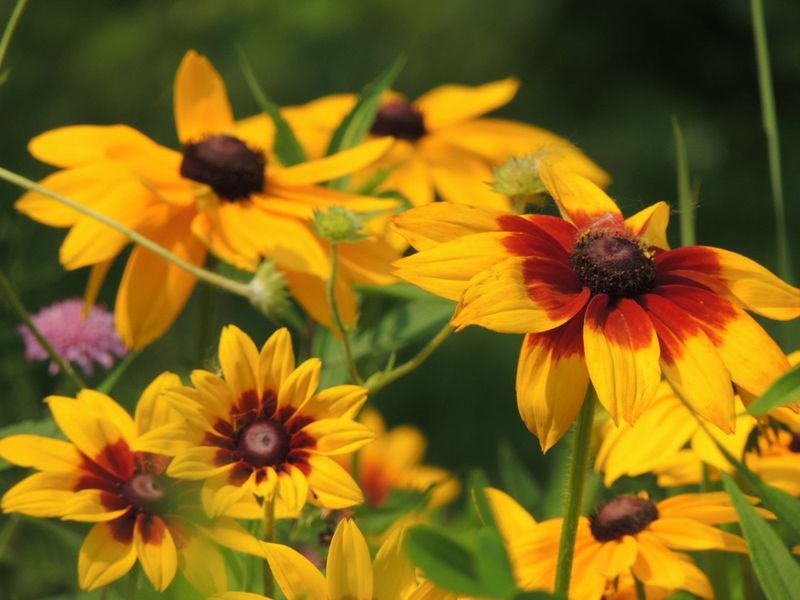
Golden and cheerful, black-eyed Susans are practically the poster child for an all-American flower bed. That familiarity is your secret weapon against an HOA complaint.
Because so many people already recognize and like them, they rarely trigger the “looks wild” reaction that taller natives do. Pollinators feast on the nectar, and goldfinches work the seed heads once the petals fade.
They do reseed happily, which can push them beyond their original spot. A quick edging with a spade each spring keeps the colony inside the lines you drew.
Pair a drift of them with a crisp mowed border and you get the best of both worlds: a lawn-friendly look the neighbors expect and a genuine buffet for NC wildlife. Fun bit: they are pioneer plants, often the first to colonize disturbed ground, which is why they spread with such enthusiasm.
5. Little Bluestem (Schizachyrium scoparium)
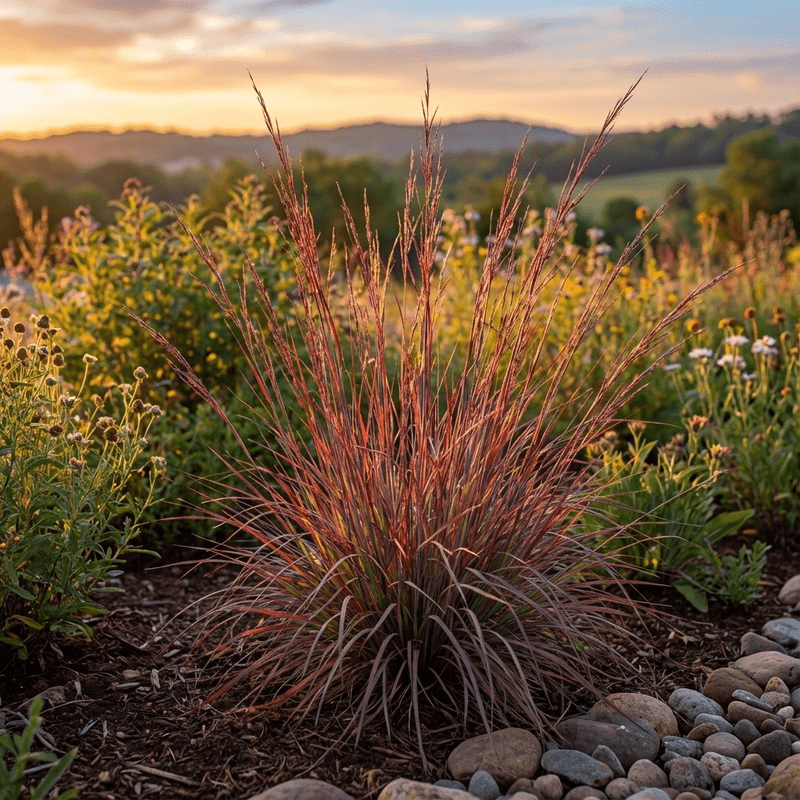
Come autumn, little bluestem catches fire, glowing coppery-red and holding fluffy silver seeds that shimmer against a low sun. It is one of the prettiest native grasses North Carolina has, and it stays in a tidy clump instead of running everywhere.
HOAs used to a uniform fescue lawn may balk at any grass that stands upright and goes tan in winter. The word “unmowed” gets thrown around even when the plant is perfectly healthy and intentional.
Use its clumping habit to your advantage. Space plants evenly in a row or grid and they read as an ornamental planting, the same way expensive nursery grasses do in commercial landscapes.
Beyond looks, little bluestem shelters ground beetles and small insects that box turtles snack on, and its seeds feed sparrows through the cold months. It asks for almost no water once established, which is an easy selling point for a water-conscious board.
6. Indiangrass (Sorghastrum nutans)
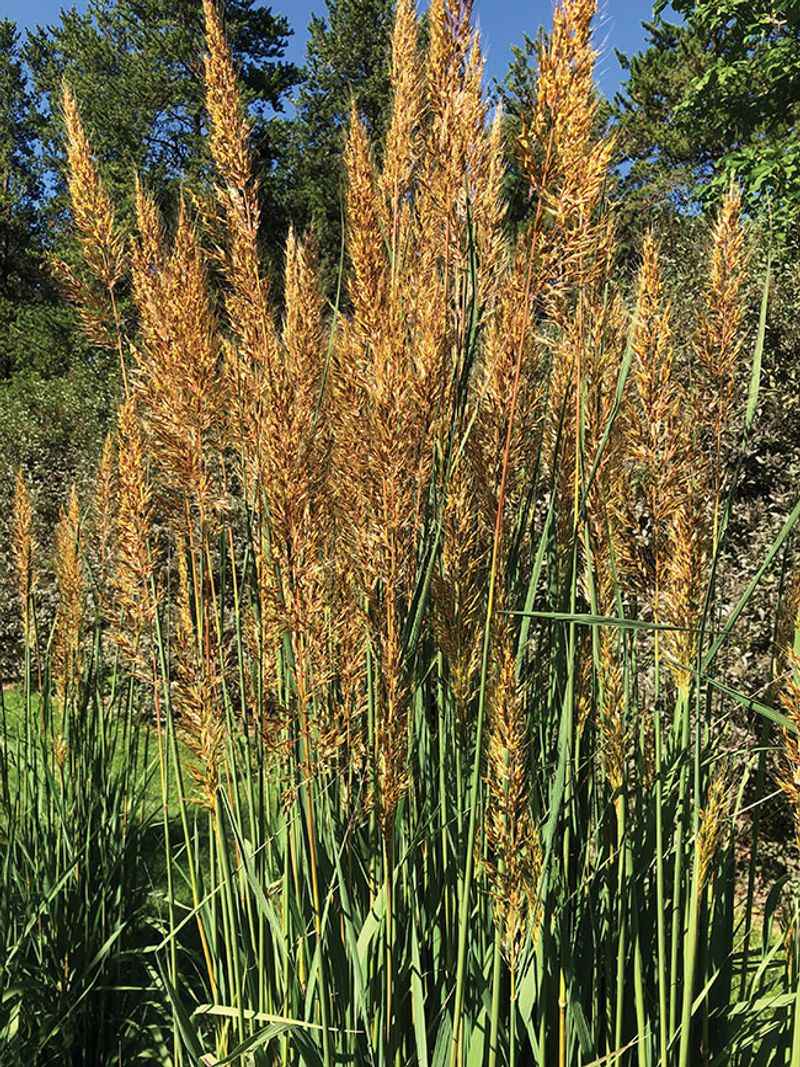
Tall, upright, and topped with golden-bronze plumes, indiangrass brings a bit of the old Carolina prairie right up to your fence line. Songbirds shelter in its base while insects that feed box turtles thrive in the litter below.
Height is the sticking point here. A grass reaching four to six feet can worry a board that pictures an overgrown lot, so placement matters more with this one than most.
Tuck it toward the back of a bed as a living backdrop, with shorter, more familiar flowers stepping down in front. That layered arrangement instantly says “designed border” rather than “neglected field.”
It also locks carbon into deep roots and stands strong through winter storms, giving you a genuine environmental talking point when you make your case in writing.
7. Goldenrod (Solidago spp.)
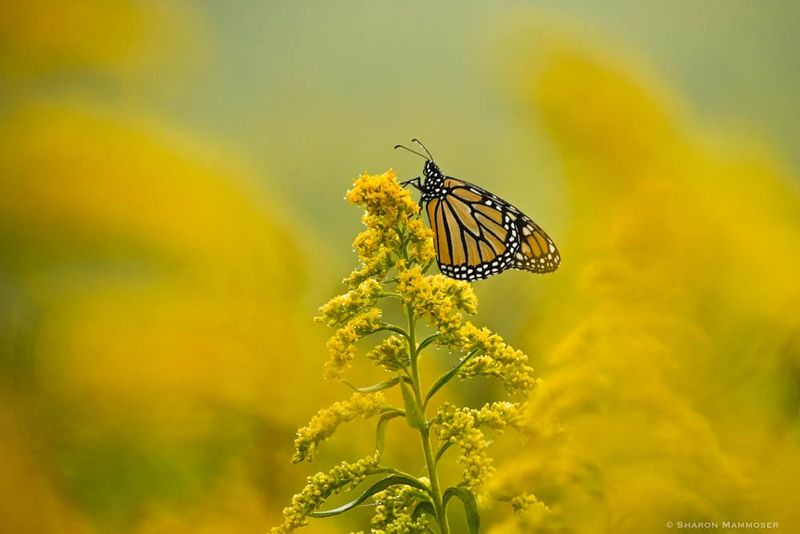
Poor goldenrod gets blamed for autumn sniffles it never caused. The real culprit is ragweed, which blooms at the same time, while goldenrod’s heavy pollen barely travels on the wind.
Clearing up that mix-up is often half your battle with an HOA. Once neighbors know it is not the allergy plant, its brilliant yellow plumes become a welcome sight instead of a suspect one.
For pollinators, goldenrod is a lifeline. It is one of the last big nectar and pollen sources before winter, feeding bees stocking up for the cold and migrating butterflies fueling their journey.
Some species spread by underground runners, so choose a clumping type like wreath goldenrod (Solidago caesia) for a contained bed. A tidy clump with a mulched ring shuts down the “weedy” complaint before it starts.
8. Trumpet Honeysuckle (Lonicera sempervirens)
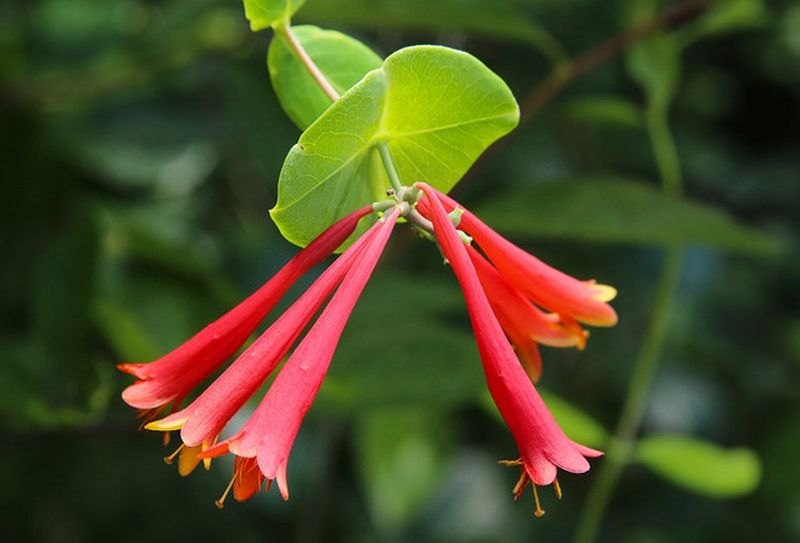
Do not confuse this beauty with the invasive Japanese honeysuckle strangling roadsides across the state. Native trumpet honeysuckle is a well-behaved climber with clusters of coral-red tubes that hummingbirds cannot resist.
Because it is a vine, an HOA might worry it will scramble over fences or swallow a mailbox. Left untrained, any climber can look messy, so this plant lives or dies by its support.
Give it a defined trellis, arbor, or section of fence and prune it once a year to keep it in bounds. On a structure, it looks like a purposeful ornamental feature, which is exactly the impression you want.
Point out the swap it represents: you are trading an aggressive invasive many boards already dislike for a native that feeds ruby-throated hummingbirds. That native-over-invasive angle is one of the strongest arguments you can make.
9. Passionflower (Passiflora incarnata)
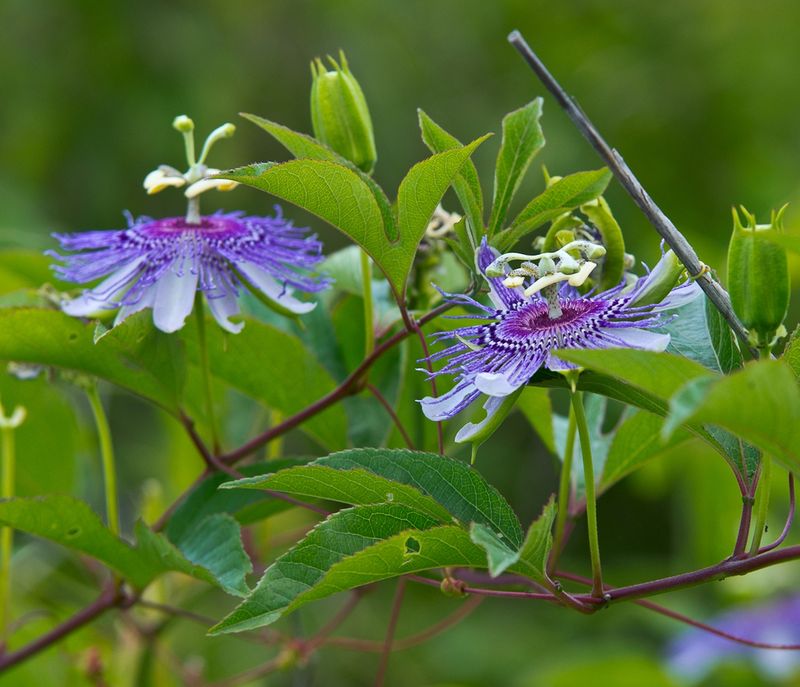
Crack open a passionflower bloom and you will find one of the most otherworldly flowers in the whole Southeast, all purple fringe and crown-like center. It looks tropical, but it is a tough North Carolina native that dies back and returns each year.
Its wandering habit is what raises eyebrows. Passionflower sends up shoots from spreading roots, sometimes popping up several feet from where you planted it, which can look unruly to a watchful board.
Contain it along a fence line or in a raised bed with an edging barrier, and pull stray shoots as they appear. Managed that way, it stays a showpiece rather than a nuisance.
It is the host plant for Gulf fritillary and variegated fritillary butterflies, and its odd fruit, the maypop, has fed Carolinians for generations. Few plants give you this much drama and wildlife value in one vine.
10. Joe-Pye Weed (Eutrochium spp.)
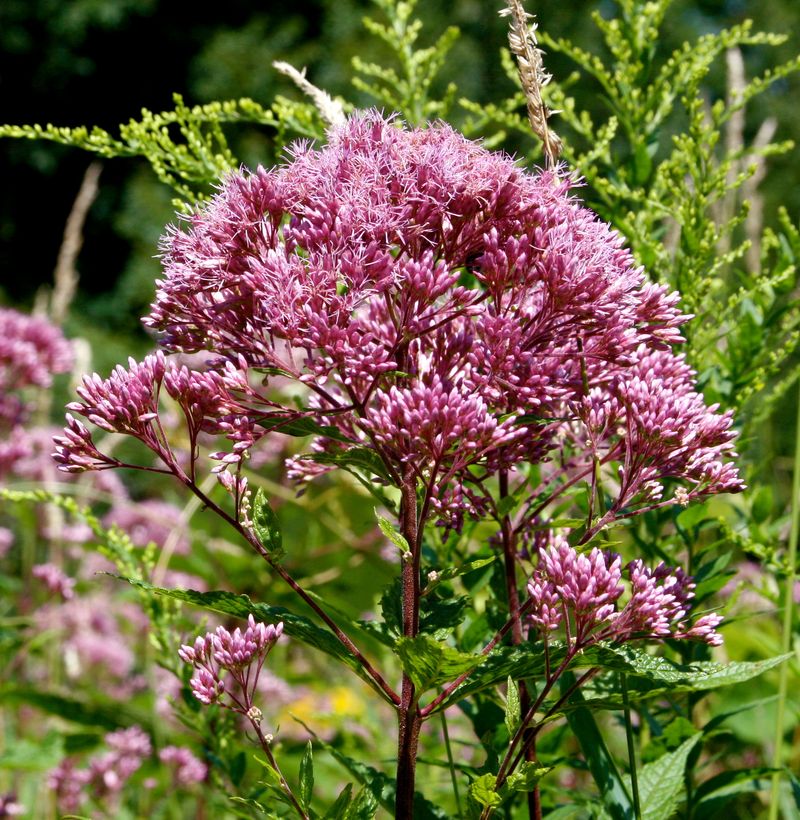
Standing head and shoulders above most border plants, Joe-Pye weed crowns itself with big, dusty-mauve flower clusters that butterflies swarm in late summer. On a warm afternoon it can look like a living cloud of swallowtails.
The name alone gives an HOA an easy excuse. Anything with “weed” in it invites a second look, and its towering height only adds to the suspicion.
Rebrand it in your plan as “queen of the meadow,” an old common name, and place it as a striking anchor at the back of a bed. Height becomes an asset when it is clearly the intentional centerpiece.
It thrives in the damp, soggy spots where grass struggles, so it can turn a problem corner of your yard into a pollinator magnet. That practical fix often wins over a board faster than any wildlife pitch.
11. New England Aster (Symphyotrichum novae-angliae)
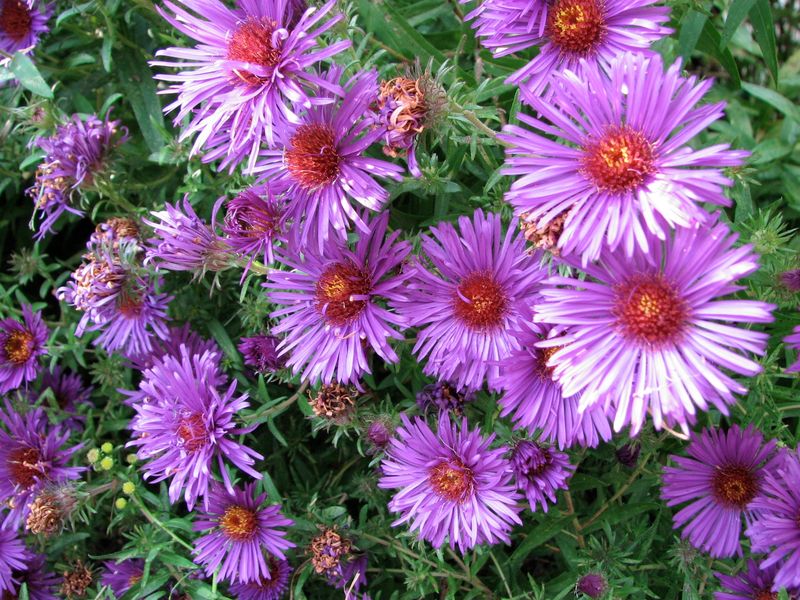
When most flowers have called it a season, New England aster throws a purple party. Its daisy-like blooms open in September and October, offering one of the final nectar meals before pollinators tuck in for winter.
Left alone, it can flop over and sprawl, and a floppy plant is a fast track to an HOA complaint. The plant is not misbehaving, it just wants a haircut earlier in the year.
Pinch it back by about a third in early summer and it grows bushier, shorter, and covered in even more flowers. A little pruning transforms a lanky wildflower into a compact, blooming mound that looks fully intended.
Migrating Monarchs lean on late asters for fuel, so keeping this one blooming helps butterflies make it south. Set it against a mowed edge and the tidy contrast makes the whole planting look sharp.
12. Build a Design Plan Your HOA Cannot Easily Reject
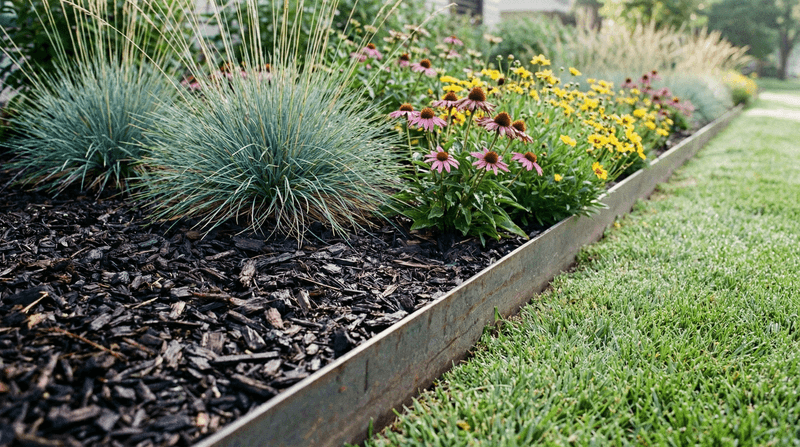
Here is the strategy that ties every plant above together. HOAs almost never object to natives themselves; they object to gardens that look neglected, and that is a problem of presentation, not plant choice.
Give your beds crisp, obvious edges. A mowed strip, a stone or steel border, and a defined mulch ring instantly signal that a person is tending this space on purpose.
Group plants in intentional clusters, step heights from tall in back to short in front, and keep a maintained buffer between your natives and the sidewalk. A small interpretive sign naming the wildlife you support does quiet, friendly work with every passerby.
Then put it in writing. Submit a simple management plan to your architectural committee that lists each species, its ecological benefit, and how you will keep it tidy season by season.
Approaching the board as a partner, not a rebel, is what turns “rip it out” into “approved.”