
Deer Leave These North Carolina Native Shrubs Alone While Stripping Everything Else In The Yard
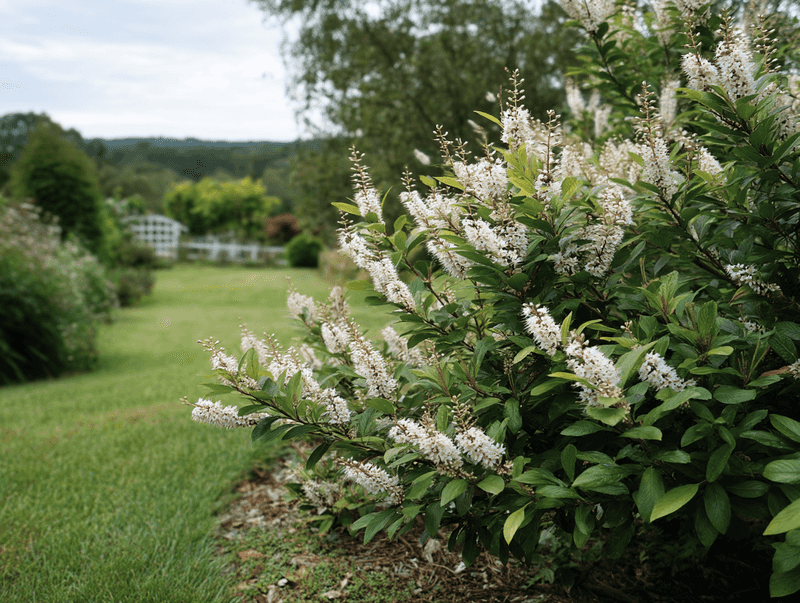
If you’ve ever walked outside to find your hostas chewed to stubs while the deer skipped right over certain shrubs, you’re not imagining things. Hungry deer have favorites, and they also have plants they simply won’t touch.
The good news for North Carolina yards is that many of the shrubs deer avoid happen to be tough natives that feed birds, host butterflies, and never turn into invasive troublemakers. Here are nine NC natives that let you keep your yard beautiful and your local wildlife thriving, even when deer are on the prowl.
1. American Beautyberry (Callicarpa americana)
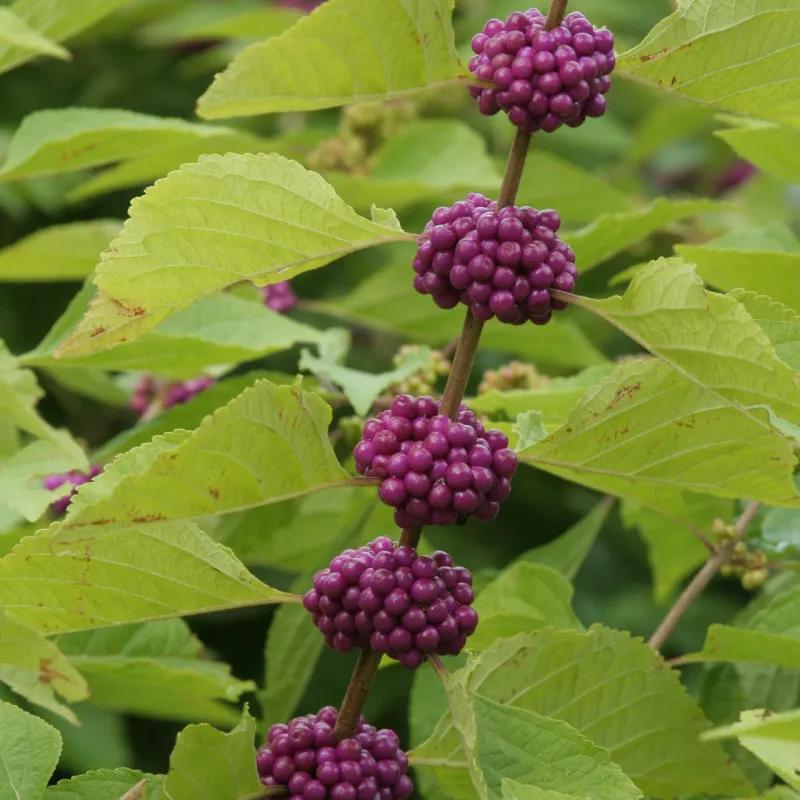
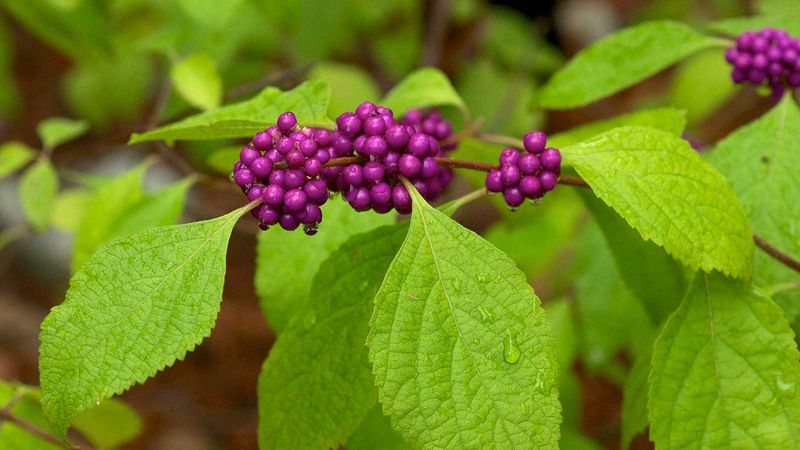
Few shrubs stop people mid-stroll the way beautyberry does when its stems light up with clusters of electric purple berries in fall. Deer, oddly enough, march right past this show-stopper while helping themselves to your daylilies.
Native to the central and southeastern U.S., it thrives in full sun to partial shade and shrugs off both drought and the occasional soggy spell that Piedmont clay loves to serve up. That toughness makes it an easy fit for almost any NC yard.
The berries are a lifeline for songbirds heading into winter, feeding Eastern Towhees, American Robins, and Purple Finches, plus foxes, squirrels, and opossums. Tuck it into a pollinator bed or a naturalized corner and let it do double duty as deer-proof beauty and a wildlife buffet.
2. Spicebush (Lindera benzoin)
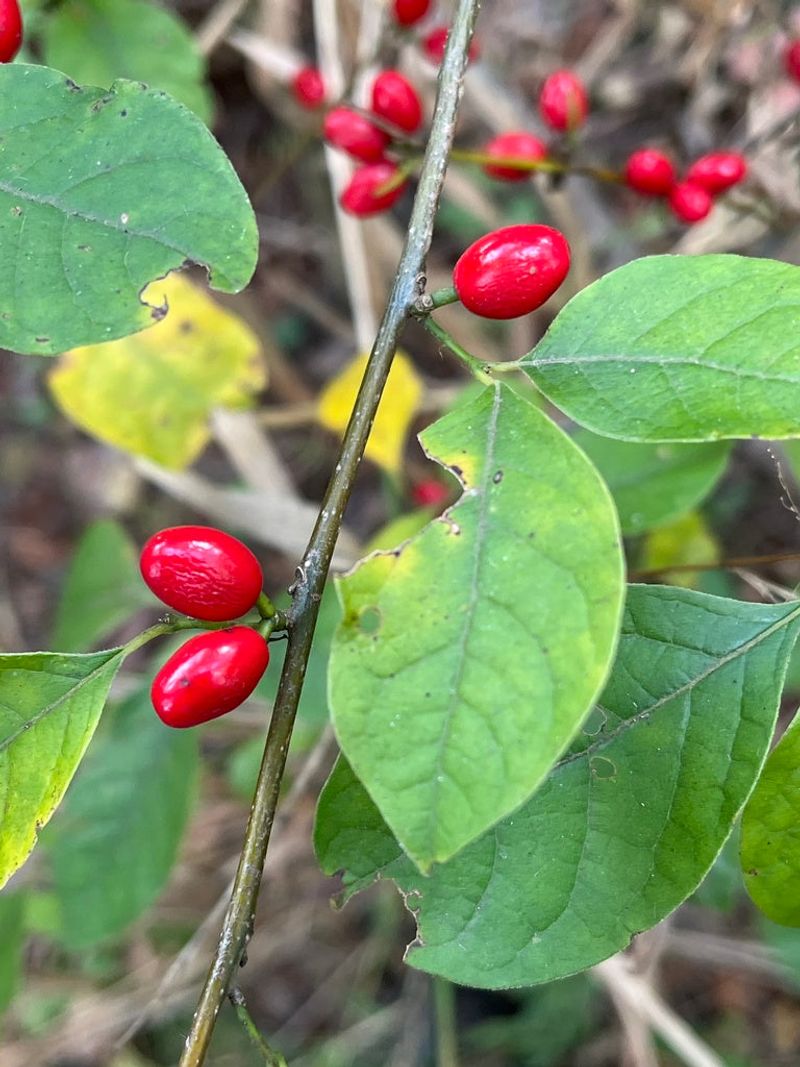
Crush a spicebush leaf between your fingers and you’ll understand why deer keep their distance – the spicy, citrusy scent that we find lovely is exactly the kind of aroma browsers prefer to skip.
Reaching up to 12 feet tall and wide, it wakes up the early-spring garden with sweet greenish-yellow blooms before most plants have stirred. Female shrubs follow up with bright red, spicy-scented berries in late summer, as long as a male plant grows nearby.
Here’s the part butterfly lovers adore: spicebush leaves are the host plant for both the spicebush and Palamedes swallowtail caterpillars. Add in nectar for early-emerging bees and berries for birds, and you’ve got a hardworking native that handles flooding, drought, and hungry deer with the same calm reliability.
3. Yaupon Holly (Ilex vomitoria)
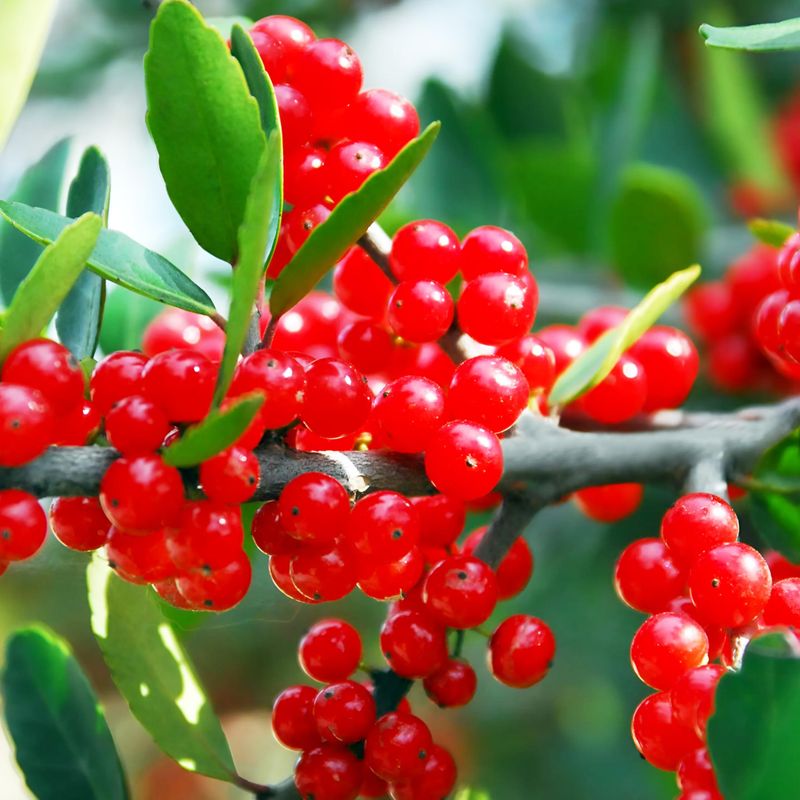
Want an evergreen that stays green through winter and still gets ignored by deer? Yaupon holly delivers, growing fast and topping out anywhere from 10 to 30 feet depending on how you shape it.
Female plants set signature bright red berries when a male shrub stands nearby, giving you color in the cold months when the rest of the yard has gone brown. Birds and small mammals happily clean off those berries as food gets scarce.
Fun fact: yaupon is the only native North American plant that contains caffeine, and its leaves were once brewed into a traditional tea. It handles all sorts of soils, drought, and occasional flooding, making it one of the most forgiving deer-resistant evergreens for a sunny NC spot.
4. Arrowwood Viburnum (Viburnum dentatum)
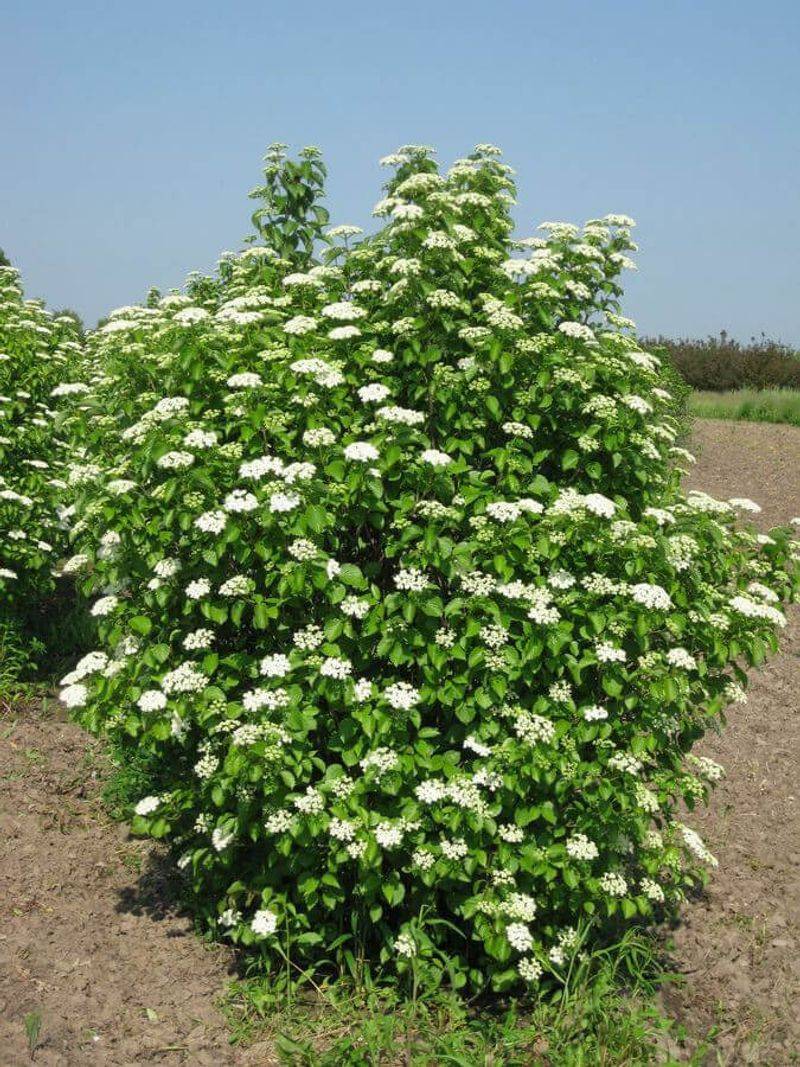
Straight, sturdy stems gave this native its name – Indigenous peoples once used them to make arrow shafts. That same backbone helps arrowwood viburnum bounce back even in the rare year deer decide to nibble.
Native across the eastern U.S., it grows to about 10 feet tall and wide and crowns itself with lacy clusters of white flowers in late spring. It isn’t a deer favorite, and its vigor means it recovers quickly if browsed.
The blooms pull in butterflies and other pollinators, and the plant adapts to a wide range of soils in full sun to part shade. Flooding or drought, clay or loam, this workhorse keeps its shape and keeps feeding your local pollinators season after season.
5. Inkberry (Ilex glabra)
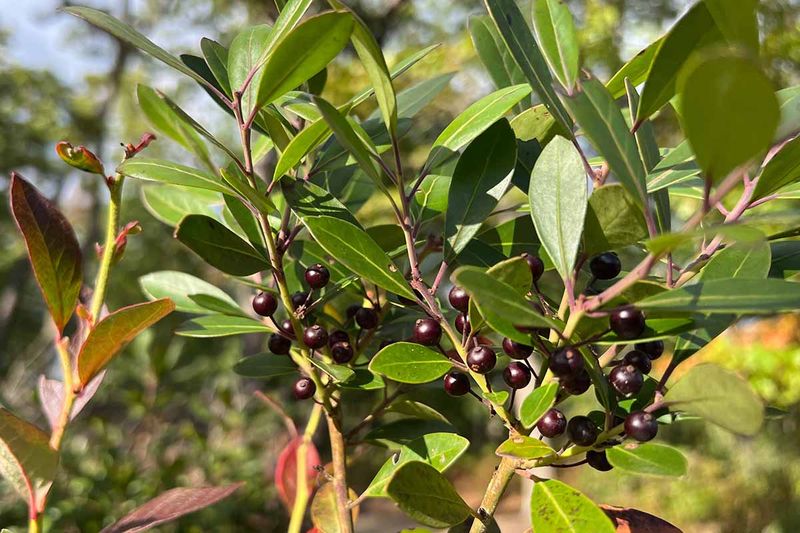
Looking for a native swap to replace a fussy boxwood hedge that deer keep sampling? Inkberry steps in as an evergreen that forms neat hedgerows and privacy screens without landing on the deer menu.
Its dark berries give the plant its name, and those berries feed bobwhite quail, wild turkeys, and songbirds through the leaner months. The leaves add cover and forage for other critters, too.
Beyond looking tidy, inkberry earns its keep in pollinator gardens and wetland plantings, tolerating the damp spots where other shrubs sulk. Choose it when you want structure and greenery that stays put while deer graze past it toward tastier targets.
6. Aromatic Sumac (Rhus aromatica)
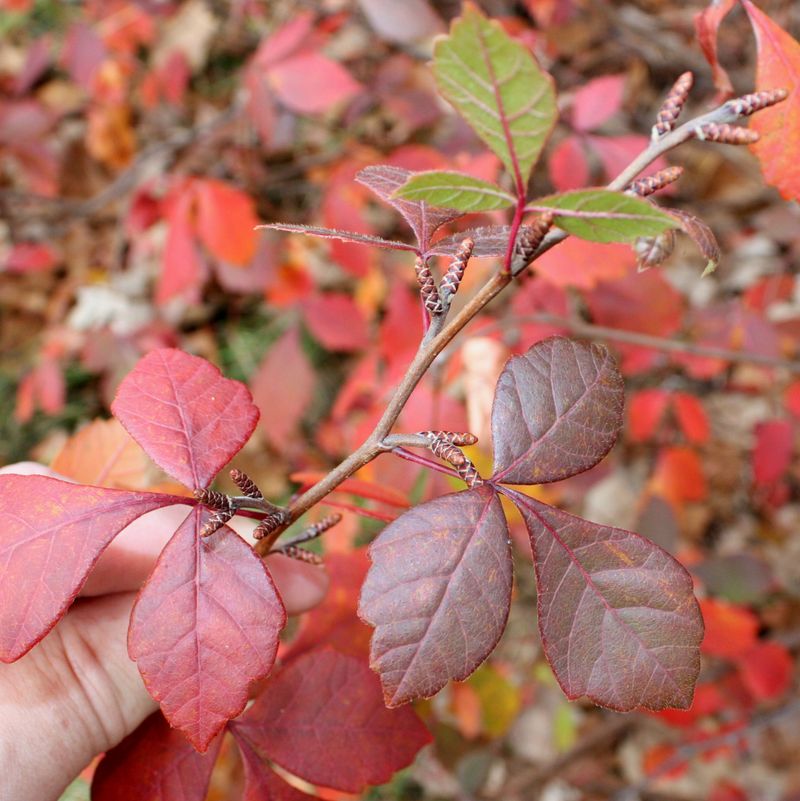
Brush against aromatic sumac and you’ll get a whiff of the citrusy fragrance that gives it its name – and the very reason deer tend to leave it alone. Strong scents like this one are among a browser’s biggest turnoffs.
Low and spreading, it makes a handsome groundcover-style shrub for slopes and natural areas where you want cover without constant fuss. In fall the foliage turns fiery shades that rival any store-bought ornamental.
It offers food and shelter for a variety of wildlife and fits right into butterfly gardens and wild edges of the yard. If you’ve got a dry, sunny bank that deer keep grazing bare, this fragrant native is the kind of problem-solver worth planting this weekend.
7. Understanding Why Deer Skip These Shrubs
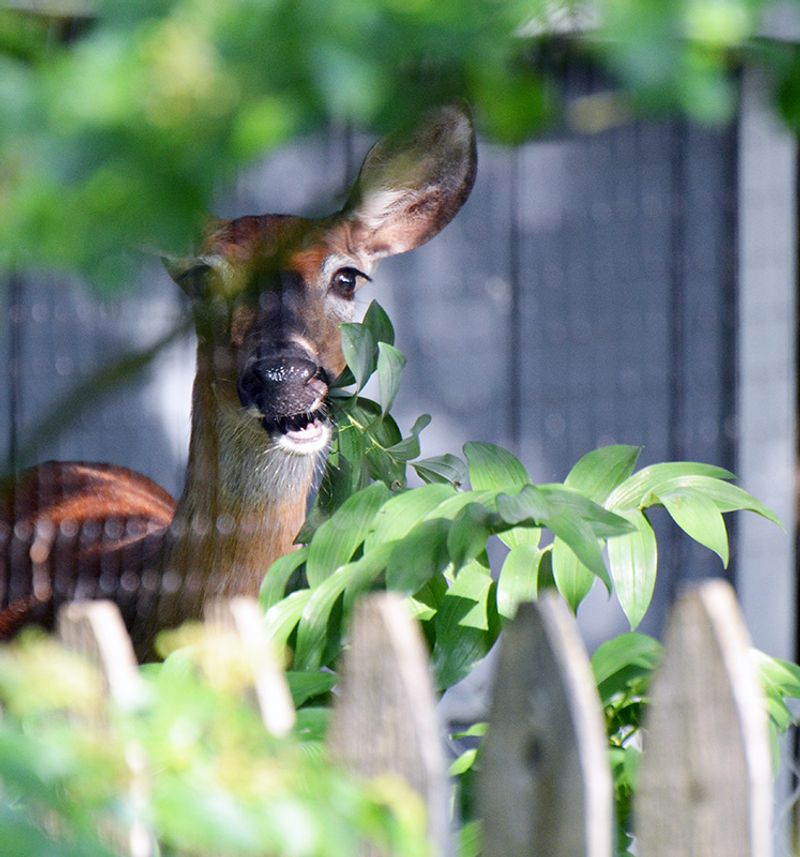
No plant is truly deer-proof, and any gardener who promises otherwise hasn’t met a truly hungry herd in February. What these natives share are traits that make deer look elsewhere first.
Leathery or aromatic leaves, spicy or bitter compounds, and dense, tough growth all signal to a deer that a meal isn’t worth the trouble. Strong scents in particular, like those in spicebush and aromatic sumac, do a lot of the heavy lifting.
Keep in mind that when natural food gets scarce, deer may sample even the plants they normally avoid. Pairing several of these resistant natives together gives you the best odds of a border that stays intact while the rest of the neighborhood gets nibbled.
8. Native Swaps for the Invasives Deer Ignore Anyway
Here’s a frustrating twist many NC homeowners discover: some invasive shrubs, like burning bush and Japanese barberry, are also deer-resistant, which is exactly why they got planted everywhere. The trouble is they escape into wild areas and crowd out the natives our wildlife depends on.
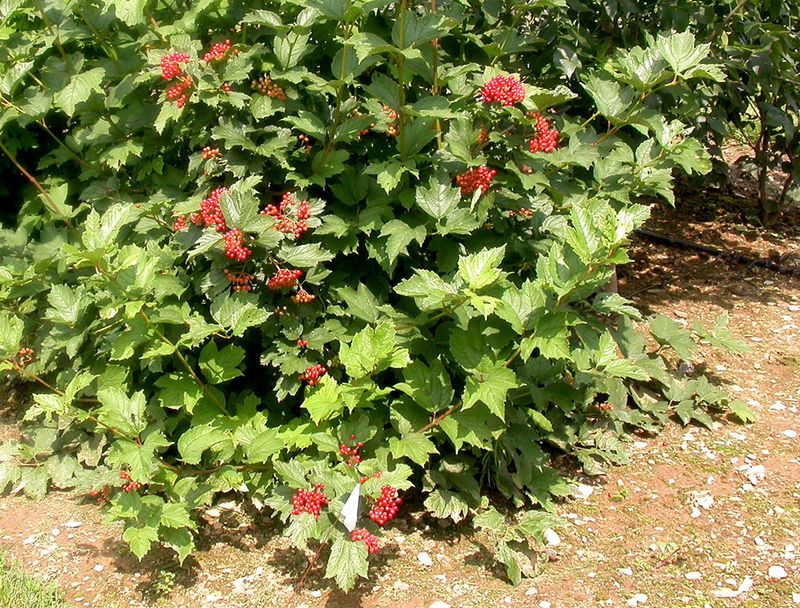
Swap burning bush for arrowwood viburnum or aromatic sumac and you keep the deer resistance while trading fall color that doesn’t invade your local woods. Replace Japanese barberry, a known tick-harboring shrub, with inkberry or yaupon holly for structure that stays inside your yard.
Barberry thickets are notorious for sheltering ticks, so this single swap protects both your ecosystem and the people walking your border. Every native you plant in place of an invasive is a small win for goldfinches, box turtles, and pollinators alike.
9. Planting Your Deer-Resistant Native Border This Season
Timing is everything, and North Carolina hands you two prime windows for getting shrubs in the ground. Fall planting from September through November lets roots settle before summer heat, while spring works well too if you keep new plants watered.
Group several of these natives together rather than dotting one here and there – a cluster of beautyberry, spicebush, and inkberry reads as one unappealing zone to a passing deer. Mulch well, water deeply the first year, and skip the chemical fertilizers that stress soil life.
As your border fills in, you’ll notice more goldfinches at the berries, more swallowtails on the spicebush, and fewer chewed-up ornamentals come morning. Doing right by NC natives means your yard defends itself while feeding the wildlife you love to watch.