
Toads Keep Turning Up Under Your North Carolina Porch Because The Porch May Offer Shelter, Moisture, and Accessible Prey
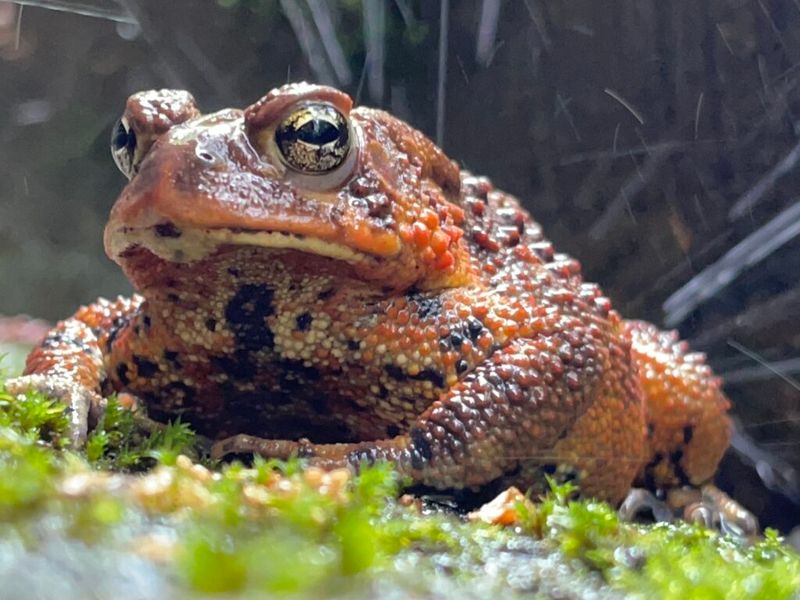
Something is moving under your porch at dusk, and if you look closely enough, it has bumpy skin and a patient, unblinking stare. Toads showing up in the same spot night after night can feel mysterious, but there are some straightforward ecological reasons why a shaded foundation edge appeals to them.
Understanding those reasons helps you read your yard a little better and decide whether any action is actually needed. The short answer is that your porch may be offering a combination of dampness, cover, and nearby prey that makes it worth visiting, though the full picture is a bit more layered than that.
What repeated porch sightings can—and cannot—tell you
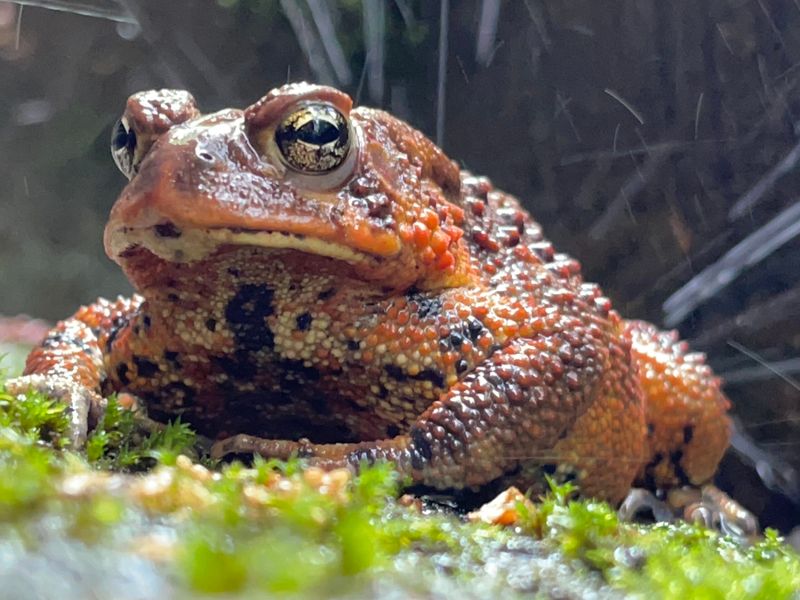
Spotting a toad under your porch once is a curiosity. Seeing one there week after week starts to feel like a pattern worth decoding.
The most honest reading of that pattern is that the spot offers something the animal finds useful, whether that is shade, retained moisture, protection from predators, or proximity to the small invertebrates it hunts at night. According to the North Carolina Wildlife Resources Commission’s American toad profile, these animals are associated with moist garden edges, woodland borders, fields, and areas with good insect activity, which describes a lot of Piedmont and mountain backyards fairly well.
What repeated sightings cannot tell you is equally worth keeping in mind. A toad under your porch is not a reliable sign that your yard is overrun with slugs, beetles, or any specific pest.
Toad presence is shaped by shelter quality, moisture levels, seasonal movement, nearby breeding habitat, and the animal’s own familiarity with a favorable spot. One or two toads using a good refuge regularly can look, from the outside, like a steady parade of new arrivals.
North Carolina is home to four native true toads in the family Bufonidae: the American toad, Fowler’s toad, southern toad, and oak toad. The American toad is the species most homeowners encounter across the mountains and Piedmont, while other species are more common in the Coastal Plain and Sandhills.
NC State Extension’s backyard amphibian guide notes that species composition and habitat needs vary meaningfully across the state, so a general statement about porch toads should allow for that regional variation. Treat the sighting as an ecological clue about local conditions rather than a diagnosis of your yard’s pest load or overall health.
Why the space beneath a porch makes useful shelter

A porch foundation does something useful for a toad that a sunny patch of lawn simply cannot: it stays cool and damp even when the air above it is warm and dry. Toads are terrestrial amphibians, but their skin is permeable and loses moisture quickly in heat or direct sunlight.
Finding a spot that buffers temperature swings and holds humidity is not a luxury for them; it is a biological necessity for getting through the day without desiccating.
The NCWRC’s American toad species profile identifies leaf litter, vegetation, logs, and other cover objects as characteristic daytime refuges. A porch foundation edge checks several of those boxes at once.
The concrete or brick retains cool ground-level moisture, the overhang blocks rain and sun, and any accumulated mulch, dead leaves, or nearby plantings add a layer of insulating cover. A crawl-space gap or the dark recess between a step and the soil adds even more shelter depth.
This is also why a specially built toad house, while a thoughtful gesture, is not strictly necessary to attract a toad. NC State Extension points out that toads need suitable conditions more than a decorative structure.
A damp log rolled to the edge of a garden bed, a flat stone resting on moist soil, or an untreated board placed in a shady corner can serve the same function as any purpose-made shelter. The porch simply happens to offer all of those qualities in one place, which is exactly why a toad keeps coming back to it rather than choosing an open corner of the yard.
Their varied diet adds prey to the explanation
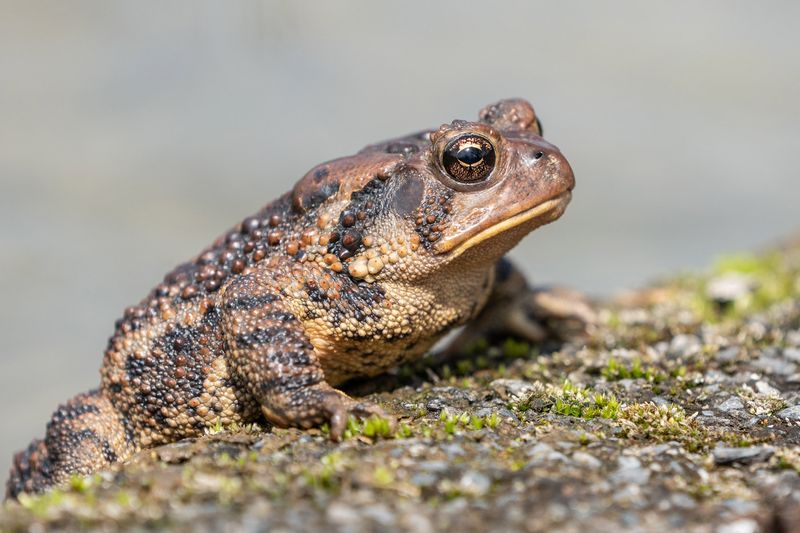
Prey availability is one part of what makes a porch corner appealing, though it is rarely the whole story. American toads are opportunistic, broad-spectrum predators that eat whatever small invertebrate moves within reach of their sticky tongue.
Documented prey from U.S. Forest Service research on American toads includes flies and fly larvae, ants, beetles, mites, thrips, and springtails.
Field observations also record spiders, caterpillars, and mollusks among their meals, making them genuinely wide-ranging in what they will take.
Slugs fall into that mollusk category, and University of Minnesota Extension’s slug management guide lists toads among the natural enemies of slugs in garden settings. That is worth knowing if slugs are damaging your plants, but it is not a promise that a resident toad will solve an active infestation.
Toads hunt by ambush and opportunity; they do not seek out a specific pest and systematically reduce its population the way a targeted treatment might.
The generalist nature of their feeding also means they can consume organisms that are neutral or beneficial in the garden. A recent study on American toads in vegetable agroecosystems noted that toads may eat predatory or omnivorous ants and beetles that themselves help control other pests, creating food-web effects that are more complicated than simple pest-reduction messaging suggests.
Thinking of a porch toad as a targeted pest manager overstates what the animal actually does. A more accurate frame is that the yard offers a mix of small invertebrates that a generalist predator finds accessible, and the porch offers a base from which to hunt them after dark.
That is a reasonable ecological explanation for repeated sightings without requiring the yard to be unusually pest-heavy.
The same toad may be using the same good refuge
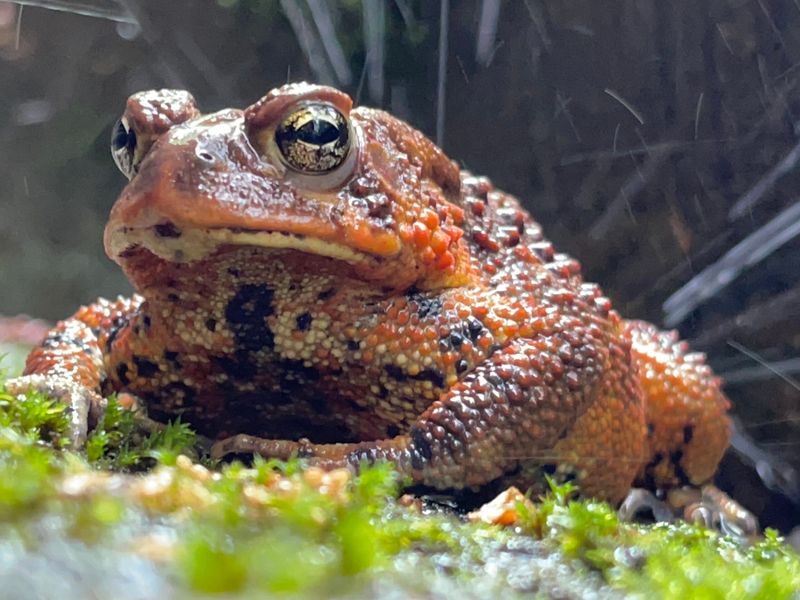
Repeated sightings do not necessarily mean a steady stream of new toads is discovering your porch. Research on American and Fowler’s toads documents a behavior called site fidelity, where individual animals return to the same terrestrial refuges across a season or across multiple years.
A peer-reviewed study on landscape variables and movement in Anaxyrus toads found that individuals can maintain strong attachments to specific summer home ranges and shelter sites. What looks like a rotation of visitors may actually be one familiar animal making predictable nightly rounds.
Seasonal movement adds another layer. Toads typically travel to wetlands or ponds to breed in spring, then disperse into surrounding upland habitat for the warmer months.
A study of American toad movement in a Southern Appalachian forest found that individuals used distinct breeding and summer habitats and moved between them along predictable routes. A porch near a wooded edge, a drainage swale, or a neighbor’s pond sits in exactly the kind of landscape corridor a toad might travel through or settle beside after breeding season ends.
Regional context matters here too. The American toad is most common in the mountains and Piedmont, where moist forest edges and seasonal wetlands are plentiful.
In the Sandhills and Coastal Plain, Fowler’s toads and southern toads are more likely to turn up under a porch, and the surrounding landscape, sandy soils, pocosins, longleaf pine flatwoods, shapes where breeding sites occur and how far animals travel. Understanding which species is using your porch and what habitat surrounds your yard helps explain the timing and frequency of sightings far better than assuming the yard itself is the sole draw.
Improve habitat without trying to manufacture a toad population
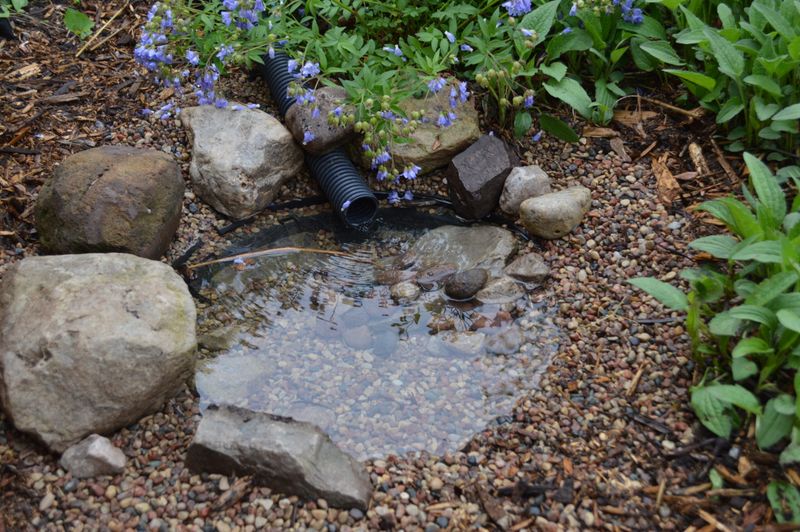
If repeated toad sightings make you want to encourage more of the same, the most effective approach is improving the conditions that already attracted them rather than trying to import animals or build elaborate structures. Retaining existing damp cover near the porch foundation is a good starting point, as long as it does not create moisture problems for the structure itself.
A log rolled to the edge of a garden bed, a few flat stones placed on moist soil in a shaded corner, or a brush pile at the yard’s edge can all function as daytime refuges without requiring any special purchase.
NC State Extension’s backyard amphibian guide recommends damp logs, stump holes, rock piles, native plantings, and untreated boards or plywood placed in shady areas as practical habitat additions. Native plants are worth prioritizing because they support the insect communities that toads feed on.
Adding a shallow water feature with gently sloping sides gives toads and other wildlife a place to drink and soak without risk of drowning, which is a different goal from creating a breeding pond.
A fishless breeding pool is a separate and more involved project. NC State Extension’s guide to pools for amphibians recommends keeping fish out of any pool intended for amphibian reproduction, because fish readily consume amphibian eggs and larvae.
A small decorative pond stocked with ornamental fish will not serve as breeding habitat no matter how carefully it is maintained.
One piece of guidance worth repeating firmly: do not collect toads from a nearby natural area and release them in your yard. NC State Extension explicitly advises allowing amphibians to arrive on their own and cautions against moving wild herps into a yard.
Habitat improvements may take months to attract visitors, and in some locations they may not attract toads at all. Patience and realistic expectations are both part of good stewardship.
Check for real pest damage before reaching for a spray
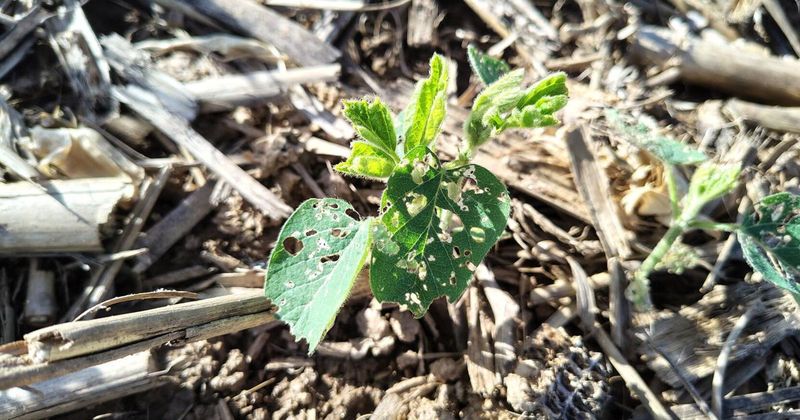
A toad under the porch is not a signal to treat the yard for pests. Before considering any product, the more useful first step is figuring out whether you actually have a pest problem worth addressing.
Walk the garden at dusk with a flashlight and look at plant leaves, stems, and soil. Irregular holes in foliage, slime trails on the soil surface, or seedlings cut at the base are the kinds of evidence that point to slugs specifically.
Without visible damage, spraying is guesswork with real ecological costs.
For slugs, University of Minnesota Extension’s slug management guidance outlines a practical sequence: evening inspection and hand-picking, boards or damp newspaper laid out overnight as traps, improved air circulation by spacing plants and reducing dense mulch near crowns, and targeted baiting only when those steps are not bringing damage under control. That order matters because it avoids unnecessary chemical exposure from the start.
Chemical treatments carry real risks for amphibians that most product labels do not fully explain. Toad skin is permeable, which means chemical residues on soil, mulch, or plant surfaces can be absorbed directly through contact.
NC State Extension’s water quality and lawn care guidance and EPA guidance on reducing pesticide impacts on wildlife both recommend minimizing unnecessary pesticide, herbicide, and fertilizer use near areas where wildlife is active. Runoff carries these chemicals into low spots, drains, and the moist soil beneath a porch where a toad spends its days.
Following label directions reduces risk but does not make a product safe for every non-target organism in the yard. NC State Extension advises avoiding spraying near water, drainage areas, or active amphibian habitat whenever possible.
Spot-treating only where damage is confirmed, rather than blanket-spraying the yard, is the approach that protects both your plants and the animals living alongside them.
Protect toads from handling, relocation, and pets
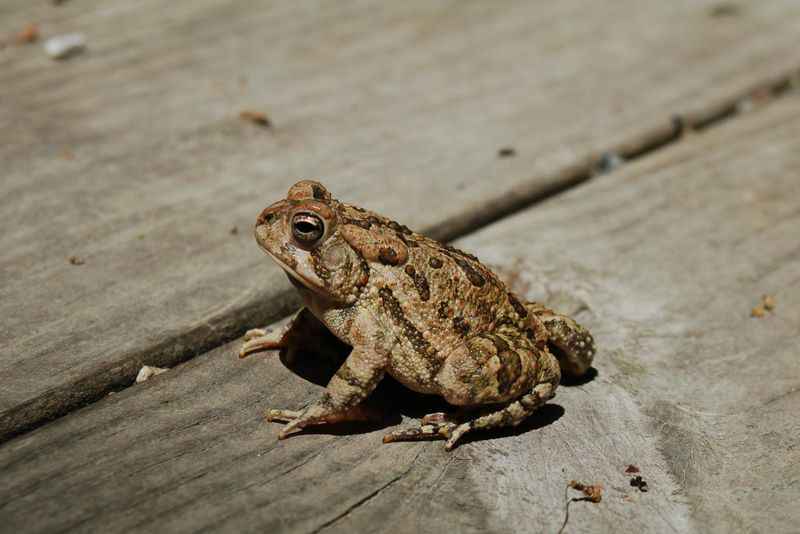
Most of the time, the right response to a toad under your porch is simply to leave it alone. Observing from a short distance is genuinely the safest option for both you and the animal.
NC State Extension advises against handling wild amphibians when it can be avoided, and if brief contact is unavoidable because the animal is in immediate danger, it recommends keeping hands free of soap, lotion, sunscreen, and insect repellent, all of which can penetrate permeable amphibian skin and cause harm.
If a toad is in a genuinely hazardous spot, such as a busy driveway or a space where yard work is about to begin, the better path is contacting a local wildlife rehabilitator or the NC Wildlife Resources Commission for guidance rather than moving the animal arbitrarily to a nearby woodlot. Relocation can displace an animal from a well-established home range and may also risk spreading pathogens between sites.
The NC Parks amphibian checklist is a useful starting point for identifying which species you are dealing with, which can help when seeking specific guidance.
Pet safety deserves direct attention. Native toads produce skin secretions that can cause real problems when a dog or cat mouths or tries to eat one.
Symptoms can include drooling, pawing at the mouth, vomiting, and in more serious cases, additional neurological signs depending on the species, the amount of exposure, and the size of the animal. Pet Poison Helpline’s toad toxicity information recommends rinsing the pet’s mouth with water and contacting a veterinarian or animal poison service promptly if symptoms appear.
Supervising dogs around active toad habitat at dusk and dawn, when toads are most likely to be moving, is the most practical preventive step a pet owner can take.
Treat the porch toad as a habitat clue, not a pest-control promise
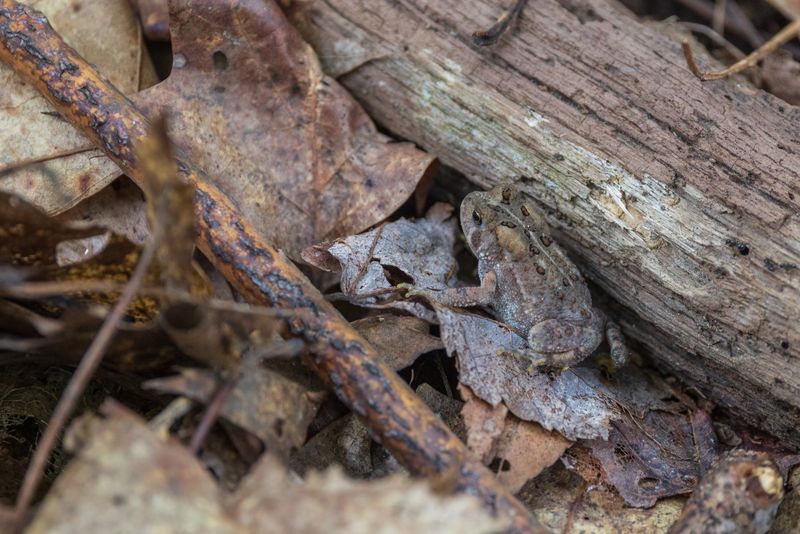
Repeated toad sightings near your porch are worth paying attention to, but what they communicate is more modest than popular gardening lore suggests. The spot is likely offering some combination of moisture, shade, cover, and access to small invertebrates that makes it a functional part of this animal’s territory.
That is useful information about your yard’s conditions, not a guarantee that the yard is ecologically balanced or that a pest problem is being managed on your behalf.
The most productive response is stewardship rather than intervention. Preserve the damp, sheltered conditions that attracted the toad without compromising your foundation.
Monitor your plants for actual damage before deciding whether any pest management is needed. Reduce avoidable chemical use near garden beds, drainage areas, and the porch itself.
NC State Extension and the NC Wildlife Resources Commission both frame native amphibians as animals worth accommodating rather than relocating or feeding.
A toad that keeps returning to the same corner of your yard has found something worth returning to. Knowing what that is, and leaving most of it in place, is the most straightforward way to be a good neighbor to a wild animal that is simply doing what toads have always done.