
The One Thing North Carolina Fig Trees Need Before The First Frost Or They Struggle All Winter
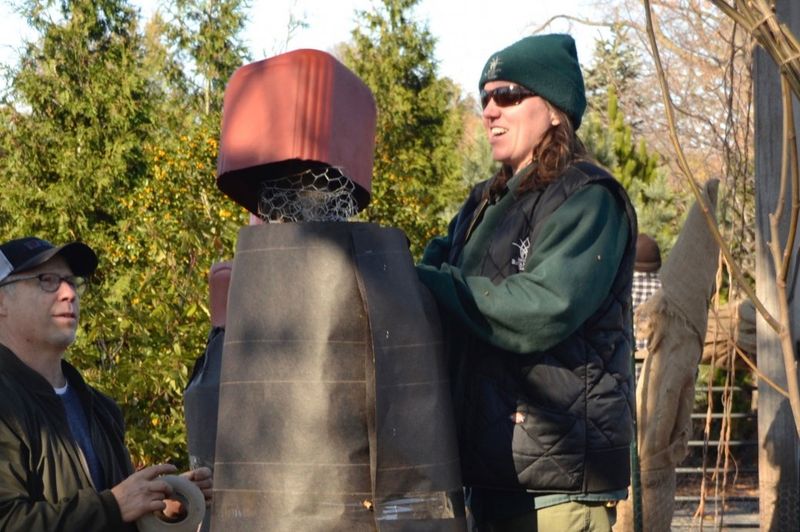
Fig trees can thrive in North Carolina yards, but cold winters put them at real risk if you wait too long to act. Many gardeners lose fruiting wood every year simply because they did not protect the base of their tree before a serious freeze rolled through.
The good news is that one focused step, taken at the right time, can make a meaningful difference in whether your tree bounces back strong in spring or spends the season trying to recover from the roots up.
A serious freeze matters more than the first light frost
Many fig growers circle the first frost date on the calendar and treat it as a hard deadline for winter protection. That instinct is understandable, but a light frost and a hard freeze are two very different events for your fig tree.
A night that dips just below 32 degrees Fahrenheit may kill off leaves, damage late-ripening fruit, or burn back tender shoot tips without doing any serious harm to established wood or the root crown below ground.
The real threat arrives with sustained, deep cold. NC State Extension’s fig culture guidance points to severe temperatures around 20 degrees Fahrenheit or lower as the range where figs can freeze back to the ground, though actual injury depends on the tree’s age, cultivar, exposure, and how long the cold holds.
That distinction matters because acting on every 32-degree night can mean rushed or poorly timed protection, while ignoring the forecast until temperatures plunge can leave the tree completely exposed.
Your practical deadline is before the first forecast of serious cold that threatens to push temperatures near or below your tree’s damage range. North Carolina does not have a single protection date that fits every region or every yard.
A fig growing in a sheltered Coastal Plain garden faces a different winter than one planted on a ridge in the Foothills or in a low-lying Piedmont spot where cold air pools overnight.
The National Weather Service Raleigh frost and freeze maps show earliest, median, and latest dates for 36, 32, and 28 degree freezes across the state, giving you a starting point for your specific area. Use those maps alongside your seven-day local forecast rather than relying on a statewide average.
Knowing when genuinely damaging cold is likely to arrive is what lets you time protection correctly.
Insulate the lower trunk and root crown first
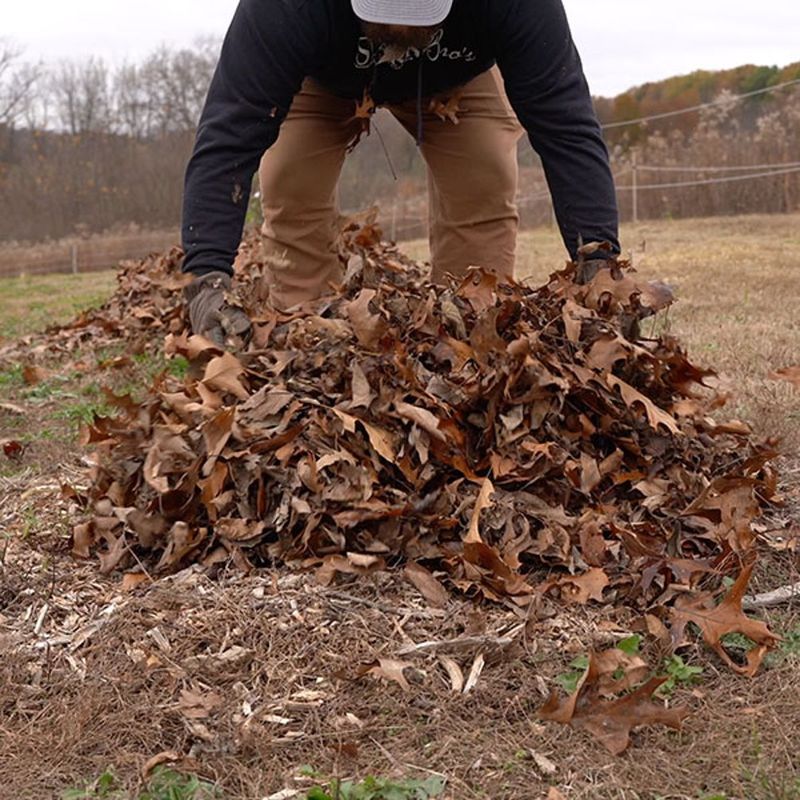
Before you think about wrapping branches or draping fabric over the canopy, focus on the part of the tree that matters most for long-term survival: the lower trunk and root crown. NC State Extension recommends piling loose soil or mulch approximately 1 to 2 feet high around the base of the fig in late fall, with young bushes and trees getting the highest priority.
If a severe freeze kills everything above ground, a well-insulated crown gives the plant its best chance of sending up new growth in spring.
Good material choices for this base mound include dry leaves, straw, and organic mulch. The goal is loose, airy insulation that holds some warmth around the crown without packing tightly against the bark or staying waterlogged through winter wet spells.
Avoid heavy clay soil or anything that compacts easily, because a dense, wet mound can hold moisture against the trunk and cause more problems than it solves.
Building the mound is straightforward. Rake loose material into a cone or low hill centered on the trunk, starting at ground level and working outward.
Aim for a diameter of roughly 2 to 3 feet at the base so the insulation extends out over the root zone, not just against the bark itself. For young trees that have been in the ground fewer than three years, err toward the full 2-foot height because their root systems are less established and more vulnerable to temperature swings.
Penn State Extension similarly recommends 6 to 12 inches of organic mulch at the base as a starting point, with more extensive protection added when harder cold threatens. Once winter ends and the last frost date for your area has clearly passed, remove the mound gradually so the crown can adjust.
Leaving it in place too long into warm weather can trap moisture and invite fungal problems. Base insulation improves your tree’s odds but cannot promise the canopy will come through undamaged.
Base protection can preserve the plant after top growth freezes
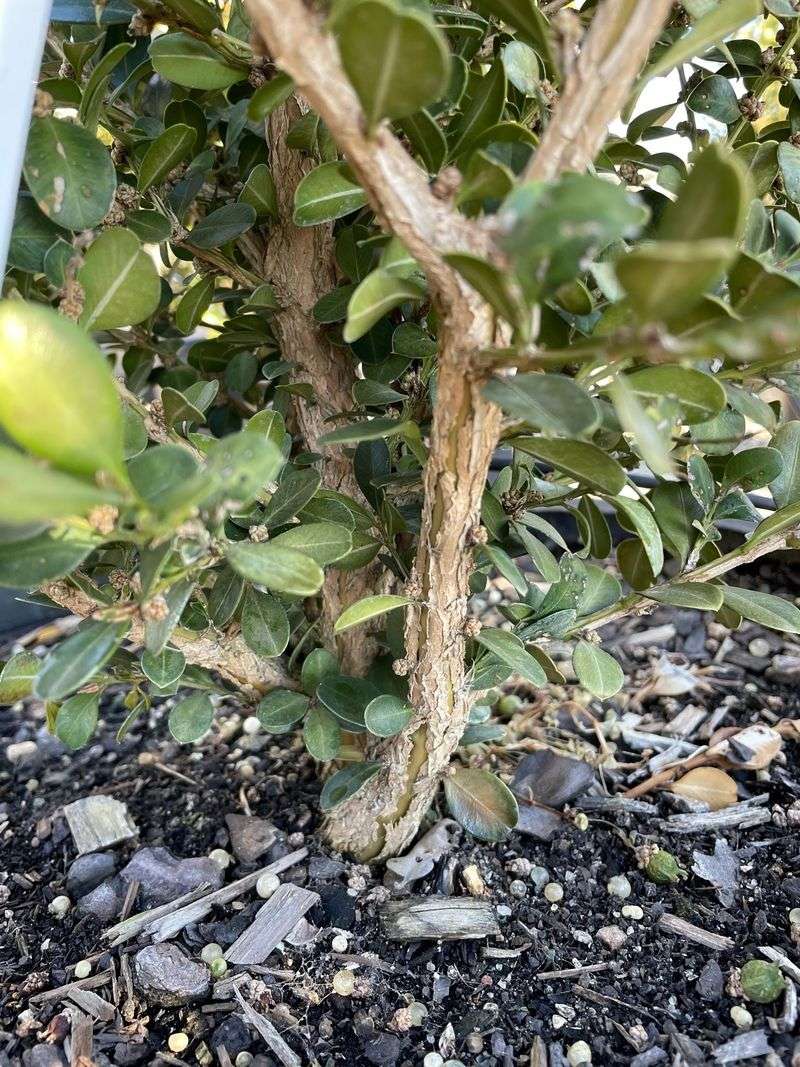
Protecting the crown and lower trunk is not just a precaution for mild winters. Severe cold can strip everything above ground from a fig, and when that happens, the difference between a dead plant and a recovering one often comes down to whether the root system stayed protected.
NC State Extension notes that temperatures around 20 degrees Fahrenheit or lower can freeze a fig back to the ground, while the roots survive and push out new growth once warm weather returns. That 20-degree figure reflects North Carolina conditions but should not be treated as a precise universal cutoff.
The actual injury threshold for any given tree depends on the cultivar, the tree’s age, how well the site drains, wind exposure, and how long the temperature stays that low. A young tree on an exposed slope may show serious damage at a warmer temperature than an established tree tucked against a south-facing brick wall.
Recovery from a ground-level freeze is real, but it comes with trade-offs that matter to anyone growing figs for fruit. A plant that regrows from its roots will not retain its original size or canopy structure.
Fruiting can be delayed for a season or more while the new wood matures. The tree may also lose retained branches that would have supported an earlier or heavier crop.
This is why the base insulation step is worth doing carefully: it cannot stop a severe freeze from damaging exposed branches, but it can keep the crown alive so recovery is possible rather than starting over with a new plant entirely.
Think of the root crown as the tree’s backup system. Keeping it insulated through winter gives that backup a reasonable chance to work if the worst happens above ground.
Add canopy protection when severe cold threatens
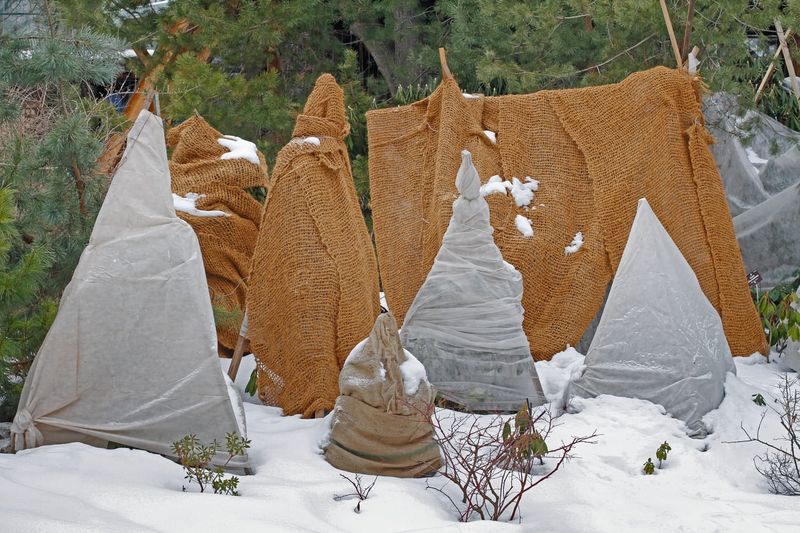
Base insulation handles the root crown. When a severe freeze is in the forecast, the branches and buds above ground need their own layer of protection, especially on young trees, trees in exposed spots, or any tree carrying wood you want to preserve for next year’s fruit.
NC State Extension recommends covering the plant with straw, cornstalks, a tarp used appropriately, or similar material when severe cold is expected. The key word in any canopy protection plan is breathable.
Penn State Extension advises using burlap, canvas, frost fabric, or row cover as the layer that actually contacts the branches, and warns against placing plastic directly against the plant. Plastic traps moisture, can cause bark problems, and creates heat buildup on sunny days even in winter.
For smaller trees, one practical approach is to drive a few stakes around the tree and wrap burlap or frost fabric around the outside, leaving the fabric loose enough to avoid pressing hard on branches. You can stuff the interior loosely with dry straw or leaves for added insulation.
Larger, more established figs may be harder to fully enclose, so focus protection on the lower portion of the canopy and the base.
Keep coverings from resting directly on foliage when you can, because constant contact can cause abrasion, trapped moisture, and stem damage. UF/IFAS guidance on cold protection of landscape plants makes an important distinction: frost covers and light wraps protect better against light frost and wind than against a genuine hard freeze.
A single layer of burlap will help on a 28-degree night with wind, but it will not stop serious damage during a prolonged 15-degree cold snap. Use canopy protection as one layer of a plan, not as a guarantee that branches will survive whatever winter delivers.
Remove or open coverings when temperatures rise back above freezing during the day. Leaving a sealed cover in place during a warm spell traps heat and moisture that can do real harm to bark and retained buds.
Match the plan to the North Carolina site
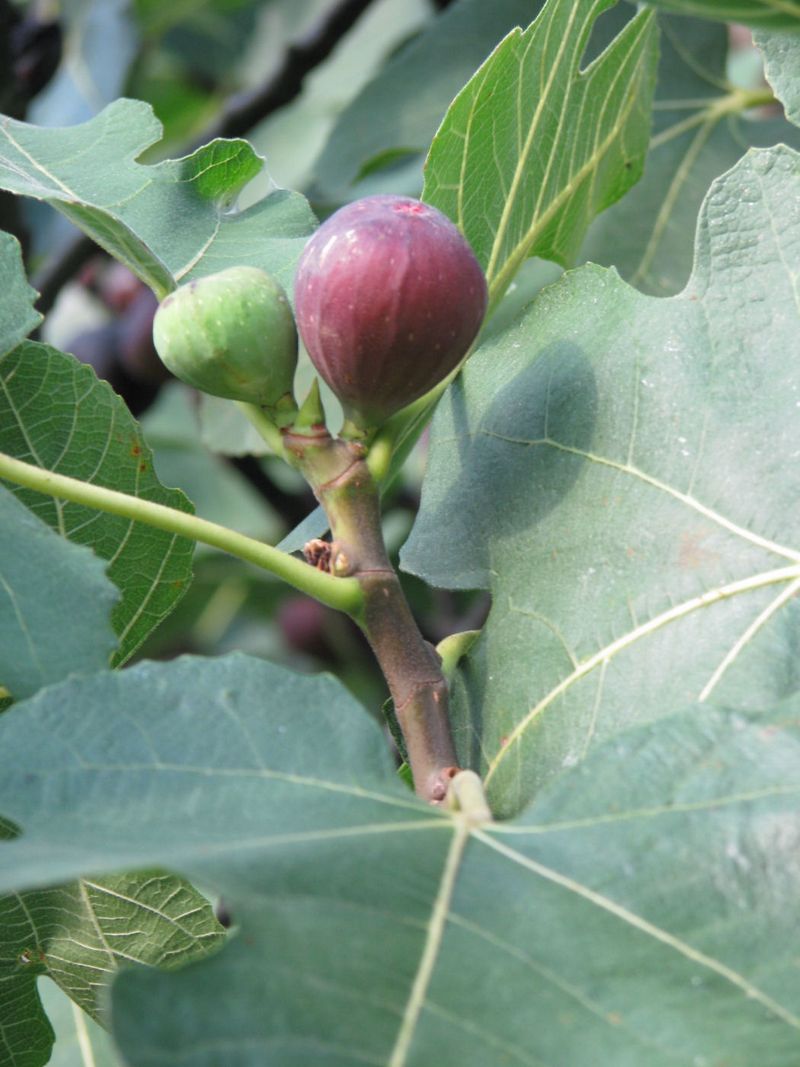
North Carolina covers a wide range of winter conditions, and the right protection plan for your fig depends heavily on where your tree is growing and how your yard is set up. Broad regional patterns give a starting point, but local conditions often matter more than the region label.
Coastal Plain sites generally experience less severe winter cold than many Piedmont locations, and mountain sites can see significantly harsher temperatures than either. That said, a Piedmont yard with a south-facing wall and good wind protection can outperform a Coastal Plain yard in a low-lying spot where cold air drains and pools overnight.
Elevation, nearby structures, pavement, fencing, and tree cover all affect how cold your specific fig actually gets during a freeze. The NWS Raleigh freeze maps help you understand your county’s general freeze patterns, but your yard’s microclimate can vary meaningfully from the surrounding area.
NC State Extension notes that protecting figs from winter sun and cold winds matters, and that in the Piedmont, a northern exposure can actually help by keeping the plant dormant longer and reducing the risk of premature growth followed by a damaging late freeze. That guidance runs counter to the instinct to always plant in the sunniest, most south-facing spot.
For figs, a location that gets good summer sun but stays shaded and sheltered in winter can mean fewer weather-related setbacks over time.
When deciding whether to add canopy protection on top of base insulation, factor in your tree’s age, its cultivar, and the specific forecast for your area. A young ‘Celeste’ on an exposed mountain slope needs a more aggressive response to a forecast low of 18 degrees than a five-year-old ‘Brunswick’ planted against a brick wall in the eastern Piedmont.
Use your local forecast, your yard’s track record in past cold winters, and your county extension office’s recommendations together when making that call.
Avoid winter fixes that create new damage
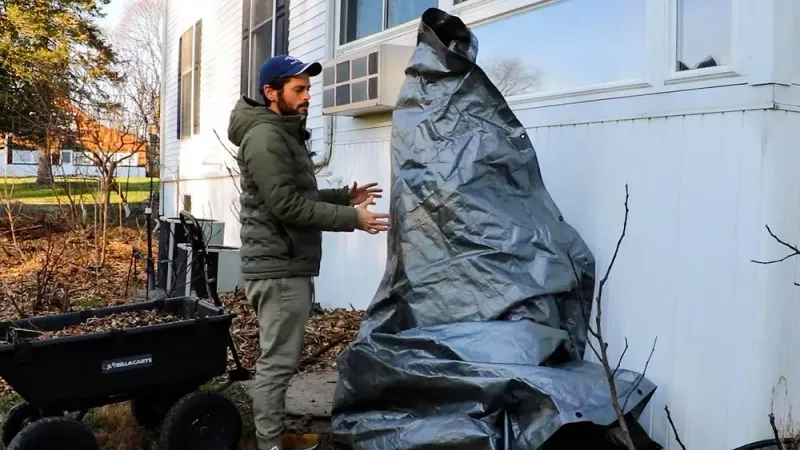
Getting the main protection steps right matters, but so does avoiding the moves that seem helpful and quietly cause harm. A few common mistakes show up in North Carolina fig gardens every fall, and each one can cost you fruiting wood or set the tree back heading into spring.
Plastic directly against branches is one of the most frequent problems. Penn State Extension specifically warns against using plastic as the contact layer on branches because it traps moisture, promotes bark problems, and creates dangerous heat buildup on sunny winter days even when overnight temperatures are cold.
If you use a tarp or plastic sheeting as an outer weather shield, keep breathable fabric between it and the branches, and leave ventilation gaps or check and open the covering during warmer daytime periods.
NC State’s guidance on preparing plants for winter warns that poorly managed coverings can cause heat and moisture buildup, abrasion against bark, stem breakage under the weight of material, and rodent problems when warm nesting material is left undisturbed for weeks. Check any covering after wind events and lift or ventilate it during warm spells rather than leaving it sealed from November through March.
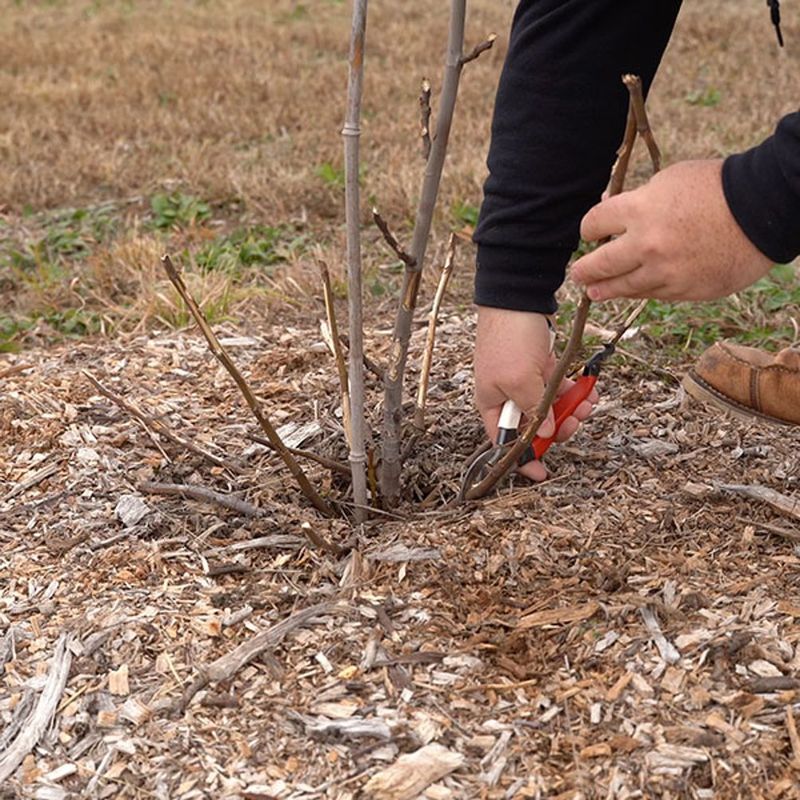
Routine heavy fall pruning is another habit worth reconsidering. UF/IFAS cautions that heavy winter pruning can eliminate the following year’s crop on figs that produce on retained wood.
NC State recommends pruning mainly for size, structure, and dead wood removal rather than cutting the tree back to a stub every fall as a standard practice. Save major structural pruning decisions for after you can see which wood actually survived the winter.
Late-season nitrogen or other growth-promoting fertilizers are a quieter but real risk. Pushing new growth in late summer or fall produces soft, succulent tissue that is far more vulnerable to freeze damage than wood that has had time to harden off.
Hold off on any nitrogen application after midsummer and resist the urge to give the tree a late boost before cold arrives.
Use a simple freeze-response sequence
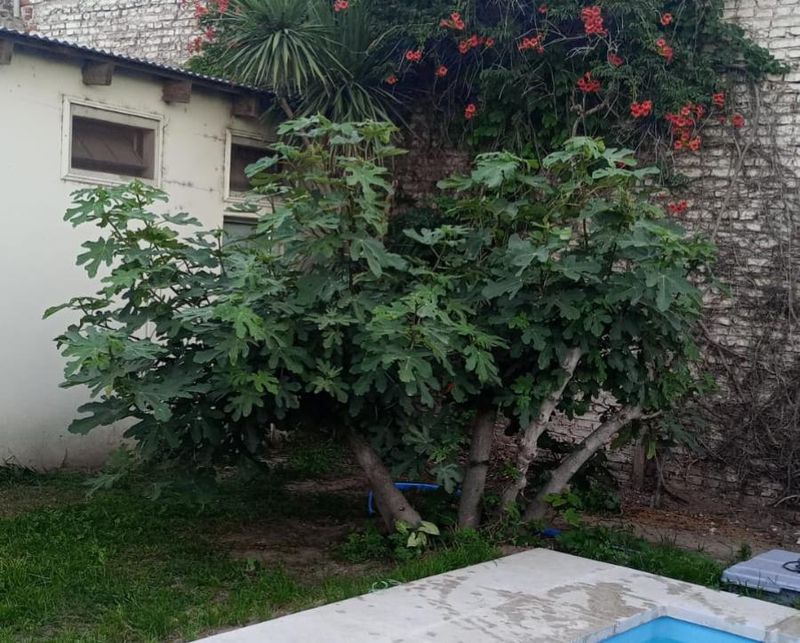
Putting the whole plan into a repeatable sequence makes it easier to act quickly when the forecast shifts. Start by checking your local forecast regularly once nighttime temperatures begin dropping in October and November.
The NWS Raleigh freeze maps give you a sense of your county’s typical freeze timing, but watch the actual seven-day forecast for your specific area rather than waiting for a statewide alert.
When serious cold is approaching, pile loose straw, leaves, or organic mulch 1 to 2 feet high around the base of the tree, prioritizing young trees first. If the forecast calls for temperatures near or below your tree’s damage range, add breathable canopy protection using burlap, frost fabric, or row cover against the branches.
NC State’s winter plant preparation guidance reinforces the need to ventilate or remove coverings during warm spells to prevent heat, moisture, and pest problems.
Once the last frost risk for your area has passed in spring, remove the base mulch mound gradually and inspect the wood for winter damage before doing any pruning. NC State’s fig culture guidance is clear that this sequence improves survival odds without guaranteeing every branch comes through undamaged.
The goal is to give your tree a fighting chance at keeping its fruiting wood intact, not to promise a perfect outcome. A fig that makes it through winter with its crown and lower trunk protected has already done most of the hard work of surviving.