
Fall Is When North Carolina Homeowners Should Rip Out These Invasive Plants Before They Spread Further
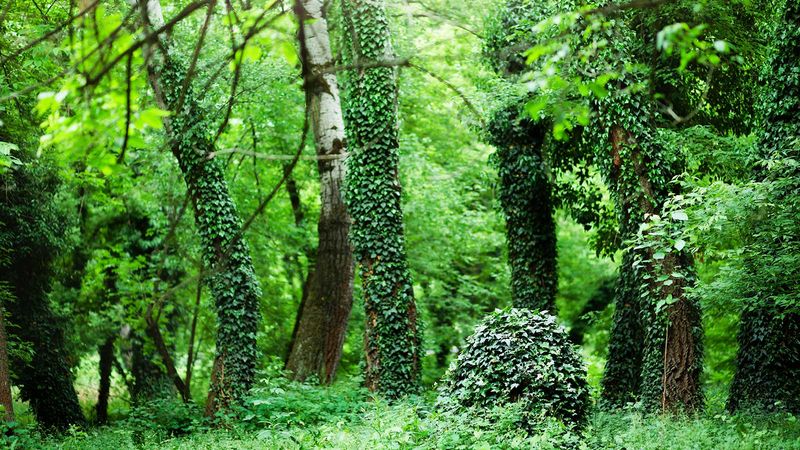
Fall is the perfect season to grab your gloves and clear out the invasive plants taking over your North Carolina yard. Once native trees drop their leaves, sneaky evergreen invaders stand out like a sore thumb, making them easier to spot and pull.
Getting them out now protects your box turtles, birds, and pollinators, and it cuts down on the tangled thickets where ticks love to hide. Here are ten troublemakers worth ripping out this fall, plus the NC-native plants you can put in their place.
1. Japanese Honeysuckle
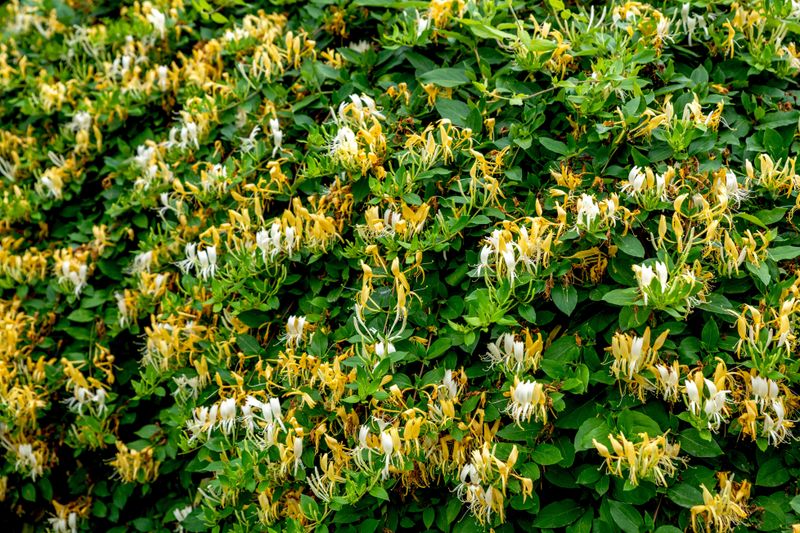
That sweet smell along country roads in North Carolina often comes from Japanese honeysuckle, and it is anything but innocent. The vine blankets fences, shrubs, and forest edges, smothering native plants that wildlife actually depends on.
Because it stays green well into the cooler months, fall is a great time to trace its stems back to the roots and pull them out. Getting the root crown matters, since bits left behind will happily resprout come spring.
For a fragrant swap that hummingbirds adore, plant native trumpet honeysuckle instead. It gives you the flowers without the ecological wreckage.
2. English Ivy
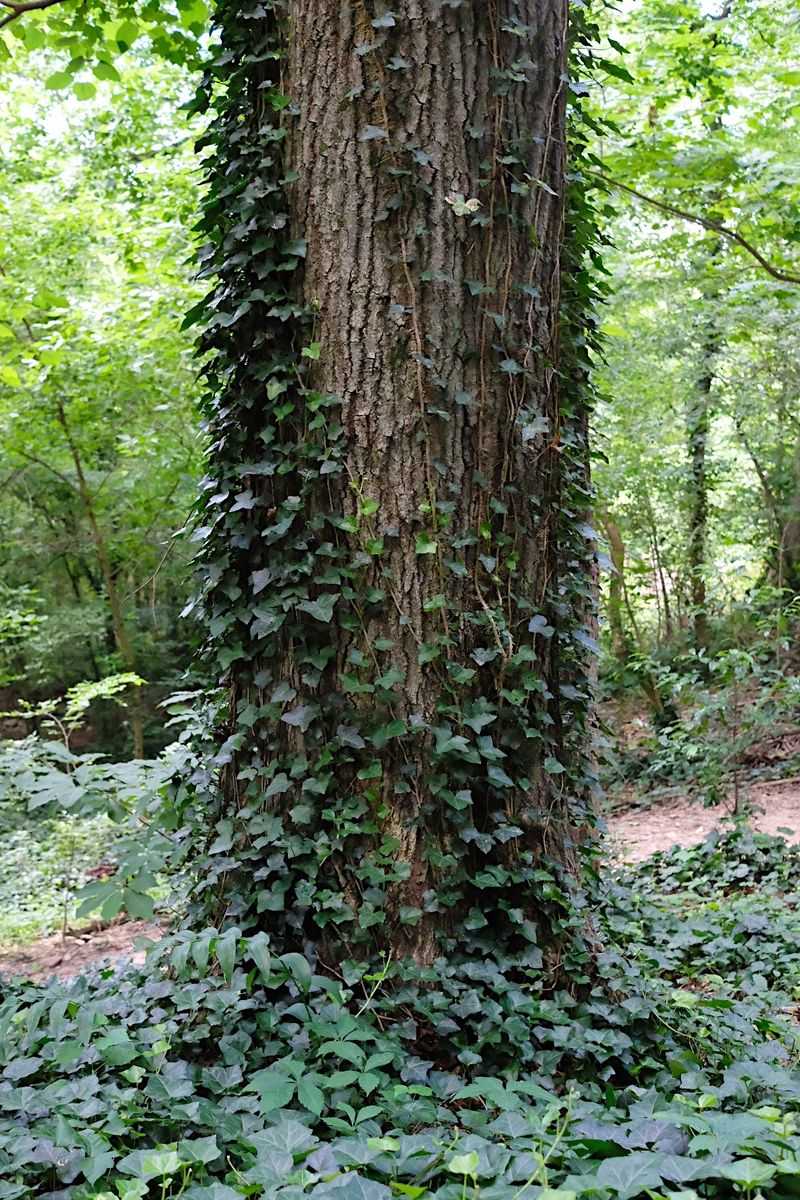
Sold for decades as an easy groundcover, English ivy has a nasty habit of climbing straight up your favorite oaks and maples. Once it reaches the canopy, it produces berries that birds scatter far and wide, spreading the problem across the neighborhood.
Even worse, ivy can carry bacterial leaf scorch, a disease that quietly harms native trees. Its evergreen leaves make it easy to spot in fall when everything else has gone bare.
Cut the vines at the base of any tree it has climbed, then peel the mats off the ground. Native ferns, foamflower, or green and gold make lovely shade-loving replacements.
3. Chinese and Japanese Wisteria
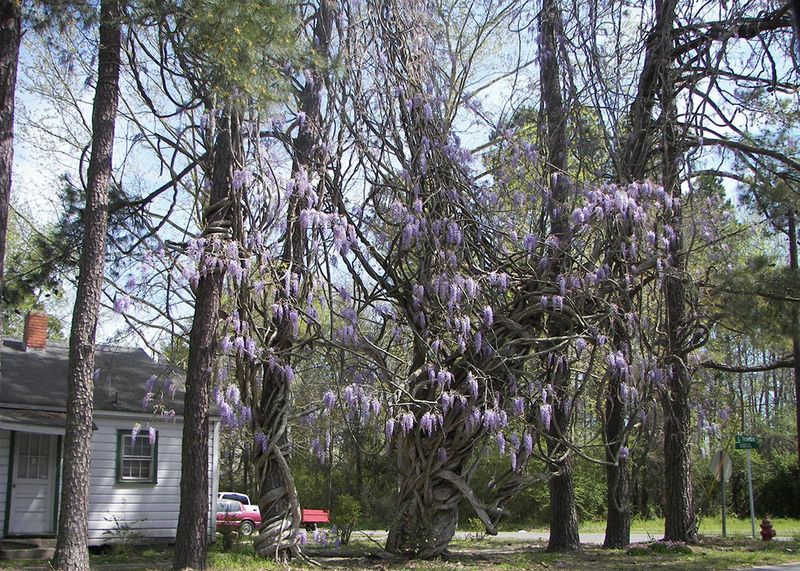
Those cascading purple blooms look dreamy on a pergola, but Chinese and Japanese wisteria are strong enough to strangle a mature tree. Their woody stems wrap around trunks and squeeze until they girdle the bark and pull down whole canopies.
Late fall, when the leaves drop, is the ideal window to follow the tangled ropes back to their base and cut them cleanly. Painting the fresh cut with an appropriate herbicide helps stop the relentless resprouting.
Craving that draping look? American wisteria is a well-behaved native cousin that stays in bounds and still puts on a beautiful show.
4. Oriental Bittersweet
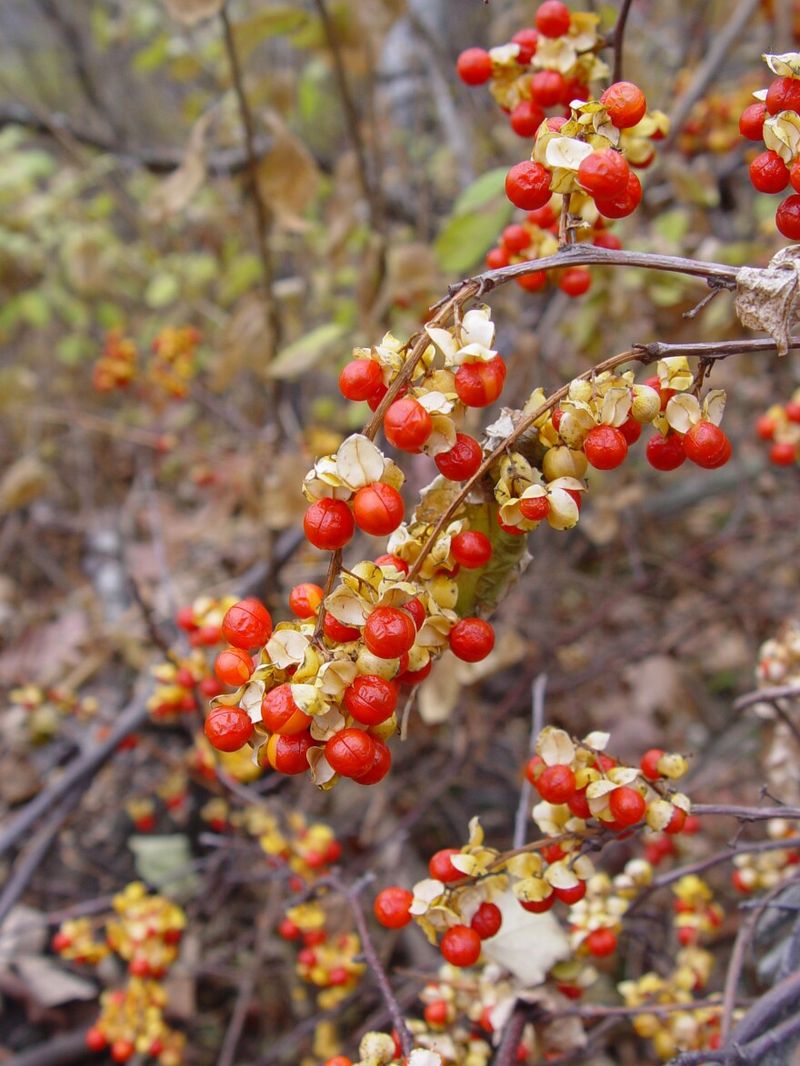
Come fall, Oriental bittersweet gives itself away with cheerful yellow capsules that pop open to reveal red-orange berries. Crafters love those berries for wreaths, which is exactly how this vine keeps hitchhiking into new yards.
Left alone, it twines around trunks and girdles trees, adding so much weight that limbs snap in storms. The bright fruit makes it easy to identify and target this time of year.
Cut it low, dig out the roots, and never toss the berry-laden clippings into the woods. Native crossvine offers colorful blooms without the strangling ambition.
5. Chinese Privet
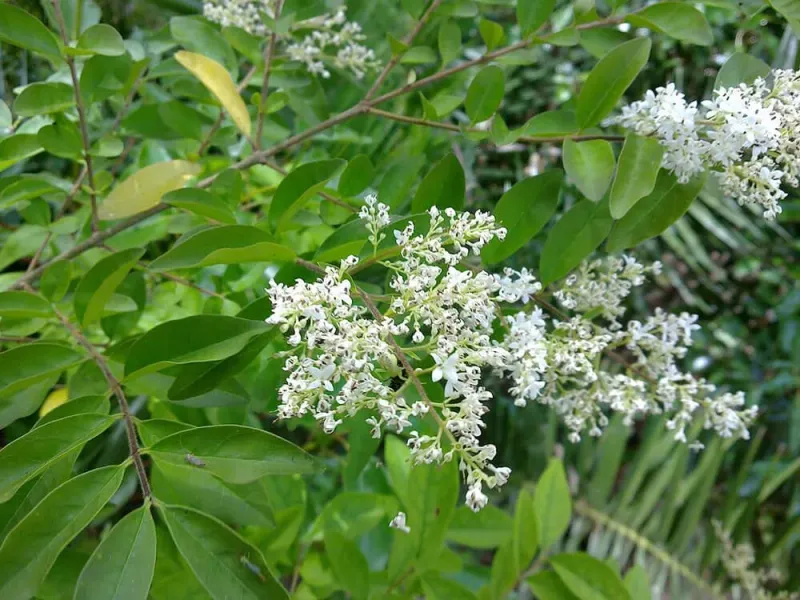
Walk along almost any creek in the Piedmont and you will run into privet, forming walls of green so thick nothing else can grow. Japanese and common privet crowd out native trees and wildflowers, especially in stream corridors where wildlife needs cover most.
Its semi-evergreen leaves keep it visible after natives go dormant, so fall is prime pulling season. Small plants tug out easily when the soil is damp, and larger ones can be cut and treated at the stump.
Swap in yaupon holly or wax myrtle for a screen that feeds birds instead of choking out the woods.
6. Bradford or Callery Pear
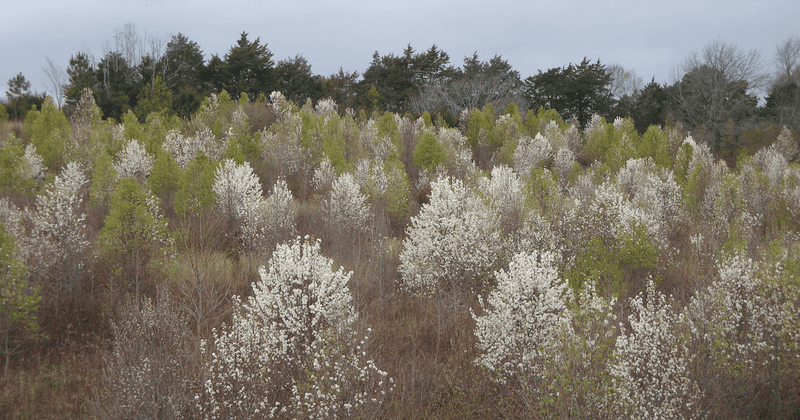
Once the darling of suburban streets, the Bradford pear has fallen from grace fast, and for good reason. Its branches split in wind, its flowers smell downright unpleasant, and it has escaped yards to form thorny thickets across the state.
These trees offer almost nothing to local wildlife while shoving out native species that do. Fall is a smart time to cut young ones and treat the stumps before they get any bigger.
Plant an eastern redbud instead. It brings gorgeous early spring color and actually supports native bees and butterflies.
7. Nandina (Heavenly Bamboo)
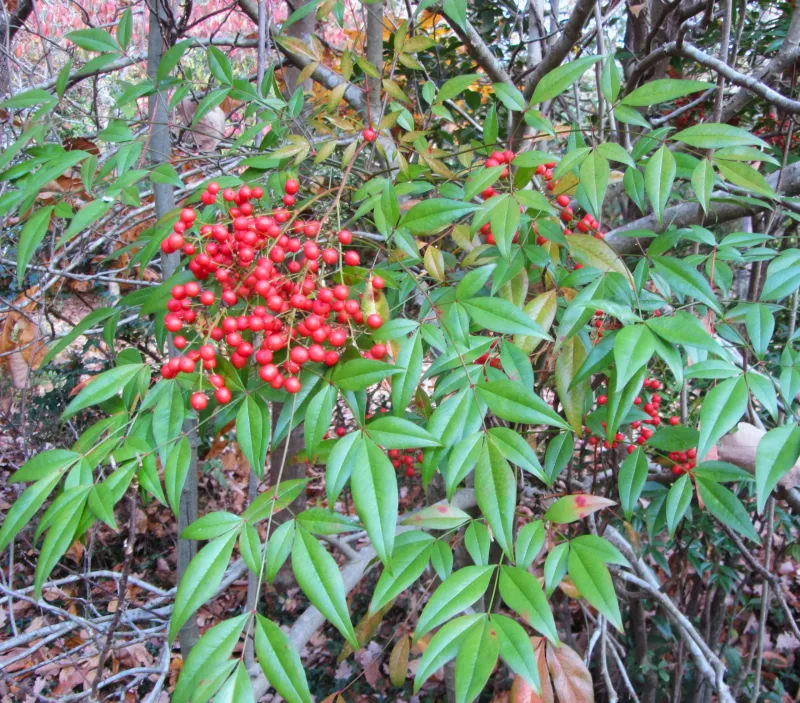
Heavenly bamboo sounds harmless, but nandina has a dark side that catches many gardeners off guard. Its bright red berries contain cyanide, and hungry cedar waxwings that gorge on them in winter can drop dead from the poison.
Beyond the danger to birds, it spreads aggressively and pushes out native plants across NC yards and woodlands. The colorful berries make it easy to find and remove in the fall months.
Dig out the whole clump, roots and all, and clip off any berries before they can be eaten. Native strawberrybush or Florida-hobblebush gives you fall interest without the risk.
8. Autumn Olive
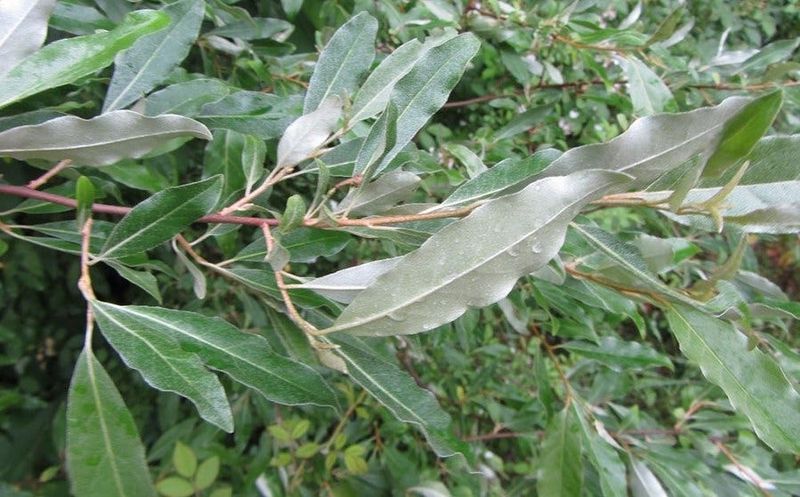
Autumn olive was once planted on purpose for wildlife and erosion control, which turned out to be a big mistake. It forms dense stands that completely shade out the understory, robbing ground-dwellers like eastern box turtles of the low plants and cover they rely on.
The silvery undersides of its leaves make it fairly easy to pick out as natives lose their foliage in fall. Pull seedlings and cut larger shrubs, treating the stumps to keep them from bouncing back.
For berries that help wildlife the right way, try American plum or Chickasaw plum in its place.
9. Burning Bush
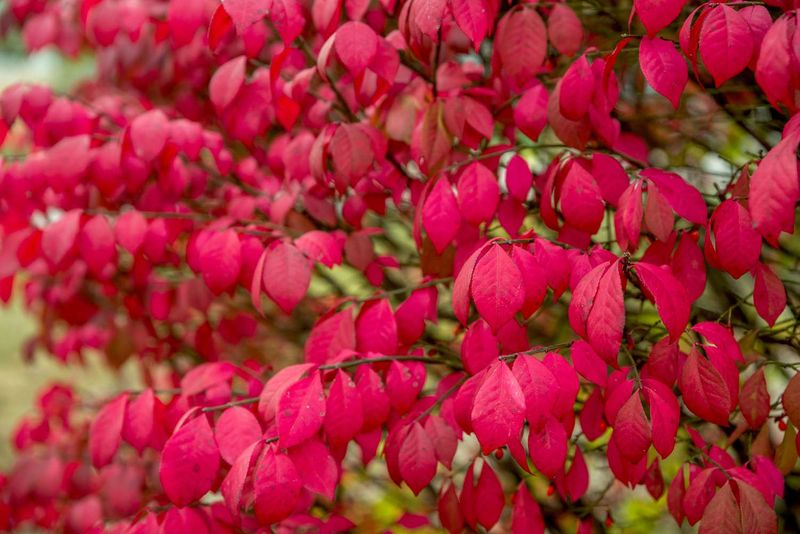
Nobody argues that burning bush looks stunning when it flames red in October, but that beauty comes with a heavy cost. Birds gobble its berries and scatter the seeds into natural areas, where it grows into thick stands that smother native shrubs.
The vivid fall color, ironically, makes this the easiest season to spot every last one on your property. Cut it back and dig out the roots, or treat larger stumps to stop regrowth.
You can still have knockout autumn color with natives like Virginia sweetspire, which turns rich shades of red and burgundy while feeding pollinators through the summer.
10. Japanese Stiltgrass
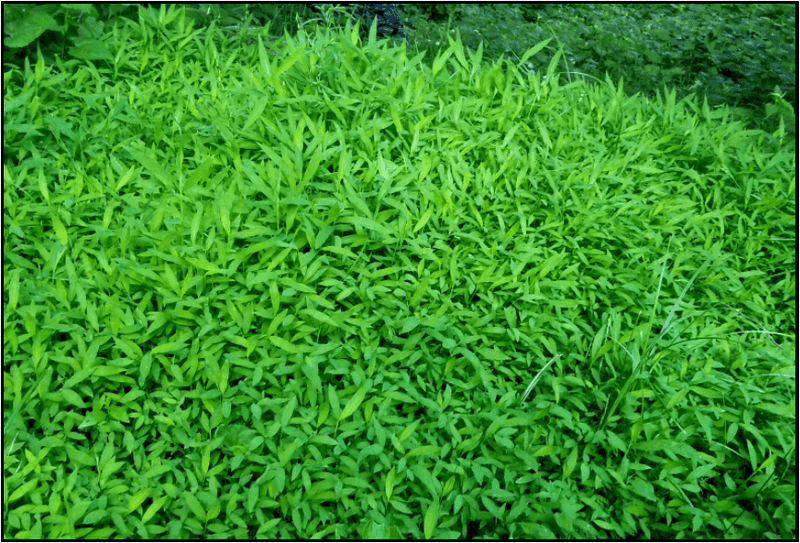
Low and sprawling, Japanese stiltgrass creeps across shady yards like a soft green carpet that hides real trouble. This annual grass outcompetes native wildflowers and herbs, thinning out the plant diversity that feeds insects and, in turn, birds and box turtles.
Timing is everything here. Pulling or mowing it in September or October, before it drops seed, keeps next year’s crop from exploding across your yard.
Because it yanks up easily with shallow roots, a weekend of hand-pulling can make a real dent. Fill the bare spots with shade-tolerant native sedges or Christmas fern to hold the ground and keep the stiltgrass from returning.