
13 Mums Alternatives That Keep Blooming Long After Your Grocery-Store Mums Turn Brown
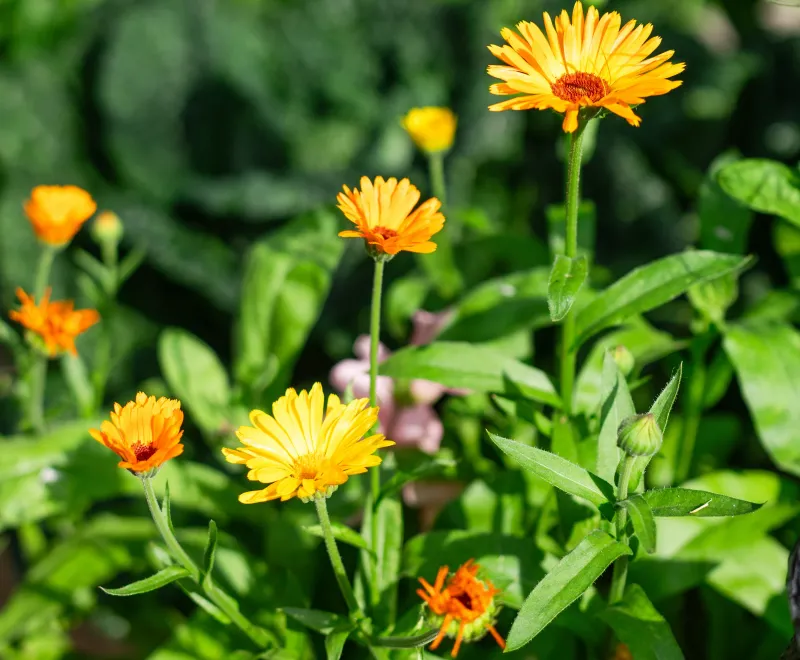
You bring home a pot of bright mums, set it on the porch, and two weeks later it looks crispy and brown. You did not do anything wrong, since most grocery-store mums are forced to bloom early and sold with cramped, thirsty roots.
The good news is that plenty of other plants give you fall color for weeks longer, and many come back every year. Here are 13 easy swaps that can keep your yard glowing until frost.
1. Asters
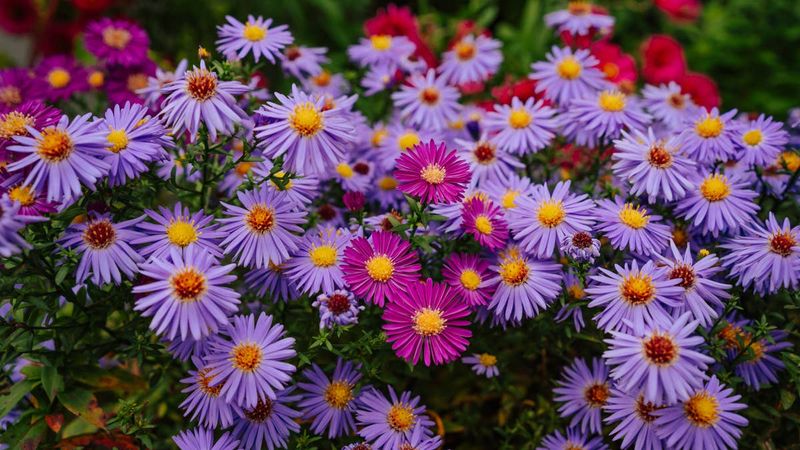
Picture a mum that actually wants to live in your yard. Asters look a lot like mums, with cheerful daisy-shaped flowers in purple, pink, blue, and white, but they are true garden perennials.
Many asters are native to North America, so they are built for our weather. They bloom from late summer often right up to the first frost, and bees and butterflies crowd onto them when little else is flowering.
Plant them in full sun and give them a deep drink once a week while they settle in. Most are hardy in zones 3 to 8.
For shorter, bushier plants, pinch the tips back by about a third in early summer, and you may get even more flowers in fall.
2. Sedum Autumn Joy
Forgot to water again? Sedum will forgive you.
It is a succulent with thick, fleshy leaves that store water, so it shrugs off dry spells that would wilt a potted mum in a day.
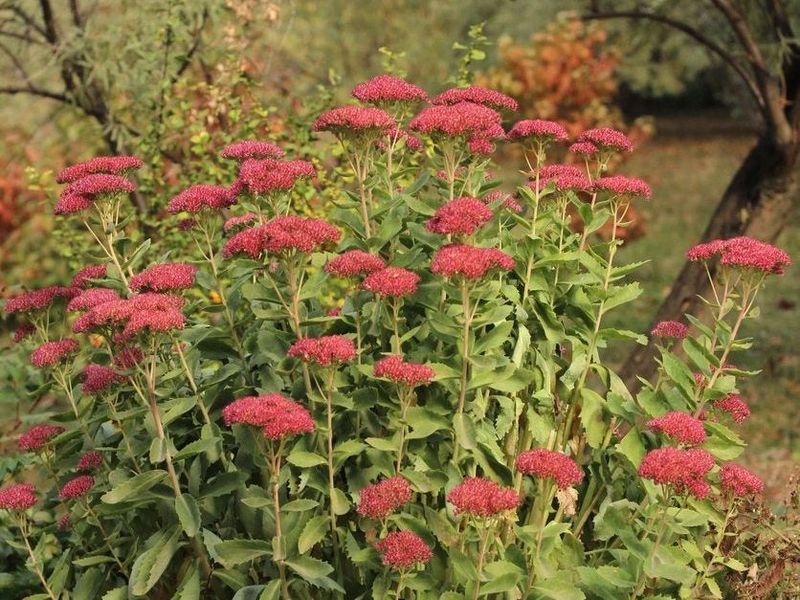
The variety Autumn Joy is the star here. Its flower clusters start out looking like pale green broccoli in summer, blush pink in early fall, and slowly deepen to a rusty red as the weather cools.
Give it sun and soil that drains well, and that is about it. Sedum is hardy in zones 3 to 9.
Leave the dried heads standing in winter, since they look pretty with a dusting of snow.
3. Dahlias
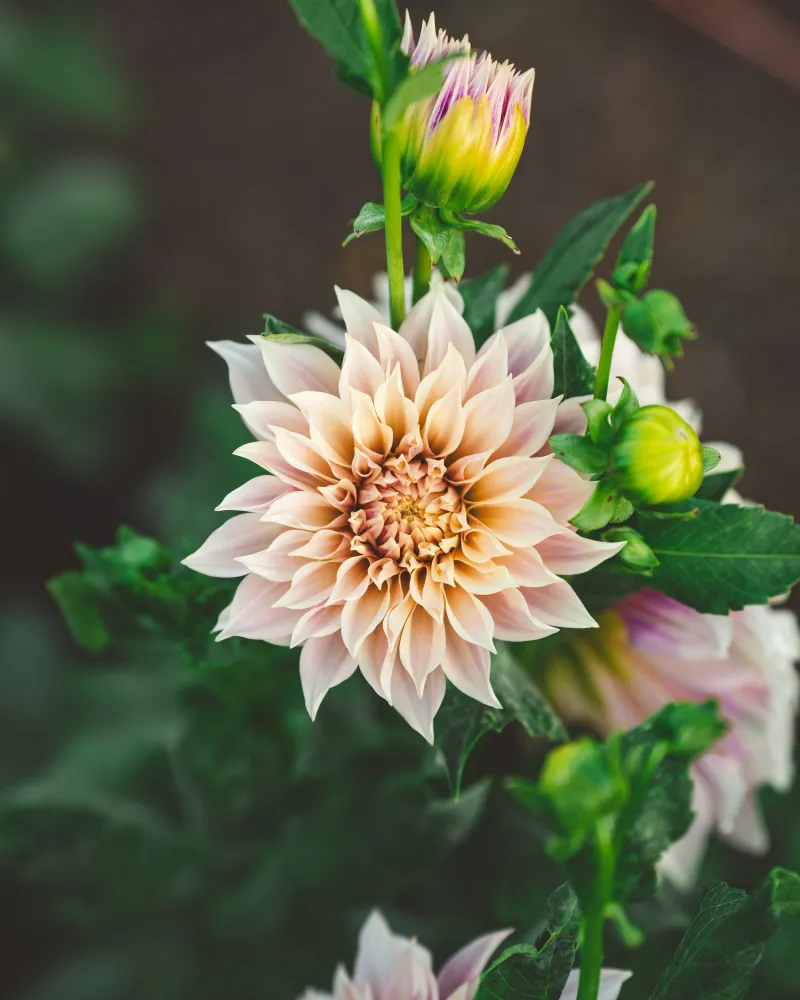
If you love the full, layered look of a mum flower, dahlias might just steal your heart. Their petals stack in tight rows, and the colors range from soft peach to deep wine.
Dahlias bloom from midsummer until a hard frost knocks them down. That is months of flowers compared to a few weeks from a store pot.
In zones 8 to 11 they can stay in the ground all year. In colder areas, dig up the tubers after frost, let them dry, and store them in a cool spot until spring.
Cutting flowers for a vase actually encourages the plant to make more, so snip away without guilt.
4. Zinnias
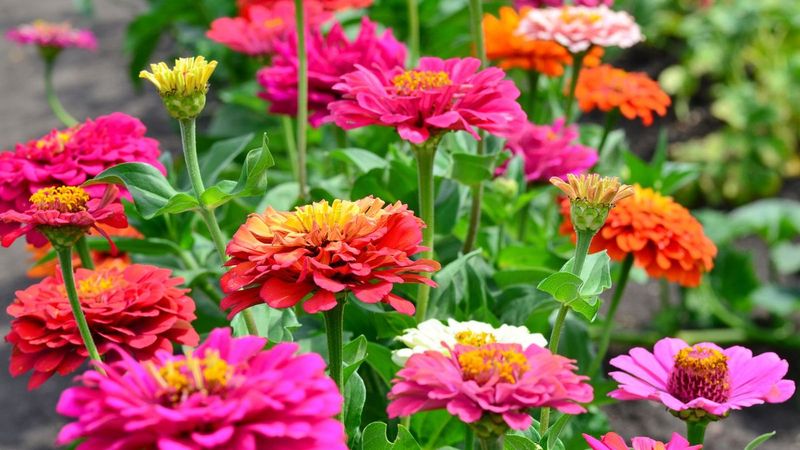
Kids, beginners, and busy gardeners all have one thing in common: zinnias rarely let them down. You can grow them from seed pressed into warm soil, and they race into bloom.
Once they are rooted, zinnias handle heat and dry spells well. Some double types look like tiny round mums, packed with petals in hot pink, orange, and red.
The trick for fall color is deadheading. Snip off faded flowers every few days, and the plant keeps pushing out new ones into early fall.
Water at the base in the morning to help reduce powdery mildew on the leaves.
5. Montauk Daisy
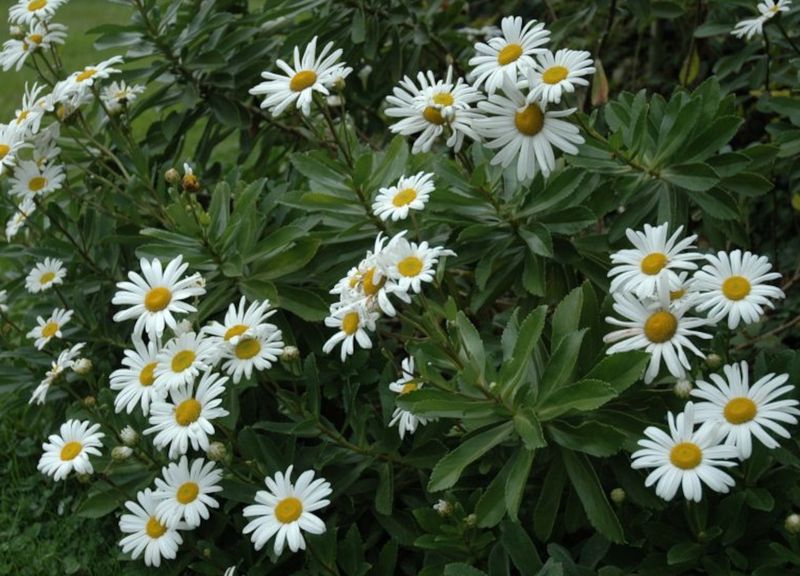
Named after the tip of Long Island where it grows wild along the roadsides, the Montauk daisy is a tough plant with a sweet face. It forms a big shrubby mound covered in crisp white daisies with yellow centers.
Those white blooms really pop against the orange and red leaves of fall. They open late in the season and keep going well into autumn, long after summer flowers quit.
Montauk daisy loves sun and does not need rich soil. It can get leggy, so cut the stems back by about half in early summer.
That one chore gives you a neater, fuller plant when bloom time comes.
6. Black-Eyed Susan
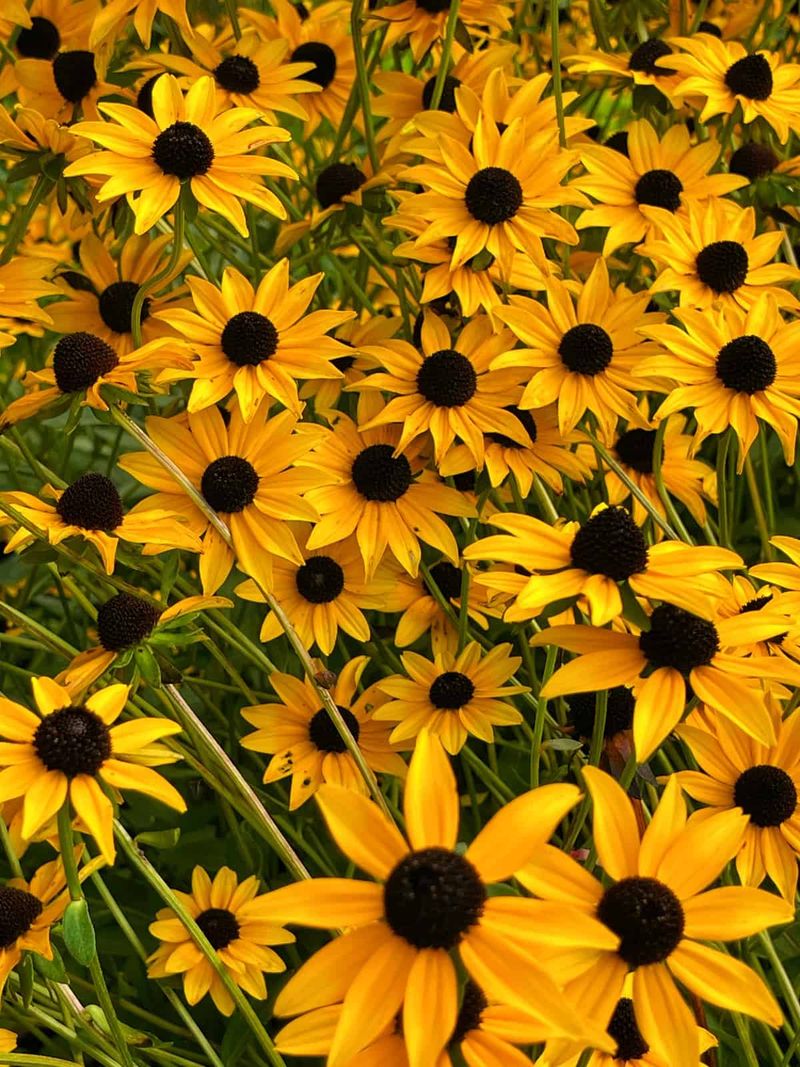
Few flowers say sunny and dependable like a black-eyed Susan. Golden petals circle a dark brown center, and the plants seem to bloom with almost no help from you.
These native wildflowers start in summer and can carry on late into fall. Bees and butterflies love the nectar, and birds like goldfinches snack on the seeds later.
To stretch the show, pinch off spent flowers regularly. Near the end of the season, leave a few seed heads for the birds and for next year’s volunteer seedlings.
7. Hardy Begonia
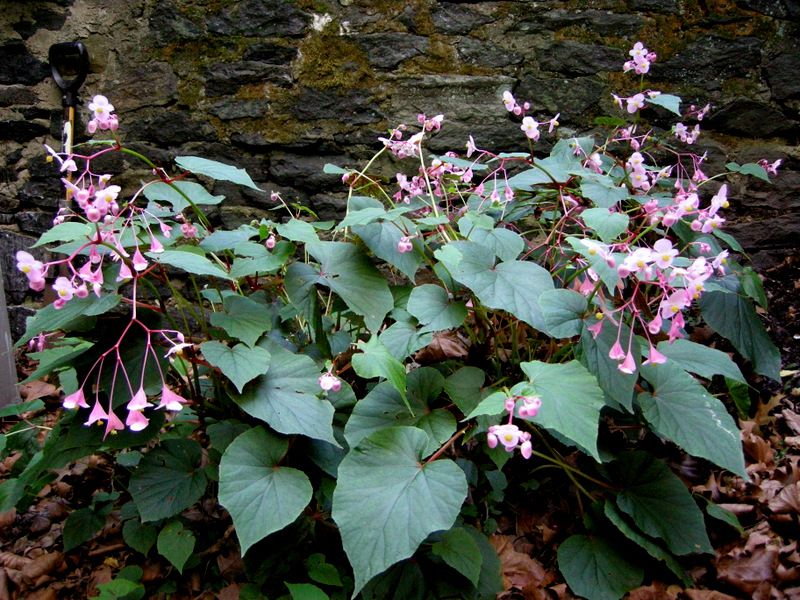
Most people think of begonias as summer bedding plants that die at the first chill. Begonia grandis breaks that rule.
It is a hardy perennial that returns year after year in many gardens.
Its broad leaves have red undersides that glow when the sun shines through them. In September, wiry red stems hold dangling clusters of pink flowers, just when shady corners usually look tired.
Plant it in part shade with moist soil. It spreads slowly and can reseed itself, so one plant may turn into a small patch over time.
8. Toad Lilies
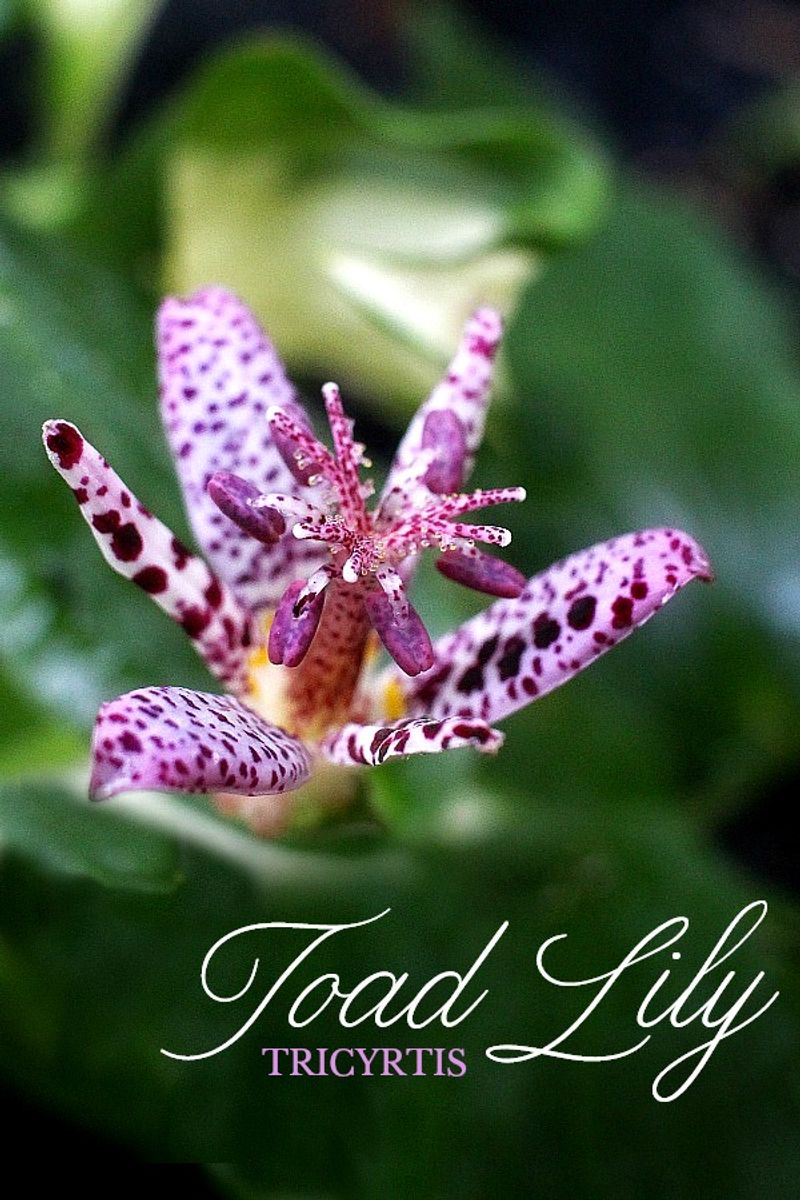
Lean in close and you will see why toad lilies surprise people. The small flowers look like tiny orchids, with creamy petals speckled in lavender dots.
They open in early fall, when shade gardens are often all green. Toad lilies like moist soil and part to full shade, and they are hardy in zones 4 to 8.
Here is a bonus: deer tend to leave them alone. Plant them near a path or step so you can actually enjoy the details up close.
9. Japanese Anemone
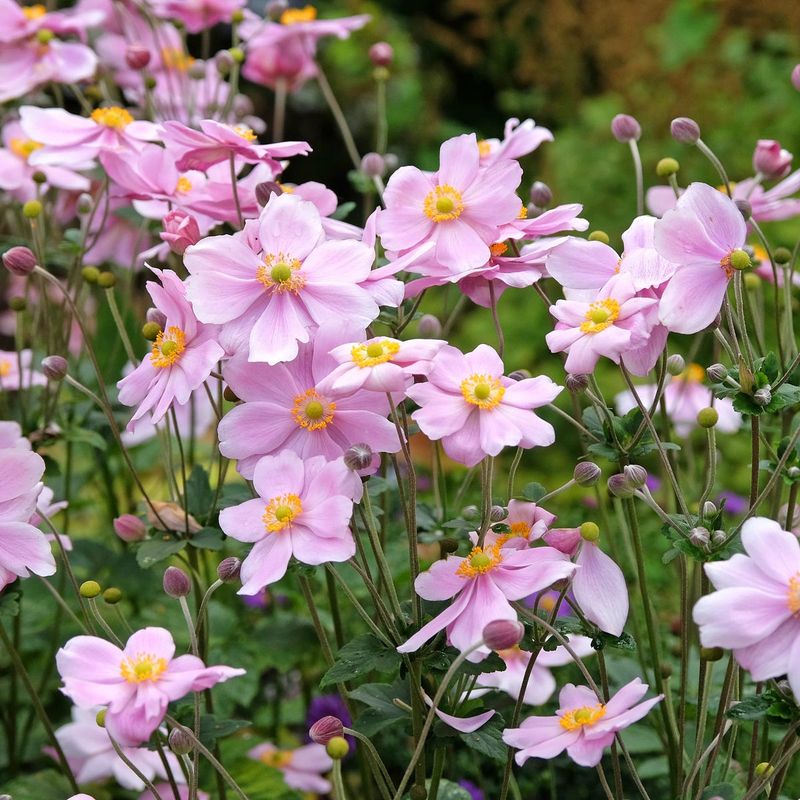
Tall, graceful, and a little bit fancy, Japanese anemones bring height to the fall garden. Their pink or white flowers float on slim stems that sway in the breeze.
Bloom time runs from late summer into fall. They are hardy in zones 4 to 8 and like morning sun with afternoon shade in hot areas.
Be patient in year one, since they can be slow to settle in. Once happy, they spread, so give them some elbow room.
10. Pansies and Violas
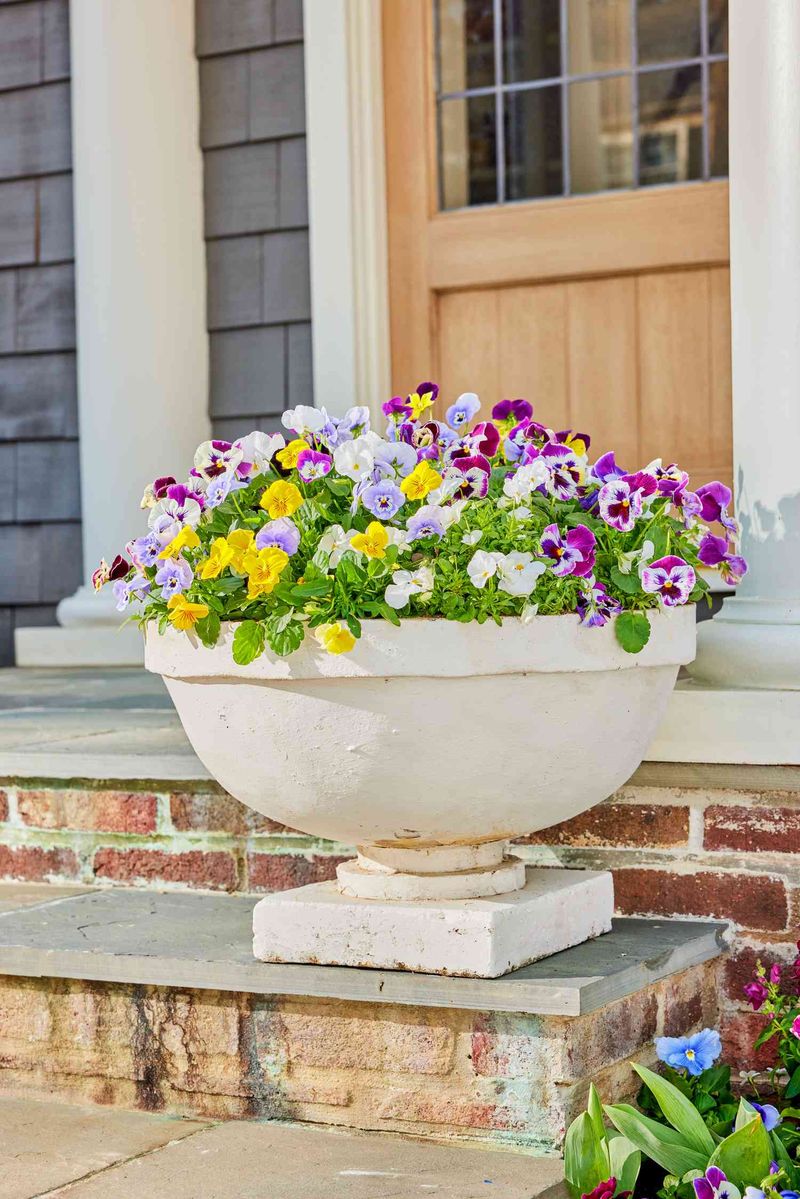
Most folks only buy pansies in spring, which is a missed chance. These little faces love cool weather, making them perfect for fall porch pots.
Pansies and violas keep blooming as temperatures drop, and they handle light frost. In many areas, fall-planted pansies rest through winter and bloom again in spring, so you get two seasons for one purchase.
Give them sun but not harsh heat. Water when the top inch of soil feels dry, and pinch off faded blooms to keep them flowering.
11. Calendula
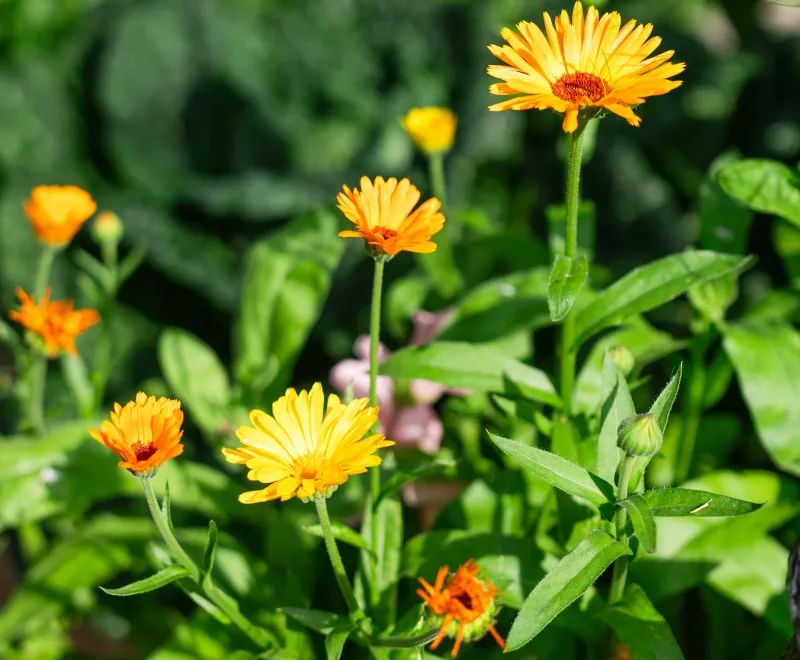
Calendula has been called pot marigold for centuries, and old kitchen gardens often grew it for soups and salves. Its orange, yellow, and cream flowers are edible, adding color to salads.
What makes it special here is its love of cool weather. When summer annuals fade, calendula often looks its best and keeps blooming even after light frosts.
Sow seeds in late summer for fall flowers. Keep snipping the spent blooms, and it will reward you with fresh ones.
12. Salvia
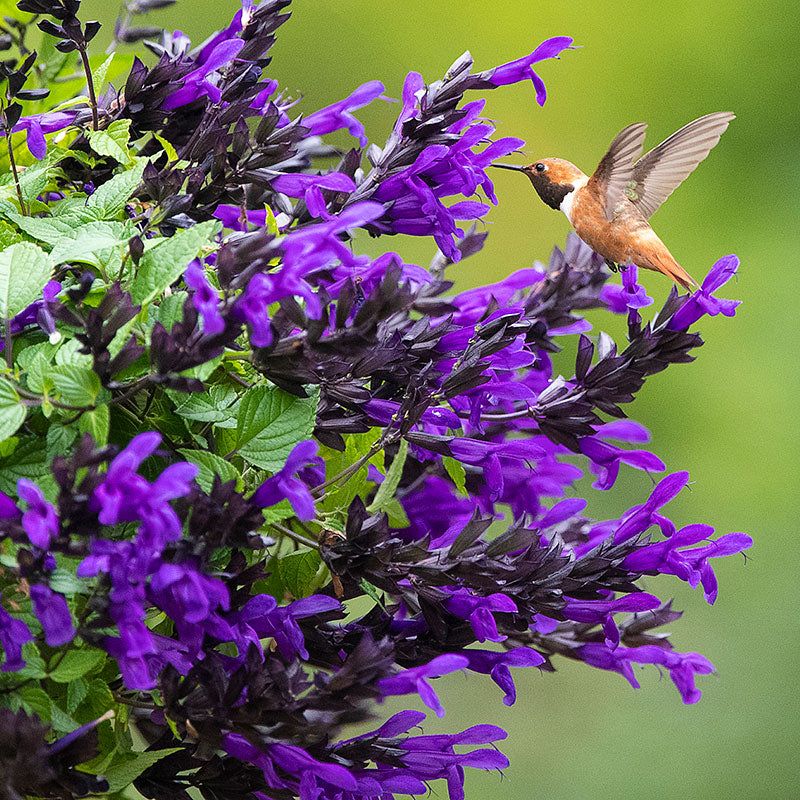
Hummingbirds treat salvia like a drive-through. Its tall spikes of blue, violet, red, or pink flowers are loaded with nectar.
Many salvias bloom from late spring through fall, and some annual types keep going until frost. They handle heat well and deer usually skip them.
Cut back tired stems in midsummer to spark a fresh round of flowers for fall. Full sun and well-drained soil keep them happiest.
13. Coreopsis
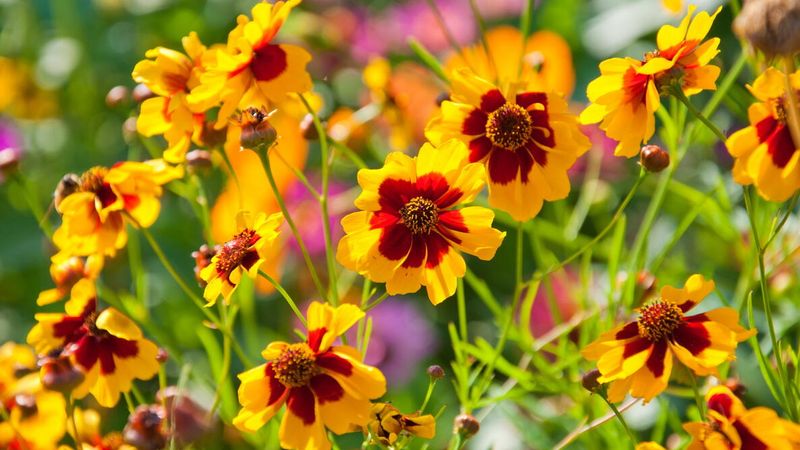
Hot, dry corner where mums fried? Coreopsis, also called tickseed, may be your answer.
It thrives in sunny spots and handles drought once rooted.
Its daisy-like flowers come in warm yellows, oranges, and reds, and many perennial types bloom for a long stretch. The plants form neat mounds that pollinators love to visit.
Shear the plant back lightly when blooms slow down, and it can push out another flush. Avoid heavy fertilizer, since rich soil can make it floppy.