
If Your Garden Sage Grows Thick Every Summer, Here’s The Oil Inside That Wipes Out Airborne Bacteria
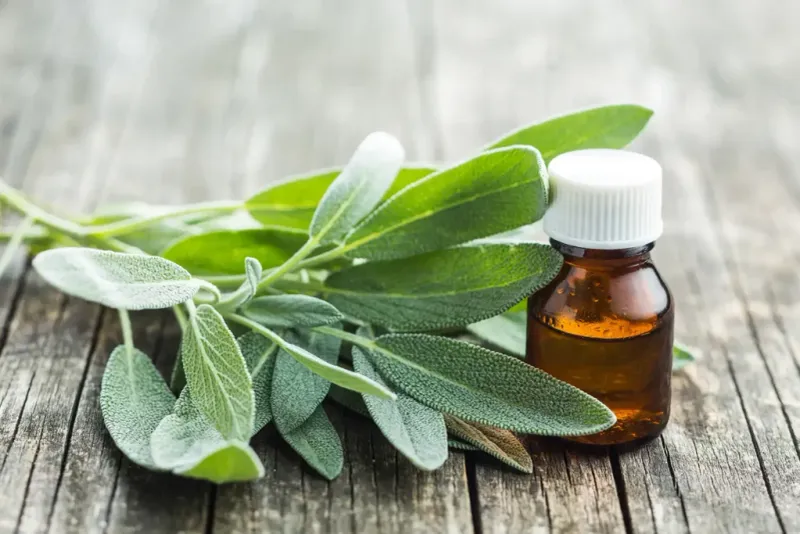
Garden sage is one of those plants that practically takes care of itself, coming back thicker each summer and filling the air with that familiar earthy scent. A lot of gardeners have heard that sage can clean the air around them, maybe even knock out harmful bacteria floating through the house.
The truth is more specific than that, and understanding what the research actually found could save you from some real confusion about what your herb garden can and cannot do. One study did find something interesting about sage oil and airborne microbes, but the details matter quite a bit.
The sage study tested vaporized oil, not a garden plant
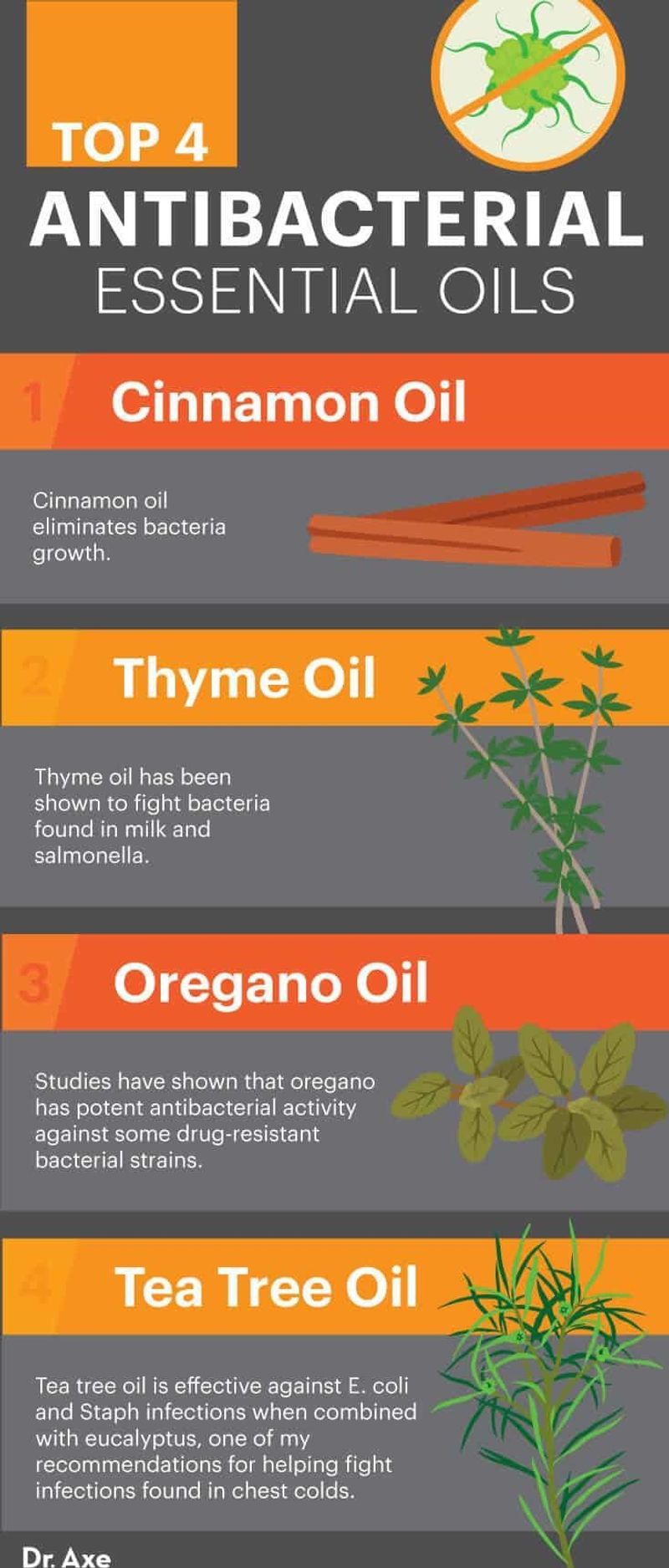
Back in 2009, researchers set out to test whether sage essential oil could reduce the number of microbes floating in the air of a room. To do that, they first had to extract the oil, using a process called hydrodistillation on the above-ground parts of the sage plant.
That concentrated extract is chemically quite different from what drifts off a living plant sitting in a pot or a garden bed.
Once they had the oil, the team used an aroma dispenser to release a measured dose into a selected test room. The dose was specific: 0.25 milliliters of oil per cubic meter of room space.
That level of precision matters, because it means the study was testing a controlled, extracted substance at a known concentration, not the ambient scent of a thriving herb garden.
According to this 2009 sage essential-oil room study, researchers measured culturable microbial counts at one hour, six hours, and 24 hours after treatment. They found that total microbial counts dropped by 70 to 73 percent, while yeast-and-mold counts fell by 54 to 55 percent across those measurement points.
Those are notable reductions, but they reflect what happened with vaporized extracted oil at a set dose in one room under study conditions.
A garden sage plant releases volatile compounds passively as it grows, but there is no evidence that a living plant disperses enough of the right compounds at the right concentration to replicate those results indoors. The study never tested a potted or in-ground plant.
Gardeners who love their sage can keep growing it, but the room-study result belongs to the extracted oil, not to the plant itself.
Sage essential oil is a variable mixture

Picking up a bottle of sage essential oil at a health food store might feel like getting the same thing the researchers used, but that assumption deserves some scrutiny. Sage essential oil is not a single, uniform substance.
It is a mixture of many volatile compounds, and the proportions of those compounds shift depending on where the plant was grown, what time of year it was harvested, and how the oil was processed.
Reported major constituents in common sage oil include thujone, camphor, and 1,8-cineole. Each of those compounds behaves differently and carries different biological activity.
Research on sage oil chemical composition confirms that the ratio of these constituents can vary considerably from one batch to the next, even when the source plant is the same species.
A separate look at common sage volatile-constituent variability reinforces this point: growing conditions, soil type, and climate all influence which compounds end up in the oil and in what amounts. That variability means a gardener cannot assume that the sage thriving in their backyard releases the same chemical blend, or anywhere near the same concentration, as the hydrodistilled oil used in the room study.
The 2009 study also did not identify which specific constituent caused the observed reduction in culturable counts. Pinning the result on thujone, camphor, or any single compound would go beyond what the research actually showed.
The takeaway for gardeners is straightforward: your plant is not a standardized product, and its oil profile on any given day is genuinely unpredictable.
Thyme studies do not establish what a garden herb can do
Thyme has its own body of research on airborne microbes, and some of those findings get mixed into conversations about sage or herbs in general. Keeping the studies straight helps avoid drawing conclusions that the science does not actually support.
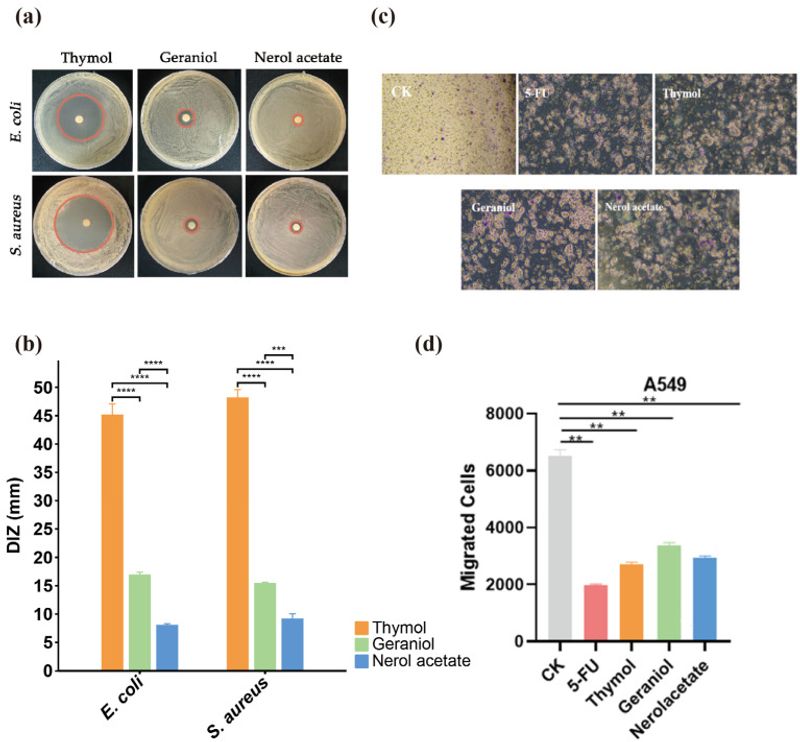
A 2015 study described in this thyme and tea-tree vapor research tested the effect of thyme and tea-tree vapors in a small chamber. Researchers reported reduced viable Staphylococcus aureus on test pieces exposed to the vapor, and they also observed lower airborne fungal concentrations in one household after vaporization.
Those are specific results tied to specific conditions, including the preparation method, the chamber size, and the way the vapor was delivered.
A more recent 2024 study, detailed in this thyme-oil indoor bioaerosol and surface study, tested both laboratory antimicrobial activity and indoor bioaerosol levels after nebulizing aqueous thyme-oil solutions. The researchers found some reductions in bioaerosol counts, but they also explicitly called for further biosafety research before the method could be considered a validated household approach.
That is a meaningful qualifier, not a minor footnote.
Neither study tested a growing thyme plant standing in soil. Both worked with prepared solutions or extracted vapors delivered through specific equipment at measured concentrations.
The gap between “nebulized aqueous solution tested in a research setting” and “herb growing in a backyard garden” is large enough that the thyme results cannot be applied to garden plants.
Rosemary often comes up in the same conversations, but none of the cited research established a rosemary-specific indoor-air effect. That absence of evidence is not proof that rosemary does nothing, but it does mean the sage and thyme findings cannot be transferred to rosemary either.
A reduction in culturable counts is not proof of protection

Seeing numbers like 70 to 73 percent reduction in microbial counts can feel dramatic, and it is easy to read that as “the room was disinfected” or “the bacteria were wiped out.” Culturable counts measure only the microbes that can be grown on a lab plate under specific conditions. A partial drop in that number does not mean every airborne bacterium or pathogen was eliminated, and it certainly does not mean that anyone in the room was protected from infection.
The sage study used a selected room with a measured oil dose and an aroma dispenser under controlled research conditions. Generalizing that result to every home, every room size, and every oil preparation would stretch the finding well past what the original research actually demonstrated.
A partial reduction under study conditions is a starting point for further investigation, not a finished proof of health protection.
A separate and frequently cited statistic claims a greater-than-94 percent reduction in airborne bacterial counts, and that number circulates widely in discussions about herbs and air quality. That figure comes from a study of medicinal smoke made from burning a complex mixture of wood and herbs in a closed room.
The mixture involved multiple plant materials, not sage alone or sage essential oil, so that 94 percent figure cannot be used to support a claim about sage specifically.
Burning a multi-ingredient herbal mixture in a sealed room is also a very different intervention from growing sage outdoors or diffusing sage oil in a living space. Combining these results as though they all describe the same thing gives readers a misleading picture of what any one herb or preparation can do.
Oil vapor can affect indoor air too
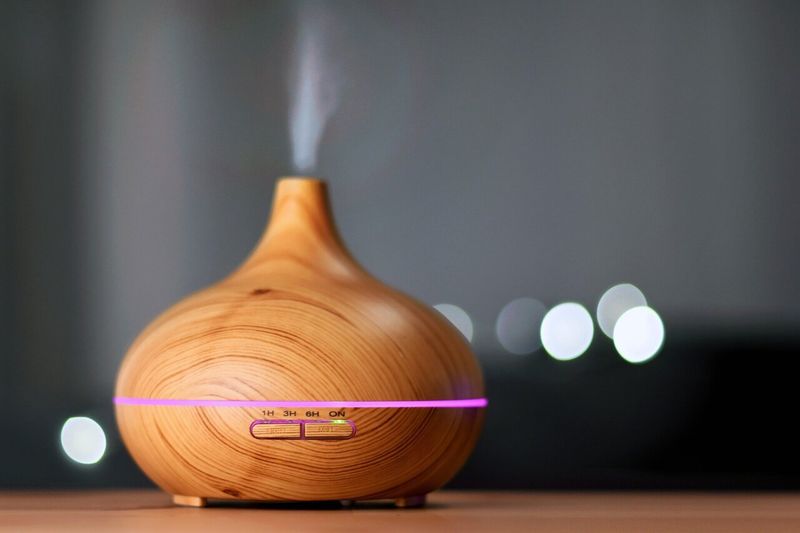
Antimicrobial activity in a lab or a controlled room study sounds like a clear win, but the full picture of what essential-oil vapor does to indoor air is more complicated. A study examining lavender, eucalyptus, and tea-tree oils found that when those oils were diffused, measured volatile organic compound levels in the room rose noticeably.
Antimicrobial effects on airborne microbes were observed only during the first 30 to 60 minutes after diffusion began.
Those were not sage oils, so the results do not apply directly to sage. What they do illustrate, according to this EPA-indexed essential-oil evaporation and indoor-air-quality study, is that diffusing oils adds compounds to indoor air, not just removes them.
Presenting diffusion as a straightforward air-cleaning method ignores that trade-off, and the short window of observed antimicrobial activity raises questions about whether any benefit persists long enough to matter in daily home use.
Sage carries an additional layer of complexity because common sage contains thujone, a compound that NCCIH notes can be toxic if consumed in large amounts. That warning specifically concerns ingestion, not inhalation, so it does not directly establish how much inhaled sage-oil vapor is safe.
The honest answer is that a safe inhaled dose has not been established by the cited research, which is a reason to be cautious rather than a reason to assume diffusion is harmless.
None of this means sage oil is dangerous in any ordinary encounter with the plant outdoors. It does mean that moving from “I like the smell of my garden sage” to “I should diffuse sage oil indoors to clean my air” involves steps that current research has not fully mapped out.
Use source control, ventilation, and filtration for indoor air
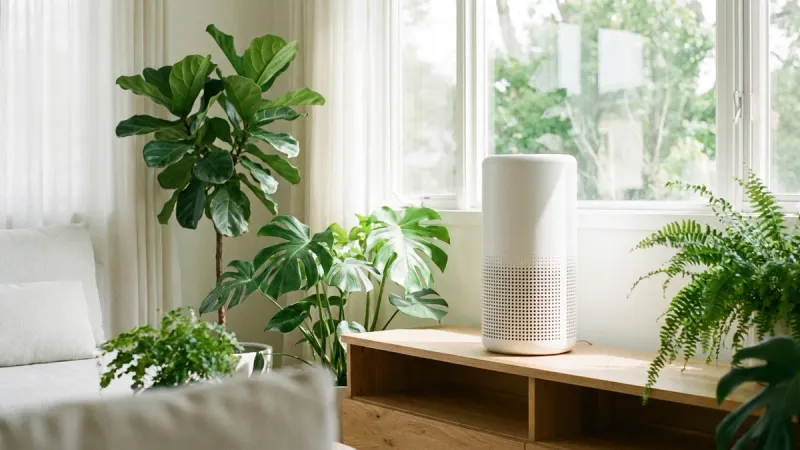
For gardeners who want genuinely cleaner indoor air, the most reliable path starts with reducing pollution sources inside the home. That means fixing leaks that encourage mold, avoiding smoking indoors, keeping cooking areas ventilated, and being mindful of products that off-gas volatile compounds.
No herb or oil can substitute for addressing what is generating the problem in the first place.
Ventilation is the next priority. Opening windows when outdoor air quality permits, running bathroom and kitchen exhaust fans, and using whole-house ventilation systems when available all move stale air out and fresh air in more reliably than any diffused oil.
EPA guidance on home air cleaners and filters recommends source control and ventilation as the primary strategies, with portable air cleaners and upgraded HVAC filters serving as useful supplements rather than replacements.
Portable air cleaners with HEPA filters can capture particles including some biological material like mold spores and some bacteria, though they do not remove every pollutant or guarantee a sterile environment. Choosing a unit sized appropriately for the room and running it consistently matters more than picking a model with extra features.
HVAC filter upgrades follow the same logic: a filter rated MERV 11 to 13 captures more particles than a basic fiberglass filter, as long as the system can handle the added resistance.
Your sage plant is still worth growing. It is a useful culinary herb, it attracts pollinators, and the scent is genuinely pleasant on a warm afternoon.
What the 2009 sage essential-oil room study found was a partial reduction in culturable counts using vaporized extracted oil at a precise dose in a controlled setting. A thick summer plant in the garden is a different thing entirely, and the most powerful air-quality tool in any home turns out to be a cracked window and a clean filter.
Good science and good gardening can coexist without either one needing to promise more than it delivers.