
If Your Hydrangeas Gave You Fewer Flowers This Year, These Are The Reasons Behind It
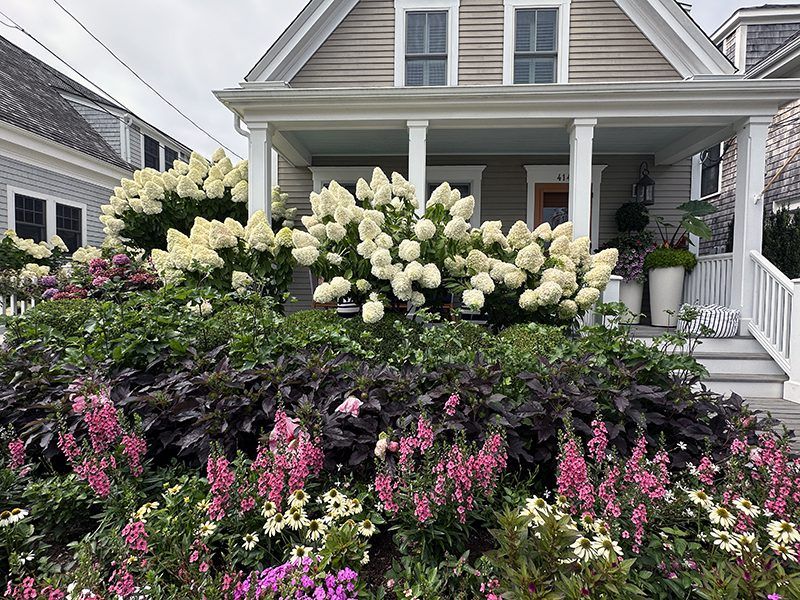
You waited all season for big, full hydrangea blooms, and the show fell short. That can feel like you did something wrong, but a thin bloom year usually has a traceable cause.
Pruning, cold snaps, shade, water, and plant age can all play a part. Here is how to sort through the clues so next year has a better shot.
Which hydrangea do you have?
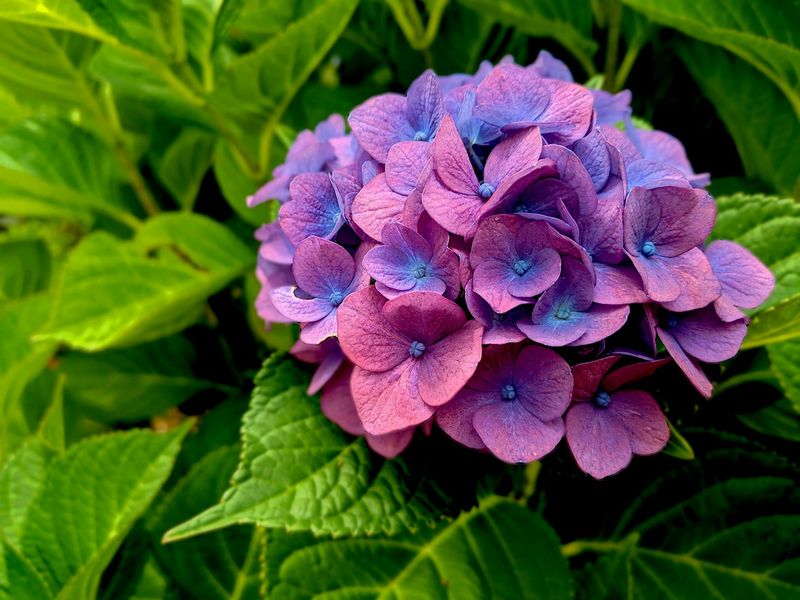
Before blaming anything else, figure out what kind of hydrangea is growing in your yard. The type decides when the plant sets its flower buds, and that changes almost every other diagnosis.
Per Iowa State Extension guidance, bigleaf and oakleaf hydrangeas generally bloom on old wood, meaning stems that grew last year. Smooth and panicle hydrangeas bloom on new wood, meaning stems that grow this spring.
Some bigleaf cultivars bloom on both, so they can recover better after a hard winter or a bad haircut, but not every bigleaf does.
Start with clues you already have. Look for the original plant tag, a receipt, or a photo from the nursery.
Then study the flowers and leaves: rounded mopheads or flat lacecaps often point to bigleaf, cone-shaped blooms suggest panicle, and leaves shaped like oak leaves suggest oakleaf. Round white blooms in early summer may be a smooth type.
Appearance alone will not always tell you the exact cultivar, and that is fine. Knowing the group is often enough to guide the next steps.
If you cannot tell, take photos of the leaves, flowers, and stems to a local extension office or a good garden center.
Once you know the type, you can judge whether pruning, winter damage, or something else is the likeliest suspect. Write it down somewhere you will find it next spring.
Pruning at the wrong time can remove next season’s flowers
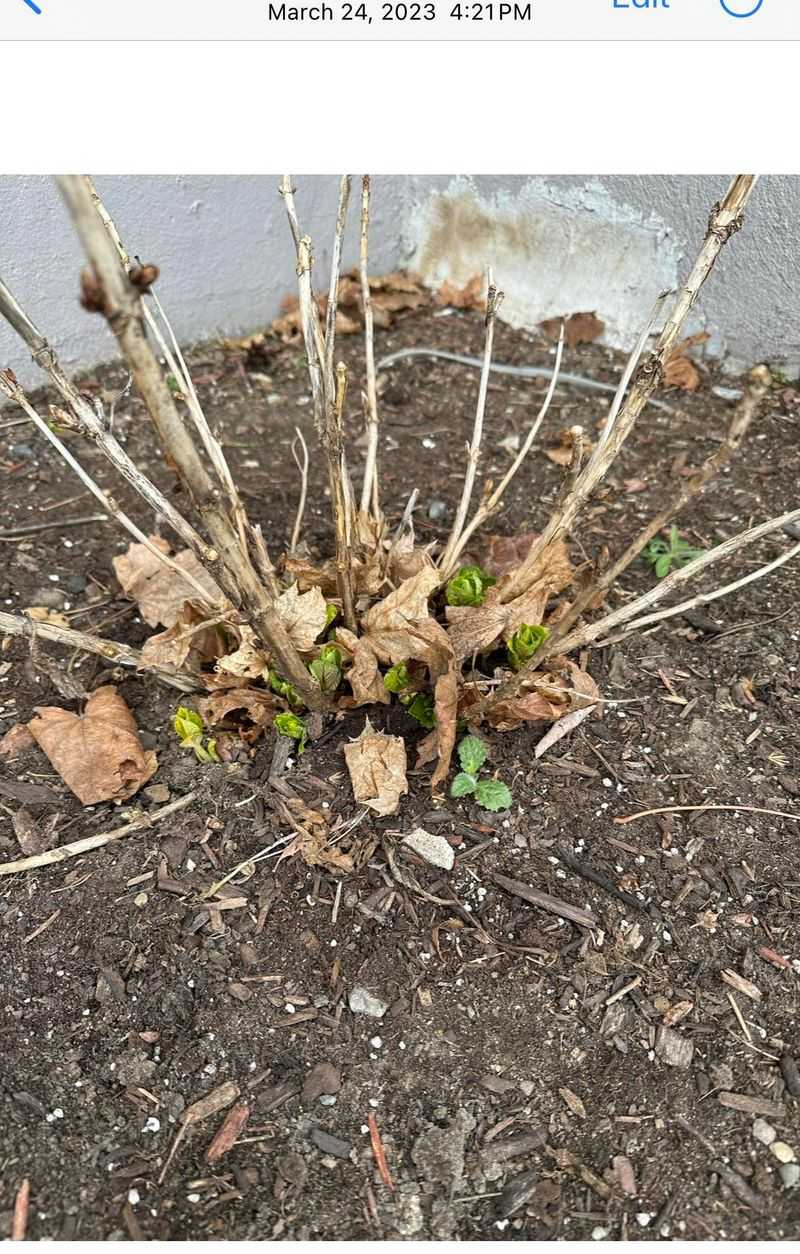
Trimming is one of the easiest ways to lose flowers without realizing it. On old-wood types like bigleaf and oakleaf hydrangeas, next year’s buds form in late summer or fall.
Cut those stems afterward and you may snip off the blooms you were counting on.
The University of Minnesota Extension explains that pruning timing depends on the type, which is why a single seasonal rule does not work. Late-season, fall, winter, or spring pruning can reduce flowers on old-wood plants.
Smooth and panicle hydrangeas play by different rules. According to Iowa State Extension, they bloom on new wood and can generally be pruned in late winter or early spring.
Advice that suits them can cost a bigleaf its flowers.
To assess this cause, think back over your pruning history. Did you tidy the shrub in fall, shear it into a ball, or cut back dead-looking stems in spring?
If you have an old-wood type and any of that happened, pruning may be part of the story.
If you never pruned at all, look elsewhere. Also keep in mind that removing only stems that are clearly dead, once you can tell what is alive, is different from cutting healthy wood.
When in doubt, wait and let the plant show you where the new growth starts.
Did winter or a late frost damage the buds?
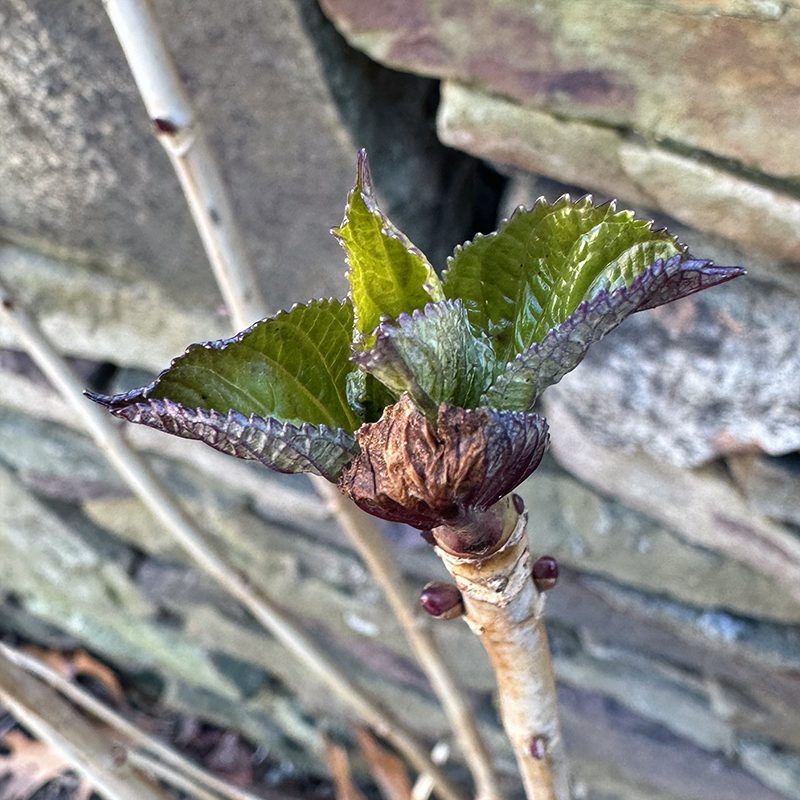
Sometimes the buds were fine when they formed, and the weather took them out. Winter cold, a late spring frost, or stems dying back can kill buds that would have opened into flowers.
Old-wood bigleaf and oakleaf hydrangeas are the ones most at risk, based on Iowa State Extension information.
New-wood bloomers are less likely to lose flowers this way. Because they make their flowering stems in spring, winter-killed stems from last year matter less.
Even so, a severe frost after growth starts can still damage tender new shoots.
Here is a simple check. Think about last winter and the spring that followed: was there an unusually cold stretch, or a warm spell followed by a freeze?
Then look at the shrub. Did stems die back to the ground, with leaves and growth appearing only from the base?
Were leaf tips blackened after a frost?
If the plant leafed out lower down but skipped flowers, cold damage to buds is a reasonable suspect for an old-wood type. Hardiness varies by cultivar and by location, so a sheltered spot near a wall may fare better than an open corner.
You cannot control the weather, but noting what happened helps you spot patterns over the years. Weather can hit any garden, so a single poor year does not mean you did something wrong.
Too much shade can limit flowering
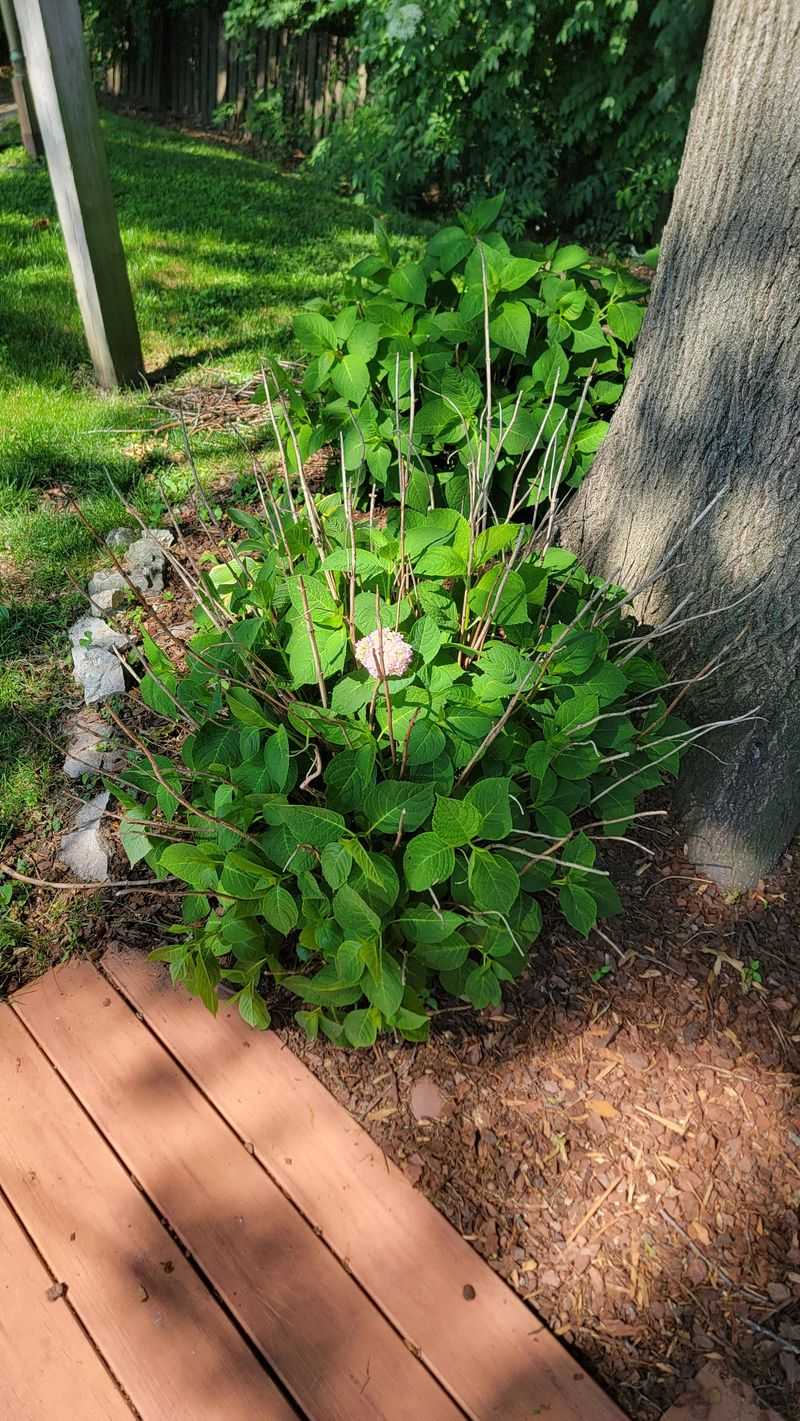
Light is easy to overlook because it changes slowly. A young tree grows taller, a fence goes up, and one day your sunny hydrangea spot has become a shady one.
Deep shade can lead to fewer or smaller blooms.
There is no single sunlight number that fits every hydrangea, though. Iowa State Extension notes that needs vary by type and climate.
Panicle hydrangeas generally tolerate more sun than woodland-associated types like oakleaf, and hot afternoon sun can stress or scorch some plants.
To check your site, watch the shrub on a clear day. Note how many hours it gets direct light in the morning, midday, and afternoon.
A spot with bright morning sun and lighter afternoon shade suits many gardens, but a hotter region may call for more protection than a cool one.
Clues can help. Long, leggy stems reaching toward light, plenty of healthy leaves, and few blooms point toward shade.
Crispy leaf edges and midday wilting in a sunny, hot site suggest the opposite problem.
If shade seems likely, consider trimming nearby tree limbs to let in more light. Moving a hydrangea is a bigger step, so it is best done in the plant’s dormant season and only after you have watched the site for a full season.
Wilt does not always mean the plant needs more water
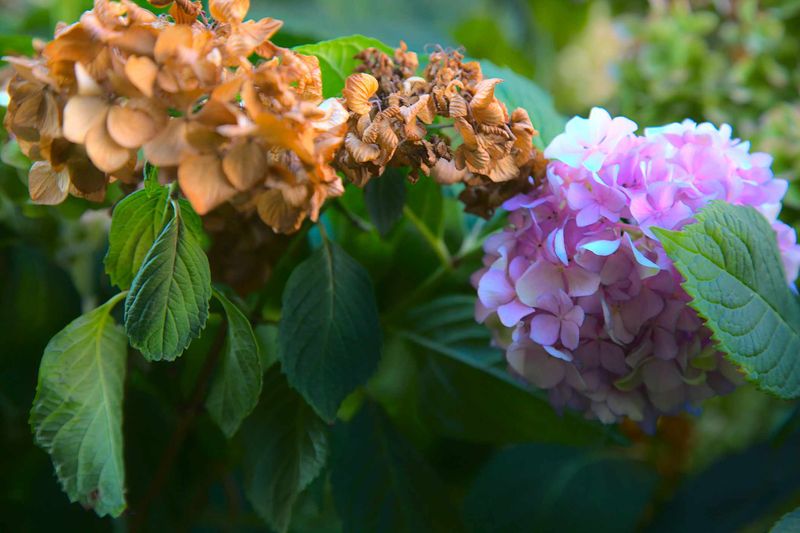
A drooping hydrangea makes many gardeners grab the hose right away. But University of Maryland Extension cautions that overwatering and poorly drained soil can cause root problems, and midday wilting does not always mean the soil is dry.
Bigleaf hydrangeas in particular may wilt temporarily in heat even when the soil is moist. If the leaves perk up by evening and the soil is not dry, extra water may not be needed.
So check the ground first. Push a finger a couple of inches into the soil near the plant.
Consider recent rainfall, how fast water drains after a storm, and how hot it has been. Consistent moisture supports growth, per Iowa State Extension, but saturated soil can contribute to root trouble and poor bloom.
A rigid schedule will not fit every yard.
Feeding is a separate question. Extra fertilizer is a common reflex when flowers are scarce, yet University of Tennessee Extension points to excess nitrogen as a possible cause of lush leaves at the expense of flowers.
If you suspect a nutrient issue, a soil test is a safer guide than guessing. It tells you what the soil actually has, so you can skip products you do not need.
Plant age and other clues can explain a quiet season
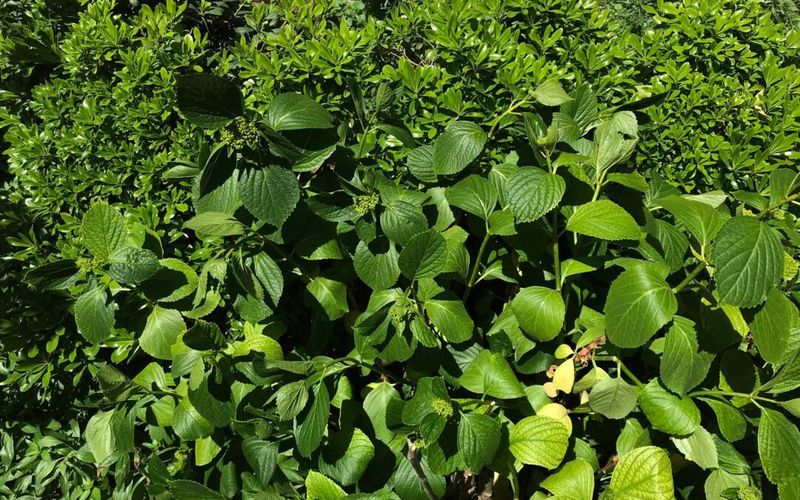
If pruning, cold, light, and water do not fit, consider how old the plant is. Hydrangeas may not flower during their first two to three years, especially climbing hydrangeas, according to Iowa State Extension.
A healthy young shrub with green leaves and no blooms may simply be settling in.
Fewer flowers alone does not point to disease. Penn State Extension describes disease concerns alongside other signs, such as distorted growth, unusual leaf mottling, or damaged buds.
If you see those, take photos and ask your local extension office before you reach for any spray.
Skip fungicide and do not toss a plant just because the bloom count was low. Many quiet years trace back to weather or timing instead.
Soil pH is another common detour. It mainly affects flower color in certain bigleaf and mountain hydrangeas, as noted by Iowa State Extension.
Panicle, smooth, and oakleaf types do not change color with pH, and changing pH is not a general way to get more flowers.
Other things can also thin a bloom, such as deer browsing on buds or stems. Look for ragged, torn stem tips at deer height before assuming something more complicated.
Use this season’s clues to plan for next year
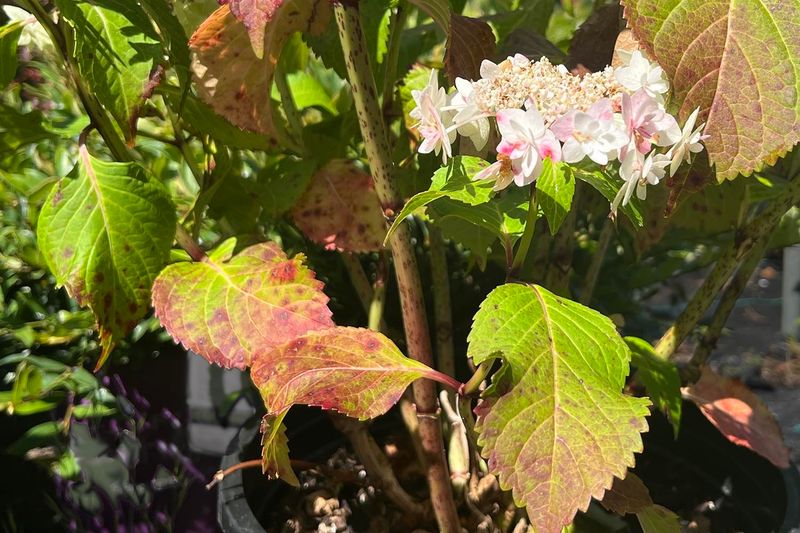
Turn what you noticed into a short plan. First, name your hydrangea type.
Second, jot down when you pruned and what the winter and spring weather did. Third, note the light, soil moisture, and any feeding, then change only what your observations support.
For an old-wood plant, that might mean holding off on pruning after buds form. For a panicle or smooth type, it may mean pruning in late winter or early spring, as described by Penn State Extension.
Fall is not the moment to give every hydrangea a haircut.
This approach can cut down on avoidable problems, but it cannot promise blooms. Weather, cultivar hardiness, deer, site conditions, and plant age all have a say.
Your shrub is probably tougher than it looked this summer, and a season of careful notes is the best tool you have.