
These North Carolina Native Ferns Fill A Bare Shady Slope And Never Need Replanting
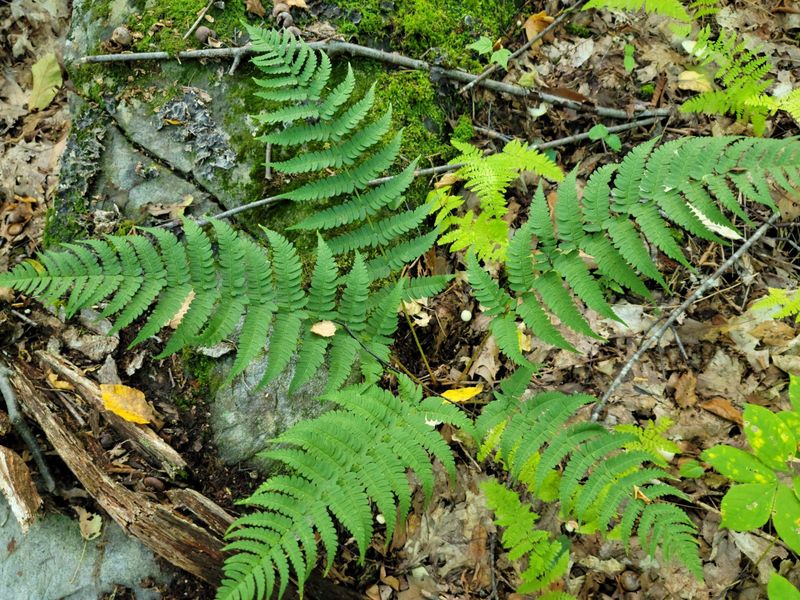
That bare, shady slope in your yard is not a lost cause. North Carolina has native ferns that love shade, hold soil in place, and come back every single year without replanting.
They also give box turtles, frogs, and nesting birds a safe place to hide. Here are eight ferns that can turn a muddy hillside into a green, wildlife-friendly carpet.
1. Christmas Fern
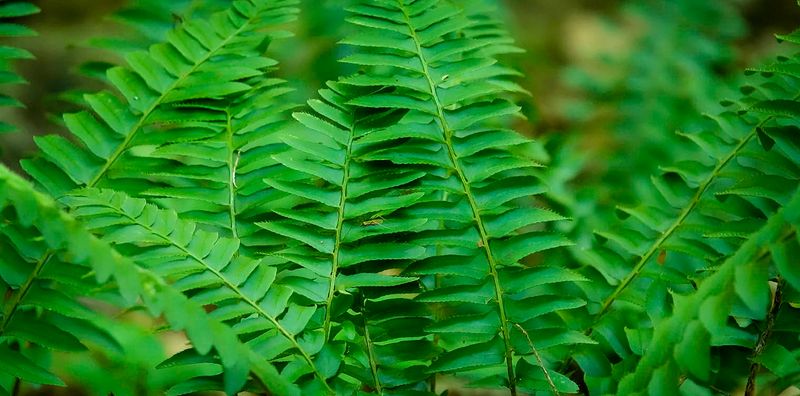
Picture a gray January morning when everything on your slope looks brown and tired, except for glossy green fronds still standing tall. That is Christmas fern, and it stays green all winter across the Piedmont, Coastal Plain, and mountains.
Its name comes from the tiny stocking-shaped leaflets along each frond.
For a dry, shady hillside, few plants beat it. The tidy clumps reach one to three feet tall, and their roots grip soil well enough to slow erosion after heavy summer storms.
It handles moist or dry ground but does best where water drains away.
Wildlife gets a bonus too. The Eastern Comma butterfly may lay eggs on it, and deer usually leave it alone.
If English ivy is choking your slope, Christmas fern is one of the best native swaps you can make.
2. Southern Lady Fern
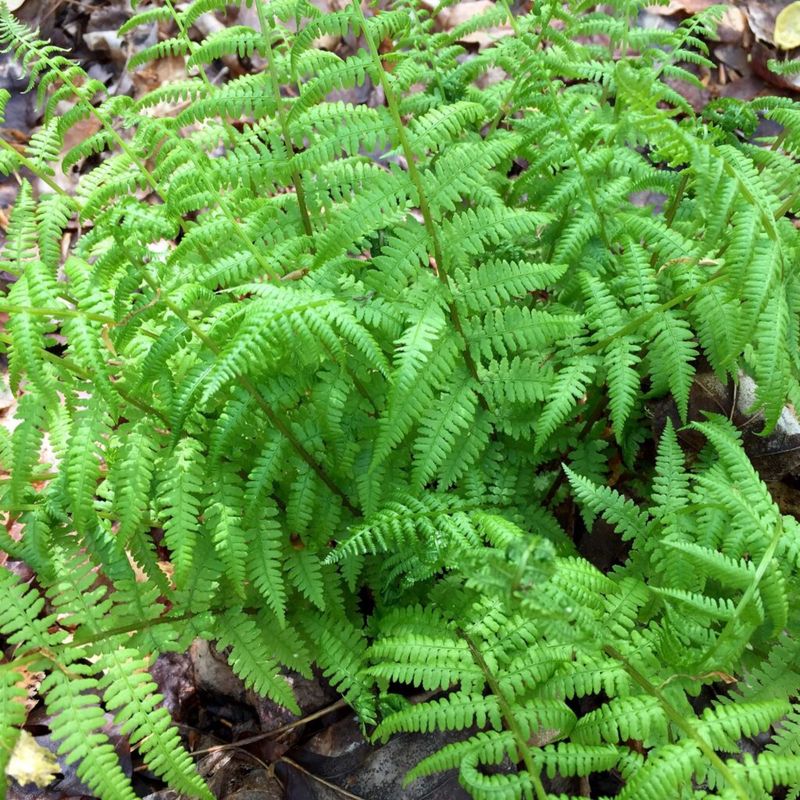
Some ferns sit politely in one spot. Southern lady fern prefers to wander, sending underground rhizomes out until a patchy slope becomes one soft, lacy sheet of green.
Fronds grow two to three feet long and look almost like green feathers in dappled shade. It is happy in sandy or clay loam, which covers most NC yards, and it even shrugs off seasonal flooding at the bottom of a hill.
Because it spreads, it is a strong pick for pushing out English ivy after you pull the vines. It dies back in winter, so leave the old fronds in place as cover for overwintering insects.
New growth pops up each spring on its own.
3. Maidenhair Fern
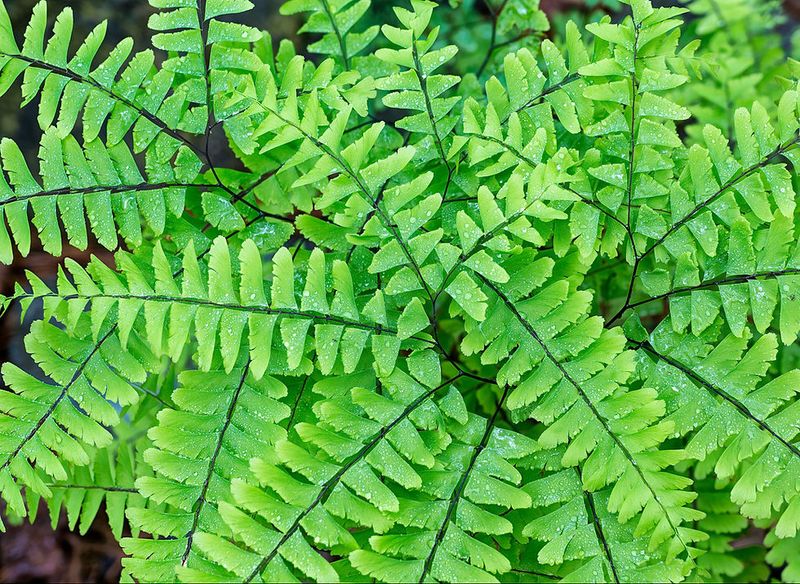
Think of maidenhair as the jewelry of the fern world. Its shiny black stems hold fan-shaped fronds that flutter in the lightest breeze, and kids love touching the leaves because water beads right off them.
It grows one to three feet tall and spreads slowly, so it will not take over. Give it rich, moist soil that drains well, like the soft ground under hardwoods in the mountains and upper Piedmont.
Plant it near the top of a slope path where people can see it up close. It also supports several native moth and butterfly species.
Patience pays off here, because a small clump can quietly widen into a showpiece within a few years.
4. Cinnamon Fern
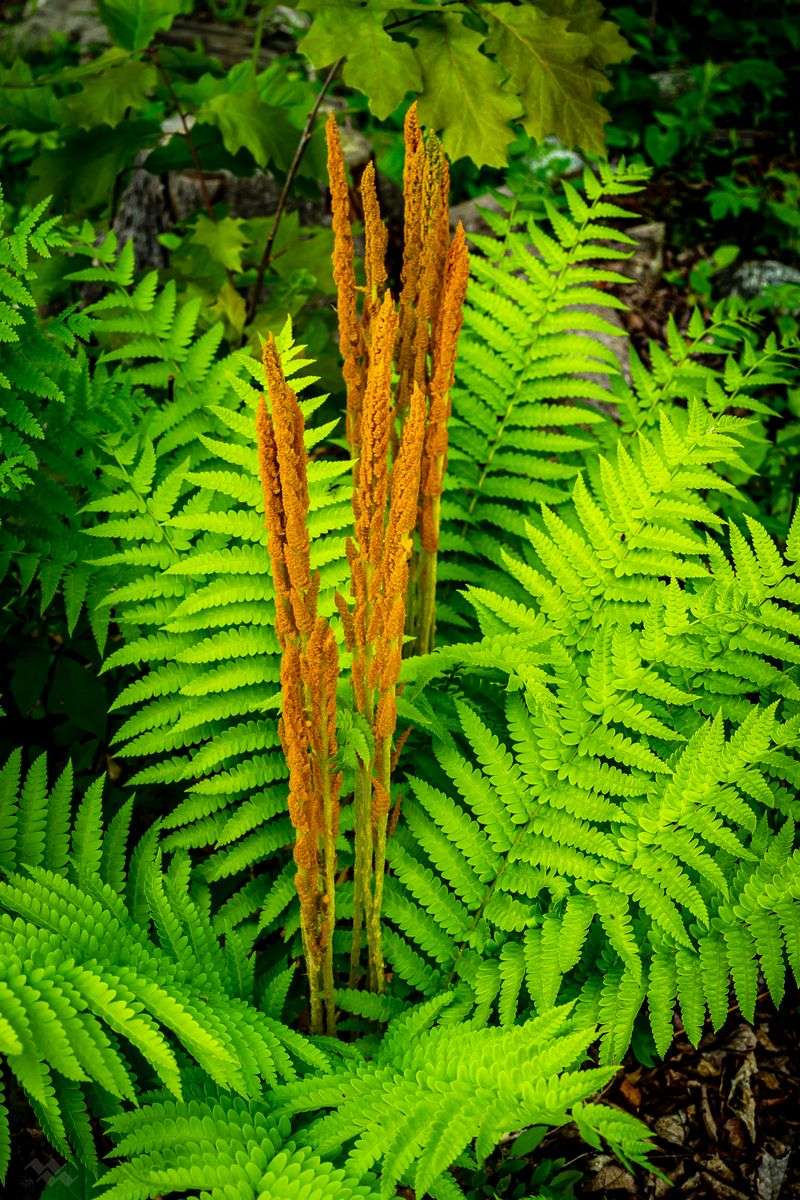
Every spring, cinnamon fern sends up odd, rusty-brown stalks from the middle of its green vase. Those are fertile fronds carrying spores, and they look just like sticks of cinnamon.
Here is where it shines: the soggy bottom of your slope where rain collects. It loves moist to wet soil, grows two to four feet tall, and forms neat, symmetrical clumps that look planned even when they are not.
Frogs and salamanders appreciate the cool, damp shelter beneath the fronds. If your slope drains into a wet corner, this is your anchor plant.
5. Sensitive Fern
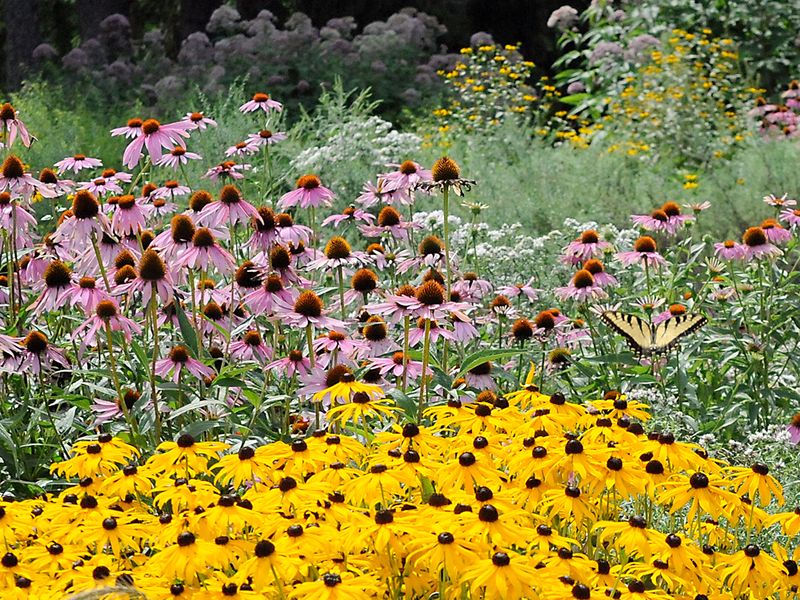
Got a rough, muddy patch nothing seems to cover? Sensitive fern is the tough worker for that job.
It spreads fast by rhizomes and can form large colonies that knit bare ground together.
The name comes from how quickly it browns at the first fall frost, not from being delicate. The fronds are broad and coarse, which gives a nice contrast next to lacier ferns.
It likes moist to wet soil and fits right into rain gardens. Leave the beadlike spore stalks standing through winter for texture.
Just give it room, since it will happily claim space.
6. Eastern Wood Fern
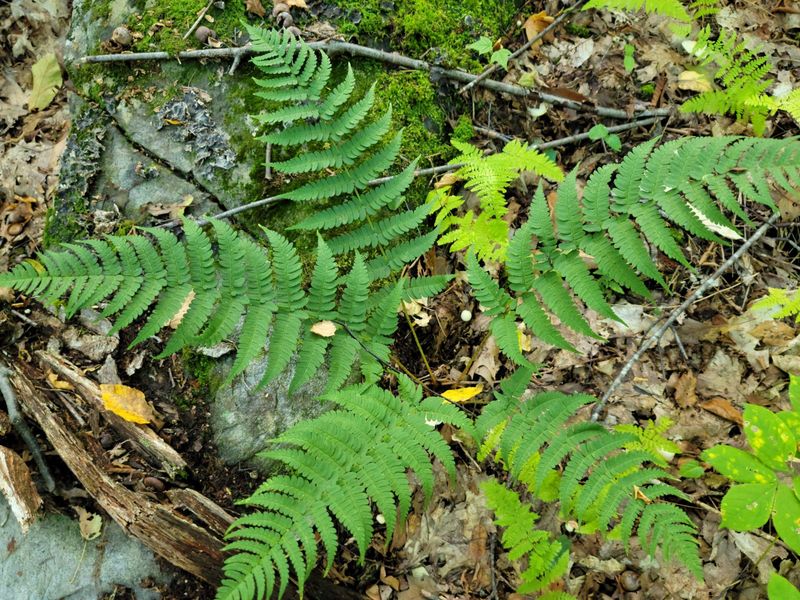
Rocky, root-filled ground under big trees stumps a lot of gardeners. Eastern wood fern, also called marginal wood fern, seems made for it.
This evergreen grows in neat one to two foot clumps with blue-green fronds. Once established, it tolerates dry shade, which makes it a smart partner for Christmas fern on the upper half of a slope.
Tuck it between stones or around tree bases. It spreads by spores rather than runners, so it stays tidy while giving box turtles a shaded hiding spot on hot July days.
7. Ostrich Fern
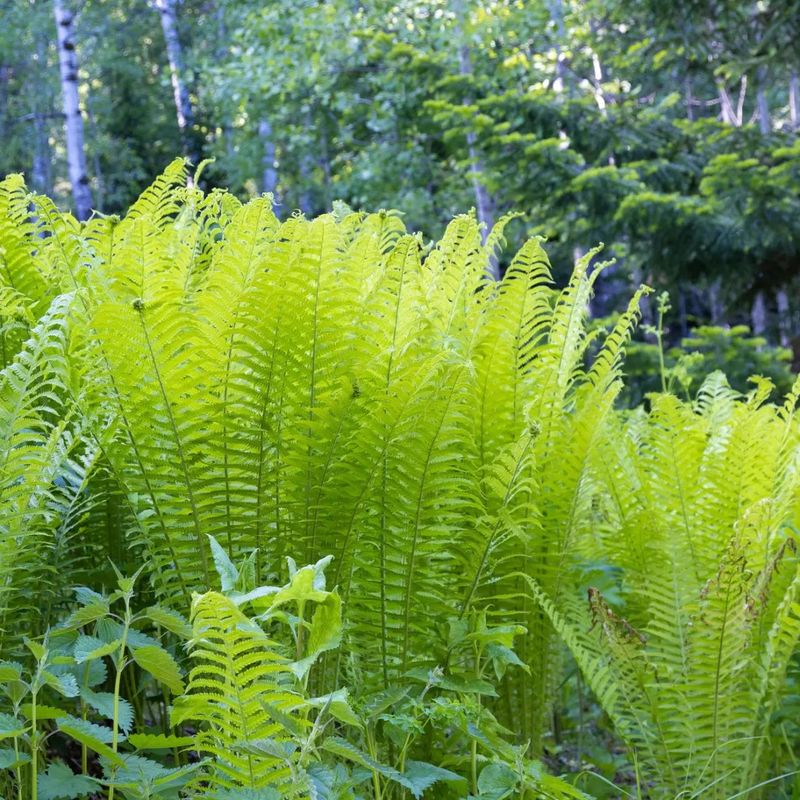
Want drama? Ostrich fern can reach three to five feet, with plume-shaped fronds that look like feathers.
On a steep bank or drainage swale, a colony holds soil like a living retaining wall.
It handles wet to moderately dry soil and prefers cooler conditions, so mountain and upper Piedmont yards tend to suit it best. In hot eastern areas it may struggle.
A friendly warning: it spreads with gusto. Plant it where it can roam, or edge it off from smaller beds.
The young fiddleheads are famous in cooking, but leave some so your patch keeps growing.
8. Royal Fern
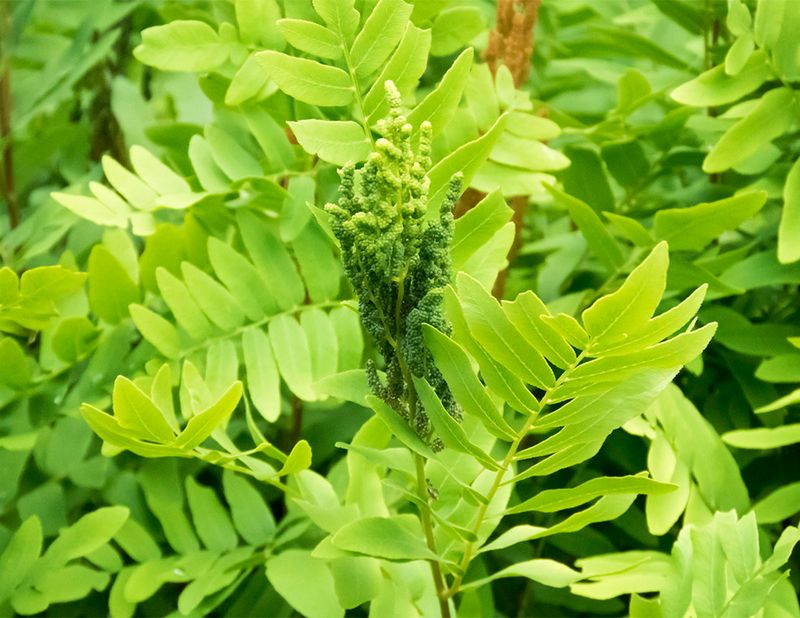
Royal fern belongs to one of the oldest plant families on Earth, with relatives dating back over 200 million years. Growing it is like hosting a living fossil.
It loves wet ground and does a great job stabilizing soil along creeks or soggy slope bottoms. Its leaflets look more like a locust tree than a typical fern.
A tick tip for any fern slope: keep seating and play areas in sunny spots, and lay a three-foot strip of wood chips or gravel between ferns and lawn. That dry edge may help reduce ticks crossing into the spaces your family uses, while the ferns keep sheltering the wildlife you love.