
If Your Lawn Came Out Of Summer Thin And Patchy, Here’s How To Patch Small Spots In Fall Without Powered Equipment
Summer can leave a lawn looking tired, with thin areas and a few bare spots you notice every time you step outside. Fall is a favorite time to fix grass, but only if your lawn type and local timing fit.
For small patches, you can skip rented or powered machines and work with a rake, seed, and a hose. Here is how to decide if seeding makes sense and how to do it well.
A thin lawn may need time, not more seed
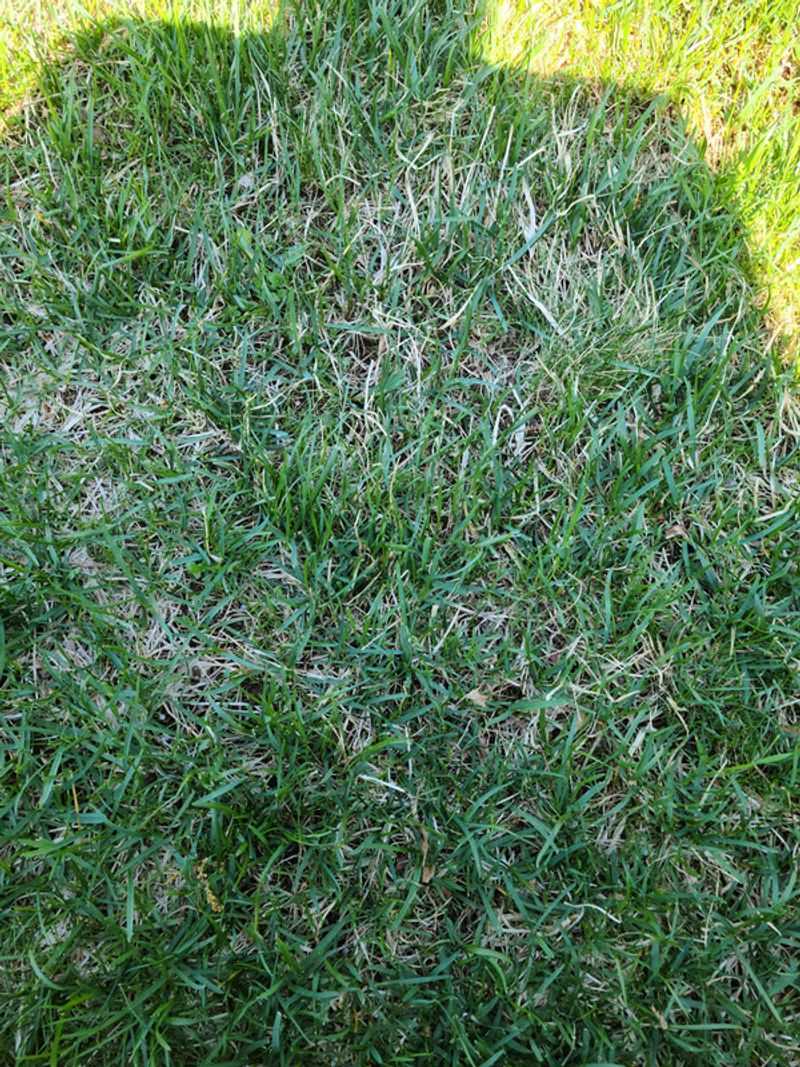
Before you buy a single bag of seed, take a close look at the patch. A brown or thin area is not always a dead one.
University of Minnesota Extension notes that cool-season grass may green up again when cooler weather and rainfall return, though severe, long stretches of heat and drought can leave areas that cannot fully recover.
Give it a little time if the grass is only dormant. Tug gently on a few blades.
If they stay anchored and you see some green at the base, the crown may still be alive and might bounce back with steady fall rain or watering.
Now think about why the patch thinned out. Drought and heat are common, but so are insects, disease, mowing that is too short, compaction, and shade.
Minnesota Extension’s renovation guidance is a good reminder that seed may fill a gap but does not correct whatever caused it.
A patch that keeps coming back in the same spot, or one with an unusual shape or color, deserves a closer look before you reseed. Save the seeding plan for small areas that are truly bare or stay thin after the grass has had a chance to recover.
Fixing the cause first keeps new seedlings from meeting the same problem.
Check your grass type and local seeding window
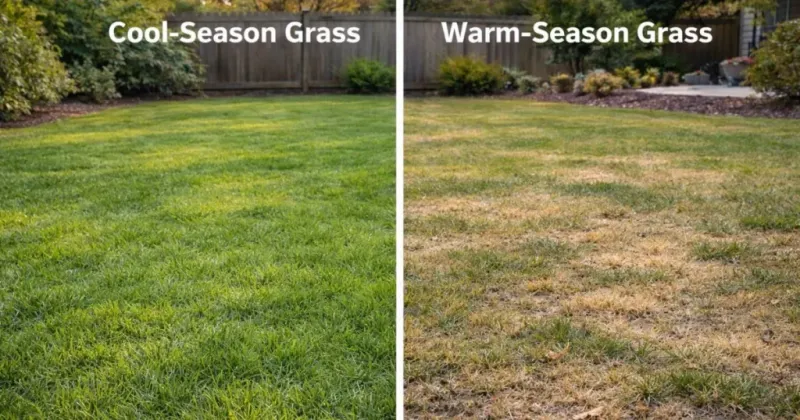
Figure out what you are growing before you pick a date. Kentucky bluegrass, tall fescue, perennial ryegrass, and fine fescues are cool-season grasses, and they commonly do well with late-summer or early-fall seeding.
Warm-season lawns such as zoysia, buffalograss, and blue grama follow different calendars, and fall is often not their time.
Buffalograss and blue grama offer a good example. Colorado State Extension recommends seeding them from April through July, not in autumn.
Once you know your grass, choose seed that matches both the existing turf and your site, such as sun or shade.
Next, look up your local window. Published dates differ quite a bit.
Minnesota Extension gives mid-August to mid-September, and Colorado State gives the same range for the Front Range and Western Slope. Maryland Extension lists a broader mid-August to mid-October window for cool-season seed, along with soil temperatures of 50 to 70 degrees Fahrenheit, measured about an inch deep, as best for germination.
Treat those dates as examples, not a national calendar. A frost date by itself will not tell you whether seedlings have enough time to establish, since moisture, soil contact, and weather all matter.
Sources such as Ask Extension also stress that cool- and warm-season grasses need different handling. Your local extension office is the best place to confirm your window.
Patch a small bare spot by hand
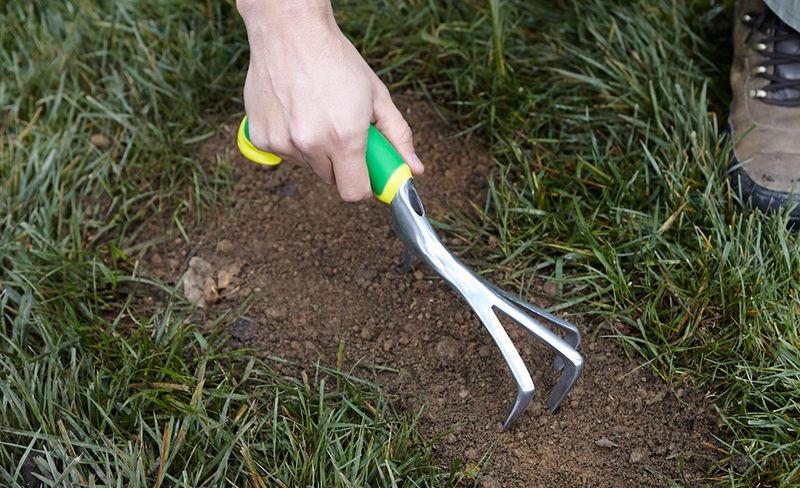
Once your grass type and timing check out, the hand method is simple. Start with a rake and scratch up the surface of the bare spot so the seed can touch soil.
Seed sitting on hard, smooth ground or on top of dead thatch has a much harder time getting started.
Next, spread seed that suits your lawn and site. Illinois Extension advises firming the patch by hand afterward, pressing or patting it down so the seed stays in contact with the soil.
Illinois Extension also shares an optional recipe for patching. Mix topsoil and compost 50/50, then combine three scoops of that mix with one scoop of seed.
That is one source’s suggestion, not a rule every lawn must follow, so plain seed on well-prepared soil is still a reasonable approach.
Be honest about what this method covers. It avoids powered or rented equipment, but you still need a rake, some effort, and a way to water.
It suits small patches. A large area or hard, compacted soil will likely need more preparation than a rake can give, so do not expect hand raking to handle those jobs.
And tossing seed down and walking away is not a plan that works.
Keep the seed moist as it germinates
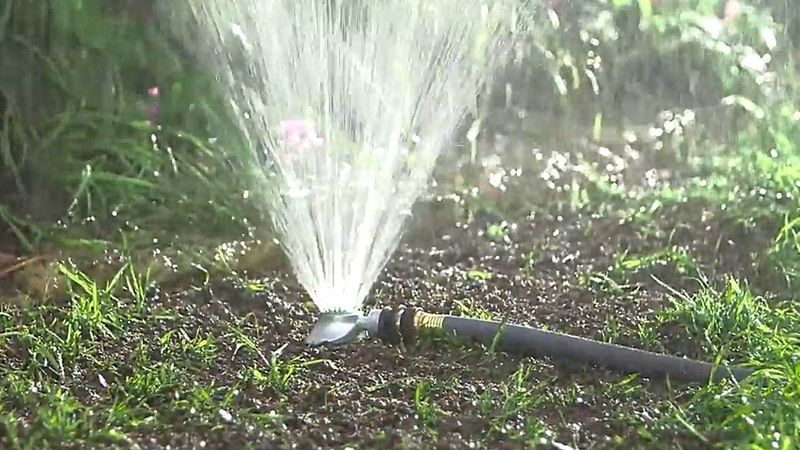
Water is the part that decides whether your raking pays off. Minnesota Extension recommends a thorough initial watering, followed by light, frequent watering.
As roots grow, you can water less often.
Picture the top of the patch as a sponge that should never fully dry out while seed is waiting to sprout. A quick mist each day during dry or breezy weather may beat one long soak later.
Use a gentle spray setting, not a hard jet.
You can also go too far. Maryland Extension warns that both under-watering and over-watering can lead to failure, and that too much water can wash away seed that has not yet germinated.
Puddles, running water, or seed piling at the low edge of a patch are signs to ease off.
There is no fixed number of days for seedlings to appear, since cool nights, warm afternoons, and seed type all change the pace. Keep checking the patch daily and adjust to the weather.
Stay with the routine into early growth, because young roots are shallow and dry out fast.
Protect seedlings as they take hold
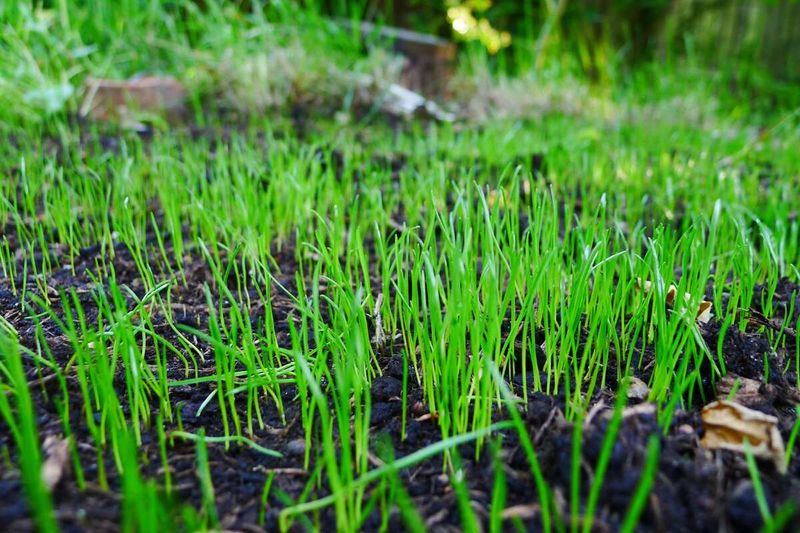
When green sprouts appear, the job shifts from getting them started to keeping them safe. Maryland Extension advises restricting foot traffic after germination until the new grass has been mowed at least twice.
Pets, kids, and shortcuts across the yard can crush tender seedlings, so a few stakes and string can help.
Weed control needs its own thought. Pre-emergent herbicides can prevent grass seed from germinating, which is why timing matters.
You can read more in Maryland Extension’s new lawn guide.
That guide says to follow the product label, and it advises waiting until the new grass has been mowed at least four times before applying pre-emergent herbicide for grassy weeds. That timing comes from Maryland’s advice on that type of product.
It should not be stretched to every herbicide or brand, so the label on your bottle comes first.
If you are unsure whether a product is safe near new seedlings, hold off and check with your local extension office. A few weeks of patience costs less than redoing the patch.
If the fall window has passed, consider dormant seeding
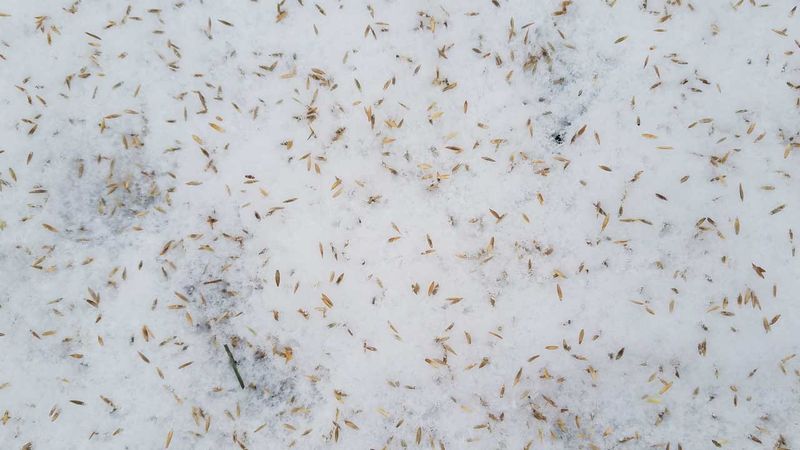
Sometimes the calendar gets away from you. If your normal seeding window has closed, dormant seeding is a separate option, and it is not the same as regular fall repair.
Minnesota Extension describes it as putting cool-season seed down when the soil is cold enough to keep it from germinating until spring.
The goal here is spring emergence. Seed sits through winter and sprouts when the ground warms.
That means dormant seeding will not thicken your lawn before frost, and it is not a way around local timing.
Small areas can be seeded by hand, which fits the small-patch approach in this article. Clear the spot and get seed down once the soil is truly cold, following local guidance on when that is.
Plan to keep an eye on the patch after spring seedlings pop up. They may need watering if the weather turns dry, and they will need the same traffic protection as any young grass.
Think of it as a fallback that still takes follow-up care, not a hands-off fix.
Choose the fix only after checking the conditions
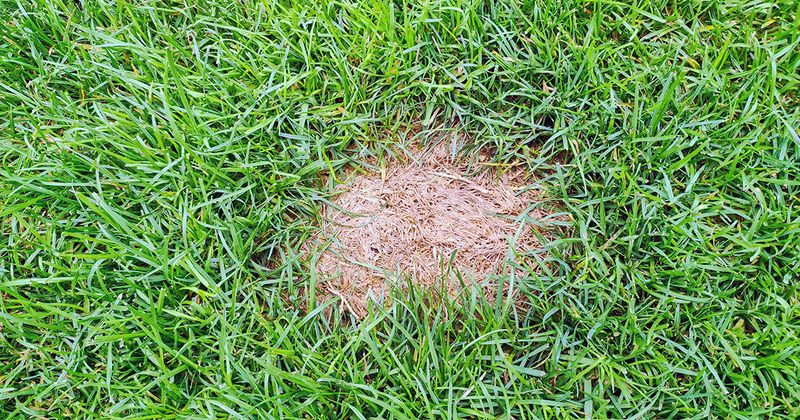
Start by asking if the patch is truly failing to recover, then confirm that your grass type and local window fit fall seeding. If they do, rake, seed, and firm the spot as Illinois Extension suggests, and follow through with watering using Minnesota Extension’s schedule.
This approach skips powered equipment for small patches, not every tool or all effort. A lawn patch rewards the gardener who checks first and seeds second.