
These North Carolina Native Asters Fuel Migrating Monarchs When Every Other Bloom Has Quit
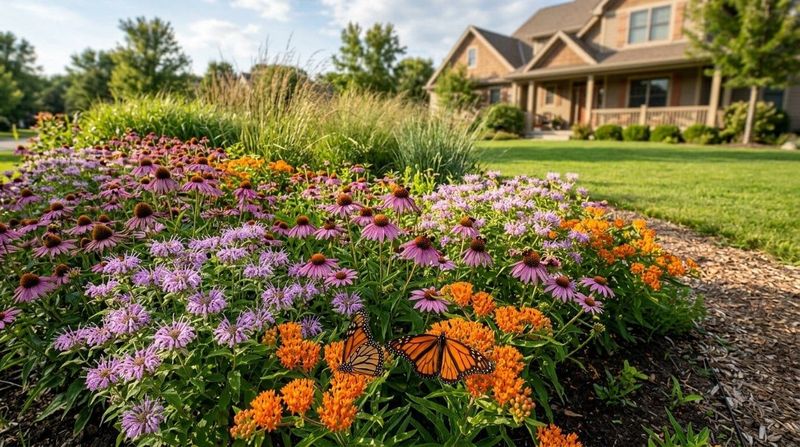
By October, most North Carolina gardens look tired, with summer flowers gone brown and crispy. That is exactly when monarch butterflies come drifting through on their long trip to Mexico, hungry for nectar.
Native asters step up right at that moment, opening thousands of small purple, blue, and white flowers when almost nothing else is blooming. Plant a few of the right ones, and your yard can become a fuel stop that helps monarchs finish their journey.
1. New England Aster
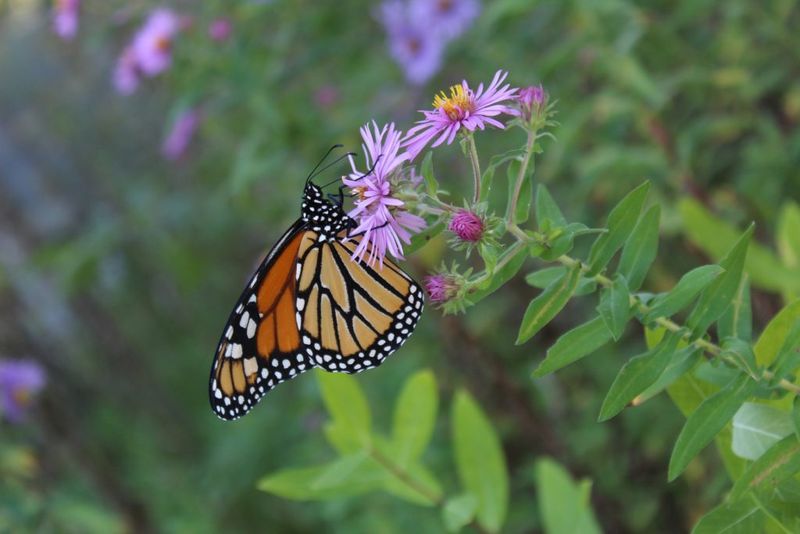
Picture a purple firework that goes off just as the nights turn cool. New England Aster (Symphyotrichum novae-angliae) can reach four to six feet tall, and in September and October it smothers itself in violet daisies with bright golden centers.
Monarchs seem to spot it from across the yard. The big, bold clumps make an easy landing pad for butterflies that need to load up on fat reserves before pushing south.
Give it full sun and soil that stays moist but drains well, like a spot near a downspout or along a low edge of the lawn. Pinch the stems back by about a third in early June, and the plant will stay bushier and flop less when the flowers arrive.
2. Smooth Blue Aster
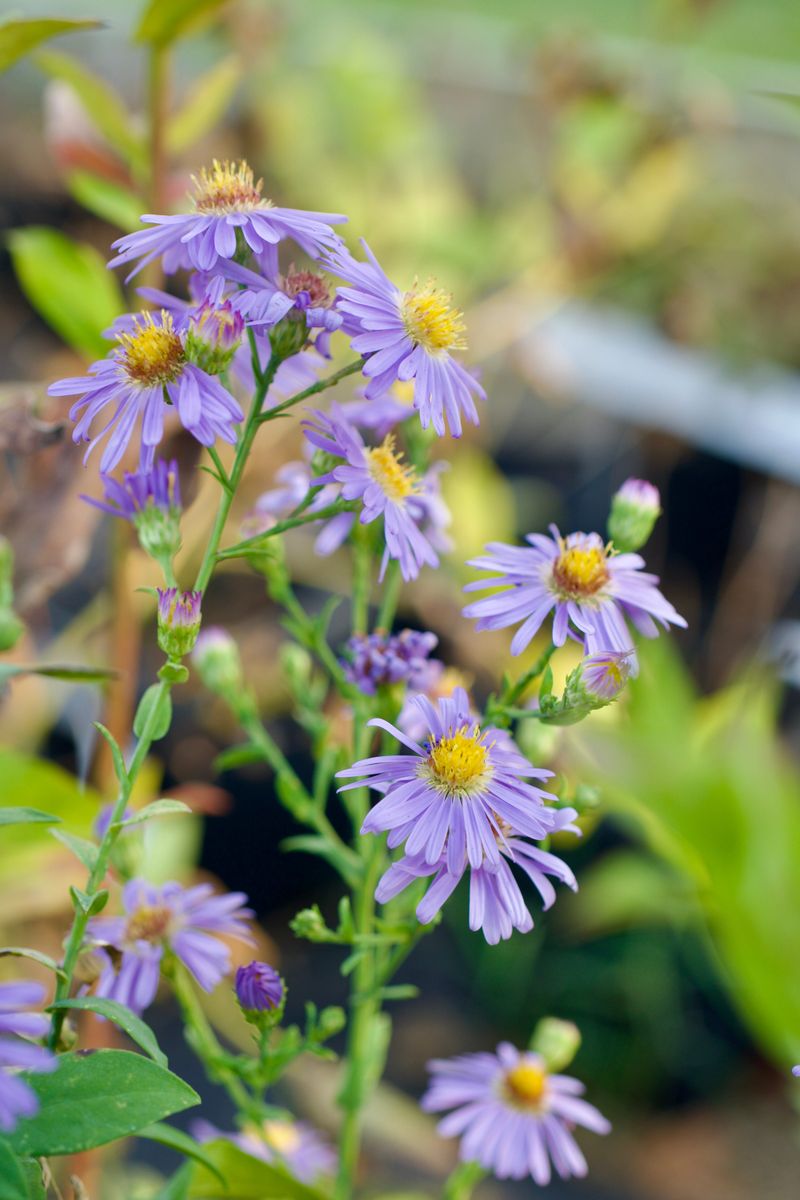
Some plants just look better with a friend, and Smooth Blue Aster has a favorite one: goldenrod. Pair the sky-blue petals of Symphyotrichum laeve with the bright yellow plumes of native goldenrod, and you get a September and October combo that looks like a painting.
The leaves are smooth, almost waxy, with a bluish tint that keeps the plant looking tidy all summer. That is a nice bonus for homeowners who want a native bed that does not look weedy to the neighbors.
It handles dry to medium soil, which makes it a good fit for clay-heavy Piedmont yards that bake in August. Monarchs, native bees, and late skippers will all work the blooms together on warm afternoons.
3. Aromatic Aster
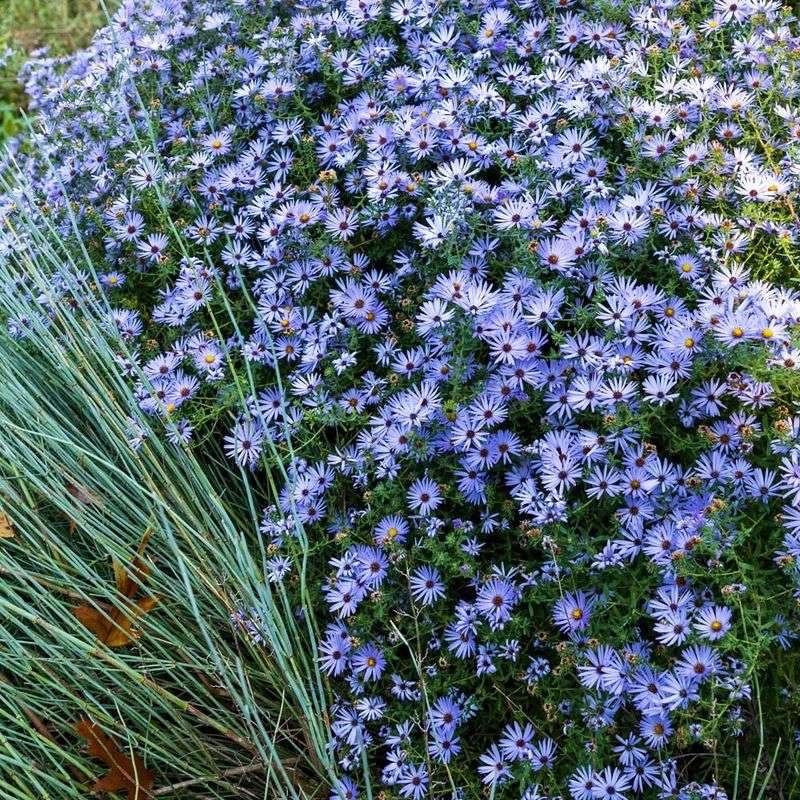
Brush your hand across its leaves and you will catch a faint, herbal scent, which is where Aromatic Aster earned its name. Symphyotrichum oblongifolium is the marathon runner of this list, blooming from late September all the way into November.
Those late weeks matter. Stragglers in the monarch migration still pass through North Carolina into early November, and this plant may be one of the only nectar sources left in many neighborhoods.
Deer and rabbits usually leave it alone, which is welcome news in suburban yards that get nibbled down every fall. It forms a low, rounded mound about two to three feet tall, so it works nicely at the front of a sunny bed with dry to medium soil.
Fun fact: the cultivar called Raydon’s Favorite is a popular nursery pick, but the straight species works just as well for pollinators.
4. Big-headed Aster
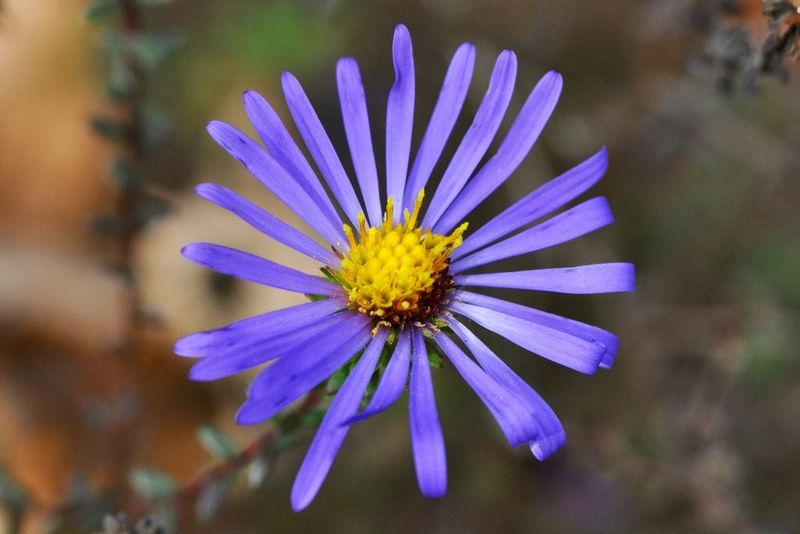
North Carolina gave this one a crown. Big-headed Aster (Symphyotrichum grandiflorum) was named the 2026 North Carolina Wildflower of the Year, and one look at its oversized violet flowers explains why.
It is a true regional treasure, native only to the Carolinas and Virginia. In the wild you will find it on sandy roadsides and in dry, open woods, blooming from September into November.
For a Coastal Plain or Sandhills yard with sandy soil, it is close to a perfect match. Give it full sun or light shade and decent drainage, and the large blooms will offer monarchs a generous meal per stop.
Growing a plant that belongs to so few places on Earth is a quiet way of being a good steward of your own patch of North Carolina.
5. Spreading Aster
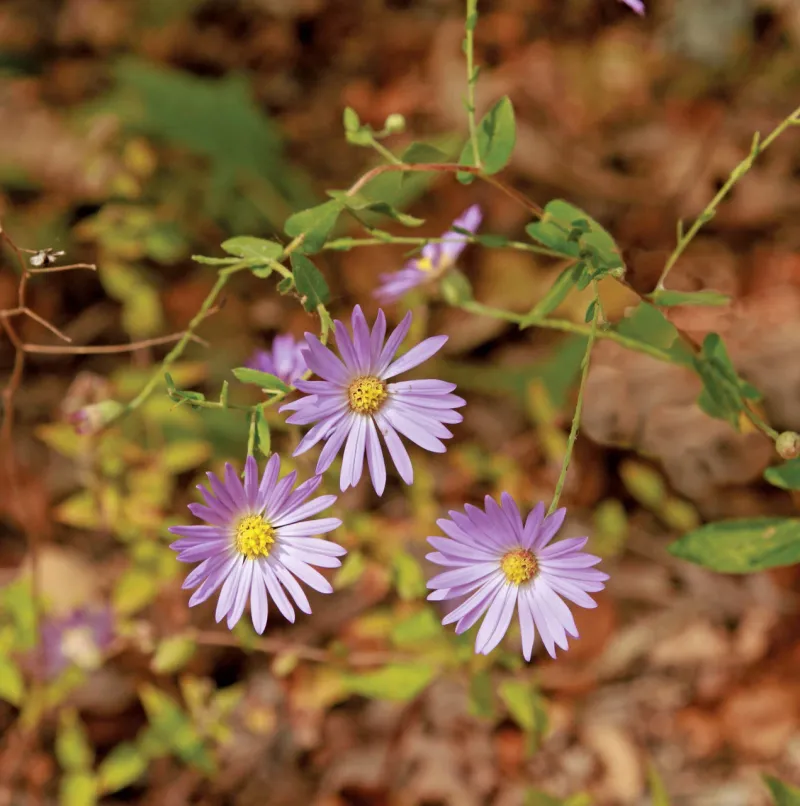
Gardeners sometimes call it Late Purple Aster, and the nickname fits. Symphyotrichum patens throws out loose, wiry sprays of fragrant blue-purple flowers from August through October.
Look closely at the stems and you will see the leaves wrap around them like a hug, which gives it another common name, Clasping Aster. It is a small detail, but it makes this plant easy to tell apart from its cousins.
The early start helps bridge the gap between summer bloomers and the big fall aster show. Plant it on a dry, sandy, or rocky spot where other flowers struggle, and it will happily handle a bit of shade too.
6. Blue Wood Aster
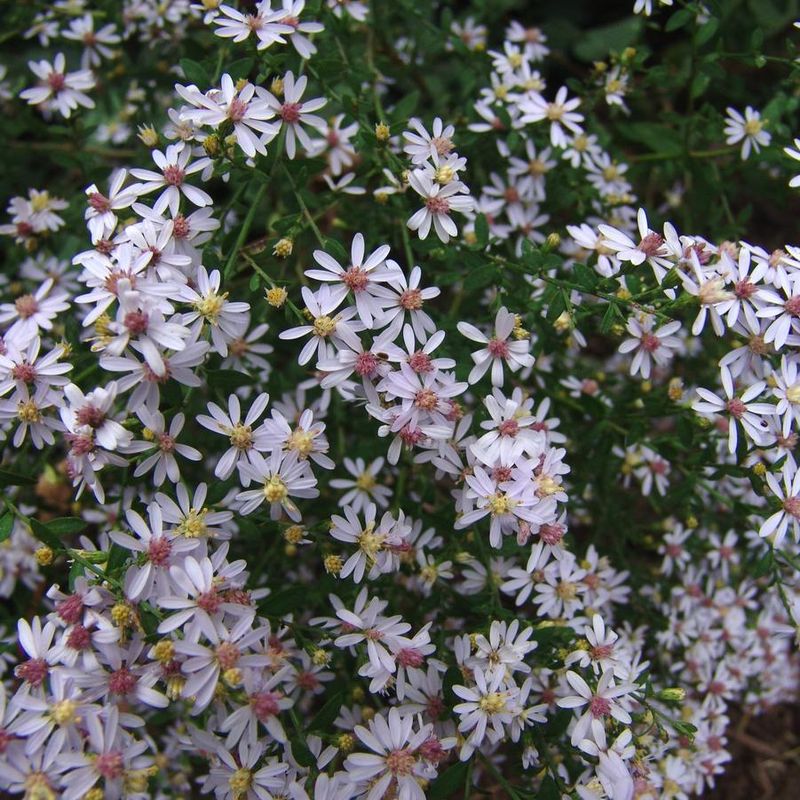
Got a shady corner where nothing seems to bloom? Blue Wood Aster was made for you.
Symphyotrichum cordifolium has heart-shaped leaves and puts out clouds of tiny pale blue to lavender flowers in September and October. It thrives at woodland edges, under tall trees, and along stream banks, which makes it a natural fit for wooded lots in the Blue Ridge and shaded Piedmont yards.
Monarchs often travel along tree lines and forest edges, so a patch of these flowers there can catch butterflies right where they fly. It also makes a smart swap for invasive English ivy or Japanese stiltgrass that tends to creep into shady spots, giving you color and wildlife value instead of a problem.
7. Plant in Clumps of Three to Seven
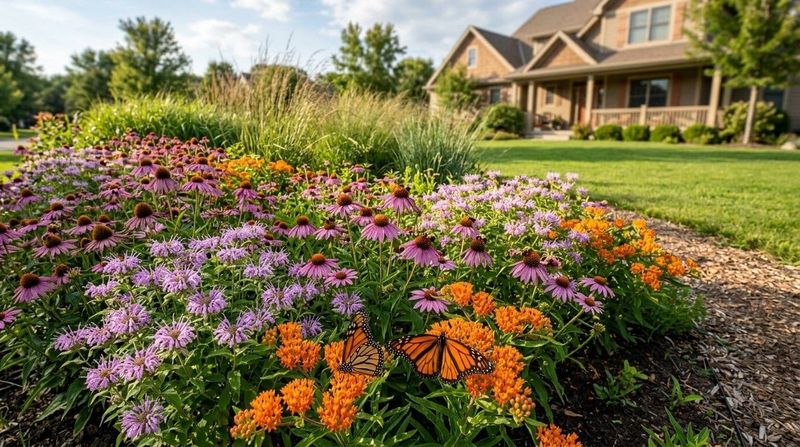
A single aster tucked between shrubs is easy for a butterfly to miss. A drift of five or seven of the same kind, though, reads like a neon sign from above.
Group each species in clumps of three to seven plants so pollinators can feed efficiently without hunting around. This trick also makes your beds look planned and full rather than spotty.
Timing helps too. Fall and early spring are the best planting windows in North Carolina, since cooler weather lets roots settle in before summer heat hits.
Water new plants weekly through their first season, then let them toughen up. Most native asters need very little help once established.
8. Pair Asters with Milkweed and Leave the Stems
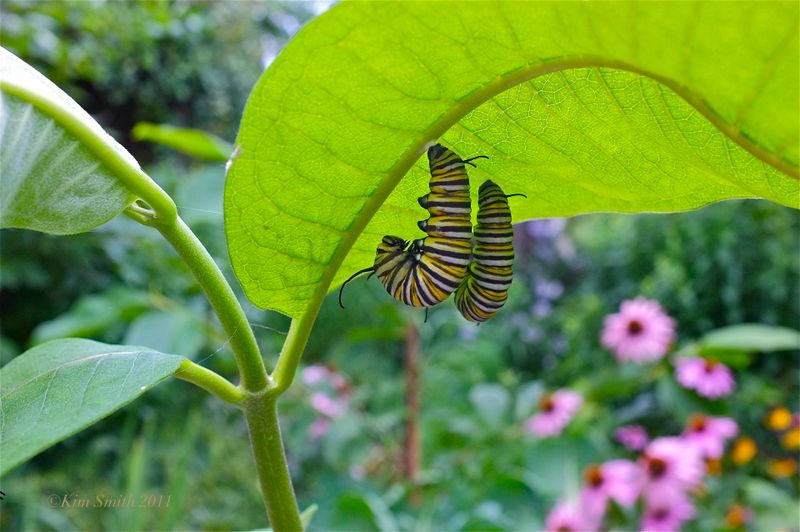
Asters feed adult monarchs, but they cannot raise the next generation. Monarch caterpillars eat only milkweed, so add native species like butterfly weed, swamp milkweed, or common milkweed to the same garden.
Skip tropical milkweed, a non-native that can stay green too long in warm spots and may disrupt migration timing. Stick with the natives that grow wild in North Carolina.
When the flowers fade, resist the urge to tidy up. Standing aster stems and seedheads feed goldfinches, sparrows, and small mammals through winter, and hollow stems give native bees a place to shelter.
Cut them back in late spring instead, and your yard will support wildlife all twelve months.