
17 Shrubs That Keep Cardinals Fed And Sheltered All Winter (Skip These And They Nest Elsewhere)
A bright red cardinal on a snowy branch is one of the best sights a winter yard can offer. But cardinals only stick around when they can find two things close together: food that lasts and thick cover that hides them from hawks and cold wind.
The good news is that the right shrubs can give them both, often with very little work from you. Here are 17 shrubs that can turn your yard into a place cardinals visit all winter and come back to for nesting in spring.
1. Winterberry Holly
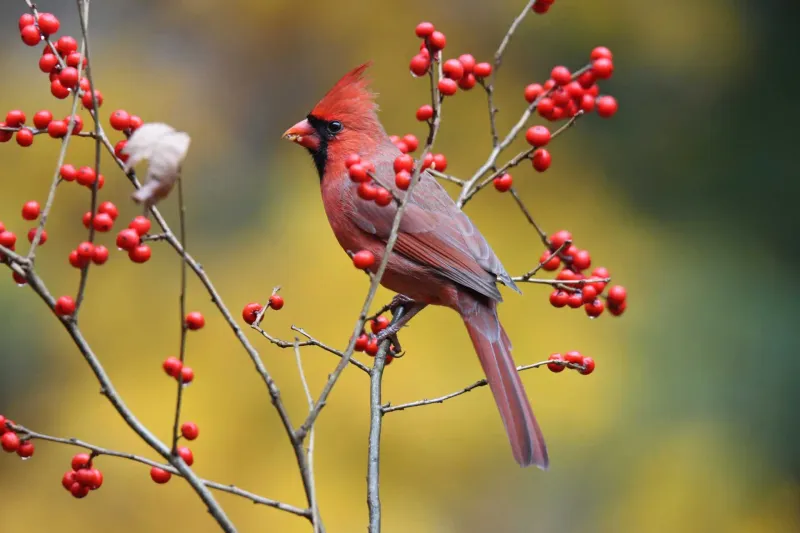
Picture bare gray twigs in January absolutely glowing with red berries. That is winterberry holly, and cardinals treat it like a roadside diner that never closes.
Unlike most hollies, winterberry drops its leaves in fall, so the fruit is on full display. The berries often hang on deep into winter, right when wild food runs thin.
It grows naturally across the eastern half of the US and actually likes damp spots, so that soggy corner where nothing else thrives may be perfect.
One catch trips up a lot of gardeners. You need a male plant nearby for the females to set berries, usually one male for every several females.
Ask your nursery for a matching pollinator variety and plant them within a short walk of each other.
2. American Holly
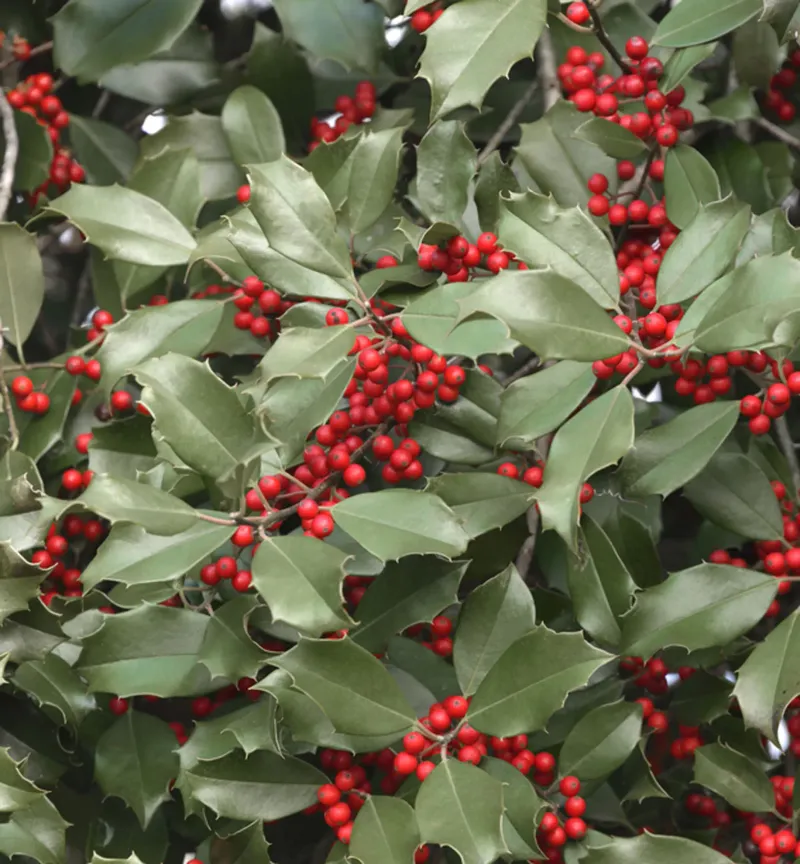
Those prickly leaves you curse while pruning? Cardinals love them for exactly that reason.
A hawk or a prowling cat thinks twice before reaching into an American holly.
Being evergreen, it shelters birds through every month of the year. The red berries ripen in fall and often last through winter, feeding cardinals along with robins, cedar waxwings, and hermit thrushes.
Just like winterberry, you need both a male and a female plant for fruit. Give it room, because older plants can get large, and choose a spot with decent drainage and some sun.
3. Eastern Red Cedar
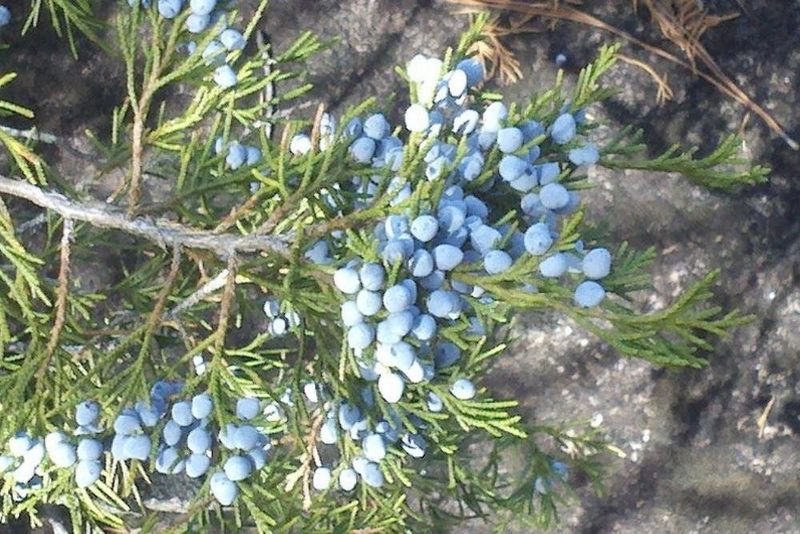
Ask an old farmer where birds go during a blizzard, and many will point to a row of red cedars. The dense, scratchy foliage blocks wind like a wall, and cardinals often roost deep inside on bitter nights.
The frosty blue cones look like berries and feed plenty of birds through cold months. Cedar waxwings even got their name from their fondness for them.
Here is the bonus: it tolerates poor, dry, rocky soil that would sink fussier plants. If you grow apples, keep it some distance away, since it can host cedar-apple rust.
4. Juniper
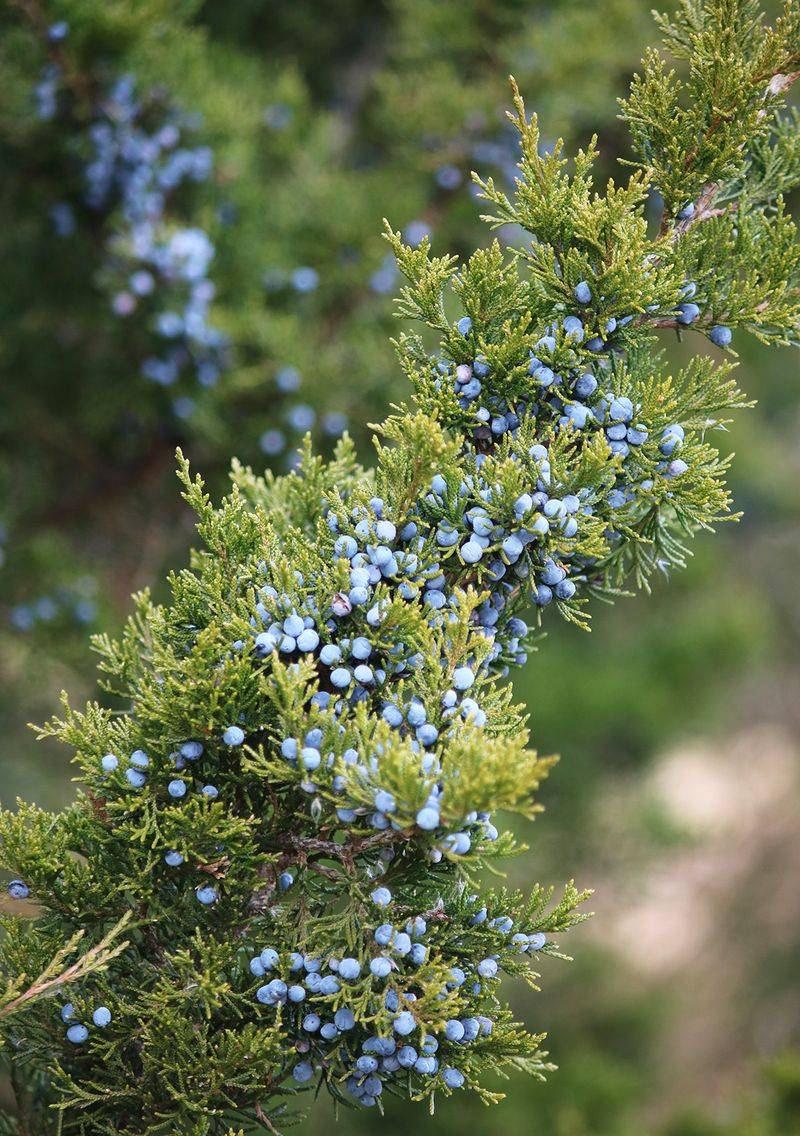
Not everyone has room for a full cedar tree. Shrub junipers bring that same evergreen protection in a smaller, tidier package.
Upright and spreading types alike produce blue berries that birds pick at all winter. The thick, needle-covered branches make a safe hiding spot near your feeders.
Pick upright or mounding forms for cardinals rather than flat groundcovers, which offer little height for perching. Full sun and good drainage keep junipers happy, and wet feet are the fastest way to lose one.
5. Serviceberry
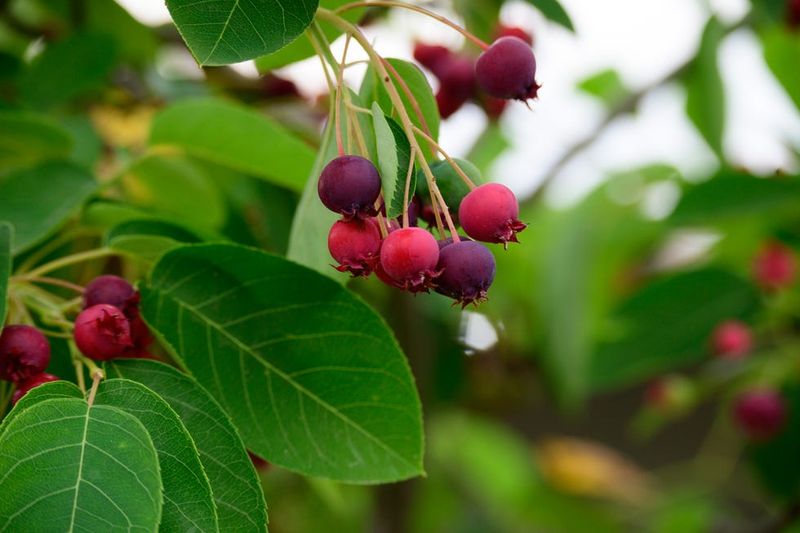
Serviceberry is the overachiever of this list. White spring flowers, tasty berries, and blazing fall color all come from one plant.
Many varieties stay shrubby for years, making them easy to fit into a border. Birds snap up the fruit quickly, but the twiggy branching stays useful as perching and cover through colder months.
It handles cold winters well, so northern gardeners get a reliable option. You can even taste the berries yourself if the birds leave you any.
6. Red-Osier Dogwood
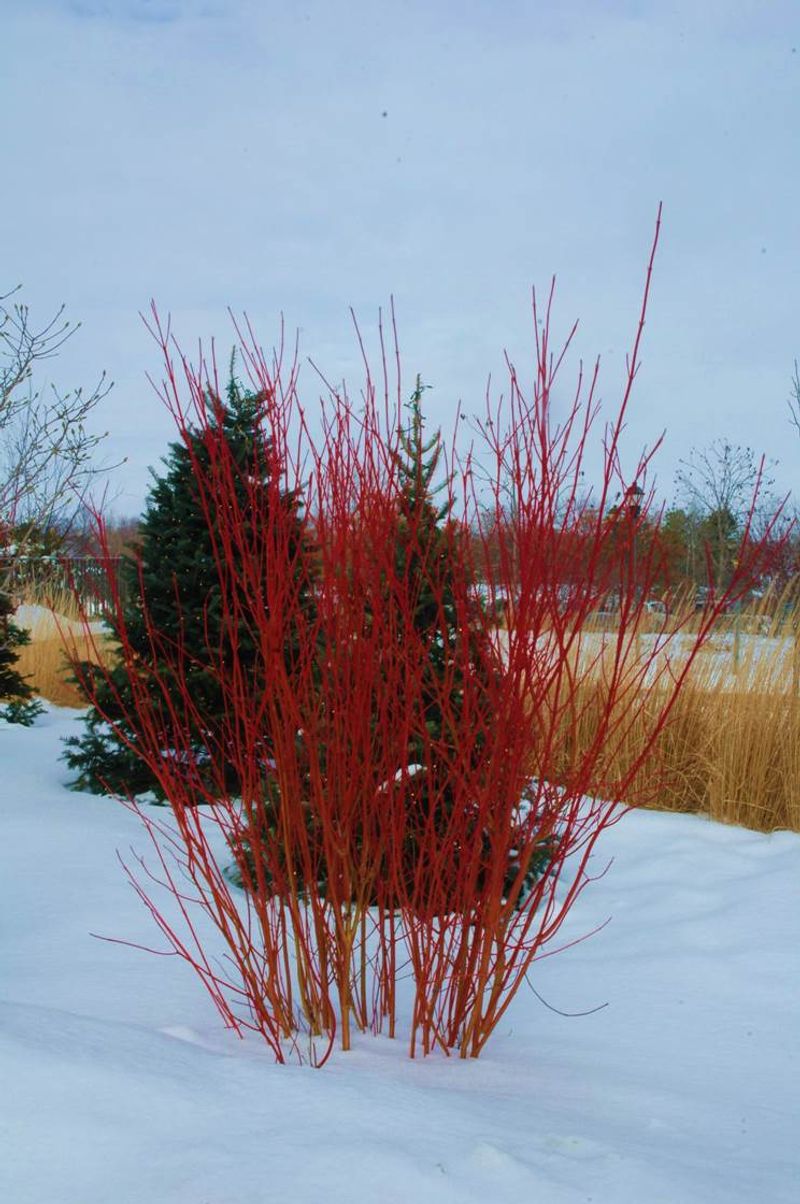
Red stems, red bird, white snow. Few combinations look better from a kitchen window than a cardinal on red-osier dogwood.
The whitish berries are packed with fat, which is real fuel when temperatures drop. Its thicket-forming habit also gives birds a tangle to dart into.
For the brightest stems, cut out a few of the oldest, dullest canes at ground level each late winter. New growth comes in brighter, and the shrub stays dense and bird-friendly.
7. Gray Dogwood
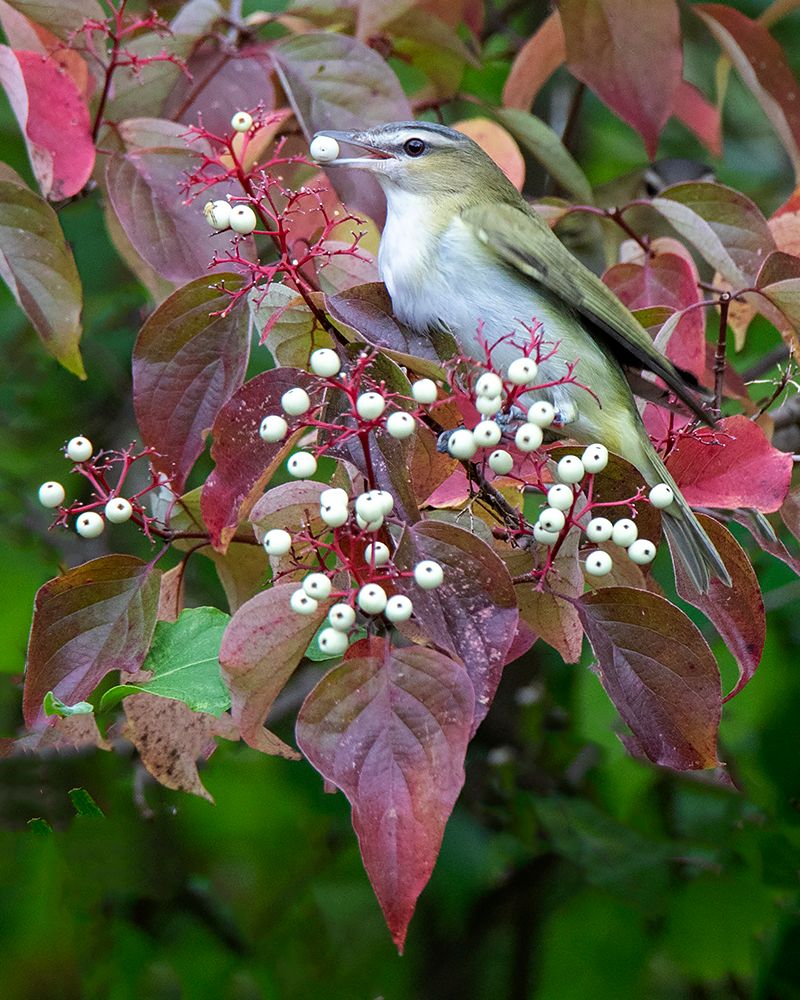
Gray dogwood will never win a beauty contest, and honestly, that is fine. It wins where it counts: feeding and hiding birds.
White berries sit on bright red stalks in fall, and dozens of bird species eat them. The shrub spreads into a dense thicket that makes ideal nesting habitat, which is why cardinals often raise families in it.
It is tough as nails, handling clay, drought, and neglect. Plant it along a back fence where its spreading habit is a feature, not a problem.
8. Arrowwood and Nannyberry Viburnum
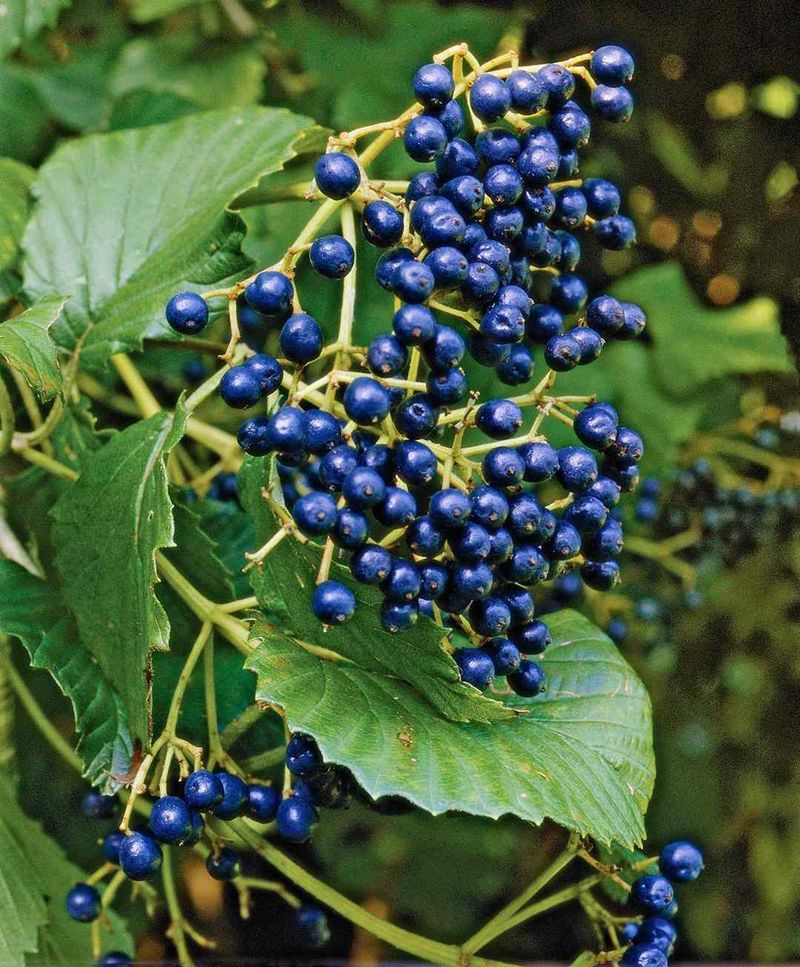
Native Americans reportedly used arrowwood’s straight stems for arrow shafts, hence the name. Today its best use is feeding your backyard birds.
Arrowwood and nannyberry both produce dark berry clusters that cardinals, bluebirds, and waxwings enjoy. Their branching is great for nest building, too.
Plant two or more different plants for better berry set, since many viburnums fruit more heavily with a partner nearby. They grow in sun or part shade, which makes them easy to place.
9. American Cranberry Bush
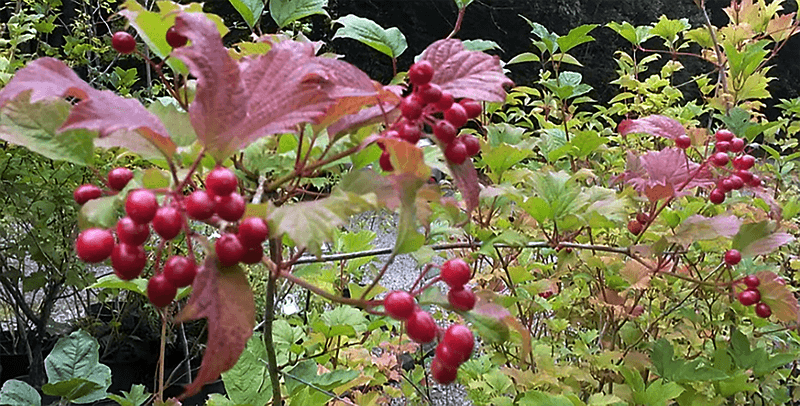
Not a true cranberry at all, this viburnum just borrowed the look. Its shiny red clusters dangle like ornaments well into the cold season.
Here is the interesting part: birds often skip the berries early and come back for them later in winter after freezing softens them. That makes it a late-season backup pantry for cardinals.
Look for the native American type rather than the European version, which can spread aggressively in some areas. The maple-shaped leaves also turn lovely shades of red in fall.
10. Chokeberry
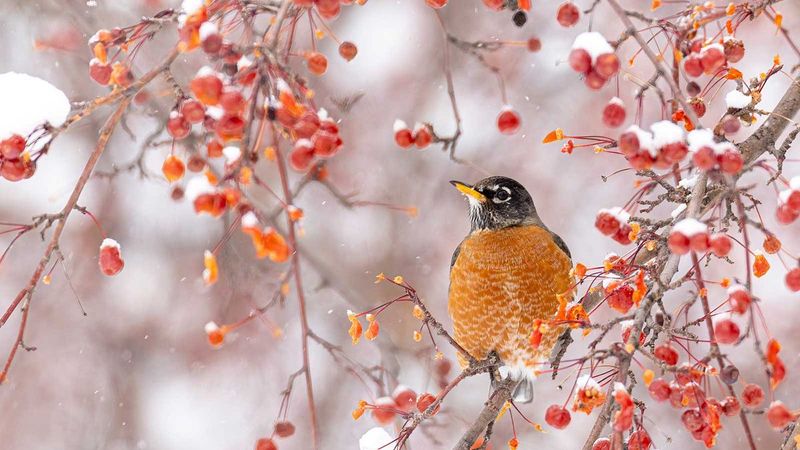
Small yard? Chokeberry is your friend.
It stays compact and still pulls its weight as a bird feeder.
Red and black chokeberry both hold their fruit into winter, partly because the berries are so tart that birds save them for later. When the easy food runs out, cardinals and others come calling.
It handles wet or dry soil and gives brilliant fall color. Plant it in groups for a stronger show and more fruit.
11. Northern Bayberry
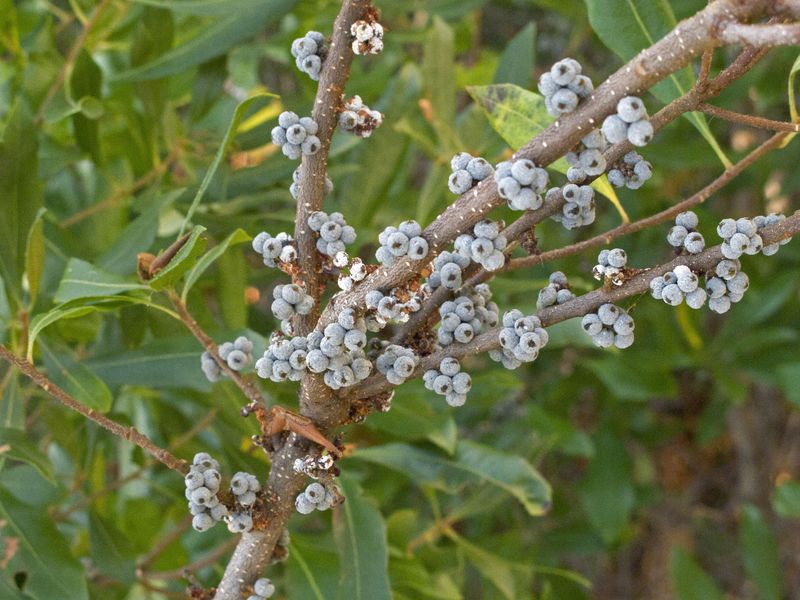
Colonial families once boiled bayberries to make fragrant candles. Birds have a better use: that wax is pure winter energy.
The gray, waxy fruits stay on the stems long into winter, feeding cardinals, chickadees, and bluebirds. Its semi-evergreen leaves add cover when most shrubs are bare.
It shrugs off salt spray, sandy soil, and poor ground. Like hollies, you need male and female plants for berries.
12. American Beautyberry
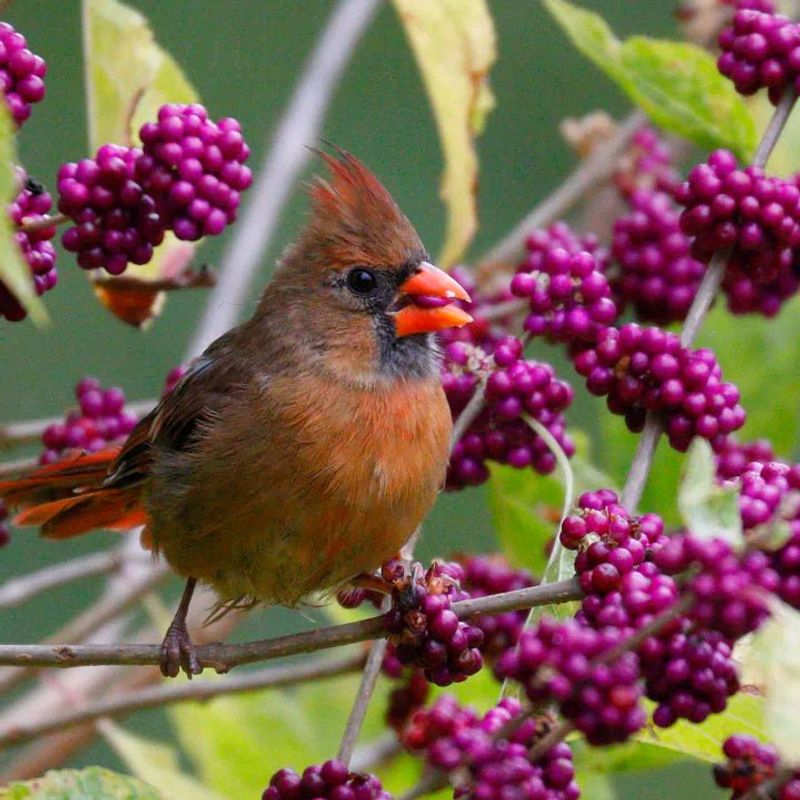
Those berries look fake. Seriously, the electric purple color stops people in their tracks.
Cardinals, mockingbirds, and finches pick through the clusters from fall into midwinter. It is especially popular in the South, where it grows naturally.
Cut it back hard in late winter if you like. It blooms and fruits on new growth, so you will not lose any berries next year.
13. Staghorn Sumac
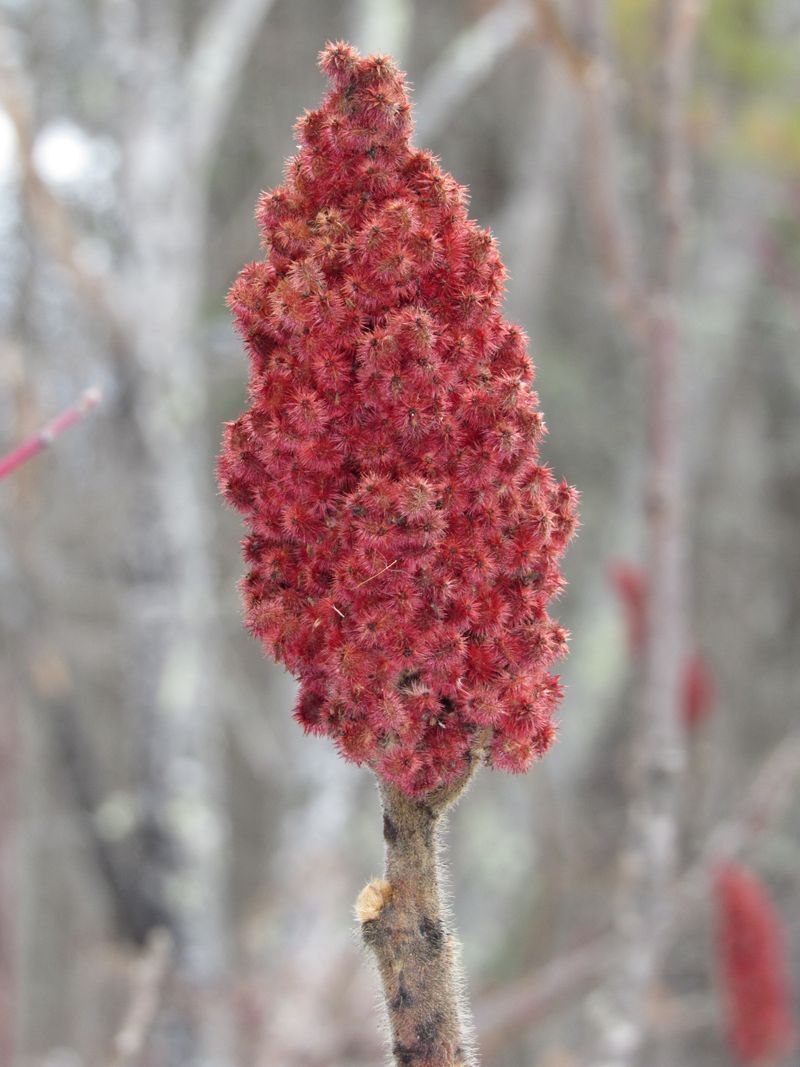
Sumac is the emergency food birds turn to when everything else is gone. Those fuzzy red cones stand tall all winter.
Cardinals, bluebirds, and thrushes eat it most in late winter. It may not be their first choice, but it is often there when they need it most.
Fair warning: it spreads by suckers. Give it a wild corner or slope where it can roam.
14. Elderberry
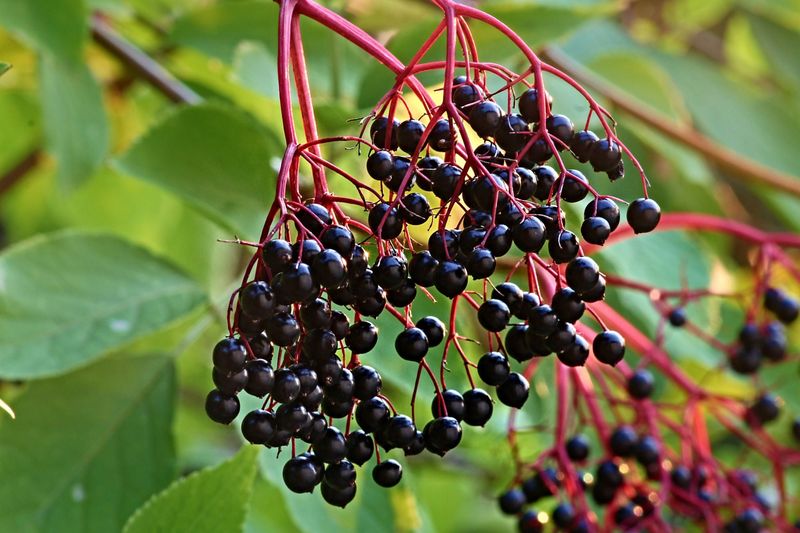
Elderberry is more of a fall fuel stop than a midwinter snack bar. The dark berries ripen in late summer, helping birds bulk up before cold arrives.
Its fast growth fills gaps quickly and offers cover for nesting cardinals. Leftover dried fruit can linger in some years.
Grow it in moist soil with sun. Two different plants nearby usually improve fruit set.
15. Flowering Crabapple
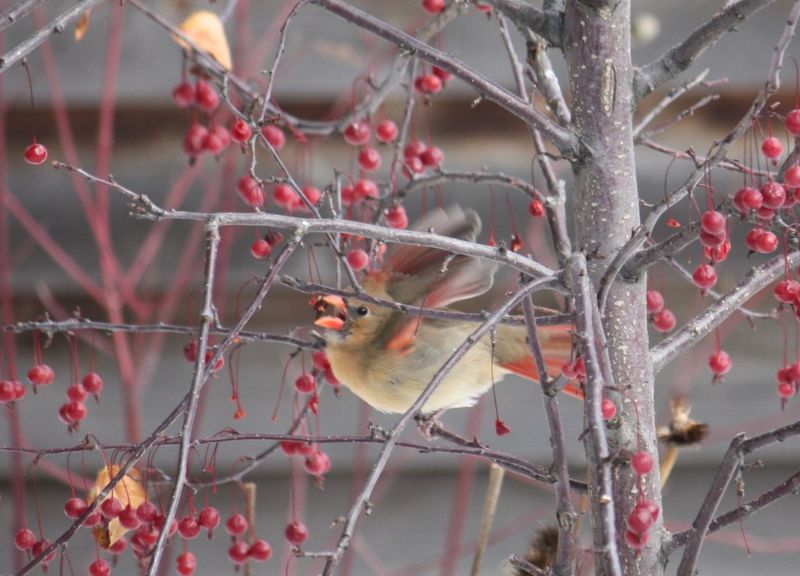
Spring blossoms are just the opening act. The real show for birds comes when tiny crabapples hang on through winter.
Choose small-fruited varieties, since cardinals and finches handle pea-sized fruit far better than large ones. Shrubby forms fit smaller yards.
Pick disease-resistant types to avoid leaf spot and scab. Healthy trees hold fruit longer.
16. Hollyhocks
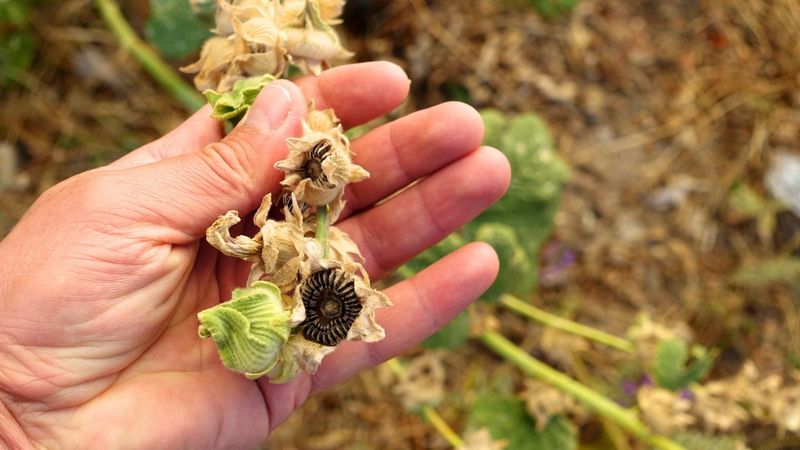
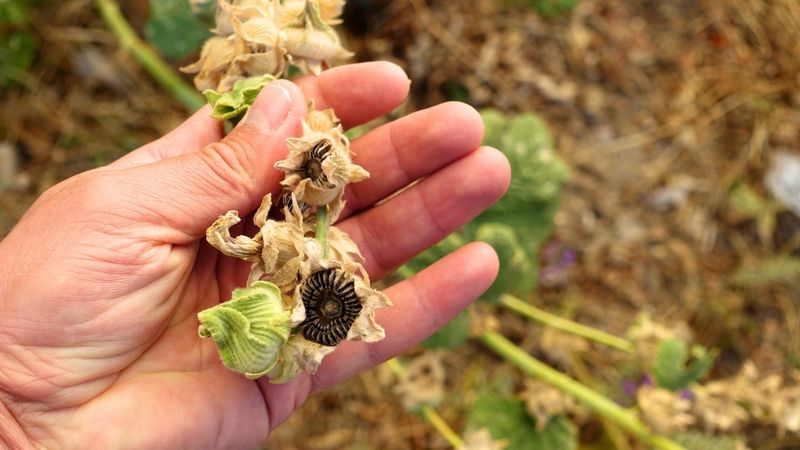
Okay, hollyhocks are not shrubs. But if you already grow them, do not chop them down in fall.
Standing stalks hold seed heads that some birds pick at, and cardinals may stop by while foraging. Leaving them up adds a bit of food and perching height to a bare winter garden.
Bonus: letting some pods drop can help them reseed for next summer’s blooms. Cut stalks back in early spring instead.
17. Arborvitae
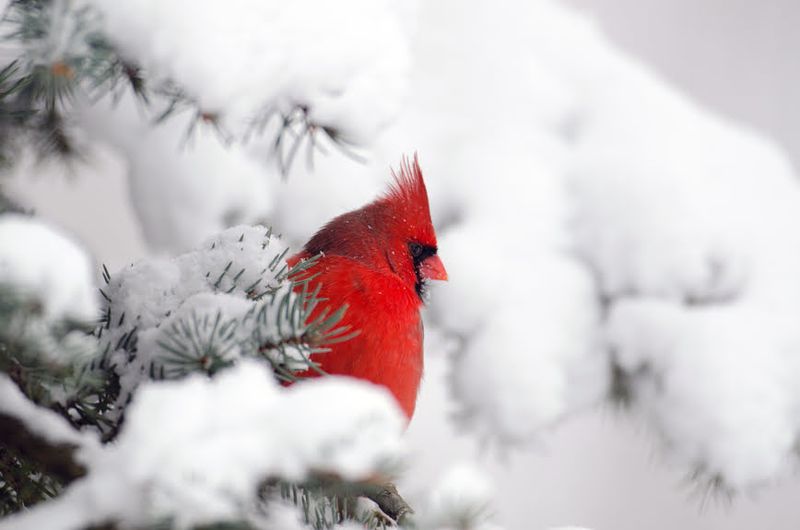
Think of arborvitae as a winter coat for your bird feeder area. Its dense foliage stops wind cold.
Cardinals duck into it between feeder visits, safe from hawks. Small seed-eating birds also pick its cones.
Plant it within a short flight of feeders, roughly 10 feet, so birds have a quick escape. Water deeply in fall to prevent winter browning.
Mix a few of these shrubs together, and your yard can give cardinals everything they need right through spring.