
These North Carolina Native Trees Shade Your Patio Without Dropping Messy Fruit Or Sticky Sap On Everything
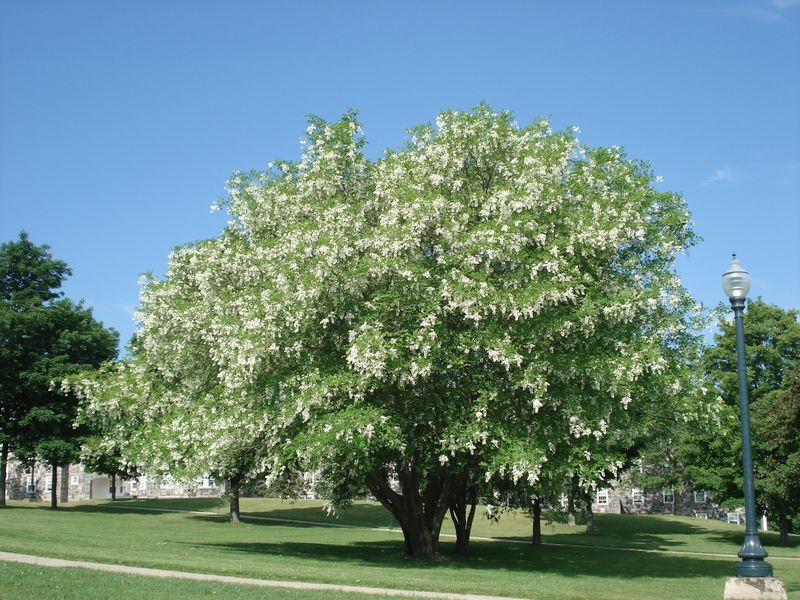
Nobody wants to scrub sticky sap off patio chairs or sweep up squashed fruit every summer morning. The good news is that North Carolina has native trees that give you cool shade without the mess.
Picking the right one also helps the birds, bees, and fireflies that already call your yard home. Here are eight clean, tidy natives worth planting near the spot where you sit and relax.
1. Red Maple (Acer rubrum)
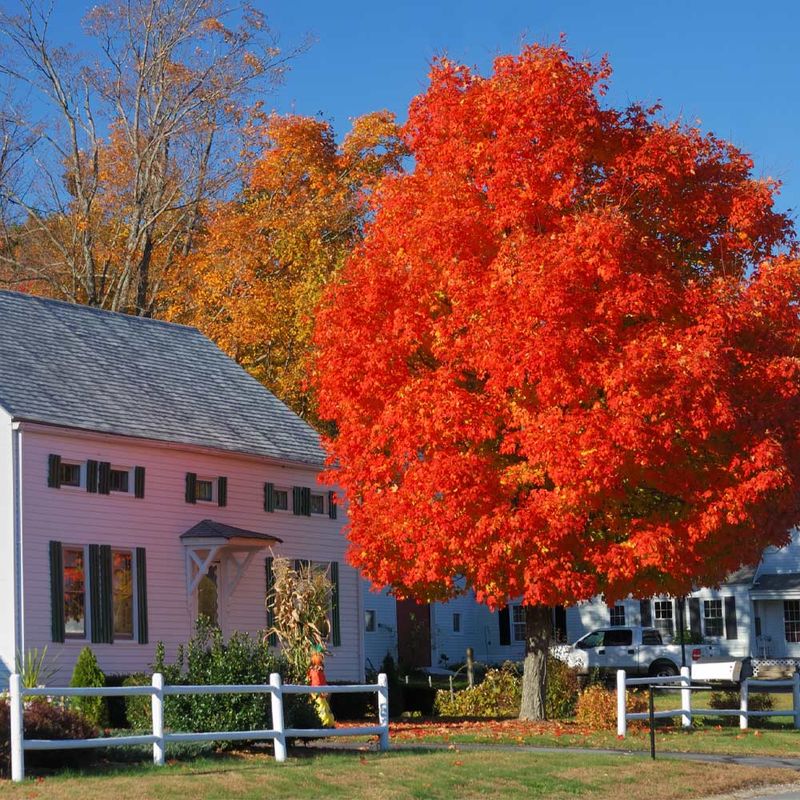
Picture a tree that blooms red while the rest of your yard is still waking up from winter. Red maple puts out tiny flowers in late winter, giving early bees one of their first meals of the year.
Then it settles into a full, leafy canopy that cools your patio by summer.
Red maple grows from the mountains to the coast, which makes it one of the easiest natives to fit into almost any NC yard. It handles compacted soil, heat, and wet spots without much fuss.
Expect it to reach 40 to 70 feet, so give it room and plant it at least 15 to 20 feet from your house.
Its winged seeds are small and dry, nothing like rotting fruit, and they blow away or break down quickly. The leaves also feed native caterpillars, which in turn feed nesting songbirds.
Swap it in for a Bradford pear and you trade an invasive problem for a true local hero.
2. Tulip Poplar (Liriodendron tulipifera)
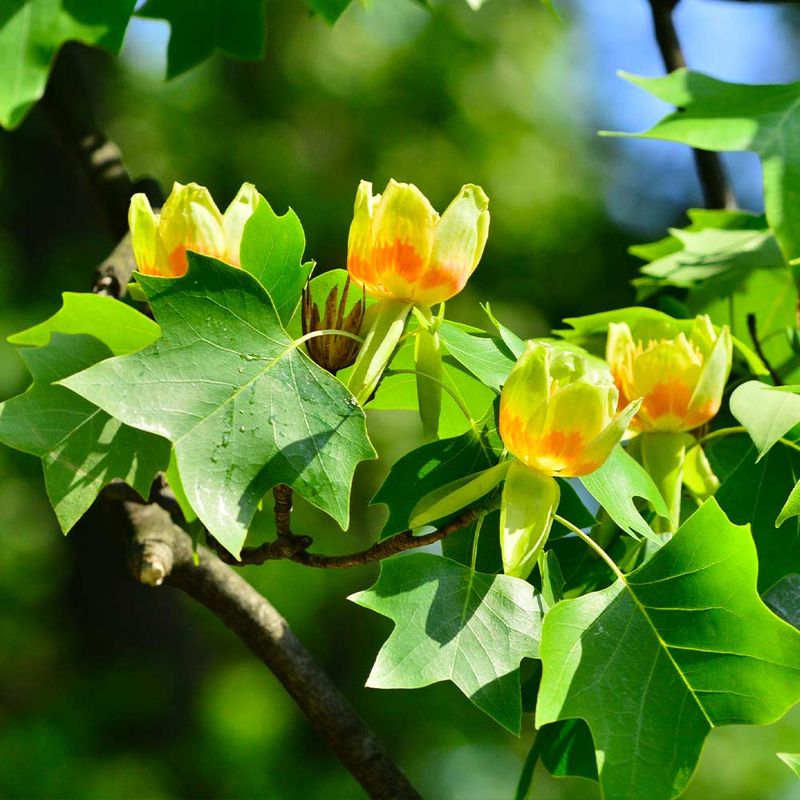
Ever looked up in May and spotted what looks like orange and green tulips sitting high in a tree? That is the tulip poplar, and it is the official state tree of North Carolina.
Few trees say home quite like this one.
It is also a speed demon. Tulip poplar is one of the fastest-growing natives in the state and can top 80 feet, forming a neat pyramid that throws wide pools of shade.
Its flowers are packed with nectar, which hummingbirds and native bees love.
Because it gets so tall, plant it on the south or west side of the yard, well away from the patio itself, so the shade reaches you in the afternoon. Its seed cones are dry and papery, so there is no gooey cleanup.
Fun fact: early settlers carved canoes from single tulip poplar trunks.
3. River Birch (Betula nigra)
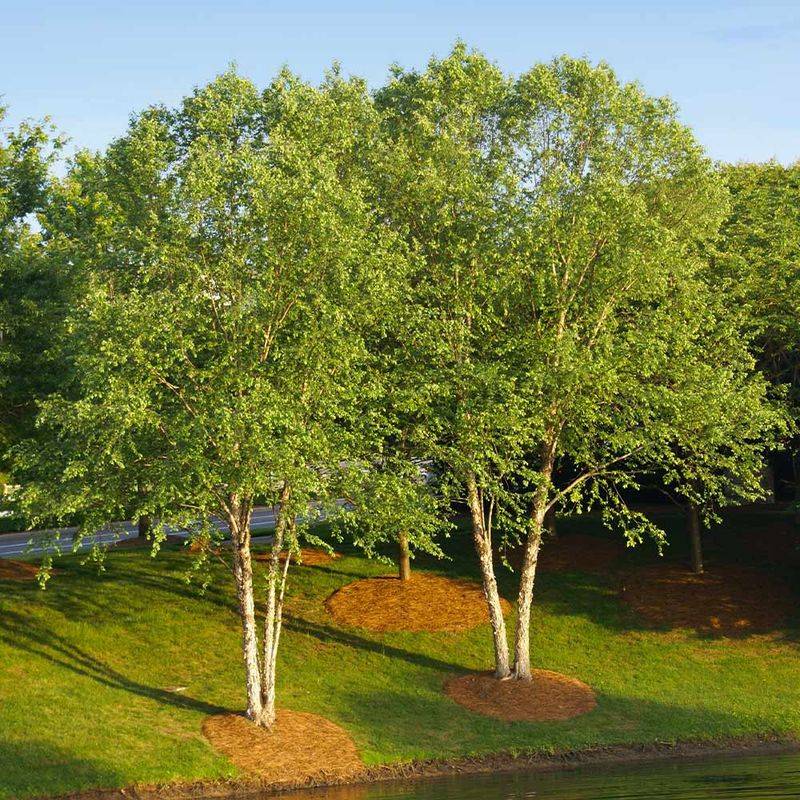
Kids love peeling birch bark, and honestly, so do plenty of grown-ups. River birch shows off curling sheets of cinnamon, salmon, and cream bark all year, which makes it a showpiece even in January.
This tree laughs at soggy ground. If your patio sits near a low spot that stays wet after storms, river birch is a smart pick, and it also copes with drier patches once established.
It bends well under wind and ice, a real plus during hurricane season and mountain winters.
The multi-trunk form creates light, dappled shade instead of deep gloom, so you can still grow ferns or sedges underneath. Its tiny seeds feed goldfinches and chickadees in fall.
Choose the Heritage variety if you want extra resistance to borers.
4. Sourwood (Oxydendrum arboreum)
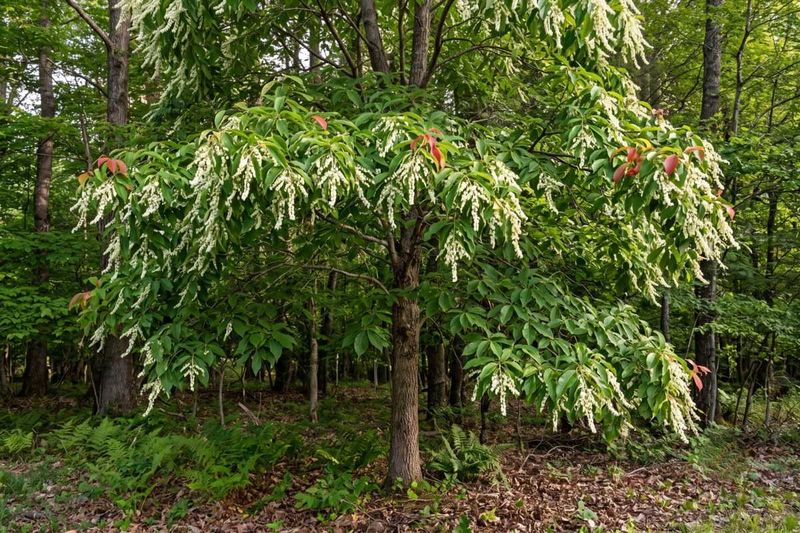
Ask any mountain beekeeper about sourwood honey and watch their eyes light up. That prized amber honey comes from this modest native, which hangs sprays of tiny white bells in midsummer, right when most trees are done flowering.
Sourwood stays on the smaller side, usually 30 to 60 feet, with a graceful, slightly leaning shape. It works well for a cozy patio where a giant oak would feel out of scale.
In fall, its leaves turn a deep crimson that rivals any maple.
It prefers acidic, well-drained soil, the kind found across much of the Piedmont and mountains. Skip heavy clay that stays wet.
The dry seed capsules hang on into winter and look a bit like lace, with no mess to speak of.
5. Willow Oak (Quercus phellos)
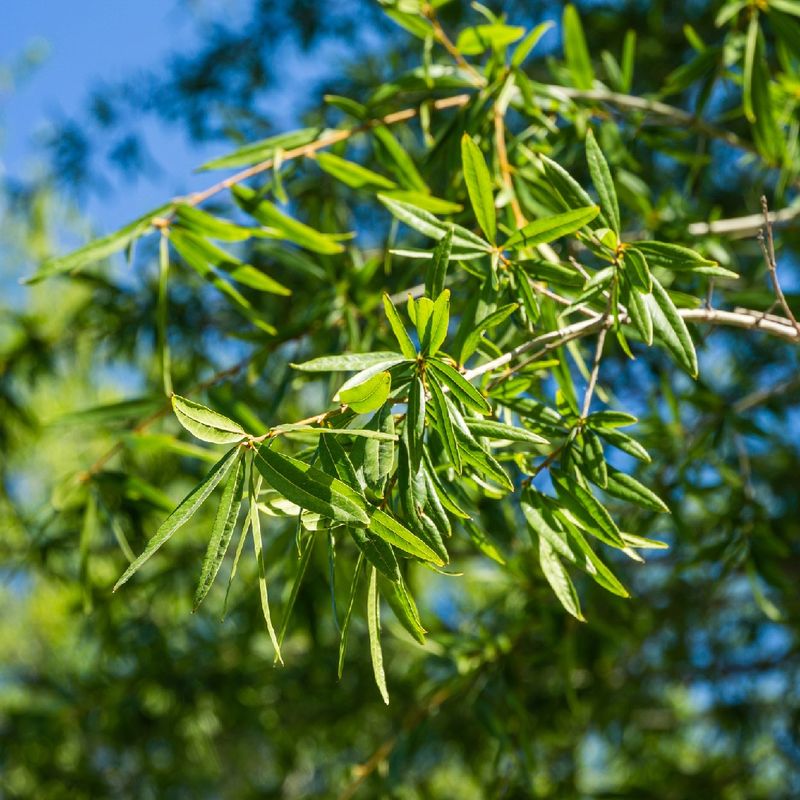
Walk down almost any older street in Raleigh and you are probably under a willow oak. Its slender leaves look more like a willow than an oak, and they create a fine, airy canopy that cools a whole yard.
Here is why it beats other oaks for patios. Its acorns are tiny, about the size of a pea, so you are not rolling on marbles or sweeping piles of big nuts.
Squirrels, blue jays, and wild turkeys snap them up fast anyway.
Oaks support more caterpillar species than almost any other tree, which means more food for baby birds. Willow oak tolerates clay and occasional flooding, and it lives for generations.
Plant one now and your grandkids will thank you.
6. Black Gum (Nyssa sylvatica)
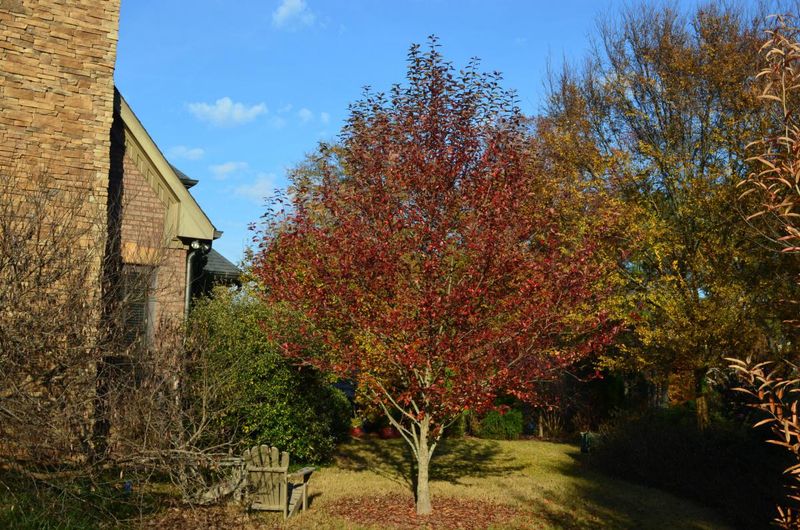
Some trees whisper in the fall. Black gum shouts.
Its glossy leaves are often the very first to turn, flashing scarlet, orange, and purple by late September.
One honest note: female trees produce small blue fruits. The trick is to buy a male cultivar such as Red Rage or Wildfire, which gives you all the shade and color with nothing dropping on your table.
The berries on wild trees are a top food for migrating thrushes, so they are welcome farther out in the yard.
Black gum grows slowly and steadily, with tidy horizontal branches that make a neat umbrella. It handles wet or dry soil and rarely has pest trouble.
Its spring flowers are small but beloved by bees, and the trunk can live for centuries.
7. American Hornbeam (Carpinus caroliniana)
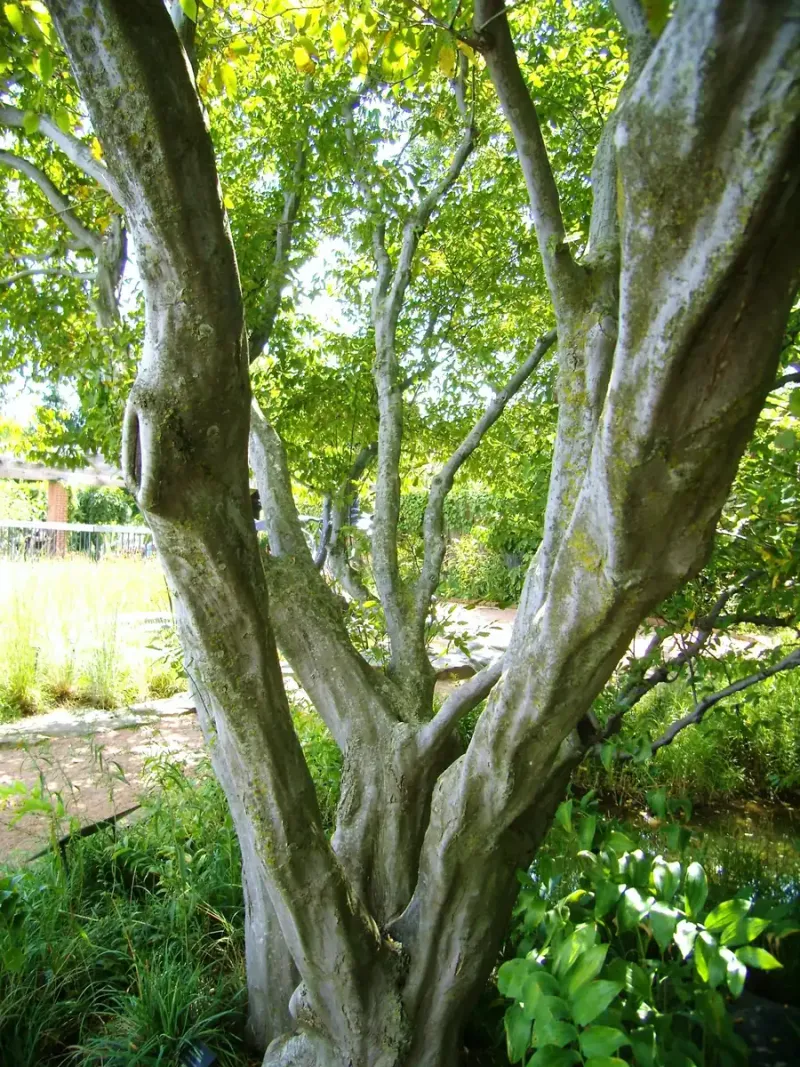
Folks call it musclewood, and one look at the trunk explains why. The smooth gray bark ripples like flexed arm muscles, giving this small tree a sculpted look up close.
American hornbeam is perfect for tight spaces and townhome patios. It tops out around 20 to 30 feet and actually enjoys partial shade, so it fits under taller trees or along the north side of a house.
The wood is so hard that pioneers used it for tool handles and ox yokes.
Its seeds hang in papery clusters that look like little lanterns, then drift off without a sticky trace. Leaves turn orange and gold in fall.
Birds and small mammals nibble the seeds, and the dense branches give songbirds safe cover.
8. Yellowwood (Cladrastis kentukea)
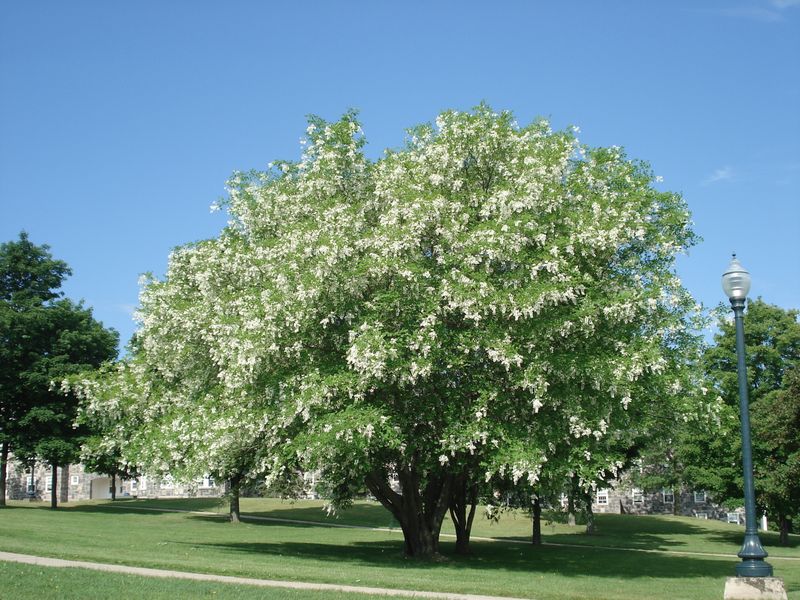
If you have ever been tempted by invasive Chinese wisteria, meet the native that gives you a similar look without strangling your trees. In late spring, yellowwood drips with long, fragrant white flower clusters that bees can’t resist.
It is a rare find in the wild, growing naturally in only a few spots in the NC mountains, which makes planting one a small act of conservation. Mature trees reach 30 to 50 feet with a rounded, low-branching crown ideal for patio shade.
The smooth gray bark looks almost like beech.
Its seed pods are thin and dry, nothing that stains or sticks. Prune only in summer, since it bleeds sap if cut in late winter, though that never drips on your furniture otherwise.
It also turns soft yellow in fall for one last show. Plant a few natives like these and your patio becomes a cooler, cleaner, wildlife-friendly corner of North Carolina.