
Put The Pruners Down – 13 Flowering Shrubs That Lose Next Spring’s Blooms If You Cut Them This Fall
Fall cleanup feels good, but one quick snip on the wrong shrub can wipe out next spring’s flowers before winter even starts. Many favorite bushes, like hydrangeas, lilacs, and azaleas, have already made next year’s flower buds and are holding them on their stems right now.
Cut those stems, and the buds go straight into the yard waste bin. Here are 13 shrubs to leave alone this fall, plus the simple timing fix that keeps them blooming.
1. Bigleaf and Oakleaf Hydrangeas
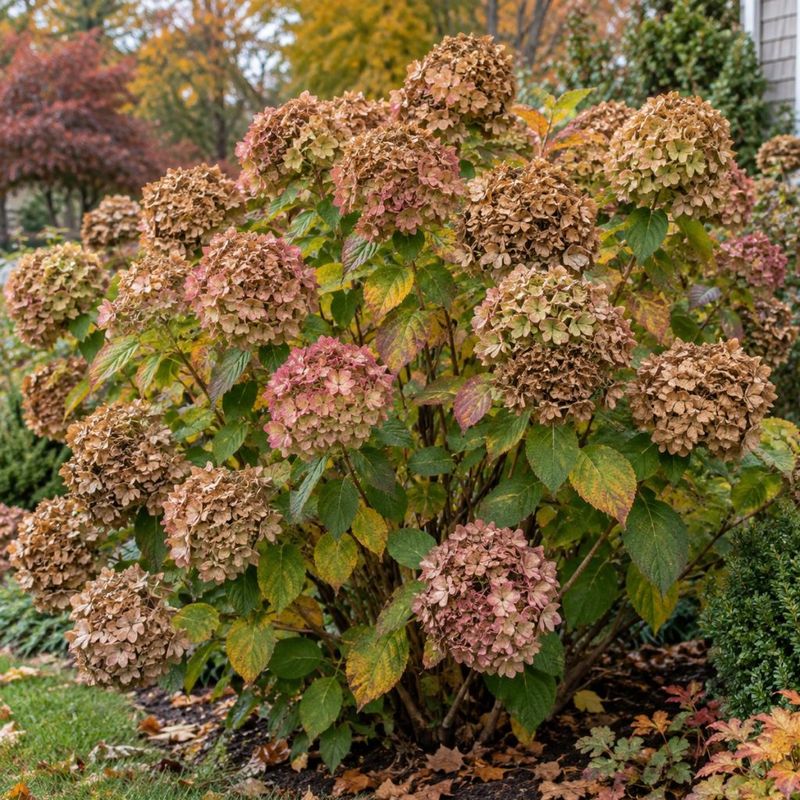
Ask any gardener whose hydrangea refused to bloom, and you will often find a pair of fall pruners behind the mystery. Bigleaf types, including mopheads and lacecaps, plus oakleaf hydrangeas, set next year’s flower buds on the stems they grew this summer.
Those buds are tucked at the tips of the canes right now, waiting out winter. Trim the shrub back for a tidy look in October, and you remove the exact spots where flowers would have opened in June.
Reblooming kinds like ‘Endless Summer’ can flower on new growth too, but the biggest, earliest show still comes from old wood. Fall cuts shrink that first flush.
The easy fix is to prune right after blooms fade in mid to late summer. In fall, only snip out dead or broken stems, and leave those dried flower heads on.
They may even help shelter the buds below from cold.
2. Azaleas
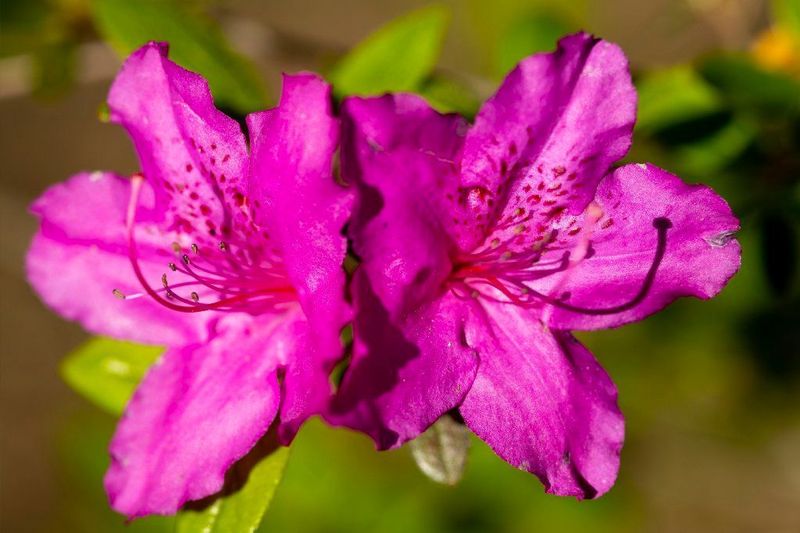
Look closely at an azalea branch in September and you will spot fat little buds at the tips. Those are next spring’s flowers, already packed and ready.
Azaleas form these buds in late summer, so any fall shearing removes them. A neat round azalea in November usually means a bare one in April.
Plan your trimming for right after the spring flowers drop, ideally before late July. That window gives the plant time to grow and set fresh buds.
3. Lilacs
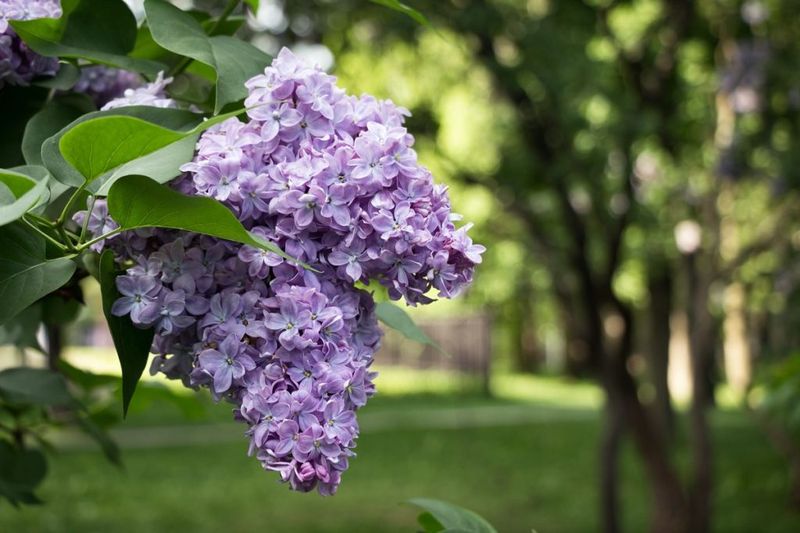
Grandma’s lilac by the fence has probably survived decades of neglect, but it will not forgive a fall haircut. Lilacs bloom on wood that is at least a year old, and the buds for May are formed by late summer.
You can spot them as plump pairs along the branches. Cutting in fall or winter takes those fragrant clusters with it.
Fun fact: lilacs have been grown in American gardens since colonial days, and George Washington planted them at Mount Vernon.
For more blooms, prune within a few weeks after flowering ends. Snip spent flower clusters and remove a few of the oldest, thickest stems at the base to refresh the shrub.
4. Forsythia
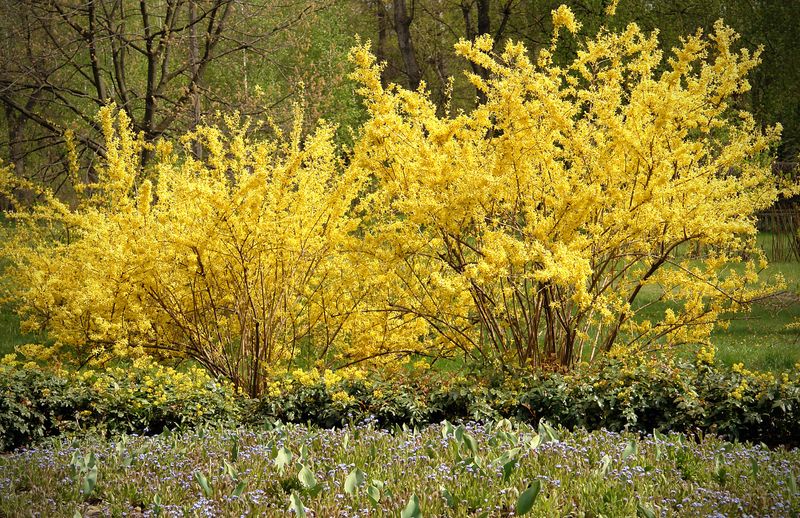
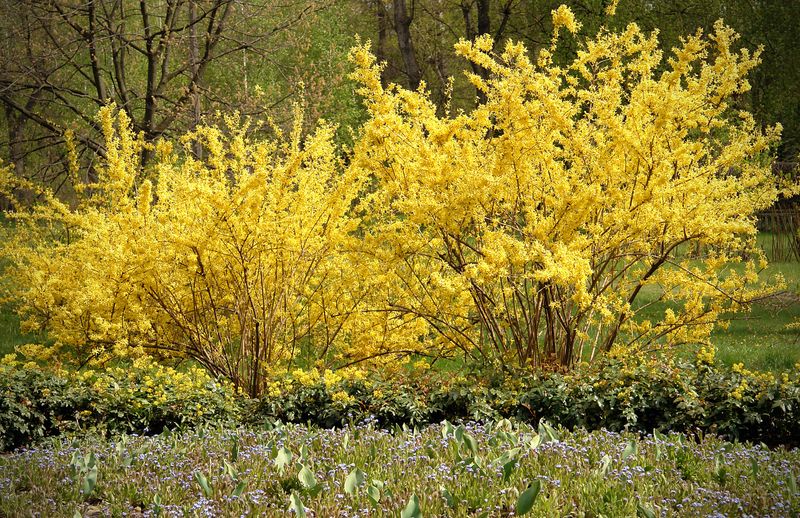
Nothing announces spring louder than a forsythia covered in yellow. That burst only happens because the buds formed back in midsummer.
By fall, every arching branch is loaded with tiny buds. Shear it into a box shape now, and you will get a green hedge with barely a flower in March.
Wait until the yellow fades in spring, then cut out about a third of the oldest canes at ground level. Forsythia grows fast, so it will rebound quickly and keep that natural fountain shape.
5. Weigela
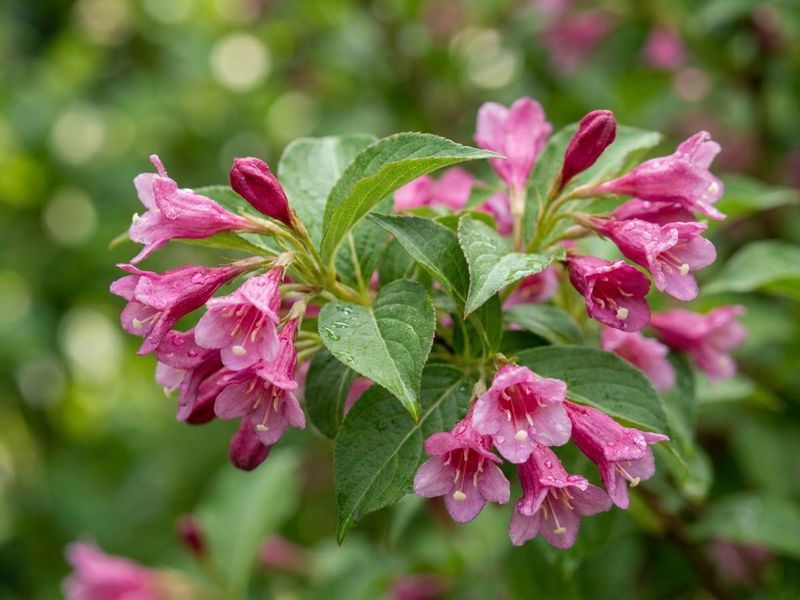
Hummingbirds adore weigela’s pink trumpets, and a fall trim can leave them with nothing to visit next May. Most weigelas flower on stems grown the year before.
Some newer reblooming varieties add a few summer flowers on new growth. Still, the main spring flush comes from old wood, and that is the show worth protecting.
Prune right after the first big bloom wraps up in late spring. Light shaping then keeps the shrub tidy without costing you a single flower.
6. Rhododendrons
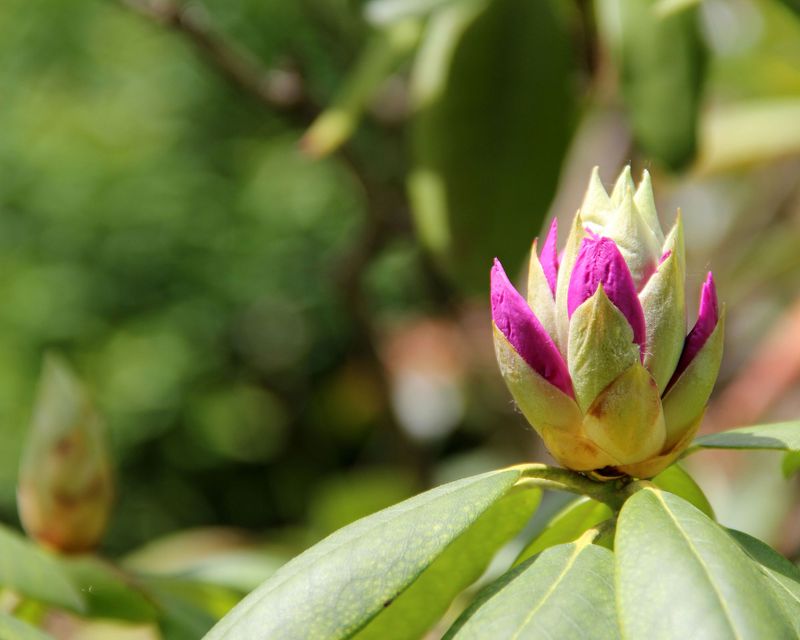
Rhododendron buds are hard to miss. The big, cone-shaped ones at branch tips hold flowers, while the skinny pointed ones hold leaves.
Those flower buds form the summer before, so fall pruning removes them outright. Cutting late in the year can also push out soft new growth that winter cold may damage.
Here is the trick after spring bloom: gently snap off spent flower trusses with your fingers. Be careful, because new shoots sit right below them.
Any shaping cuts should happen at that same time, right after flowers fade.
7. Viburnum
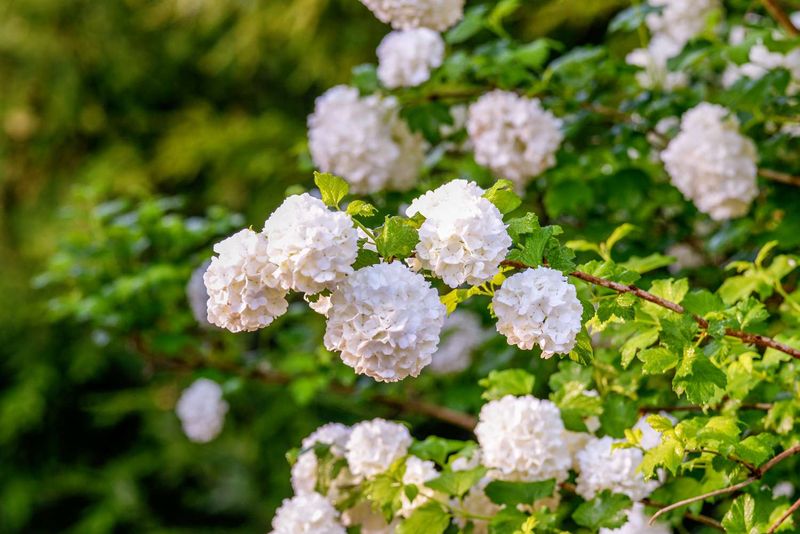
Viburnums are the overachievers of the shrub border, with flowers, berries for birds, and often red fall leaves. They all bloom on old wood, setting buds in late summer or early fall.
Prune in autumn and you lose the white flower clusters and the berries that follow. That is a double loss for you and the songbirds.
Do any shaping just after flowers fade in late spring. If you grow viburnum for berries, keep cuts light so enough flowers remain to form fruit.
8. Spring-Blooming Spirea
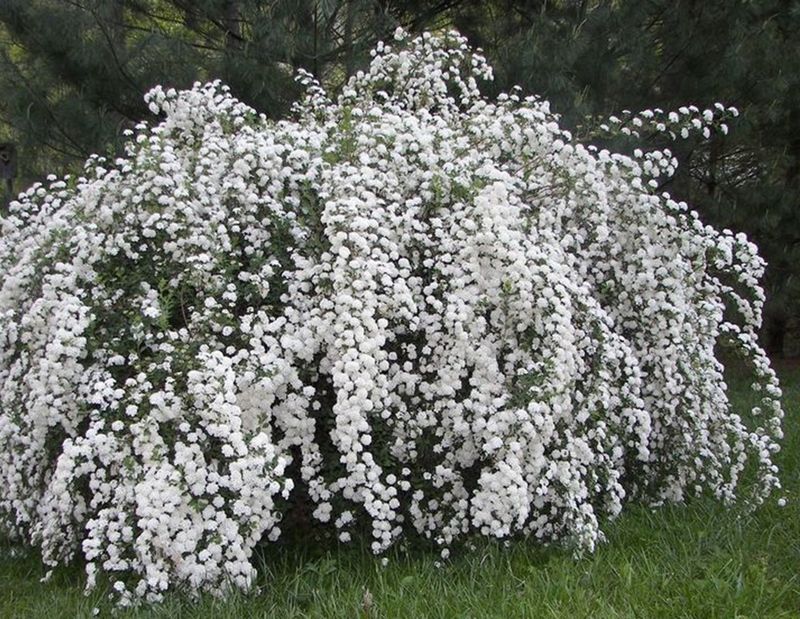
Bridal wreath spirea earned its name from those long, snowy sprays that look like a wedding bouquet. Every bit of that white comes from wood grown last year.
Cutting in fall, winter, or early spring strips the buds away. The shrub lives, but the bridal look disappears for a year.
Watch out for a common mix-up. Summer-blooming kinds like Japanese spirea flower on new wood and can be trimmed in late fall or early spring.
For bridal wreath and Vanhoutte spirea, prune right after the white blooms finish.
9. Flowering Quince
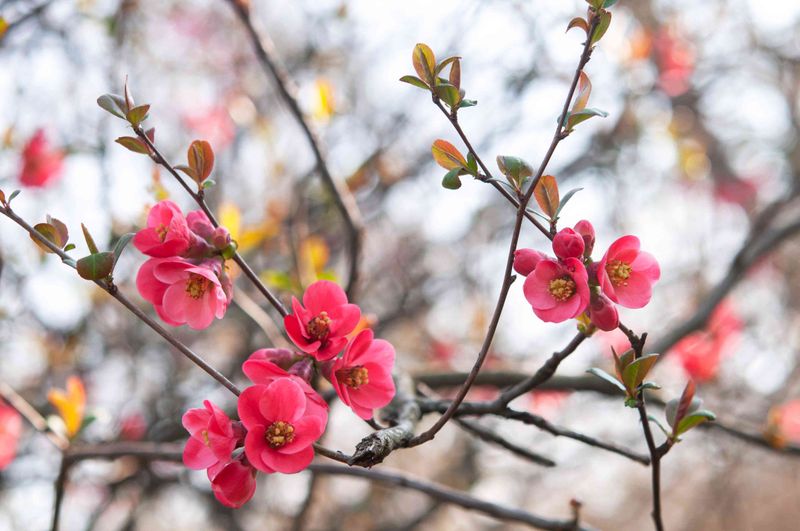
Thorny, tough, and blooming while snow still lingers, flowering quince is the rebel of early spring. Its coral and red blossoms open on bare old wood.
Fall pruning cuts off those waiting buds and leaves you with mostly thorns. Not a fair trade.
Grab sturdy gloves and prune after the flowers fade in spring. Thinning a few old stems then keeps it open and full of buds for next year.
10. Mockorange
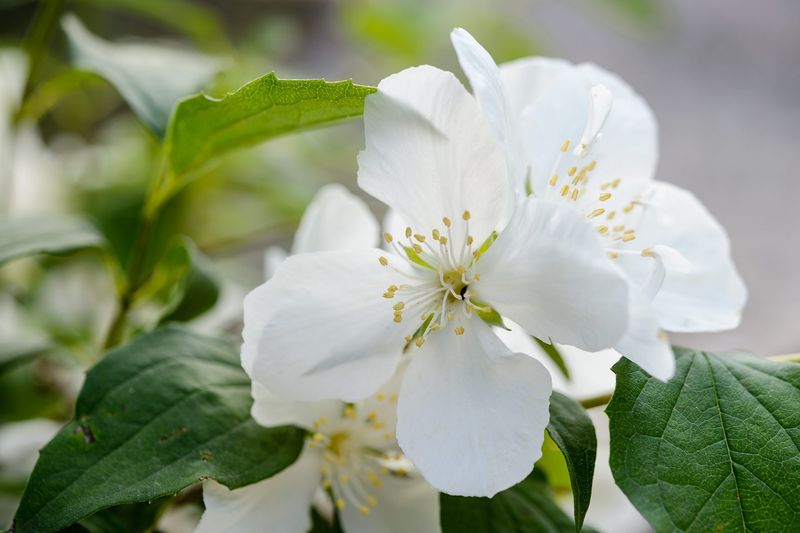
Close your eyes near a mockorange in June and you might think someone planted an orange grove. The sweet scent comes from white flowers grown on old wood.
Those buds develop through summer and fall. A fall cleanup cut removes them before you ever get to enjoy the fragrance.
Prune right after flowering ends. Older shrubs respond well when you remove a few of the oldest stems at ground level, which may encourage fresh, flower-heavy growth.
11. Deutzia
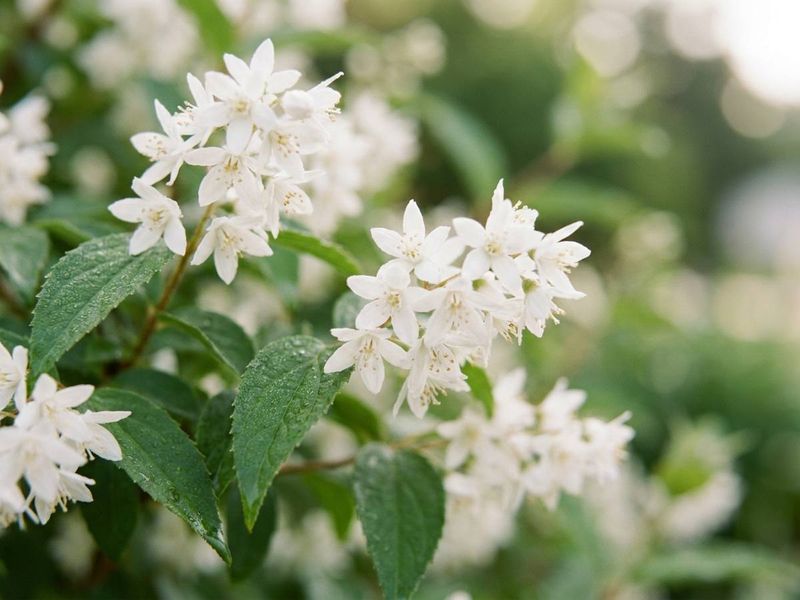
Deutzia rarely gets the spotlight, but its dainty white or pink star flowers deserve better. It is a quiet, low-fuss shrub that blooms on old wood.
A fall trim might seem harmless on such a small plant. Yet it removes most of next spring’s blossoms.
Save pruning for after the spring blooms finish. A light shaping then is all deutzia needs.
12. Ninebark
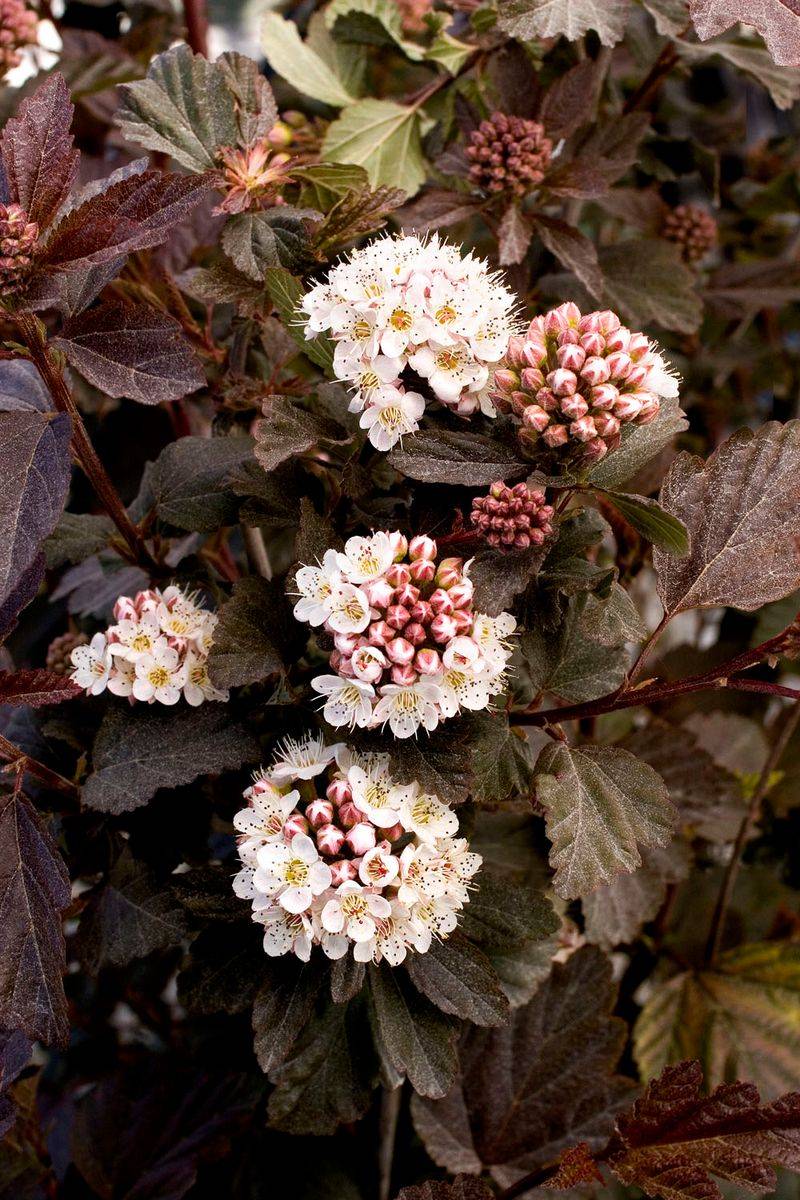
Most people buy ninebark for its purple or golden leaves, then get surprised by fluffy white button flowers in late spring. Those flowers grow on old wood.
If foliage is your main goal, timing matters less. If you love the blooms and the red seed pods after, skip fall pruning.
Prune right after flowering instead. The peeling bark, which gives the shrub its name, stays visible all winter as a bonus.
13. Shrub Honeysuckles
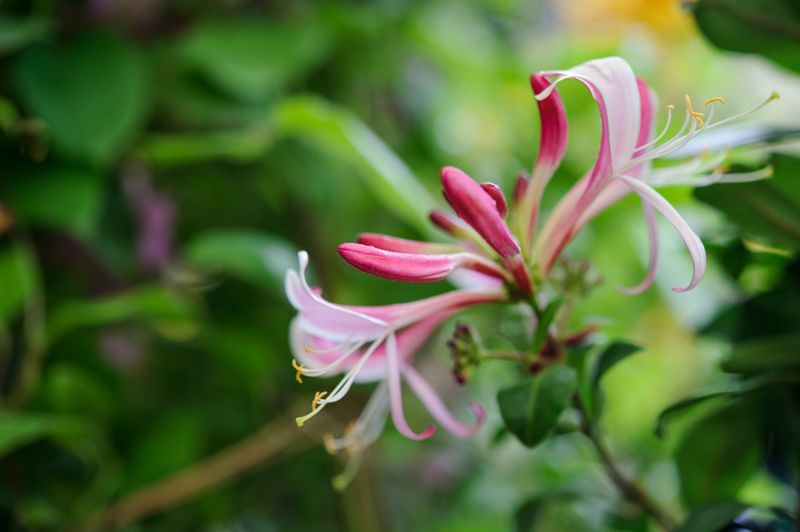
Shrub honeysuckles, unlike their climbing cousins, form bushy mounds with tubular spring flowers. Many varieties flower on old wood.
Fall cutting removes the buds already formed. Quick note: some shrub honeysuckles are invasive in parts of the US, so check with your local extension office before planting more.
For the ones you keep, prune right after spring blooms end. When unsure about any shrub, waiting until after it flowers is the safest move.