
These North Carolina Native Perennials Keep Blooming Through The Heat Long After Your Coneflowers Have Quit
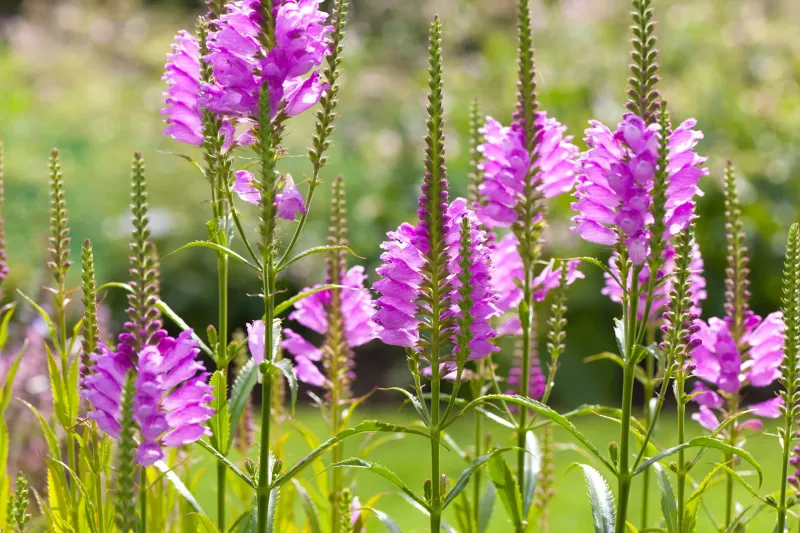
By late July, a lot of coneflower patches in North Carolina look tired, brown, and done for the year. That is a problem for the bees, butterflies, and hummingbirds still counting on your yard for food.
The good news is that plenty of NC native perennials hit their stride just as the heat peaks, and some keep going until frost. Here are ten tough, local bloomers that can keep your backyard buzzing all summer and into fall.
1. Black-Eyed Susan (Rudbeckia fulgida and R. hirta)
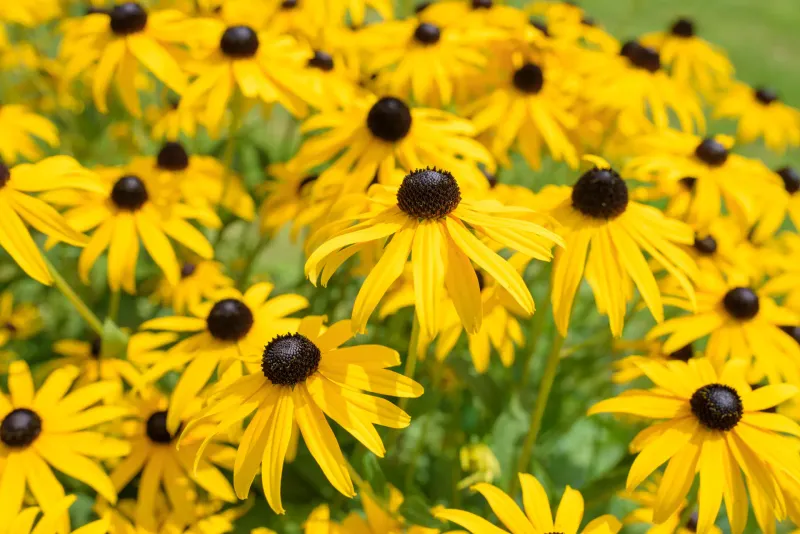
Ask any Piedmont gardener what still looks good in a brutal August drought, and black-eyed Susan usually comes up first. Its golden petals open in June and often keep coming until the first frost.
Poor clay soil and dry spells barely slow it down.
The payoff does not end when the petals drop. Leave those dark seed heads standing in fall, and American goldfinches will happily pick them clean.
That small choice turns a pretty border into a winter feeding station.
Orange coneflower (R. fulgida) spreads into tidy colonies, while R. hirta reseeds freely. Both are great swaps for non-native annual marigolds or invasive lantana in sunny spots.
2. Dense Blazing Star (Liatris spicata)
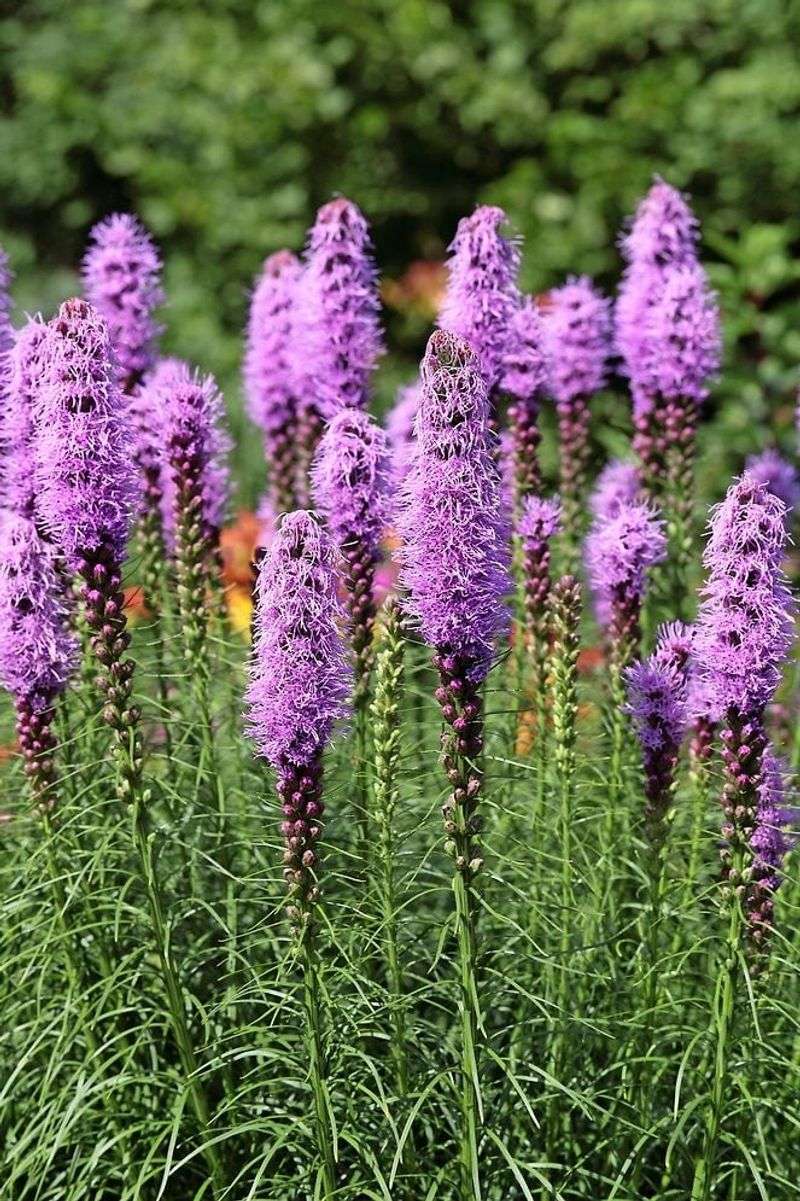
Picture a purple bottlebrush standing straight up out of the ground, then picture it covered in swallowtails. That is blazing star on a hot July afternoon.
Its spikes bloom from the top down, which is a quirky habit that stretches the show for weeks.
Native to wet pine savannas in the Coastal Plain, it handles humidity like a champ. It also grows from a corm, so it bounces back reliably year after year with almost no fuss.
Tuck it between shorter plants so the spikes rise above them. A cluster of five or more makes a far bigger splash for pollinators than a single lonely stem.
3. Joe-Pye Weed (Eutrochium fistulosum)
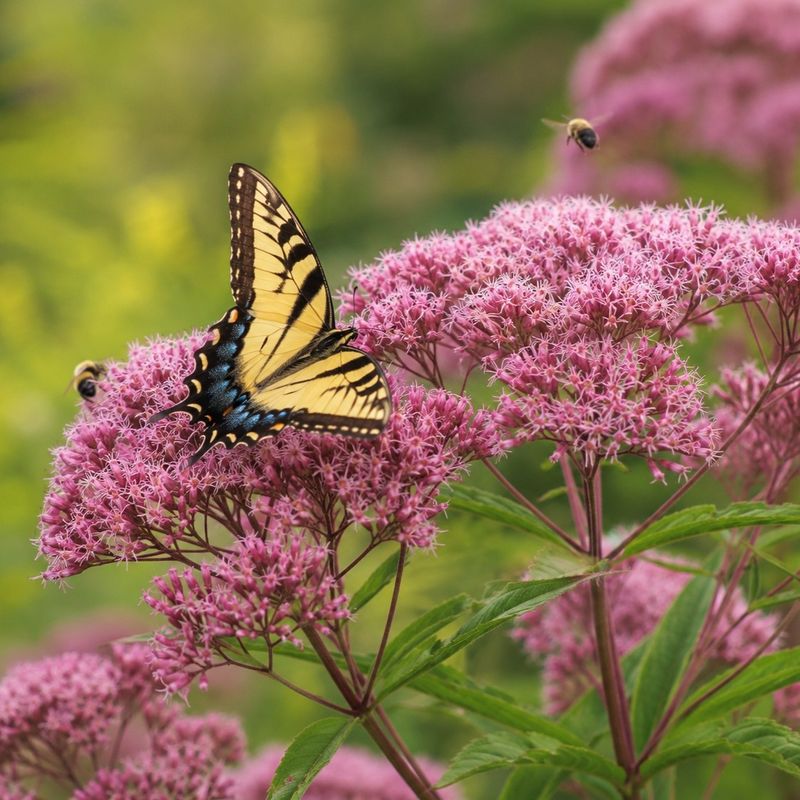
Some plants whisper, and Joe-Pye weed shouts from six feet up. Huge dusty-pink flower domes open in late summer, right when most of the garden is sagging.
Eastern tiger swallowtails, North Carolina’s state butterfly, swarm it.
It loves moisture, so a low spot, rain garden, or downspout area is ideal. In the mountains and Piedmont it pairs beautifully with ironweed along a back fence.
Fun fact: the hollow stems of the spotted and hollow types can shelter small native bees through winter if you cut them back to about 15 inches in spring instead of fall. Messy can be kind.
4. Cardinal Flower (Lobelia cardinalis)
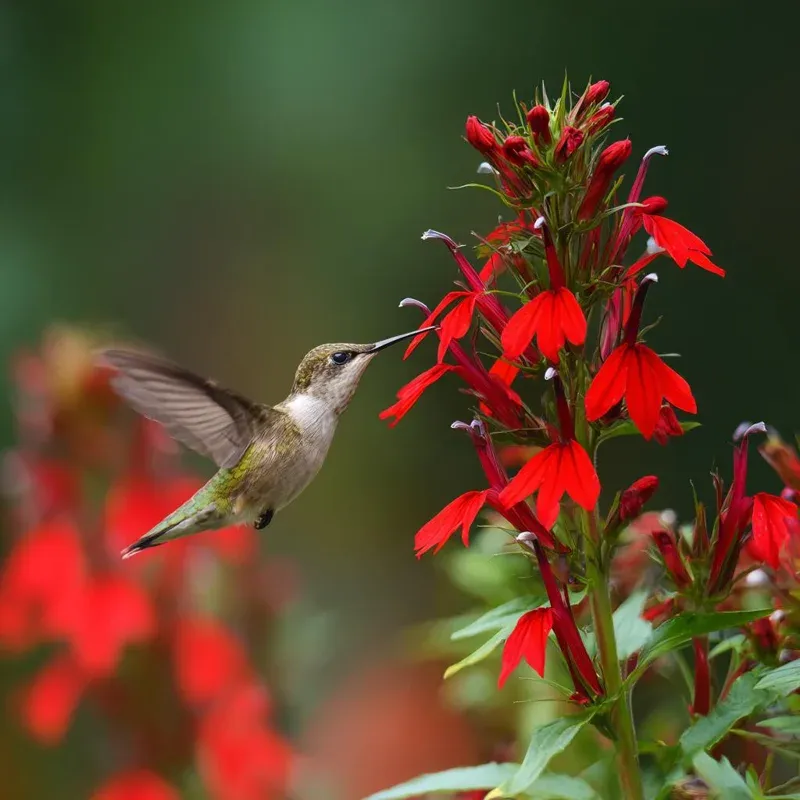
Few reds in nature are as electric as cardinal flower. When ruby-throated hummingbirds start fattening up for migration in late summer, this is one of the plants they hunt for.
Its tubular blooms are shaped almost perfectly for their beaks.
The catch is water. Cardinal flower wants damp soil, so plant it by a pond edge, a soggy corner, or a rain garden rather than a dry bed.
It can be short-lived, but it reseeds in moist ground. Avoid heavy mulch right around the crown, and you may find new rosettes popping up nearby each spring.
5. Mountain Mint (Pycnanthemum muticum)
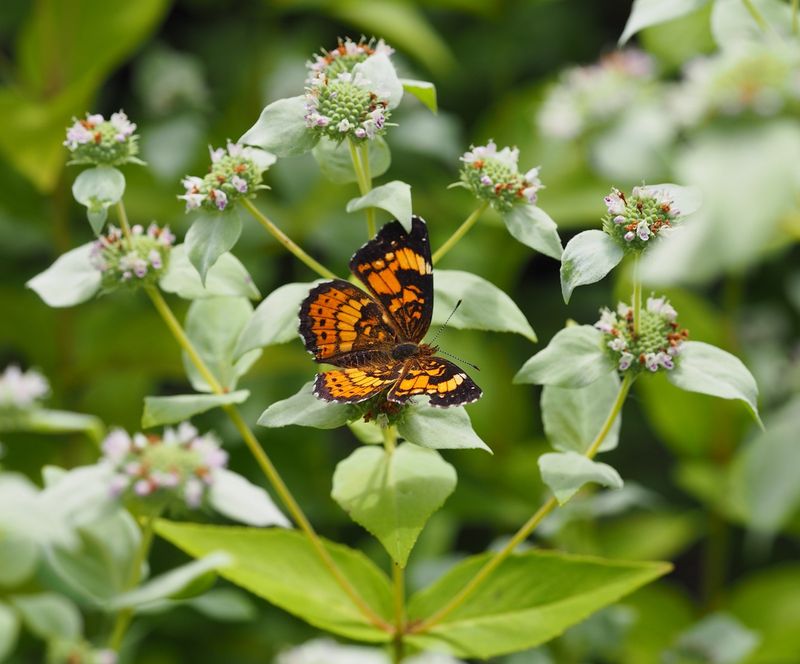
Stand next to a patch of mountain mint in July and you will hear it before you notice the flowers. Researchers often rank it among the top insect magnets of any native plant.
Tiny bees, beetles, and wasps crowd every silvery bract.
Do not worry about the wasps. Most are gentle native species that also hunt garden pests, so they help keep your yard in balance.
The minty leaves smell wonderful and deer usually leave them alone. Give it room, because it spreads, though far more politely than true invasive mints.
6. Butterfly Weed (Asclepias tuberosa)
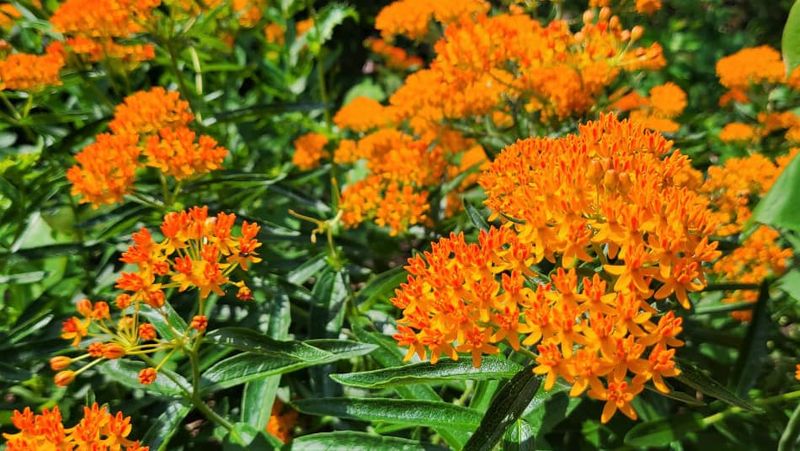
Dry, sandy, sunbaked dirt that kills everything else? Butterfly weed was built for exactly that.
Its flaming orange clusters open in early summer and often send up a second flush if you trim spent blooms.
More importantly, it is a milkweed, which makes it a host plant for monarch caterpillars. If you spot chewed leaves, celebrate, because that is the whole point.
Plant it once and leave it be. Its deep taproot hates being moved, and it can be slow to wake up in spring, so mark its spot before you start digging.
It is a far better choice than tropical milkweed, which is not native here.
7. Goldenrod (Solidago spp.)
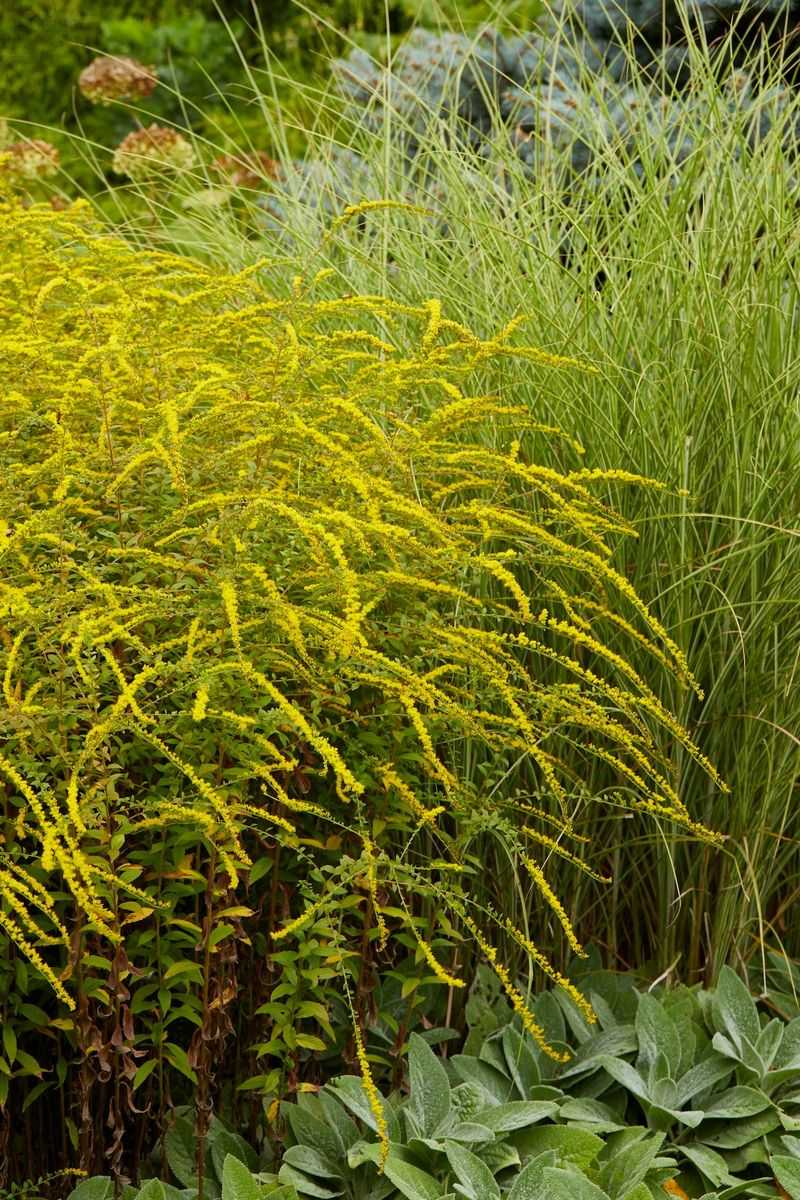
Goldenrod has been blamed for hay fever for generations, and it is completely innocent. Its pollen is heavy and carried by insects, not wind.
The real sneezing culprit is usually ragweed blooming nearby.
From late summer into fall, goldenrod feeds a huge range of native bees, beetles, and migrating monarchs. North Carolina has many species, and some, like wreath goldenrod and Fireworks rough goldenrod, stay compact for small yards.
Pick a clumping type if spreading worries you. It makes a smart, wildlife-rich replacement for invasive burning bush in a sunny fall border.
8. New England Aster (Symphyotrichum novae-angliae)
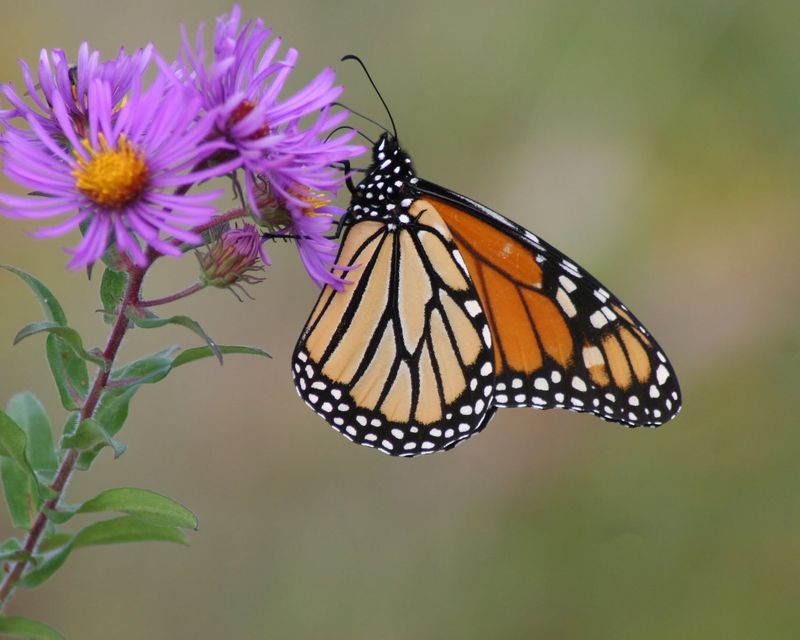
When September rolls around and the heat finally breaks, New England aster takes the stage in a big purple burst. It is often the last major buffet for monarchs heading south and for bumblebee queens getting ready for winter.
It grows tall, so pinch the stems back by half around the Fourth of July. That simple trim gives you bushier plants and even more flowers.
In Piedmont and mountain yards it shines next to goldenrod. Purple and gold together look stunning and keep pollinators fed until frost.
9. Threadleaf and Lanceleaf Coreopsis (Coreopsis spp.)
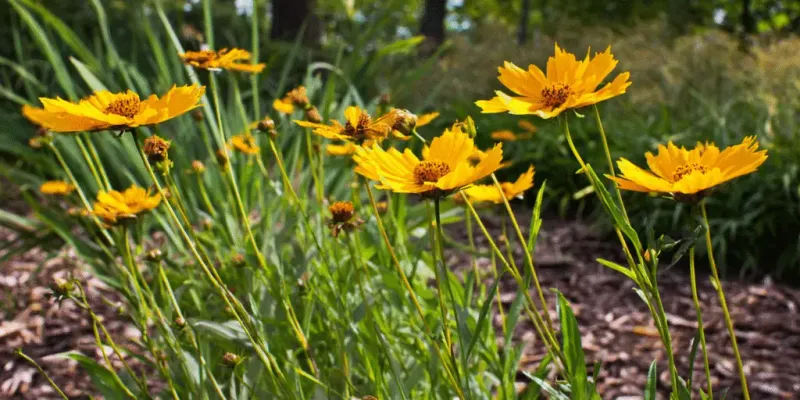
Here is a plant that seems to laugh at heat waves. Coreopsis, also called tickseed, flashes bright yellow daisies from late spring through summer and often into fall if you shear it back once.
The name comes from its seeds, which look a bit like tiny ticks. The only thing it attracts, though, is small native bees and seed-hungry songbirds.
Choose straight NC natives like lanceleaf coreopsis or threadleaf coreopsis for the best wildlife value. They thrive in lean, well-drained soil, so skip the fertilizer.
10. Obedient Plant (Physostegia virginiana)
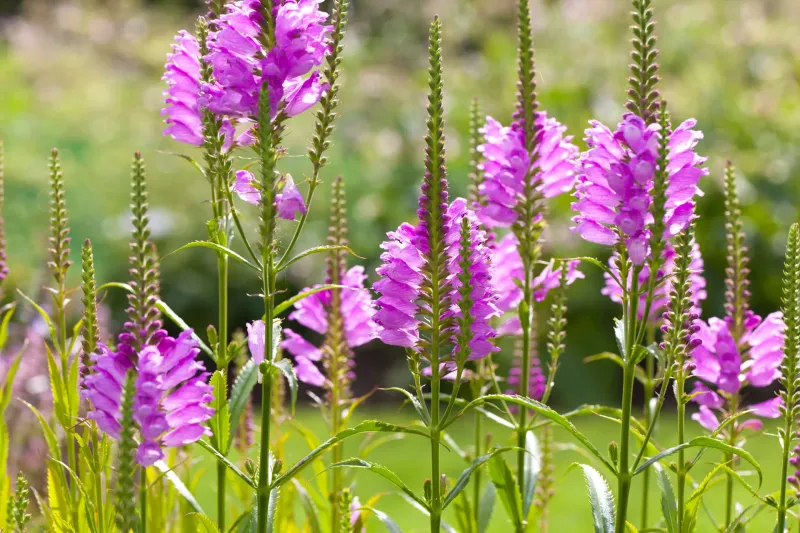
Push one of its pink flowers sideways and it stays put, which is how obedient plant got its funny name. The plant itself is less obedient, since it spreads by underground runners.
That spreading habit makes it handy in a damp corner where you want quick coverage. Its snapdragon-like blooms appear in late summer and draw bumblebees, butterflies, and the occasional hummingbird.
Plant it where it can roam, or edge it with a buried barrier. For a clumping cultivar, look for Miss Manners, which stays much tidier in small beds.