
Stop Weeding That Shady Corner – 13 Shade Ground Covers That Choke Out Weeds On Their Own
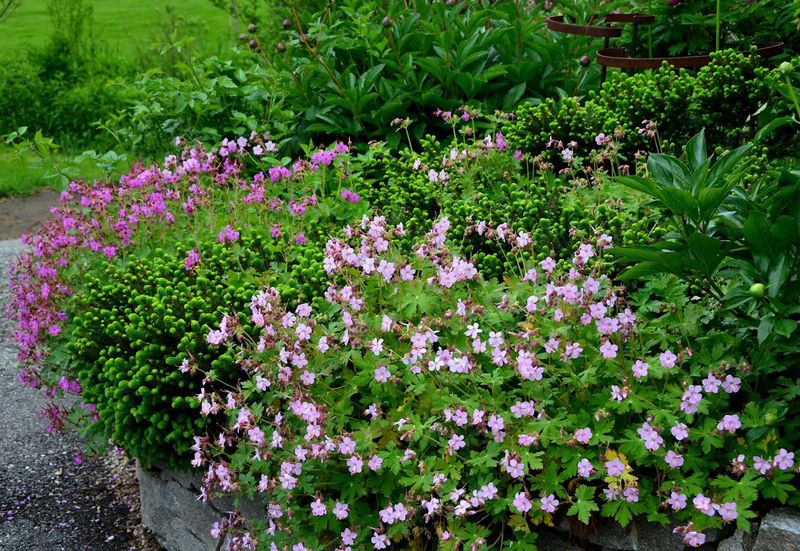
That dark corner under the maple tree keeps sprouting weeds no matter how often you pull them. Grass won’t grow there, mulch washes away, and you are tired of kneeling in the dirt every weekend.
The good news is that the right ground cover can fill that space so thickly that weeds simply have no room or light to grow. Here are 13 shade-loving plants that can do the weeding for you once they settle in.
1. Vinca Minor (Periwinkle)
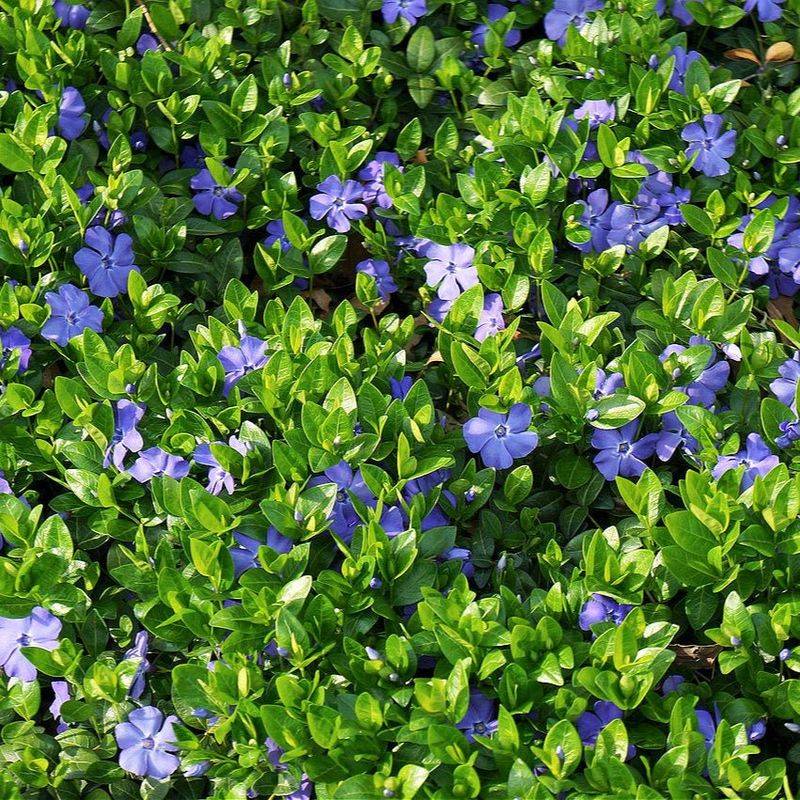
Some plants want attention. Periwinkle wants to be left alone, and it rewards you for doing exactly that.
Its glossy evergreen leaves knit into a tight mat that stays green all winter, so weed seeds rarely find bare soil to land on. Little lavender-blue flowers pop up in spring as a bonus.
Once established, it can handle dry spells and deep shade under trees where most plants give up.
Plant small pots about 12 inches apart and keep them watered the first season. One caution: periwinkle spreads eagerly and is considered invasive near natural woodlands in some states, so check your local list and keep it away from wild areas.
2. Hostas
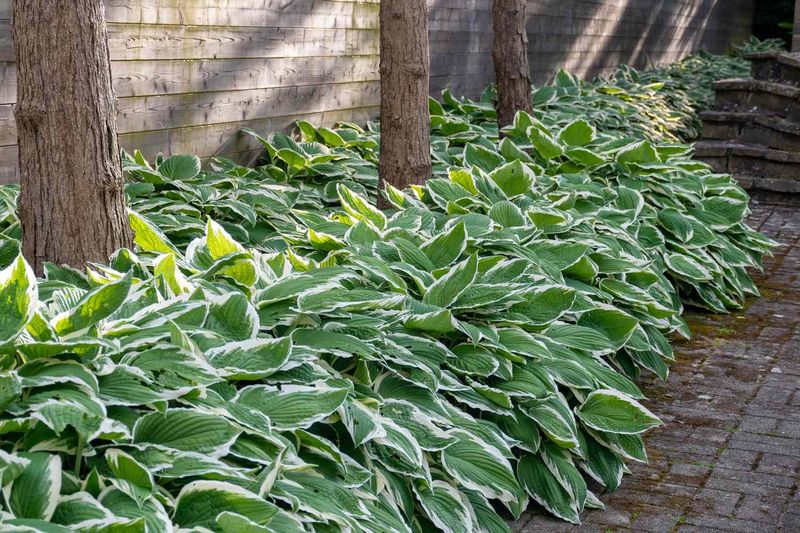
You probably already grow a hosta or two. What many gardeners miss is how well a group of them works as a living weed blocker.
Big overlapping leaves act like umbrellas, shading the soil so weed seeds struggle to sprout. A bed of mature clumps planted close together can cut your weeding way down by midsummer.
They won’t stop every weed in early spring before the leaves unfurl, so a thin layer of mulch helps until they fill in.
Space them a little closer than the tag suggests for faster coverage. If slugs chew holes in the leaves, try thicker-leaved blue types, which tend to hold up better.
3. Allegheny Pachysandra
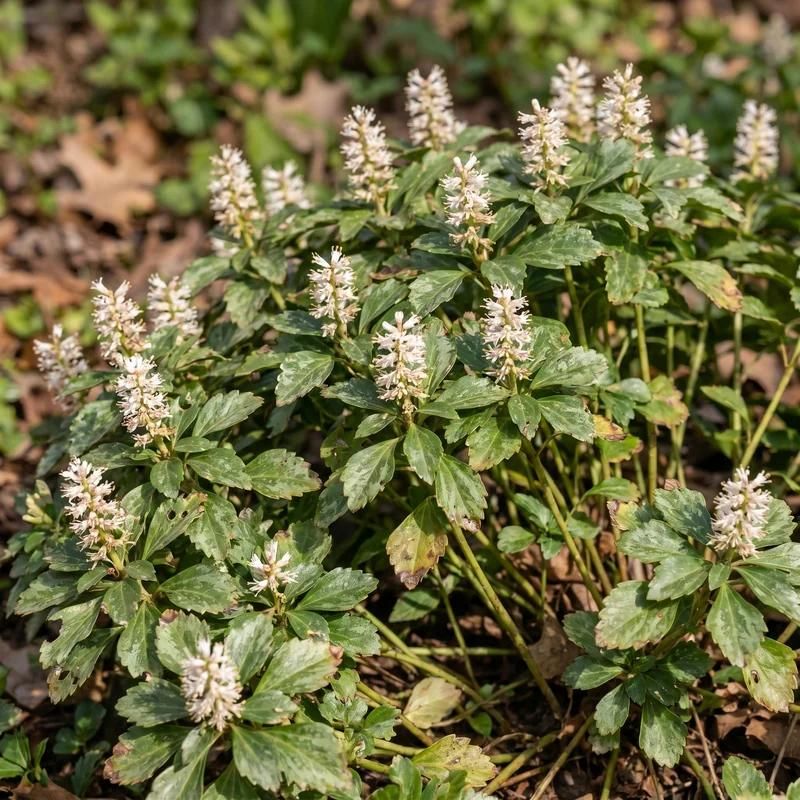
Japanese pachysandra has carpeted American yards for decades, but it can escape into woods. Its native cousin, Allegheny pachysandra, gives you a similar look with fewer worries.
The leaves are softly mottled and turn bronze-tinged in cold weather, and fuzzy white flower spikes appear in early spring. It forms slow but steady colonies that crowd out weeds over time.
Deer usually skip it, which is a real relief in many neighborhoods.
Expect a few seasons before full coverage. Moist, rich soil with leaf mulch speeds things up nicely.
4. Ajuga (Bugleweed)
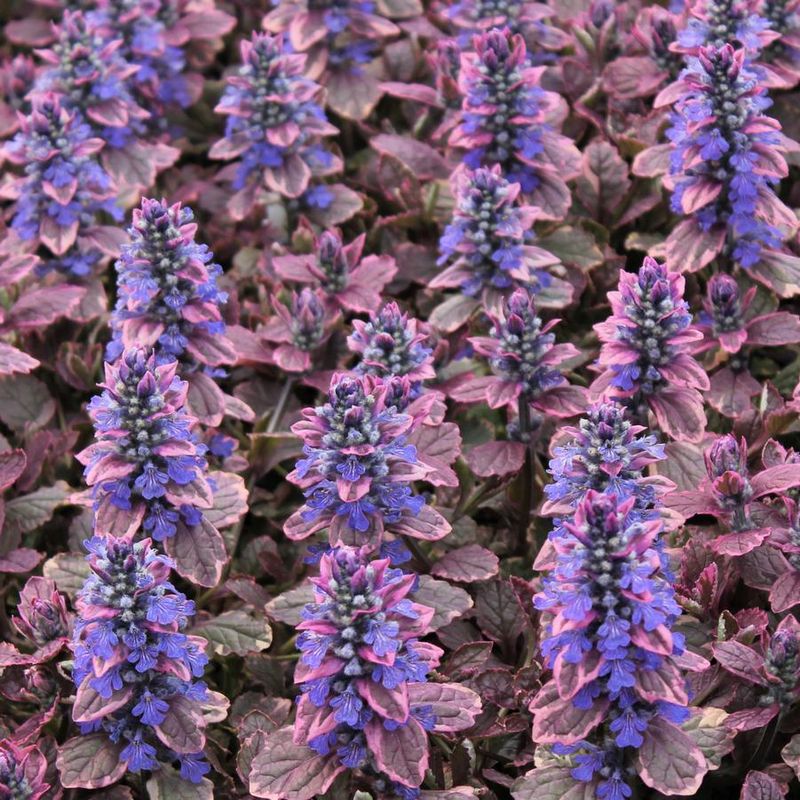
Want color in a hurry? Ajuga is the sprinter of this list.
Runners creep across the soil and root as they go, forming a thick mat in a season or two. Foliage comes in burgundy, bronze, chocolate, green, or even gold, and spring brings spikes of blue, pink, or white flowers.
Most animals leave it alone.
Give it decent drainage, since soggy soil can cause crown rot in humid summers. Pull stray runners that wander into the lawn, and you’ll have a tidy, weed-free patch.
5. Deadnettle (Lamium)
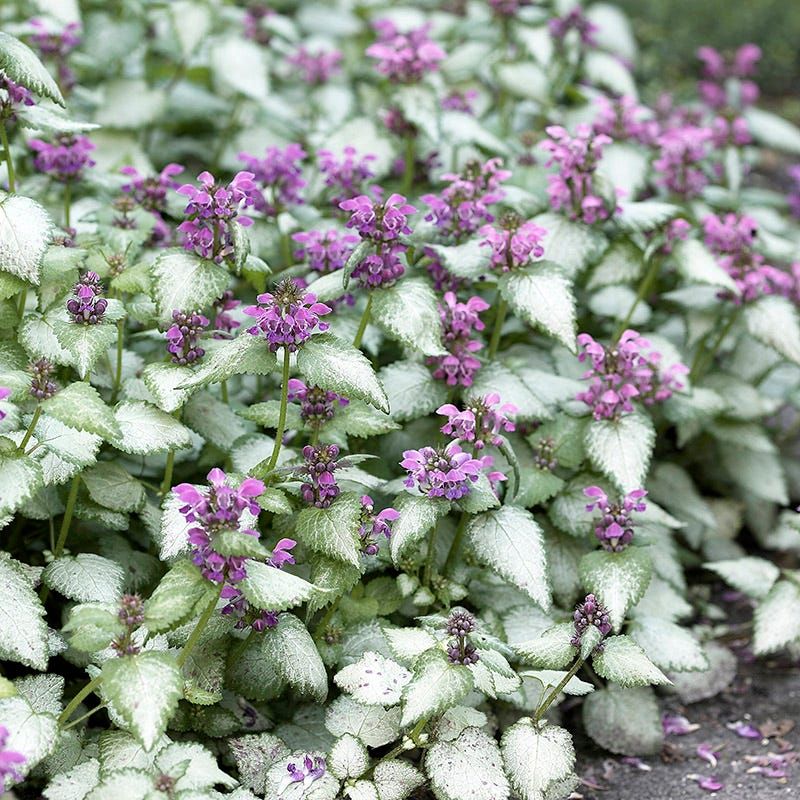
Despite the scary name, deadnettle doesn’t sting. It just shines.
Silver-splashed leaves light up dim corners like a nightlight, and small pink, purple, or white flowers bloom on and off from spring onward. The low stems fill gaps fast and keep weeds smothered.
It loves cooler weather.
In hot Southern summers it may look tired or die back a bit. A quick trim and steady moisture usually bring fresh growth back by fall.
6. Ferns
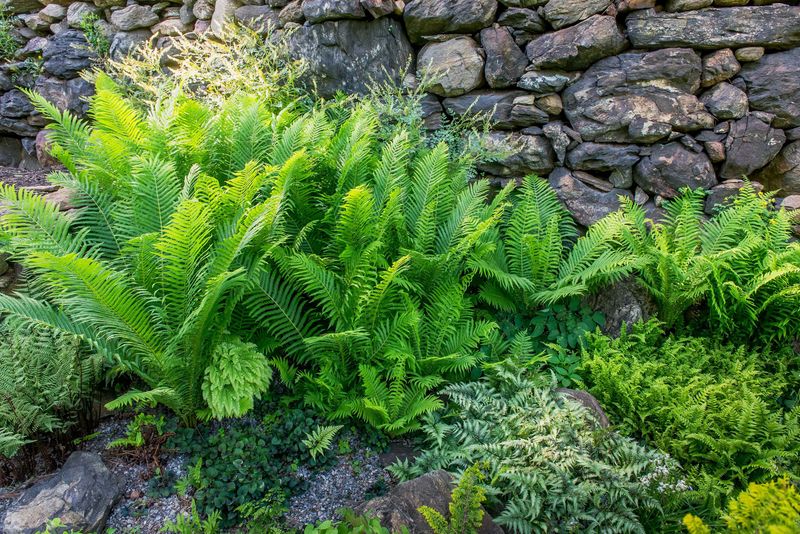
Picture a forest floor. Ferns have been keeping weeds down there for millions of years, long before anyone owned a hoe.
As fronds unroll each spring, they spread into a leafy canopy that blocks light from the soil. Christmas fern stays green through winter, lady fern fills space quickly, and Japanese painted fern adds silvery purple tones.
Native types are often well matched to local weather, so they need little fuss.
Mix two or three kinds for texture. Keep soil mulched with shredded leaves, which ferns love.
7. Sweet Woodruff
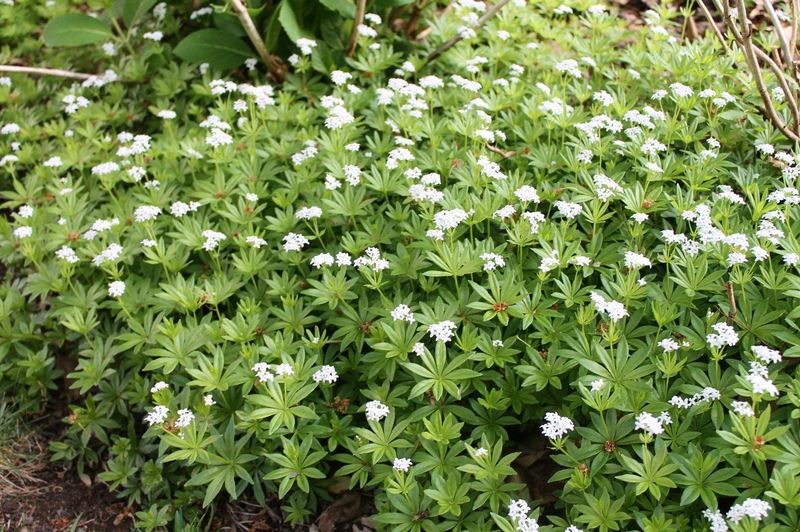
Old-time gardeners tucked dried sweet woodruff into linen closets for its hay-like scent. Today it earns its keep by covering bare dirt.
Whorls of bright green leaves form a soft carpet, and tiny starry white flowers appear in late spring. It looks lovely around the base of hydrangeas and other shade shrubs, filling the gaps where weeds love to hide.
It prefers moist soil and can spread readily. Edge the bed or pull extras each spring to keep it where you want it.
8. Moss

If grass keeps dying in that damp, packed spot, stop fighting nature. Moss is basically telling you it wants the job.
It thrives in deep shade, compacted ground, and acidic, moist soil. Once a velvety mat forms, it outcompetes many weeds and needs no mowing or feeding.
It can even handle light foot traffic between stepping stones.
To get started, rake the area clean, press moss pieces firmly onto the soil, and mist often for a few weeks. Keep fallen leaves blown off so the moss isn’t smothered.
9. Hardy Geranium (Geranium macrorrhizum)
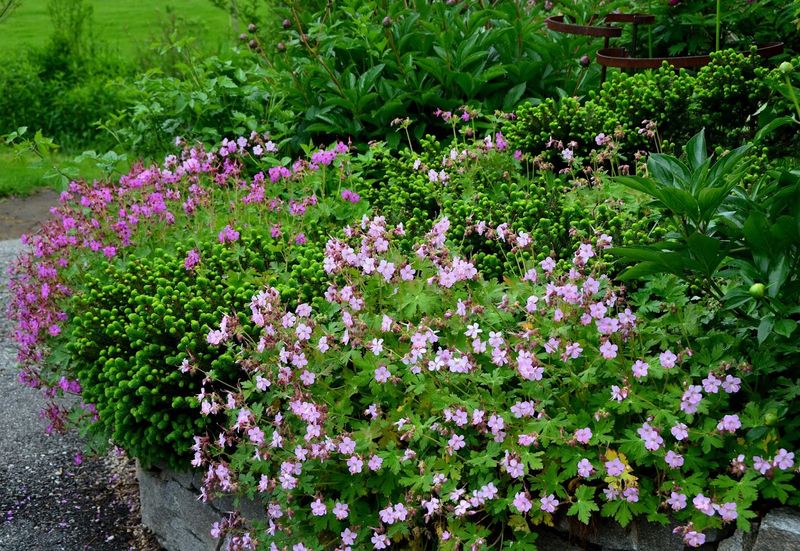
Gardeners sometimes call bigroot geranium a plant bulldozer, and they mean it kindly.
Unlike the potted geraniums on your porch, this hardy perennial spreads by thick rootstocks into a dense, aromatic carpet that weeds can’t push through. It handles dry shade under trees, one of the toughest spots in any yard.
Pink or white flowers show up in late spring.
Brush the leaves and you’ll smell a spicy scent. Divide clumps every few years to fill new bare areas for free.
10. Liriope (Monkey Grass)
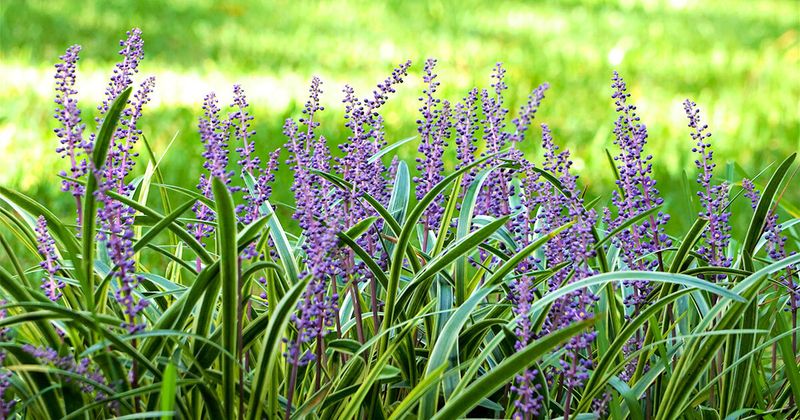
Walk through almost any Southern neighborhood and you’ll spot liriope lining sidewalks. There’s a reason it’s everywhere.
Its grassy leaves form a living mulch that keeps weeds from settling in, and purple flower spikes add late-summer color. It shrugs off drought once rooted.
Liriope muscari stays in tidy clumps, while Liriope spicata spreads and covers more ground.
Pick muscari for edging and spicata for filling big areas. Mow or cut old foliage back in late winter for fresh spring growth.
11. Foamflower
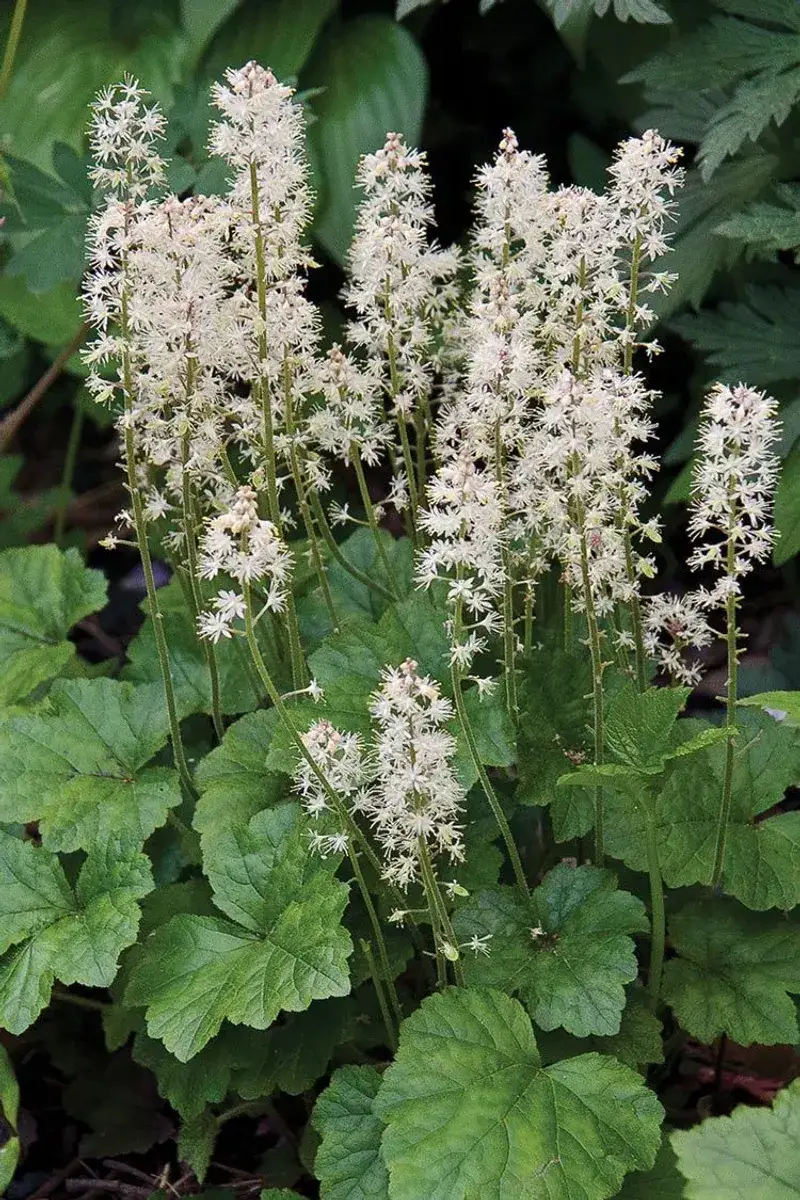
In April, foamflower looks like someone sprinkled sea foam across the garden.
Frothy white to pink spikes rise above lobed leaves that often carry dark veins and turn reddish in fall. This native forms a semi-evergreen cover that crowds out weeds.
Deer and rabbits tend to pass it by.
Give it moist, well-drained soil rich in compost. Running types spread faster, so look for those if coverage is your main goal.
12. Wild Ginger
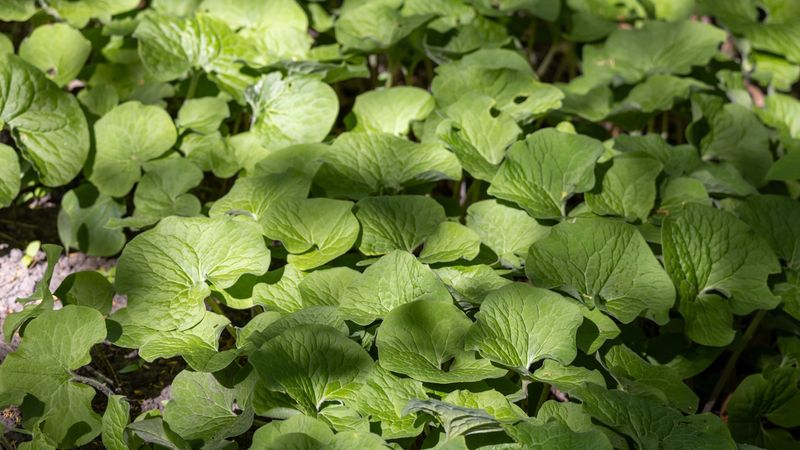
Patience pays with wild ginger. It’s a slow spreader, but the result is worth the wait.
Heart-shaped, velvety leaves overlap into a dense carpet that keeps weeds out of small, defined spaces. Fun fact: its odd maroon flowers hide at ground level, where beetles and flies help pollinate them.
Despite the name, it isn’t the ginger in your kitchen.
Use it in a smaller corner or along a path. Plant pieces closer together for faster fill.
13. Goldenstar
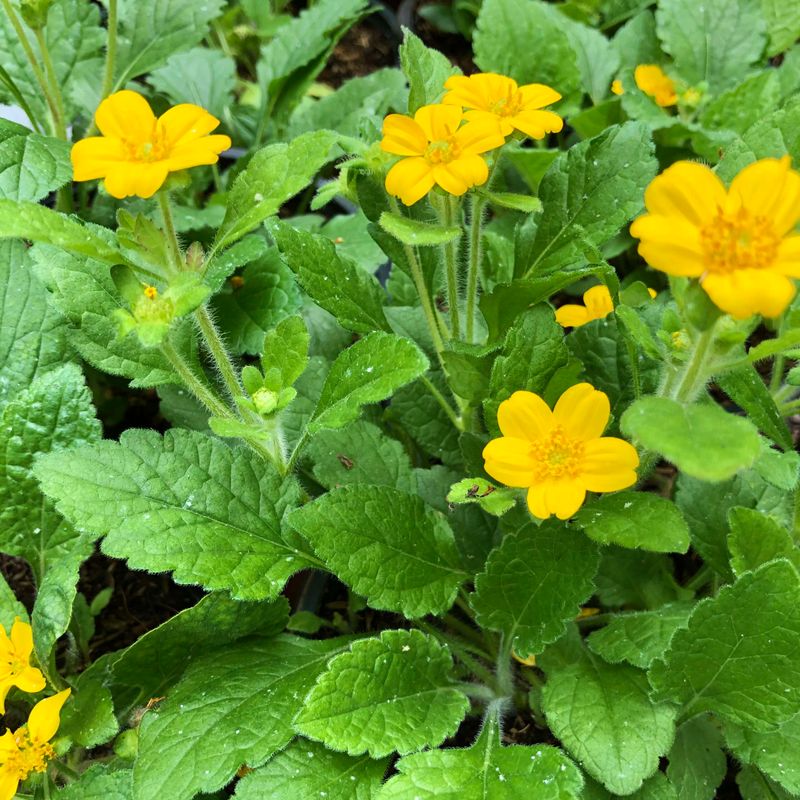
Shade gardens can feel short on sunshine, so why not plant some?
Goldenstar opens bright yellow, daisy-like flowers in spring, sometimes repeating into fall. This native forms a low, semi-evergreen mat that suppresses weeds under trees and in rock gardens.
It brings cheer to spots that usually feel gloomy.
Good drainage keeps it happy. Mix it with ferns or foamflower for a layered, weed-resistant bed that mostly takes care of itself, giving you your weekends back.