
If You Want A Full Spring Garden On A Budget, Here Are 17 Cheap Flowers To Sow This Fall
A packed spring garden does not have to cost a fortune. The secret is timing, because many flowers actually grow better when you plant them in fall instead of spring.
Cold winter weather wakes up bulbs and helps tough seeds sprout, so you get stronger plants and earlier blooms. A few seed packets and a bag of bulbs this fall can turn bare dirt into a sea of color by April.
1. Tulips

Picture a cold October afternoon, a trowel, and a paper bag of bulbs that cost less than a pizza. Come April, that bag becomes a wall of red, pink, and gold.
Tulips are the classic reward for a little fall effort.
Plant them after your first frost, once soil cools below 60 degrees F but before it freezes hard. Dig about 6 to 8 inches deep, pointy end up, and space them a few inches apart.
Bulk bags of mixed tulips are often far cheaper per bulb than single named varieties.
One honest warning: many hybrid tulips fade after a year or two. If you want them to come back, look for species tulips or Darwin hybrids, which tend to return more reliably.
2. Daffodils
Deer walk right past them. Squirrels leave them alone.
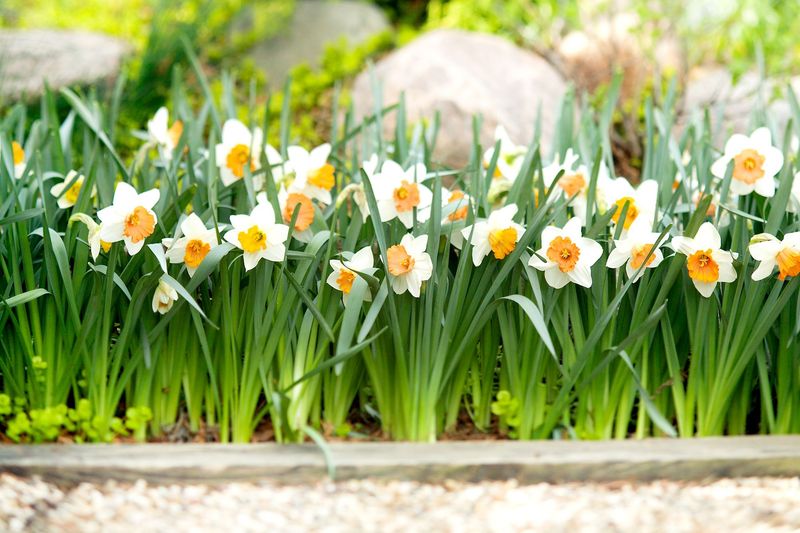
Daffodils might be the most budget-friendly bulb you can buy, simply because they rarely get eaten and they keep coming back.
Better yet, they multiply. A clump of five bulbs can turn into twenty over a few years, which means your money keeps working long after planting day.
Set them about 6 inches deep in a sunny spot with decent drainage.
After they bloom, resist the urge to cut the leaves right away. Those floppy green leaves feed the bulb for next year, so let them yellow before you tidy up.
3. Hyacinths
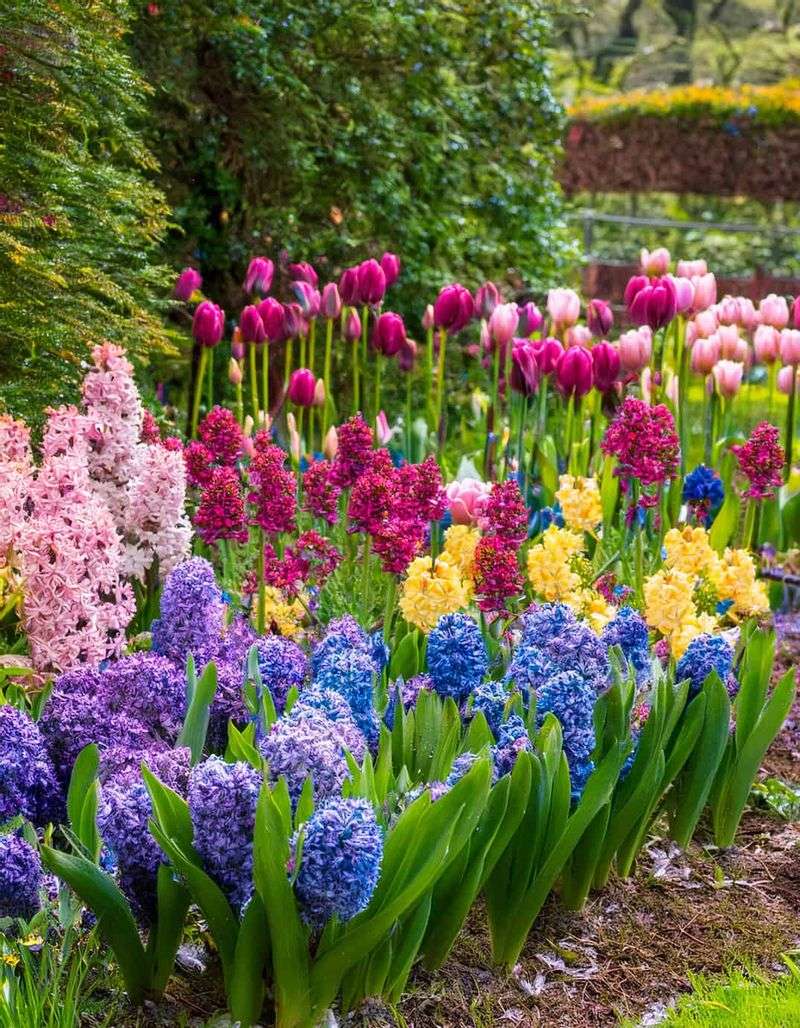
You will smell them before you see them. Hyacinths pack so much perfume into one chunky spike that a single cluster by the door can scent your whole entryway.
Plant them about 6 inches deep in fall, in groups of three or five for the best show. They also do well in pots, so renters and patio gardeners can join in.
Wear gloves when handling the bulbs, since they can make some people itchy. Expect the flower spikes to get a bit looser in later years, which many gardeners actually find prettier.
4. Crocus
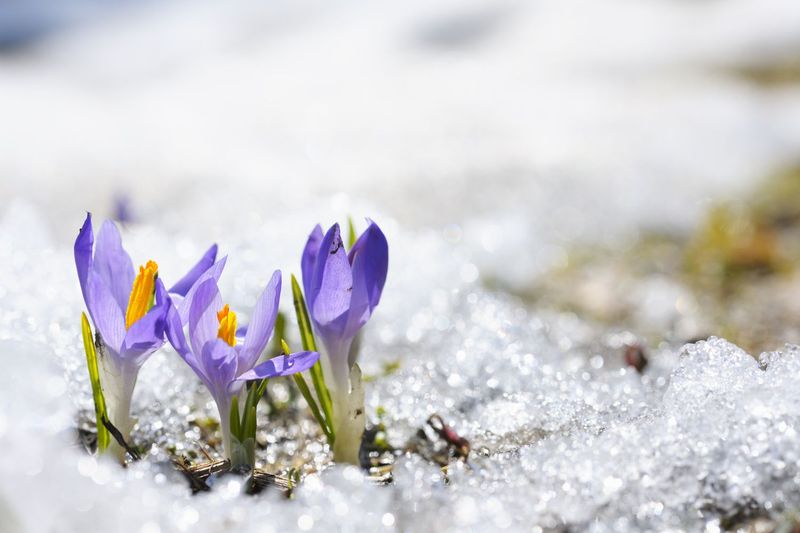
Spotting a purple crocus pushing through leftover snow feels like getting a postcard from spring. These little bulbs are often the very first color in the yard, sometimes in February.
Crocus bulbs are tiny and cheap, so you can buy them by the hundred. Plant them just 3 to 4 inches deep, even right into the lawn, and they will spread over the years.
Early bees love them too, since there is not much else to eat that time of year. If squirrels dig them up, a little chicken wire over the planting spot may help.
5. Alliums
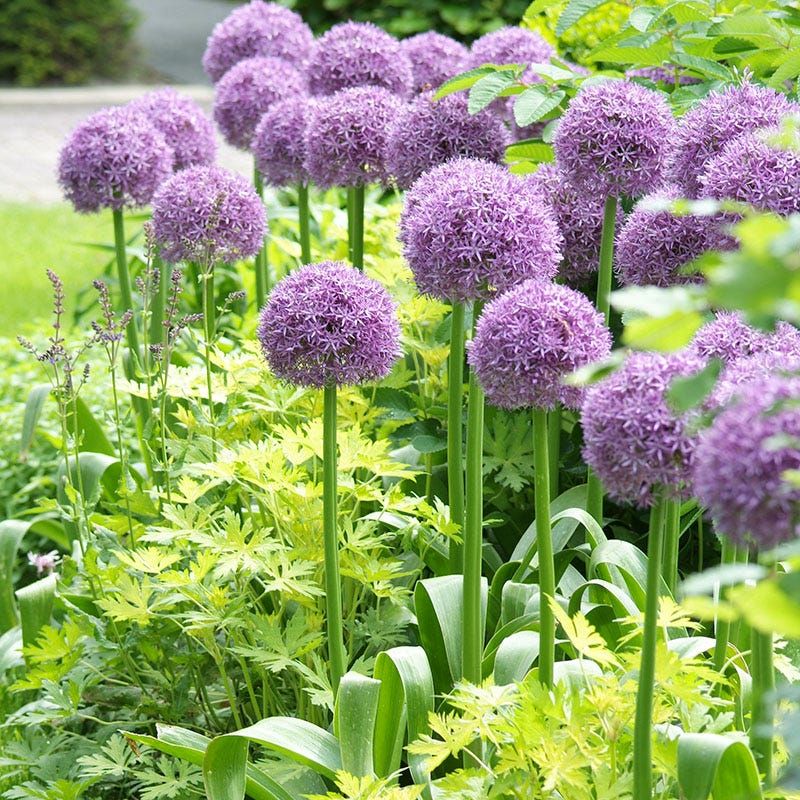
Ever notice that awkward lull when tulips are done but summer flowers have not started? Alliums fill that gap with big purple globes that look like fireworks on sticks.
They are ornamental onions, so deer and rabbits usually leave them be. Smaller types like drumstick allium are very affordable and still give you plenty of drama.
Plant them about three times as deep as the bulb is tall.
Once the flowers fade, the dried seed heads stay standing and look great well into summer. Leave them up for free garden decor.
6. Grape Hyacinth
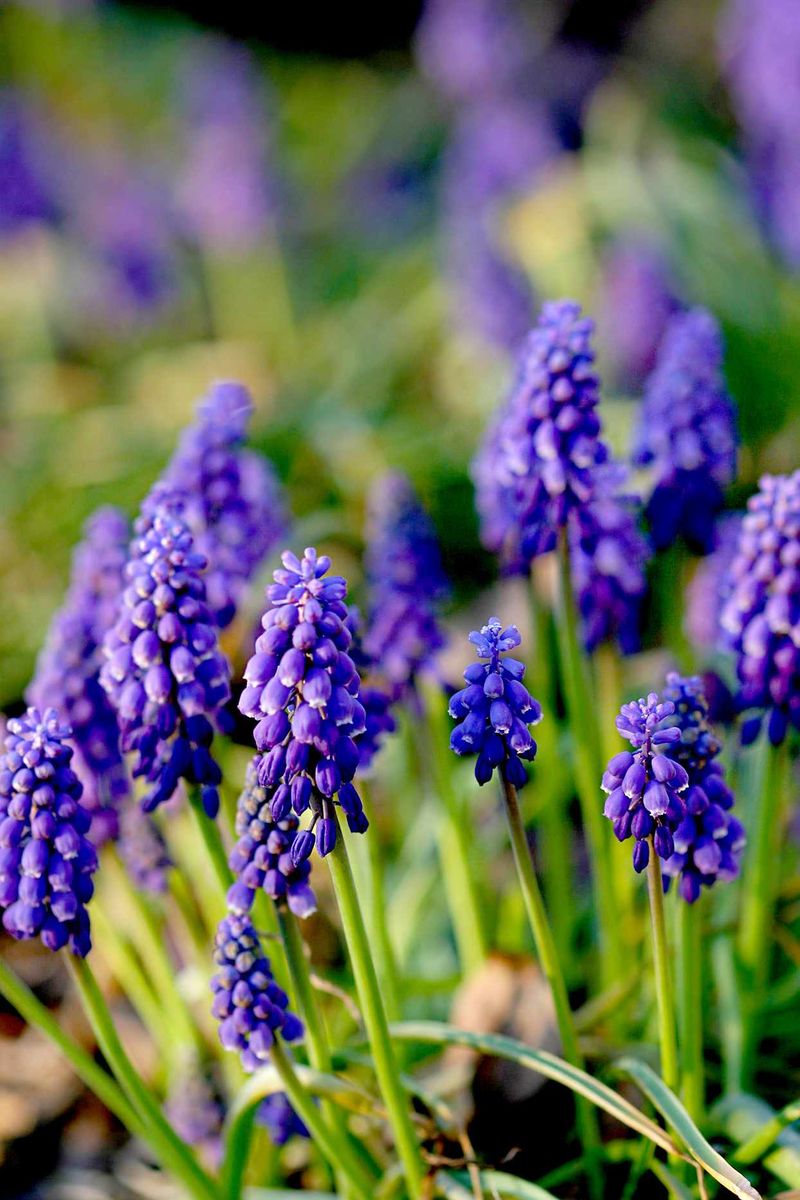
Here is a fun trick: plant a ribbon of grape hyacinths along a path and it looks like a little blue stream every April. Muscari are small, but they show up in a big way.
They are some of the easiest bulbs around. Pop them in about 3 inches deep, and they spread on their own, filling in gaps year after year.
Pair them under tulips or daffodils for a layered look that costs very little. Their grassy leaves often appear in fall, which is totally normal and nothing to worry about.
7. Bachelor’s Buttons
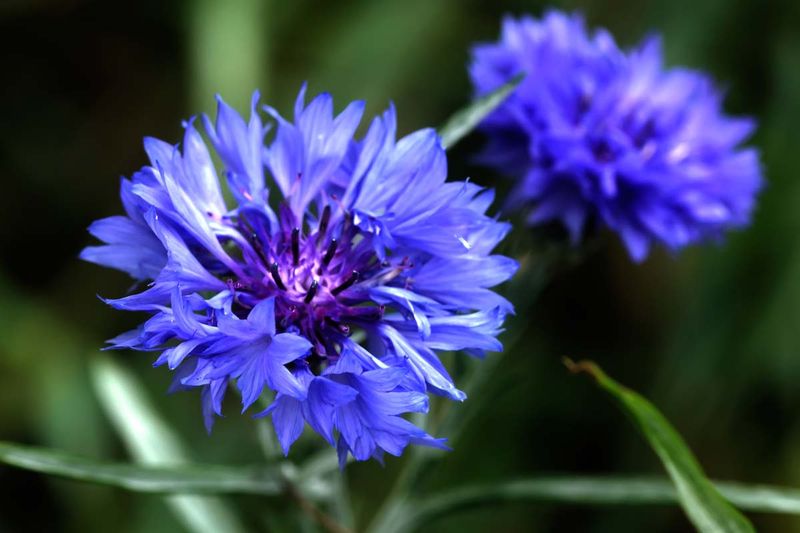
Grandma probably grew these, and for good reason. Bachelor’s buttons, also called cornflowers, are tough, cheerful, and almost impossible to mess up.
Scatter the seeds in fall on loosened soil and press them in lightly. They sprout, sit tight through winter, and bloom earlier than spring-sown plants.
That true blue color is rare in the flower world. Cut a few for a vase, and the plant will keep making more.
8. Larkspur
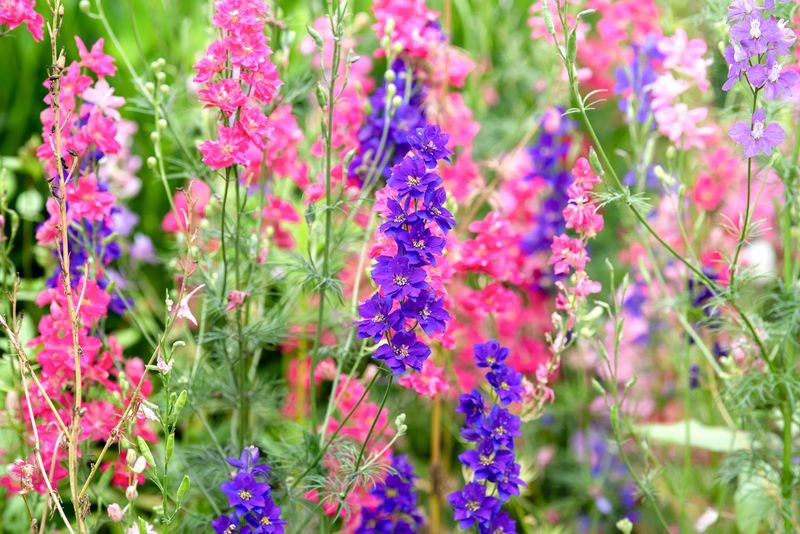
Larkspur is a little picky, but in a way that helps you. Its seeds actually need cold to sprout well, which makes fall the perfect time to sow.
Toss the seeds where you want them to grow, since larkspur dislikes being moved. By late spring you get tall spikes in blue, pink, and white that add height to the back of a bed.
Let a few go to seed, and they will often replant themselves next year for free. Keep in mind the plant is toxic if eaten, so site it away from curious pets.
9. Poppies
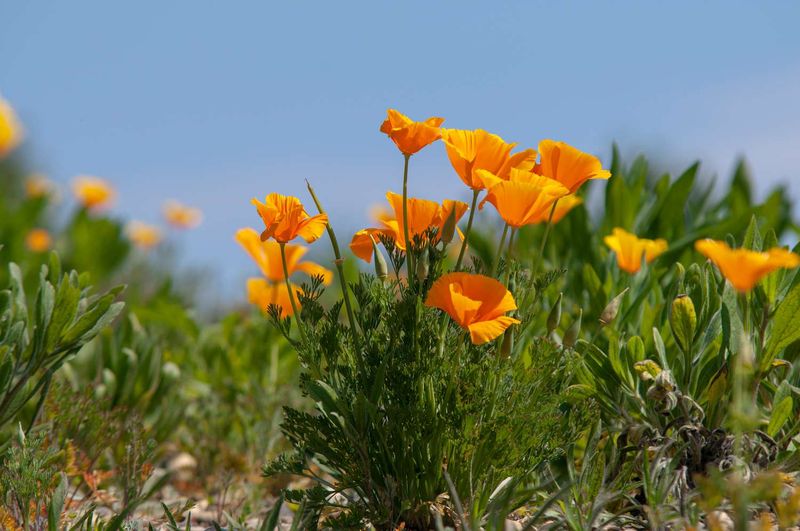
Some seeds want babying. Poppy seeds just want to be thrown on the ground and left alone.
California poppies and Iceland poppies both do great when sown in fall. The seeds are dust-tiny, so mix them with a little sand to spread them evenly, and do not bury them.
A single packet can cover a surprising amount of ground.
Their papery petals glow in the sun and close up on cloudy days. Like larkspur, they hate being transplanted, so sow them right where you want them.
10. Calendula
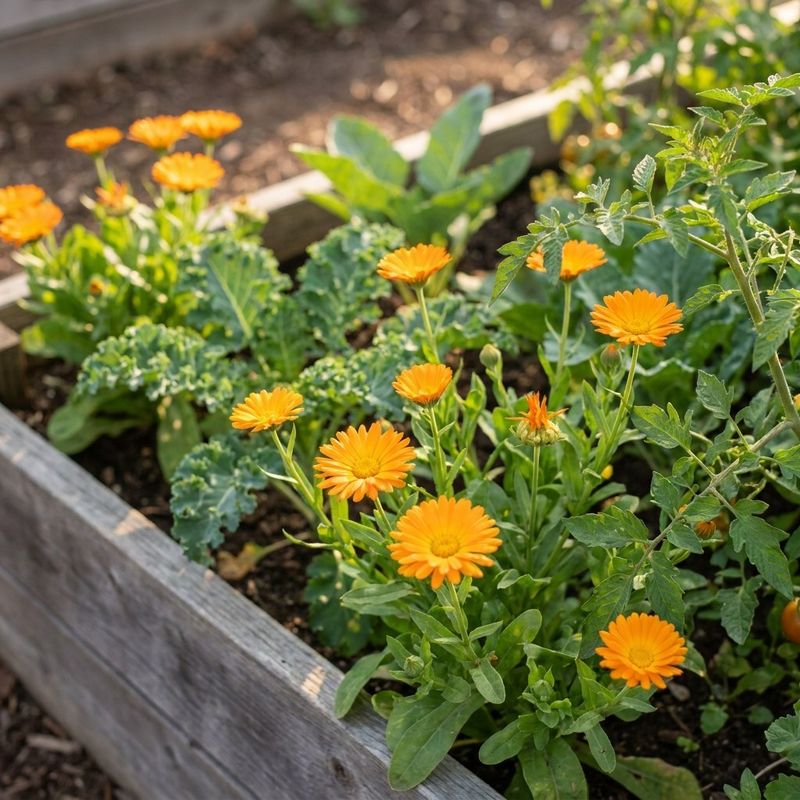
Calendula laughs at chilly weather. In milder parts of the country, fall-sown plants can even bloom through winter and keep going into spring.
Its sunny orange and gold flowers look great near vegetable beds. Seeds are large and easy to handle, which makes this a nice one to sow with kids.
Keep picking the spent blooms to encourage more. In hot summer areas it may slow down when temps climb, so enjoy it while the air is cool.
11. Sweet Peas
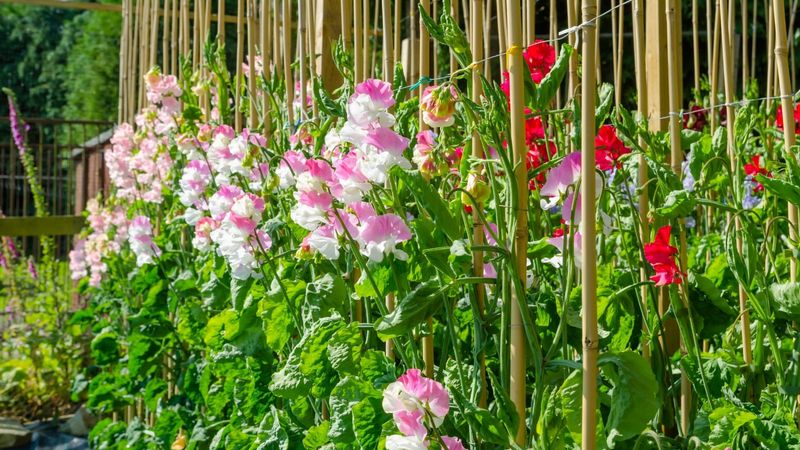
If you have ever sown sweet peas in spring and watched them fizzle in the heat, fall sowing may be your fix. Earlier roots mean earlier flowers, often before summer heat shuts them down.
In areas with mild winters, sow them directly in fall. In colder zones, try late winter instead or give them a sheltered spot.
Soaking the seeds overnight can help them sprout faster.
Give them a simple trellis or some string to climb. The more you cut, the more they bloom.
12. Love-in-a-Mist
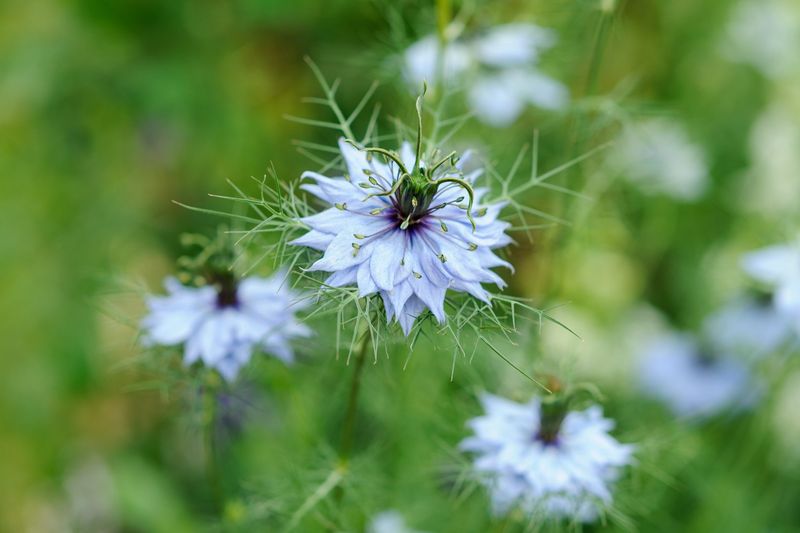
Love-in-a-mist gives you two shows for the price of one. First come lacy blue flowers wrapped in feathery leaves, then puffy striped seed pods that look like tiny balloons.
Sow nigella seeds in fall right where you want them. It is low-fuss and fills empty spaces between bulbs nicely.
The pods dry well for crafts.
Once it settles in, it tends to reseed itself. One packet can become a patch that keeps going for years.
13. Foxglove
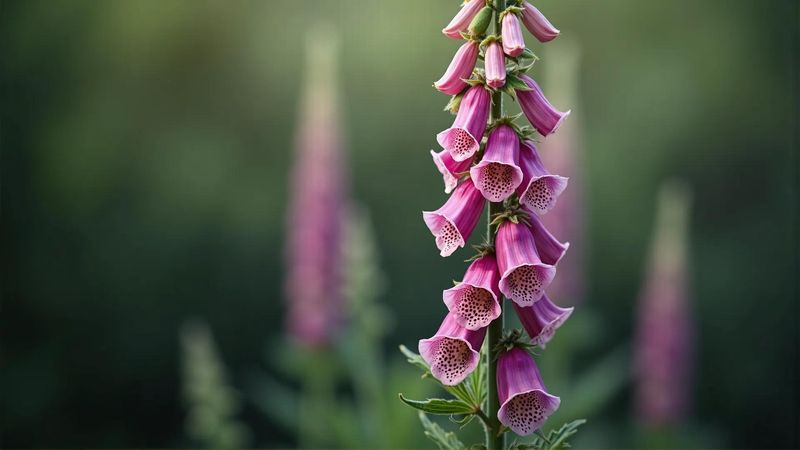
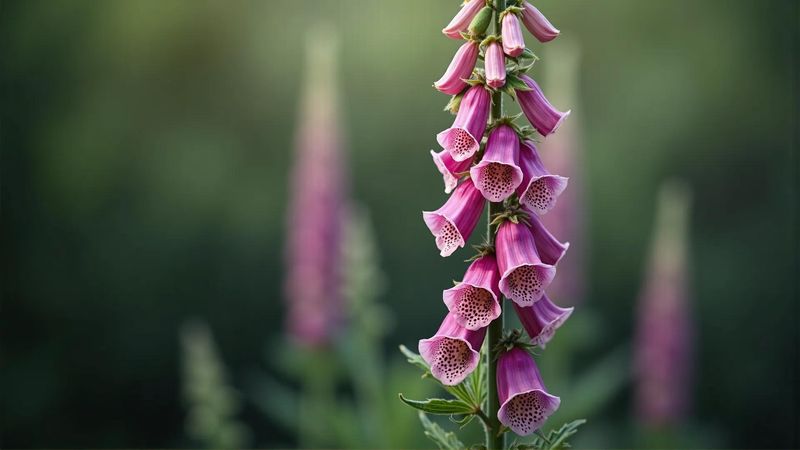
Patience pays off with foxgloves. Most are biennials, meaning they spend the first season building leaves and the second throwing up tall spires of speckled bells.
Sowing or planting small ones in fall gives them a head start toward blooming next spring or early summer. They handle part shade, which is handy for tricky corners.
All parts are toxic, so keep them away from kids and pets who nibble. Let some drop seed, and you will have a fresh crop every year.
14. Sweet Alyssum
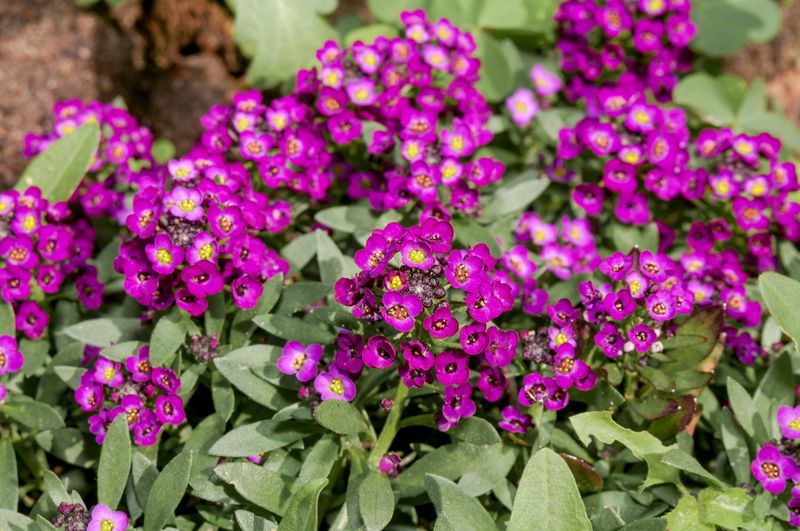
Think of sweet alyssum as the filler that ties everything together. It forms a soft, honey-scented carpet that spills over edges and covers bare soil.
In mild winter areas, fall-sown alyssum can bloom early and hard. Just press the tiny seeds onto the soil surface, since they need light to sprout.
If it gets leggy in summer, give it a haircut and it will bounce back. Small helpful insects love it too.
15. Hollyhock
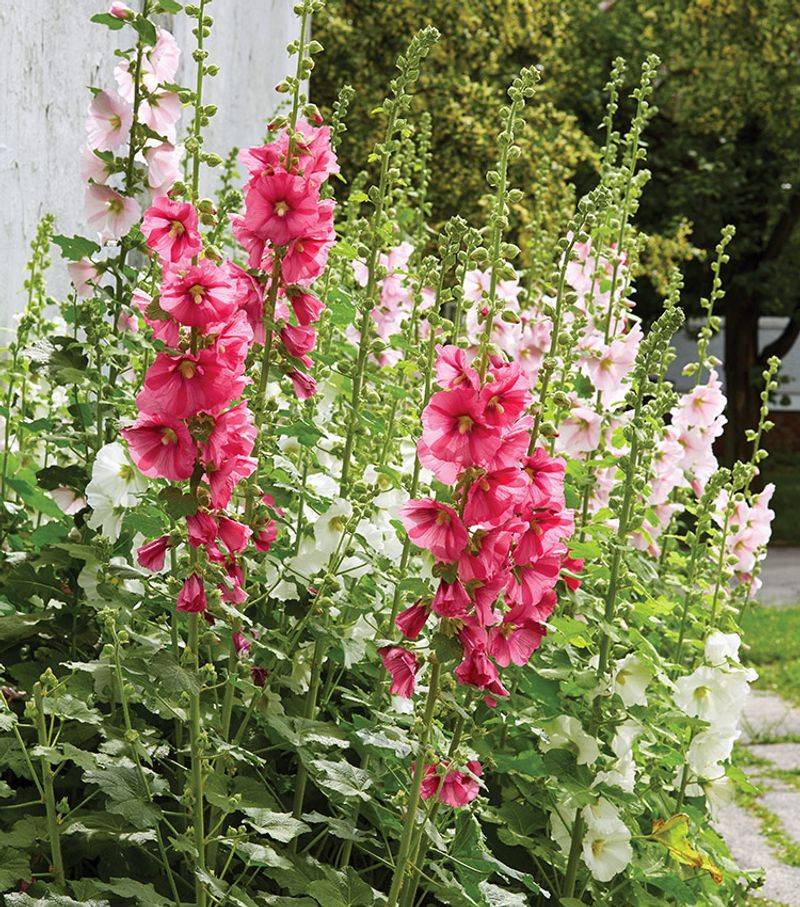
Planted hollyhocks last spring and got only leaves? That is a common worry, and it is usually just timing.
Hollyhocks often bloom in their second year, so fall sowing can help close that gap.
Sow seeds in fall in full sun with good drainage. They will build roots over winter and have a better shot at flowering the next season.
Place them by a fence or wall, since tall stalks may need support.
Watch for rust, which shows as orange spots on leaves. Good airflow and removing spotted leaves early can reduce the problem.
16. Pansy
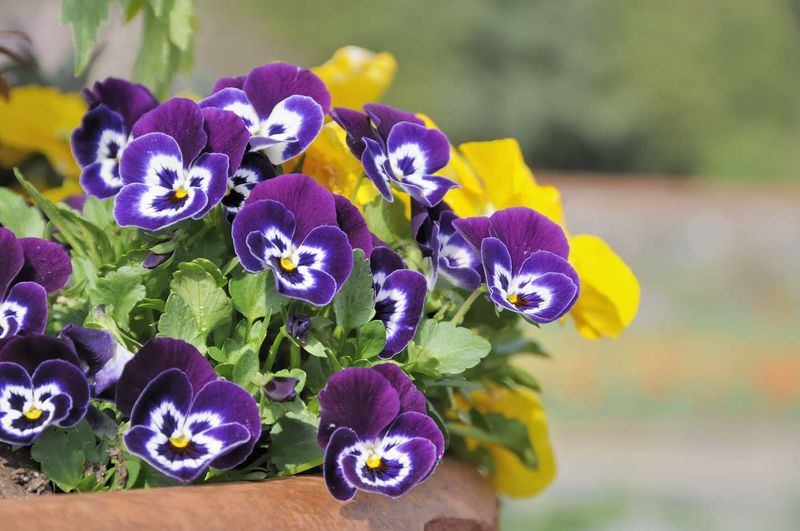
Few flowers bounce back from frost quite like pansies. Their little faces may droop on a freezing morning, then perk right up once the sun hits.
Fall-planted pansies settle in and often bloom on and off through winter in milder zones. Cheap flats from the garden center go a long way in pots and borders.
Pinch off faded flowers to keep them going. They fade in summer heat, which is the natural time to swap in warm-season plants.
17. Coreopsis
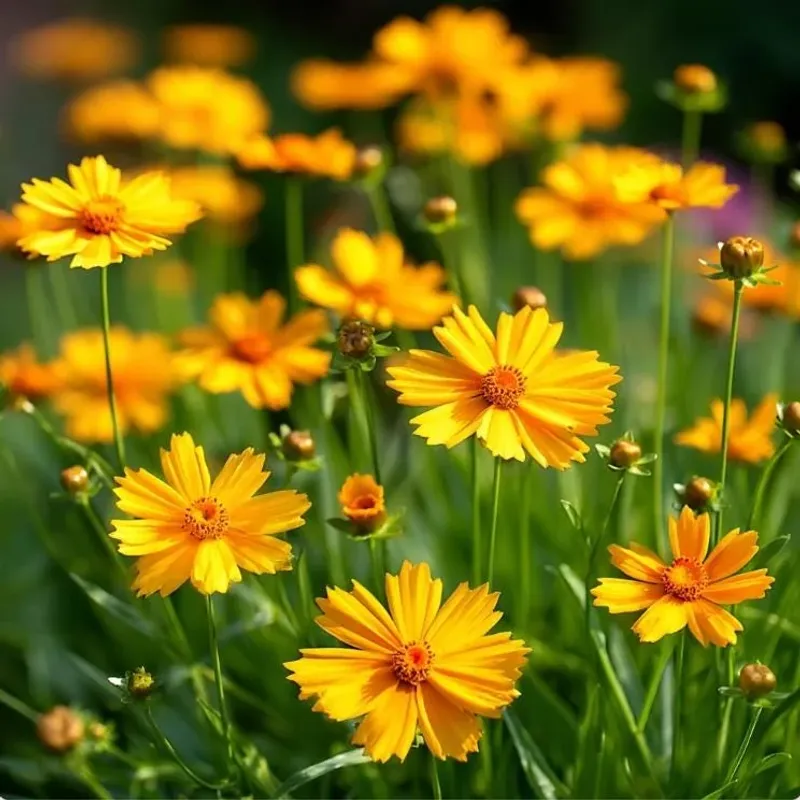
Hot, dry spot where everything else struggles? Coreopsis is your answer.
This golden flower shrugs off heat and drought better than many popular bedding plants.
Sowing seeds in fall lets them get a jump on the season, which can lead to surprisingly early blooms. Scatter on bare soil and press lightly.
Deadhead now and then to keep flowers coming all summer. It is a smart, cheap way to fill sun-baked corners.