
Thyme Near Brassicas in North Carolina: A Possible Companion, Not a Cabbage Worm Shield
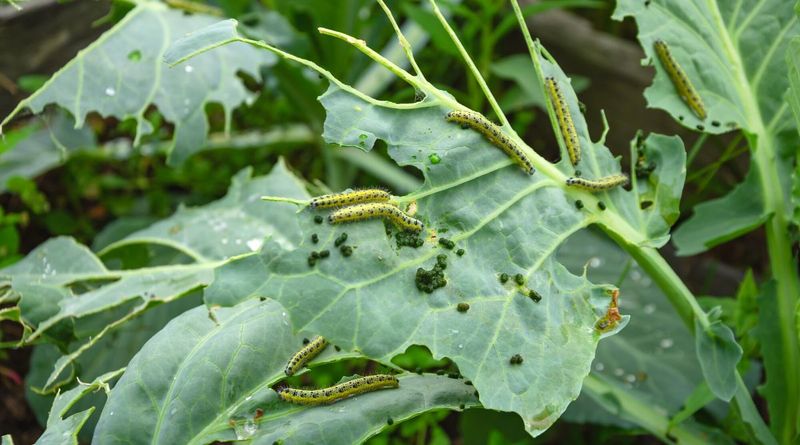
Few things sting like walking out to your fall broccoli and finding leaves full of holes. Many North Carolina gardeners tuck common thyme between their brassicas and hope the caterpillars stay away.
Thyme is a handy herb with some real perks, but it is not a guaranteed pest fix. Here is what the research says, and what actually protects your plants.
Thyme can share a bed with brassicas, but it is not a shield
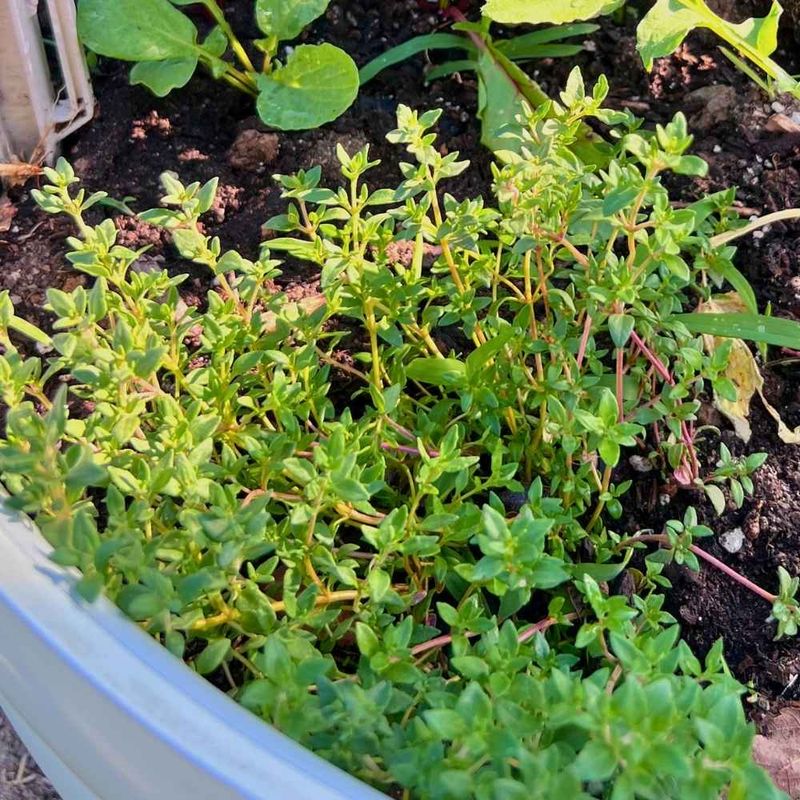
Common thyme (Thymus vulgaris) is a small, woody Mediterranean herb that does best in full sun and well-drained soil. NC State’s Plant Toolbox lists it as hardy in zones 5 through 9, which covers the mountains, the Piedmont, and the Coastal Plain.
If your bed drains well and gets plenty of light, thyme will likely settle in.
Gardeners often plant it near cabbage, broccoli, and kale hoping it will confuse or discourage pests. Maybe it will in some yards.
But nobody has shown that it works reliably, and the idea is better treated as a bonus than a plan.
Extension guidance such as this University of Minnesota companion planting overview makes a similar point: companion planting stories are popular, but results vary a lot from garden to garden.
So go ahead and tuck thyme along a bed edge or in a nearby pot if you like it for the kitchen. Just do not set a spacing rule or count on a set number of plants per cabbage, because no tested recipe exists for backyards.
Think of thyme as a useful herb first, and any pest benefit as a maybe.
The thyme trials point to possibility, not a reliable recipe
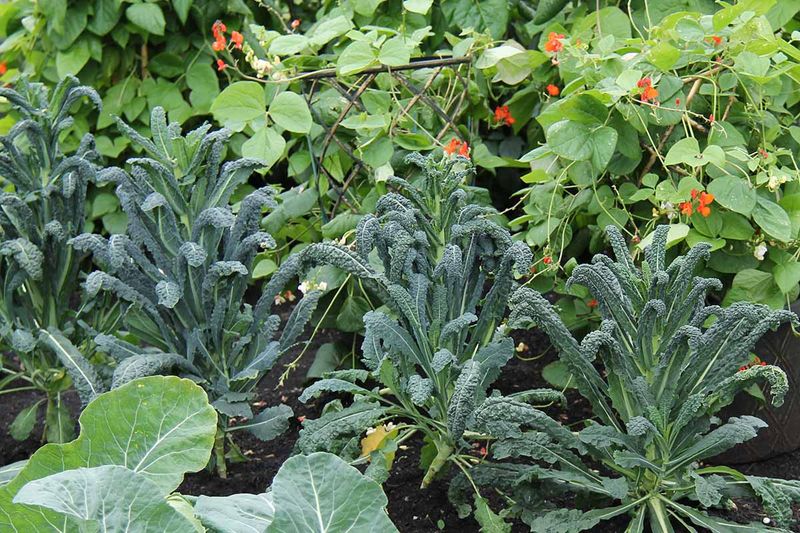
One encouraging result comes from an Iowa State research farm report. It found less caterpillar damage in some broccoli, cauliflower, and cabbage plots paired with thyme.
But the trial was small, with only two replications, it used specific planting arrangements, and the season was unusually wet.
That is a long way from a home garden recipe. The damage varied by crop and by setup, so it is not a clean story of thyme stopping caterpillars.
Now compare a Minnesota cabbage study. That peer-reviewed work interplanted thyme, rosemary, and nasturtium and usually saw no effect on pest numbers.
Its conclusion was that interplanting did not give effective pest suppression under those conditions.
A wider look comes from a cabbage intercropping meta-analysis. It found less pest injury overall, but also lower average cabbage yields.
Those results pool many companion plants and farming systems, so they say nothing specific about thyme.
Put together, thyme may help in some settings and do nothing in others. It cannot stand in for real crop protection.
Which caterpillar is chewing your brassicas?
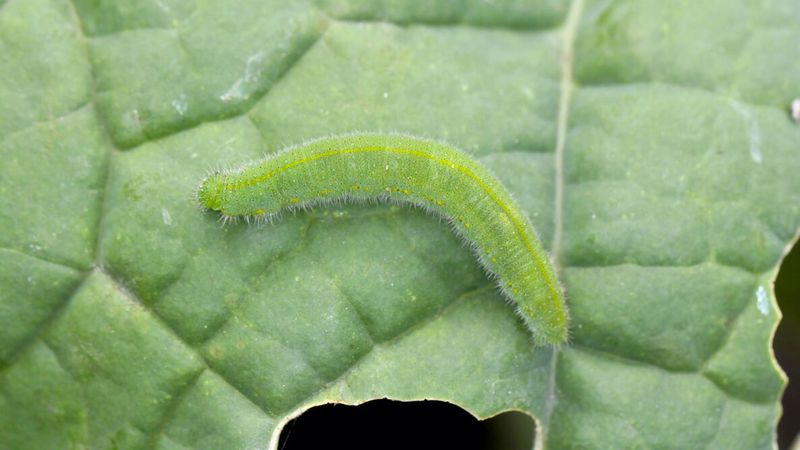
Gardeners say “cabbage worms” the way people say “bugs.” It covers several different caterpillars, and each one may react differently to your control choices. NC State Extension lists imported cabbageworm, cabbage looper, and diamondback moth among the caterpillars that attack North Carolina brassicas.
Their damage can look alike: ragged holes in leaves, droppings, and chewed heads or centers. Because of that, a hole-riddled leaf does not tell you which pest is at work, and it does not prove thyme is controlling any of them.
Try a quick routine every few days. Turn leaves over and look at the undersides, then peek into the plant’s center where young leaves unfold.
Look for small, pale, bullet-shaped eggs, which NC State describes for imported cabbageworm.
Knowing what you have helps you act sooner. Small green caterpillars can often be picked off by hand, and finding eggs early tells you it is time to protect the plants rather than wait for thyme to work.
Exclude egg-laying moths and check plants regularly
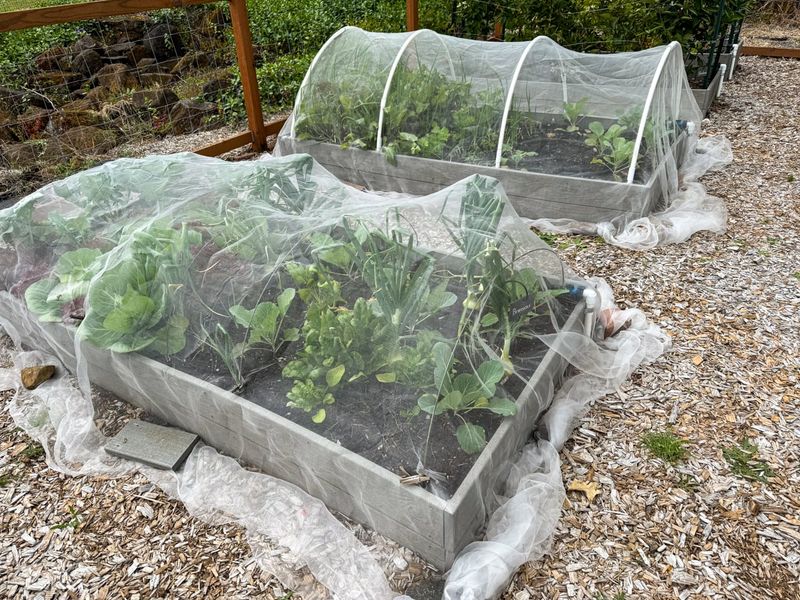
The adults are the first problem. Moths and butterflies fly in to lay eggs, and Utah State Extension’s imported cabbageworm guide notes that floating row covers can keep them out.
Set covers over the bed promptly after planting and secure every edge with soil, boards, or staples so nothing slips underneath.
Covers do not end your job. Lift a corner now and then to check plants beneath, since a caterpillar sealed in with your crop can feast in peace.
Keep inspecting and hand-pick caterpillars when you can, as NC State’s crucifer pest page lists hand removal among your options.
If caterpillars build up, Bt kurstaki is a targeted choice. Larvae have to eat it, and Utah State’s cabbage looper page explains it works best on young caterpillars with good coverage of the leaves.
Follow the product label closely.
Bt is not harmless to wildlife. UC IPM guidance points out that it can affect other moth and butterfly caterpillars.
Keep spray from drifting onto nearby butterfly host plants, and apply only where needed.
No tactic guarantees perfect leaves. A few nibbles are normal, and the goal is a healthy harvest.
Plan fall brassicas around your part of North Carolina
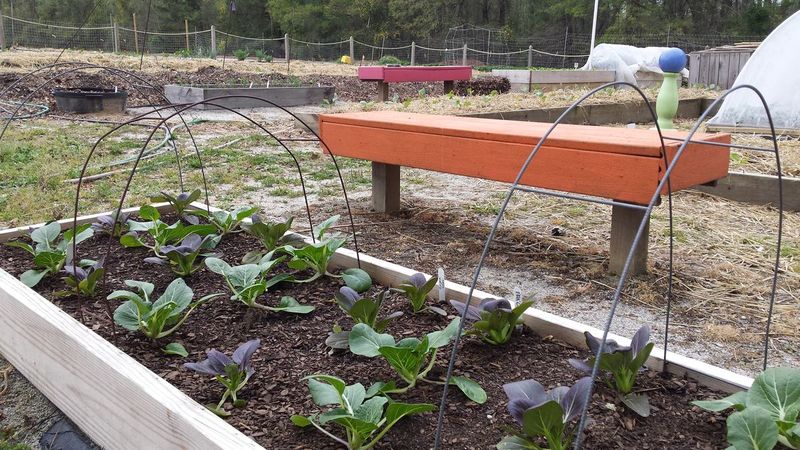
Fall gardens start in the heat. NC State’s vegetable gardening handbook treats August as the main fall-garden planting period, which surprises people who wait for cool weather.
August is a starting point, not a deadline for every plant. Adjust for your region, since western areas generally plant earlier and the Coastal Plain later than the Piedmont.
Also factor in the crop and your local first frost, because broccoli, kale, collards, and cabbage do not all follow the same schedule.
A mountain gardener in a cool pocket may be sowing while a coastal neighbor is still waiting out the heat. Check your own frost dates rather than borrowing a friend’s calendar from another county.
Planning ahead also helps with pests. Before transplants go in, have your row cover cut and ready, plus stakes or soil to hold the edges.
Then look the plants over in the first week, when eggs and tiny caterpillars are easiest to catch.
Thyme flowers offer nectar on a seasonal schedule
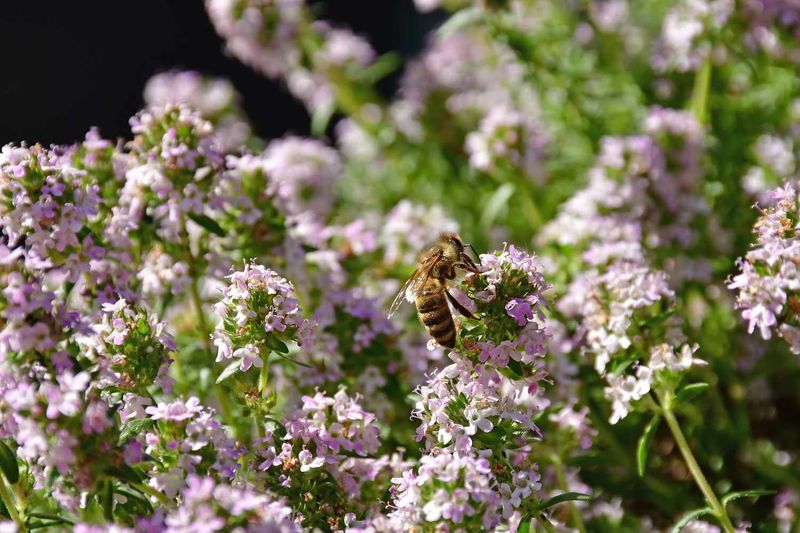
When thyme blooms, pollinators notice. NC State’s Plant Toolbox describes the flowers as rich in nectar and attractive to bees and butterflies, which is a real plus in a backyard that values wildlife.
The catch is timing. The same source lists common thyme as flowering in spring and summer.
A fall brassica bed planted in August or later may not overlap with those blooms, so do not count on thyme feeding bees all through autumn.
Overlap depends on your location, the weather, and the thyme cultivar, so watch your own plants and see what they do.
Think of thyme as one possible nectar source among many. It is a Mediterranean herb, not a North Carolina native, and it will not replace native flowers that your local bees and butterflies evolved alongside.
Pair it with native plants if you want support for pollinators across more of the year.
Let thyme complement a protection plan, not replace one
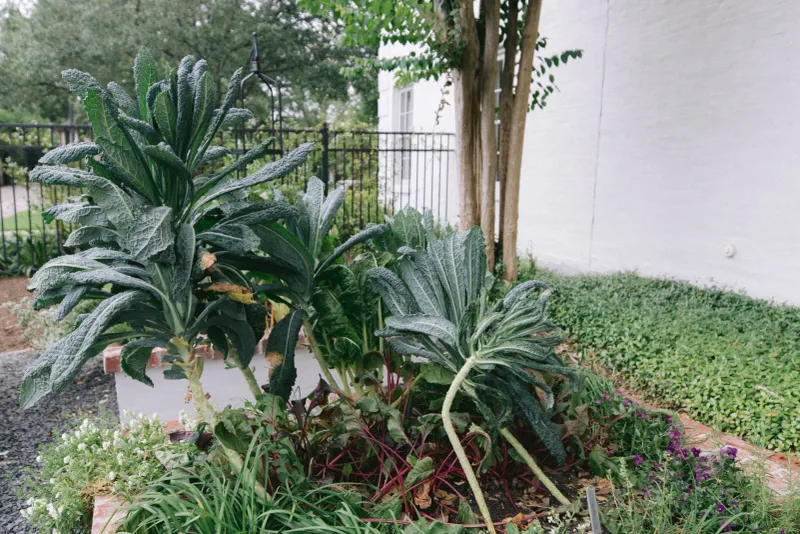
Plant thyme where it suits your site, in sun and well-drained soil, and enjoy it in the kitchen. If it also nudges caterpillars elsewhere, consider that a bonus, since the Iowa trial gave only a limited hint.
Time your fall planting to your region using NC State’s guidance, then cover plants early and keep checking them, as NC State’s pest guide advises. For the herb itself, see its Plant Toolbox page.
Thyme is a good herb to have around, but the cover and a sharp eye do the real protecting.