
What To Do After a Suspected Copperhead Bite While Working in Your North Carolina Yard
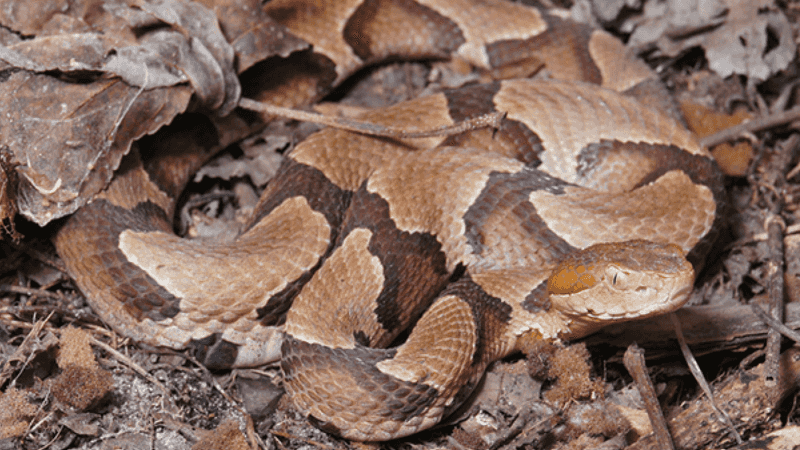
Raking leaves or stacking firewood feels like a normal fall chore. But a hand reaching into a leaf pile or under a log can sometimes meet a snake that was resting there.
If you think a copperhead has bitten you, what you do next matters. Here is a clear plan you can read now, long before you ever need it.
Call 911 for a suspected copperhead bite
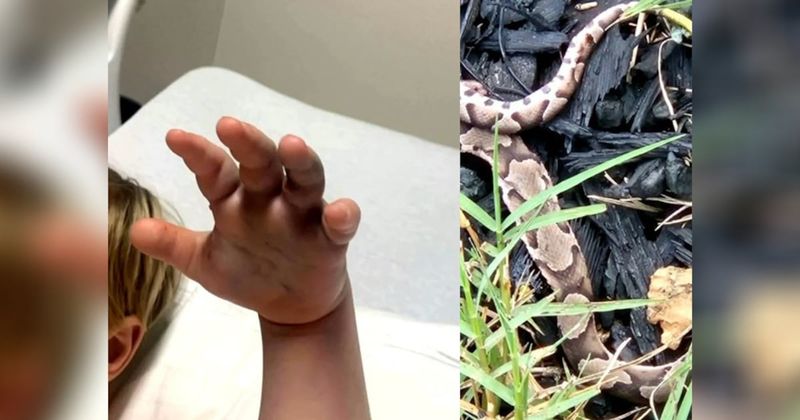
Call 911 right away if you think a copperhead bit you, and arrange emergency medical evaluation. You do not need to be sure what kind of snake it was.
The 2024 American Heart Association and American Red Cross first-aid guidelines advise activating emergency services for any venomous or possibly venomous snakebite.
Waiting to see whether symptoms show up is the wrong move. NC Poison Control advises healthcare evaluation or a call to the center for every suspected copperhead bite, and how serious a bite is may not be clear at first.
Skip the home remedies you may have heard about, too. Acting promptly and getting to a clinician is the goal.
North Carolina Poison Control can also give expert guidance at 1-800-222-1222. Think of that call as extra help, not a replacement.
Dial 911 first, or have someone nearby make both calls while you stay still and calm.
Move away from the snake and keep the bitten limb still
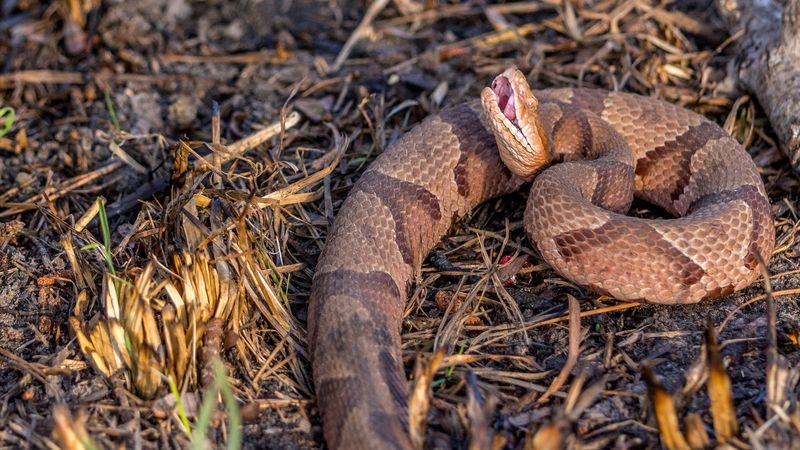
Once the bite happens, take a few calm steps away from the spot so the snake is no longer within reach. Most snakes want to leave, not fight.
Ask children, pets, and neighbors to keep clear as well.
Sit down and keep your body quiet. Less exertion is better, so skip pacing, running, or finishing the chore.
The AHA and Red Cross guidance says to rest and immobilize the bitten arm or leg, as long as doing so does not delay emergency care. Let the limb rest in a comfortable position instead of swinging free.
Do not drive yourself. CDC and NIOSH advice for outdoor workers is to avoid driving when emergency transport is available, so wait for the ambulance.
You also do not need to catch or kill the snake. Trying to do so can lead to another bite and is not needed for treatment.
A photo is optional, and only if you can take it safely from a distance without delaying care.
Remove rings and other tight items before swelling worsens
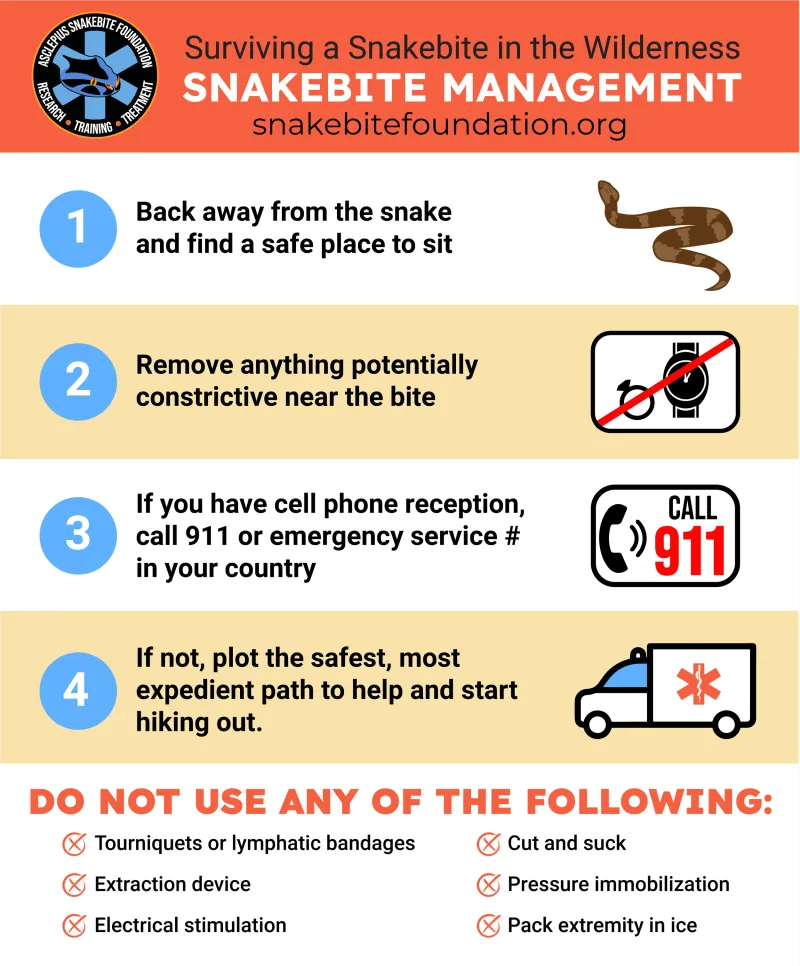
Swelling can build around a bite, and anything snug may start to squeeze. Slide off rings, watches, bracelets, and tight sleeves or cuffs near the bite as soon as it is safe to do so.
A ring that comes off easily now may need to be cut off later.
CDC and NIOSH guidance includes taking off constricting items, and the AHA and Red Cross guidelines point the same direction.
This takes only a moment, and a helper can do it for you. Make the 911 call first, and never let jewelry removal hold up the call or the ride to the hospital.
Use the waiting time for simple wound care
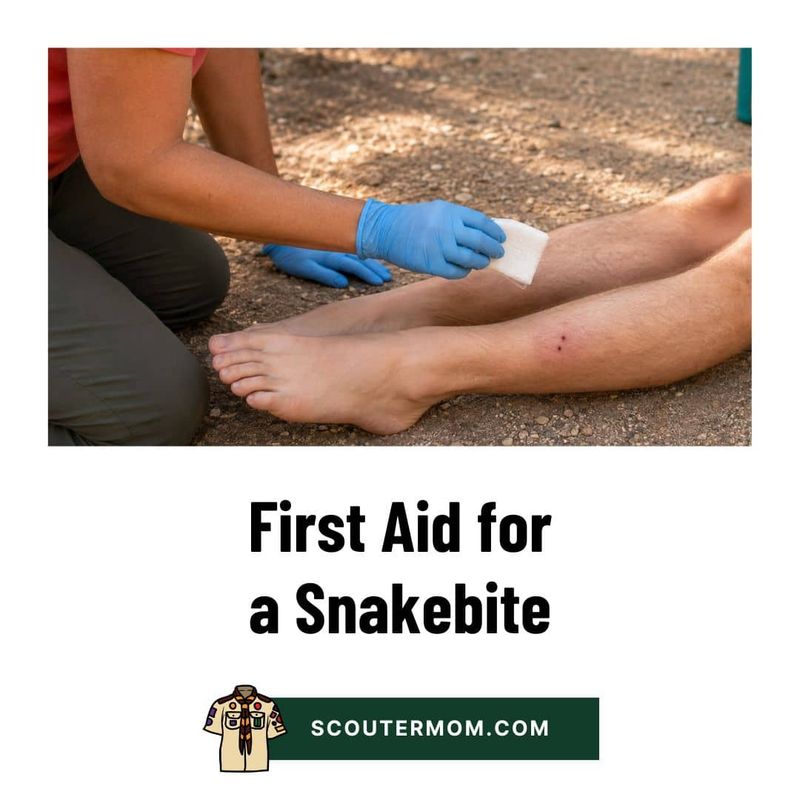
While you wait for help, a few small steps are fine. Gently wash the bite with soap and water, then cover it with a clean, dry dressing.
Keep it light and simple.
Next, have someone mark the edge of any swelling or tenderness on your skin with a pen and write the time beside it. CDC and NIOSH guidance lists these steps for people waiting on care.
Those marks give the medical team a useful record of how the area is changing.
Every one of these steps is optional compared with getting help. If washing or marking would slow down the 911 call or the ambulance, skip it and let the clinicians handle the wound.
Skip remedies that can make matters worse
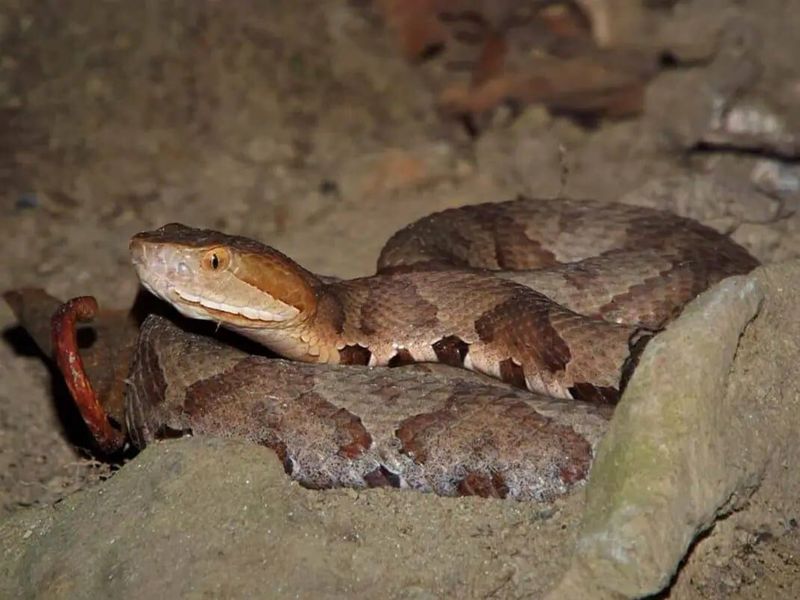
Folk cures sound dramatic, but none of them stop venom. Do not cut the bite.
Do not try to suck out venom, and do not use a suction device. Leave electric shock out of it entirely.
Skip ice and tourniquets too. The 2024 AHA and Red Cross guidelines describe suction, electric shock, and tourniquets as potentially harmful, and ice is unproven and may do harm.
CDC and NIOSH guidance also steers people away from these methods.
You may also see tight pressure-immobilization bandaging in videos or older guides. That advice was written for other regions and other snakes.
For North American snakebites, including a suspected copperhead bite, current guidance recommends against it because it may be harmful.
None of these actions replaces a medical exam. Trying them only costs time you should spend getting help.
Do not judge the bite by how it looks at first
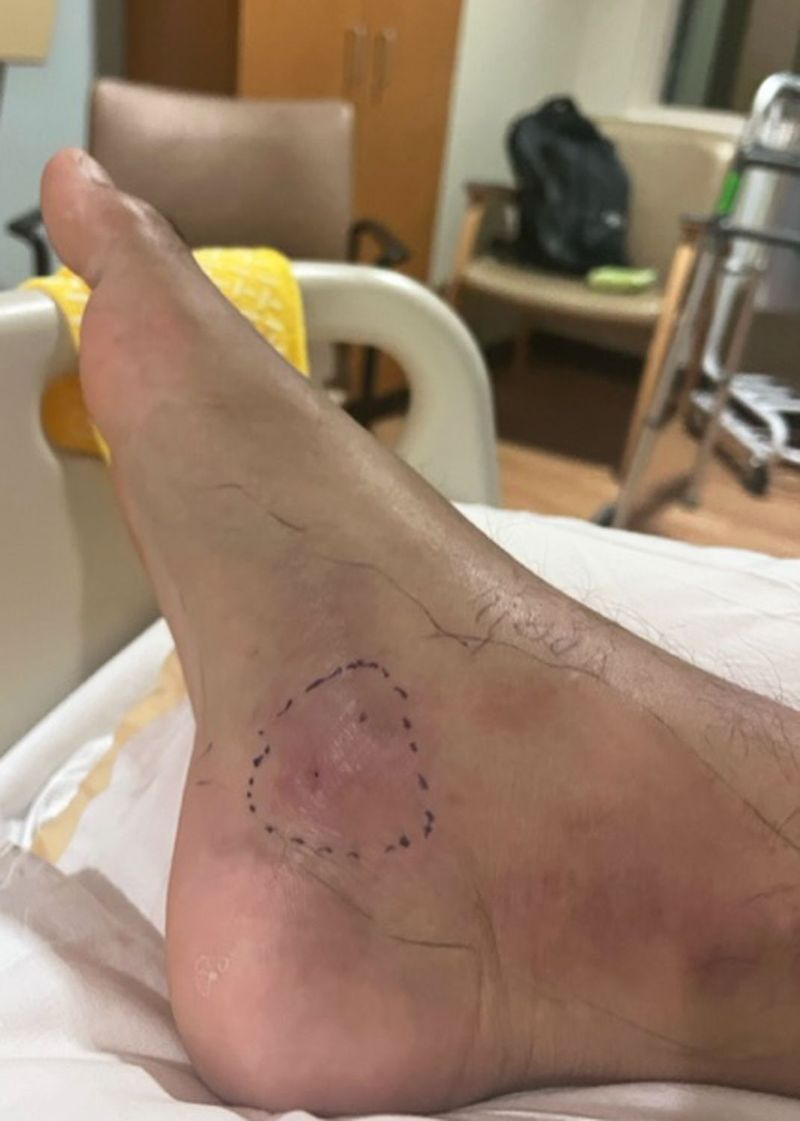
A bite that looks mild can fool you. Copperhead bites commonly cause pain and swelling near the bite, and bruising and redness can show up as well.
Some are milder than others, and NC Poison Control says about half of copperhead bites cause only mild swelling and pain. Serious effects are still possible.
Some bites may carry little or no venom, which people call a dry bite. You cannot reliably tell that at home, though.
Poison Control recommends evaluation or poison-center consultation for suspected copperhead bites, so a bite that seems small still deserves a medical exam.
Decisions about antivenom and other treatment belong to clinicians. They look at the wound, your symptoms, and how things change over time.
Not every bite needs antivenom, and no bite should be brushed off as harmless. Early looks, as first-aid guidance reminds us, do not show the full picture.
Fall yard work calls for awareness, not panic
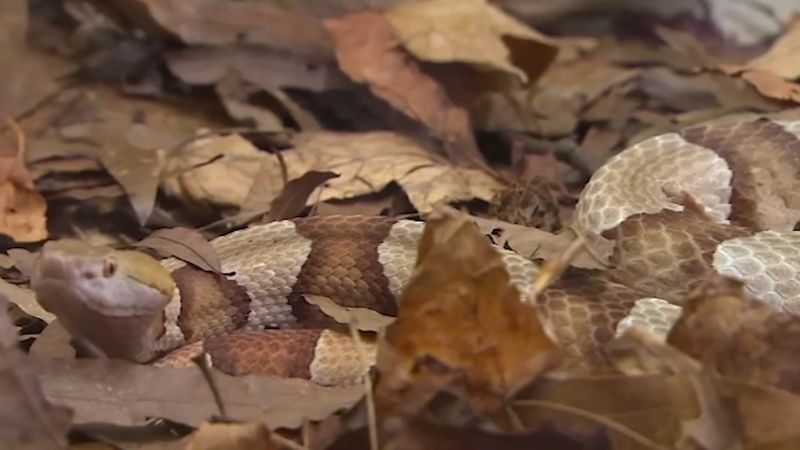
Snakes are part of a healthy North Carolina yard, and most will slip away if given room. NC State Extension notes that snakes are seen more often in spring and fall, when they look for food or move to and from winter shelter.
Extension’s backyard wildlife guide also lists leaf litter and downed logs as places snakes may shelter. That is a reason to pay attention while you rake or move wood.
It does not mean your yard has a copperhead or that a bite is likely.
Wear boots and gloves, use a rake or stick to move debris before reaching in, and look before you grab. If a bite does happen, let the 911 call and a medical exam be the plan, and leave the snake alone.
A careful look before every reach is a small habit that keeps both you and the wildlife safe.