
When to Take Down Your North Carolina Hummingbird Feeder: Timing and Local Sightings
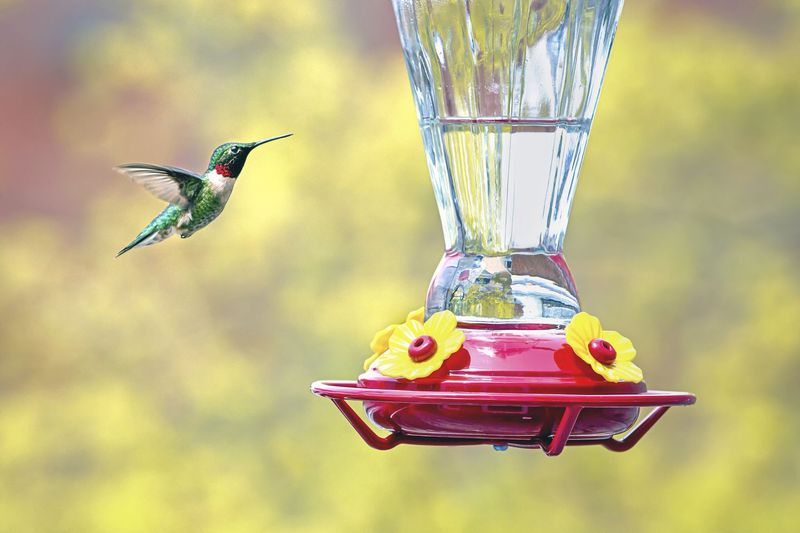
Your feeder is quiet for a few days, and the urge to tidy it away grows. But hummingbirds do not follow the calendar on your kitchen wall.
Knowing what they really do in North Carolina each fall helps you care for the birds that visit your yard, and it keeps your feeder safe and useful until the last one has moved on.
North Carolina’s hummingbird season can stretch into October
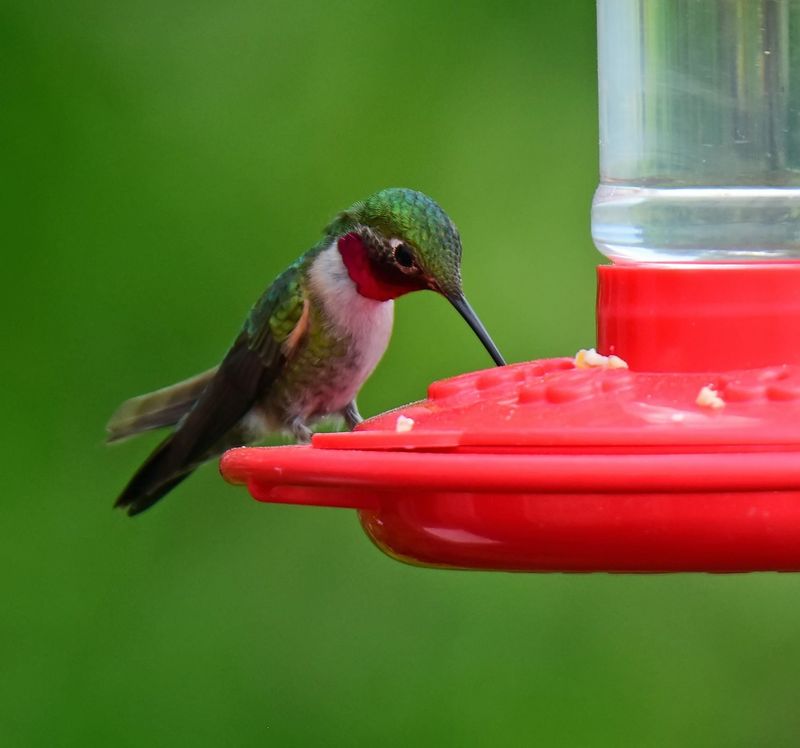
Late September can feel like the end of hummingbird season, yet the birds are still on the move. According to NC State Extension, most hummingbirds leave North Carolina by mid-October.
That means plenty of them are still around well after the summer crowd at your feeder has thinned out.
There is another reason October matters. The North Carolina Museum of Natural Sciences runs a project on the state’s hummingbirds, and Audubon North Carolina notes that birds from farther north can continue passing through the state during October.
A hummer at your feeder on a cool October morning may be a traveler on a long trip rather than one of your summer residents.
Think of this as a broad seasonal pattern, not a promise. Your yard in the Piedmont, a backyard near the coast, and a mountain porch near Asheville may each see different birds on different days.
Some yards will go quiet early, and others may get an unexpected visitor late.
Because of that, there is no single statewide date for taking a feeder down. Pulling it on the first of October because the calendar says so could mean removing a quick fuel stop just when a tired migrant needs one.
The better approach is to watch your own yard, which the next sections explain step by step.
Will a feeder hold a hummingbird back?
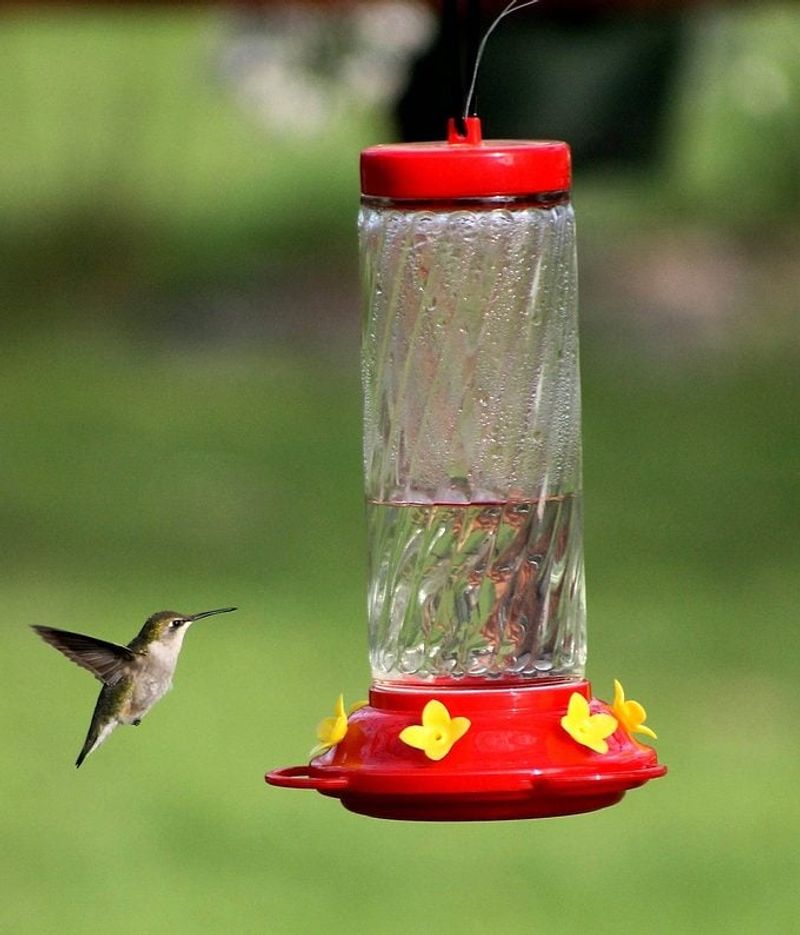
Plenty of backyard birders worry that a full feeder will trick hummingbirds into staying too long and getting caught by the cold. It sounds sensible, but it does not match how these birds work.
NC State Extension explains that ruby-throated hummingbirds migrate even when feeders are still available.
What sets them off is built in. Shorter days and changes in the season, along with their own body clocks, tell them when it is time to go.
A sugar-water feeder does not override that signal, so your nectar is not a trap.
The Cornell Lab of Ornithology says the same about fall feeding in general: leaving feeders out does not stop birds from migrating when they are ready.
So you do not have to choose between helping the birds and letting them go. A feeder can sit in your yard as a refueling stop while the birds still answer the call to head south.
If a hummingbird leaves, it is following its own schedule, and the feeder was never what held it there.
Let your last sighting set the cleanup date
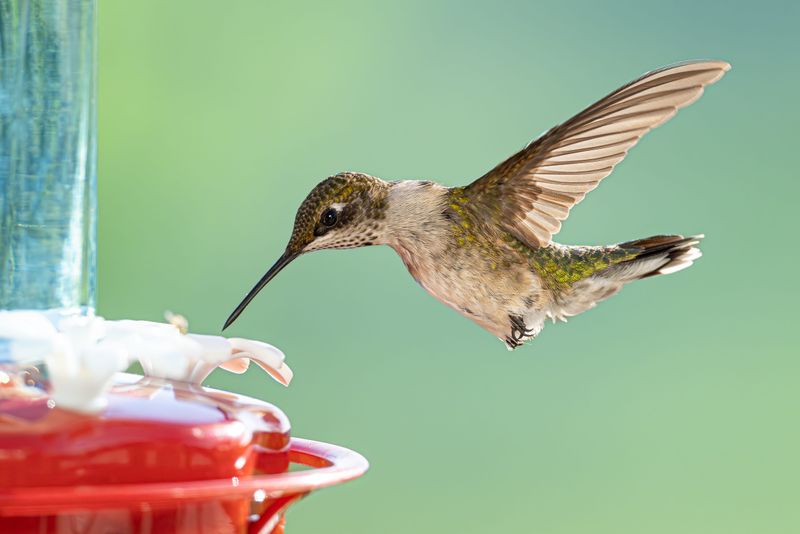
Instead of picking a date, pick a signal: the last hummingbird you see. Keep the feeder filled and clean while birds are visiting.
Once they stop showing up, Audubon recommends leaving it up for about two weeks after the last bird is seen.
Cornell takes a slightly longer view. The Cornell Lab advises leaving feeders up for several weeks after the last hummingbird leaves the area.
These two recommendations are not identical, so treat them as a range rather than one fixed rule.
Your last sighting is useful because it reflects what is really happening around your own home. Weather, nearby flowers, and your spot in the state all shape when birds pass through.
A neighbor three counties away may have a very different timeline.
A simple habit helps. Jot the date of each hummingbird you see on a calendar near the kitchen window.
When the sightings stop, count forward at least two weeks, and consider stretching toward a few weeks if you want to be generous toward a straggler. Then clean the feeder well and store it for next spring.
A winter visitor is not automatically a Rufous
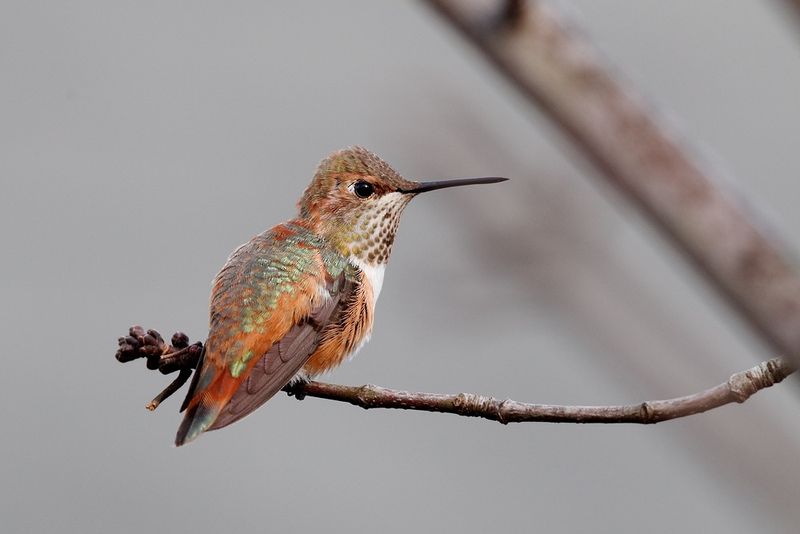
Spotting a hummingbird in December is exciting, but it is not the same as spotting one in October. Late migrants are simply slow travelers heading south.
A winter bird is something else. The North Carolina Museum of Natural Sciences calls unusual winter birds vagrants, meaning birds outside their expected range or not migrating south as expected.
It helps to know that the ruby-throated is the only hummingbird that breeds in the eastern United States. So a winter hummer in North Carolina stands out and deserves attention.
Rufous hummingbirds are one species that can turn up. The Carolina Bird Club describes them as rare late-fall and winter visitors, and how often they appear varies by region.
A Christmas Bird Count report from Audubon documented six Rufous hummingbirds in one count season, which shows they occur but does not mean they are common.
Do not assume every late bird is a Rufous, because other species can look similar. If you see an unexpected hummingbird in winter, take clear photos and report it to the North Carolina Museum of Natural Sciences.
Their project documents these birds with photographs and banding, and experts can confirm the identity instead of anyone guessing.
Fresh nectar and a clean feeder matter through fall
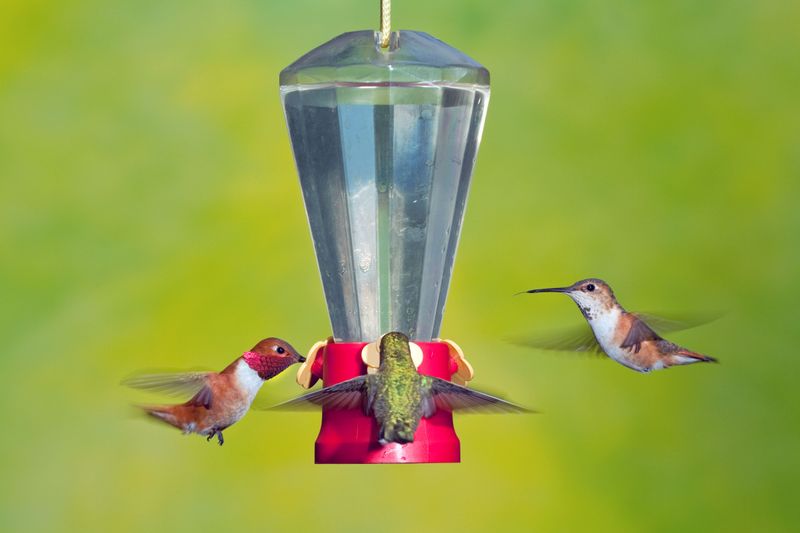
A feeder that stays up later needs to stay clean. The standard recipe is one part white sugar to four parts water.
Stir until it dissolves, then let it cool before filling the feeder.
Keep the ingredients simple. Skip honey, artificial sweeteners, and red dye.
Plain white sugar and water is all the birds need, and the feeder itself usually has enough color to catch their eye.
Cleaning is where many feeders go wrong. Audubon advises cleaning the feeder every two to three days, or daily in particularly hot weather.
Warm North Carolina afternoons in early fall can still count, so keep that in mind even when mornings feel cool.
Watch the nectar itself, too. If it looks cloudy, clean the feeder right away rather than waiting for the next scheduled wash.
The Audubon feeding FAQs offer more detail on feeder care for anyone who wants it.
A small bottle brush gets into ports and corners where residue hides. Rinse well so no soap smell lingers, and refill with fresh nectar.
A few extra minutes keeps a late visitor safe.
Freezing weather changes the care routine
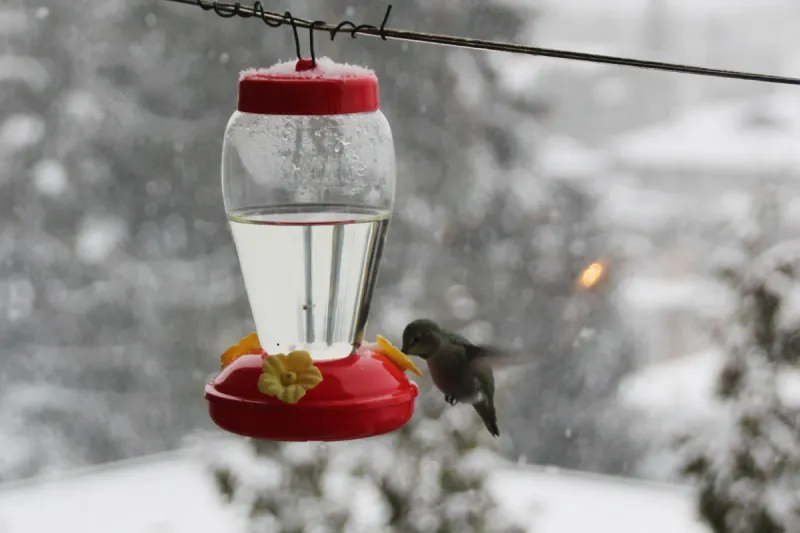
Most North Carolina yards will not need to think about this, since most hummingbirds are long gone by the time hard freezes arrive. But if a late bird lingers and you choose to keep a feeder going, the cold calls for a few changes.
Here is the reassuring part. According to Audubon, cold nectar itself is not a cold-stun danger to a hummingbird.
The real problem is that frozen nectar is not liquid, so a bird cannot drink it.
If you keep feeding on freezing nights, make sure the nectar does not freeze. Check the feeder first thing in the morning, and bring it inside overnight and put it back out at dawn if the forecast dips low.
Remember that this is a choice, not a requirement. Keeping a feeder through winter is not something every yard needs to do, and plenty of homeowners will simply clean and store theirs after the last sighting.
Do it only if a bird is actually visiting.
Use local sightings, not a statewide calendar
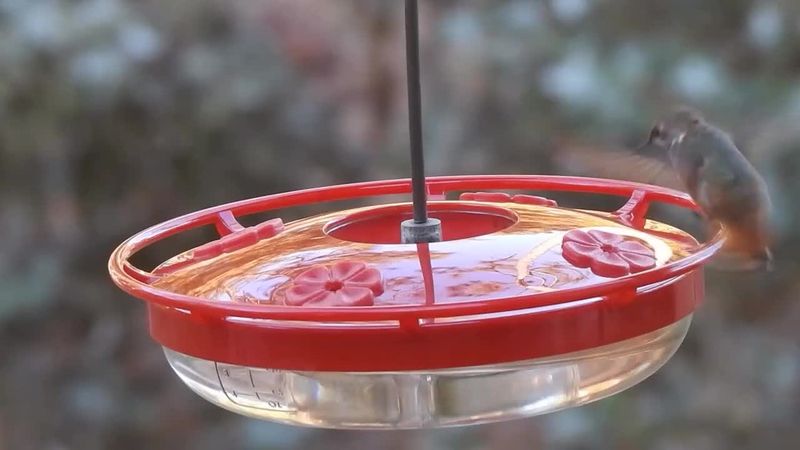
Here is the simple rule: let your own yard decide. Keep the feeder clean and filled while hummingbirds visit, then take it down after the last sighting, using the time frames from Audubon and Cornell as your guide.
Leaving it up will not hold anyone back from migration.
Nectar is a bonus for the birds, not their whole menu. Audubon describes it as supplemental, and NC State Extension likewise treats feeders as artificial nectar sources.
It does not guarantee a bird’s survival, and winter feeding is not required.
Your feeder is a small welcome mat, and the birds decide when to walk away from it.