
That Weed You Keep Stepping On In Your Lawn Is The Same Green People Blend Into Morning Smoothies
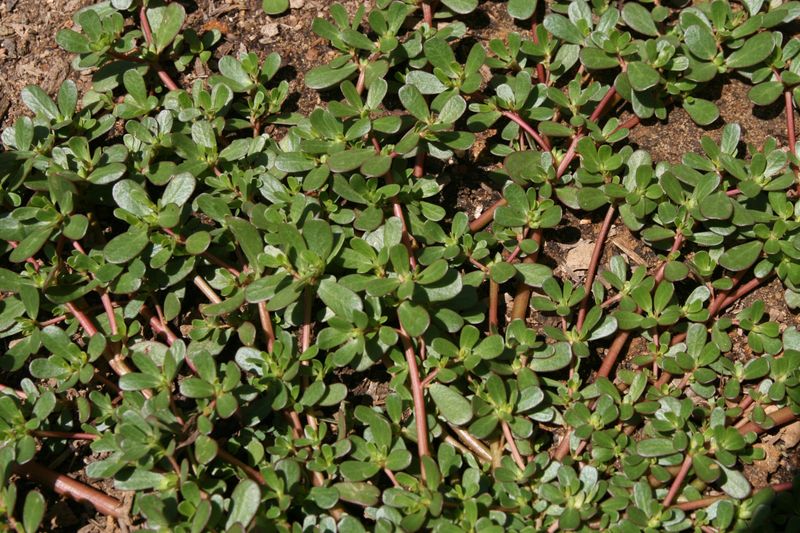
That low, juicy-looking weed spreading across your driveway cracks and garden beds has a name: common purslane. Gardeners yank it out all the time, yet it is also an edible vegetable that some cooks use in recipes, including at least one smoothie.
Before you toss it or taste it, it helps to know how to spot it, what it offers, and when it is not worth the risk.
Common purslane is an edible lawn weed
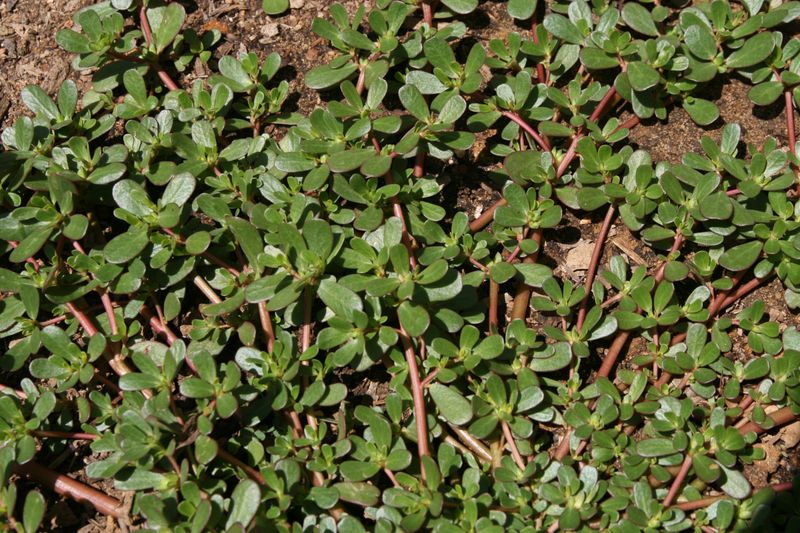
The plant in the title is common purslane, Portulaca oleracea. You have probably seen it hugging the ground in sunny spots, filling gaps between pavers, popping up in vegetable beds, or sprawling across bare soil where the lawn gave out.
It thrives in disturbed ground, which is why it shows up so often after digging or weeding.
Gardeners usually treat it as a nuisance, but University of Wisconsin Extension notes that it is edible and used as a vegetable in many cuisines. That makes it a rare case where the weed you pull and the ingredient a cook might buy at a market are the same plant.
Blending it into a drink is one documented use. A Utah State University Extension handout on urban edible weeds includes a purslane-and-plum smoothie recipe.
A single recipe shows that the idea is real. It does not tell us that many people do it, and nothing here points to a morning habit in particular.
There is also a catch worth saying up front. Edible does not mean every plant in your yard is ready to harvest.
You need to be sure the plant really is common purslane, and you need to know what has been sprayed, spread, or spilled on the spot where it grows. The next sections walk through both.
Think of this as a curious first look rather than a push to start grazing on your lawn. Knowing what a plant is turns a chore into a choice: you can pull it, leave it, or, with care, cook with it.
Look for several traits before calling it purslane
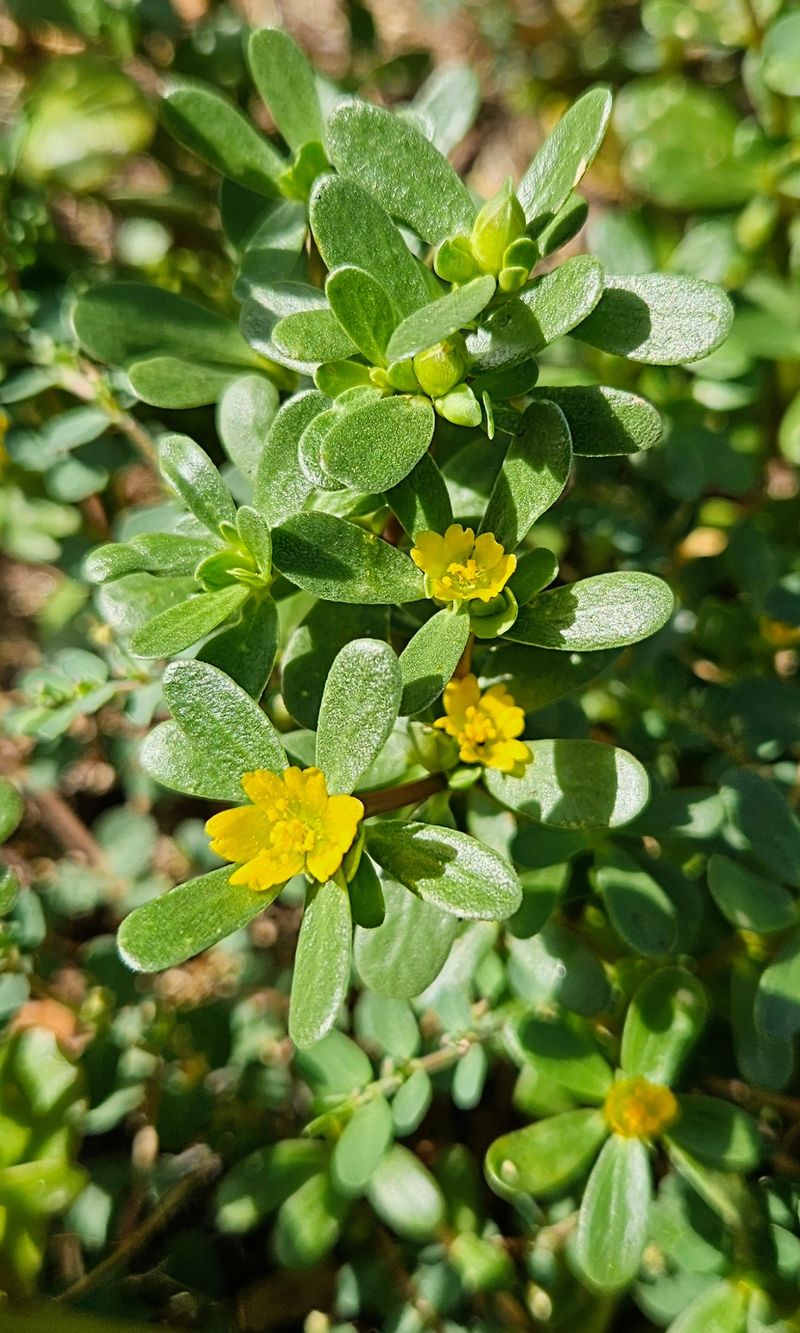
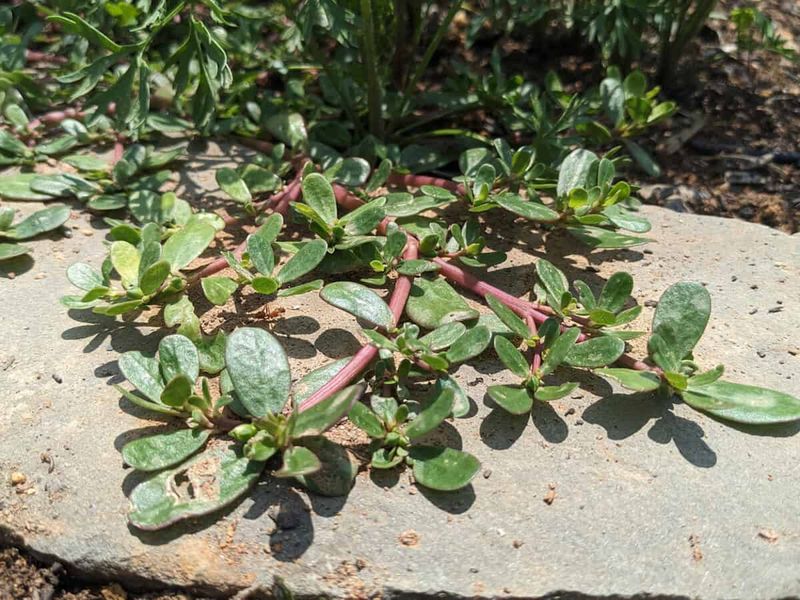
Start with the growth habit. Common purslane is low and spreading, with thick, fleshy leaves and stems that often look reddish.
If you press a leaf, it feels plump and a bit rubbery, almost like a tiny jade plant. Small yellow flowers add another clue, and Wisconsin Extension describes these features in its profile of the plant.
The lookalike to know is spurge, especially prostrate or spotted spurge. It also hugs the ground and can fool a quick glance.
University of Minnesota Extension points to its thinner leaves and milky sap, compared with purslane’s succulent growth and lack of milky sap.
Here is a practical way to use that. Look at leaf thickness, stem color, flower color, and how the plant sits on the ground, then compare your plant with photos from a trusted extension source.
If one feature does not match, treat the whole identification as unsettled.
The milky sap check is helpful, but it should not be your only test. Snapping a stem and seeing no white sap is one clue among several, not a green light by itself.
Guidance from University of California Agriculture and Natural Resources stresses getting a positive identification before eating any wild plant. If you are unsure, take clear photos of the leaves, stems, and flowers to your local extension office or a knowledgeable expert.
Waiting a week for an answer costs you nothing.
A smoothie is one documented way to serve it
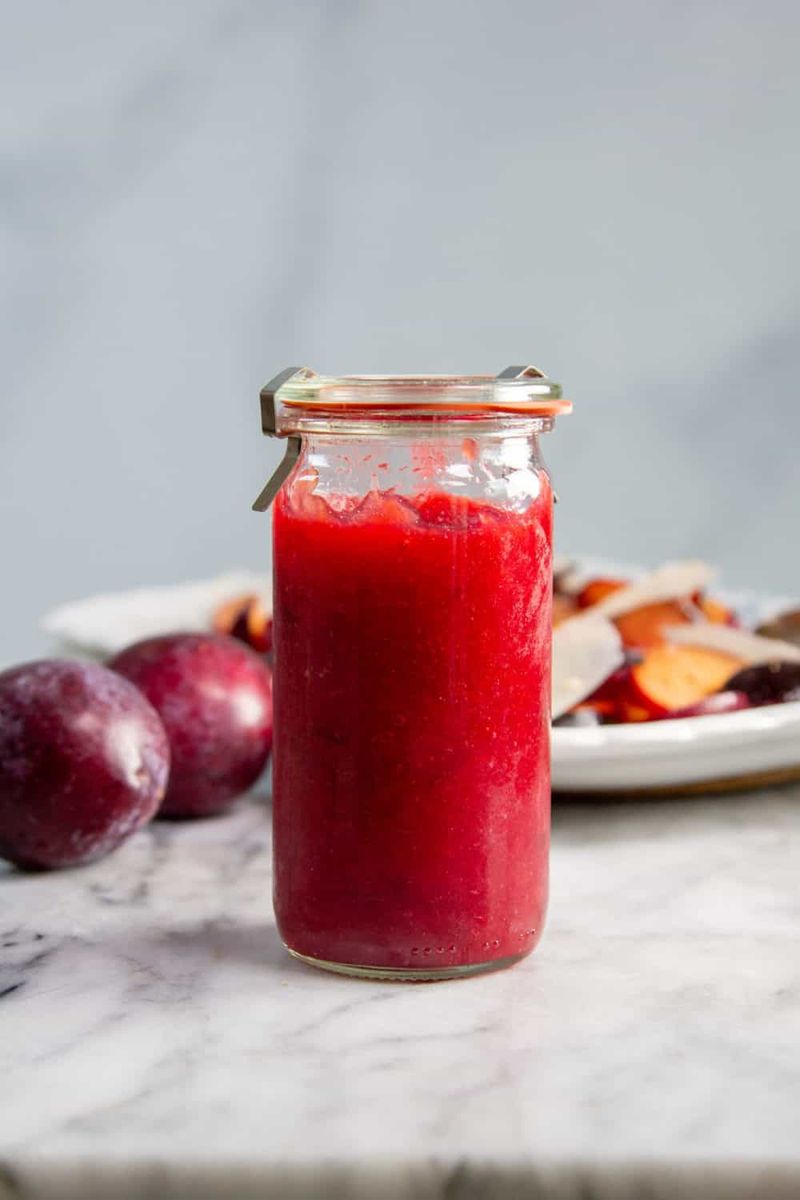
Cooks have long used purslane in more than one way. It can be eaten raw or cooked, and its flavor is often described as tangy or slightly sour.
That sharp, juicy quality is why it turns up in salads, and it is also why a sweeter fruit can balance it in a blended drink.
The smoothie connection comes from Utah State University Extension’s Urban Edibles: Weeds handout, which includes a purslane-and-plum smoothie. Pairing sour greens with ripe plums is a sensible kitchen idea, since sweet fruit softens the tang.
Keep the claim in proportion, though. One recipe in one handout shows that the use exists.
It does not show that people commonly make purslane smoothies, and it says nothing about doing so before breakfast. Plenty of people may never have tried it.
If you want to explore its flavor more gently, you have other options. A Mississippi State University Extension publication on forgotten foods treats common purslane as a vegetable that can be eaten raw or cooked, so a quick sauté or a handful of tender tips in a sandwich counts too.
Whichever route you choose, start small. Taste a few leaves, notice the texture, and decide whether the lemony bite appeals to you before building a whole recipe around it.
Its omega-3 content needs a precise explanation
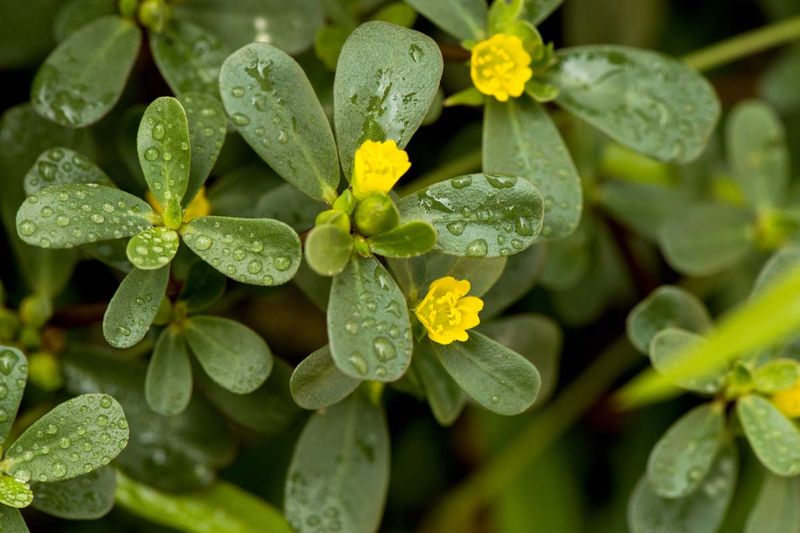
Purslane often gets called rich in omega-3, and there is a real basis for that. It contains alpha-linolenic acid, or ALA, which is a plant-based omega-3 fatty acid.
A comparative study by Simopoulos and colleagues reported roughly 300 to 400 mg of ALA per 100 g of fresh leaves in the samples it tested.
That number describes those samples. It is not a promise for every plant in your yard or every glass you blend.
A handful of leaves in a smoothie may weigh far less than 100 g, so your actual amount could be much smaller.
Nutrient levels also move around. A study of harvesting stage and plant part shows that nutritional values can differ depending on which part of the plant you use and when it is picked.
Growing conditions can matter too, so two patches may not match.
One more distinction matters. ALA is not the same as EPA and DHA, the omega-3s found in fish.
They are different fats, so a plant high in ALA should not be treated as a stand-in for fish.
A fair way to put it: purslane is a leafy green that contains a plant omega-3. That is a nice detail for a curious cook, and it is as far as this particular fact should be stretched.
Check the harvest site before putting purslane in a blender
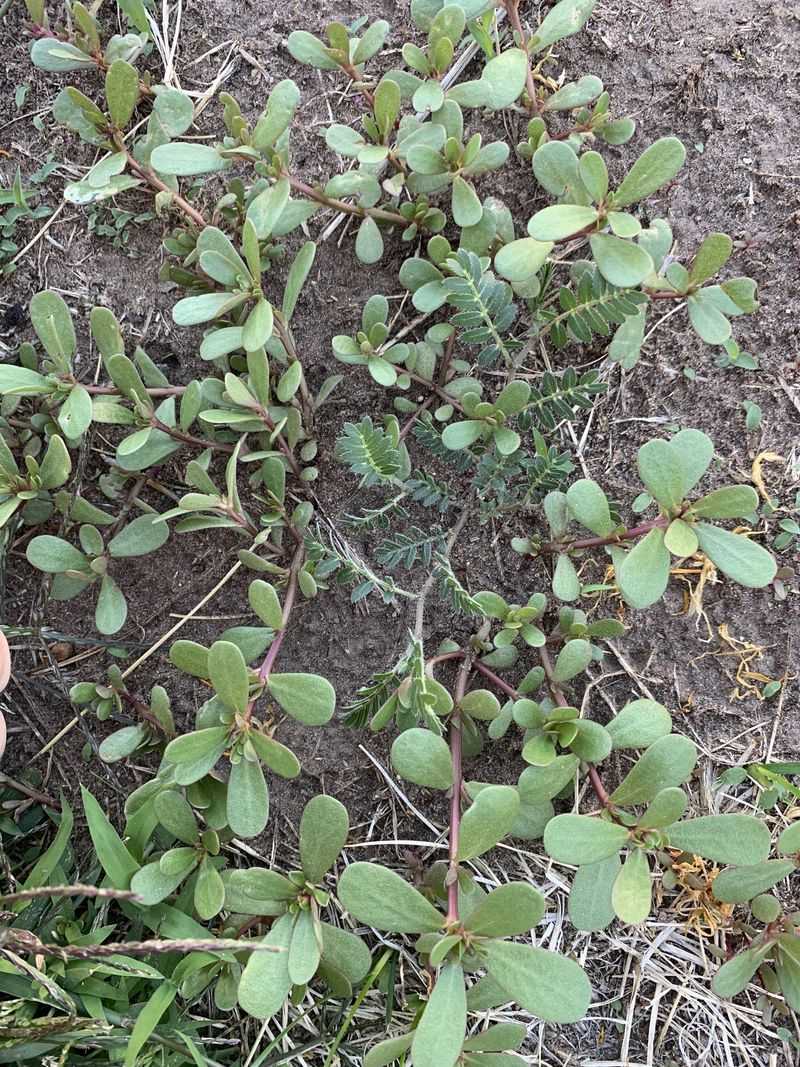
Once you are confident about identification, the next question is where the plant grew. For raw use, harvest only from a spot you know has not been treated with pesticides or herbicides.
University of Florida IFAS Extension offers purslane guidance, and foraging advice from University of California Agriculture and Natural Resources likewise says to avoid sprayed or contaminated places.
That rules out a surprising number of lawns. If a weed-and-feed product went down last spring, or a neighbor sprays along the fence line, skip it.
Also avoid heavy-traffic roadsides, sprayed fields, industrial areas, and any soil that might be contaminated.
Washing is not a rescue plan. Rinsing a plant from a treated or questionable site does not make it safe to eat, so the harvest location has to pass first.
For plants from a good site, rinse them well. The FDA says washing under running water reduces bacteria but does not eliminate them, and it advises against soap or commercial produce washes.
Because purslane grows so close to the ground, soil clings to the stems. Swish the sprigs, rub them gently under the tap, and check the folds near the stem joints.
A simple habit helps here: if you cannot say with confidence what has touched that patch of ground, leave it for the pollinators and buy purslane or grow it from seed in a bed you control.
Oxalates are a reason for measured caution
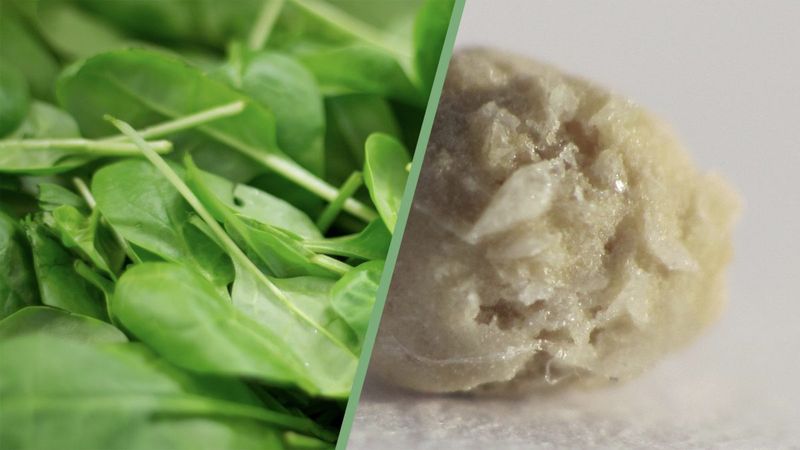
Purslane contains oxalates, natural compounds found in many leafy greens. Wisconsin Extension advises people who are susceptible to kidney stones not to consume it excessively.
That is a note for certain readers, not a reason for everyone to panic. A normal serving is not automatically dangerous, and there is no single safe amount that fits every person.
If you have a history of kidney stones or other kidney concerns, check with your doctor or a dietitian before making purslane a habit.
Preparation can change the picture somewhat. Research on oxalate content in purslane leaves looked at how the compounds behave in different preparations, and boiling and discarding the cooking water can reduce soluble oxalates.
A raw smoothie skips that step entirely. Nothing gets boiled, and nothing gets poured down the drain, so blending the leaves keeps their oxalates in the glass.
The reason for caution is not just theory. A case report and literature review on purslane-induced oxalate nephropathy describes kidney injury linked to purslane.
A single case does not describe what happens to most eaters, but it explains why the advice is to go easy.
In practice, that means trying a small portion first, varying your greens rather than relying on one, and talking with a health professional if kidney health is a concern for you.
Nutrient content does not prove a smoothie has health benefits
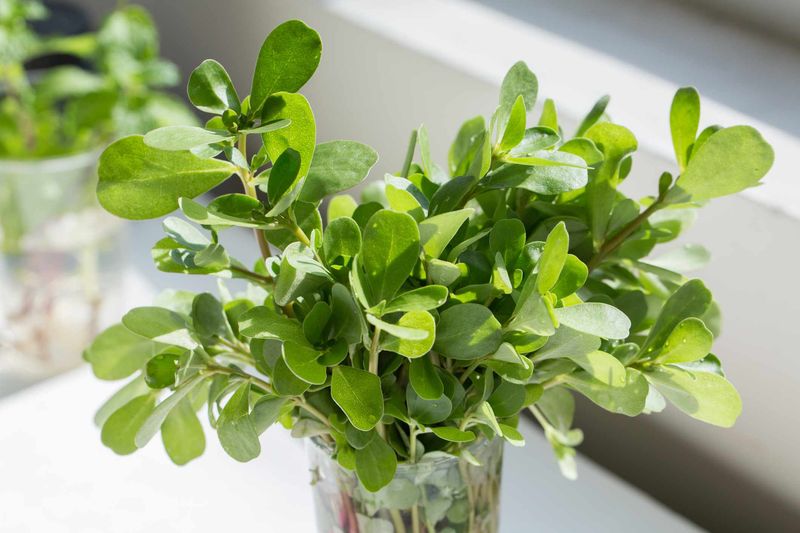
Finding nutrients in a plant is different from showing that eating it improves health. Purslane has documented components, such as ALA, but that alone does not mean a smoothie will prevent or treat any condition.
Words like superfood or detox are not backed up here.
Researchers have studied purslane, and reviews describe some possible health effects. Much of that work, though, involves supplements, small clinical trials, or animal and laboratory studies.
Those results can point to ideas worth testing, but they are not the same as proof from people eating the fresh plant.
A 2026 umbrella review of purslane and metabolic health outcomes reported that most of the outcomes it assessed had low or very low certainty. It also called for larger, longer trials.
In everyday terms, scientists are still not sure how much of the early signals will hold up.
Another review of purslane nutrition and functional-food research covers the same ground, and it is a useful read if you want the nutrient details.
So how should a gardener treat this? Enjoy purslane for its taste and texture, and think of any nutrition as a small bonus.
If you are managing a health condition, rely on your care team rather than a weed from the yard.
Edible does not mean every lawn is a food source
Purslane is a real food plant with real culinary uses, and a Utah State University Extension recipe shows it can go into a smoothie. Nothing in the evidence shows that this is a common habit or a morning ritual.
Eat wild plants only after a positive identification, as University of California foraging guidance advises, and only from a site you can verify is untreated.
Some weeds earn a second look, but a lawn is not a grocery aisle.