
Does the Ginger Rhizome in Your Garden Ease Sore Muscles? What Studies Show
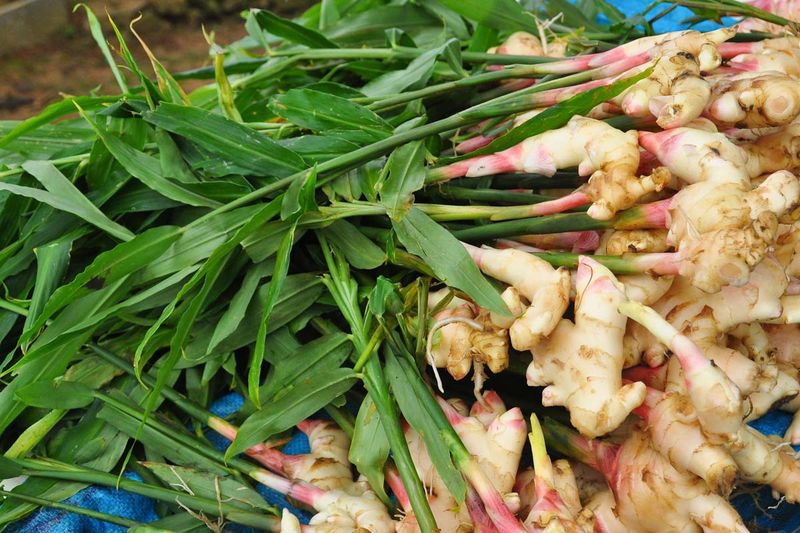
Ginger is a tropical plant that many backyard gardeners love to grow, and plenty of people say it helps sore muscles. The real story is more careful than the claim.
A small study found a modest pain difference after exercise, but only under very specific conditions. Here is what researchers found, how to grow ginger where you live, and what to know before eating it for any health reason.
A Garden Rhizome Is Not a Proven Pain Remedy
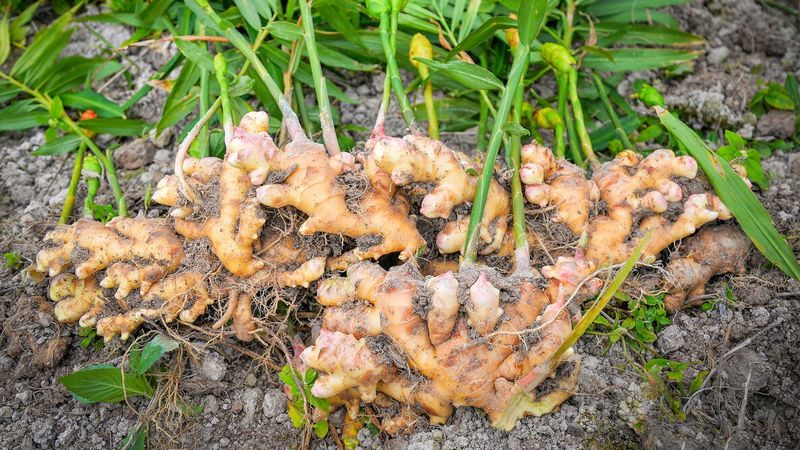
Let’s clear up the big claim first. Growing, touching, or harvesting a ginger plant does not give you pain relief.
Nothing in the research shows that simply having ginger in your garden quiets sore muscles.
What scientists have actually studied is different. In trials, volunteers swallowed a measured amount of ginger each day, and researchers tracked how much pain they felt afterward.
That is a long way from digging up a piece of ginger rhizome and hoping for the best. One of those trials, a 2010 randomized trial of ginger and exercise-induced muscle pain, is the main reason ginger gets mentioned for sore muscles at all.
Even with that study in the picture, the bigger view is cautious. The National Center for Complementary and Integrative Health says in its review of nutritional approaches for musculoskeletal pain that it remains unclear whether ginger supplements help joint or muscle pain.
So think of your ginger plant as a rewarding garden project and a handy kitchen ingredient. Treat any pain-easing benefit as an open question, not a promise.
The Exercise Studies Tested a Narrow Kind of Soreness

Picture the setup. In the 2010 work, volunteers in two studies (34 and 40 people) took 2 grams of ginger a day, either raw or heat-treated, or a placebo, for 11 days.
Then they did repeated elbow-bending exercises designed to damage muscle and cause soreness.
At 24 hours after exercise, the ginger groups reported 23 to 25 percent less pain than the placebo group, according to the randomized trial. That is a modest difference, and it was measured at one point in time.
The study did not show faster recovery or better strength.
Timing matters too. A separate team tested a single 2-gram dose and found that soreness was not reduced 45 minutes after taking it.
So ginger did not work as a quick fix in that test.
Put together, these studies looked at a small group, a daily measured dose, and soreness that researchers caused on purpose. They do not tell us what happens after a long afternoon of weeding, a pulled muscle, an injury, or ongoing pain.
If you are sore from hauling mulch, these results cannot promise that a ginger snack will help.
TRPV1 Is a Clue, Not a Shared Pain Switch
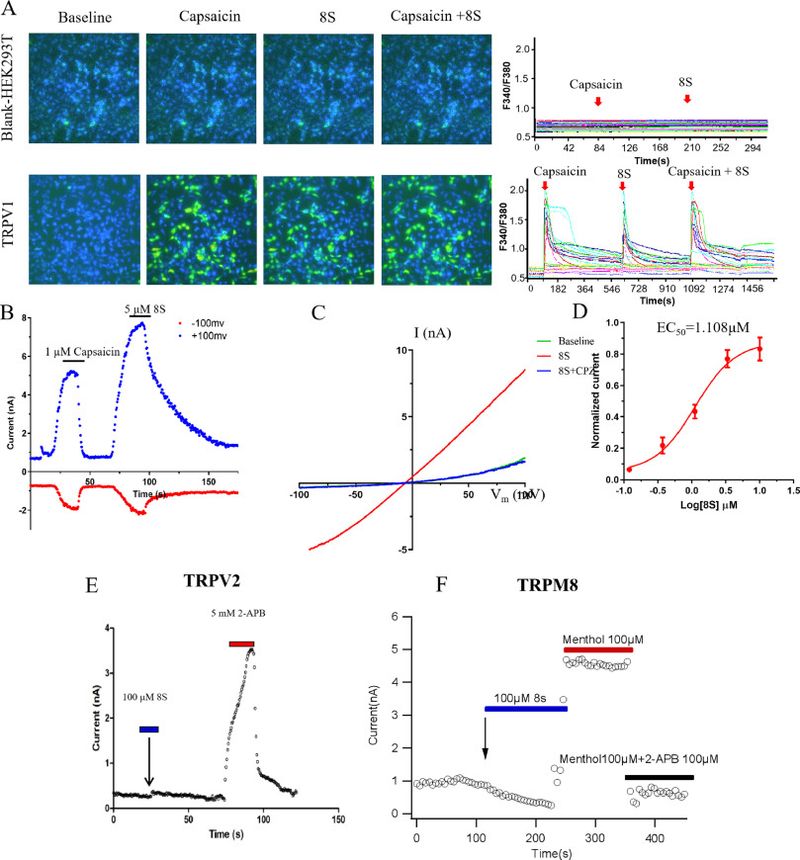
You may have read that ginger works on the same nerve switches as pharmacy pills. That sounds neat, but it goes further than the science does.
In laboratory work, researchers found that gingerols activated TRPV1, a receptor found on sensory neurons. Notice the word activated.
The compounds turned the receptor on in lab tests. They did not show that ginger switches pain off in people.
The same receptor reacts to other spicy compounds, which is a good reminder that a lab reaction is only a starting clue. It tells scientists where to look next, but it does not prove that eating ginger relieves pain.
Ginger has also been studied for effects on inflammation and blood clotting pathways. In one example, a systematic review of ginger and platelet activity looked at human results, and they were mixed.
Touching a biological pathway is not the same as matching a medicine’s strength, method, or real-world effect.
So enjoy the science as a curiosity. Just don’t read it as proof that ginger acts like a pharmacy pain reliever.
Start With a Plump Rhizome and a Growth Bud
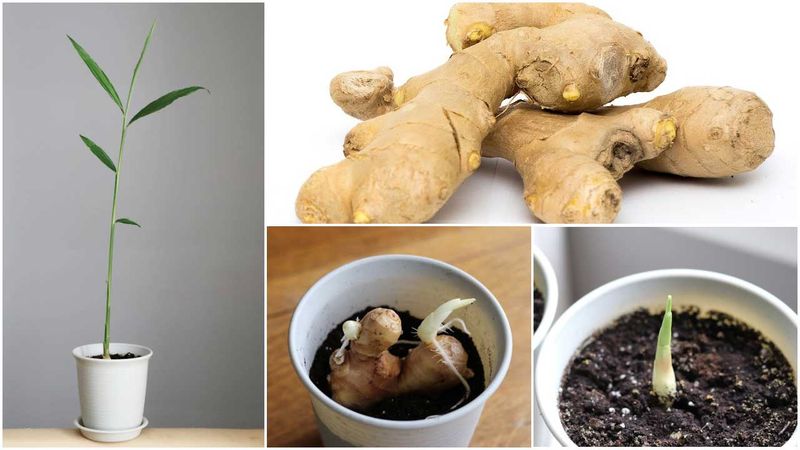
Ready to grow some? Good news: ginger is friendly to beginners.
Start by picking a plump, firm piece of ginger rhizome. Technically it is an underground stem, not a true root.
Look closely for growth buds, the small bumps near the tips of the knobs. Texas A&M AgriLife Extension advises planting pieces with growth buds, and it points to early spring as planting time.
Because your local weather may be very different from Texas, match that timing to what your own area allows.
If you are using ginger from the grocery store, there is a catch. Store-bought rhizomes may have been treated with a growth retardant, which can keep them from sprouting.
Texas A&M suggests soaking the pieces overnight before planting.
Plan on a few pieces, each with at least one bud, so you have backups if one fails to sprout. Skip any that look shriveled, moldy, or soft.
You do not need fancy gear for this step, only a good piece of ginger and some patience while it wakes up.
Balance Moisture With Your Local Climate
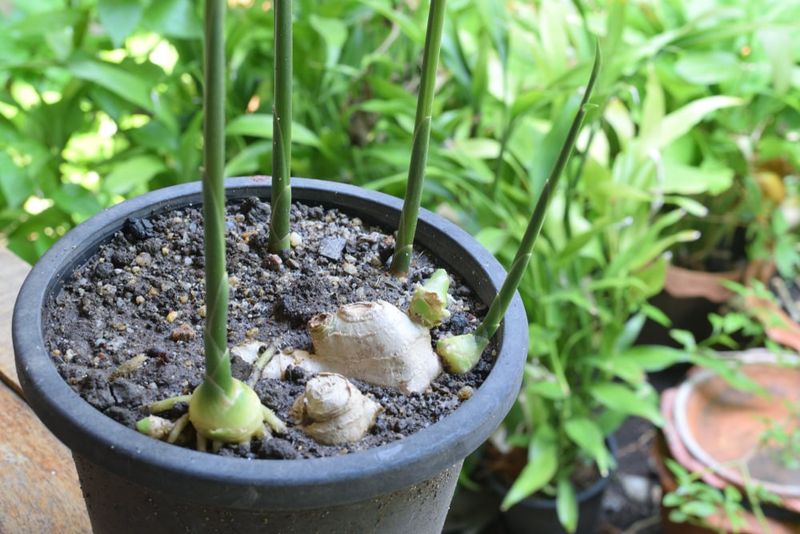
Water is where ginger asks for a little attention. Texas A&M’s guidance is to avoid both extremes: don’t let the planting dry out, and don’t drown it.
Think of the soil as comfortably damp, not soggy and not dusty. You can find the details in the Texas A&M ginger guide.
Next comes climate. Ginger is a tropical plant, and University of Illinois Extension notes it will not survive Midwest winters outdoors.
If you garden in a colder region, you have options. You can grow ginger in a pot and bring it inside when the weather turns cool.
Or you can plan to harvest in the fall instead of waiting for a long season.
Warmer areas have more flexibility, but local conditions still vary a lot. Instead of following a single national calendar, watch your own weather and check with your local extension office for timing that fits your yard.
Harvest at the Stage That Suits Your Plan
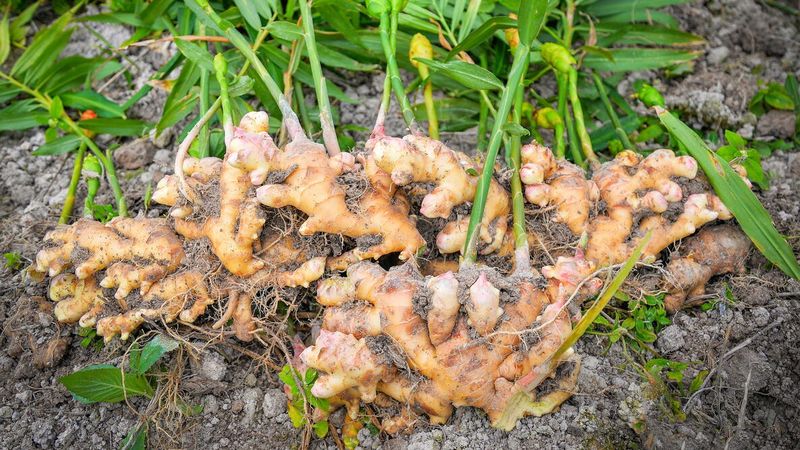
One nice thing about ginger is that you can pick it at different stages of maturity. Young rhizomes are tender, while older ones are firmer.
Texas A&M gives 8 to 10 months as the best time for harvest.
Treat that number as a helpful guide, not a rule for every yard. A gardener with a long warm season may reach it easily.
Someone farther north may run out of warm weather first, and that is okay.
In colder regions, University of Illinois Extension suggests harvesting in fall and saving planting pieces for the next round. So when you dig, set aside a few healthy pieces with growth buds.
Those can start your next crop.
Choose your harvest based on your goal. If you want a smaller, earlier taste, go for a younger harvest.
If you can give the plant more time, wait closer to the longer window. Either way, you get a homegrown ingredient and a head start on next year’s planting.
Use Ginger With Care, Not as a Guaranteed Pain Fix
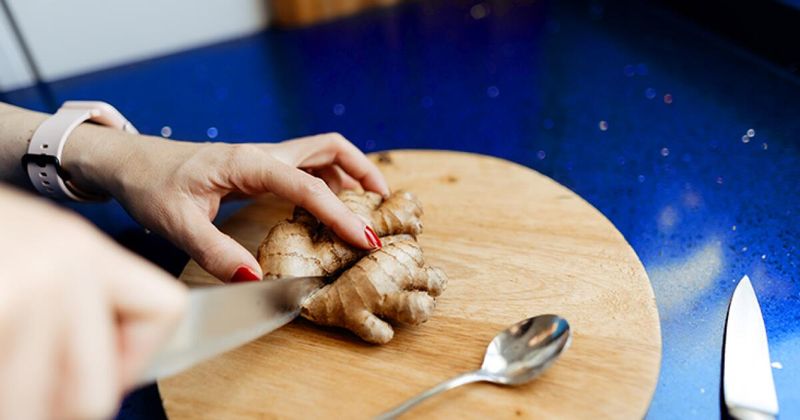
Growing ginger and consuming it for a health reason are two separate choices. Research has not shown how much homegrown fresh rhizome might match the daily amount used in the 2010 trial.
Rubbing fresh ginger on sore muscles is not an established treatment either.
NCCIH lists possible oral side effects such as abdominal discomfort, heartburn, diarrhea, and mouth or throat irritation. It also advises people who take medicines to talk with a health care provider about ginger products, since herbs and medicines can interact.
Bleeding is another open question. A systematic review found mixed human results on ginger and platelet activity.
That does not make ginger a proven blood thinner, and it does not make it risk-free. If you take blood thinners or other medicines, ask your provider first.
Never swap ginger for prescribed treatment. Keep growing it, cook with it, and enjoy it.
A good ginger harvest is worth the effort on its own, and that is a different thing from a proven remedy.