
Sow These 14 Flower Seeds Before Frost And Your Beds Bloom Weeks Ahead Of Everyone’s Next Spring
Most gardeners wait for warm spring days to plant flower seeds, but many flowers actually want a cold winter first. When you sow certain seeds before frost, the cold wakes them up at just the right time, and your beds can bloom weeks before the neighbors’ do.
The plants also come up tougher because they grow outside from day one. Here are 14 flowers that love a chilly start, plus simple tips so your seeds don’t go to waste.
1. Petunias
Grandma’s old-fashioned petunias, the fragrant vining kind, were reseeding themselves long before anyone sold seed trays. That tells you something: petunia seed can handle a cold start.
Sow them in January or February and you get plants that are already bushy when store-bought flats show up.
The one mistake that kills most petunia sowings is burying the seed. Petunia seeds are tiny and need light to sprout, so press them onto moist soil and leave them uncovered.
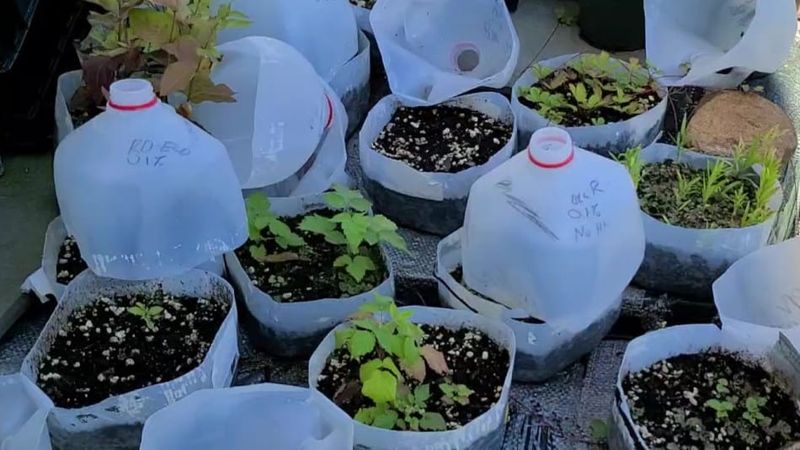
A clear milk jug works perfectly as a mini greenhouse.
Cut drainage holes in the bottom, add 2 to 3 inches of damp potting mix, sprinkle the seed, and tape the jug shut. Set it outside where rain and snow can reach it.
Once you see green, crack the top open on warm days so the seedlings don’t cook.
2. Hollyhocks
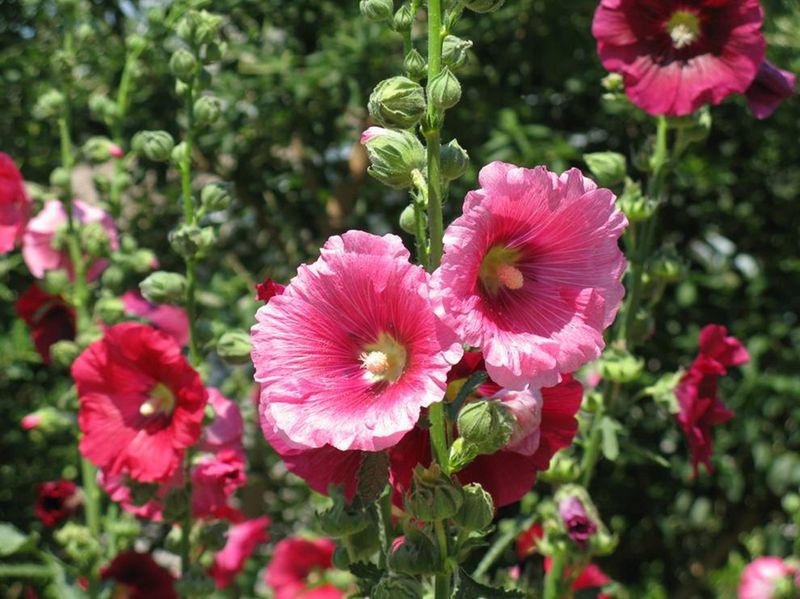
If your hollyhocks only ever give you leaves, timing is usually the culprit. Hollyhocks are biennials, which means they spend their first year building roots and foliage before they flower.
Getting seed in the ground early buys you that year faster.
Frost actually helps here. In mild climates, sow in fall for blooms the following summer.
In colder areas, direct sow about a week before your last spring frost, or winter sow in containers.
Like petunias, hollyhock seed likes light, so barely cover it or just press it into the soil. Pick a sunny spot near a fence or wall, since those tall stalks appreciate a little support from the wind.
Plant a few seasons in a row and you’ll soon have blooms every single summer.
3. Poppies
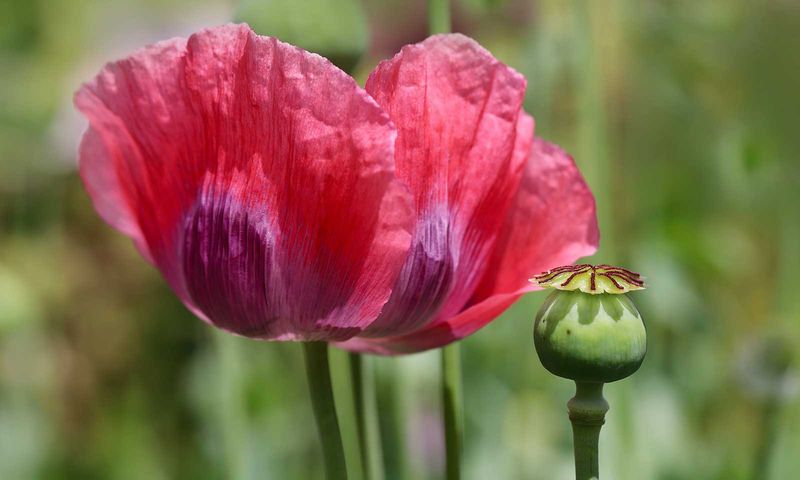
Here’s a secret seed companies rarely shout about: poppies sown in spring often just sit there. Iceland, Hungarian Blue, and Amazing Grey poppies need a real cold spell before they’ll germinate.
Winter is that cold spell, free of charge.
Scatter the seed right on top of the soil in late fall or winter. Poppies hate being moved, so sowing directly where they’ll bloom saves heartbreak later.
If you use containers, transplant while the seedlings are still very small.
By mid-spring you’ll have papery flowers swaying in the breeze, running into early summer. Leave a few pods to dry, and you may find poppies popping up again next year all on their own.
4. Snapdragons
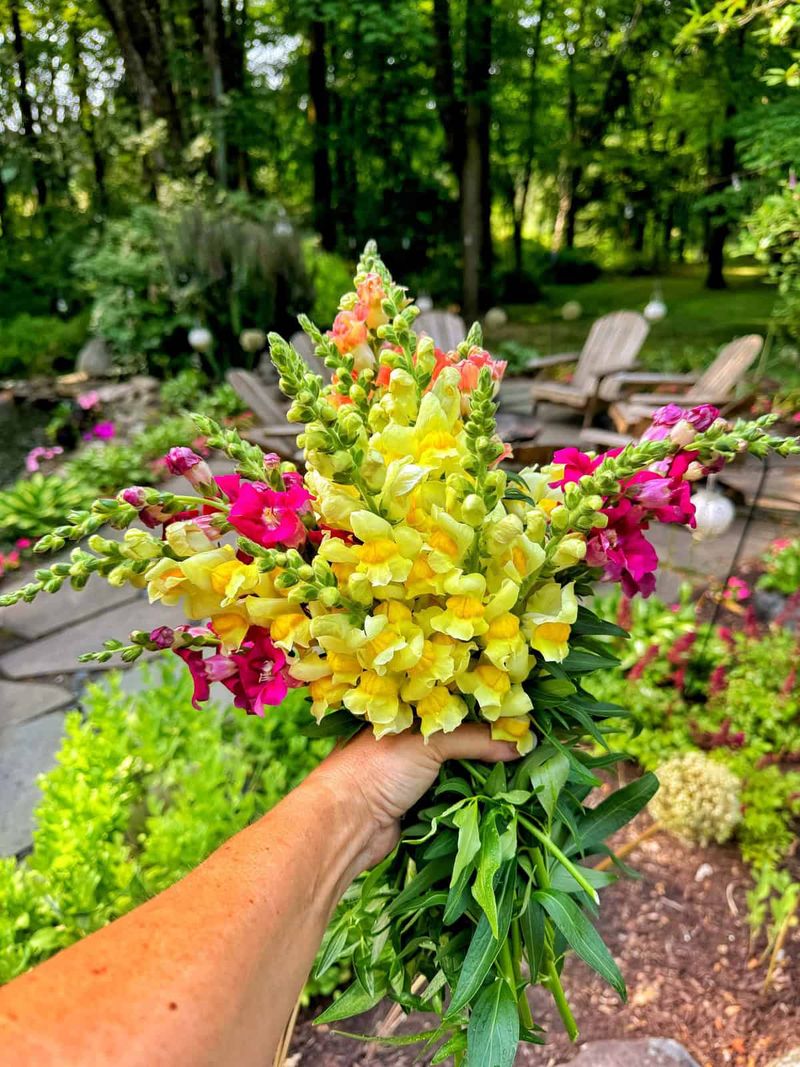
Snapdragons are the flowers that laugh at a chilly spring. As cold-hardy annuals, they actually perform better when they get a winter chill first, often giving some of the very first blooms of the season.
Kids love squeezing the blossoms to make the little dragon mouths open and close. That alone makes them worth growing near a path.
Winter sow them in a covered jug and leave the tiny seeds uncovered or barely dusted with soil. Once seedlings have true leaves, move them into a sunny bed.
Pinch the top when plants are about 4 inches tall, and you’ll get more stems and more flowers.
5. Forget-Me-Nots
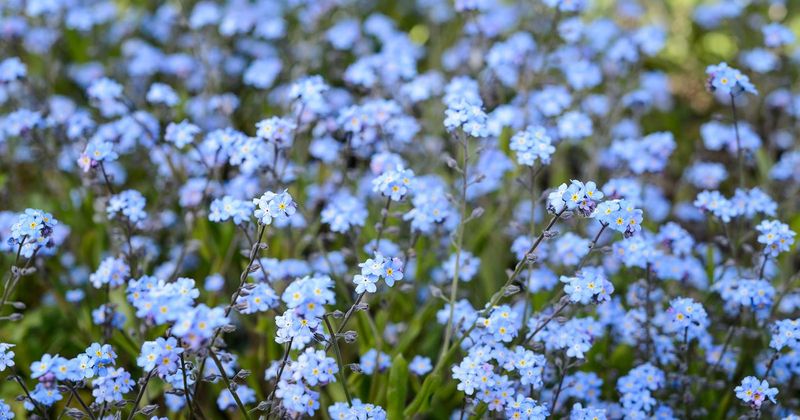
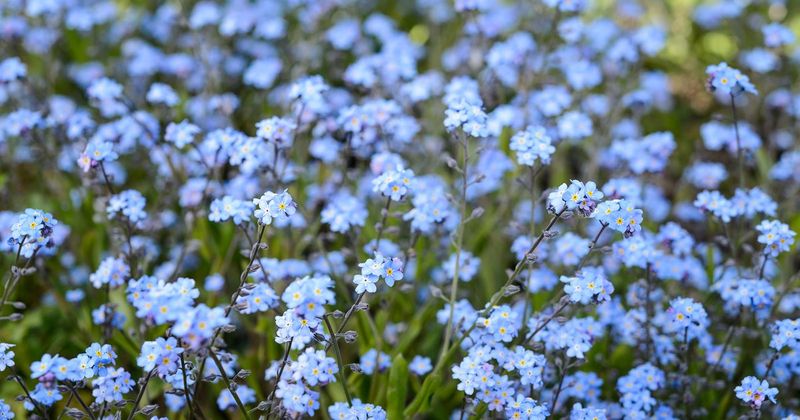
Picture a puddle of sky-blue flowers spreading under your trees in April. That’s what a single pack of forget-me-not seeds can do when sown before frost.
Forget-me-nots self-seed happily, so once you start them, they tend to stick around. They like cool, slightly shady spots where the soil stays moist.
Winter sowing fits their natural rhythm perfectly.
Sprinkle seed in fall or in winter containers and keep the surface damp. Come spring, you’ll get masses of tiny blooms that fill gaps before your bigger perennials wake up.
Pull extras if they wander too far.
6. Foxglove
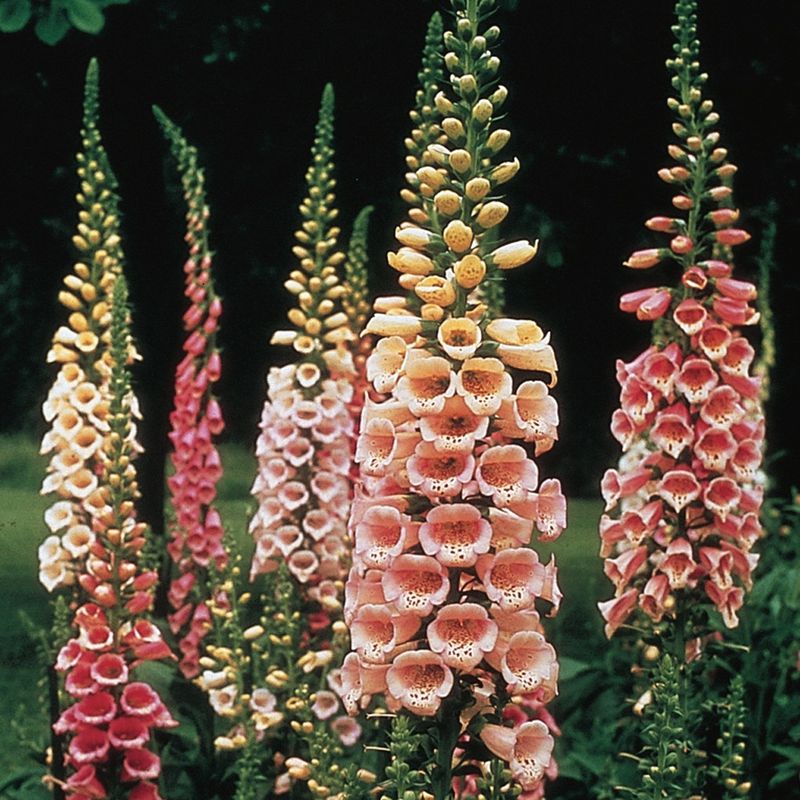
Foxglove rewards patience more than almost any flower on this list. Plant it early and give it a cold rest, and you’ll get towering spires dotted with speckled bells.
Like hollyhocks, foxglove is a biennial, growing a low rosette of leaves the first year and flowering the next. Starting it before frost helps it get that leafy year rolling sooner.
Seeds are dust-small and need light, so press them onto the soil surface. Choose a spot with morning sun and afternoon shade.
One warning: every part of foxglove is toxic if eaten, so plant it away from curious pets and toddlers.
7. Lupine
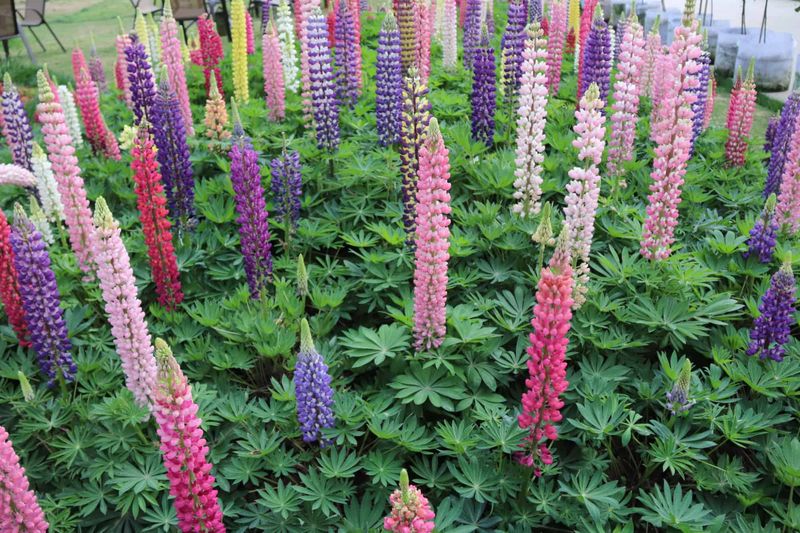
Ever planted lupine seed in May and gotten nothing? Lupines have a hard seed coat that stays locked until cold and moisture soften it.
Winter takes care of that for you.
Varieties like Russell Hybrid produce bold, stacked spikes in purple, pink, and butter yellow. They prefer full sun and well-drained soil that isn’t overly rich.
For better odds, nick the seed coat with a nail file or soak overnight before sowing. Lupines grow a long taproot, so sow them where they’ll stay or move seedlings while young.
Give them a full season to settle in, then enjoy.
8. Columbine
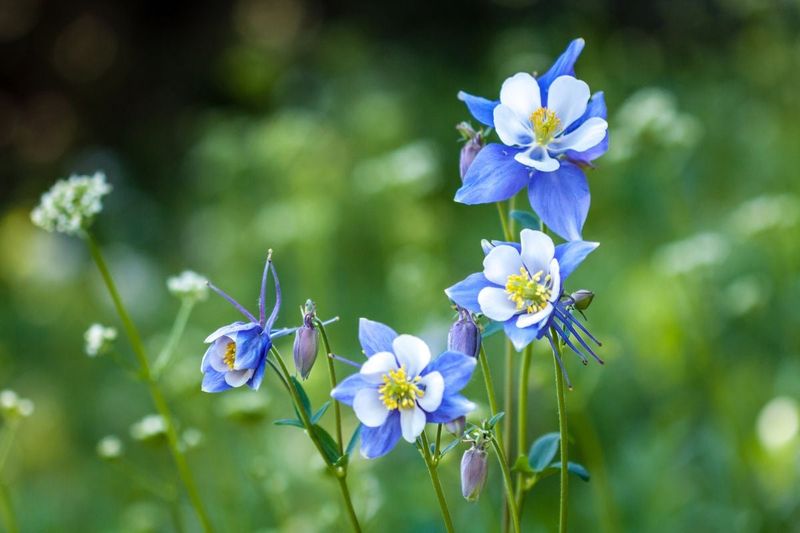
Hummingbirds seem to find columbine before you even notice it’s blooming. Those nodding, spurred flowers are full of nectar and show up early in spring.
Many perennial varieties, including Alpine Blue, germinate better after cold stratification. Sow them in winter containers or right in the bed and let nature handle the chill.
Be patient, since germination can be uneven and some seeds take weeks. Don’t toss the container too soon.
Columbine handles partial shade well, making it a smart pick for spots where sun-lovers struggle.
9. Munstead Lavender
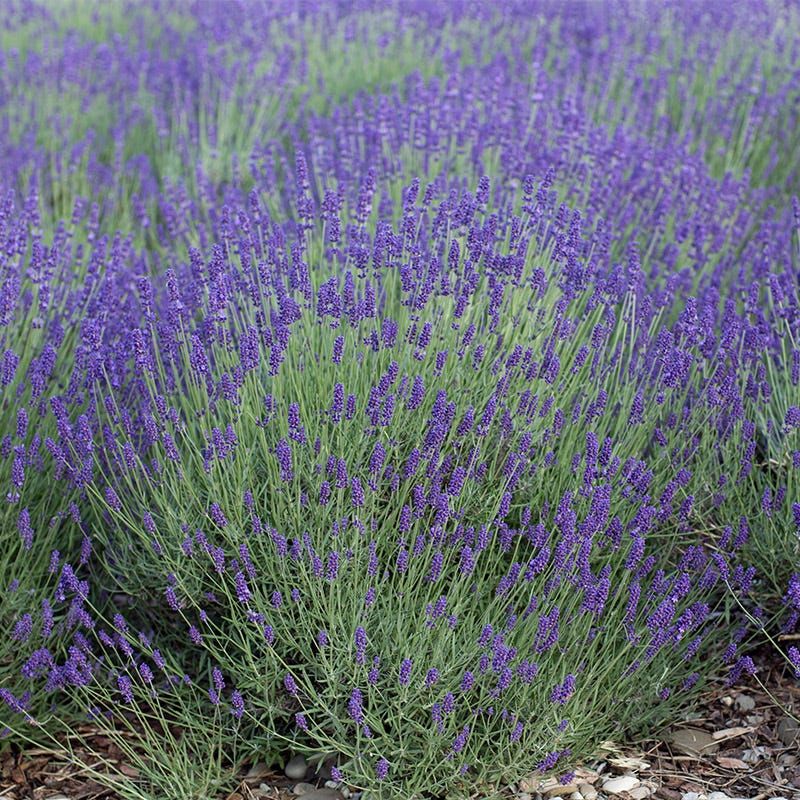
Lavender seed has a reputation for being fussy indoors. Munstead, a compact English variety, turns out to be much easier when you simply winter sow it and walk away.
The natural cold helps wake the seeds, and the plants that emerge are already used to outdoor weather. That means no hardening off and fewer seedlings lost to shock.
The biggest lavender killer is soggy soil. Plant your seedlings in full sun with sharp drainage, and water lightly.
Once settled, Munstead is drought tough and smells wonderful every time you brush past.
10. Bachelor Buttons
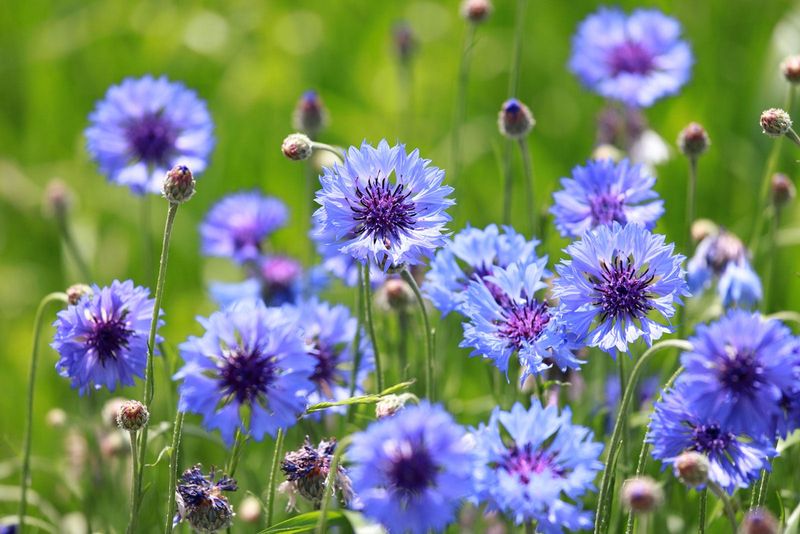
Few blues in the garden are as true as a cornflower. Bachelor buttons are hardy annuals that sprout happily in cool soil, so fall or late winter sowing suits them perfectly.
They grow fast, need little care, and handle poor soil better than most flowers. Bees and butterflies visit them constantly.
Fun fact: these blossoms were once worn in buttonholes by young men courting, which is how they got their name. Keep snipping spent flowers and they can bloom from late spring right up to frost.
11. Calendula
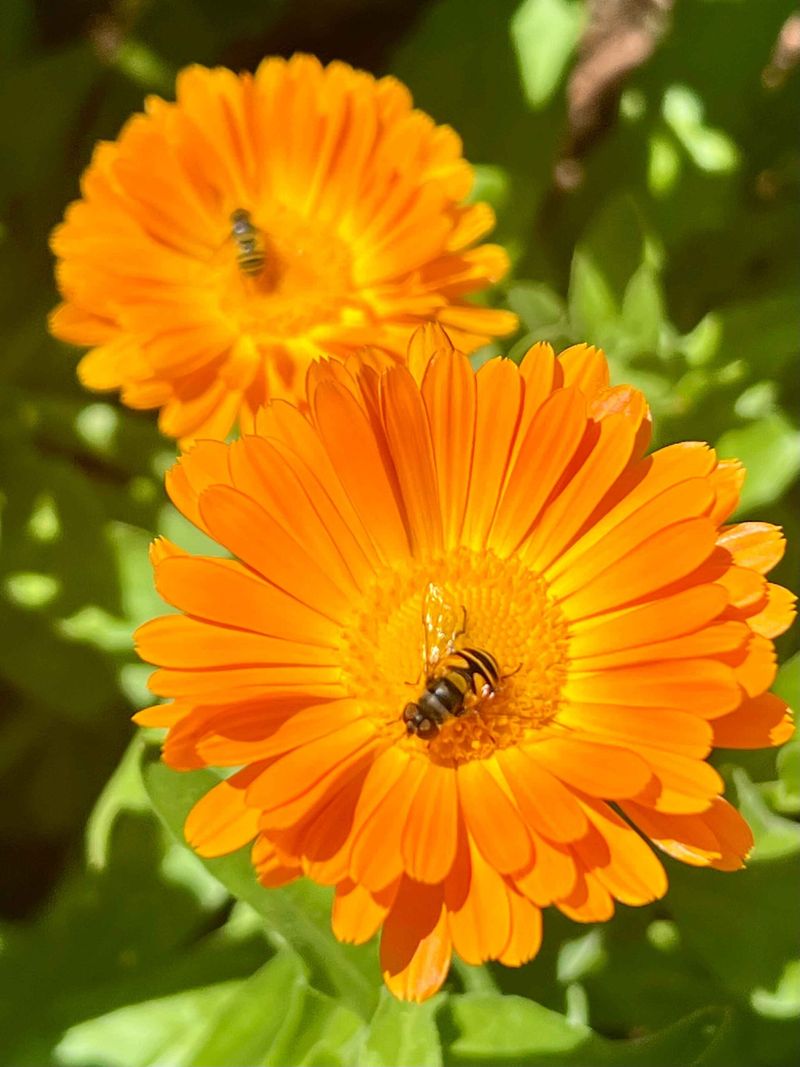
Sunny orange calendula is a cool-weather lover through and through. It may share the nickname pot marigold, but it’s a completely different plant that thrives when temperatures are low.
Here’s where many people slip up: calendula seed should be covered well, about a quarter inch deep. Light can actually slow its sprouting, which is the opposite of petunias and alyssum.
Sow before frost in containers or directly in beds. Blooms often arrive early and keep going if you pick them often.
Summer heat may slow it down, but it frequently rebounds once fall cools things off.
12. Sweet Alyssum
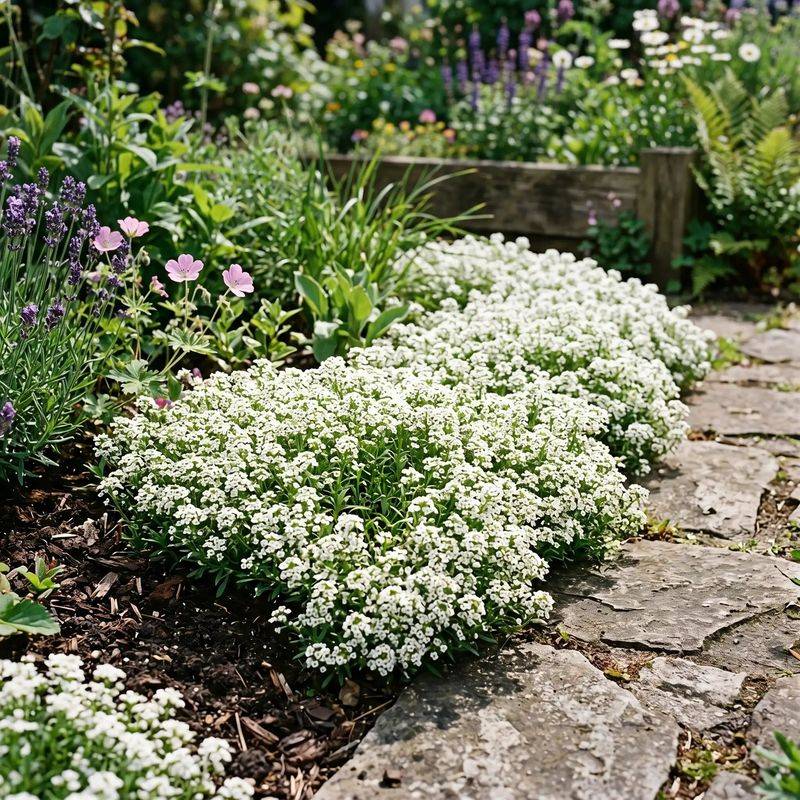
Low, frothy, and honey-scented, sweet alyssum is the friendly filler that softens every edge. It pairs beautifully with petunias at the front of a bed.
Sowing tip: don’t cover the seed. Alyssum needs light to germinate, so press it lightly onto moist soil and let your winter jug do the rest.
Seedlings transplant easily once they have true leaves. Plant in sun or light shade, and if they look tired in July heat, shear them back by a third.
They usually bounce back with a fresh flush of flowers.
13. Echinacea
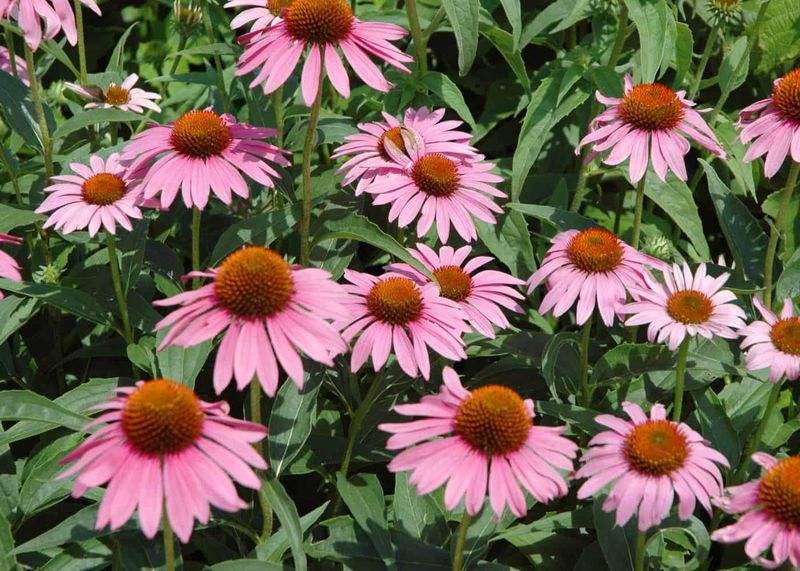
Purple coneflower is about as tough as perennials come, yet its seeds can be stubborn. Without a cold period, germination rates often drop.
With one, they climb noticeably.
That makes echinacea a natural fit for winter sowing. Lightly cover seeds, set the container outside, and forget it until spring.
First-year plants may only bloom lightly, but by year two you’ll have sturdy clumps loaded with flowers. Leave seed heads standing in fall, and goldfinches will thank you.
14. Feverfew
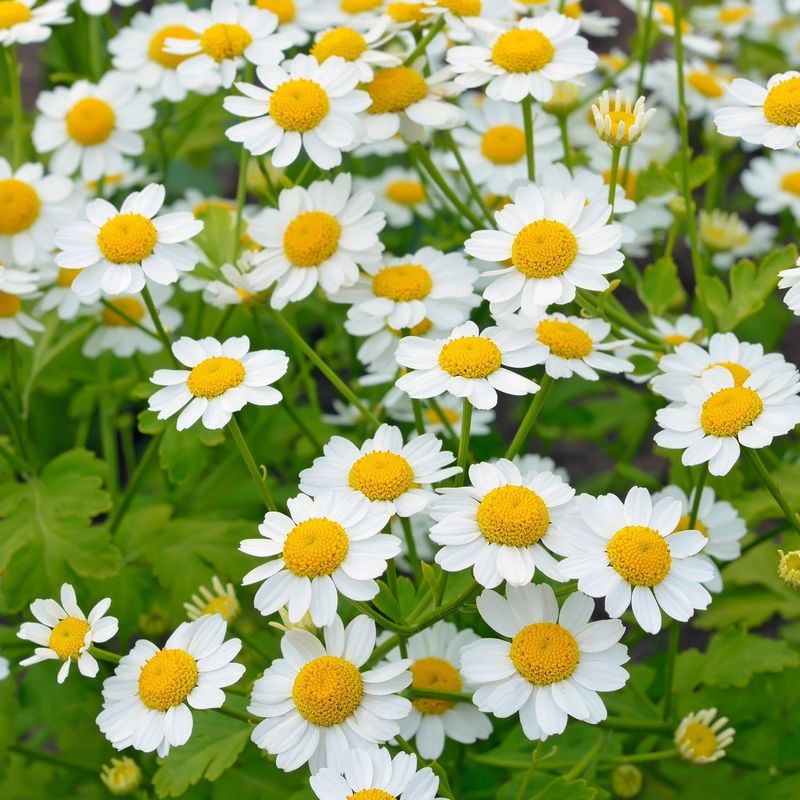
Feverfew is the easygoing little daisy that fills holes nobody else will. Its button blooms look sweet in bouquets and around taller flowers.
Seeds benefit from cold exposure, so a winter start gives you stronger germination when spring arrives. Barely cover the seed, since it likes some light.
Plant in sun with decent drainage. Feverfew reseeds readily, so deadhead if you don’t want a crowd.
Either way, it’s a forgiving finish to your before-frost seed lineup.