
These North Carolina Native Shrub Seeds Get Planted Outdoors Now So Winter Wakes Them Up For Spring
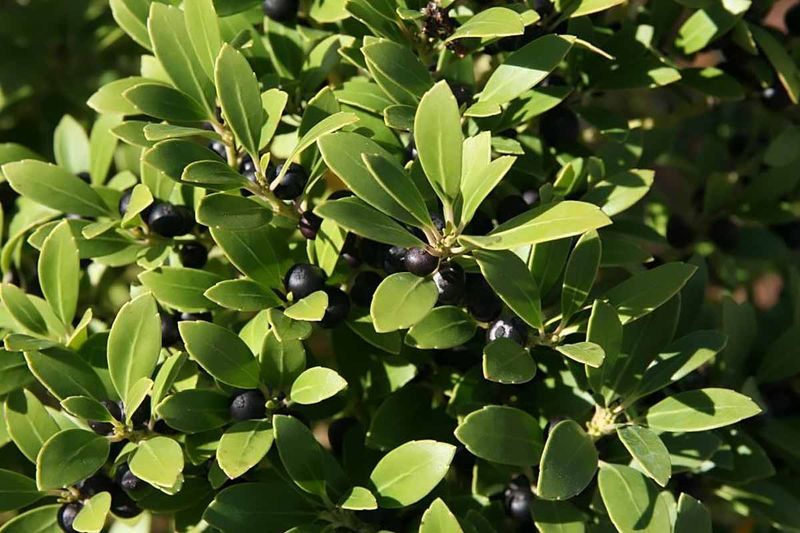
Some of the best shrubs for a North Carolina yard grow from seeds that need a long, cold nap before they sprout. If you sow them outside between November and the end of January, winter rain and chilly nights do the hard work for you.
By spring, tiny seedlings pop up ready to feed songbirds, shelter fireflies, and crowd out invasive plants. Here are ten native shrubs worth sowing now, plus what each one brings to your patch of NC.
1. American Beautyberry
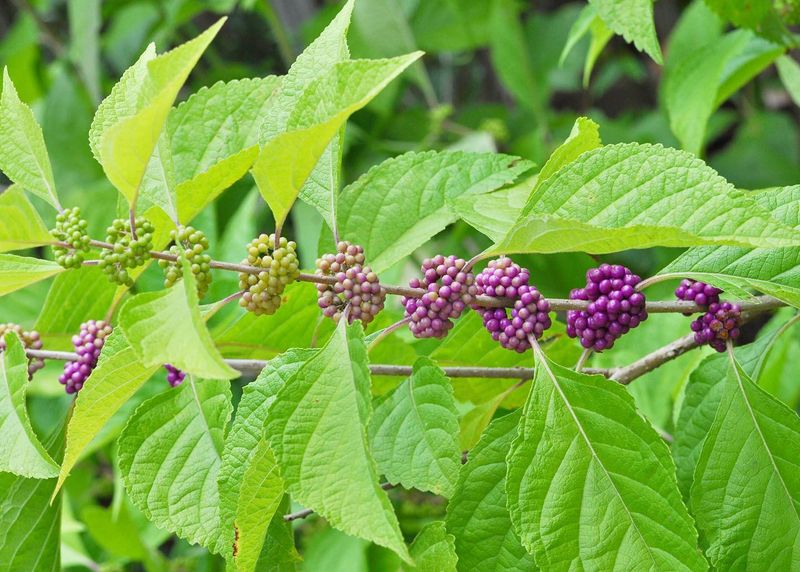
Walk past a beautyberry in October and you will swear someone glued purple candy to its stems. Those glossy clusters are a fall and winter feast for Eastern Towhees, American Robins, and Purple Finches, plus foxes, opossums, and squirrels.
Seeds sown outdoors this winter respond well to the natural cold and moisture of an NC winter. Squeeze the pulp off ripe berries, press the seeds lightly onto moist compost-based soil, and set the container in a sunny, sheltered spot.
Beautyberry grows happily in full sun to part shade from the mountains to the coast. One honest note: despite old folklore, it is not a reliable tick repellent, so plant it for the birds and keep your tick plan separate.
2. Spicebush
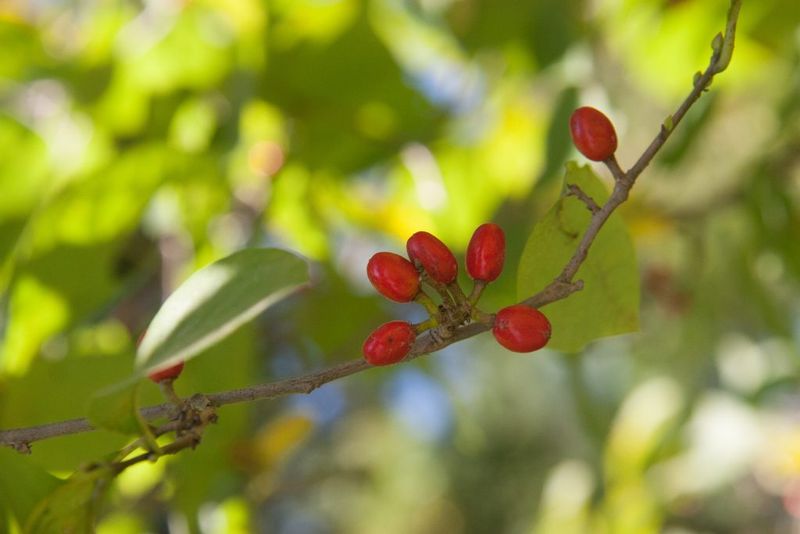
Crush a spicebush leaf between your fingers and you get a citrusy, peppery scent that tells you exactly how it earned its name. Before most shrubs wake up, its bare branches glow with small yellow flowers.
Spicebush is the host plant for the spicebush swallowtail, whose caterpillars wear cartoonish fake eyes to scare off birds. Its dense summer foliage also gives adult fireflies a shady daytime resting spot near moist ground.
The seeds lose viability if they dry out, so sow fresh red berries promptly in a container that stays damp. Bonus for tick-conscious families: spicebush draws in insect-eating birds, which may help reduce some of the bugs you would rather not meet.
3. Southern Wax Myrtle
Sandy coastal lot? Heavy Piedmont clay?
Salt spray off the Outer Banks? Wax myrtle shrugs at all of it.
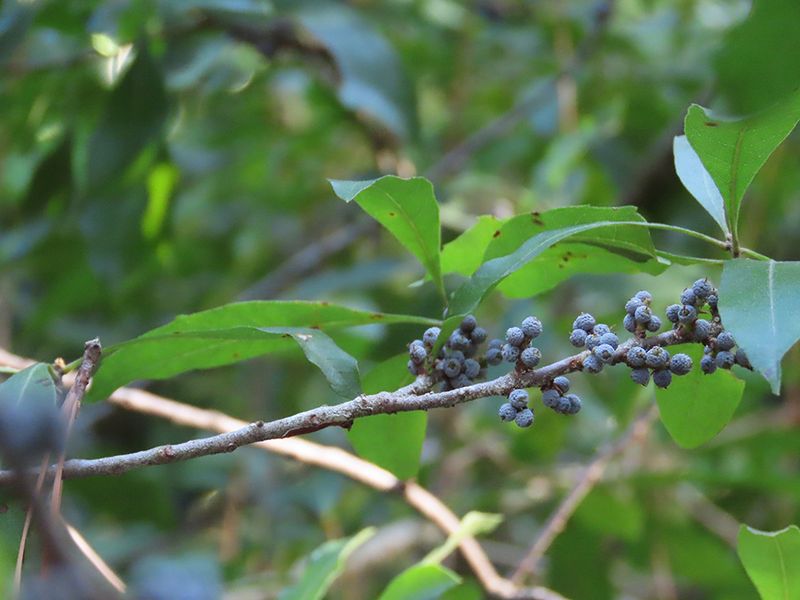
Its year-round evergreen canopy makes a handsome screen, and it quietly does double duty for fireflies. Adults rest in the foliage while the undisturbed ground below keeps larvae safe in the leaf litter.
Gather the waxy gray berries in fall and rub off the coating before sowing for better results. It is also one of the best stand-ins for invasive privet or Chinese holly hedges, so pull the invader and let this native take over the job.
4. Inkberry Holly
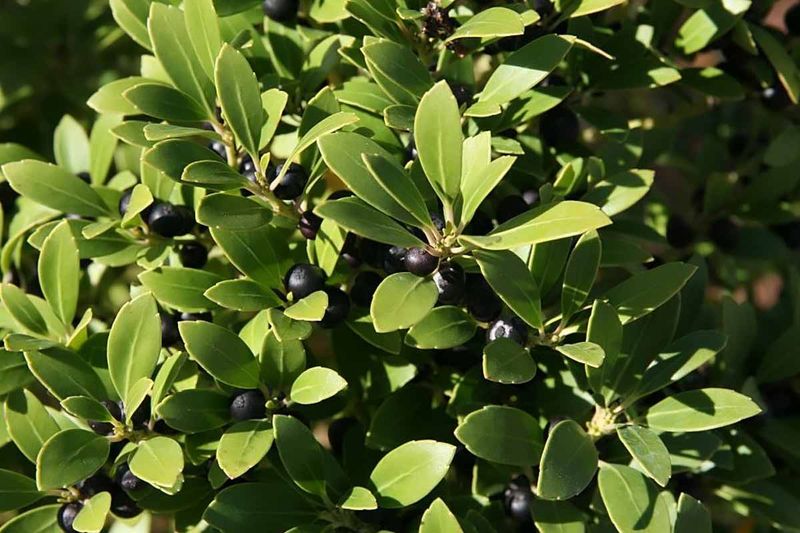
Got a soggy corner where nothing seems to thrive? Inkberry was practically made for it.
This evergreen holly tolerates wet soil and part shade, and over time it spreads into dense colonies. Those thickets become prime firefly habitat near ditches, rain gardens, and low spots.
The dark berries hang on into winter, feeding birds when food runs short. Inkberry seeds can be slow, sometimes taking more than one winter to sprout, so label your pot and be patient.
It is a top choice to replace invasive privet along property lines.
5. Elderberry
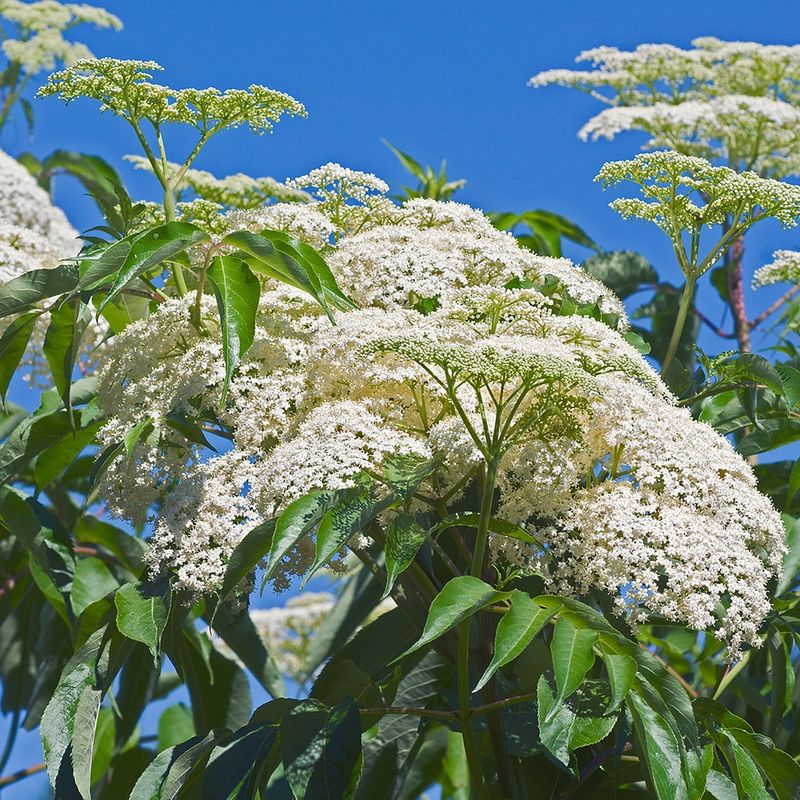
Late spring evenings around an elderberry feel like a busy diner after dark. Its huge plates of creamy white flowers pull in moths and other night insects, and those insects are dinner for the bats swooping over your yard.
Later, dark purple berries feed catbirds, mockingbirds, and other wildlife, and box turtles will happily snack on fallen fruit. The thicket itself creates cover and travel paths for small animals.
Elderberry seeds respond well to a winter outdoors. Mash ripe fruit, rinse the seeds, and sow them in a jug or tray that can catch winter rain.
6. Witch Hazel
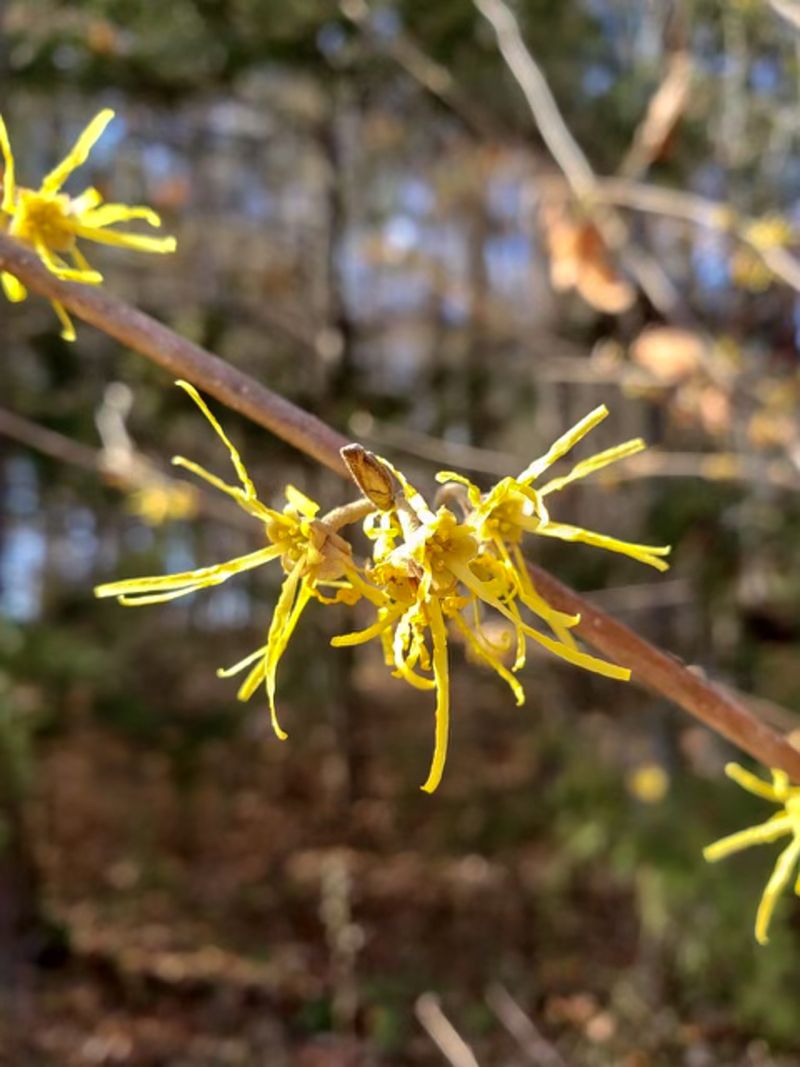
Most shrubs bloom in spring. Witch hazel waits until the leaves are turning, then unfurls fragrant, spidery yellow ribbons when almost nothing else is flowering.
Late pollinators appreciate that timing, and goldfinches find seeds and shelter among its branches. Fun fact: the woody capsules can launch their seeds several feet with an audible snap.
Those hard seeds need a long chill, often two winters, to germinate. Sow them outdoors now, cover the pot with hardware cloth against squirrels, and do not give up if the first spring stays quiet.
7. Winterberry
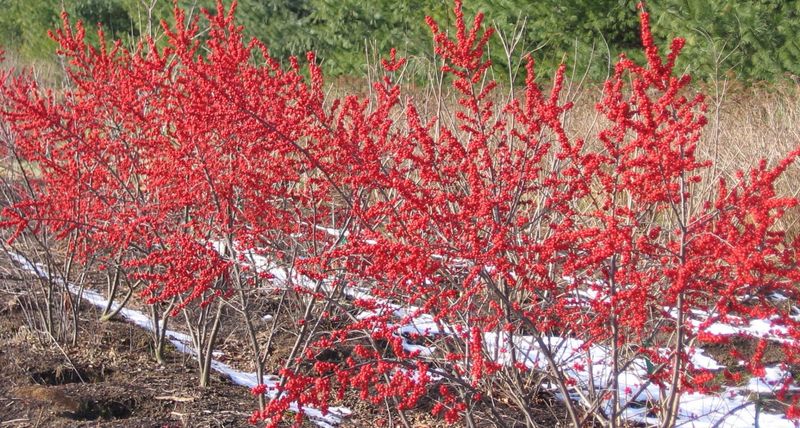
When the yard turns gray in January, winterberry looks like it is wearing Christmas lights. This deciduous holly drops its leaves and leaves bare stems loaded with scarlet berries.
Robins and bluebirds strip those berries in late winter, right when wild food is scarce. Winterberry tolerates wet soil, making it a great partner for inkberry in low areas.
Like most hollies, you need male and female plants for fruit, so growing several seedlings from seed works in your favor. Clean the seeds from the pulp and sow them outdoors to chill.
8. Virginia Sweetspire
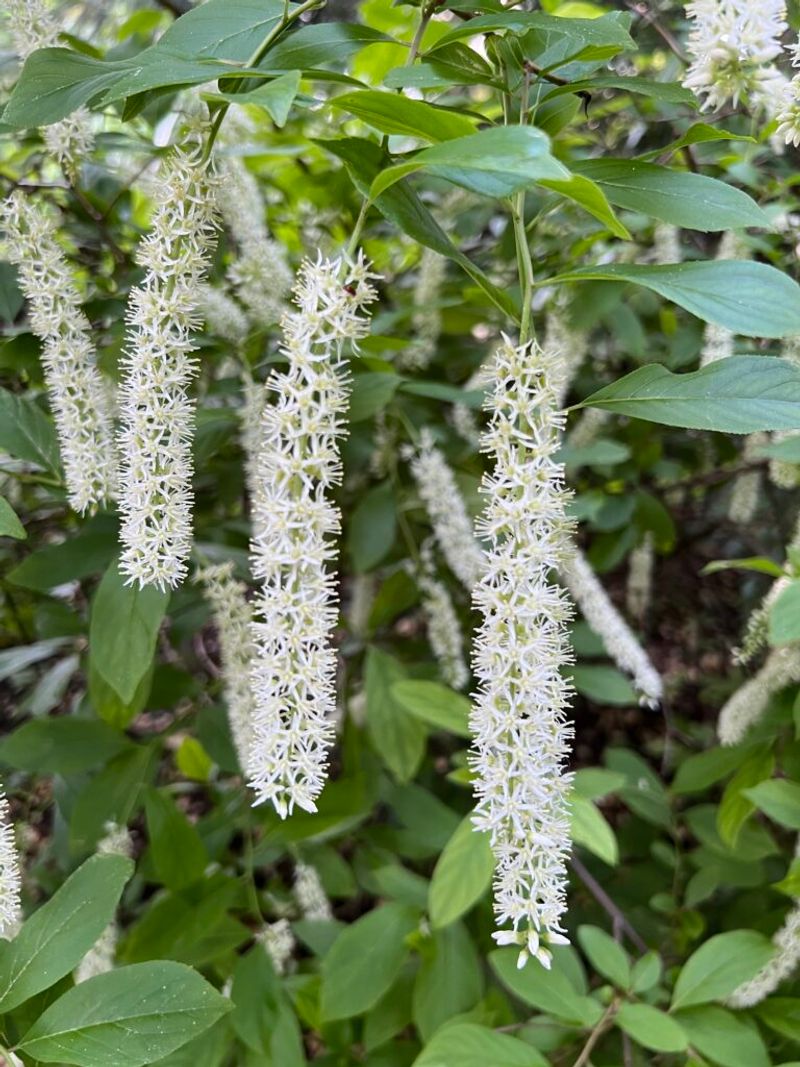
Picture a shrub that looks like a fountain of white bottle brushes in spring and a bonfire of red and purple in fall. That is sweetspire.
The fragrant flower spikes buzz with native bees, and the autumn foliage hangs on for weeks. It handles wet or average soil and sun or shade, a forgiving pick for beginners.
It also makes a smart swap for invasive burning bush, which offers fiery color but spreads into NC woodlands. The seeds are tiny, so sprinkle them on the soil surface and do not bury them.
9. Arrowwood Viburnum
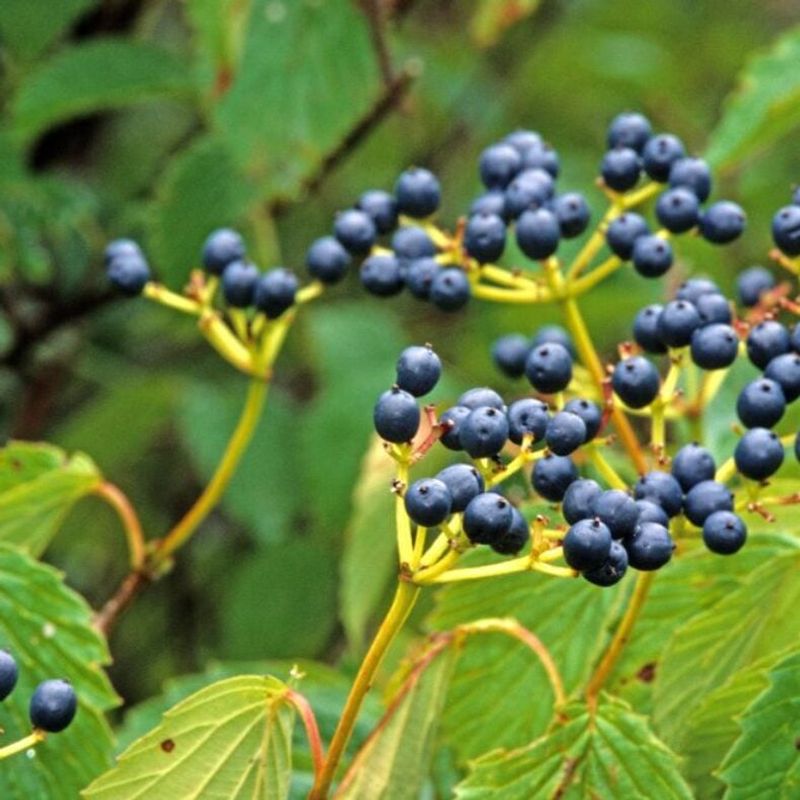
Native Americans reportedly used the straight young stems for arrow shafts, which is where this tough shrub gets its name.
Today it earns its keep differently. Flat white flowers feed pollinators in spring, and blue-black berries feed migrating birds in fall, including many insect-eaters that patrol your lawn edges.
Arrowwood grows in sun or part shade and makes a dense, informal hedge. Its seeds often need a warm period followed by cold, so sowing in early November gives them the best shot at a spring sprout or the following year.
10. Oakleaf Hydrangea
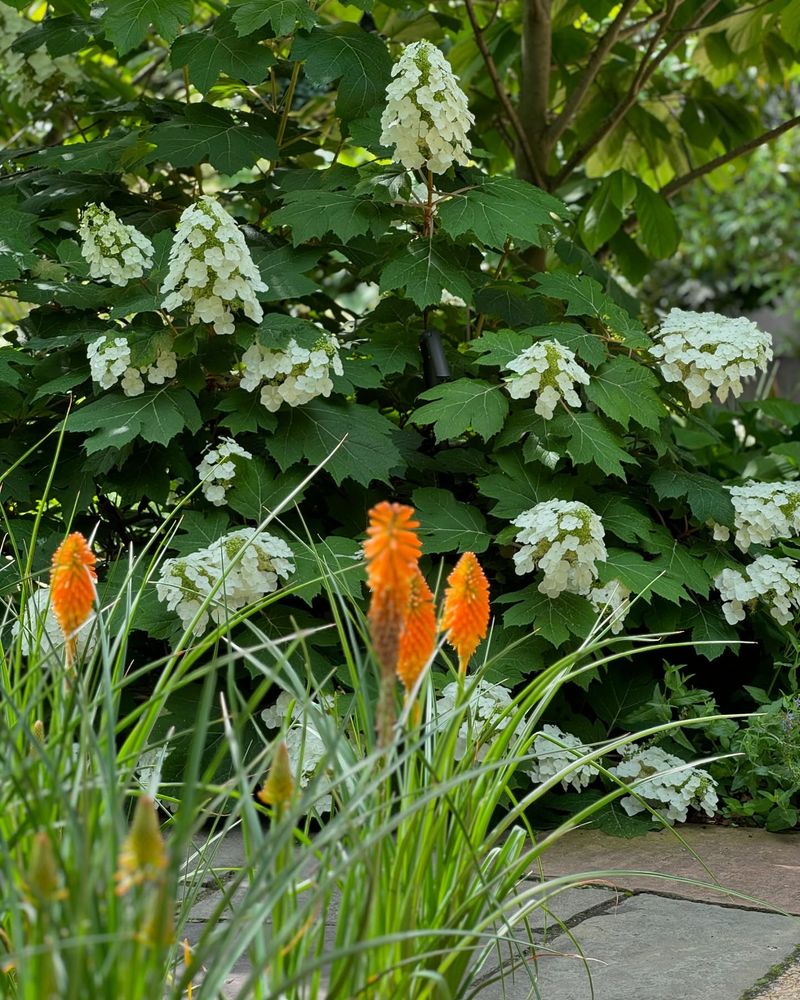
Ditch the thirsty imported hydrangeas for a true Southeastern native. Oakleaf hydrangea brings big cone-shaped white blooms, oak-shaped leaves that turn wine-red in fall, and peeling cinnamon bark that shines in winter.
It thrives in part shade and well-drained soil, perfect under tall pines or along a wooded edge. Pollinators visit the blooms, and the leaf litter below helps shelter firefly larvae if you let it lie.
Collect the dust-fine seed from dried flower heads and press it gently onto moist soil. Set the pot outside, let winter take over, and start planning where your new shrubs will go.