
Condors Were Down To 22 Wild Birds in 1982. Now a Pair Has Nested in a Redwood
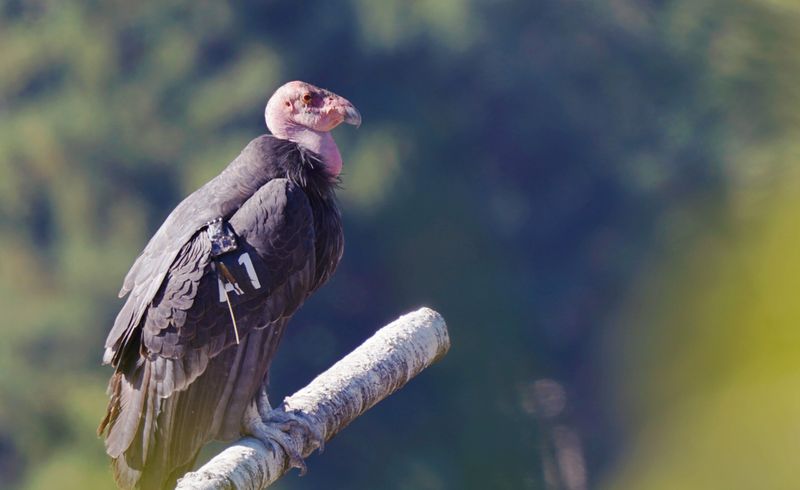
In spring 2026, two California condors tried something no one had documented in the Pacific Northwest in more than a century. They laid claim to a hollow high in an old-growth redwood on Yurok ancestral lands.
The attempt did not appear to produce a chick, but it still says a lot about how far the species has come. Here is what happened, what it means, and what it does not yet prove.
A redwood nesting attempt marks a return, not a birth
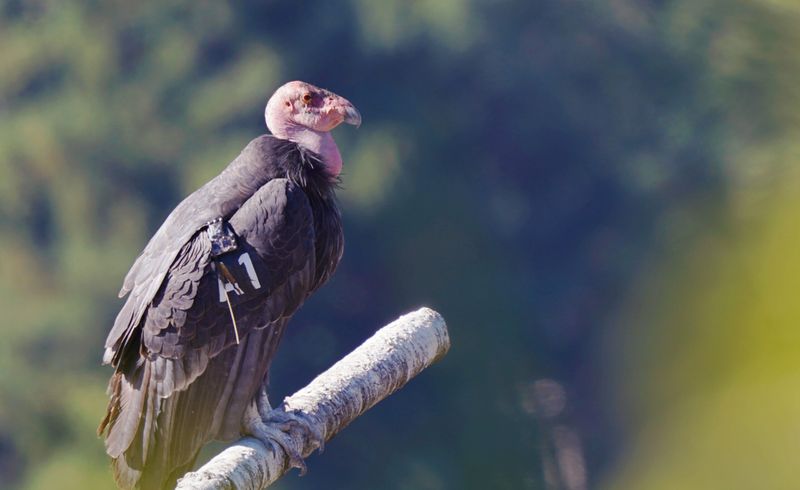
In spring 2026, a pair of reintroduced California condors known as A0 and A1 settled into a cavity in an old-growth redwood on Yurok ancestral lands. It was the first documented condor nest in the Pacific Northwest in more than a century, according to the Yurok Tribe.
Biologists watched the pair’s behavior closely as the weeks went by.
The story did not end with a chick. Tribal biologists reported that the egg’s fate was uncertain, and the egg appears not to have produced a chick.
The nest sat in a spot no one could safely reach, so nobody could look inside and confirm what happened.
Instead, biologists pieced the story together from how the birds acted and from data sent by their tracking devices. That is a reasonable way to read a nest you cannot see, but it is an inference, not a direct observation.
So the right word for this event is attempt. A nest is not the same thing as a successful breeding season, and it would be wrong to say the pair raised young.
Still, the Cornell Lab of Ornithology also described it as a first for the region in over 100 years.
Think of it as a milestone on a long road. Birds released into this landscape grew up, paired off, and chose a redwood as home.
That alone marks a real return, even without a hatchling.
Twenty-two wild birds marked the brink
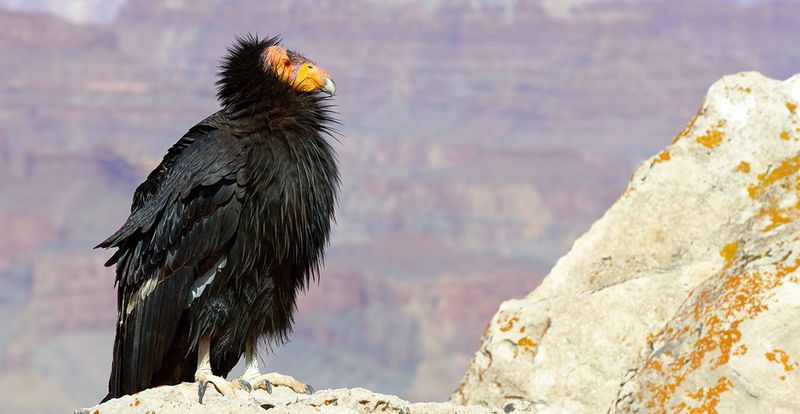
The number 22 needs a label. It counts the condors still living in the wild in 1982, according to the U.S.
Fish and Wildlife Service. The worldwide total that year was 23, because one bird lived in captivity.
Either way, the species was close to vanishing. A bird with a wingspan near nine feet, once seen across much of western North America, had shrunk to a handful of survivors.
Now compare that with the end of 2025. The agency’s 2025 population report counted 607 condors: 392 flying free and 215 living in captivity.
That is a huge change, and it came from decades of hard work by many people and organizations. Even so, the numbers hold a caution.
More than a third of the birds still live in managed care, and the wild flock gets regular additions from breeding programs.
One more detail avoids confusion. The 2025 report says no breeding happened in the Pacific Northwest in 2025.
That does not clash with the 2026 nesting attempt, because the report covers a different year.
The figures show a species pulled back from the edge. They do not show a species that can stand on its own yet.
A recovery led by the Yurok Tribe
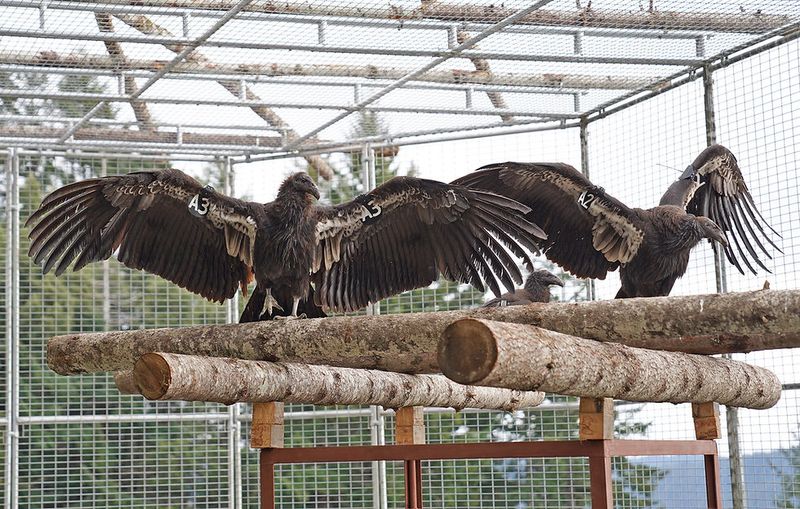
The Yurok Tribe made condor restoration a priority in 2003. That long runway matters, because the birds did not appear in the redwoods by chance.
Years of planning, permitting, and partnership came first.
Release work began in Redwood National and State Parks in 2022. The Yurok Condor Restoration Program leads the effort and works alongside the parks and other partners, including federal wildlife agencies.
The Fish and Wildlife Service introduced the first Pacific Northwest birds to the public that summer.
No single partner did this alone. The Tribe provides leadership and local knowledge, while the parks supply the release landscape and other agencies bring condor expertise and birds.
The Tribe also describes the condor as culturally and spiritual significant, and that relationship is part of why the work matters on Yurok land. Respecting that connection means letting the Tribe speak for itself about what the bird means to its people.
As Redwood National and State Parks explains, the release program is a partnership. The 2026 nesting attempt grew out of that steady, shared effort, with young birds growing into breeding age in a place prepared for them.
Why nest in an old-growth redwood?
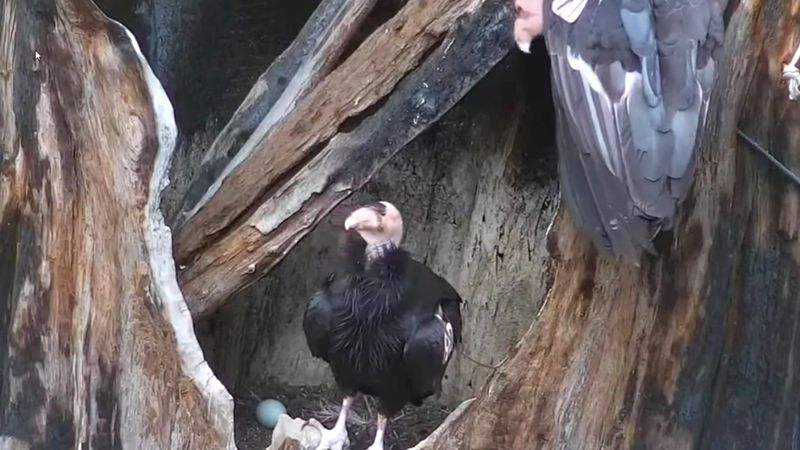
Condors do not build tidy nests of sticks. They use cavities that already exist, in cliffs or in big trees, as the Yurok Tribe’s condor information describes.
A hollow in an ancient redwood fits the bill.
The suspected nest was in a cavity of an old-growth redwood in the Redwood Creek drainage, according to the Tribe’s report on the nest. Old-growth trees tend to have the deep hollows and sturdy structure these big birds need.
History adds meaning to the choice. Federal records show the last condor specimen from the region was collected in 1892.
Reports of sightings continued through 1925, but no credible ones followed before the reintroduction.
That means condors were absent from this region for more than a century. The birds came back to a forest that had gone on without them.
One caution: the sources confirm the tree was old-growth, but they do not say how old that particular tree is. So it would be wrong to claim it is older than the condors’ absence.
What we can say is that the birds chose the kind of forest their ancestors likely used.
What does a condor do for a landscape?
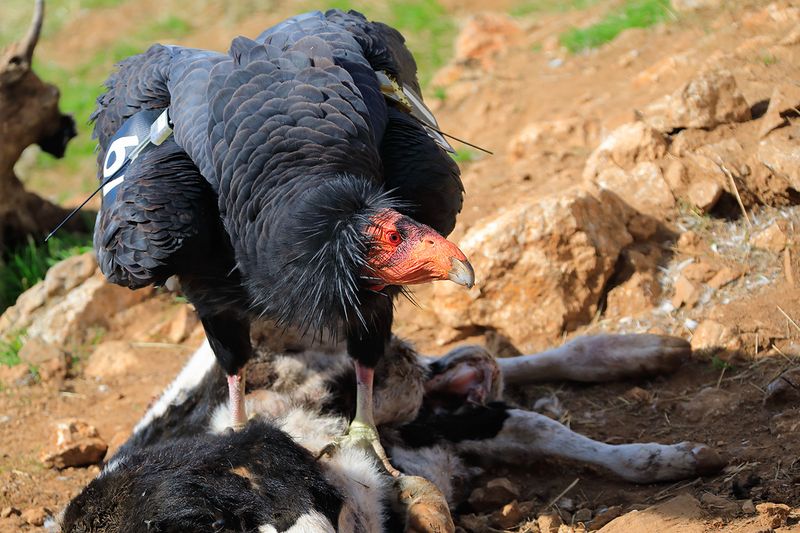
Condors eat dead animals. That habit is why many people call them nature’s cleanup crew, a handy way to describe how scavengers remove carrion from the land.
The idea is simple. When a deer or other animal dies, something has to break it down.
Condors, with their size and strong eyesight, can find carcasses from high in the sky and feed on them.
Some claims go further. The National Park Service describes a disease-prevention benefit from condors eating carrion.
That is a reasonable thing to consider, but it is a potential benefit, not a guarantee.
A broader look at the science urges care. A systematic review of vulture ecosystem services found weak evidence for some of the cleanup and regulation claims.
It also noted that research is uneven across places and species.
So the honest version is modest. Condors eat carrion, and that is part of how a landscape works.
No one can promise a measured public-health benefit from California condors, or say they stop disease outbreaks everywhere.
Their value does not hinge on that promise. They are a native species with a role in this place, and their return restores a missing piece.
The comeback still needs active management
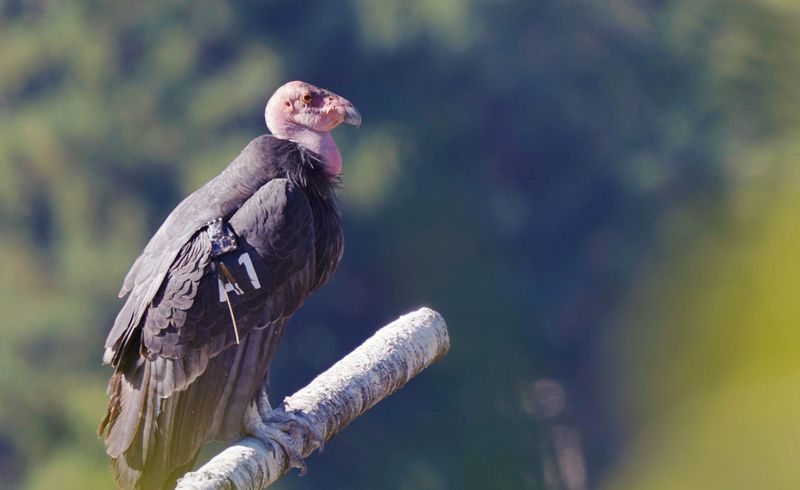
A bigger population is welcome news, but it is not the same as a self-sustaining one. The California condor is still endangered, and people are still doing much of the work of keeping it going.
Look at the 2025 numbers. The population report says 46 captive-bred condors were released to the wild that year, and 215 birds remained in captivity.
Those figures show how much of the recovery rests on breeding programs. Releases continue because the wild flock cannot yet replace itself fast enough on its own.
Lead poisoning is a big reason. The same report records it as an ongoing cause of wild condor deaths.
Condors that feed on carcasses can swallow lead fragments left from ammunition, and that harms or kills them.
This is where the story of the 2026 nest fits. A nesting attempt in a new region is a sign of progress, but each failed egg is a reminder that breeding in the wild is hard.
The federal recovery program frames the work as ongoing. Substantial progress, continued care: both are true at once.
Give the next nesting attempt room
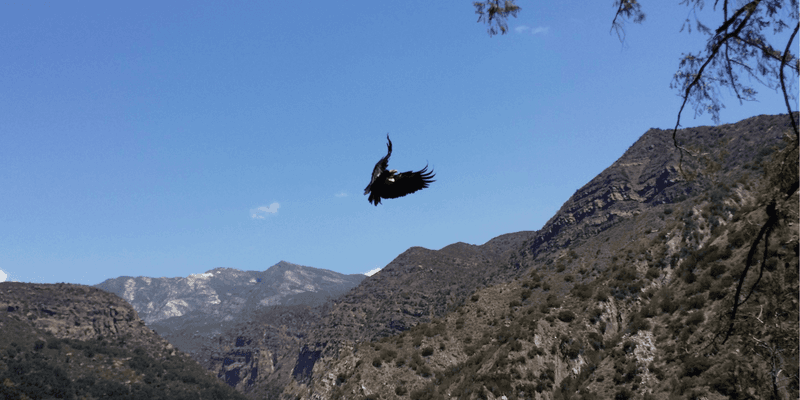
The 2026 nest produced no known chick, yet it still marks a return. A species that was down to 22 wild birds in 1982 now has a pair choosing redwoods in Yurok country.
That is worth celebrating with care.
Visitors can help by giving wildlife space. Redwood National and State Parks asks people to follow Leave No Trace practices, which include watching animals from a distance and not approaching or following them.
Stay away from nesting animals, since disturbance can cause birds to abandon eggs or young. Drones are also off limits on National and State Park land, as the park visitor guide explains.
Please do not go looking for the remote nest.
Binoculars and patience are better tools than getting close. If a large dark bird glides overhead, enjoy it and move on.
Some comebacks happen when people step back and let the wild do its work.