
The Curing Mistakes That Leave North Carolina Sweet Potatoes Bland Or Rotting By Christmas
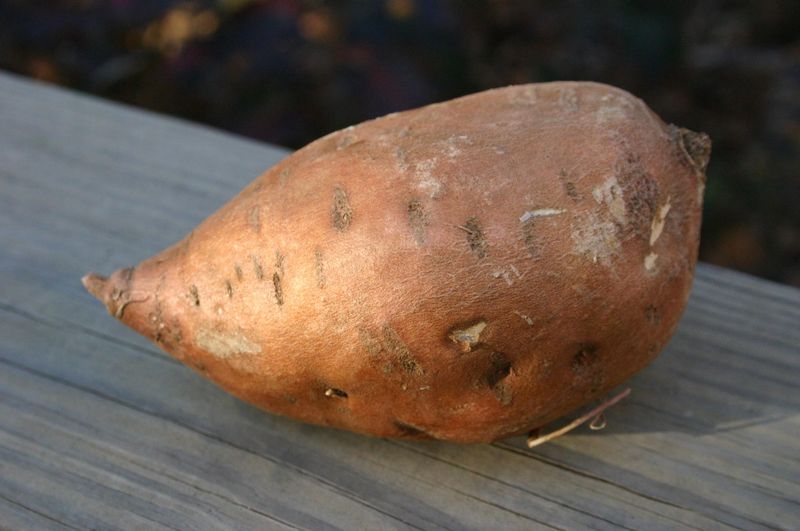
You dug up a beautiful pile of sweet potatoes this fall, and now you are dreaming of Christmas casseroles. But the sweetest part of the job happens after the harvest, during a quiet step called curing.
Get it wrong, and your sweet potatoes can taste like plain cardboard or turn to mush in a dark corner before December. Here are ten common curing mistakes North Carolina gardeners make, plus simple fixes you can use in your own home and yard.
1. Waiting Too Long to Start Curing
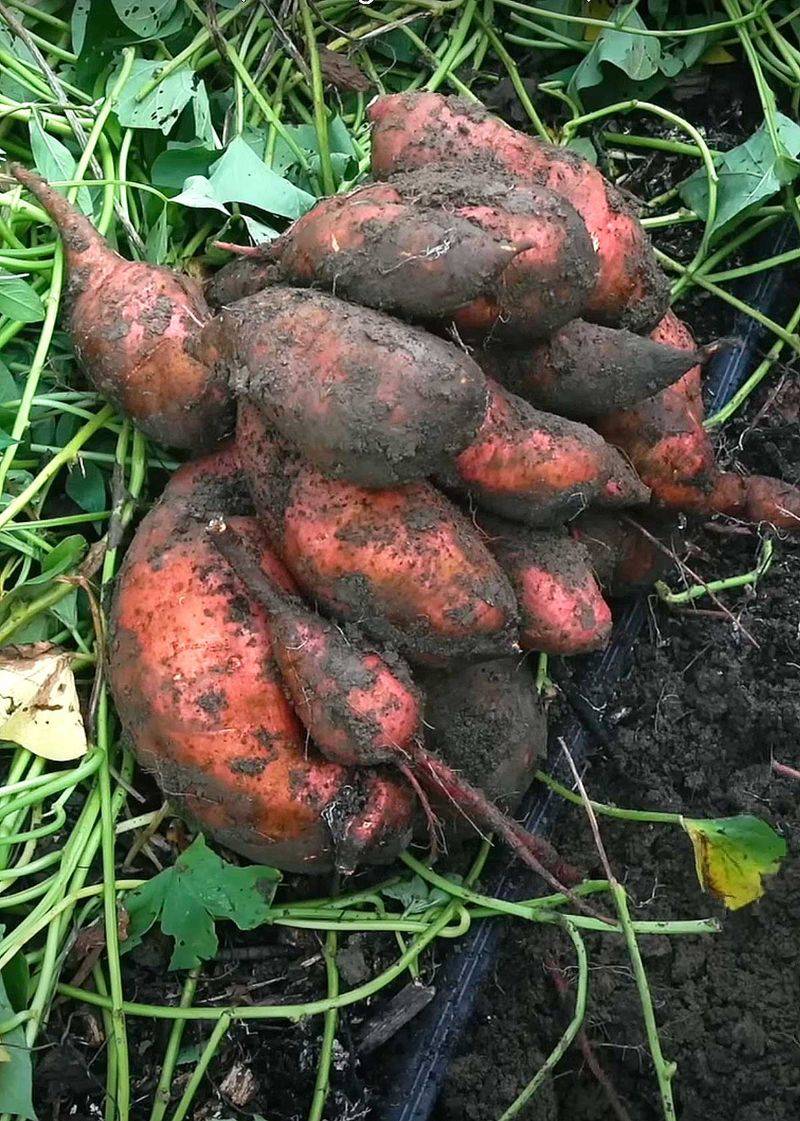
Picture a Saturday in early October. You dig your rows, admire the haul, and leave the basket on the porch until next weekend.
That one week of waiting may cost you more than you think.
Fresh harvest wounds need warmth and humidity right away to form a protective layer called periderm. When curing is delayed, those little scrapes dry out, leaving rough scars that may let rot organisms slip inside later.
Plan your dig for a day when you can move the roots straight into a warm curing spot. If frost is in the forecast, as it often is in the Blue Ridge by mid-October, harvest a few days early rather than late.
2. Washing the Dirt Off First
It feels natural. Muddy vegetables go in the sink, right?
With sweet potatoes, that clean-up habit is a trap.
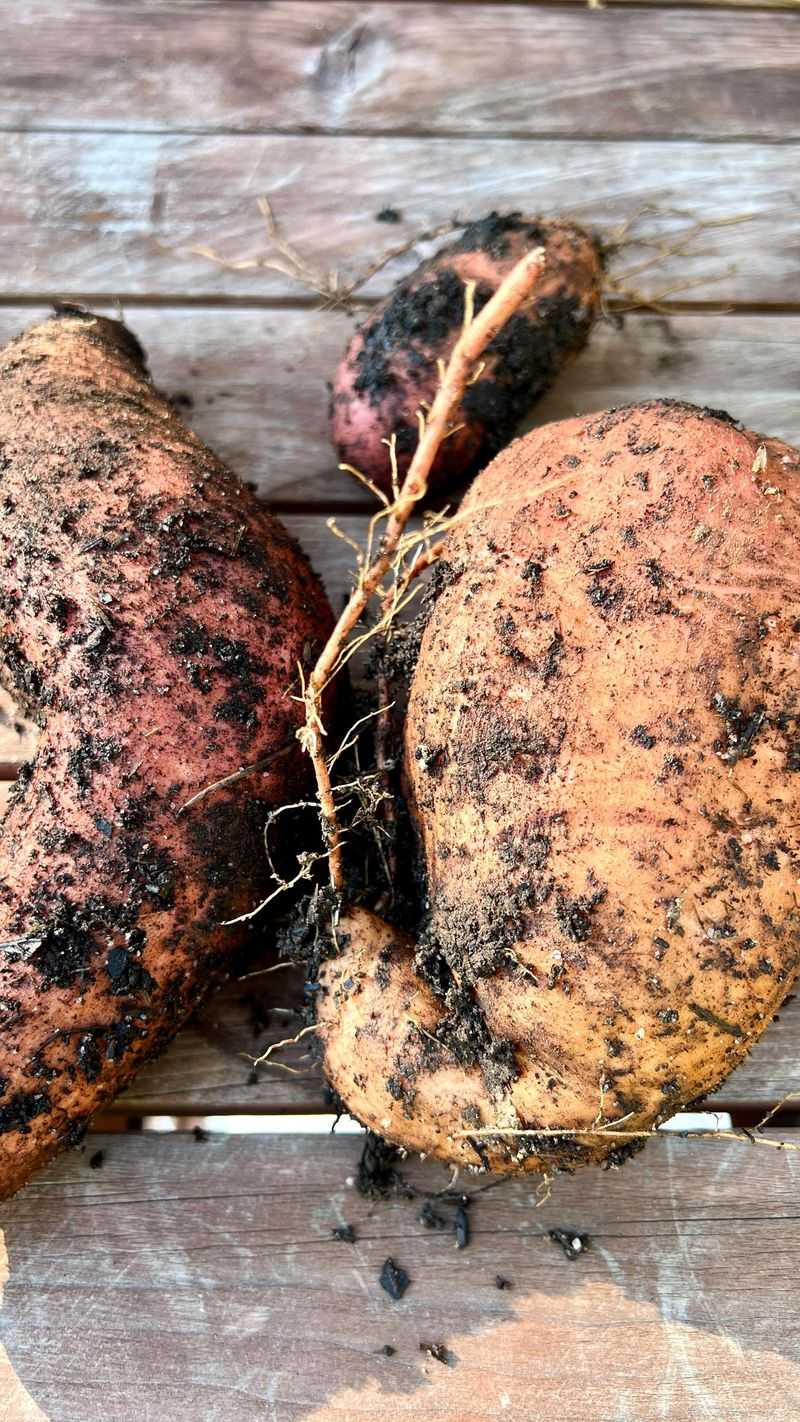
Water clings to thin, fresh skins and can scuff them, opening tiny doorways for mold and bacteria. Instead, let the soil dry for an hour or two, then knock it off gently with your hands or a soft brush.
Save the scrubbing for the day you cook. A little leftover Carolina clay never hurt a sweet potato in storage, but a bath before curing very well might.
3. Rough Handling at Harvest
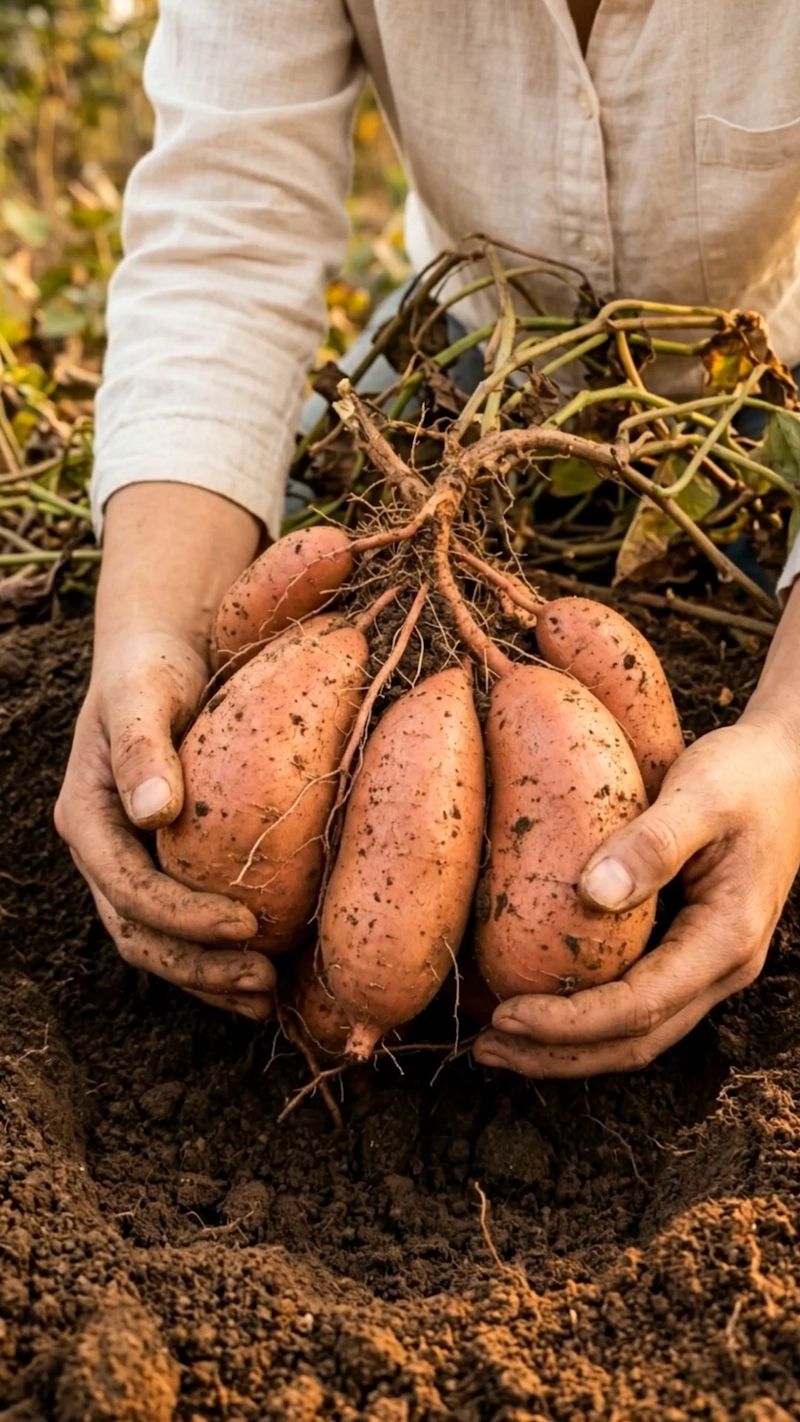
Sweet potatoes look tough, but their skins bruise almost as easily as a peach. Tossing them into a bucket from waist height can leave bruises you will not see until rot shows up weeks later.
Dig wide around each plant so your fork does not stab the roots. Lay them in a padded basket instead of dropping them.
Sort as you go. Badly cut or diseased roots should be eaten soon or tossed, not cured with the rest, because one bad potato can spread trouble to its neighbors.
Any scraps can head to the compost pile, where they feed the soil life that keeps your yard healthy.
4. Curing Somewhere Too Cool
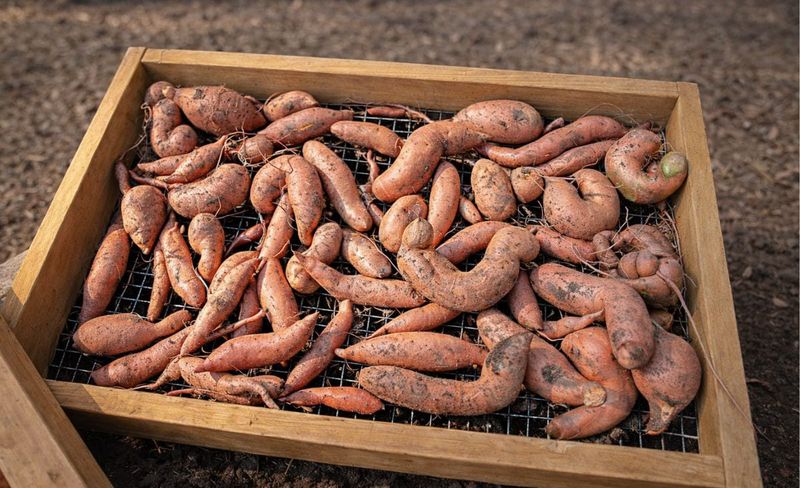
Here is the science behind bland sweet potatoes: starch needs warmth to turn into sugar. Cure them in a chilly basement at 60 degrees, and that change barely happens.
The target is roughly 80 to 90 degrees for about 5 to 10 days. A laundry room near the dryer, a closet with the water heater, or a small room with a space heater can work well.
Fun fact: North Carolina grows more sweet potatoes than any other state, and commercial growers use special warm curing rooms for this exact reason. You can copy the idea on a much smaller scale.
5. Forgetting About Humidity
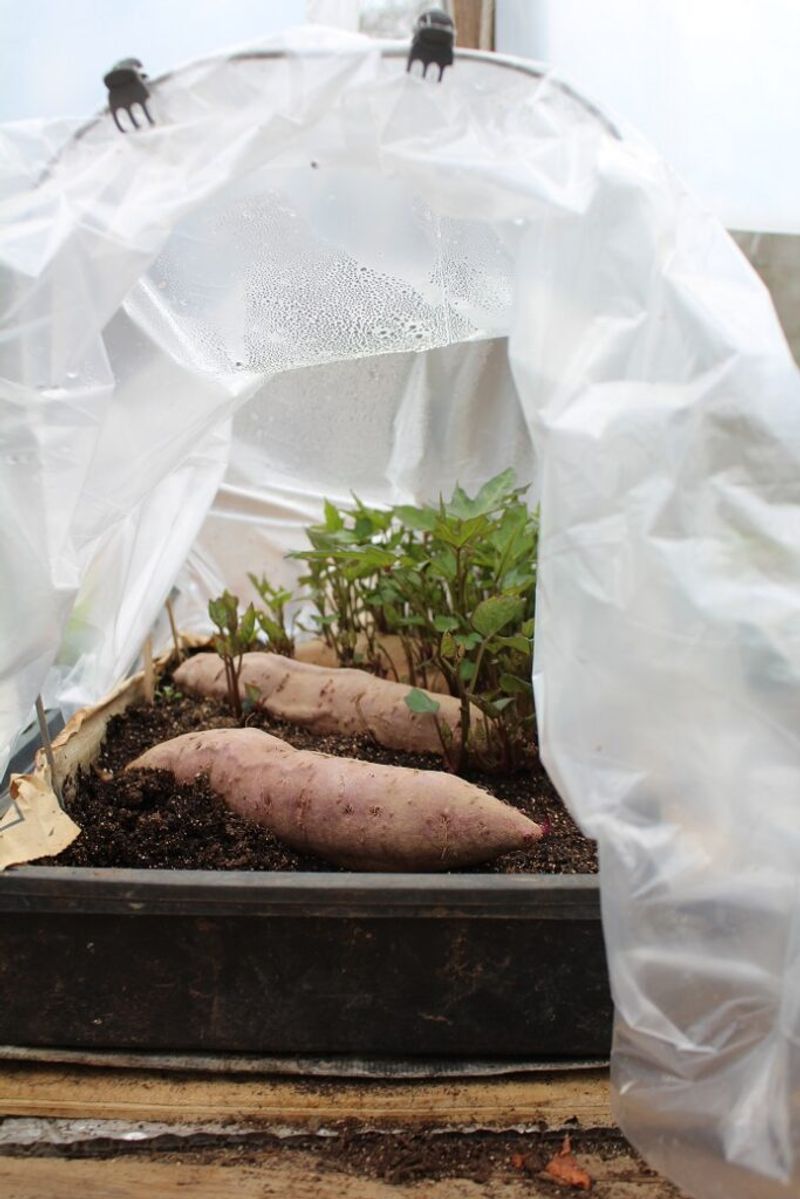
Warmth alone is only half the recipe. Sweet potatoes heal best when the air holds about 80 to 90 percent humidity, which is much damper than most heated homes in fall.
Dry air leaves wounds open and skins shriveled. A few shallow pans of water or a damp towel tucked near the roots can raise humidity in a closed room.
A cheap hygrometer takes away the guessing. Check it daily, and refill water trays as they dry out.
6. Stacking Them in a Deep Pile
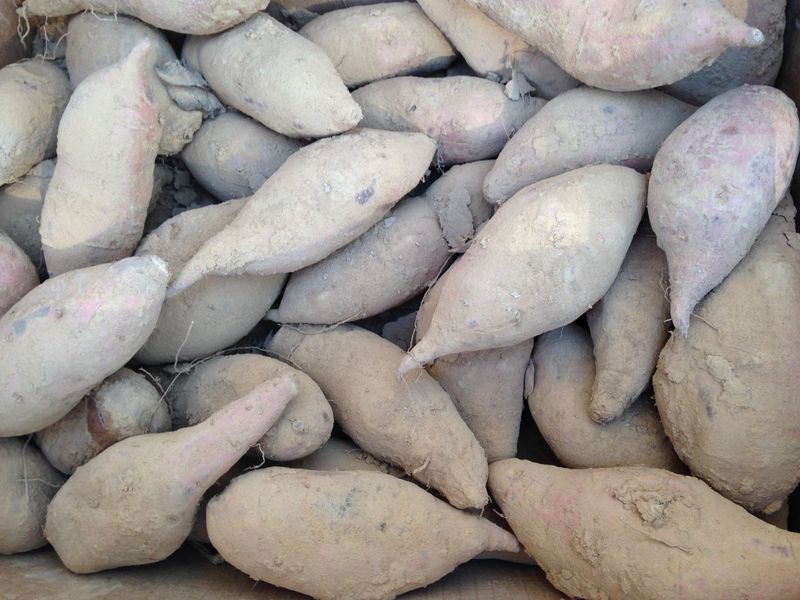
A heaping mound of sweet potatoes looks like abundance. To a mold spore, it looks like a cozy, damp apartment.
Roots in the middle of a pile trap moisture and heat, and that is where soft spots begin. Spread them in a single layer on racks, trays, or newspaper, with a little space between each one.
Short on room? Shelving units or old window screens set on bricks give you levels without crowding.
Airflow is your best friend here.
7. Sealing Them in Plastic
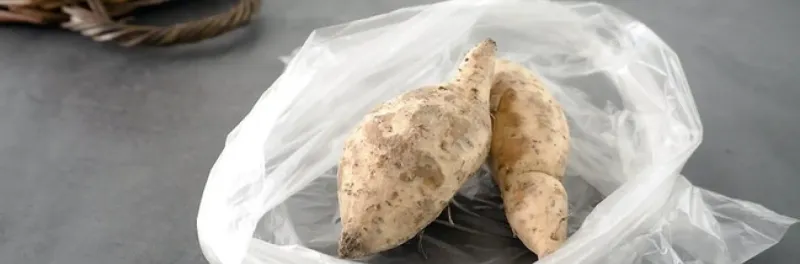
Plastic bags can actually help home curing, but only if they breathe. A sealed bag turns humidity into puddles, and puddles turn into rot.
If you use bags or bins, poke plenty of holes for air. Some gardeners set ventilated bags near a warm window to boost heat, which works as long as the bags never sit in harsh direct sun.
Open them every day or two to check for condensation. Wipe away wet spots and give the roots a breather if things look too steamy.
8. Leaving Them in Direct Sun
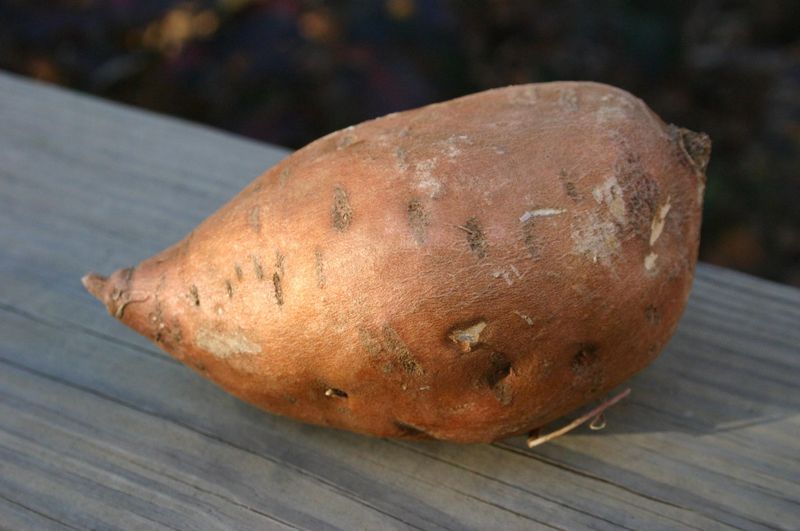
Many of us grew up hearing about laying crops out in the sun. For sweet potatoes, that old porch-rail method can backfire.
Strong sun can scald or cook the skins rather than heal them. A brief hour of drying after digging is fine, but real curing belongs in a warm, shaded or indoor space.
Bringing them inside quickly also keeps them away from curious backyard visitors. Squirrels, voles, and even deer will happily sample an unguarded sweet potato.
9. Moving Cured Roots Into the Cold
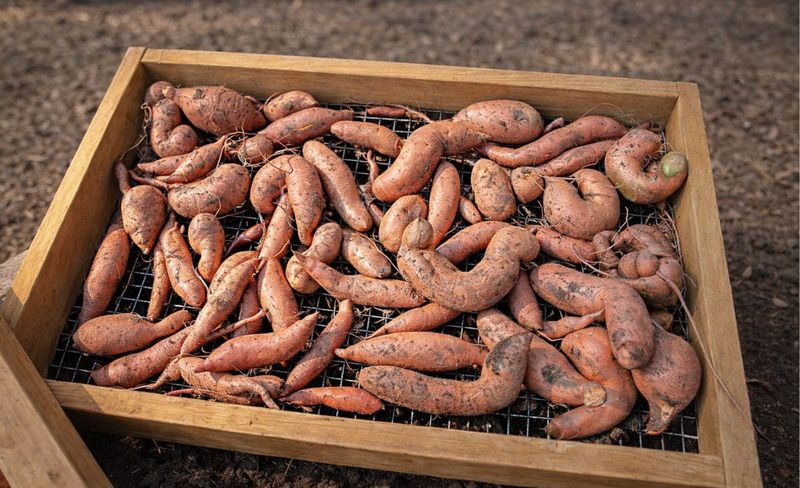
Curing went perfectly, and then the sweet potatoes landed in the refrigerator or an unheated mountain garage. By Christmas, they have hard centers and odd flavors.
Temperatures below about 55 degrees cause chilling injury. Aim for 55 to 60 degrees in a dark spot, such as an interior closet or a cool pantry.
Store them this way and they can last many months. Some gardeners are still baking last fall’s crop in late spring.
10. Storing Them Beside Apples and Bananas
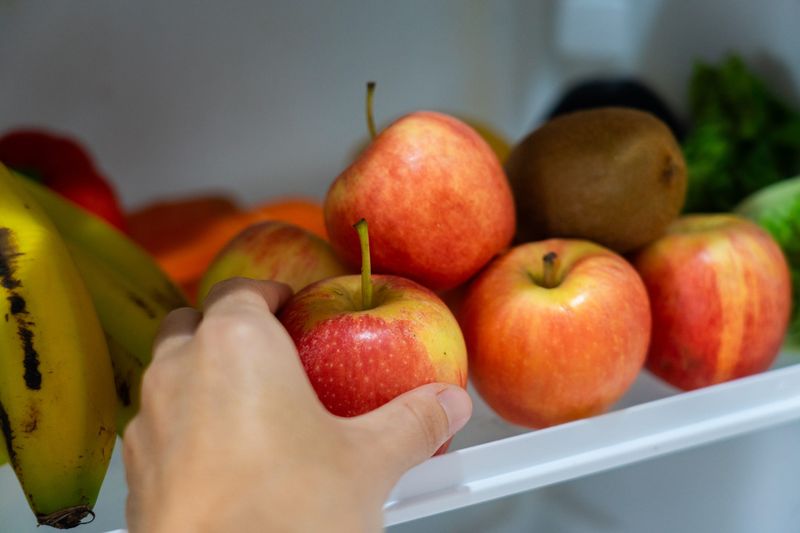
That festive fruit bowl might be quietly shortening your sweet potato supply. Apples and bananas give off ethylene, a natural gas that speeds up aging.
Near sweet potatoes, ethylene can encourage sprouting and shorter shelf life. Keep the two in separate rooms, or at least far apart.
Checking your stash every couple of weeks rounds out good habits. Pull any root showing soft spots so your holiday crop stays sound right up to the casserole dish.