
9 Common Yard Weeds You Keep Pulling That Are Actually Edible Greens
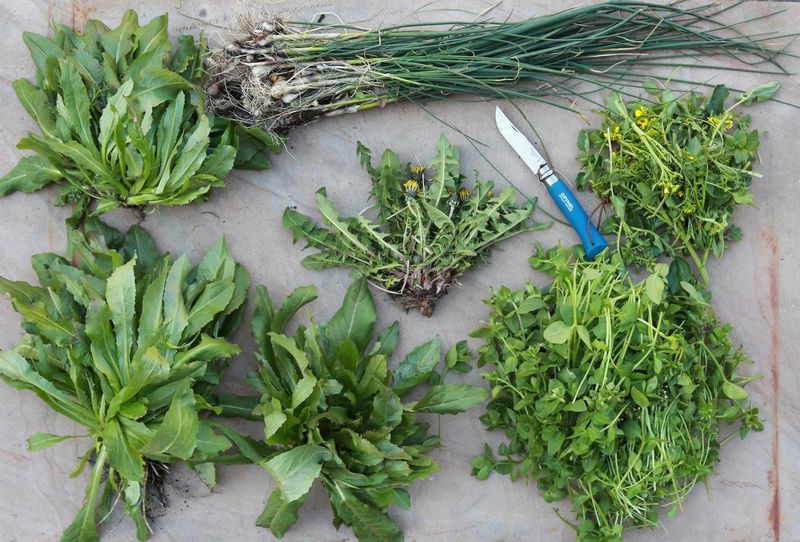
Every summer, a lot of us spend hours on our knees yanking the same stubborn weeds out of the lawn and garden beds. Here is the surprise: many of those plants are tasty, healthy greens that people have eaten for centuries.
Knowing which ones are safe can turn a chore into a free harvest and help you waste less of what already grows in your yard. Grab your gloves, because some of these might end up in your salad bowl instead of the trash bin.
1. Dandelion
Gardeners have waged war on dandelions for generations, yet early European settlers actually carried the seeds to America on purpose. They wanted a reliable spring green, and boy, did they get one.
Every part of the plant is edible, from the sunny flower to the long taproot.
Young leaves picked before the plant blooms are the least bitter, so spring is your best window. Toss them into salads, sauté them with garlic, or blend a handful into a smoothie.
Older leaves get sharper, but a quick boil in salted water tames them nicely.
The flowers make fun fritters, jelly, or syrup, and the roots can be roasted and ground into a coffee-like drink. Nutrition is a real bonus here, with vitamins A and C, calcium, and iron packed into each leaf.
Just skip any lawn that has been sprayed with weed killer or fertilizer.
2. Wood Sorrel
Kids in the Midwest often call it sour grass, and one nibble tells you why. Wood sorrel tastes like a squeeze of lemon, which makes it one of the most surprising snacks hiding in your flower beds.
Look for three heart-shaped leaves on each stem, often paired with tiny yellow or pink blooms.
Leaves, stems, flowers, and the little seed pods are all fair game. Sprinkle them over fish, stir them into soups at the end, or steep a handful for a tangy tea.
They also brighten up a plain green salad in seconds.
That sour kick comes from oxalic acid, the same compound found in spinach and rhubarb. A small handful is fine for most people, but anyone with kidney trouble or gout should go easy or skip it altogether.
3. Lamb’s Quarters
Picture spinach that plants itself, never bolts in a hurry, and shows up right next to your tomatoes without being asked. That is lamb’s quarters, often nicknamed wild spinach or goosefoot.
The leaves have a dusty, almost silvery coating on top, and water beads right off them.
Flavor-wise, it is mild and earthy, honestly better than store-bought spinach in many cooks’ opinion. Young tips work raw in salads, while bigger leaves shine in omelets, soups, casseroles, and stir-fries.
Later in the season, the seeds can even be sprouted or ground into flour.
Nutrition experts rank it among the most nutrient-dense greens out there, loaded with vitamins A, C, and several B vitamins. Like spinach, it carries oxalic acid and can store nitrates, so cook mature leaves and enjoy it in reasonable portions.
One tip: avoid harvesting from soil near roads or heavily fertilized areas, since the plant soaks up what is in the ground.
4. Chickweed
Ever notice a soft green carpet creeping across your beds before anything else wakes up in spring? Chickweed loves cool, damp weather and often grows thickest in March and April.
Those tiny white flowers look like little stars when you get close.
The taste is the big surprise. It is mild and fresh, with a hint of sweet corn, and the tender stems and leaves can go straight into sandwiches, salads, or a bright green pesto.
Cooked briefly, it acts a lot like spinach in eggs or stir-fries.
Chickweed offers vitamin C, potassium, and zinc, but it also contains saponins, so moderate amounts are smart. Pregnant women should avoid using it medicinally.
Snip the top few inches with scissors and the plant will regrow for another round.
5. Broadleaf Plantain
Forget the banana-like fruit. This plantain is the flat, ribbed weed that pops up in compacted spots like walkways and the edge of the driveway.
Some Native American groups reportedly called it white man’s footprint because it seemed to follow settlers wherever they walked.
Tender young leaves can be eaten raw in salads or tossed into smoothies. Older leaves turn stringy, so cook those in a stir-fry or simmer them as a side dish.
The seeds on those tall spikes are edible too, raw or lightly toasted.
You get a good dose of calcium, beta-carotene, and vitamins A, C, and K. Since it thrives in high-traffic areas, pick from clean spots away from pets and car exhaust.
6. Garlic Mustard
Here is one weed you can pull with zero guilt and then eat with pleasure. Garlic mustard is an invasive plant in much of the US, crowding out native wildflowers in shady yards and woods.
Harvesting it for dinner actually helps the local ecosystem.
Crush a leaf and you will smell exactly what the name promises, garlic with a mustard bite. Young leaves add zip to salads, omelets, and soups, and they make a punchy pesto.
The roots taste a bit like horseradish, and the seeds can be ground into a spicy condiment.
Timing matters with this one. Pick it young in early spring, because older plants contain compounds that call for thorough cooking.
Pull the whole plant before it sets seed so you keep it from spreading.
7. Red Clover
Bees adore it, and once you taste the blossoms, you might understand why. Red clover flowers carry a light, honey-like sweetness that makes them a lovely summer treat.
Many folks remember pulling the tiny petals as kids and sucking out the nectar.
Fresh blossoms brighten salads, baked goods, and omelets, and dried ones brew a mellow tea. You can also turn them into jelly or syrup.
The young leaves can go raw into salads or get cooked into soups.
It offers plant protein, calcium, magnesium, and B vitamins. Choose fresh, bright flowers and skip any that look brown, since spoiled clover is not a good idea.
Leaving a few patches also keeps pollinators happy around your tomatoes and squash.
8. Purslane
When July heat cooks the rest of your garden, purslane just keeps on thriving. Those fleshy little leaves and reddish stems hug the ground in sidewalk cracks and sunny beds.
It is sold at farmers markets and used in Mexican and Mediterranean cooking, so you are basically growing a gourmet green for free.
The flavor is tangy and slightly lemony, with a satisfying crunch. Chop it into salads, tuck it into tacos, or stir it into soups where it thickens things a bit.
It even pickles well.
Purslane stands out for its omega-3 fatty acids, which are rare in leafy greens, plus vitamins A, C, and E. Be careful not to confuse it with spurge, a look-alike with milky white sap.
Purslane sap is clear, so break a stem to check.
9. Wild Violet
Few weeds are as pretty as the purple violets sprinkled across a shady lawn in April. Grandmothers once candied these blossoms to decorate cakes, and that sweet tradition is easy to bring back.
Both leaves and flowers are edible. Use the heart-shaped leaves raw in salads or cook them into soups, where they help thicken the broth.
The flowers make a cheerful garnish, a soft tea, or a pretty violet-tinted vinegar.
Leave the roots alone, though, since most species should not be eaten. As with every green on this list, positive ID is a must before you take a bite.
When in doubt, compare with a trusted field guide or ask your local extension office.