
The North Carolina Perennials That Bounce Back Bigger Next Spring After A Brutal Dry Year
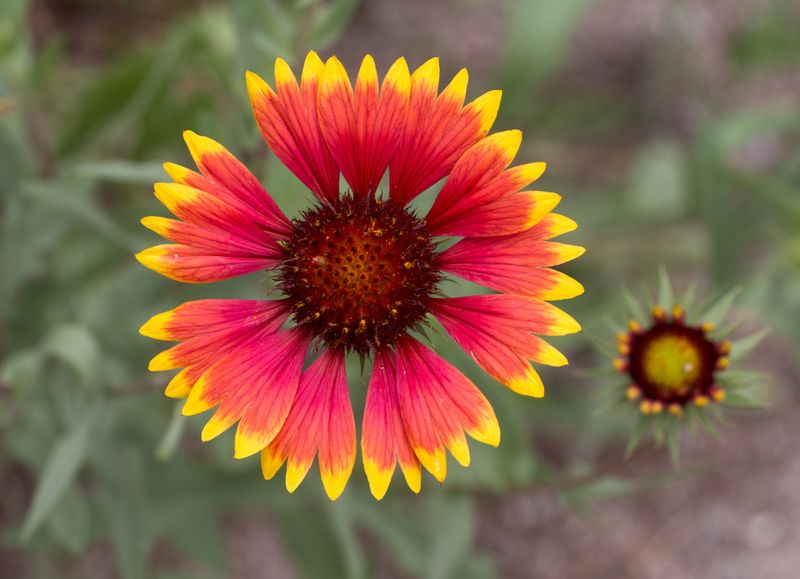
Last summer’s drought left a lot of North Carolina yards looking crispy and tired. The good news is that some native perennials spend a dry year building deep roots underground, then come back fuller and stronger the next spring.
Picking these tough plants means less watering, fewer losses, and more food and shelter for the goldfinches, fireflies, and pollinators you love to see. Here are ten that can turn a rough year into a better garden.
1. Purple Coneflower
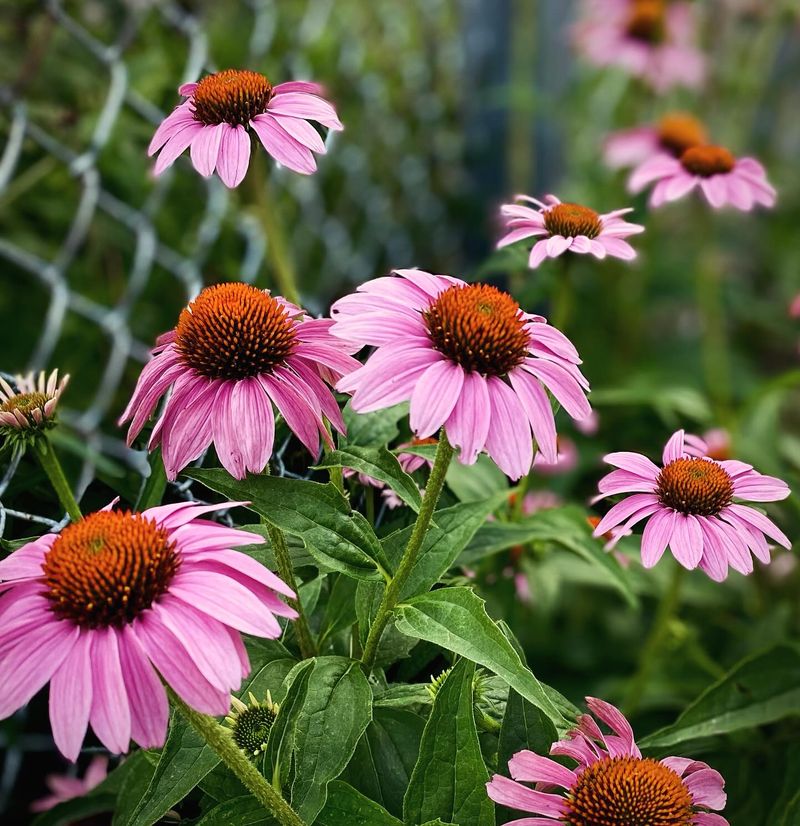
Picture a goldfinch hanging upside down on a dried coneflower head in September, picking out seeds one by one. That scene is a big reason Echinacea purpurea earns a spot in so many NC yards.
It also happens to be one of the toughest plants you can grow through a dry spell.
Coneflower sends down a thick taproot that reaches moisture other plants miss. In the Piedmont’s heavy red clay, that root can sulk the first year, then explode into a wider clump after a drought pushes it deeper.
Many gardeners notice twice the flower stems the spring after a dry summer.
To help it rebound, skip the fertilizer and leave the seed heads standing through winter. The birds get a meal, and the plant stays undisturbed while its roots recover.
A thin layer of shredded leaf mulch is all the extra care it needs.
2. Black-Eyed Susan
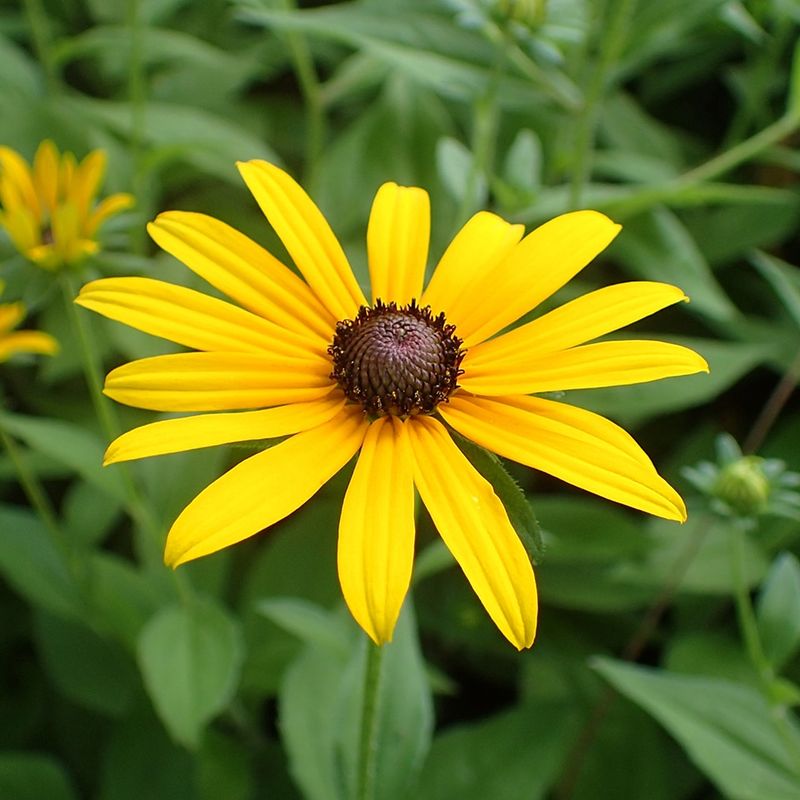
Ask any longtime NC gardener which flower never lets them down, and you will hear this answer a lot. Rudbeckia hirta and its cousin Rudbeckia fulgida shrug off heat, sand, clay, and mountain chill alike.
They are about as close to foolproof as a native gets.
Here is the trick that makes them bounce back. R. hirta reseeds freely, so even if a few plants die in a drought, a fresh crop of seedlings pops up next spring.
Orange coneflower, R. fulgida, spreads by short runners and often fills in bare patches the dry year left behind.
Let some flowers go to seed in fall. Goldfinches and other small birds will thank you, and you get free plants.
It is a simple swap for invasive fillers, and it works from Wilmington to Boone.
3. Butterfly Weed
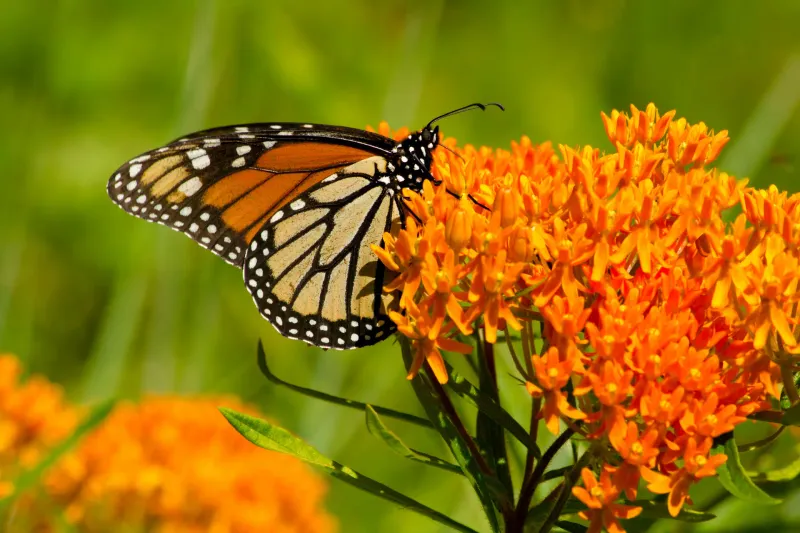
Few plants actually seem to enjoy being ignored. Butterfly weed, Asclepias tuberosa, is one of them.
Give it dry, well-drained soil and full sun, and it rewards neglect with brilliant orange blooms.
The secret is a deep, carrot-like root that stores water. After a brutal summer, that root usually sends up more stems the next year, not fewer.
Just know it emerges late, often in May, so mark its spot so you do not dig it up by accident.
As a host plant for monarch caterpillars, it does real good for wildlife. If you see chewed leaves and striped caterpillars, celebrate.
That means your yard is working exactly as it should.
4. Blazing Star
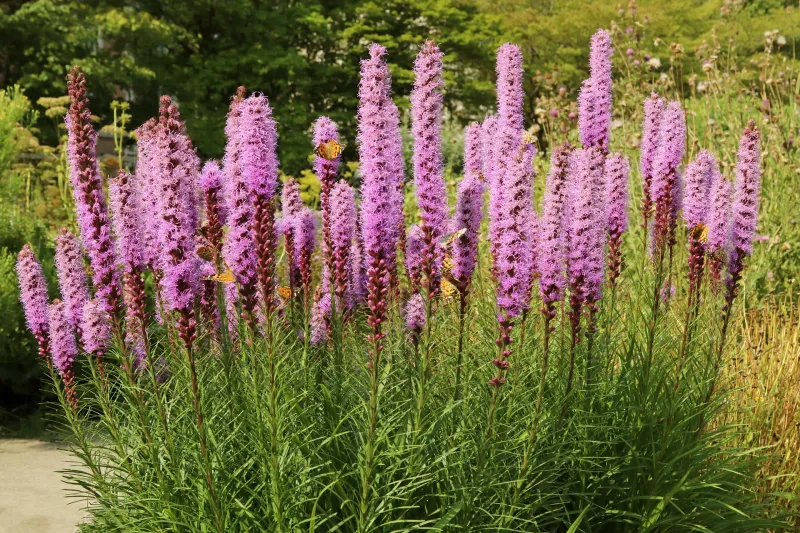
Tall purple spikes that bloom from the top down? That quirky habit makes Liatris stand out in any border.
Butterflies and bees mob it in late summer.
Blazing star grows from a round underground corm, a bit like a bulb. During drought, the top may go dormant early, but the corm stays safe and often splits, giving you more spikes next year.
Liatris squarrosa loves sandy or rocky ground, while Liatris spicata handles a bit more moisture.
Coastal Plain gardeners with fast-draining sand will find it nearly carefree. Tuck it into a pollinator strip and let the seed heads stand for winter birds.
5. Coreopsis
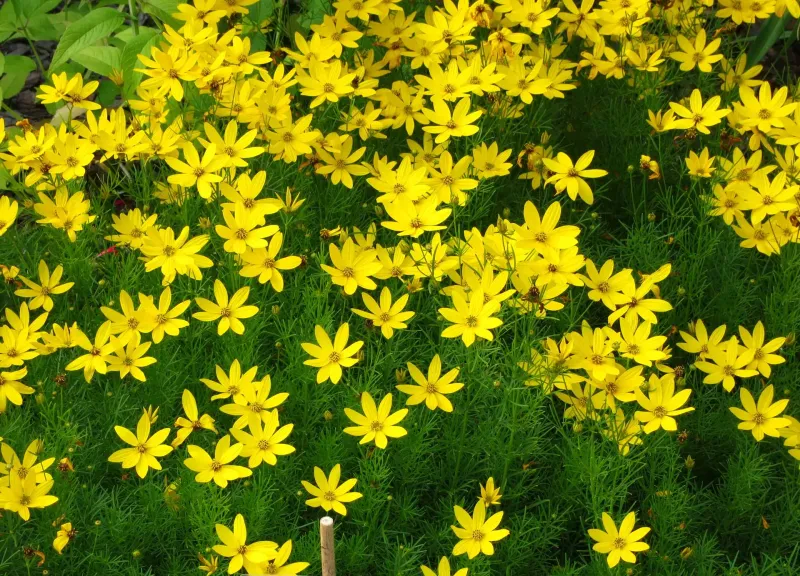
Nicknamed tickseed for its seeds, not because it draws ticks, coreopsis is pure sunshine on a stem. Lanceleaf coreopsis, threadleaf Coreopsis verticillata, and mouse-ear Coreopsis auriculata all call the Southeast home.
These plants handle poor soil and intense heat with ease. After a dry year, lanceleaf types reseed into open gaps, while threadleaf clumps tend to come back wider.
Shearing spent blooms in midsummer can give you a second flush.
Coreopsis is a fine native choice where people might otherwise plant non-native fillers. It works in coastal sand, Piedmont clay, and mountain slopes alike.
6. Spotted Beebalm
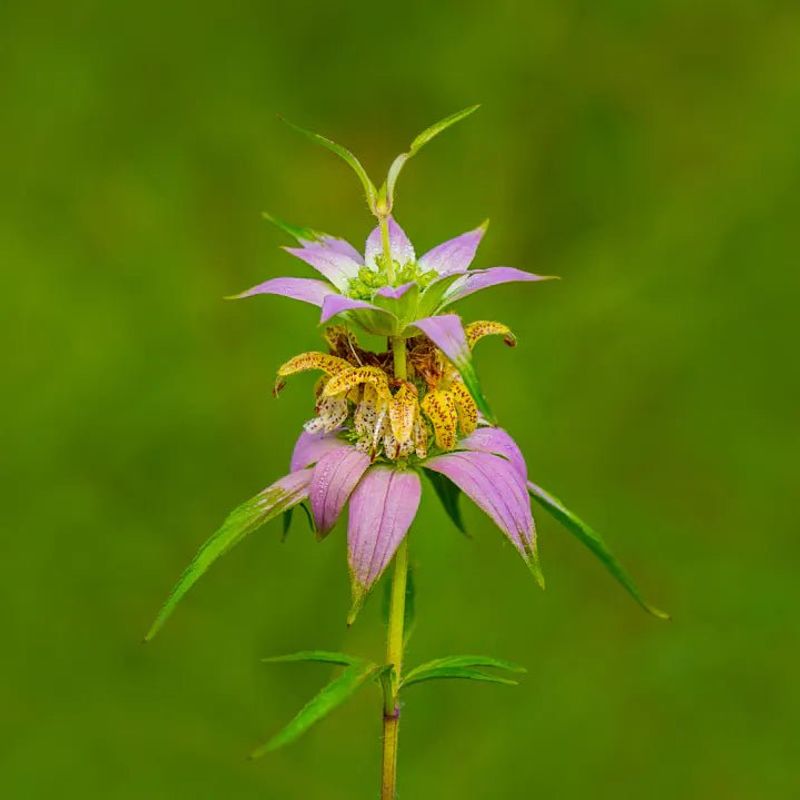
Funky is the best word for spotted beebalm. Its creamy, purple-dotted flowers sit on pink bracts that look like a costume party.
Native wasps and bees can’t get enough of it.
Monarda punctata is the most drought-tough of the beebalms, happy in sandy or lean soil where Monarda didyma would wilt. It spreads gently and often reseeds, so a dry year rarely knocks it out.
Expect a wider patch next spring.
If you want hummingbirds too, add scarlet beebalm in a spot with part shade and steadier moisture. Together they cover a long bloom season for your pollinators.
7. Switchgrass
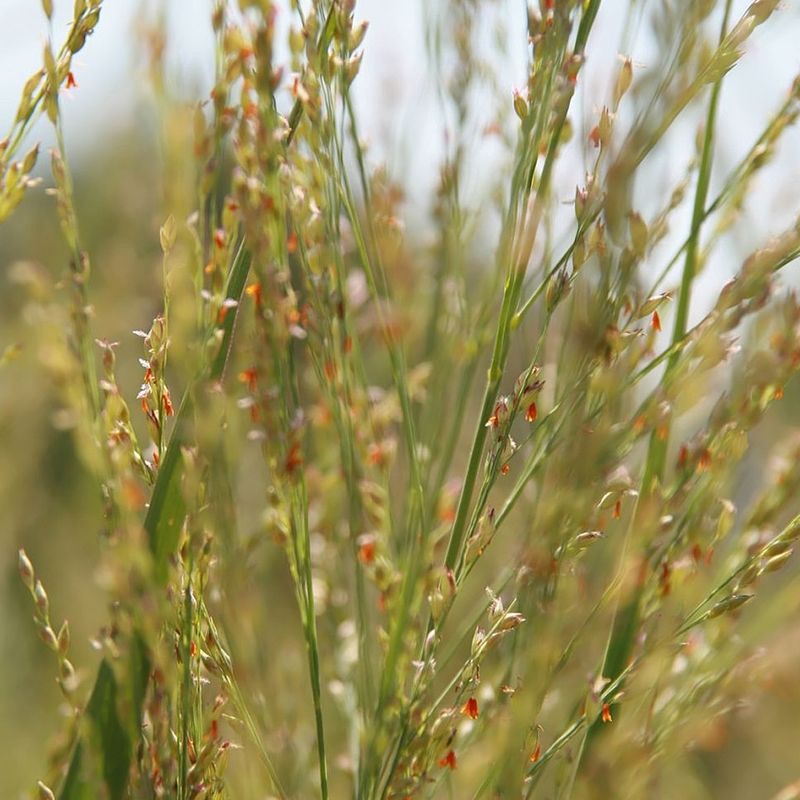
Remember chasing fireflies as a kid? Switchgrass may help bring that back to your yard.
Its dense clumps give fireflies a shady daytime hideout, and the moist soil under it shelters their larvae.
Panicum virgatum roots can reach several feet deep, so drought barely fazes it once established. In fact, it often thickens up the season after a dry year.
Cut it back in late winter, not fall, so insects can overwinter in the stems.
It is also a great swap for invasive Chinese silvergrass, Miscanthus sinensis, which spreads into NC woods. Leave a strip unmowed and enjoy the glow on summer nights.
8. Blanket Flower
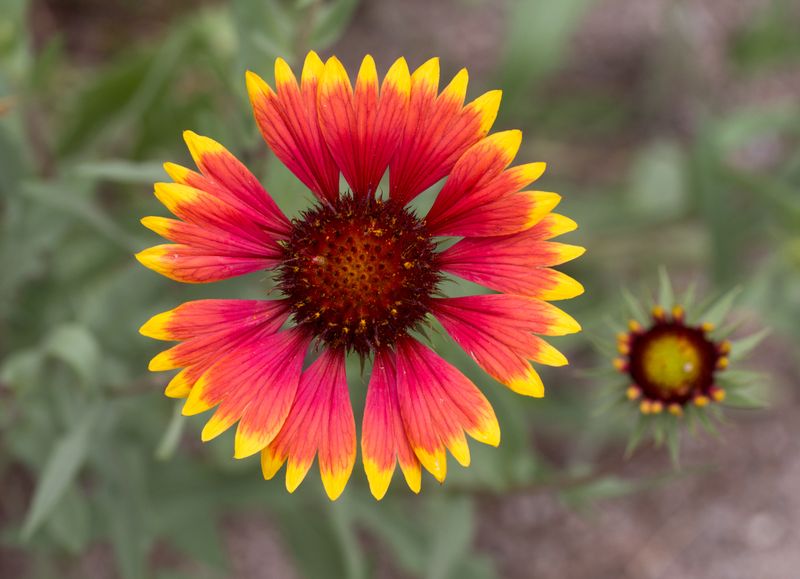
Out on the Outer Banks, blanket flower grows right in beach sand where almost nothing else will. That should tell you how tough it is.
Gaillardia pulchella, also called firewheel, blooms in fiery red and yellow from late spring into fall.
Deer usually skip it, and drought hardly slows it down. It is short-lived but reseeds well, so new plants fill in after a hard year.
Too much water or rich soil is actually what kills it.
Coastal Plain gardeners should put this at the top of their list. Butterflies and bees visit for months.
9. Blue Wild Indigo
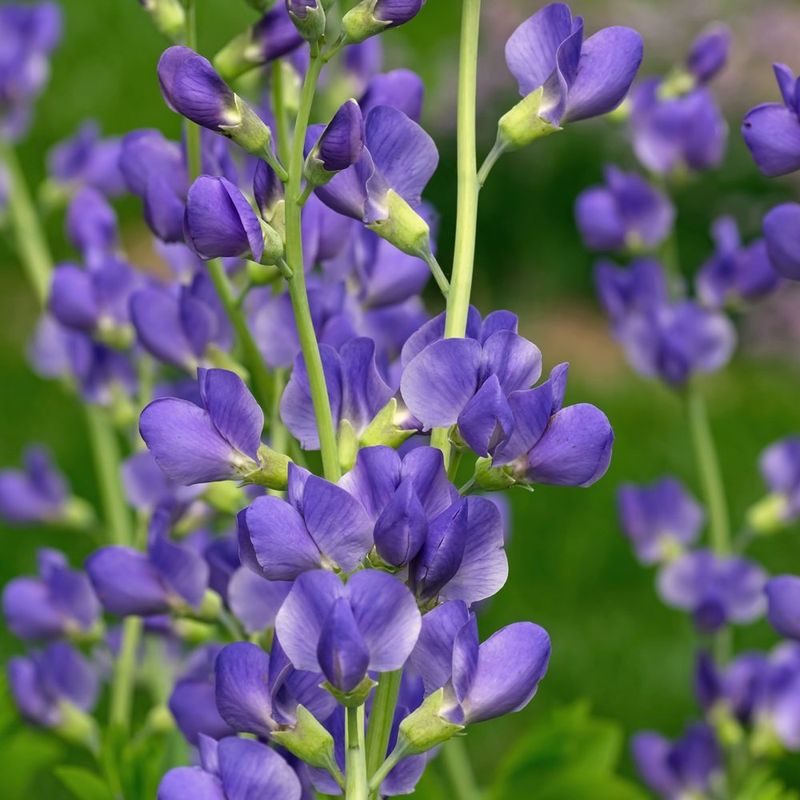
Patience pays off with Baptisia australis. The first year it seems to do nothing, then suddenly it becomes a shrub-sized clump covered in blue pea-like flowers.
Gardeners often say it sleeps, creeps, then leaps.
Its massive root system makes drought almost a non-issue. Because it fixes its own nitrogen, it needs no fertilizer, even in tired Piedmont clay.
After a dry summer, mature plants typically come back with more stems than before.
Bumblebees muscle their way into the flowers in spring. Plant it once and leave it alone, since it dislikes being moved.
10. Sundrops
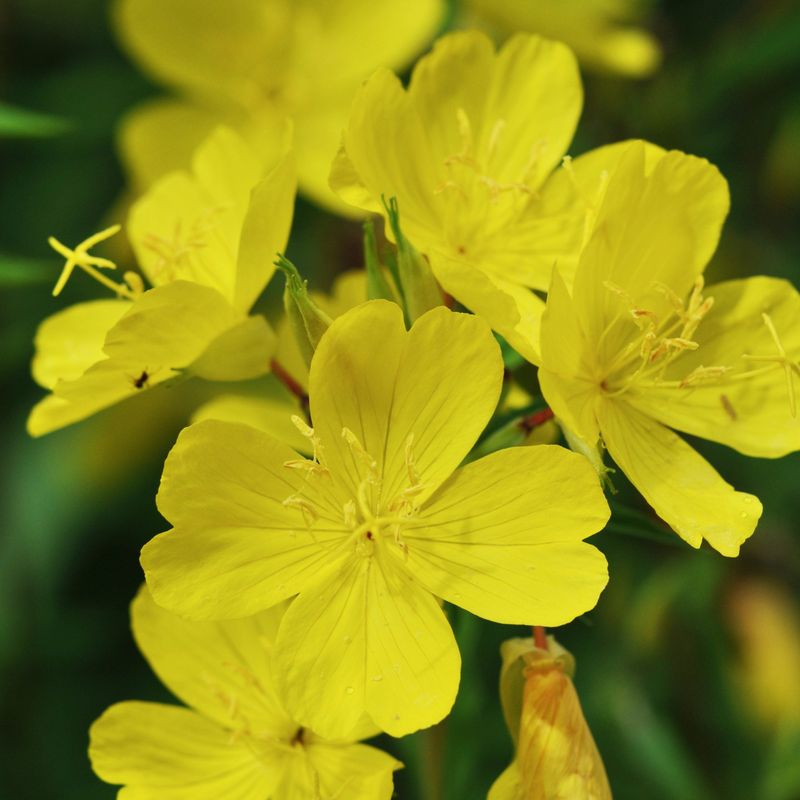
Cheerful little cups of yellow open in daylight, unlike many evening primroses that wait for dusk. Sundrops, Oenothera fruticosa, light up late spring when many gardens are still waking up.
It spreads by shallow rosettes that hug the ground through winter. A dry year might thin the top growth, but those rosettes usually multiply and return as a bigger patch.
Share extras with neighbors in fall.
It handles sandy coastal soil and Piedmont beds alike, feeding early bees. Pair it with coneflower and black-eyed Susan for color from May to frost, and your yard will be ready for whatever next summer brings.