
Does Epsom Salt Kill a Tree Stump? What Works and What Doesn’t
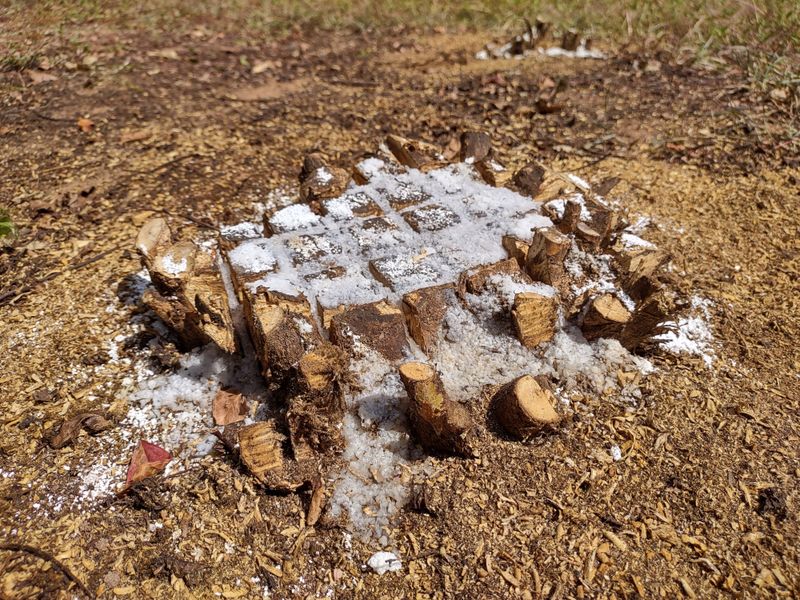
You cut the tree down, and now a stubborn stump sits in your yard, maybe even sending up green shoots. Online tips say a few scoops of Epsom salt will finish it off.
Before you pour anything into drilled holes, it helps to know what the experts actually say. The right fix depends on what your stump is doing and how fast you want it gone.
Epsom salt is not a proven stump killer
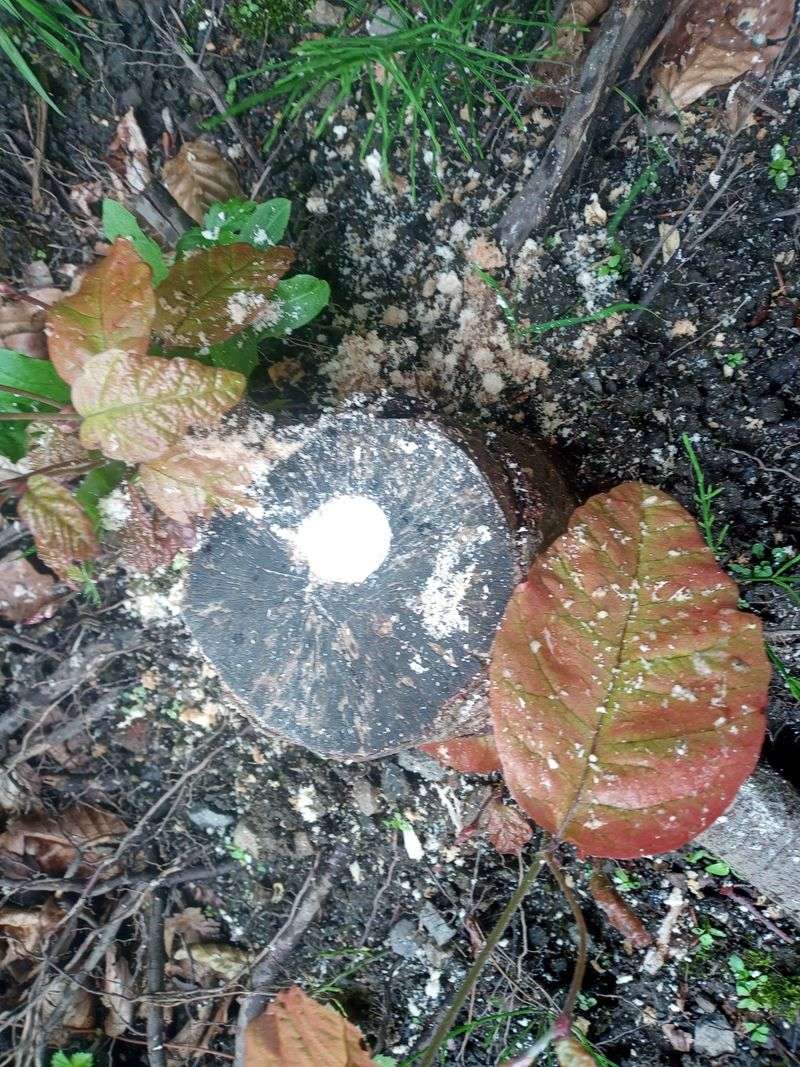
Here is the plain answer: there is no reliable proof that Epsom salt kills or removes a tree stump. When one gardener asked about using it on aspen stumps, an Extension expert replied that they could find no university-based research supporting the method.
That does not mean it is dangerous in every case, only that nobody has shown it works.
So why does the tip keep spreading? It sounds simple and cheap, and the stump is right there begging for a quick fix.
Stories from neighbors and videos can feel convincing, but a stump that slowly dies or rots after salt was added may have done so anyway.
Instead of asking whether Epsom salt works, ask what you actually need. Maybe the stump keeps sending up sprouts and you want them to stop.
Maybe it is not causing trouble and you can wait for it to break down. Or maybe you want it gone this season so you can plant a hydrangea, lay sod, or build a patio.
Each goal points to a different tool, and none of them depend on an unproven remedy. The next sections sort them out so you can pick a safe next step without wasting a summer waiting on a trick.
Salt stress does not prove the stump-hole method works
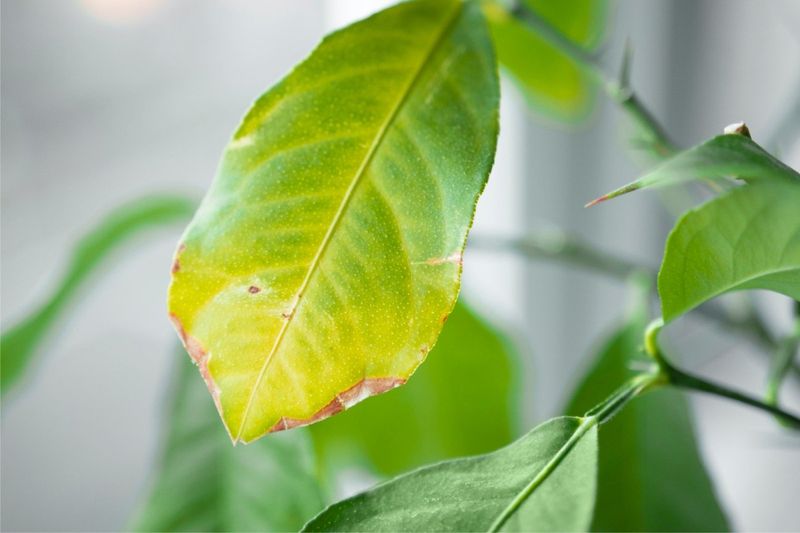
Epsom salt is magnesium sulfate, a soluble mineral salt. Plant guidance does say that high levels of soluble salts in soil can make water harder for roots to take up.
Salt injury to plants is real, and it shows up as scorched leaf edges, stunted growth, and wilting.
That general effect is not the same as proof that Epsom salt in stump holes will kill a stump or its roots. Nobody has tested that exact setup and shown it works.
Saying salt simply pulls water out of the stump’s cells and finishes it off is too simple a story.
Here is the part that matters for your yard. Too much of any salty product can cause salt toxicity and mineral imbalances in the soil.
Washington State University Extension also warns that overusing Epsom salt can injure plants.
So Epsom salt is not harmless or environmentally safe just because it sits in the garden aisle. If your stump is near a tomato bed, a clematis, or a lawn edge, extra magnesium and sulfate could wash toward their roots.
A tip that might do nothing to the stump could still cause trouble for the plants you want to keep.
A cut stump can still be alive while its wood decays
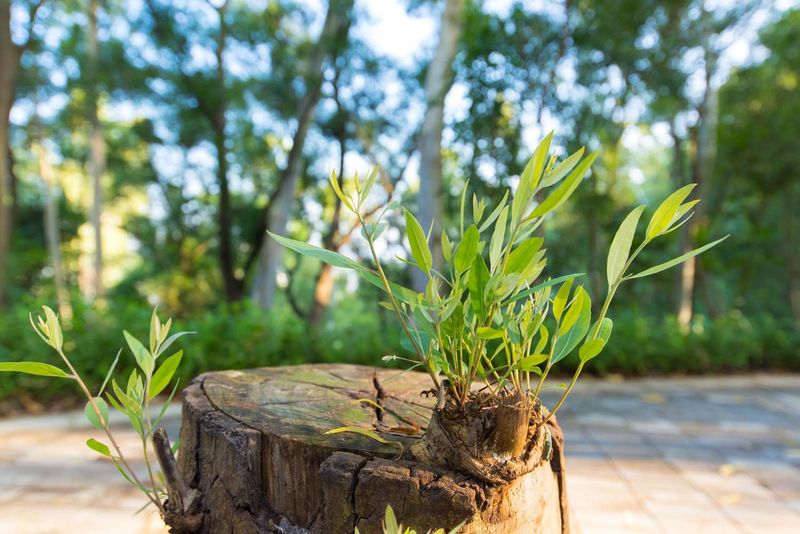
A stump can look dead and still be very much alive. The roots may hold stored energy, and the layer just under the bark can push out new shoots.
Meanwhile, the wood in the middle slowly breaks down thanks to fungi and bacteria.
These are two separate jobs. Stopping regrowth means dealing with living tissue.
Breaking down wood means helping decay organisms do their work. Mixing them up is why so many stump tips disappoint.
Potassium nitrate stump products show the difference. Extension guidance describes nitrogen-rich materials as a possible aid to decay, not a dependable root killer.
Calling them useful only on dead wood is not quite right either, since one label directs use on fresh-cut stumps. But that does not show they kill roots or stop sprouts.
Another Extension guide points out that stump removal options vary in speed and effort, so it pays to match the method to your goal.
A quick clue: green shoots around the base mean living tissue. A soft, crumbly, mushroom-dotted stump with no sprouts is already well along in decay.
Check yours before choosing.
What to do if the stump is sending up sprouts
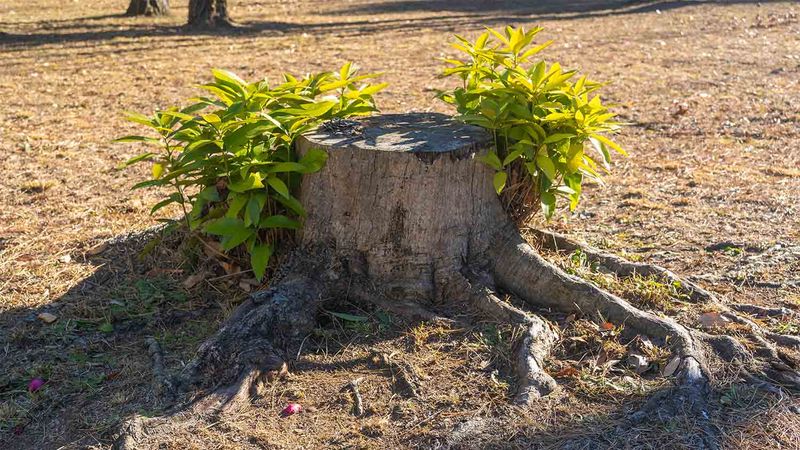
Sprouts mean the root system is still working. Aspen is a good example: Extension notes that a live root system can keep sending up new shoots.
Adding Epsom salt does not answer that problem.
The target is the living stump and root system. Iowa State explains that stump treatments with herbicide work on the living cambium just beneath the bark, so timing matters.
Iowa State’s guidance also warns that applying herbicide long after the tree was cut, or pouring it into drilled holes, can let it leach into soil and harm nearby plants.
If you decide to use an herbicide, pick a product labeled for the intended use and follow every direction on that label. Wear the protective gear it lists, and keep it away from desirable plants, pets, and kids.
You can also cut sprouts back as they appear, which wears down the root’s stored energy over time. It takes patience, but it avoids chemicals near your garden beds.
If the tree is a large one next to your hydrangeas or vegetable bed, consider asking a licensed pro. Stopping regrowth is easier when the stump is freshly cut, so act soon.
Decay treatments take time, and additives are not a sure shortcut
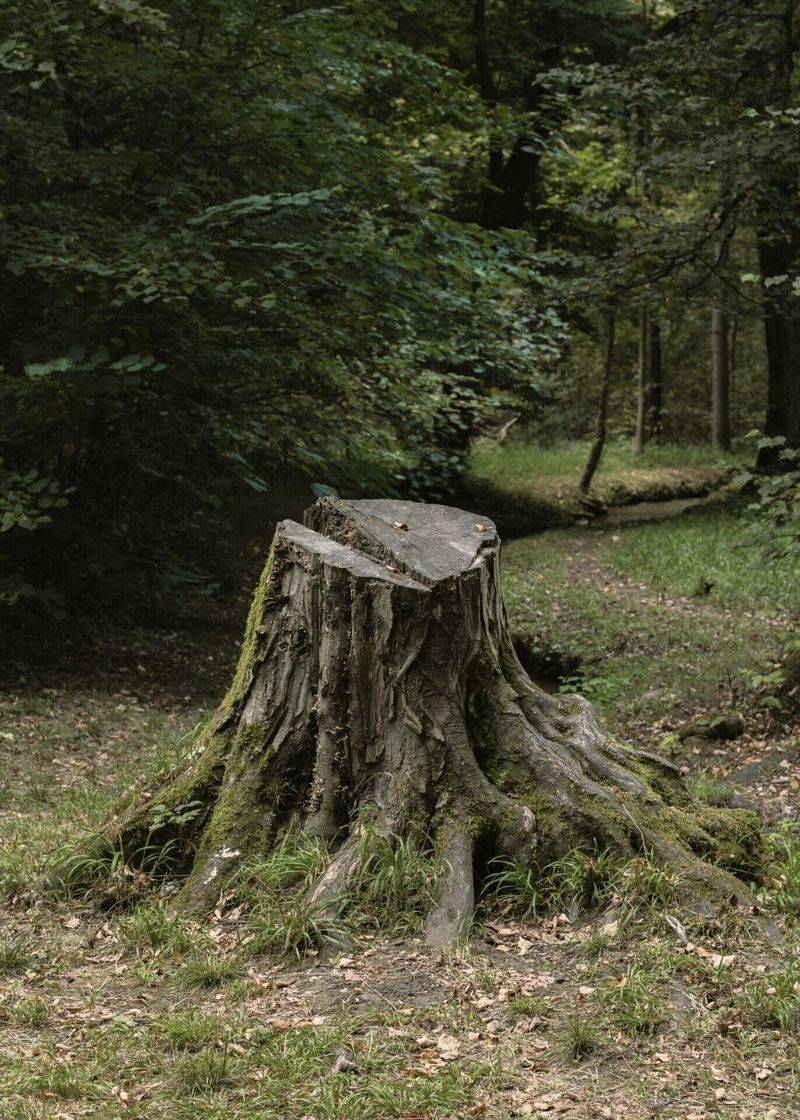
If you can wait, decay is the low-effort route. Iowa State suggests cutting the stump low, drilling holes about 1 inch wide, at least 10 inches deep, and no more than 12 inches apart, then filling them with slow-release fertilizer and covering with soil or sod.
With that method, the stump may become easier to break up after one to three years. That is not a promise, and untreated stumps can take 10 years or more.
Experts disagree on how much additives help. Maine Extension says it could not find scientific studies showing stump-acceleration products work.
It suggests holes and compost to support the organisms that break down wood.
Potassium nitrate products are linked with decay treatment. One product label directs use on a fresh-cut stump.
That does not mean it reliably stops regrowth, and it does not mean it only works on dead wood.
Stump size, tree species, moisture, and site conditions all change the pace. Keep the stump moist and covered, and expect a long wait rather than a quick chemical fix.
Grinding removes a stump faster than waiting for decay
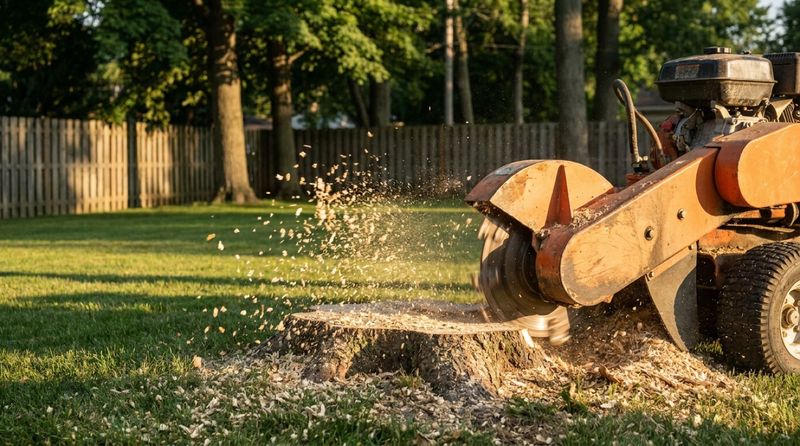
Need the spot cleared this season? Grinding is the fast option.
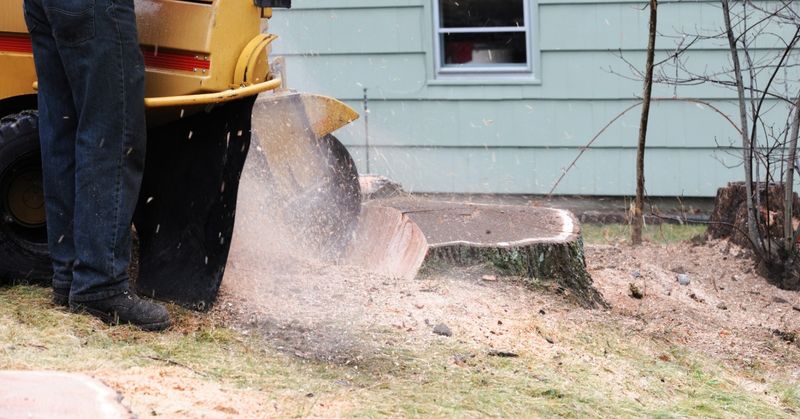
Iowa State says a professional grinder can remove a stump in hours, typically to a depth of 8 to 12 inches. That leaves room to plant grass or a flower bed.
You will be left with a pile of wood chips, which you can spread as mulch or haul off. Large roots near the surface may still need extra work.
Renting a grinder is possible, but these machines are heavy and have spinning cutting wheels. Rental equipment calls for training and careful safety steps, and UC IPM’s stump grinding page covers what the process involves.
Wear eye and ear protection, sturdy boots, and long pants, and keep kids and pets well back. Check for buried utility lines before you start.
If the stump is huge, near a foundation, or the job feels beyond your experience, hire a professional. Paying for an hour of skilled work can beat a rental and a sore back.
Burning is not a casual shortcut
Some stump advice ends with a match. Treat that as a safety warning, not a plan.
The potassium nitrate label identifies the material as an oxidizer, which means it may intensify fire.
Stump fires are also stubborn. Iowa State cautions that they can be difficult to control and may be prohibited locally.
A stump can smolder underground along its roots long after you think it is out, and that heat can reach fences, mulch, and nearby plants.
Before even thinking about fire, read the product label closely and follow its directions. Then check with your city, county, or fire department about burn rules and permits.
For most backyards, the safer paths are waiting for decay or hiring a grinder. Neither one needs a fire extinguisher standing by.
Match the method to the stump’s problem
Skip Epsom salt as a stump killer, since no university research backs it. If sprouts are the trouble, focus on a properly labeled treatment for living tissue and follow Iowa State’s cautions.
If you have time, let the wood break down, but do not count on a guaranteed accelerator. If you need it gone soon, compare grinding with hiring a pro.
A stump rewards the gardener who picks a goal first and a tool second.